Cesare Lombroso Museum of Criminal Anthropology
Explore the controversial history of criminal anthropology with realistic anatomical displays and inmate art at the Lombroso Museum.

Highlights
Must-see attractions

Social
From TikTok & Reddit
Best Time
Fewer crowds, more reflective time
Cesare Lombroso Museum of Criminal Anthropology
Best Time
Fewer crowds, more reflective time
Highlights
Must-see attractions
Explore the controversial history of criminal anthropology with realistic anatomical displays and inmate art at the Lombroso Museum.
"Love criminal studies? Like the macabre? Fascinated by Science? This museum is for you!"
Prepare for the Graphic
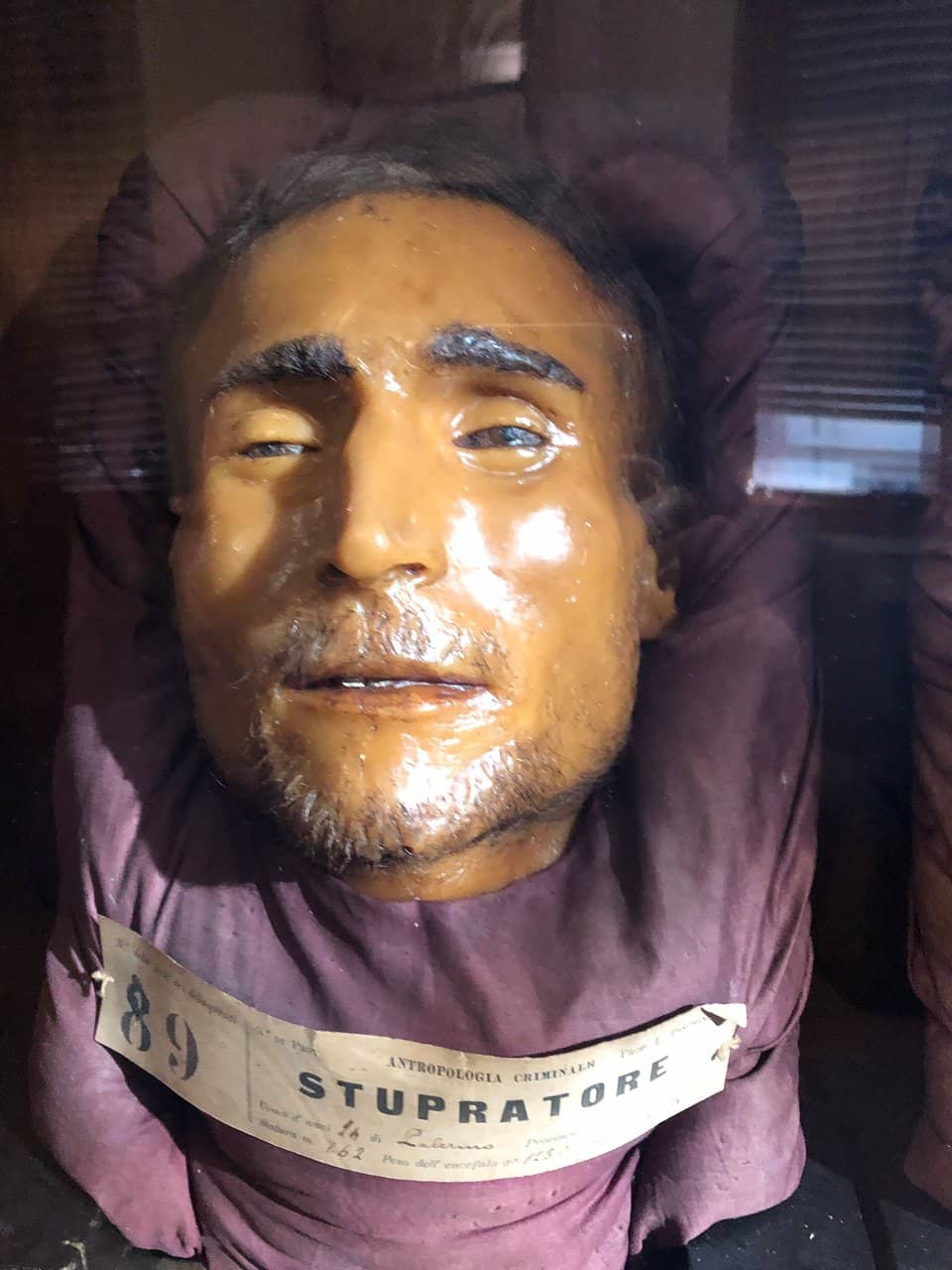
This museum features skulls and realistic anatomical models. Not for the faint of heart! :skull:
Student Discounts Available
Bring your student ID for reduced entry fees. Great value for those studying criminology or psychology. :moneybag:
Highlights
Discover the most iconic attractions and experiences
Anatomical Preparations
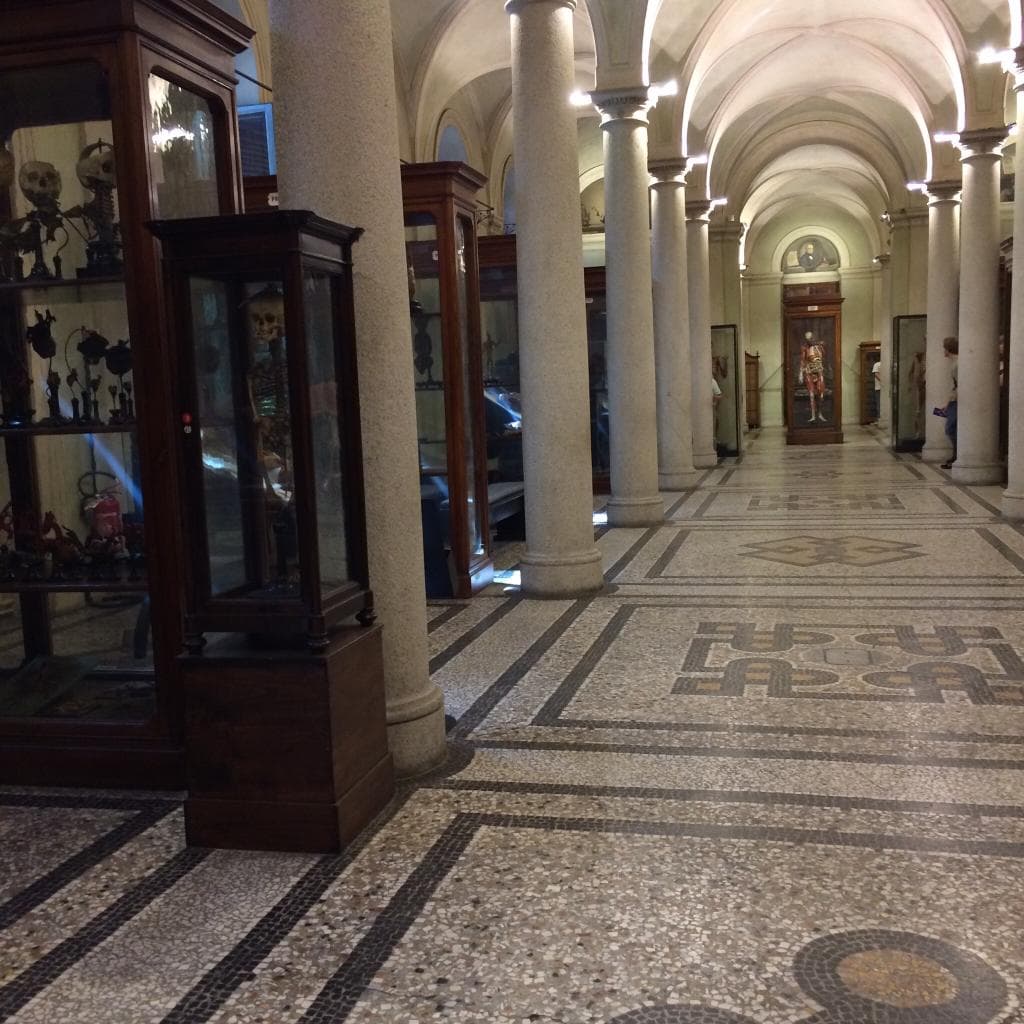
Main Exhibition Hall
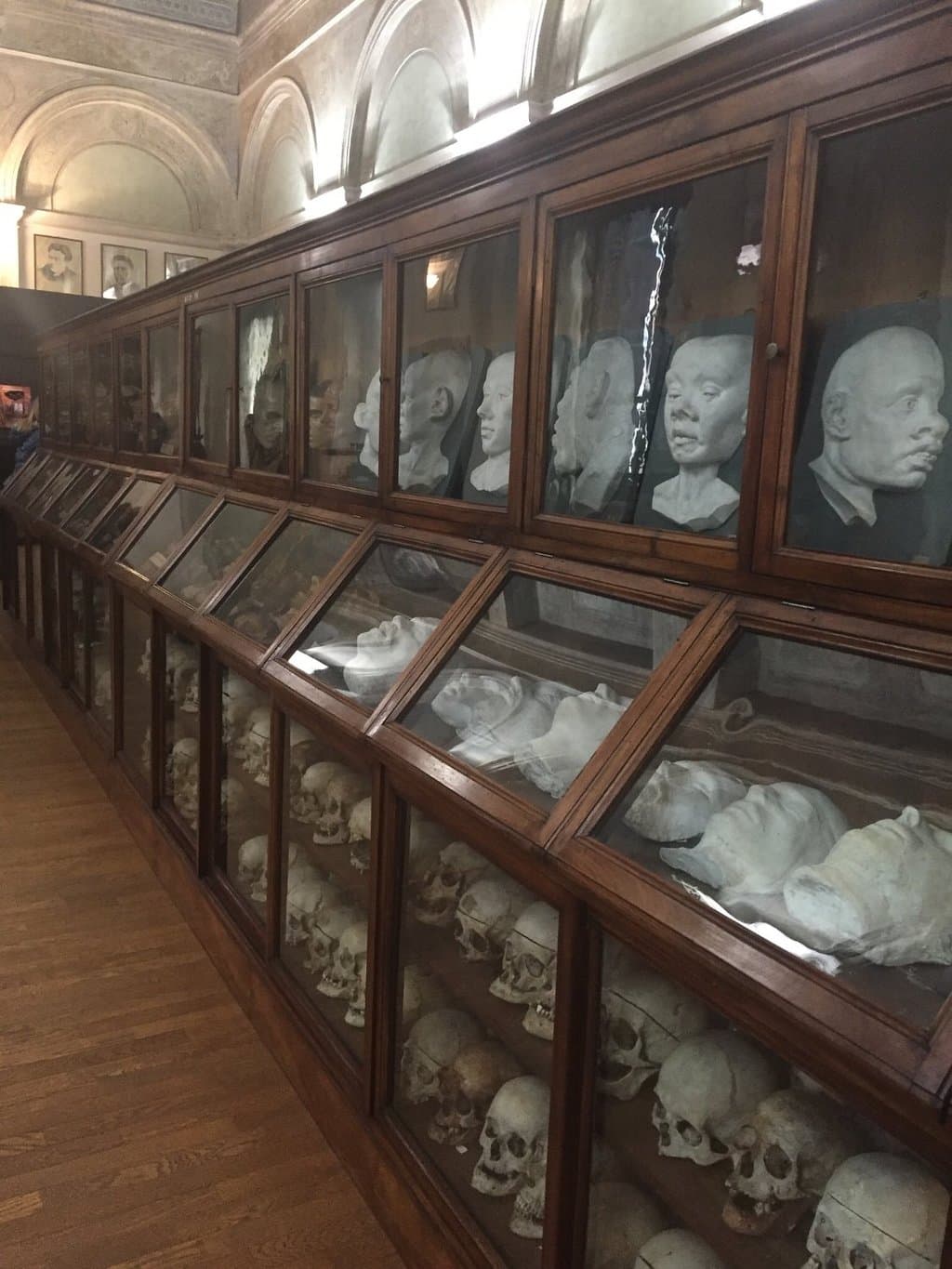
Realistic displays of skulls and anatomical specimens that formed the basis of Lombroso's theories.
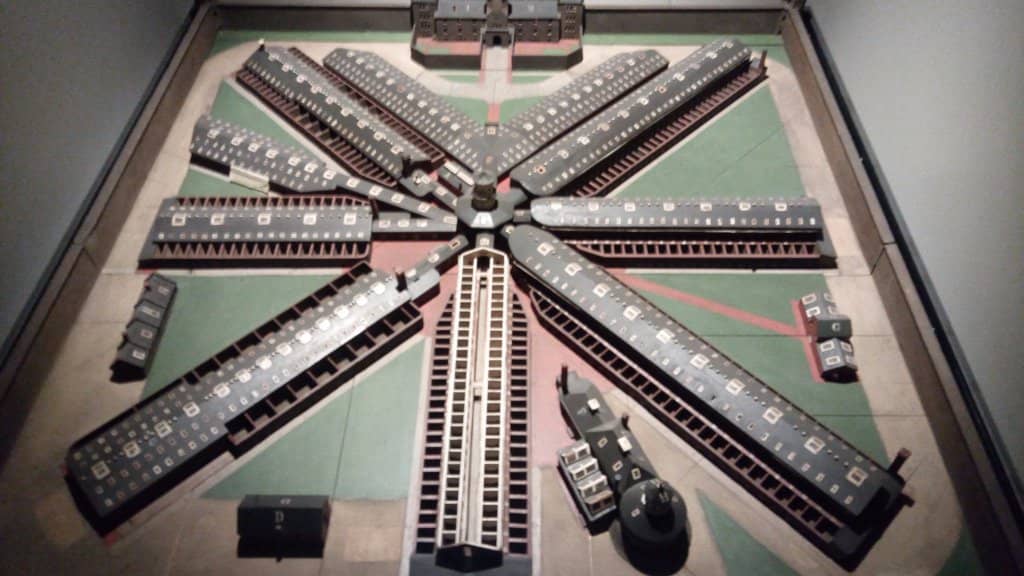
Inmate Art & Writings
Criminology Section
Fascinating and often disturbing artistic and written works created by prisoners and asylum inmates.
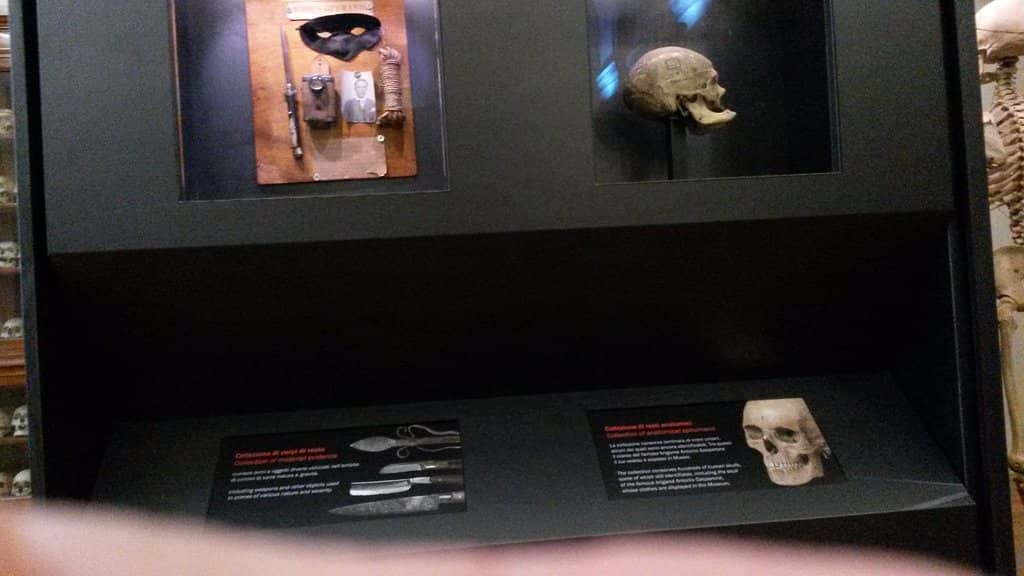
Lombroso's Theories Visualized
Exhibition Displays
Photographs, drawings, and artifacts illustrating Lombroso's controversial ideas about the 'criminal man'.
Plans like a pro.
Thinks like you
Planning Your Visit
Embrace the Macabre & Historical Context
Plan Your Visit Wisely
Best Times
Insider Tips
from TikTok, Instagram & Reddit
I am visiting Torino for a weekend.
Prepare for the Graphic
This museum features skulls and realistic anatomical models. Not for the faint of heart! :skull:
Student Discounts Available
Bring your student ID for reduced entry fees. Great value for those studying criminology or psychology. :moneybag:
Check Opening Hours
The museum is closed on Sundays. Plan your visit accordingly to avoid disappointment. :calendar:
Consider a Multi-Museum Pass
Save money with a combined ticket for multiple museums in the complex. :ticket:
Tips
from all over the internet
Prepare for the Graphic
This museum features skulls and realistic anatomical models. Not for the faint of heart! :skull:
Student Discounts Available
Bring your student ID for reduced entry fees. Great value for those studying criminology or psychology. :moneybag:
Check Opening Hours
The museum is closed on Sundays. Plan your visit accordingly to avoid disappointment. :calendar:
Consider a Multi-Museum Pass
Save money with a combined ticket for multiple museums in the complex. :ticket:
Brush up on Lombroso
Reading about Cesare Lombroso beforehand enhances understanding of his controversial theories. :books:
What Travellers Say
Reviews Summary
The Cesare Lombroso Museum offers a unique and realistic exploration of criminal anthropology's history. While some visitors find the lack of English translations and deeper context on Lombroso's theories a drawback, its graphic displays and inmate art are considered fascinating and informative by those interested in the macabre and the evolution of scientific thought. The staff is noted as kind and helpful, and student discounts make it an affordable visit.
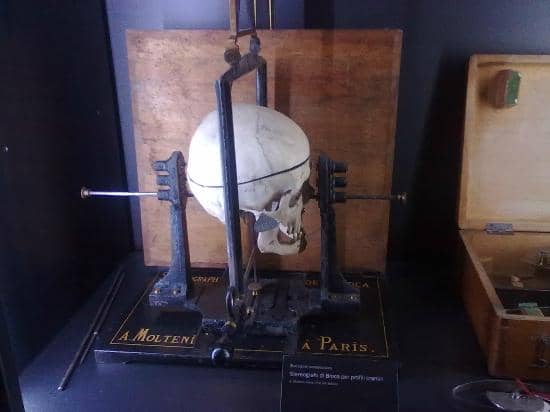
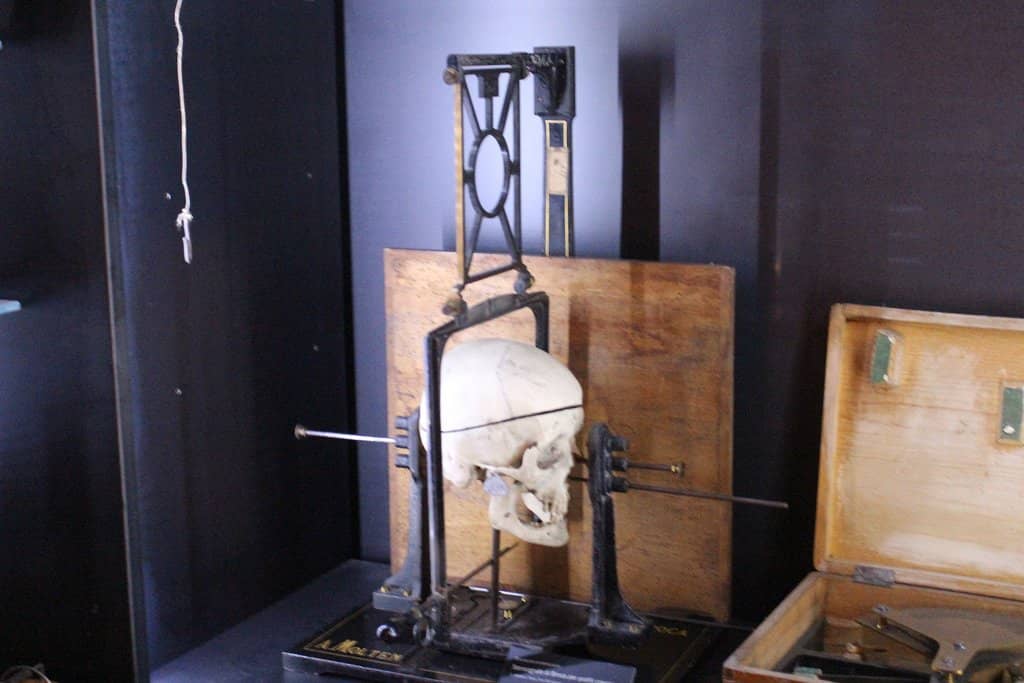
"The Museo di Antropologia Criminale Cesare Lombroso in Turin offers a unique exploration of the history of criminal anthropology, re-established in 2009, a century after Lombroso’s death. As the founder of this field, Lombroso’s museum features a diverse collection of anatomical preparations, drawings, photographs, and writings, as well as artisanal and artistic works created by inmates of mental institutions and prisoners.
From a modern mental health viewpoint, the museum presents an impressive opportunity to reflect on the evolution of ideas surrounding criminal behavior and mental illness. The exhibition is designed to provide visitors with insights into Lombroso's controversial theories of criminal atavism, highlighting the scientific methods he employed and the errors that ultimately led to the founding of a discipline that has since been discredited. This museum serves as an important space for understanding the historical context of criminal theory and its implications for contemporary discussions in psychology, anthropology, and criminology."
E Scott Parks
"The staff was kind and spoke english. The exhibition was interesting and informative, very realistic. They have reduced prices for students. There are options for tickets (a) one museum/one entry (3€ for students) or (b) three museums for price of two entries (6€ for students). The exhibition has two entrances on the opposite sides of the same building, one for anatomy (1), another for criminology (2) and fruits (3)."
Helena
"Love criminal studies? Like the macabre? Fascinated by Science? Interested in the Victorian Era? If any of these pique your interest this museum is for you! I love all of the above and really enjoyed this small but very fascinating museum. Look up Cesare Lombroso and read about his legacy. If your interested head down to the museum. It's only €3 to get in but they are closed on Sunday."
Lisa Speroni
What People Like
What People Dislike
Frequently Asked Questions
🚇 🗺️ Getting There
The museum is located within the University of Turin's complex. You can reach it via public transport, with several tram and bus lines stopping nearby. It's a good idea to check local transit apps for the most convenient route from your accommodation.
Parking in the vicinity of the museum can be challenging due to its city center location. It's generally recommended to use public transportation or a taxi to avoid parking hassles.
Information on accessibility can vary. It's advisable to contact the museum directly or check their official website for the most up-to-date details regarding ramps, elevators, and accessible restrooms.
From Torino Porta Nuova or Torino Porta Susa, you can take a tram or bus. Consult a local transit map or app for specific line numbers and directions to the museum's area.
The museum is part of the University of Turin's scientific campus. Familiarizing yourself with the university's general location can help you navigate to the specific building housing the museum.
🎫 🎫 Tickets & Entry
The museum is typically open from Monday to Saturday but is closed on Sundays. It's always best to verify the exact hours on their official website before your visit, as these can change.
Admission fees are quite reasonable, with special reduced prices for students. You can opt for a single museum entry or a combined ticket for multiple museums within the complex, offering better value.
While some museums offer online booking, it's advisable to check the museum's official website for the most current ticketing information. On-site purchase is usually available.
Yes, the museum offers reduced prices for students. Keep your student ID handy to avail of these discounts.
The combined ticket often allows entry to three museums for the price of two standard entries, providing a cost-effective way to explore more of the scientific museum complex.
🎫 🧭 Onsite Experience
The museum showcases anatomical preparations, drawings, photographs, and writings related to criminal anthropology, as well as art by inmates. It's a realistic and informative, though sometimes graphic, exhibition.
While some information may be translated, a significant portion of the displayed information might not be in English. Visitors with limited Italian might find it helpful to do some prior research.
Due to the graphic nature of some exhibits, including skulls and anatomical models, it is generally not recommended for young children. Parental discretion is advised.
The museum is relatively small. A visit can take anywhere from 1 to 2 hours, depending on your interest level and how much time you spend examining the exhibits.
Information on guided tours can vary. It's best to check the museum's official website or inquire at the information desk upon arrival for availability and language options.
📸 📸 Photography
Photography policies can differ. Generally, flash photography is prohibited to protect the exhibits. It's advisable to look for signage or ask museum staff for clarification on their photo policy.
While the exhibits themselves are the focus, the overall atmosphere of the museum, with its historical displays and unique artifacts, can be captured. Focus on the details that intrigue you.
Typically, professional photography equipment and tripods are not allowed without prior permission to avoid disruption and ensure the safety of the exhibits.
Given the subject matter, close-up shots of artifacts, the textures of the displays, and the overall historical ambiance can be very effective.
The museum's lighting is designed to preserve the exhibits. You may need to rely on your camera's low-light capabilities or adjust settings for optimal shots.
For Different Travelers
Tailored advice for your travel style
Curious Minds & Students
History Buffs & Macabre Enthusiasts
Deep Dives
In-depth insights and expert knowledge
Understanding Cesare Lombroso's Legacy
Lombroso's museum houses a vast collection of anatomical preparations, including skulls and skeletons, alongside photographs, drawings, and writings that he used to support his theories. The exhibition also features artistic and artisanal works created by inmates of mental institutions and prisons, offering a glimpse into the lives and minds of those studied. While groundbreaking for its time in attempting a scientific approach to crime, Lombroso's work has been largely discredited by modern science due to its flawed methodology, lack of empirical evidence, and inherent biases. The museum, therefore, serves not only as a historical archive but also as a critical space for reflection on the evolution of scientific thought and the ethical considerations in studying human behavior.
From a modern perspective, the museum provides a fascinating opportunity to understand the historical context of criminal theory and its impact on society. It prompts reflection on how ideas about mental illness, criminality, and justice have changed over time. Visitors can observe the scientific methods employed by Lombroso and understand the errors that led to the eventual discrediting of his theories, paving the way for more nuanced and evidence-based approaches in psychology, anthropology, and criminology. The staff's kindness and English proficiency are often noted, making the complex subject matter more accessible to international visitors.
Navigating the Museum's Exhibits
Beyond the anatomical focus, the museum also highlights the artistic output of prisoners and individuals in asylums. These works, ranging from drawings to sculptures, offer a different perspective on the lives of those studied by Lombroso. While the museum aims to be informative, some visitors have noted a lack of detailed explanations regarding the 'criminal man' as Lombroso envisioned him, which is a core aspect of his work. Furthermore, the translation of exhibit information into English can be inconsistent, which might pose a challenge for non-Italian speakers. Despite these points, the museum's realistic and informative presentation makes it a compelling visit for those interested in the history of science and criminology.


Social
from TikTok, Instagram & Reddit