Cripta del Crocefisso Ugento
An ancient crypt in Ugento featuring a 'starry sky' ceiling and centuries-old frescoes, offering a glimpse into historical and cultural layers.

Highlights
Must-see attractions

Social
From TikTok & Reddit
Best Time
Best for viewing frescoes
Cripta del Crocefisso Ugento
Best Time
Best for viewing frescoes
Highlights
Must-see attractions
An ancient crypt in Ugento featuring a 'starry sky' ceiling and centuries-old frescoes, offering a glimpse into historical and cultural layers.
"The most mystical place in Ugento, offering a unique glimpse into history."
Confirm Accessibility First
Many visitors found it closed. Check locally before you go to avoid disappointment. 💁
Bundle Tickets for Value
Consider a cumulative ticket for the Castle and Museum for a fuller Ugento experience. 🎟️
Quick Facts
Rating
3.8 · 15 reviews
Type
Church
Highlights
Discover the most iconic attractions and experiences
Starry Ceiling with Crossed Shields
Ceiling
A celestial spectacle of astral elements and crossed shields, hinting at Templar and Teutonic Knight connections.
 +1
+1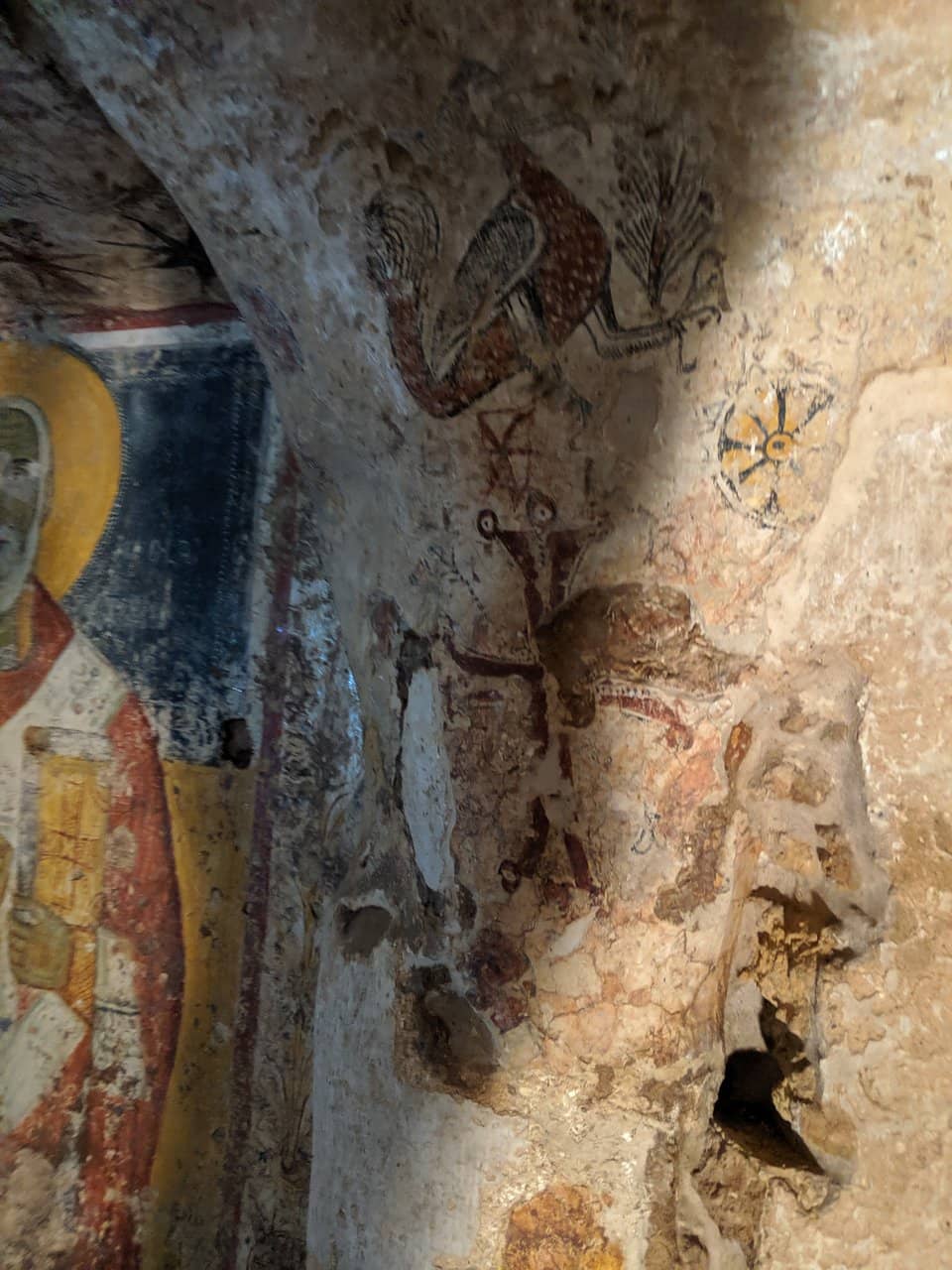
Ancient Frescoes
Walls
Marvel at centuries-old frescoes, including the Pantocrator and Saint Nicholas, showcasing a blend of cultures.
+1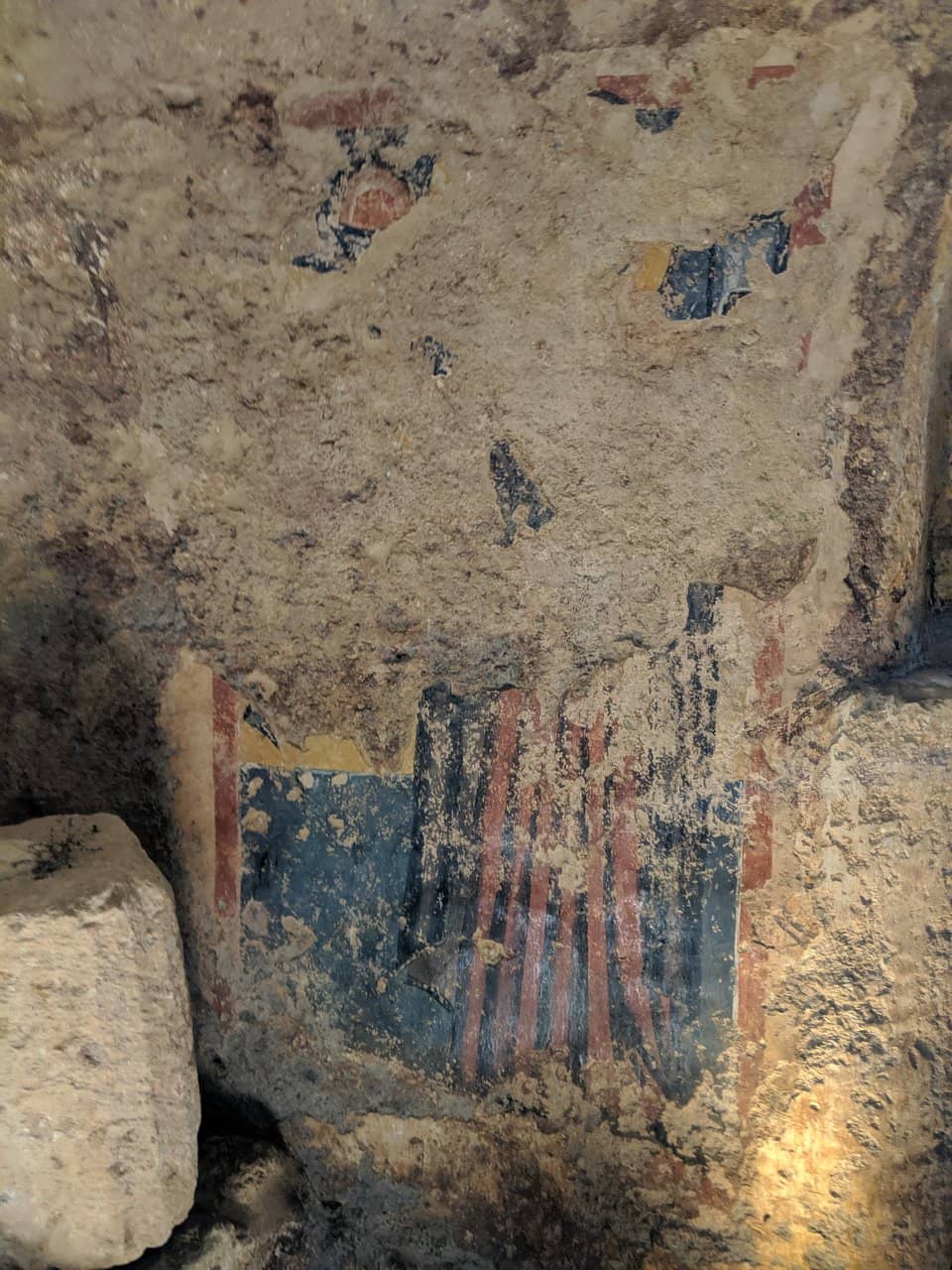
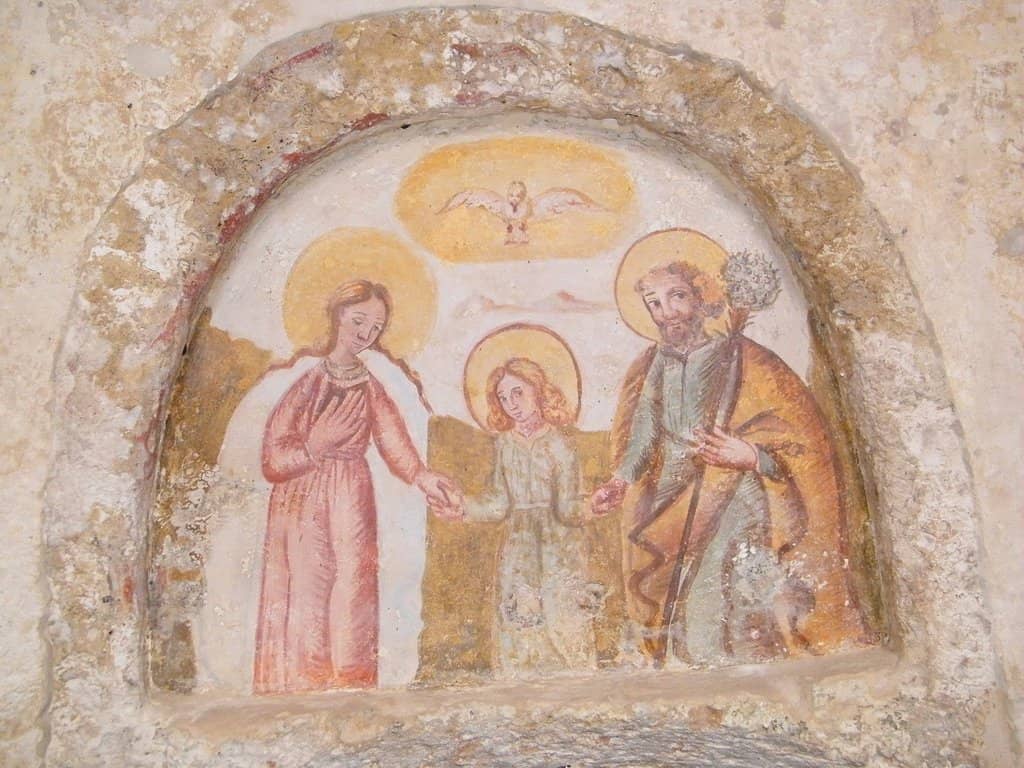
Presentation of Jesus Fresco
Foot of the staircase
A 17th-century fresco depicting the Presentation of Jesus at the Temple, adorning the entrance lunette.
Plans like a pro.
Thinks like you
Planning Your Visit
Check Opening Status Before You Go
Combine with Other Ugento Attractions
Best Times
Insider Tips
from TikTok, Instagram & Reddit
Confirm Accessibility First
Many visitors found it closed. Check locally before you go to avoid disappointment. 💁
Bundle Tickets for Value
Consider a cumulative ticket for the Castle and Museum for a fuller Ugento experience. 🎟️
Wear Comfortable Shoes
The walk from town and exploring the crypt requires sturdy footwear. :athletic_shoe:
Guided Tours Enhance Visit
A museum guide can offer fascinating insights and curiosities about the site. :bustsinsilhouette:
Tips
from all over the internet
Confirm Accessibility First
Many visitors found it closed. Check locally before you go to avoid disappointment. 💁
Bundle Tickets for Value
Consider a cumulative ticket for the Castle and Museum for a fuller Ugento experience. 🎟️
Wear Comfortable Shoes
The walk from town and exploring the crypt requires sturdy footwear. :athletic_shoe:
Guided Tours Enhance Visit
A museum guide can offer fascinating insights and curiosities about the site. :bustsinsilhouette:
What Travellers Say
Reviews Summary
While some visitors found the Cripta del Crocefisso to be a beautiful and mystical place with fascinating frescoes and a unique ceiling, others encountered it closed and in a state of disrepair. When accessible, it's often recommended as part of a broader Ugento cultural tour, with guides enhancing the experience. +2
"Site closed. If it is possible to visit it would be good to post the information nearby because the site seems undeveloped. I had read old comments dating from 2020 and 2023 but when I arrived on site the site no longer seems to be maintained given the vegetation at the back. So check before going there, especially if you are going on foot from the center."
Pirrello Carmelo
"Beautiful crypt about a kilometer away from the town of Ugento. The museum guide accompanied us and also gave us excellent directions and curiosities of the site. It was possible to buy the cumulative ticket of 8 euros, with the castle and the museum. Worth the visit."
paolo mazza
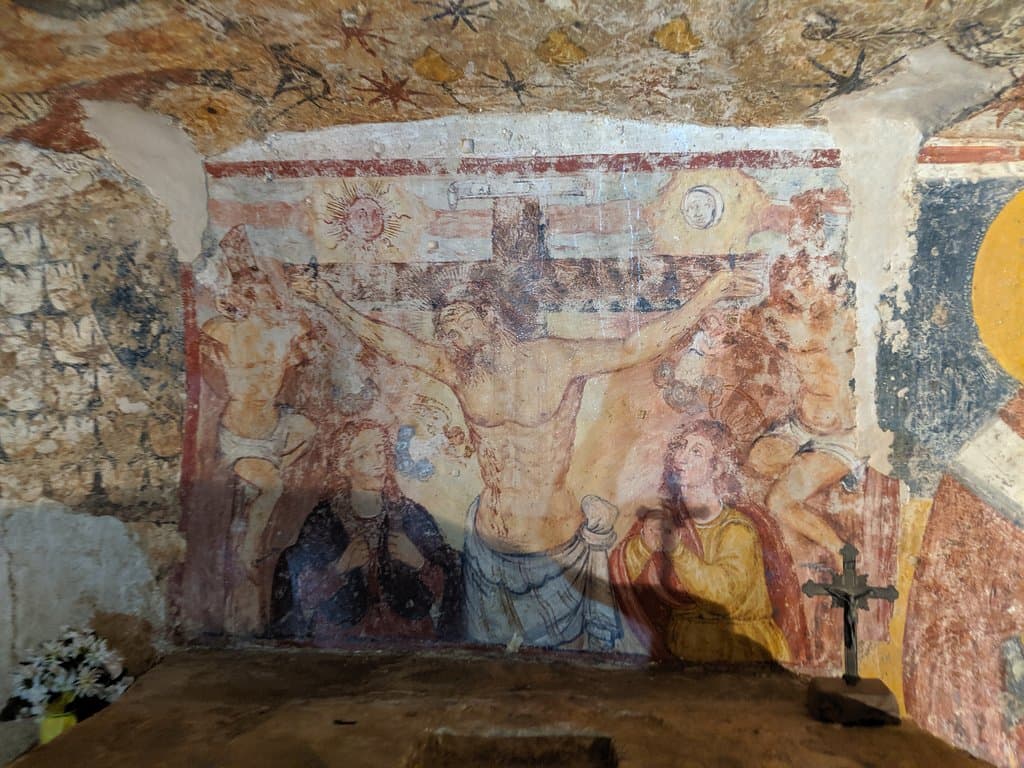
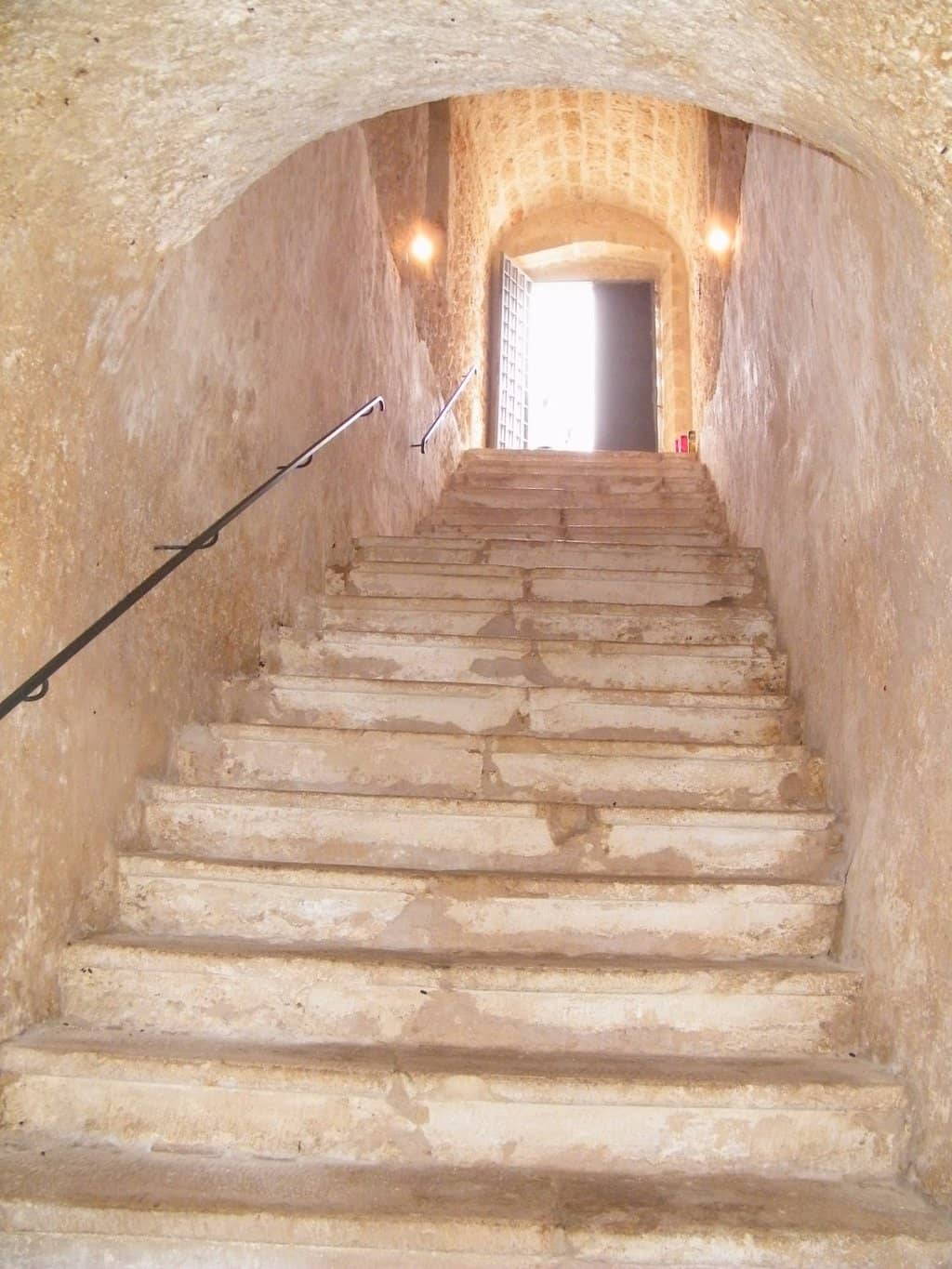
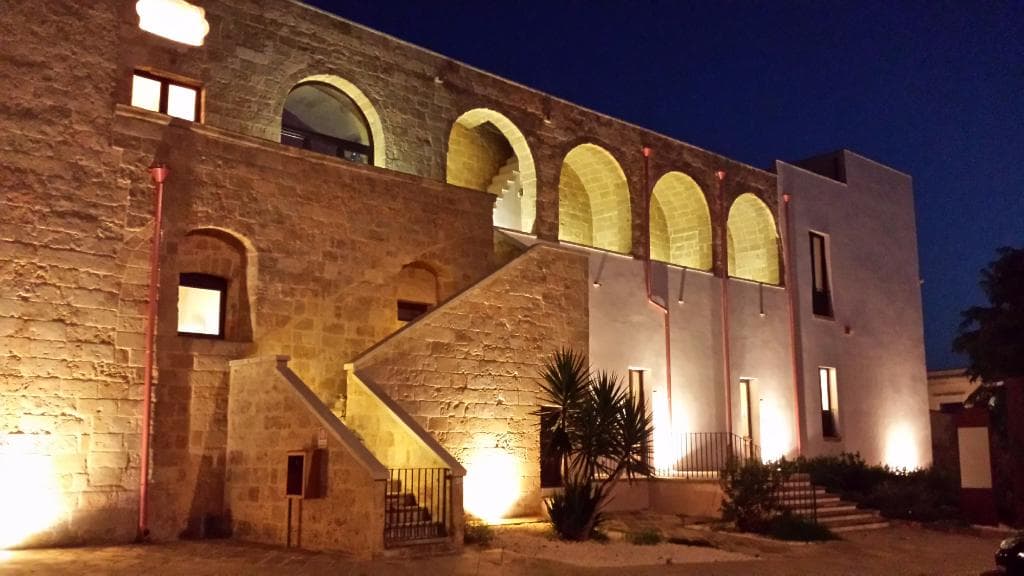
"Returning to the asphalt road, immediately south of the intersection between the road to Melissano and the road to Casarano, is the Cripta del Crocefisso, which gives its name to the entire town; the crypt was located near the main road that went north from Ugento, probably dating back to the Messapian era. The underground area, located beneath a 16th century chapel, is accessed via a steep staircase with a barrel vault, preceded by a portal; at the foot of the staircase, the entrance is surmounted by a frescoed lunette with the scene of the Presentation of Jesus at the Temple.
The current appearance of the small rock church, with a trapezoidal plan, with a mostly flat ceiling of an average height of 2 m and supported by two columns, is the result of a renovation dating back to the 16th-17th century, the period in which the chapel above was also built. A modern block altar is located on the north-east wall, a step-seat on the opposite wall and a light hole is located in the south-east corner. The access, which originally came from the west, from the quarry front that delimits the rocky core in which the chapel was built, was, during the renovation, closed by a wall. Restoration and excavation work carried out in 2004-2005 allowed the examination of this primitive entrance, outside of which some medieval pit tombs were brought to light.
The walls and ceiling are covered with frescoes dating from between the 13th and 17th centuries, accompanied by inscriptions in Greek and Latin. The oldest pictorial cycle includes an Annunciation, a Christ Pantocrator, a Virgin of Tenderness and a Madonna Enthroned from the end of the 13th century and a Saint Nicholas from the beginning of the 14th century, all frescoed on the walls; on the ceiling, in the 13th century. astral elements, six- and eight-pointed stars, real and fantastic animals, floral and plant motifs, red crossed shields and black crossed shields were painted. These last elements have been seen as an allusion, respectively, to the Templars and the Teutonic Knights, who, according to some scholars, commissioned the decoration. It has recently been hypothesized that its realization could be ascribed to the will of a local private family. Also attributable to the first decorative phase are some remains of frescoes found near the original entrance and in other points of the hypogeum; a Crucifixion painted above the altar and the aforementioned Presentation at the Temple made along the steps of the new access to the rock church are instead pertinent to a second pictorial intervention, dated to the 17th century."
Roberto Spennato
What People Like
What People Dislike
Frequently Asked Questions
🚇 🗺️ Getting There
The Cripta del Crocefisso is located about a kilometer south of Ugento town center, near the intersection of the roads to Melissano and Casarano. It's accessible by car or a walk from the town. Some visitors have noted it can be a 15-minute walk from the center. +1
Information on dedicated parking is scarce, but street parking is likely available in the vicinity. It's advisable to check local conditions upon arrival.
Yes, it's about a kilometer walk from Ugento's center. However, ensure the site is open before embarking on your walk, as some visitors found it inaccessible.
🎫 🎫 Tickets & Entry
Recent visitor reports indicate the site may be closed or unmaintained. It's essential to verify current opening hours and accessibility locally before visiting.
A cumulative ticket for the Cripta del Crocefisso, the Castle, and the Archaeological Museum was available for 8 euros. However, confirm current pricing and ticketing options.
Advance booking information is not readily available. Given the potential for closures, it's best to check on-site or with local tourist information for the most up-to-date entry requirements.
Some visitors have reported the site being closed and in a state of abandonment. It's highly recommended to confirm its accessibility before your visit.
🎫 🏛️ Onsite Experience
Inside, you'll find ancient frescoes dating from the 13th to 17th centuries on the walls and ceiling, including depictions of the Pantocrator, Saint Nicholas, and astral elements. +1
The crypt is believed to date back to the Messapian era and was later renovated in the 16th-17th centuries. Its frescoes and inscriptions offer insights into various historical periods and cultures.
Yes, museum guides have accompanied visitors, providing excellent directions and sharing curiosities about the site, enhancing the overall experience.
The ceiling is decorated with astral elements, six- and eight-pointed stars, and various motifs, creating a 'starry sky' effect. It also features red and black crossed shields, possibly alluding to the Templars or Teutonic Knights. +1
Yes, school groups, including primary school classes, have visited the crypt as part of broader cultural tours, indicating it can be suitable for younger visitors.
📸 📸 Photography
While not explicitly stated, photography is generally permitted in historical sites unless otherwise indicated. Be mindful of any signage or guide instructions.
The 'starry ceiling' with its unique motifs and the detailed ancient frescoes on the walls offer excellent photographic subjects.



Social
from TikTok, Instagram & Reddit