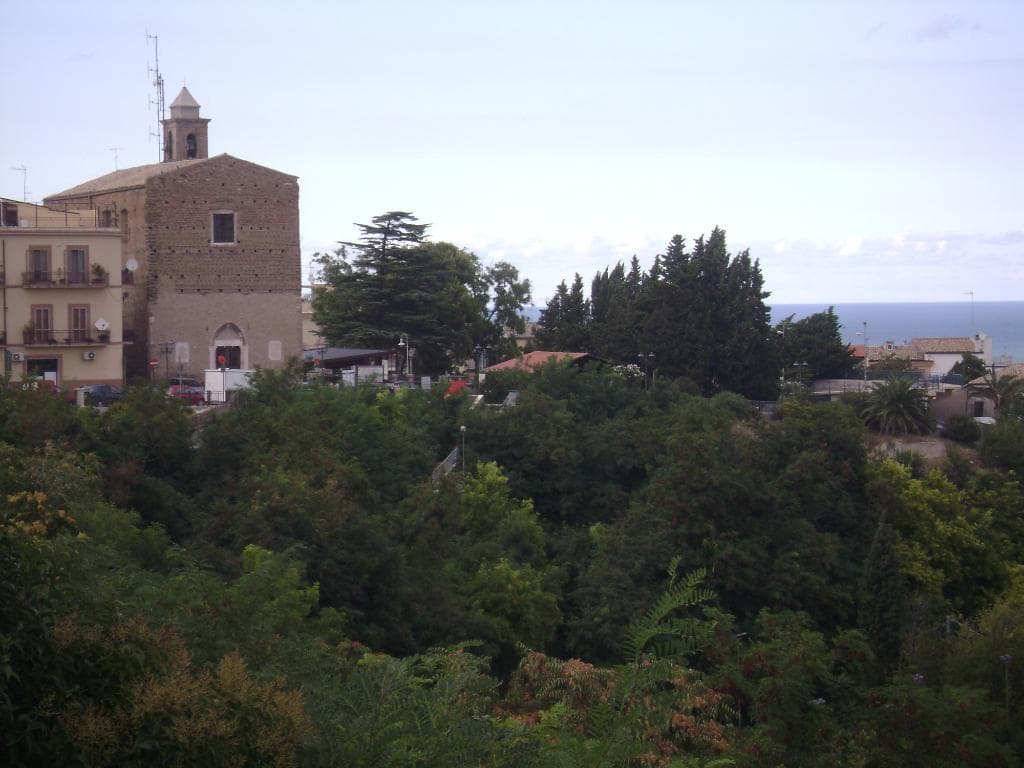
Terme Romane di Histonium
Explore the remnants of a 2nd-century Roman bath complex, featuring stunning mosaics and ancient heating systems on the Adriatic coast.
Highlights
Must-see attractions

Social
From TikTok & Reddit
Best Time
Open for night visits
Terme Romane di Histonium
Best Time
Open for night visits
Highlights
Must-see attractions
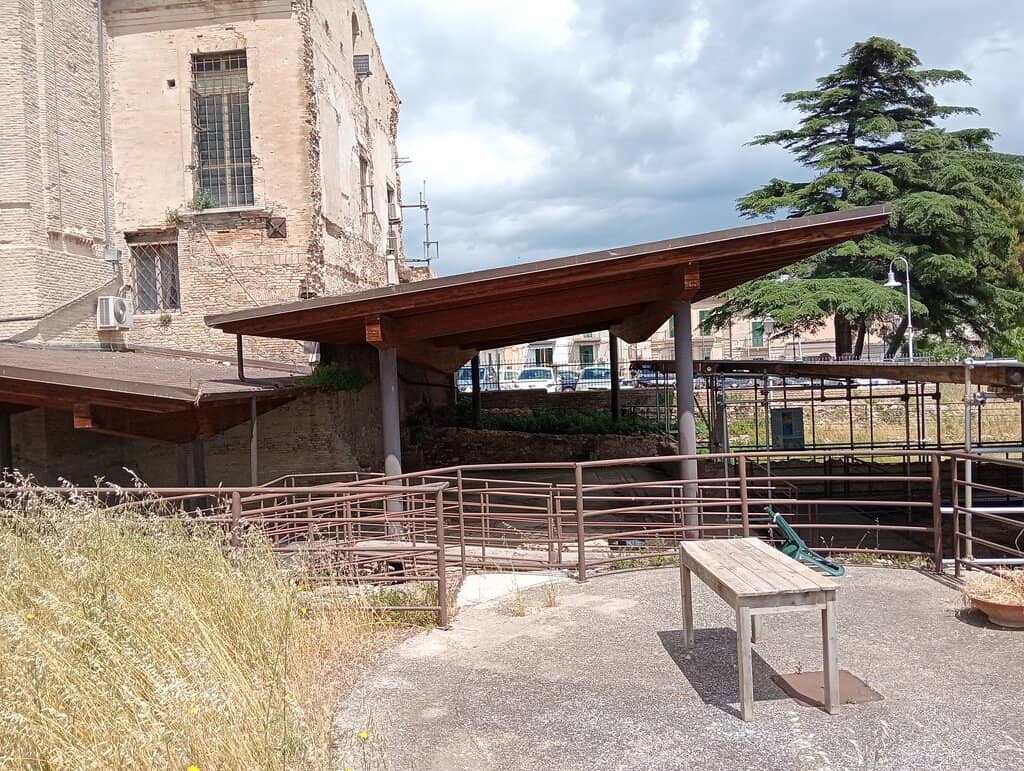
Explore the remnants of a 2nd-century Roman bath complex, featuring stunning mosaics and ancient heating systems on the Adriatic coast.
"A glimpse into Roman engineering with beautiful mosaics, despite limited summer evening access."
Check Summer Hours
Only open in summer, Thurs-Sun, 9 PM-12 AM. Verify locally! :clock1:
Brochures Available
Ask for brochures at the entrance for more info. :pagefacingup:
Quick Facts
Hours
Rating
3.8 · 52 reviews
Highlights
Discover the most iconic attractions and experiences
Preserved Mosaics
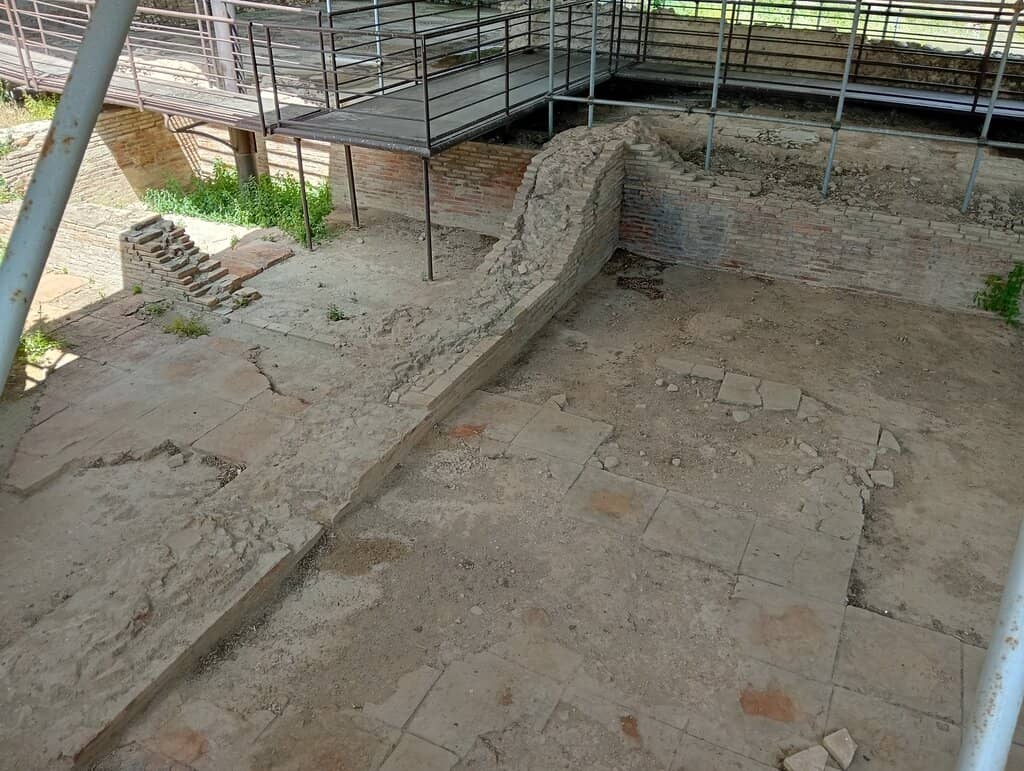
Flooring of various rooms
Admire the intricate and beautiful mosaics that still adorn the floors, showcasing Roman artistry.
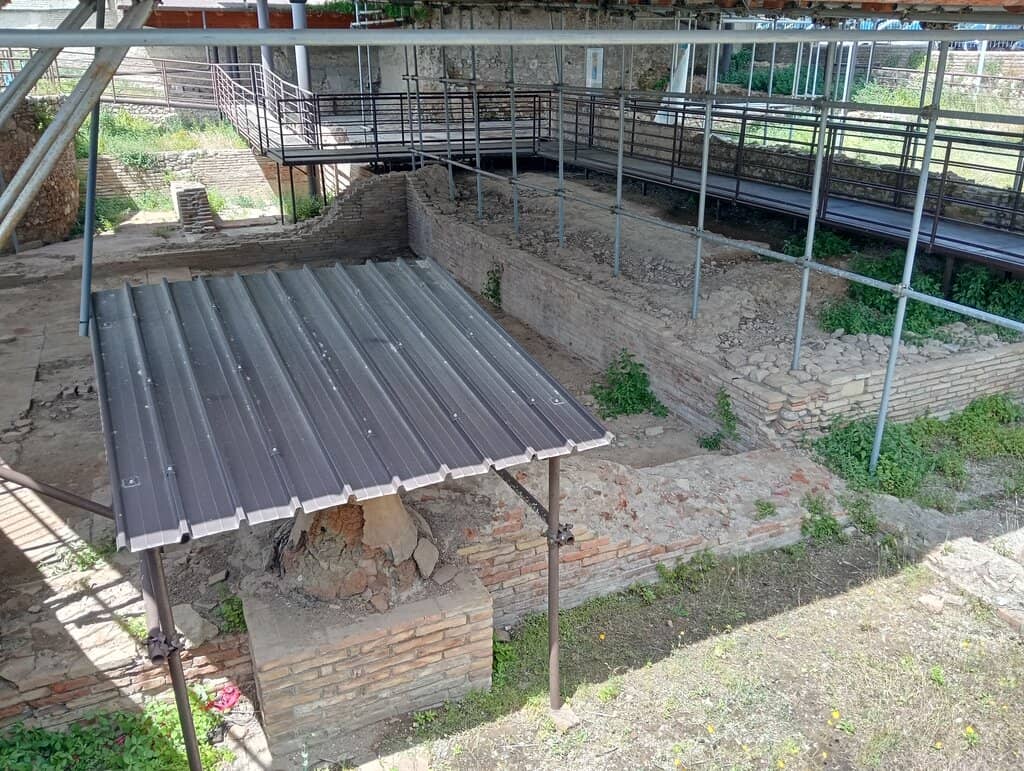
Ancient Heating System
Oven area
See the remnants of the hypocaust system, an ingenious Roman oven used to heat the baths.
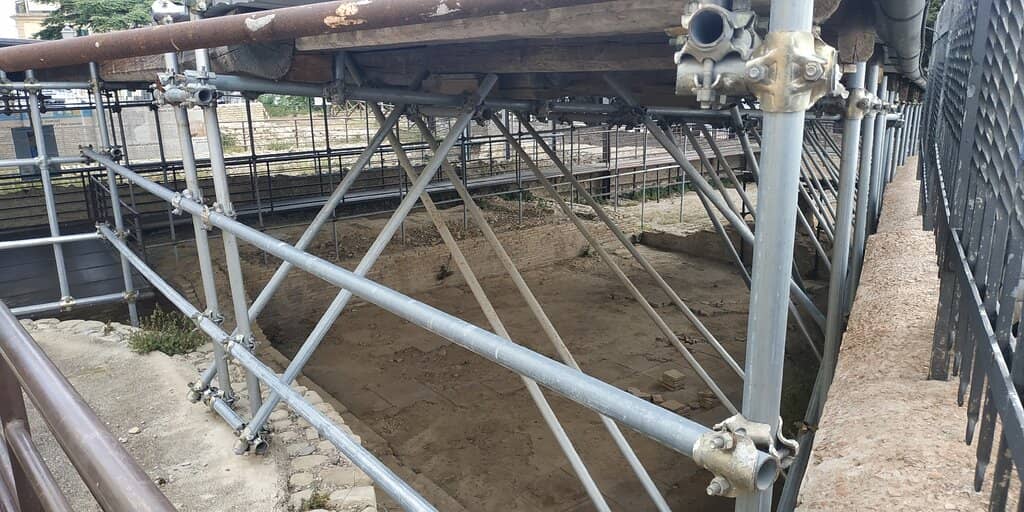
Largest Thermal Complex
Central Southern Adriatic Coast
Explore what remains of the largest Roman thermal complex on the central southern Adriatic coast.
Plans like a pro.
Thinks like you
Planning Your Visit
Summer Evening Access
Limited Opening Hours
Best Times
Insider Tips
from TikTok, Instagram & Reddit
Check Summer Hours
Only open in summer, Thurs-Sun, 9 PM-12 AM. Verify locally! :clock1:
Brochures Available
Ask for brochures at the entrance for more info. :pagefacingup:
Combine with Church Visit
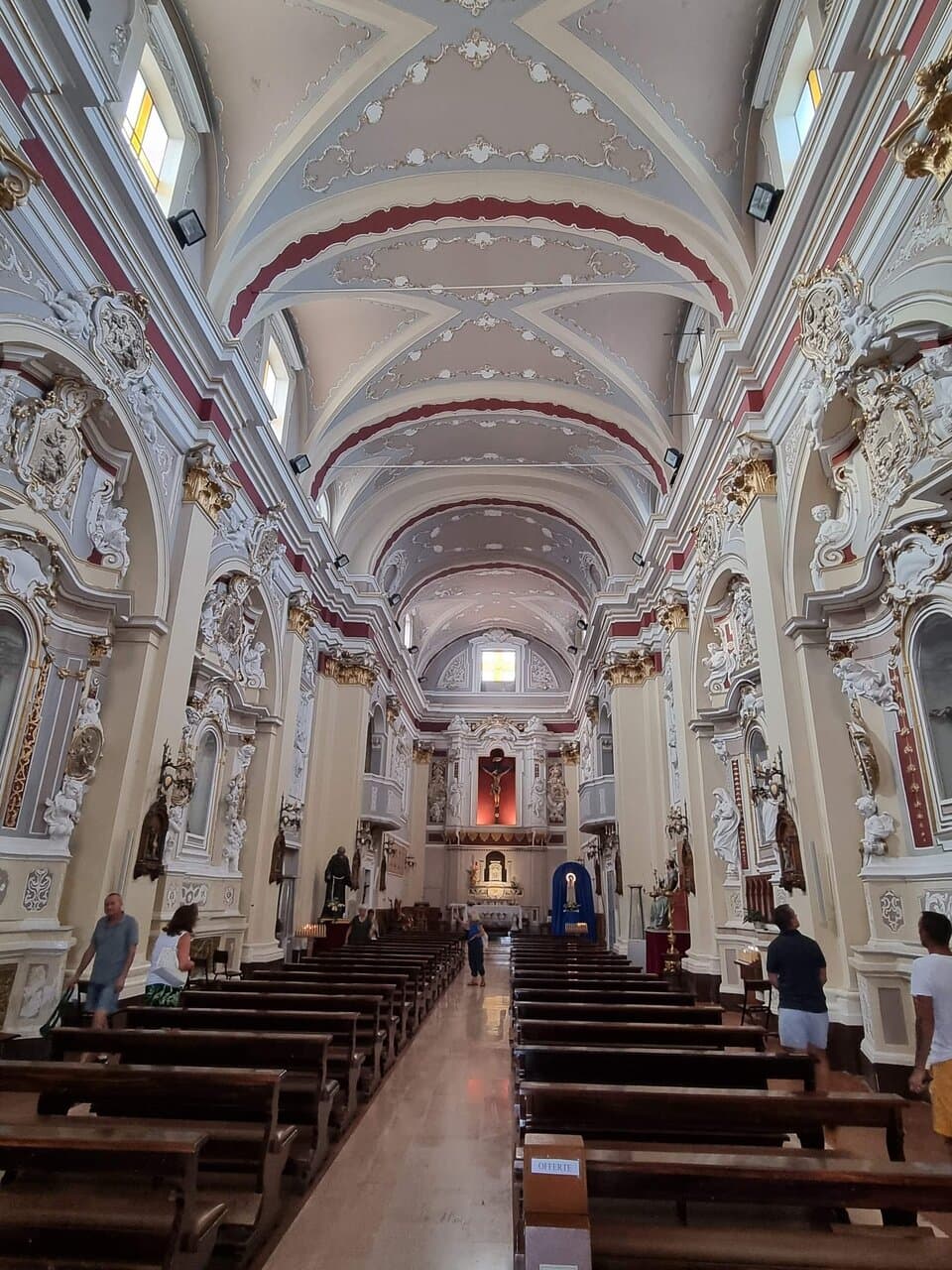
Visit San Pietro church nearby, built on a Roman temple site. ⛪
Potential for More Ruins
Excavations suggest more remains might be found nearby. :mag:
Tips
from all over the internet
Check Summer Hours
Only open in summer, Thurs-Sun, 9 PM-12 AM. Verify locally! :clock1:
Brochures Available
Ask for brochures at the entrance for more info. :pagefacingup:
Combine with Church Visit
Visit San Pietro church nearby, built on a Roman temple site. ⛪
Potential for More Ruins
Excavations suggest more remains might be found nearby. :mag:
What Travellers Say
Reviews Summary
Visitors appreciate the historical significance and the preserved mosaics of the Terme Romane di Histonium, recognizing it as a notable Roman thermal complex. However, the limited and often inconvenient summer evening opening hours, along with some concerns about maintenance and presentation, detract from the overall experience for some. +2
"The baths are well-maintained, with beautiful mosaics. You can still see the flooring in the other rooms, where there's an oven to heat the baths! There's a person at the entrance who could honestly explain or hand out brochures! Visits are at night from 9:00 PM to midnight, from Thursday to Sunday (July and August). It would certainly be more beautiful during the day! Next door, going up, is the church of San Pietro, built on the site of a Roman temple of Ceres."
Alessia D'Alessandro
"Atea archeologica small but beautiful of ancient Roman baths. Too bad they are open to the public only in the summer from Thursday to Sunday (and for free) so, having visited them at the end of April, it was not possible to enter but only to take a look from the outside. The floors are very beautiful, well preserved."
Mauro Mele (Turista Anomalo)
"It is worth it
Certainly the area of 250 square meters is small compared to what there could be in the area but it is still the largest thermal complex in the entire central southern Adriatic coast called "the ancient Histonium". Under the Adriatic road and the Church of Sant'Antonio there could still be remains and the Arena that they built right next to it is an eyesore, perhaps without taking into account that the excavations could continue and bring out other remains, as happened in 1973-1974 which, following the landslide of 1956, continuous excavation campaigns by the Superintendency of Chieti, brought to light the brick complex of the Vasto thermal baths dating back to the 2nd century. Even if it is small and little, it is worth seeing."
ROBERTO RIVIECCIO
What People Like
What People Dislike
Frequently Asked Questions
🚇 🗺️ Getting There
The Terme Romane di Histonium are located in Vasto, Italy. While specific public transport details are scarce, they are situated near the Adriatic road and the Church of Sant'Antonio. Parking in the vicinity might be available, but it's best to check local parking regulations.
Information on dedicated parking is limited. Visitors often find parking in the general area of Vasto, near the Adriatic road or the Church of Sant'Antonio. Be mindful of local parking restrictions.
🎫 🎫 Tickets & Entry
The baths are typically open to the public only during the summer months, from Thursday to Sunday, between 9:00 PM and midnight. It's crucial to verify these hours locally as they can be irregular. +1
During the summer opening period, entry to the Terme Romane di Histonium is often free. However, it's always a good idea to confirm this upon arrival or check local tourist information.
Generally, daytime visits are not permitted. The site is usually accessible only during specific evening hours in the summer.
Advance booking is typically not required, especially as entry is often free during its limited summer opening. However, due to the restricted hours, it's wise to confirm if any special arrangements are needed. +1
🎫 🏛️ Onsite Experience
You can see well-preserved mosaics on the floors, remnants of the ancient Roman heating system (hypocaust), and the overall structure of what was the largest thermal complex on the central southern Adriatic coast. +1
While the mosaics are beautiful, some reviews mention they can be dusty and occasionally dirty, suggesting maintenance could be improved.
Guided tours are not consistently available, and visitors have expressed a desire for them. The irregular opening hours can also make it difficult to arrange specific tours.
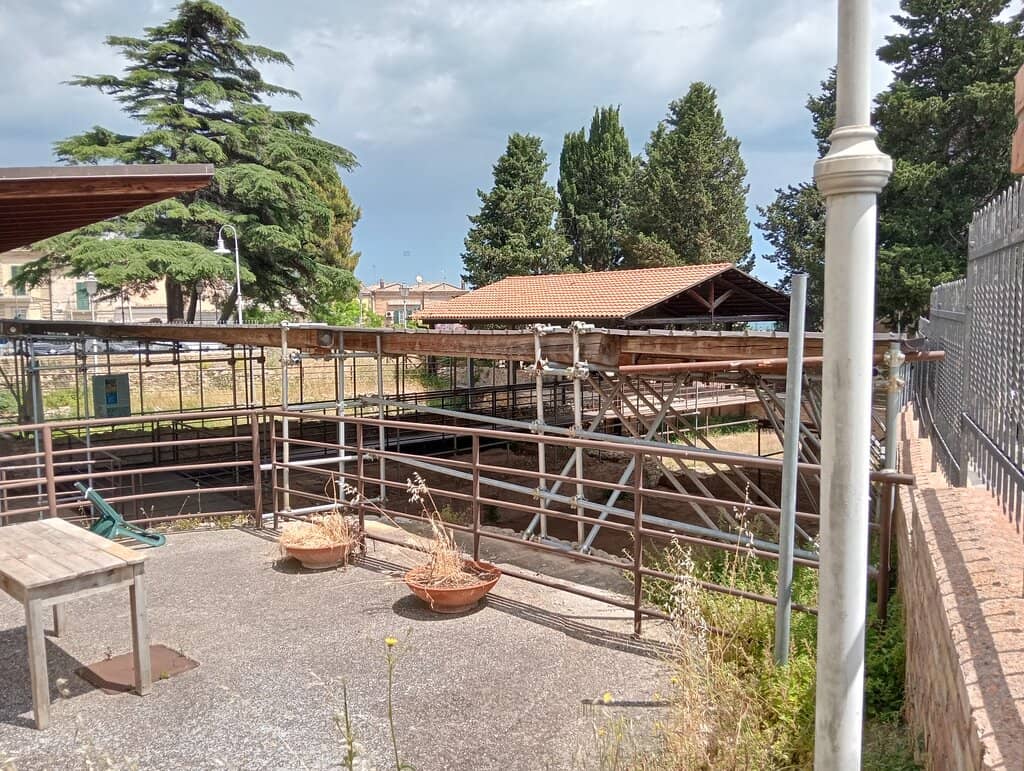
The current accessible area is about 250 square meters, which is considered small compared to the potential of the site.
The Terme Romane di Histonium date back to the 2nd century AD, representing a significant Roman thermal complex.
📸 📸 Photography
Photography is generally allowed, but the lighting during evening visits might affect photo quality. Some areas with mosaics might be dusty, which could impact close-up shots.
Focus on the preserved mosaic floors and the remnants of the hypocaust system. The overall layout of the baths offers a glimpse into Roman architecture. +1

Social
from TikTok, Instagram & Reddit