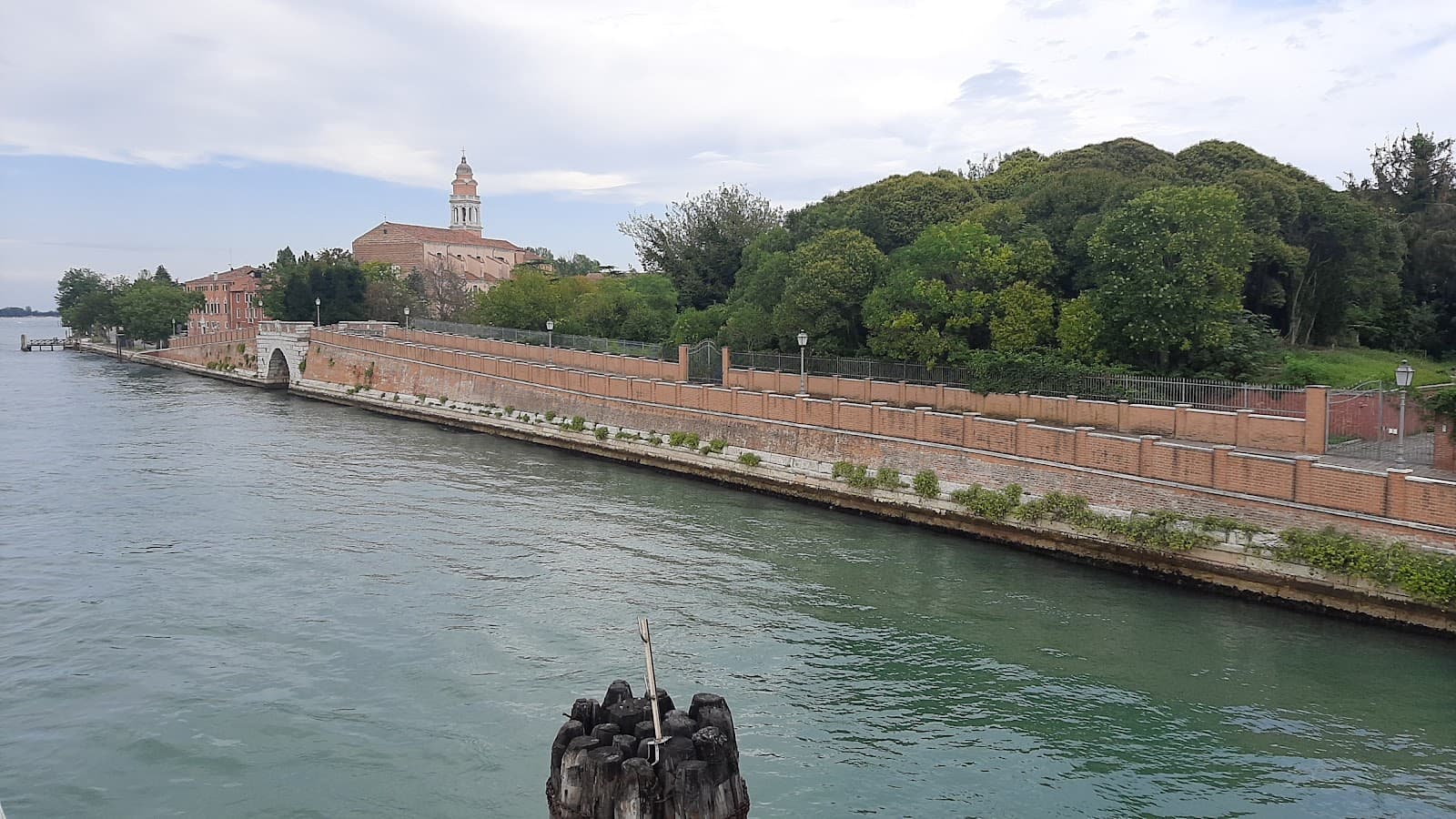
Forte di San Nicolò
A formidable historical fortress on the Lido, crucial for Venice's defense, showcasing centuries of military architecture and strategic importance.
Highlights
Must-see attractions

Social
From TikTok & Reddit
Best Time
Pleasant weather, fewer crowds
Forte di San Nicolò
Best Time
Pleasant weather, fewer crowds
Highlights
Must-see attractions
A formidable historical fortress on the Lido, crucial for Venice's defense, showcasing centuries of military architecture and strategic importance.
"A tangible link to Venice's past glories and its constant struggle for security."
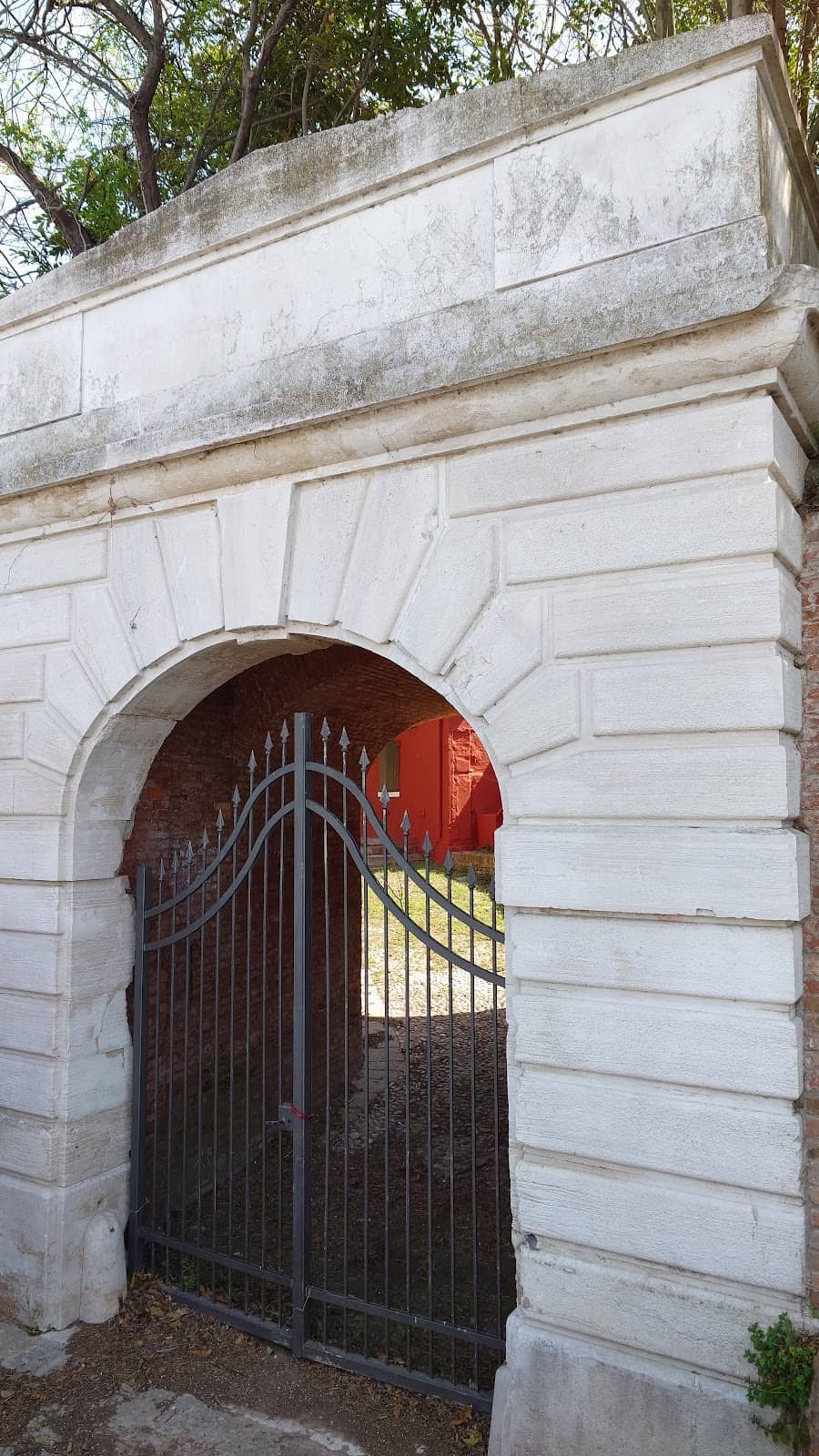
Wear Comfortable Shoes
Explore the fort's grounds and structures with ease. :athletic_shoe: Lots of walking involved!
Check for Access
The fort is still military property. Verify opening times and access before your visit. :informationdeskperson:
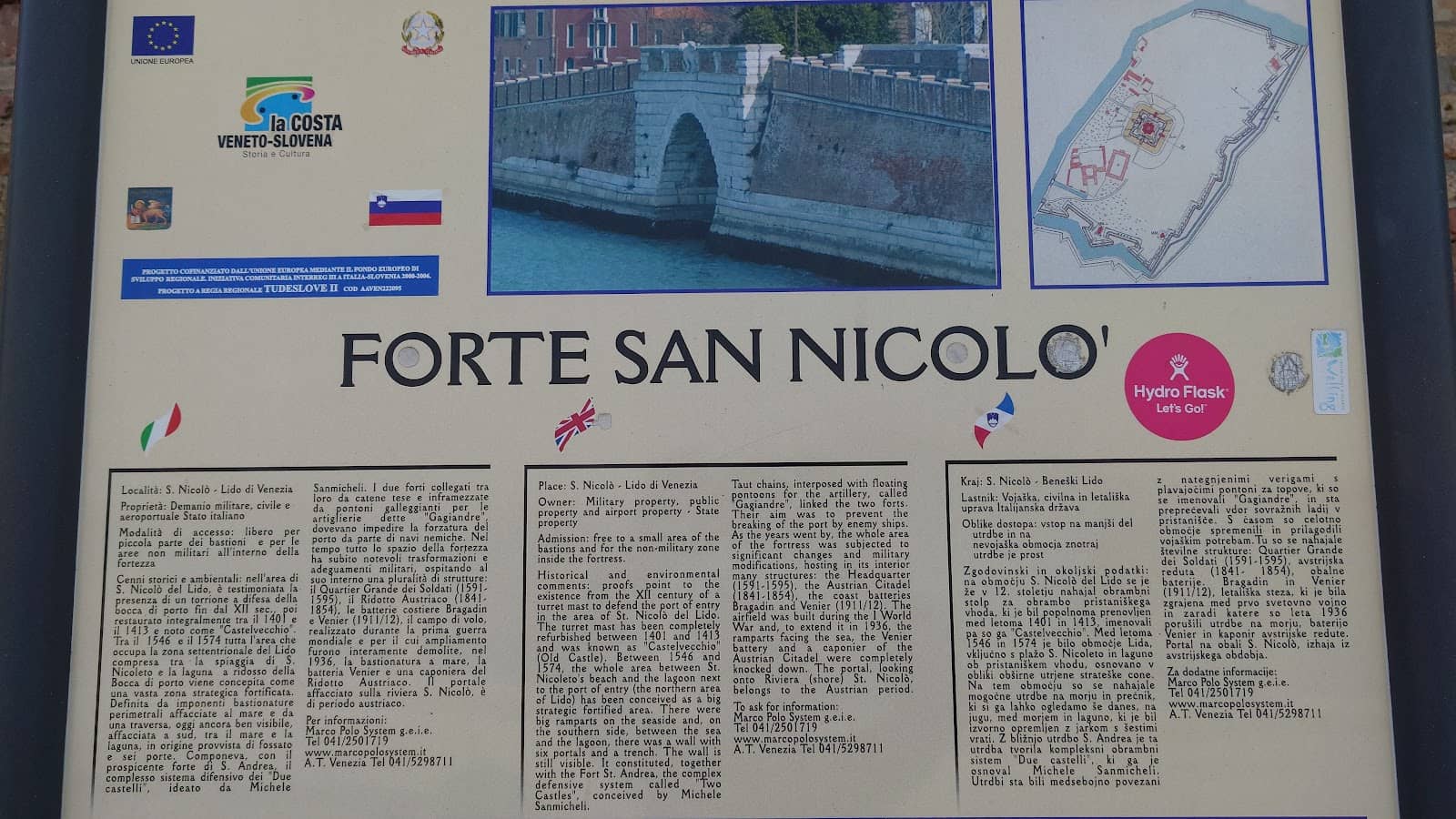
Quick Facts
Rating
4.7 · 3 reviews
Type
Historical Landmark
Highlights
Discover the most iconic attractions and experiences
The Central Redoubt
Heart of the fort
The impregnable 'Ridotto' served as a last refuge, showcasing advanced defensive design with caponiers and cannon emplacements.
Evolution of Armament
Various emplacements
Witness the historical progression of artillery, from original howitzers to WWI anti-aircraft guns, reflecting changing warfare.
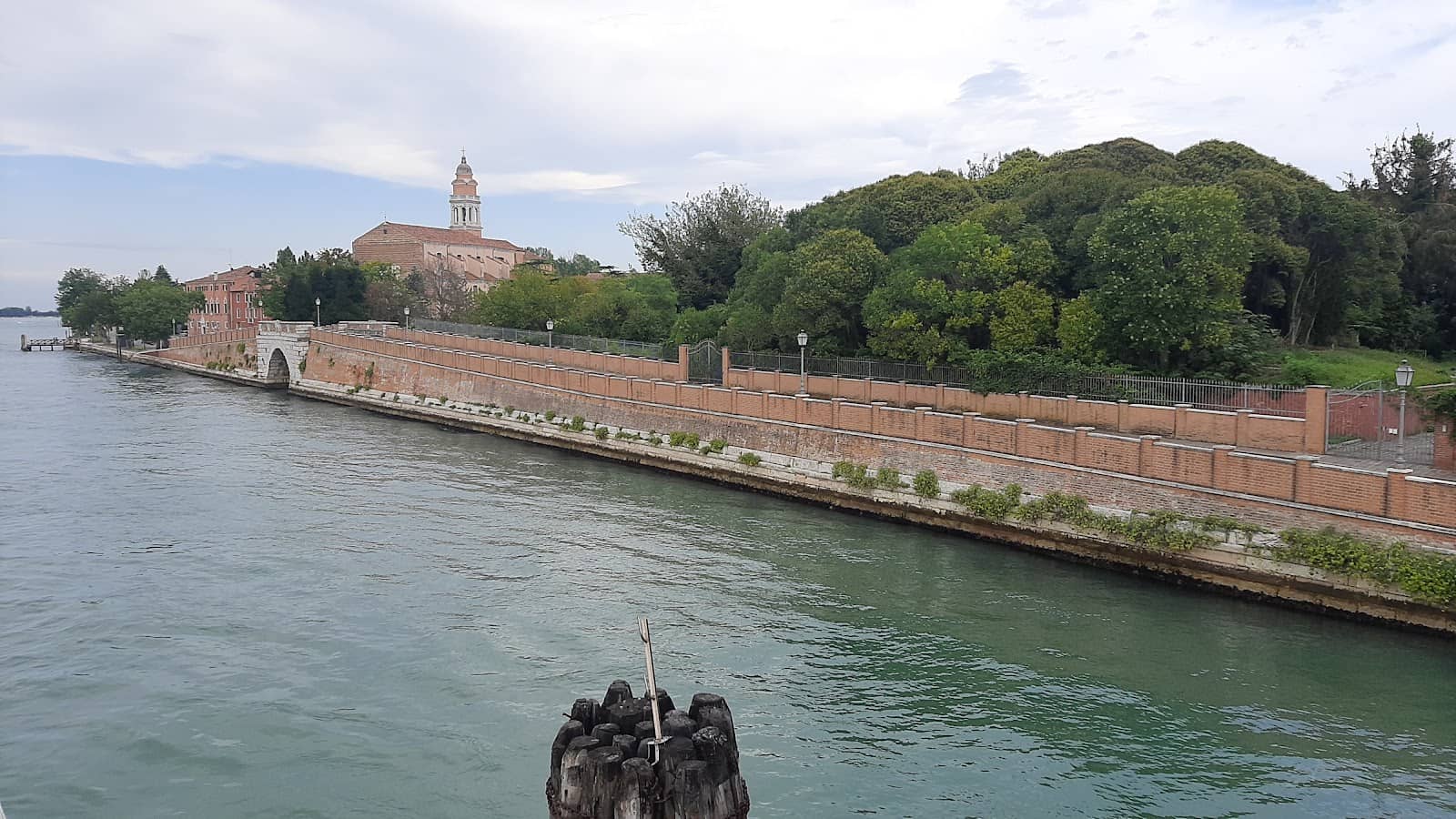
Embankments and Maritime Defenses
Outer perimeter
Explore the robust embankments and defenses meticulously maintained and adapted by various historical powers.
Plans like a pro.
Thinks like you
Planning Your Visit
Strategic Location & Historical Significance
Austrian & French Influence
Best Times
Insider Tips
from TikTok, Instagram & Reddit
Wear Comfortable Shoes
Explore the fort's grounds and structures with ease. :athletic_shoe: Lots of walking involved!
Check for Access
The fort is still military property. Verify opening times and access before your visit. :informationdeskperson:
Bring Water & Snacks
Limited facilities on-site. Stay refreshed during your exploration. :water_wave: :apple:
Learn the History
Research its past as a key Venetian defense point for a richer experience. 📜
Tips
from all over the internet
Wear Comfortable Shoes
Explore the fort's grounds and structures with ease. :athletic_shoe: Lots of walking involved!
Check for Access
The fort is still military property. Verify opening times and access before your visit. :informationdeskperson:
Bring Water & Snacks
Limited facilities on-site. Stay refreshed during your exploration. :water_wave: :apple:
Learn the History
Research its past as a key Venetian defense point for a richer experience. 📜
What Travellers Say
Reviews Summary
Forte di San Nicolò is a historically significant military site offering a glimpse into Venice's defensive past. Visitors appreciate its strategic location and the architectural evolution evident in its structures, from the central redoubt to its varied armaments. However, access can be unpredictable due to its ongoing military designation, and on-site facilities are minimal.
"#FortificationsLidoVE
Fort of the Lido di San Nicolò.
1. Location and strategic importance
The fort of the Lido di San Nicolò is located in the Venice lagoon, specifically along the Lido shoreline in the San Nicolò area. Its strategic location makes it one of the four main centers of power of the Venetian Republic, along with the Marcian civil center, Rialto, and the Arsenal. This location has ensured the fort's crucial role in the defense of Venice for many centuries.
2. History and development
* 1806: Improvements carried out by the French
* 1831: The Austrians build a trench within the fort area
* 1856: Construction of the internal redoubt by the Austrians
* Austrian period: Continuous restoration and maintenance of the embankments and maritime defenses
3. Structure and defensive capabilities
The fort has a complex structure, with the "Ridotto" at its heart. This central element was designed to be impregnable and serve as a last refuge in the event of an enemy invasion. Its main features include:
* Four caponiers
* Numerous cannons
* Capacity to accommodate approximately 400 men
The fort's total garrison could range from 850 to 1,400 men, distributed between the central redoubt and the various barracks.
4. Armament
The fort's armament has been modified over time to adapt to military needs:
Original main armament:
* 26 24 cm howitzers
* 8 15 cm howitzers
* 8 16 cm guns
Original secondary armament:
* 14 9 cm guns
* 8 12 cm guns
During the First and Second World Wars:
* 4 120/40 guns (main armament)
* 10 76/40 anti-aircraft guns (First World War)
5. Military Importance in the 20th Century
Despite changes in warfare strategies, the fort maintained its military importance until the mid-20th century. On July 8, 1939, the Naval Military Command of the Piazza di Venezia still classified the Fort San Niccolò battery as "first use."
6. Future Prospects
Currently, the fort is still designated for military purposes on paper. However, there are proposals for its conversion that could enhance this important historical heritage:
* Creation of a strikingly beautiful urban park
* Development of short-term accommodations
These proposals aim to preserve the fort's history while adapting it to modern needs, creating a space that can be appreciated by both residents and visitors.
The Evolution of Military Architecture The Fort of San Nicolò represents an excellent example of how military architecture has evolved over the centuries. The presence of elements such as the central redoubt and the modifications made by different powers (French, Austrian, Italian) demonstrate how defensive structures have adapted to changes in warfare technologies and military strategies. This aspect could be of particular interest to military historians and enthusiasts of defensive architecture."
Giampaolo Gianese
""
Богдан Калагурка
""
matteo vianello
What People Like
What People Dislike
Frequently Asked Questions
🚇 🗺️ Getting There
To reach Forte di San Nicolò, take a Vaporetto (water bus) to the Lido island. From the Lido ferry terminal, you can take a local bus or a taxi towards San Nicolò. The fort is located at the northern tip of the Lido. Check Vaporetto schedules for the most efficient routes.
While you can drive to the Lido island via car ferry, parking directly at the fort might be limited. It's generally recommended to use public transport on the island or walk from the nearest bus stop.
Buses are a convenient option on Lido. Several lines connect the main ferry terminal to San Nicolò. Walking is also pleasant if you enjoy scenic routes along the coast.
Vaporetto lines typically serve the main Lido Santa Maria Elisabetta stop. From there, you'll need to transfer to a bus or walk to reach Forte di San Nicolò.
The journey involves a Vaporetto ride (approx. 30-40 minutes) followed by a bus or walk on Lido (approx. 15-20 minutes). Factor in waiting times for transfers.
🎫 🎫 Tickets & Entry
Forte di San Nicolò is still designated for military purposes, so access may be restricted or require special arrangements. It's crucial to check for current opening status and any ticketing requirements before your visit.
As it's a military site, official opening hours can vary and are not always publicly advertised. It's best to contact the relevant authorities or check local tourism information for the most up-to-date access details.
Weekend access might be more restricted due to its military status. Always confirm availability in advance, as public access is not guaranteed.
Guided tours are not consistently offered due to the fort's military designation. If available, they would likely be announced through official channels or local historical societies.
If access is granted, there might be a nominal fee or it could be free. Information regarding any charges should be sought from official sources prior to your visit.
🎫 🧭 Onsite Experience
Explore the historical fortifications, including the central redoubt, caponiers, and various cannon emplacements. Imagine its strategic role in defending Venice.
Yes, the fort offers unique architectural and historical elements for photography. The coastal views from its ramparts can also be picturesque. :camerawithflash:
Expect uneven surfaces, historical pathways, and potentially sandy areas. Sturdy footwear is highly recommended for comfortable exploration. :athletic_shoe:
Facilities are generally limited at military sites. It's advisable to use restrooms before arriving and bring your own water and snacks. :water_wave:
Allow at least 1-2 hours to explore the main areas and appreciate the historical significance. If you're a history enthusiast, you might spend longer.
🍽️ 🍽️ Food & Dining
As a military site, there are typically no public dining facilities within Forte di San Nicolò itself. Visitors should plan to eat before or after their visit.
You'll find restaurants and cafes in the San Nicolò area of Lido or back towards the main Lido Santa Maria Elisabetta terminal. Options range from casual trattorias to seafood restaurants.
Expect Venetian specialties, including fresh seafood, cicchetti (Venetian tapas), and traditional pasta dishes. :pasta: 🐟
Picnicking might be permitted in designated outdoor areas if access is granted, but it's best to confirm any specific rules regarding food consumption on-site.
Look for local bakeries for sandwiches or pizza al taglio (pizza by the slice) for more affordable options.
📸 📸 Photography
Capture the imposing architecture of the redoubt, the strategic layout of the ramparts, and the views of the lagoon. The historical cannons also make for striking shots. :camerawithflash:
Drone usage is highly unlikely and generally prohibited at active military sites. Always check local regulations and obtain necessary permissions if considering drone photography.
Golden hours (early morning and late afternoon) offer beautiful light for capturing the fort's textures and atmosphere. Midday can be harsh. 🌅 :city_sunset:
Photography restrictions may apply, especially in sensitive military areas. Be mindful of any signage or instructions from personnel on-site.
A versatile lens (e.g., 24-70mm) is useful for capturing both wide architectural shots and details. A wide-angle lens can be great for the ramparts. 📷
Social
from TikTok, Instagram & Reddit