Via Julia Augusta
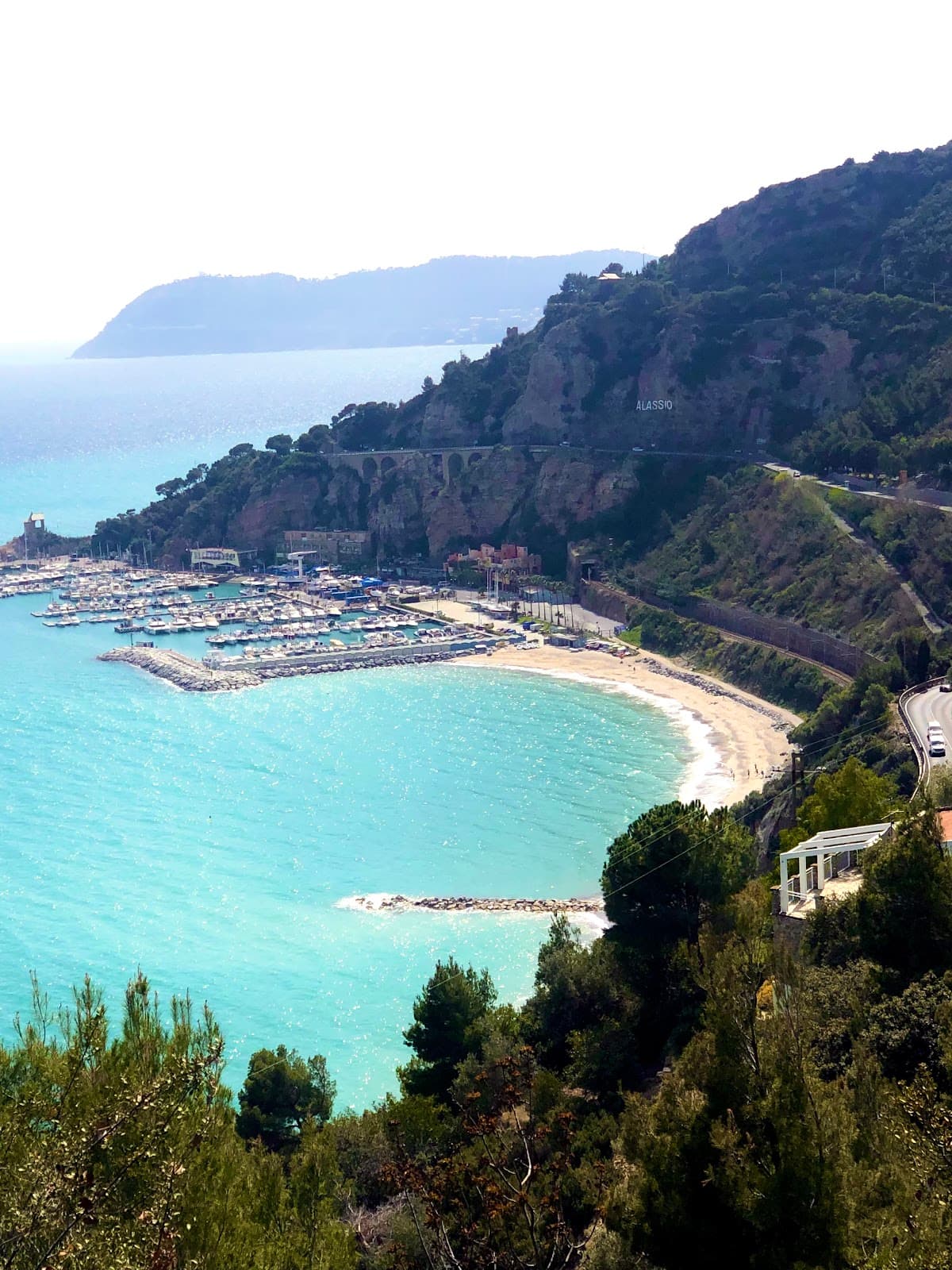
Walk in the footsteps of Romans on the Via Julia Augusta, an ancient highway offering stunning coastal views and rich history.
Highlights
Must-see attractions

Social
From TikTok & Reddit
Best Time
Pleasant weather, fewer crowds
Via Julia Augusta
Best Time
Pleasant weather, fewer crowds
Highlights
Must-see attractions
Walk in the footsteps of Romans on the Via Julia Augusta, an ancient highway offering stunning coastal views and rich history.
👟 Comfortable Shoes Essential
You'll be walking on ancient stones and trails. Prioritize comfort for a better experience!
💧 Stay Hydrated
Especially during warmer months, carry plenty of water as facilities can be sparse.
Quick Facts
Highlights
Discover the most iconic attractions and experiences
Trophy of Augustus
La Turbie
A monumental arch celebrating Emperor Augustus's victory over Alpine tribes. A true testament to Roman engineering.
Albenga to Alassio Coastal Path
Liguria, Italy
Walk along the ancient Roman road with breathtaking sea views. Perfect for a scenic hike or bike ride.
 +1
+1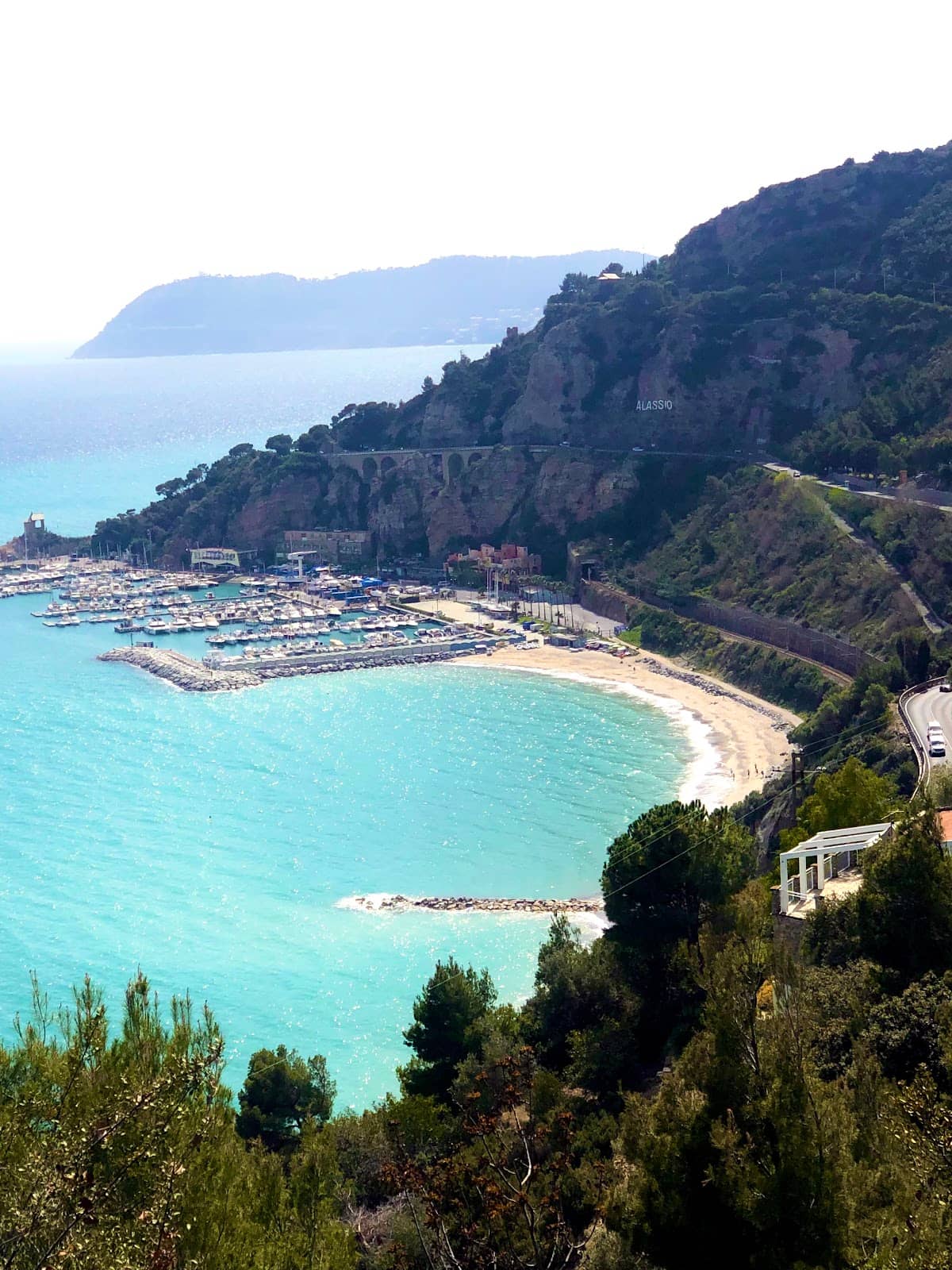
Ancient Roman Road Segments
Various locations along the route
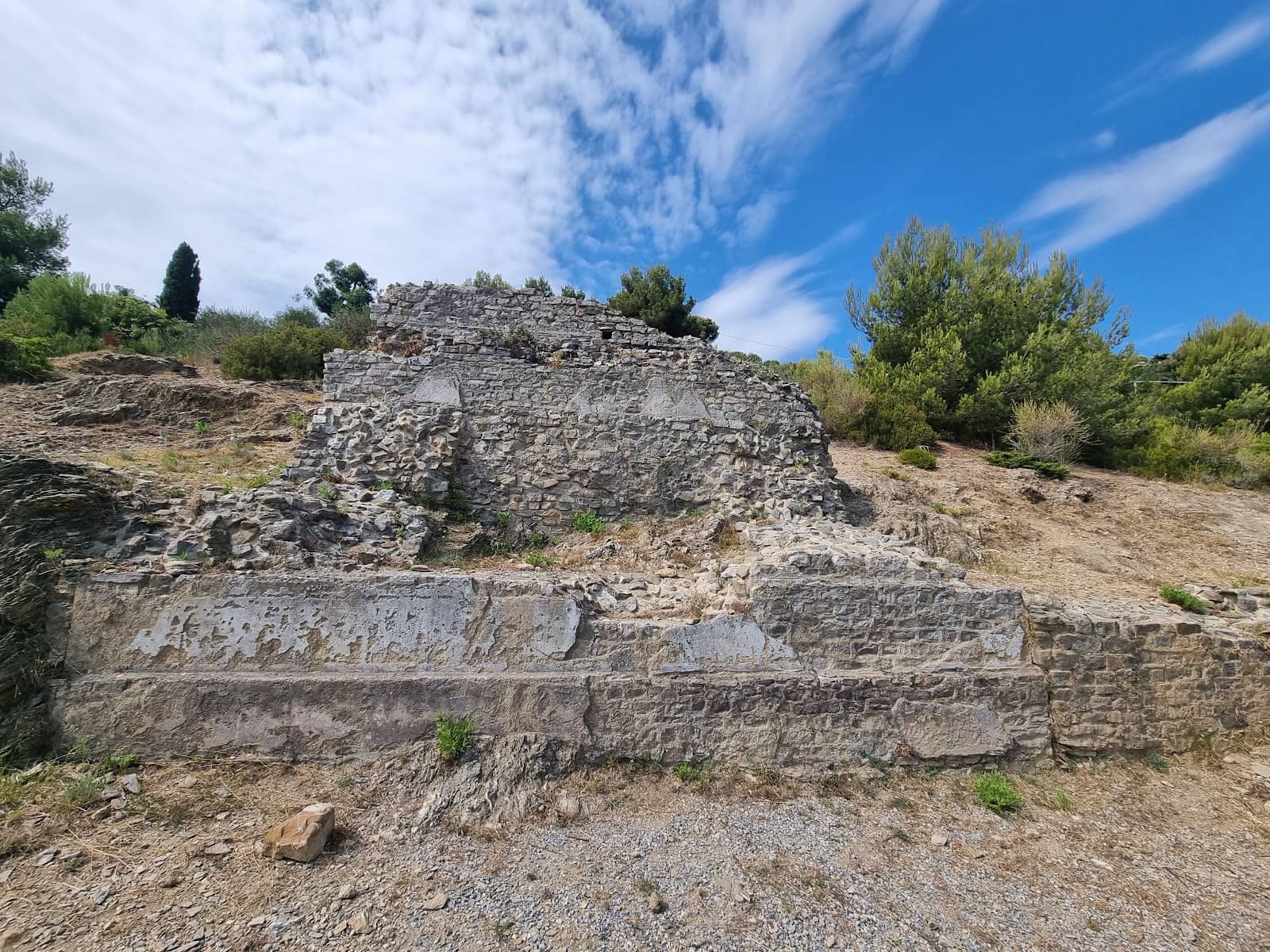
Experience history firsthand by walking on preserved sections of this ancient Roman highway.
Plans like a pro.
Thinks like you
Planning Your Visit
Timing is Everything
Footwear & Fitness
+1 While some sections are easily accessible, others might require a bit more effort. Check the specific trail you plan to explore beforehand to gauge the terrain.Best Times
Insider Tips
from TikTok, Instagram & Reddit
👟 Comfortable Shoes Essential
You'll be walking on ancient stones and trails. Prioritize comfort for a better experience!
💧 Stay Hydrated
Especially during warmer months, carry plenty of water as facilities can be sparse.
🗺️ Plan Your Route
The Via Julia Augusta is extensive. Decide which sections you want to explore beforehand.
🚴 E-Bike Tours Available
Consider an e-bike tour for a fun and efficient way to cover more ground.
Tips
from all over the internet
👟 Comfortable Shoes Essential
You'll be walking on ancient stones and trails. Prioritize comfort for a better experience!
💧 Stay Hydrated
Especially during warmer months, carry plenty of water as facilities can be sparse.
🗺️ Plan Your Route
The Via Julia Augusta is extensive. Decide which sections you want to explore beforehand.
🚴 E-Bike Tours Available
Consider an e-bike tour for a fun and efficient way to cover more ground.
📸 Capture the Views
The coastal sections offer stunning photo opportunities. Don't forget your camera!
What Travellers Say
Reviews Summary
Visitors rave about the Via Julia Augusta for its unique blend of ancient history and stunning natural beauty, especially along the Ligurian coast. The opportunity to walk or cycle on preserved Roman roads is a major draw, offering a tangible connection to the past. Some find certain sections challenging, and facilities can be sparse, so preparation is key.
What People Like
What People Dislike
Frequently Asked Questions
🚇 🗺️ Getting There
The Via Julia Augusta stretches across a significant area. Popular access points include towns like Albenga, Alassio, Ventimiglia in Italy, and Menton in France.
Public transport options vary depending on the specific section you wish to visit. Coastal towns are generally well-connected by train and bus. From these towns, you might need local buses or taxis to reach trailheads.
While the ancient road itself is largely pedestrian, there are often parallel roads or routes that allow for driving to nearby access points. Parking availability can vary, so it's advisable to research parking options for your chosen starting point.
Yes, guided tours are available, especially for specific sections like the coastal path between Albenga and Alassio. E-bike tours are also a popular option for covering more ground.
Many travelers recommend starting in Albenga or Alassio for the scenic coastal sections. For those interested in Roman history, the Trophy of Augustus in La Turbie is a significant landmark.
🎫 🎫 Tickets & Entry
For most sections of the Via Julia Augusta, especially the open-air ancient road segments and coastal paths, there is no entry fee. It's a public historical route.
While the road itself is free to access, certain archaeological sites or museums associated with the Via Julia Augusta might have admission fees. The Trophy of Augustus in La Turbie, for instance, may have associated costs for its visitor center.
As an ancient road, the Via Julia Augusta is generally accessible at all times. However, if you plan to visit any associated visitor centers or museums, it's best to check their specific opening hours.
Since most of the Via Julia Augusta is free to access, advance booking is typically not required. If you are booking a guided tour or visiting a specific attraction, then advance booking might be necessary.
Generally, there are no major restrictions. However, always be respectful of the historical site, stay on marked paths, and avoid disturbing any ruins.
🎫 🚶 Onsite Experience
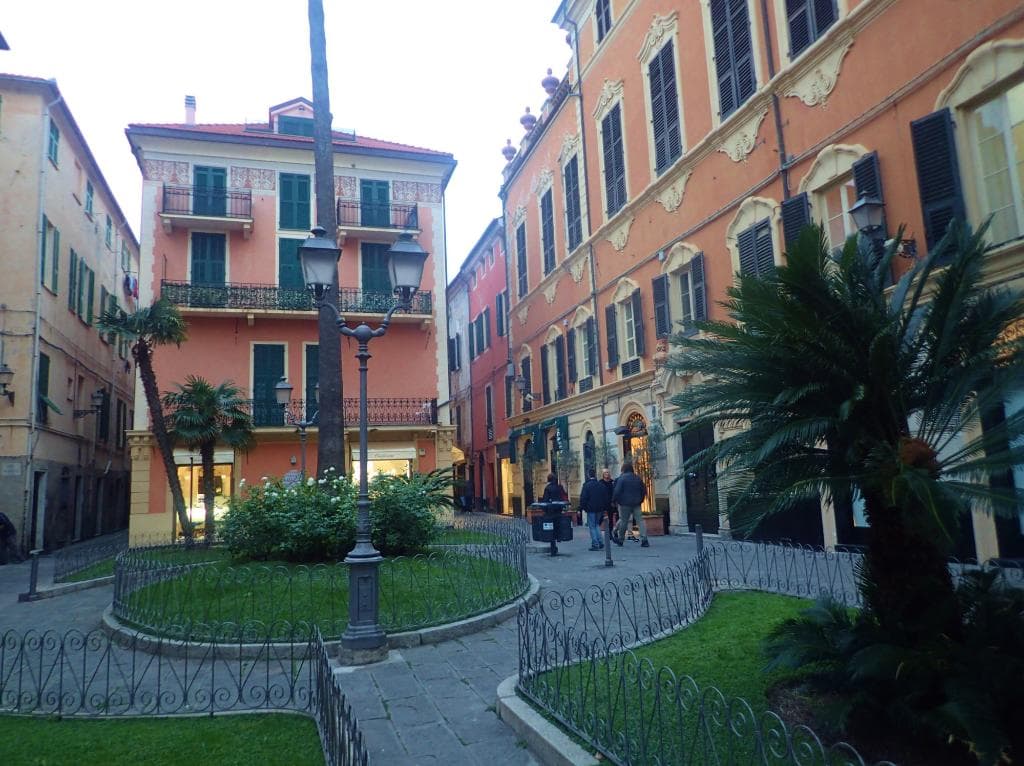
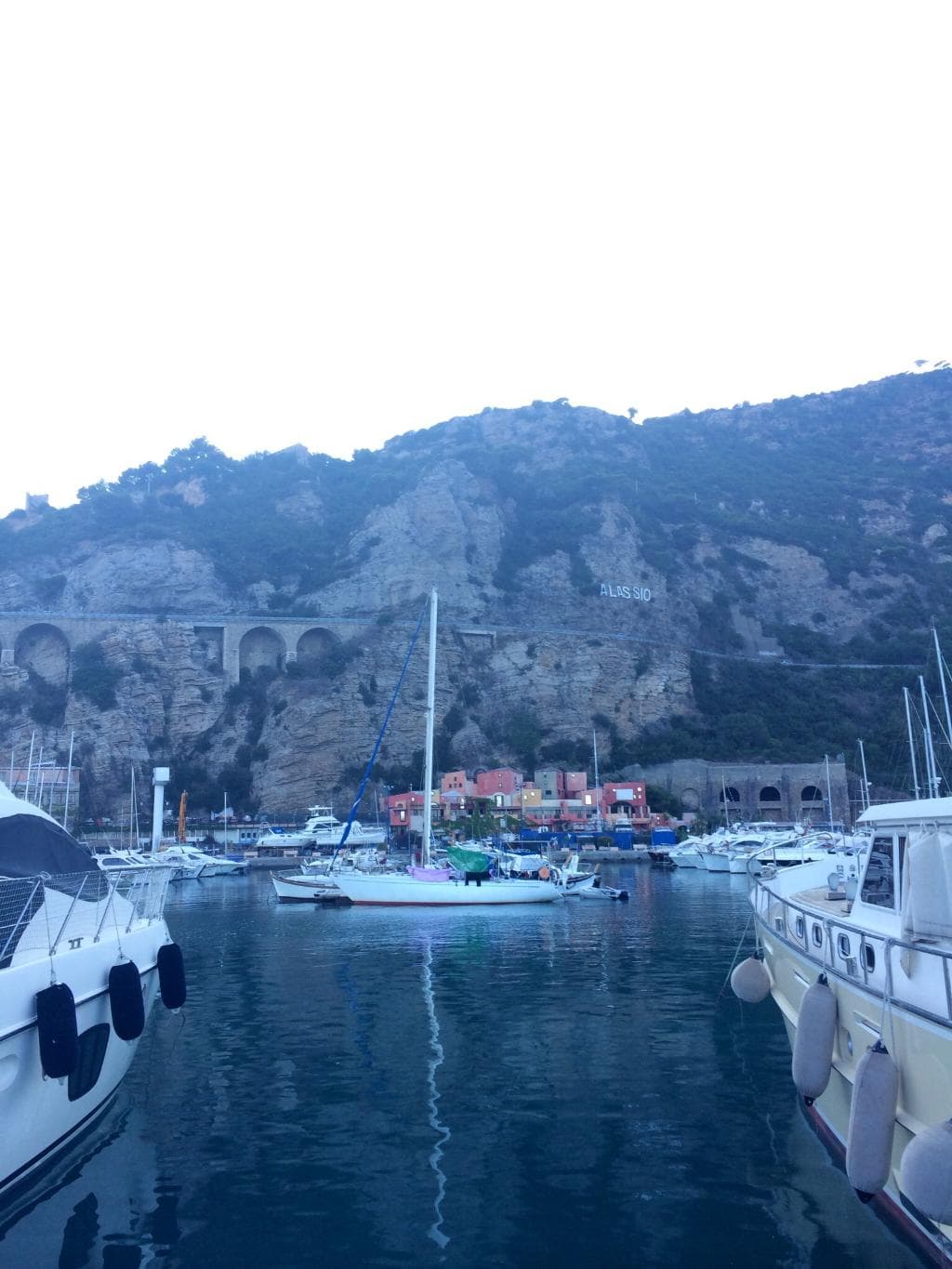
Many visitors enjoy hiking or cycling along the preserved sections. The coastal path from Albenga to Alassio is particularly popular for its scenic beauty and historical significance.
The time required depends on the section and your pace. A leisurely walk along a few kilometers can take a couple of hours, while longer treks might take half a day or more.
Facilities can be limited, especially on more remote sections. It's advisable to use restrooms in nearby towns before you start and carry sufficient water and snacks.
Yes, certain flatter and more accessible sections can be enjoyable for families. The coastal paths offer beautiful views and a sense of adventure.
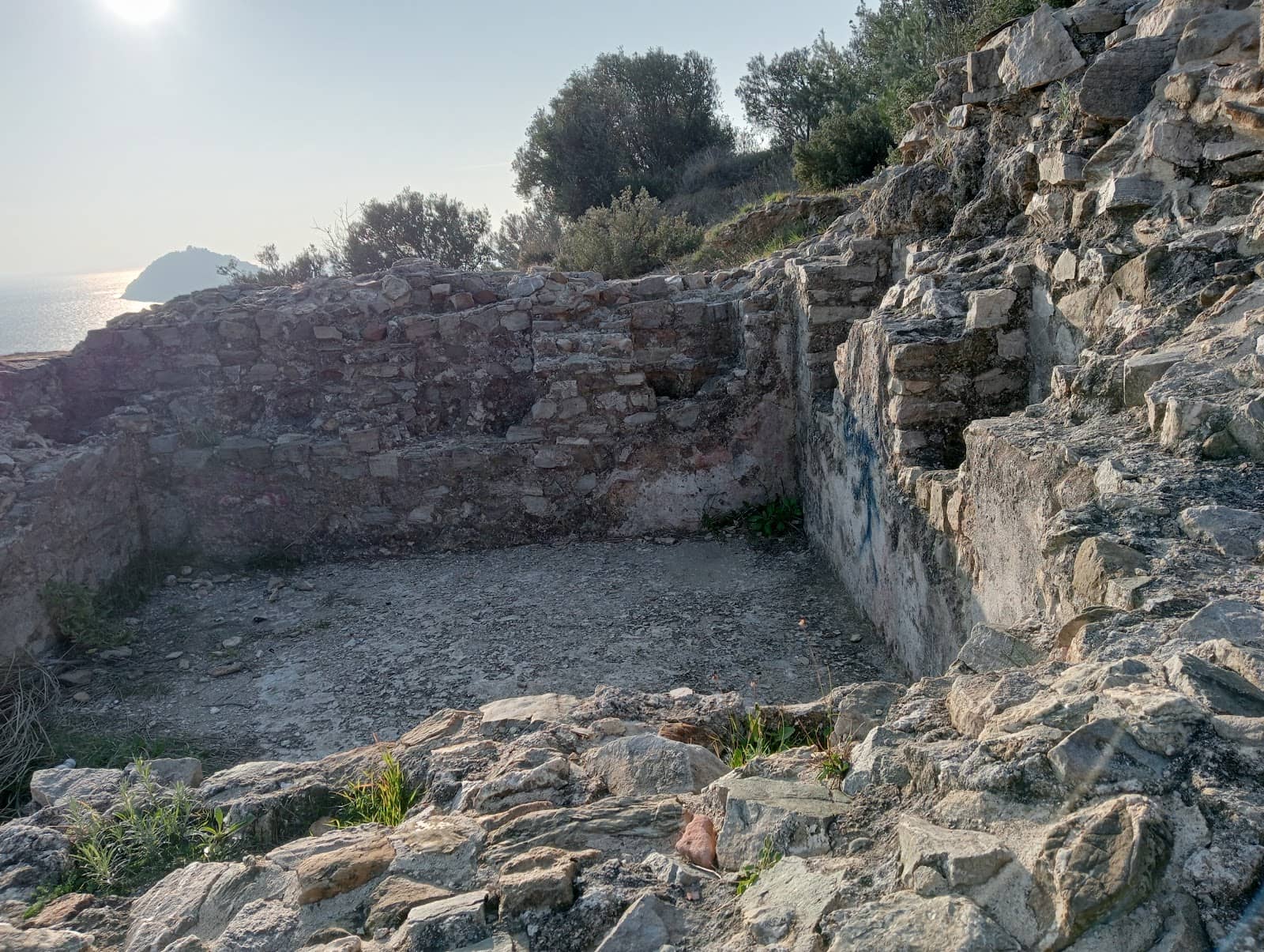
You'll encounter remnants of Roman engineering, ancient road surfaces, and potentially archaeological sites like the Trophy of Augustus, offering a glimpse into Roman life and military history.
📸 📸 Photography
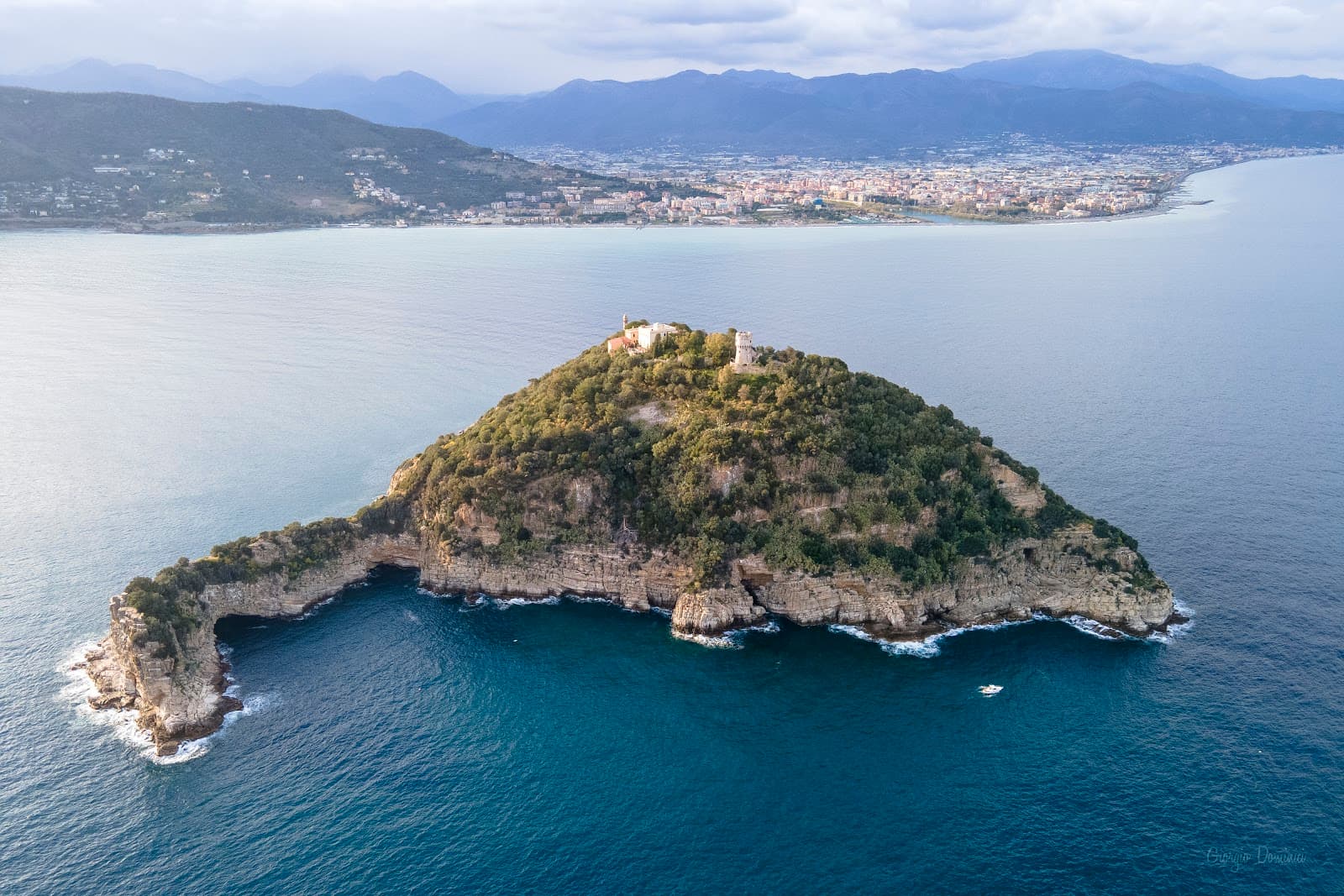
The coastal sections, particularly between Albenga and Alassio, offer stunning sea views and ancient ruins that make for incredible photographs.
Early morning or late afternoon provides the best light for photography, creating a warm, golden glow and softer shadows. This also helps avoid harsh midday sun.
Drone regulations vary by region and country. It's essential to check local laws and obtain any necessary permits before flying a drone over historical sites or protected areas.
A wide-angle lens is great for capturing the expansive landscapes and ancient structures. A telephoto lens can be useful for details. Consider a sturdy tripod for low-light conditions.
Absolutely! The preserved Roman paving stones are a key feature and make for excellent close-up shots, showcasing the craftsmanship of the era.
Social
from TikTok, Instagram & Reddit