Santa Maria in Gradi
Historic church and convent, now a University of Tuscia campus, featuring stunning medieval and Renaissance cloisters.
Highlights
Must-see attractions

Social
From TikTok & Reddit
Best Time
Experience vibrant campus life
Santa Maria in Gradi
Best Time
Experience vibrant campus life
Highlights
Must-see attractions
Historic church and convent, now a University of Tuscia campus, featuring stunning medieval and Renaissance cloisters.
"A majestic building with beautiful cloisters, now a vibrant university hub."
Check University Schedules
Look for university events or open days to experience the full atmosphere of Santa Maria in Gradi.
Explore the Cloisters
Don't miss the two distinct cloisters, each offering unique architectural beauty.
Quick Facts
Rating
4.5 · 17 reviews
Type
Church
Highlights
Discover the most iconic attractions and experiences
Medieval Cloister
Santa Maria in Gradi
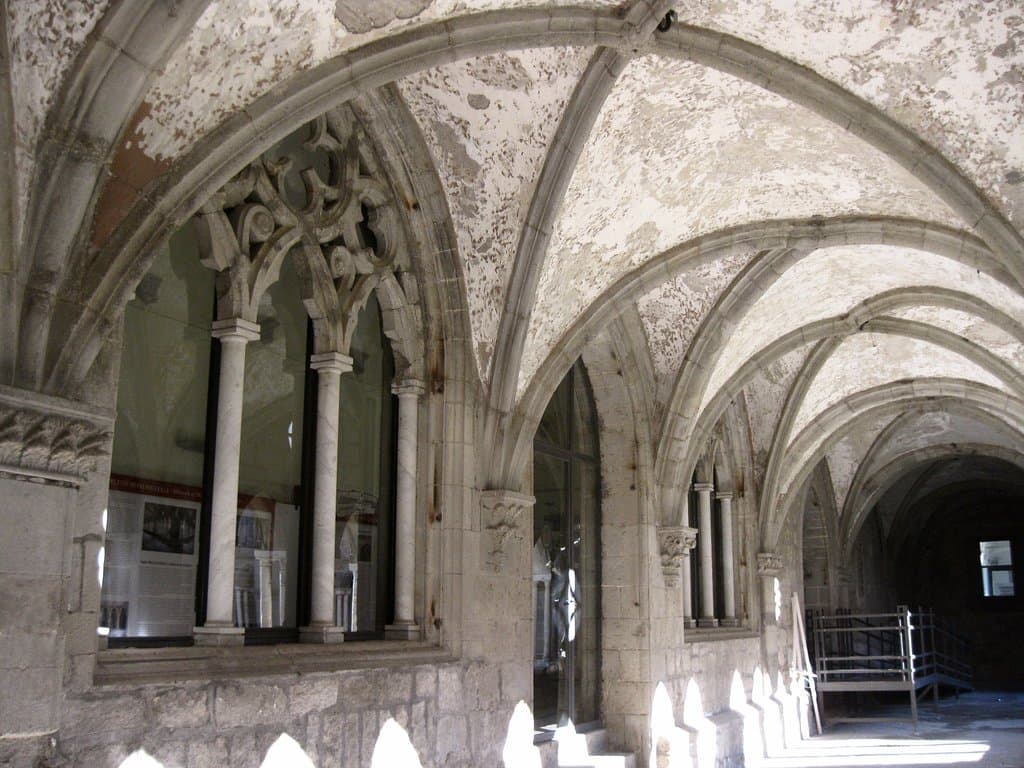
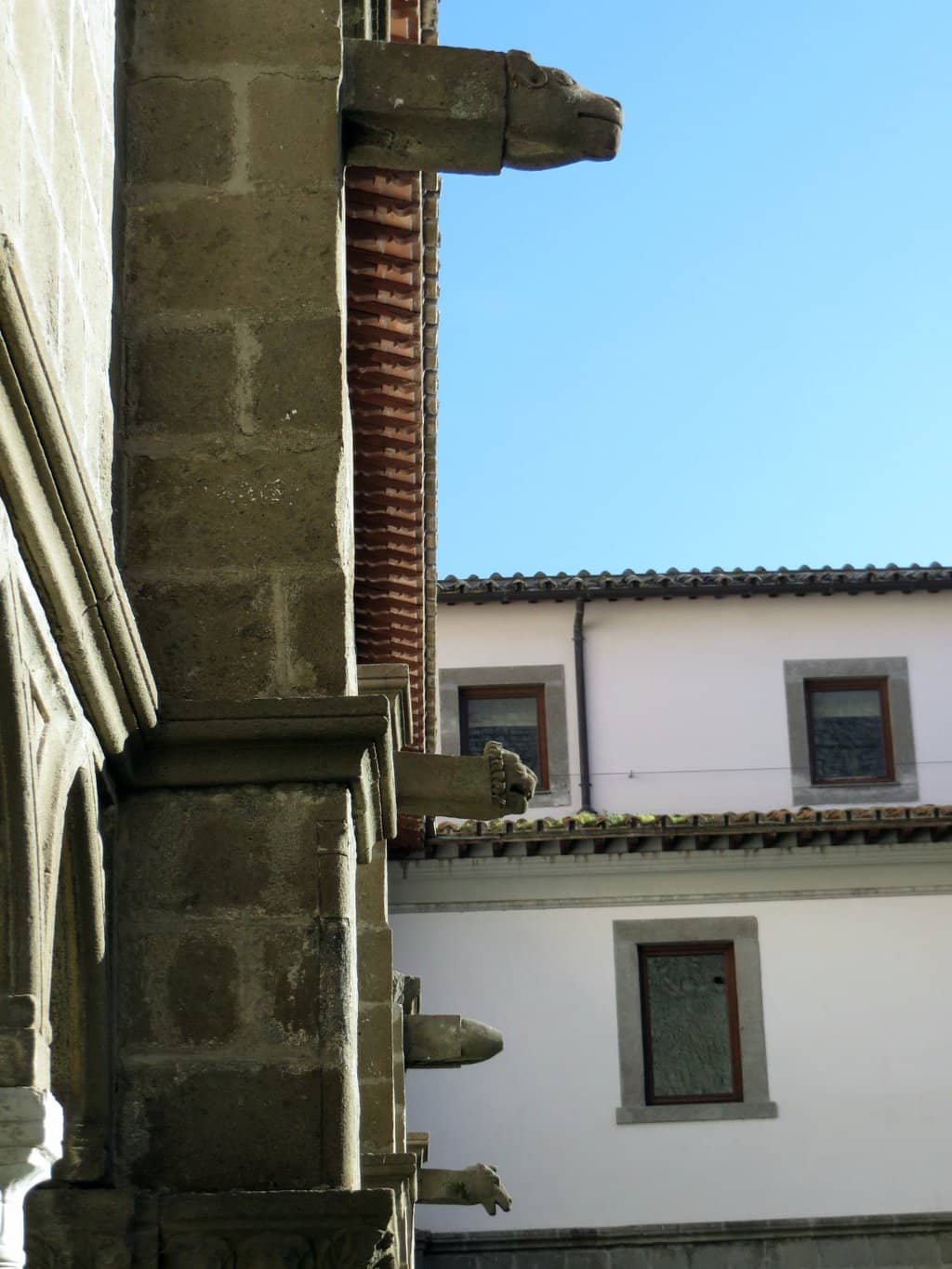
Admire the intricate five-light windows, twin columns, rose windows, and gargoyles of this ancient cloister.
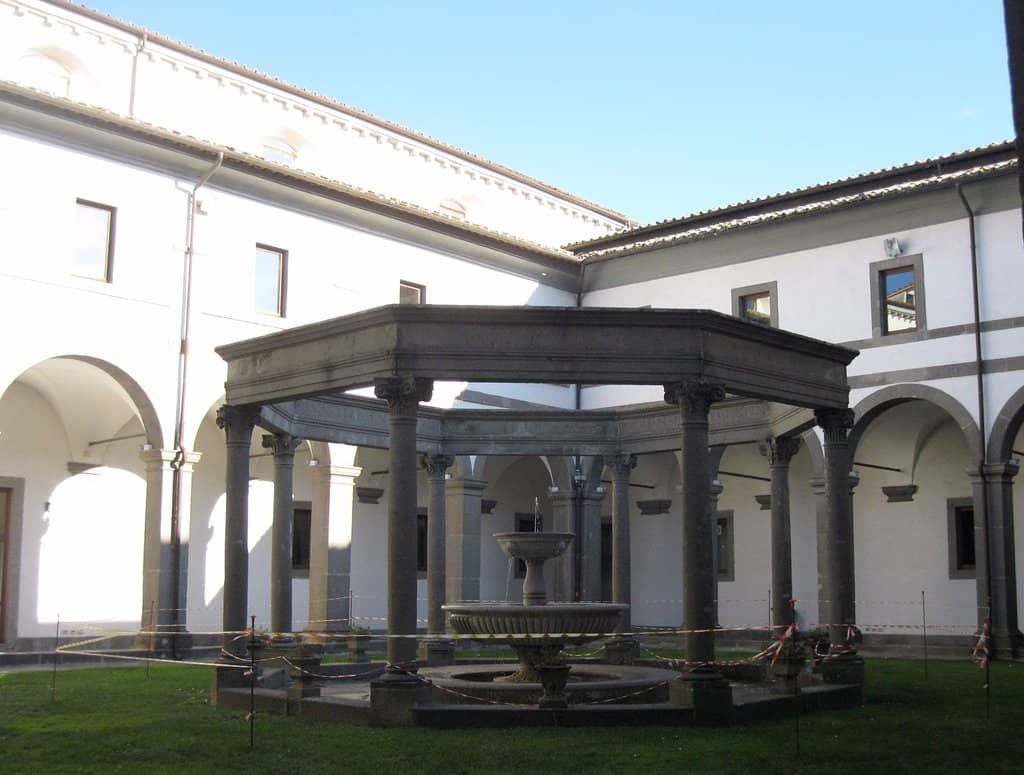
Renaissance Cloister
Santa Maria in Gradi
Experience the unique octagonal structure and central fountain of this elegant Renaissance cloister.
University Museum
Rectorate, Santa Maria in Gradi
Explore the museum complex housed in the former Chapter House, showcasing historical artifacts and university heritage.
Plans like a pro.
Thinks like you
Planning Your Visit
Plan Your Visit to Santa Maria in Gradi
University Hub & Historical Gem
Best Times
Insider Tips
from TikTok, Instagram & Reddit
Check University Schedules
Look for university events or open days to experience the full atmosphere of Santa Maria in Gradi. 
Explore the Cloisters
Don't miss the two distinct cloisters, each offering unique architectural beauty.
Museum Access
Inquire about the museum's operating hours within the Rectorate for a glimpse into local history.
Event Venue
Santa Maria in Gradi hosts various events; check local listings for concerts or lectures.
Tips
from all over the internet
Check University Schedules
Look for university events or open days to experience the full atmosphere of Santa Maria in Gradi.
Explore the Cloisters
Don't miss the two distinct cloisters, each offering unique architectural beauty.
Museum Access
Inquire about the museum's operating hours within the Rectorate for a glimpse into local history.
Event Venue
Santa Maria in Gradi hosts various events; check local listings for concerts or lectures.
What Travellers Say
Reviews Summary
Visitors praise the majestic architecture of Santa Maria in Gradi, particularly its medieval and Renaissance cloisters, and its transformation into a vibrant university campus. While the ongoing restoration of the church is noted, the historical significance and the beauty of the accessible areas are highly appreciated.
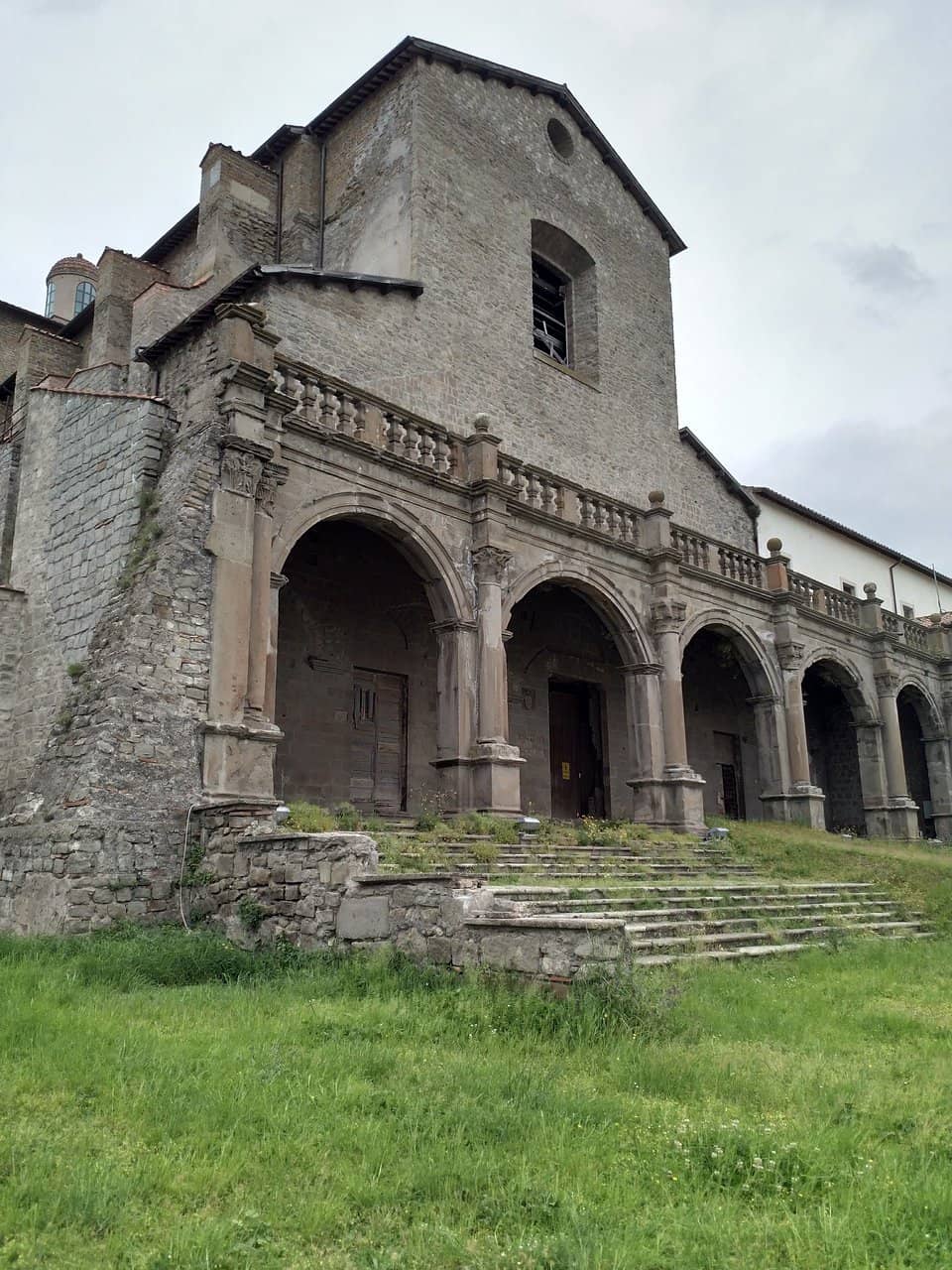
"The building is majestic; its origins date back to the 13th century, but the church underwent extensive renovations between the 17th and 19th centuries.
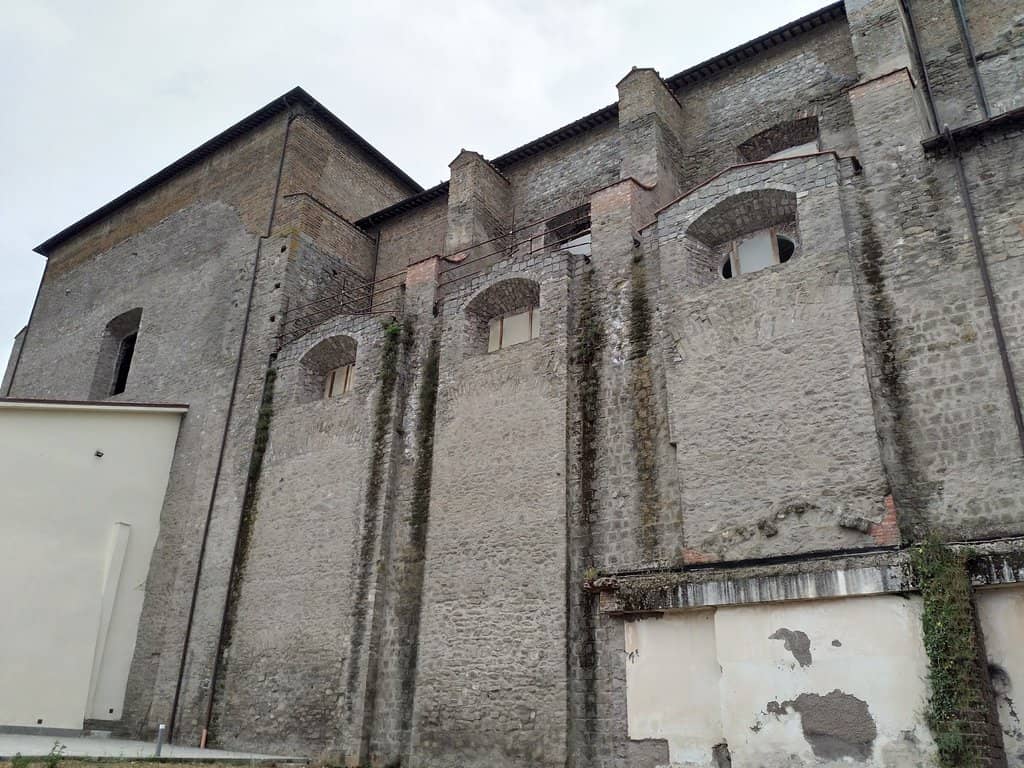
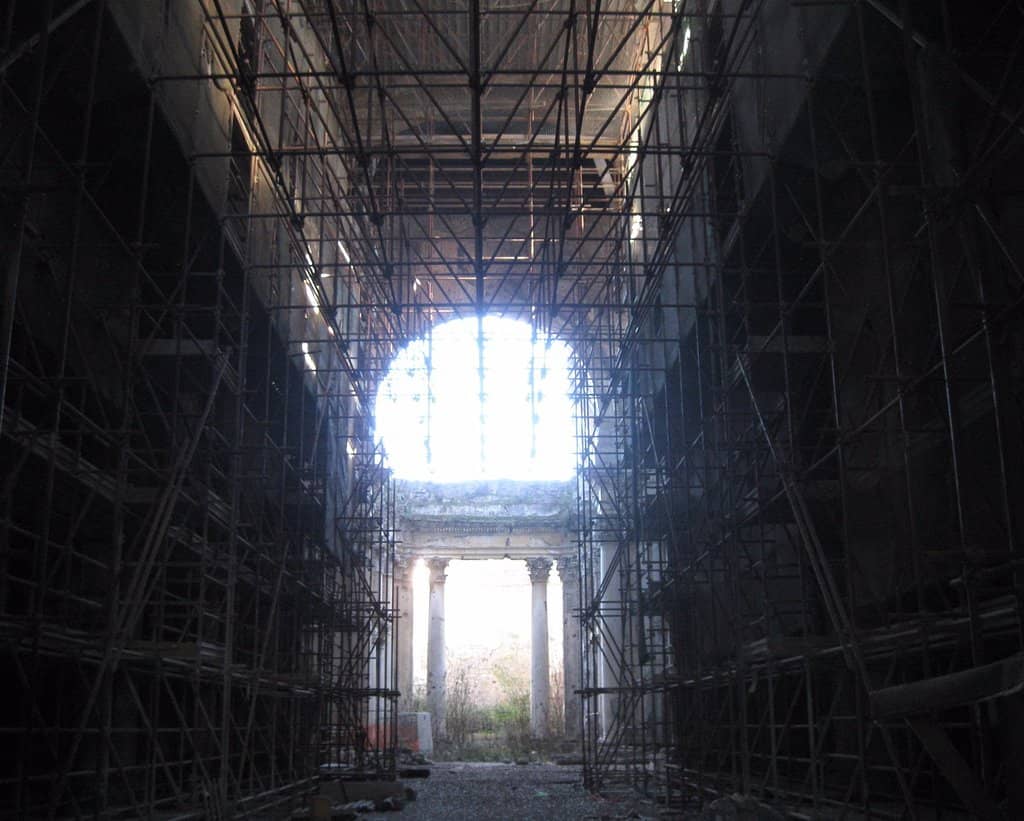
It is currently unusable: the interior suffered extensive damage from bombing during World War II.
The two cloisters are interesting and valuable: the medieval one with five-light windows, twin columns, rose windows, and gargoyles, and the Renaissance one with an octagonal structure and a fountain.
The complex was acquired by the University of Tuscia. Between 1870 and approximately 1993, the complex was used as a prison. Along one side of the medieval cloister was the Chapter House, still easily recognizable today: it houses a museum complex for the Viterbo universities."
Patrizia Martinelli
"It was one of the Dominican churches in Viterbo, along with the sanctuary of Santa Maria della Quercia. With the capture of Rome under the Siccardi laws, it was acquired by the state, which turned the complex into a penitentiary. The church, which had been renovated by Nicola Salvi, the architect of the Trevi Fountain in Rome, was bombed during World War II, and the unsafe roof was dismantled. After the prison was transferred, the Santa Maria in Gradi complex became one of the sites of the University of Tuscia. The church has been restored with a new roof, but the restoration is not yet complete."
giovanni bisti
"The former church of S. Maria in Gradi was seriously hit twice in the bombings of March and May 1944.
Left semi-destroyed for many years, today it is being restored."
oirad1962
What People Like
What People Dislike
Frequently Asked Questions
🚇 🗺️ Getting There
Santa Maria in Gradi is located in Viterbo. Public transport options within Viterbo include local buses. If arriving from outside the city, consider train services to Viterbo Porta Romana or Viterbo Porta Fiorentina stations, followed by a local bus or taxi to reach the complex.
Parking availability can be limited in the historic center of Viterbo. It's advisable to check for public parking lots near the university campus or consider using public transportation to avoid parking hassles.
The walk from Viterbo's main train stations to Santa Maria in Gradi can be substantial, typically around 20-30 minutes. It's recommended to use a local bus or taxi for a more convenient journey, especially if you have luggage.
🎫 🎫 Tickets & Entry
Entry to the grounds and cloisters of Santa Maria in Gradi is generally free, as it's part of the University of Tuscia campus. However, specific events or museum exhibitions might require tickets.
As a university complex, access to common areas like the cloisters is usually during daylight hours. The museum and specific buildings may have their own operating times, so it's best to check with the University of Tuscia for the most current information.
Accessibility can vary within historical buildings. While some areas might be accessible, it's recommended to contact the University of Tuscia in advance to inquire about specific accessibility provisions for visitors with disabilities.
🎫 🏛️ Onsite Experience
Visitors can explore the beautiful medieval and Renaissance cloisters, the university library, and a museum complex housed in the former Chapter House. The church interior is undergoing restoration. +1
The church at Santa Maria in Gradi suffered significant damage during WWII bombings and is currently undergoing restoration. While you can see its exterior and learn about its history, the interior is not fully accessible.
Guided tours are not typically standard for the general public visiting the campus. However, the university may offer tours during specific open days or for organized groups. Checking the University of Tuscia's official website or contacting them directly is advised.
Originally a 13th-century Dominican church and convent, it was later used as a prison before becoming part of the University of Tuscia. It's a site of significant architectural and historical interest, with parts dating back to Etruscan origins.
📸 📸 Photography
Photography for personal use is generally permitted in the public areas of Santa Maria in Gradi, such as the cloisters. However, always be mindful of university regulations and avoid disrupting students or academic activities.
The medieval and Renaissance cloisters offer stunning architectural details and are prime locations for photography. The library spaces and exterior views of the complex also provide picturesque opportunities.
You may also like
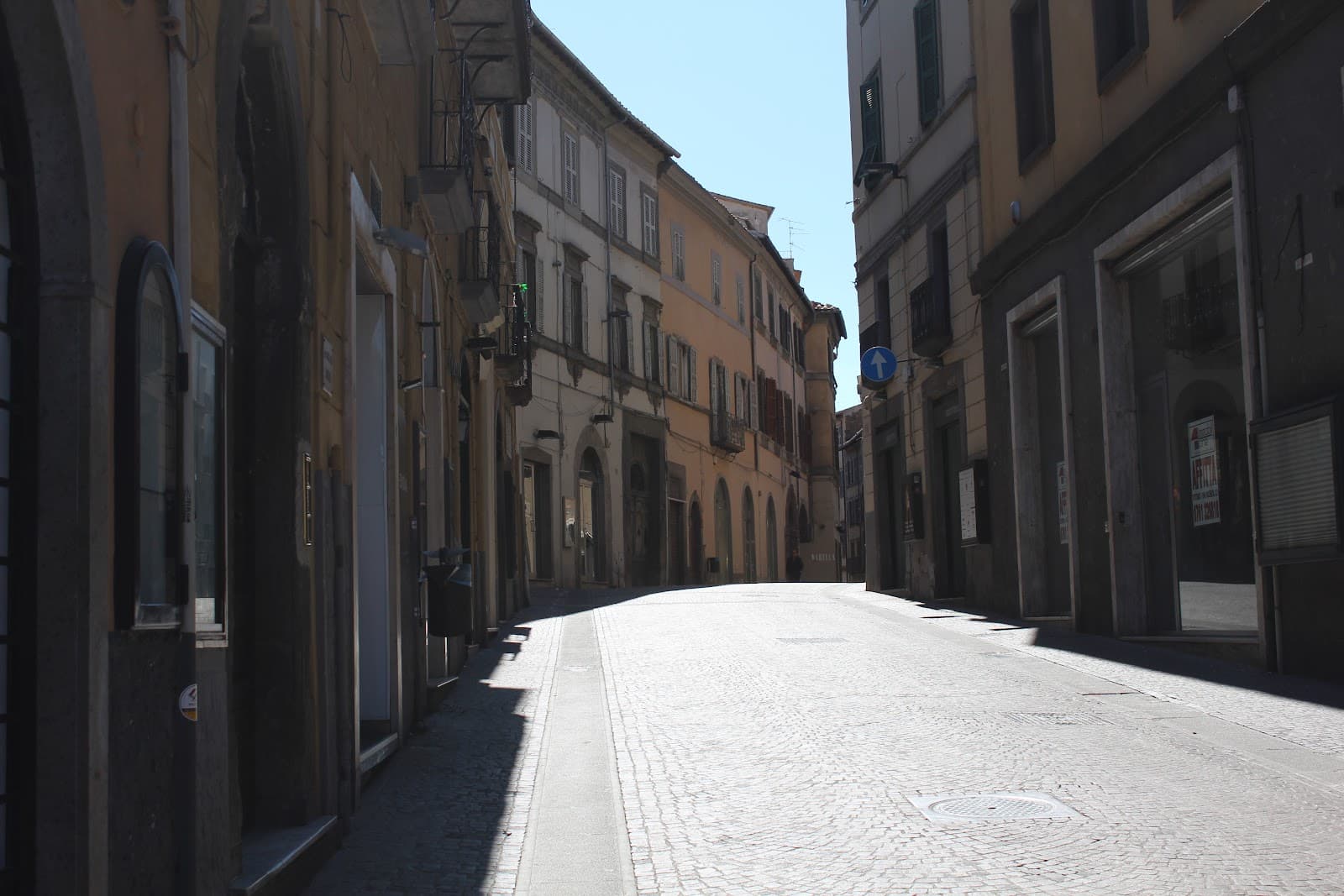
Corso Italia
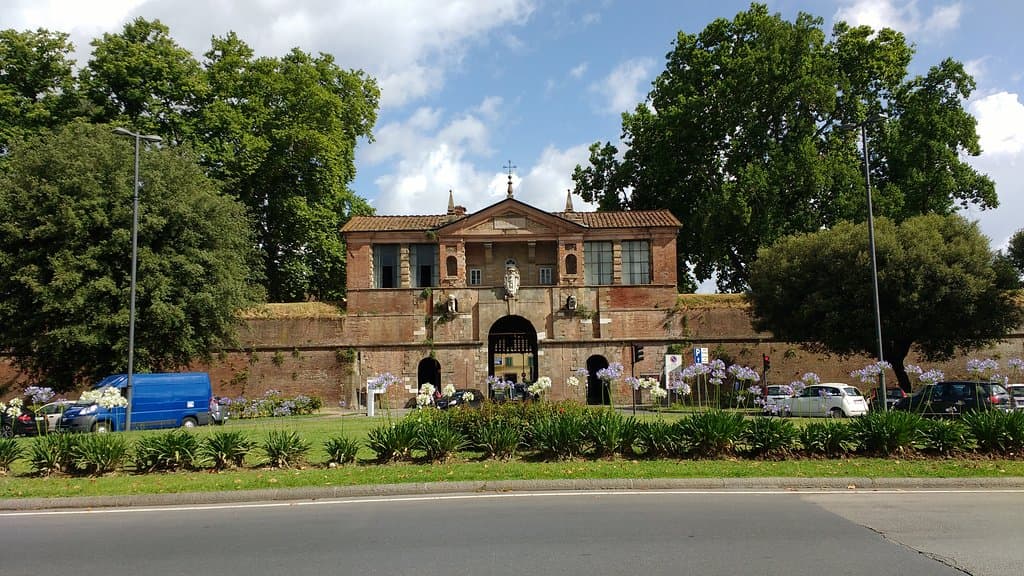
Porta San Pietro
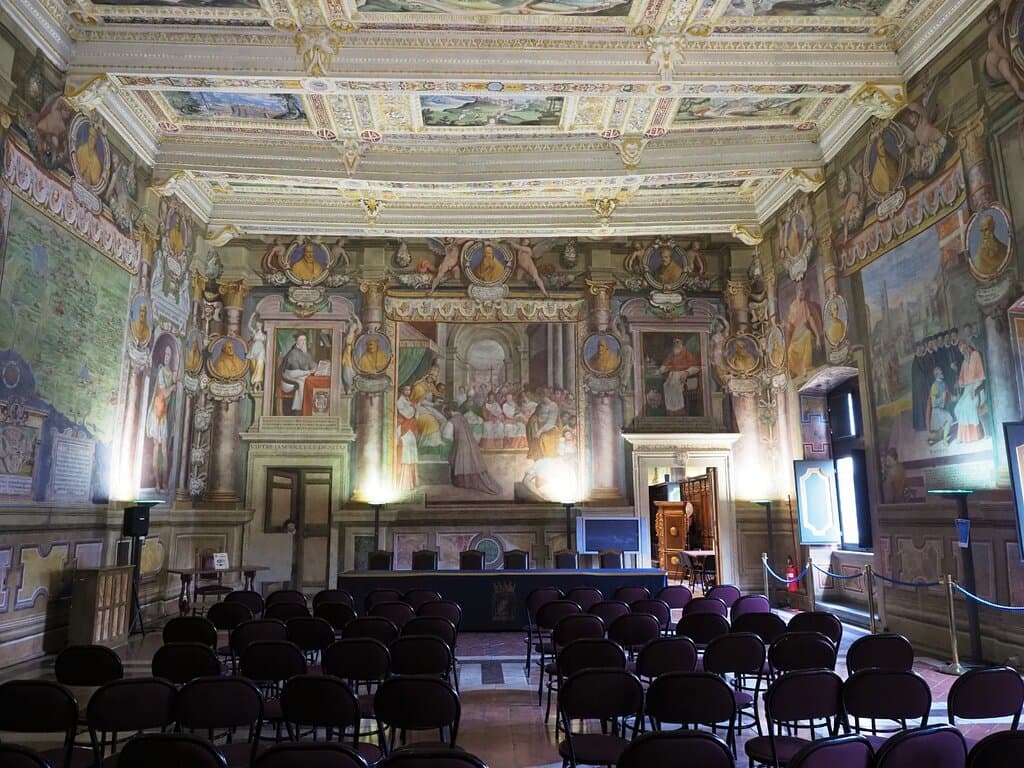
Palazzo dei Priori and Piazza del Plebiscito
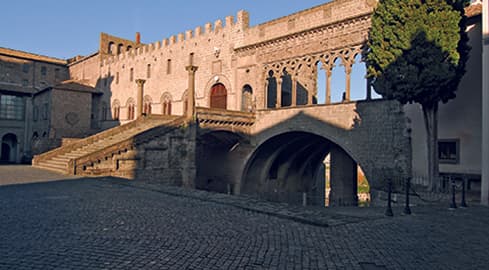
Palazzo dei Papi Viterbo
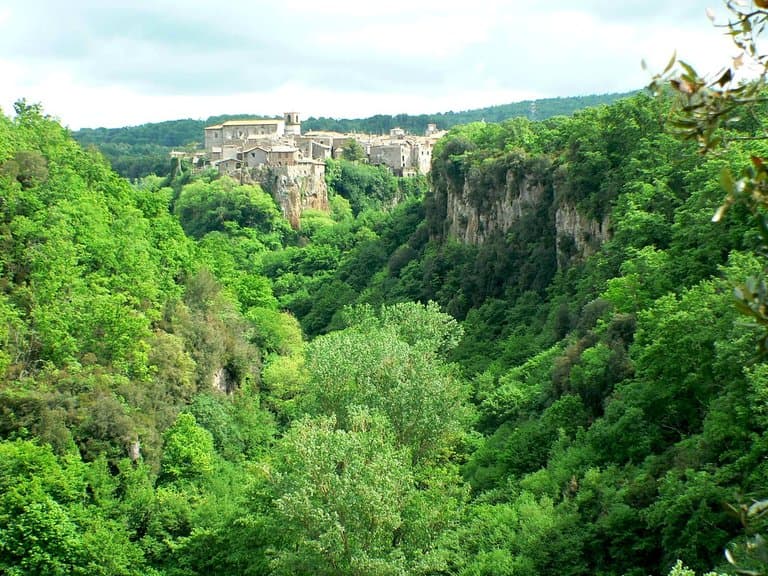
Parco Marturanum Barbarano Romano
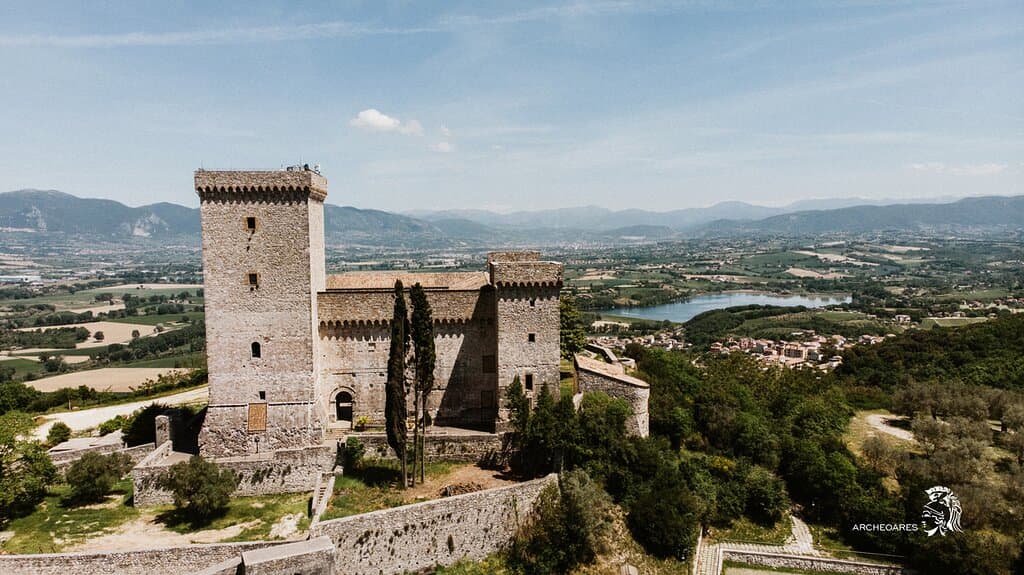
Rocca Albornoz Fortress
Corso Italia
Porta San Pietro
Palazzo dei Priori and Piazza del Plebiscito
Palazzo dei Papi Viterbo
Parco Marturanum Barbarano Romano
Rocca Albornoz Fortress
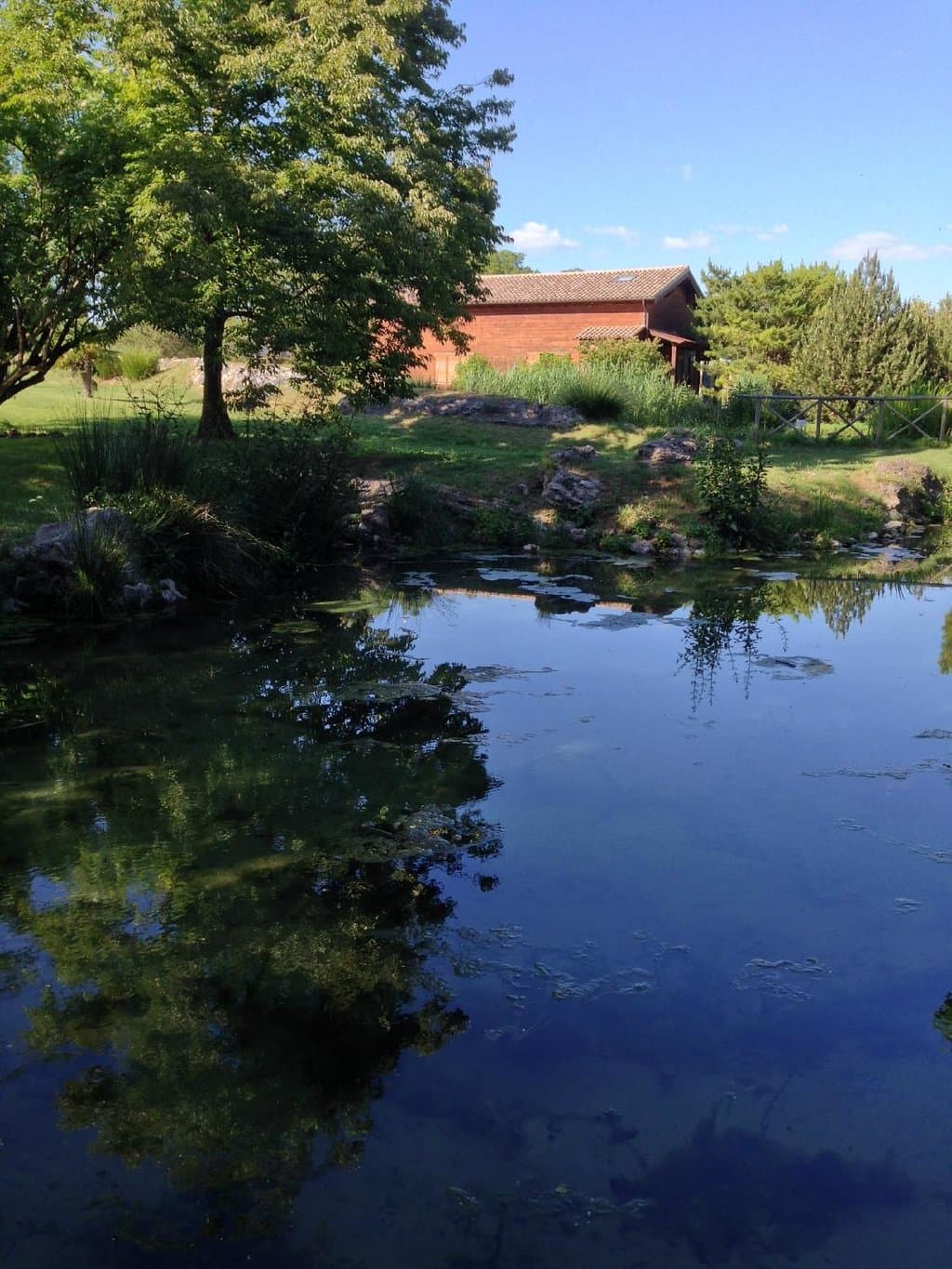
Orto Botanico Angelo Rambelli
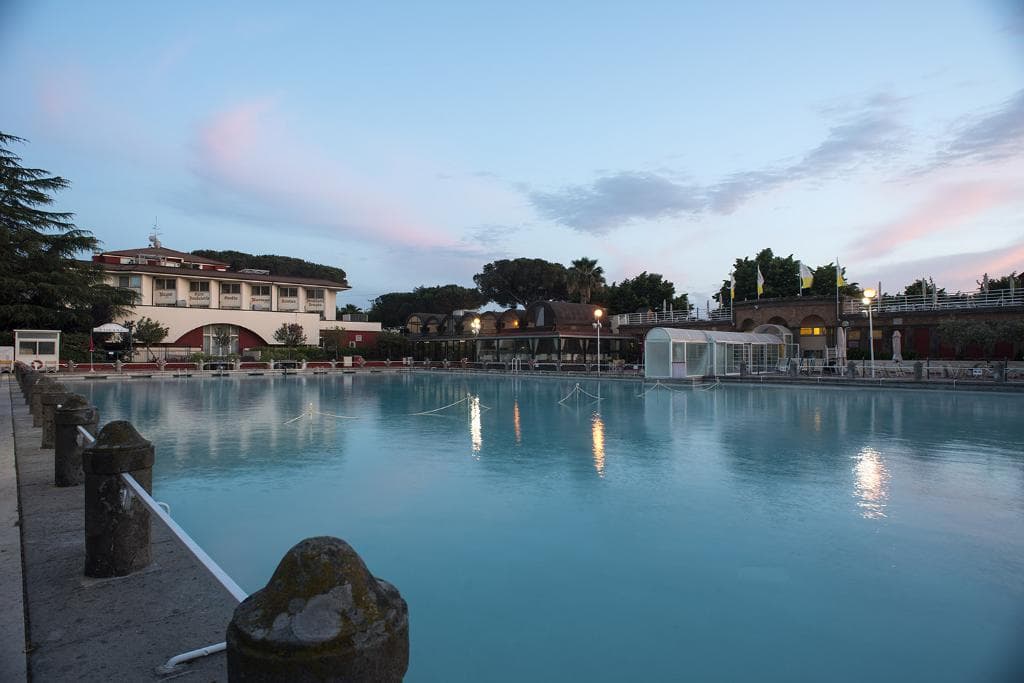
Terme dei Papi Viterbo
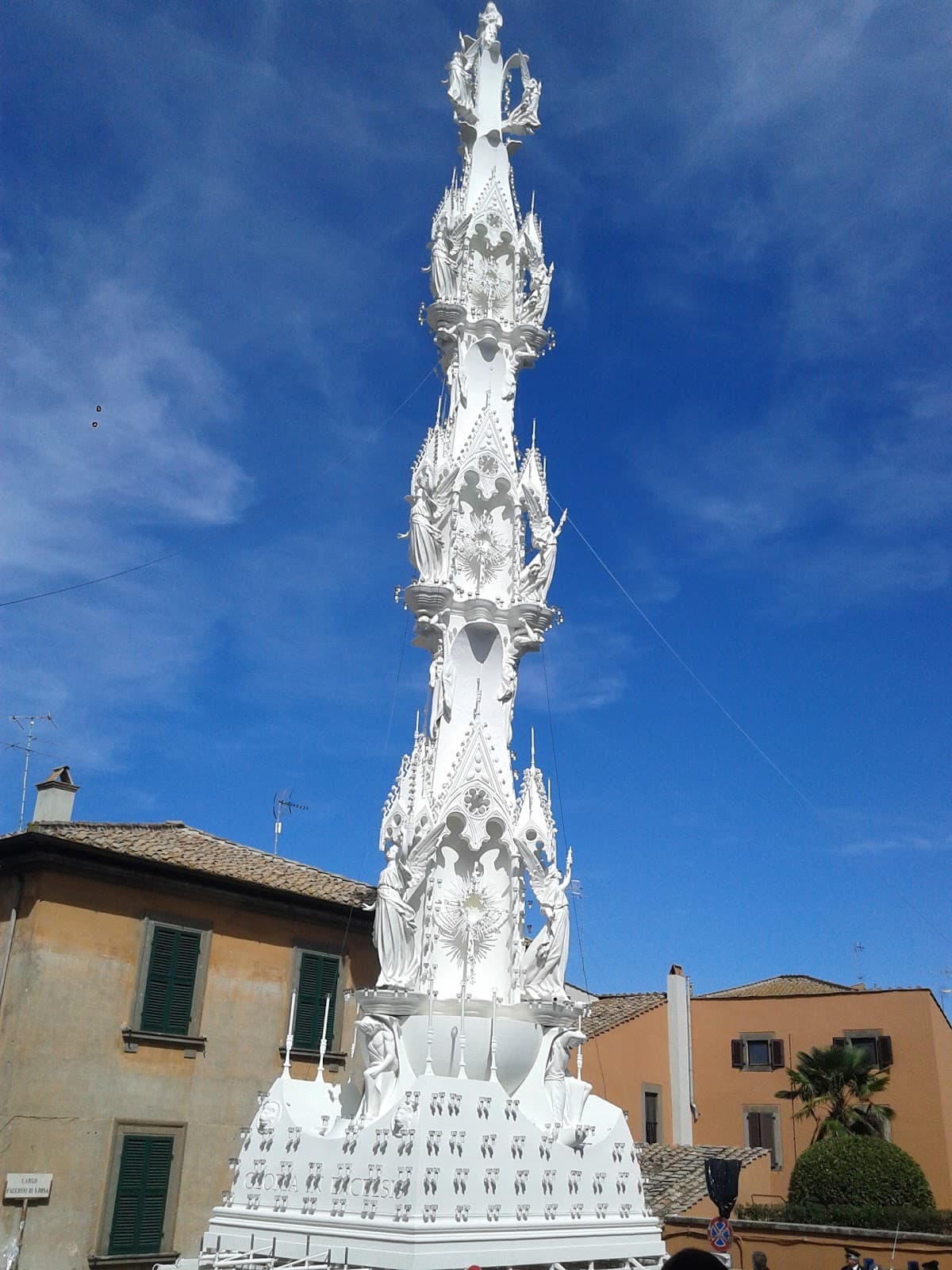
Basilica di Santa Rosa
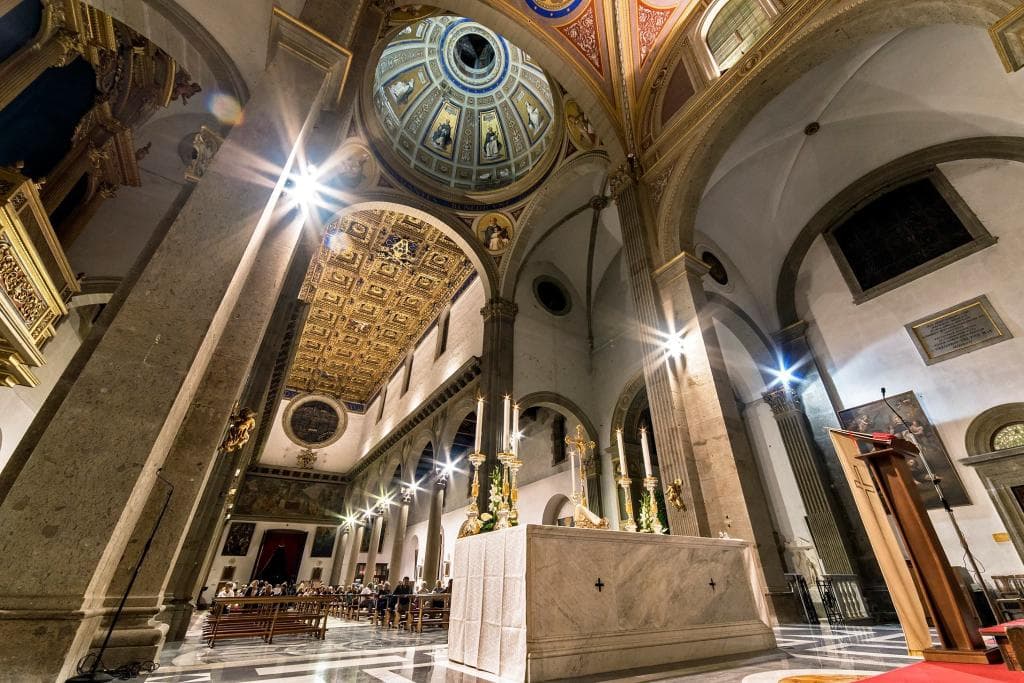
Basilica della Madonna della Quercia
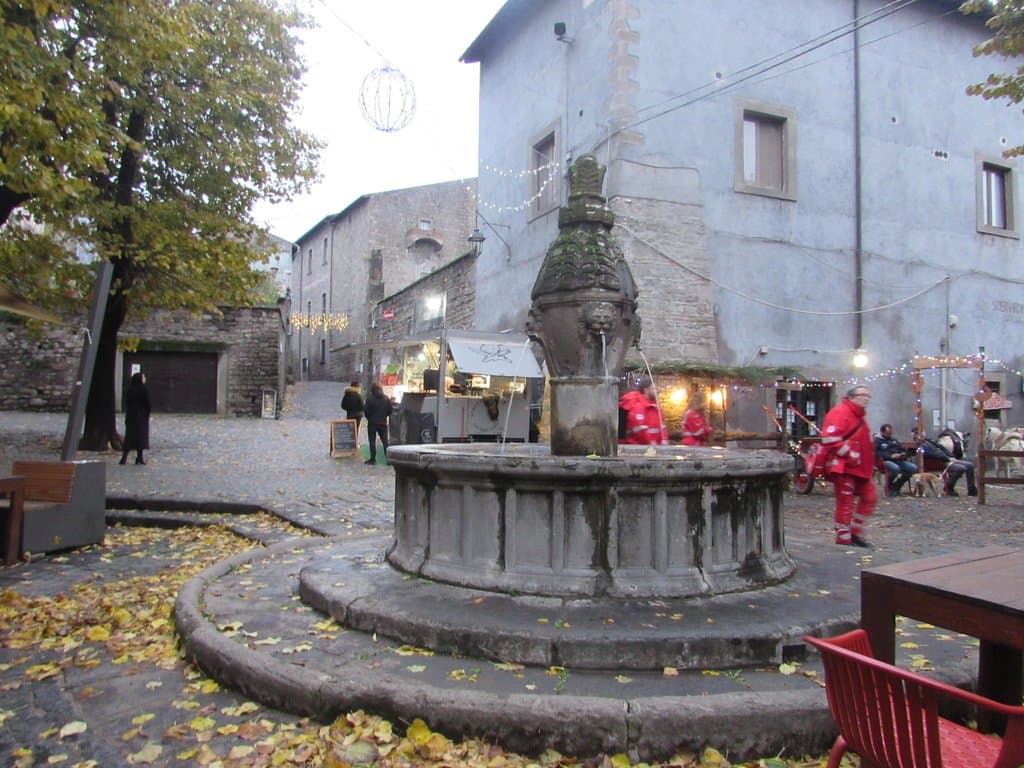
Piazza della Morte
Social
from TikTok, Instagram & Reddit