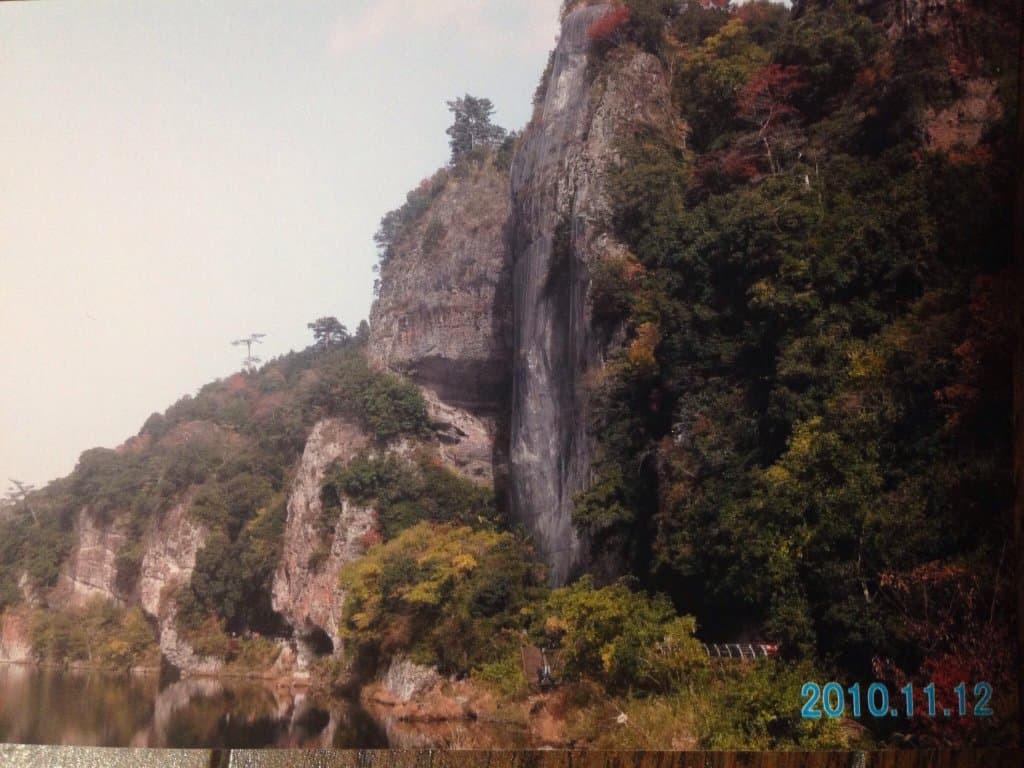
Ao no Domon Oita
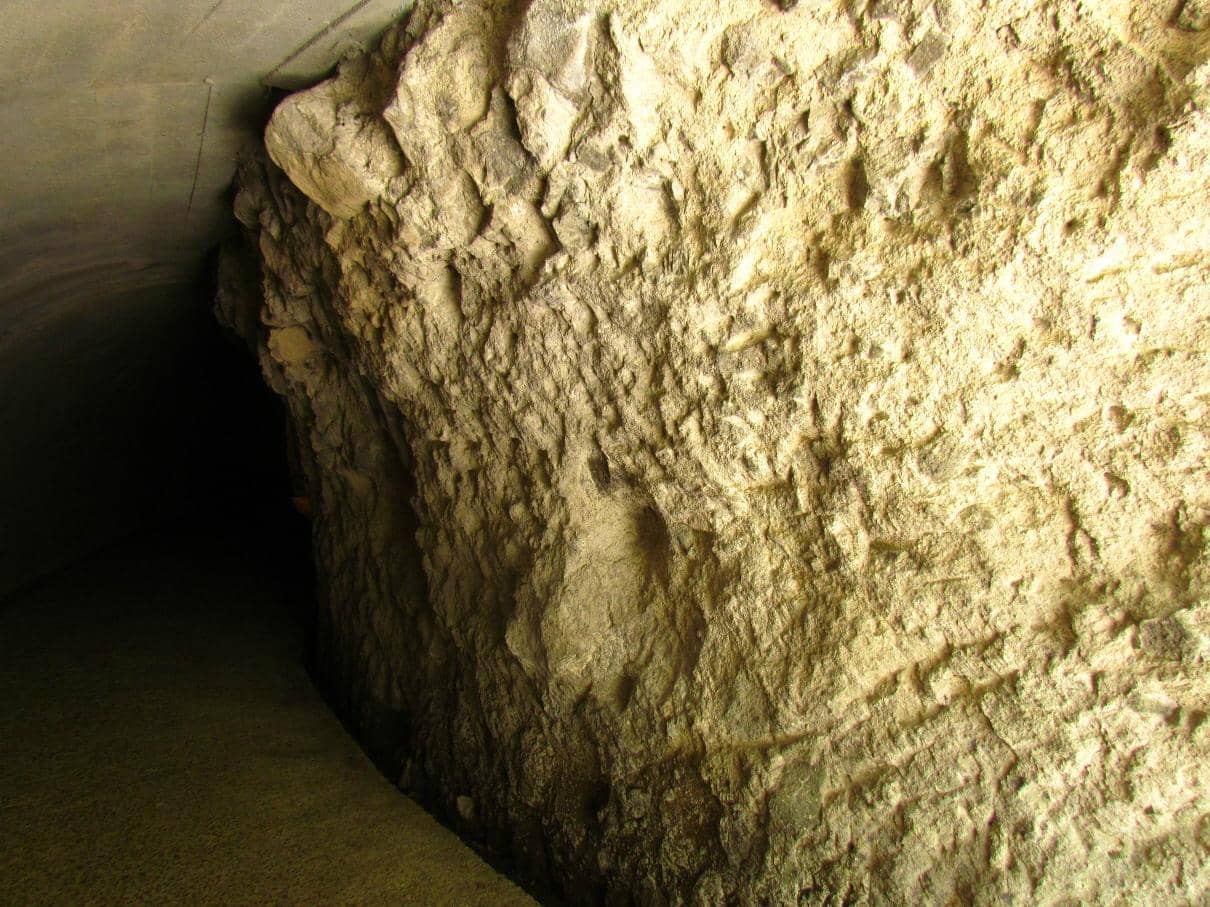
A 30-year hand-carved tunnel by a monk, offering a unique historical and scenic experience in Oita's Yabakei area.
Highlights
Must-see attractions

Social
From TikTok & Reddit
Best Time
Fewer crowds, peaceful atmosphere
Ao no Domon Oita
Best Time
Fewer crowds, peaceful atmosphere
Highlights
Must-see attractions
A 30-year hand-carved tunnel by a monk, offering a unique historical and scenic experience in Oita's Yabakei area.
"A testament to perseverance, this monk-carved tunnel offers a unique historical and scenic escape."
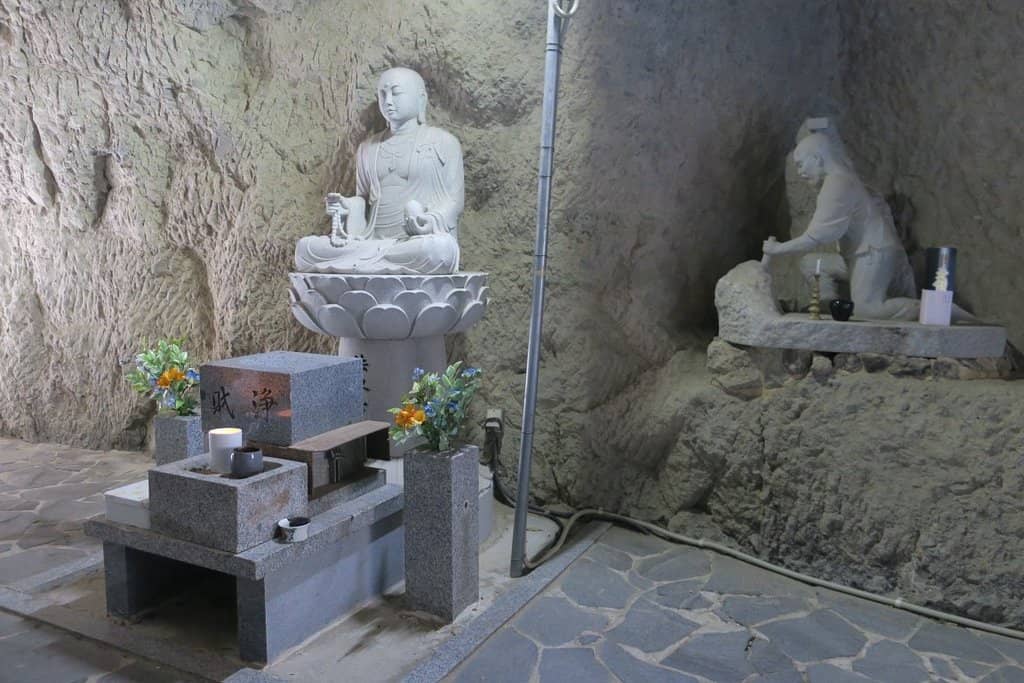
🎯 Use Statue Entrance
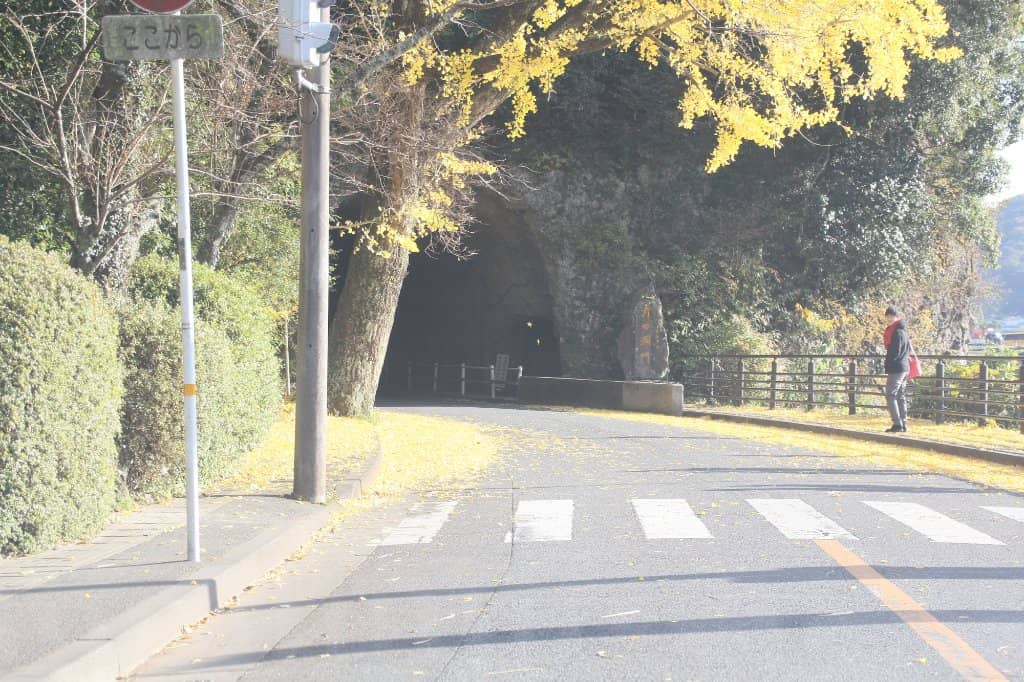
If main entrance is closed, go to Zenkai-osho Statue for access. :world_map:
🚶♀️ Explore the Area
Don't miss the nearby watering hole and Yabakei bakery for a complete visit. 🍞
Quick Facts
Hours
Rating
4 · 1,316 reviews
Type
Historical Landmark
Website
nakatsuyaba.comHighlights
Discover the most iconic attractions and experiences
The Monk's Tunnel
Carved into the cliffside
A 30-year labor of love by a Buddhist monk, this hand-carved tunnel offers a unique historical and scenic experience.
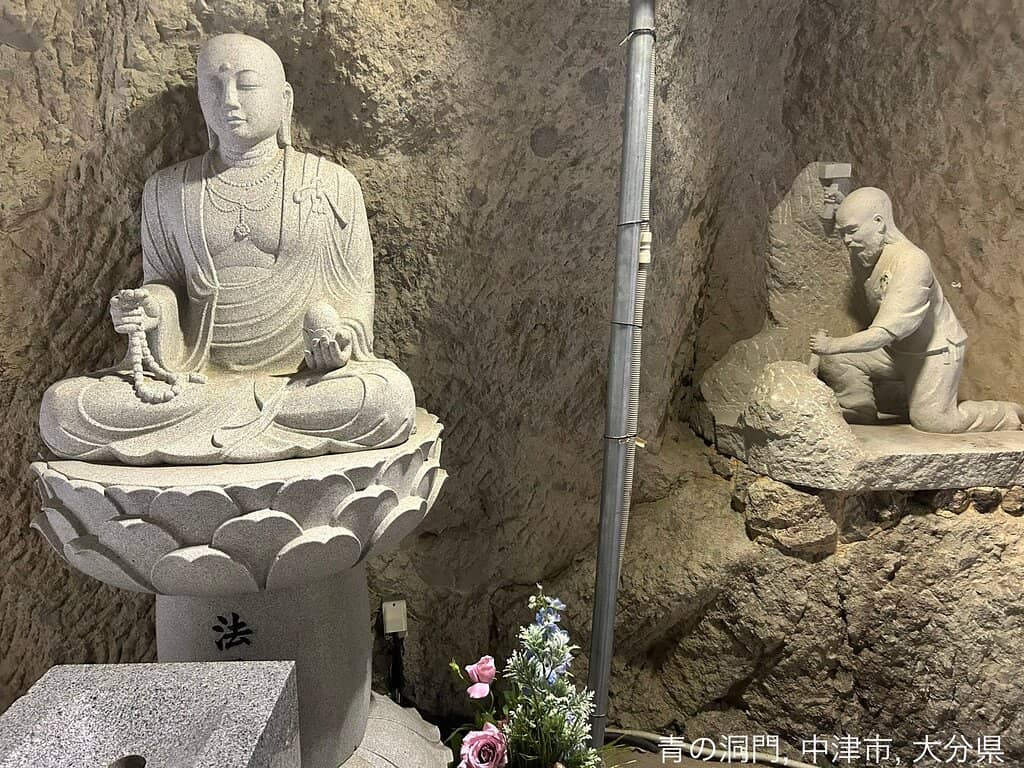
Zenkai-osho Statue
Alternative entrance point
This statue marks an accessible entry point to the tunnel, especially when the main entrance is closed.
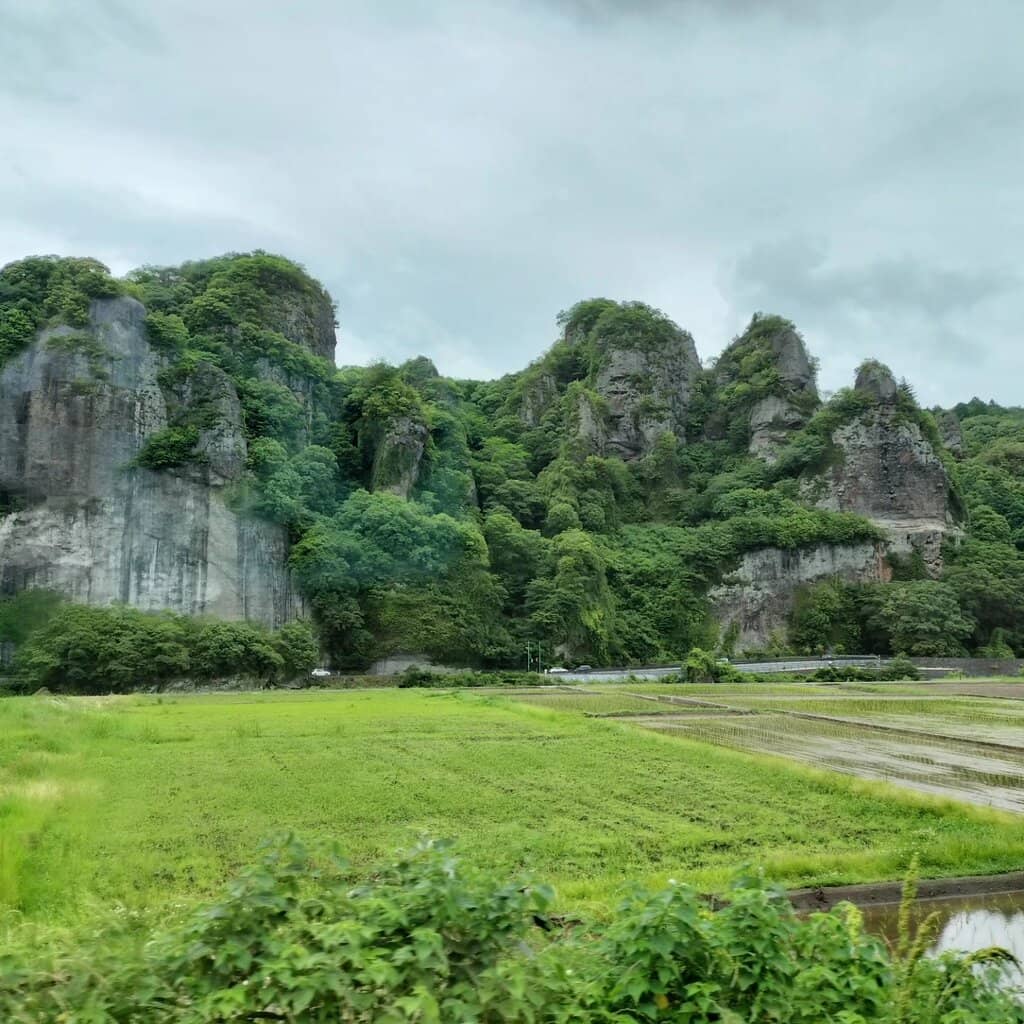
Scenic Riverside Walk
Along the river
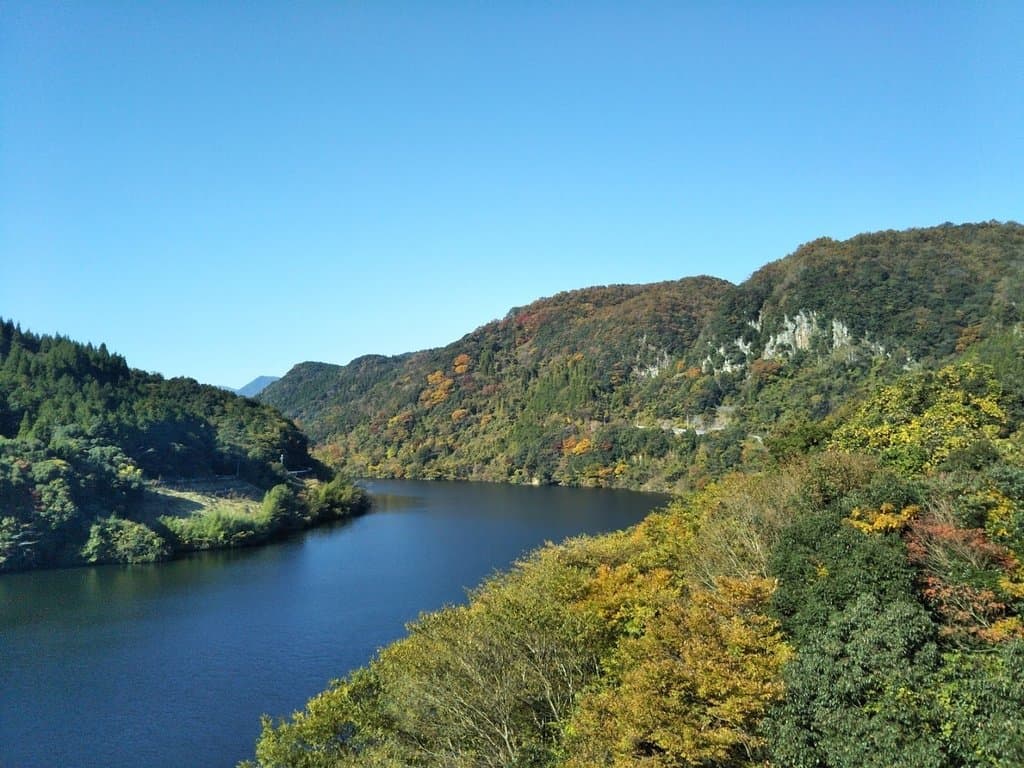
Enjoy a peaceful walk with beautiful scenery, despite modern roads sometimes impacting the natural landscape.
Plans like a pro.
Thinks like you
Planning Your Visit
Accessing Ao no Domon
Historical Context & Surroundings
Best Times
Insider Tips
from TikTok, Instagram & Reddit
🎯 Use Statue Entrance
If main entrance is closed, go to Zenkai-osho Statue for access. :world_map:
🚶♀️ Explore the Area
Don't miss the nearby watering hole and Yabakei bakery for a complete visit. 🍞
🤔 Ponder the History
Reflect on the monk's dedication while walking through the tunnel. 🙏
⚠️ Check for Closures
Roads can close due to rockfall hazards; verify conditions. ⚠️
Tips
from all over the internet
🎯 Use Statue Entrance
If main entrance is closed, go to Zenkai-osho Statue for access. :world_map:
🚶♀️ Explore the Area
Don't miss the nearby watering hole and Yabakei bakery for a complete visit. 🍞
🤔 Ponder the History
Reflect on the monk's dedication while walking through the tunnel. 🙏
⚠️ Check for Closures
Roads can close due to rockfall hazards; verify conditions. ⚠️
What Travellers Say
Reviews Summary
Visitors find Ao no Domon a beautiful and historically significant site, appreciating the monk's incredible 30-year effort to carve the tunnel. The main draw is the unique tunnel experience and the peaceful riverside scenery. However, access can be tricky due to frequent closures of the main entrance, requiring visitors to seek out alternative access points.
"The entrance that Google lists is closed due to renovation. Instead, go to Statue of Zenkai-osho 禅海和尚の像 to access the other end of the tunnel cave."
Kay and Marcos
"An interesting history here. It's a shame that in more modern times a road has been carved through this magnificent cliff, only to be closed due to rock fall hazard. Still, a nice quiet place to go for a walk and enjoy some scenery."
Mitchell Rogers
"It's beautiful and great sight.
You have to go to there."
辛いカレー屋さん
What People Like
What People Dislike
Frequently Asked Questions
🚇 🗺️ Getting There
The primary entrance listed on Google Maps is often closed for renovations. Travelers suggest navigating to the Statue of Zenkai-osho (Zen Kaiwasho Statue) as an alternative access point to the tunnel. Public transport options might be limited, so consider driving or checking local bus routes.
Information on direct public transport can be scarce. It's advisable to check local Oita bus schedules or consider a taxi from the nearest train station. Renting a car offers the most flexibility for reaching this unique site.
Many visitors report issues with the main Google Maps entrance. The most reliable tip is to search for the 'Statue of Zenkai-osho' (Zen Kaiwasho Statue) which leads to an accessible part of the tunnel. :world_map:
Parking availability can vary, especially if using the alternative entrance. It's recommended to look for designated parking areas near the Statue of Zenkai-osho or along the riverside if accessible.
Ao no Domon is located in the Yabakei area, which is part of Nakatsu City in Oita Prefecture. The town of Yabakei itself has local amenities, including a bakery mentioned by visitors.
🎫 🎫 Tickets & Entry
Information regarding entrance fees is not consistently reported. Many visitors describe it as a natural site accessible for exploration, suggesting it might be free or have a nominal fee. It's best to be prepared for either possibility.
As a natural tunnel carved into a cliff, Ao no Domon doesn't typically have strict opening hours like a museum. However, it's best visited during daylight hours for safety and to appreciate the surroundings. Access via the Statue of Zenkai-osho might have unofficial 'visiting' times.
Since Ao no Domon is a historical site carved into nature, advance ticket booking is generally not required or possible. Entry is usually on a first-come, first-served basis, especially if there's any fee involved.
If the main entrance is closed due to renovations or other issues, head to the Statue of Zenkai-osho. This alternative access point is frequently recommended by visitors who have successfully entered the tunnel. 🎟️
While no specific restrictions are widely mentioned, be mindful of the historical and natural significance of the site. Respect the environment and any posted signage. Rockfall hazards have been noted, so exercise caution.
🎫 🚶 Onsite Experience
The main attraction is the hand-carved tunnel itself, a testament to the monk's dedication. Visitors can also enjoy the riverside scenery and reflect on the history of the site. Some mention a nearby watering hole worth seeking out.
Exploring the tunnel and its immediate surroundings typically takes about 30 minutes to an hour. If you plan to visit the nearby watering hole or enjoy a longer walk, allocate more time.
The tunnel itself is a unique experience for children, offering a glimpse into historical craftsmanship. However, the surrounding area might have uneven terrain, so supervision is recommended. :child:
Comfortable walking shoes are highly recommended, as you'll be walking on potentially uneven paths and through the tunnel. :athletic_shoe:
Facilities are likely limited at the site itself. It's advisable to use restrooms in the nearest town (like Yabakei) before arriving. There are no shops directly at the tunnel.
📸 📸 Photography
Capture the impressive scale of the hand-carved tunnel, the play of light and shadow within it, and the scenic riverside views. The Statue of Zenkai-osho can also make for an interesting photographic subject. :camerawithflash:
Photography is generally allowed inside the tunnel. However, be mindful of other visitors and avoid using flash if it might disturb the atmosphere or other guests. :iphone:
Mid-day can offer good light for the tunnel's interior, but early morning or late afternoon might provide more dramatic lighting for the surrounding landscape. Experiment to see what works best for you.
Many visitors capture the full length of the tunnel to show its impressive carving. Shots that include the entrance or exit framing the landscape beyond are also popular.
For the tunnel interior, you might need a wider aperture (lower f-number) to let in more light and a slightly higher ISO. For the exterior, a standard landscape setting will work well. Consider a tripod for low-light conditions.

Social
from TikTok, Instagram & Reddit