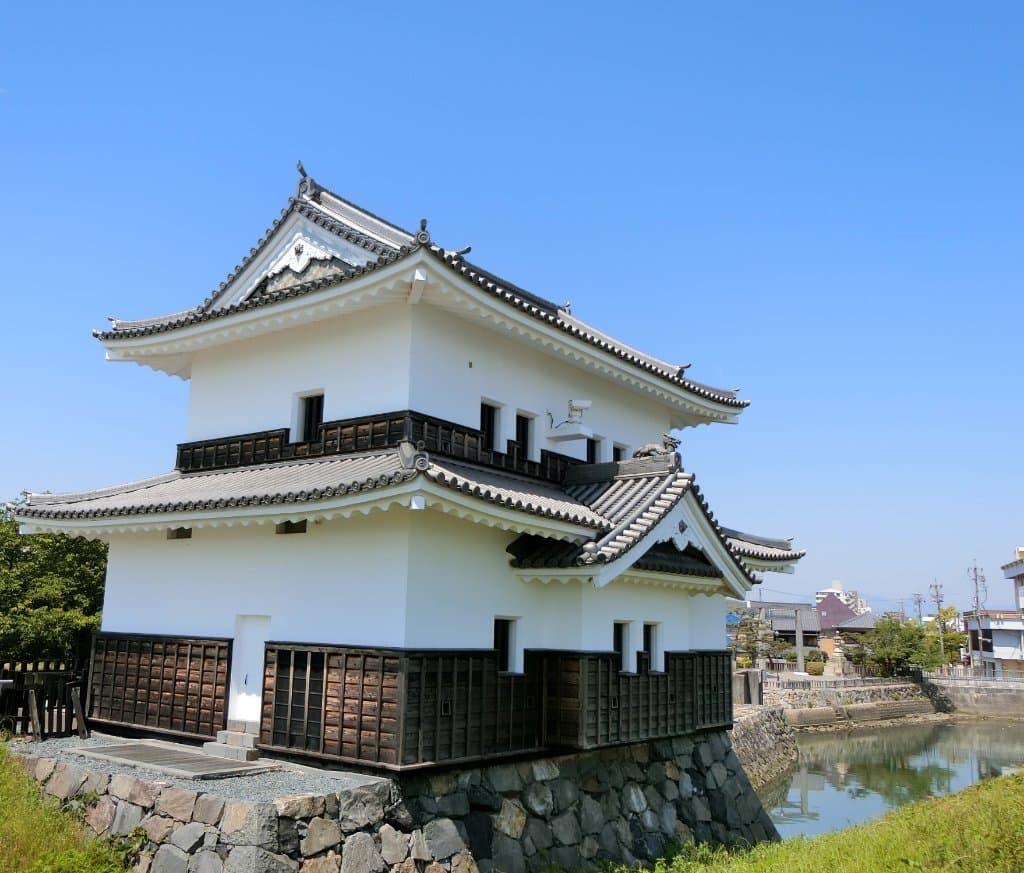
Shichiri-no-Watashi Remains
Explore the historical Shichiri-no-Watashi ferry landing, a vital Tokaido crossing with a grand torii gate to Ise Shrine.
Highlights
Must-see attractions

Social
From TikTok & Reddit
Best Time
Pleasant breeze, good light
Shichiri-no-Watashi Remains
Best Time
Pleasant breeze, good light
Highlights
Must-see attractions
Explore the historical Shichiri-no-Watashi ferry landing, a vital Tokaido crossing with a grand torii gate to Ise Shrine.
"A well-maintained and beautiful place with great views, perfect for a historical stop."
🚗 Free Parking Available
Two free parking lots are nearby, including disabled parking. Kakinoyasu Community Park is a good option.
🚲 Great for Cyclists
The well-maintained embankment road offers scenic views, perfect for a cycling stop.
Quick Facts
Hours
Rating
3.8 · 449 reviews
Type
Historical Landmark
Highlights
Discover the most iconic attractions and experiences
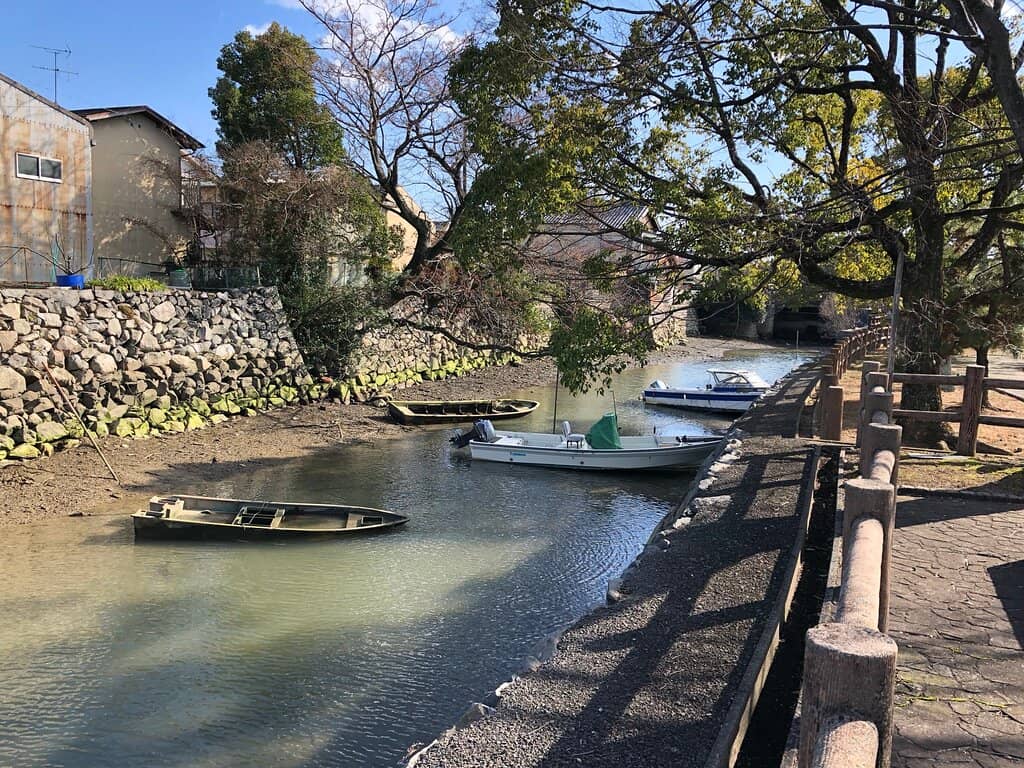
Restored Ferry Landing
Ibi River bank
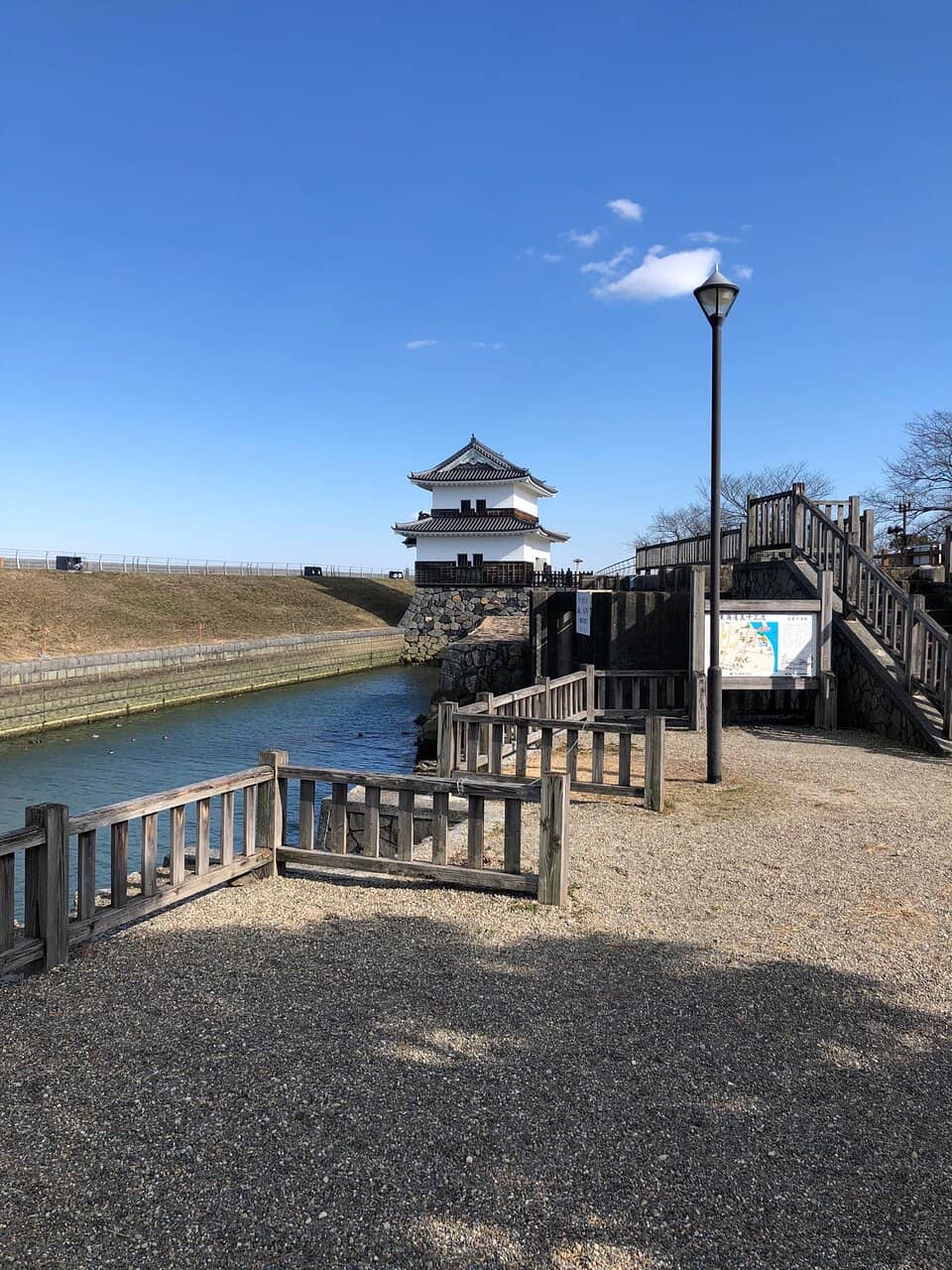
Step back in time at this well-maintained ferry landing, evoking Edo period travel scenes.
Great Torii Gate
Near the ferry landing
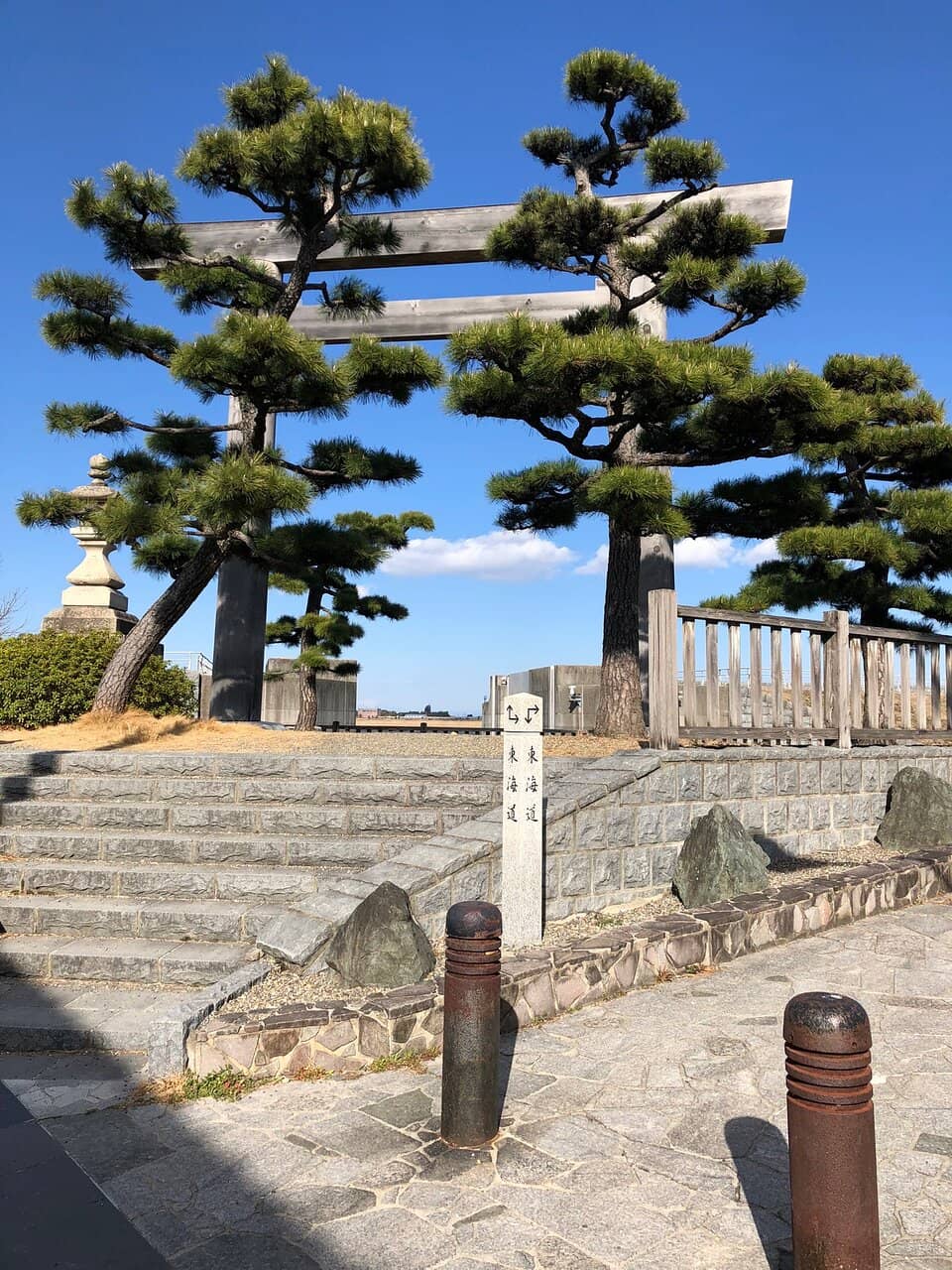
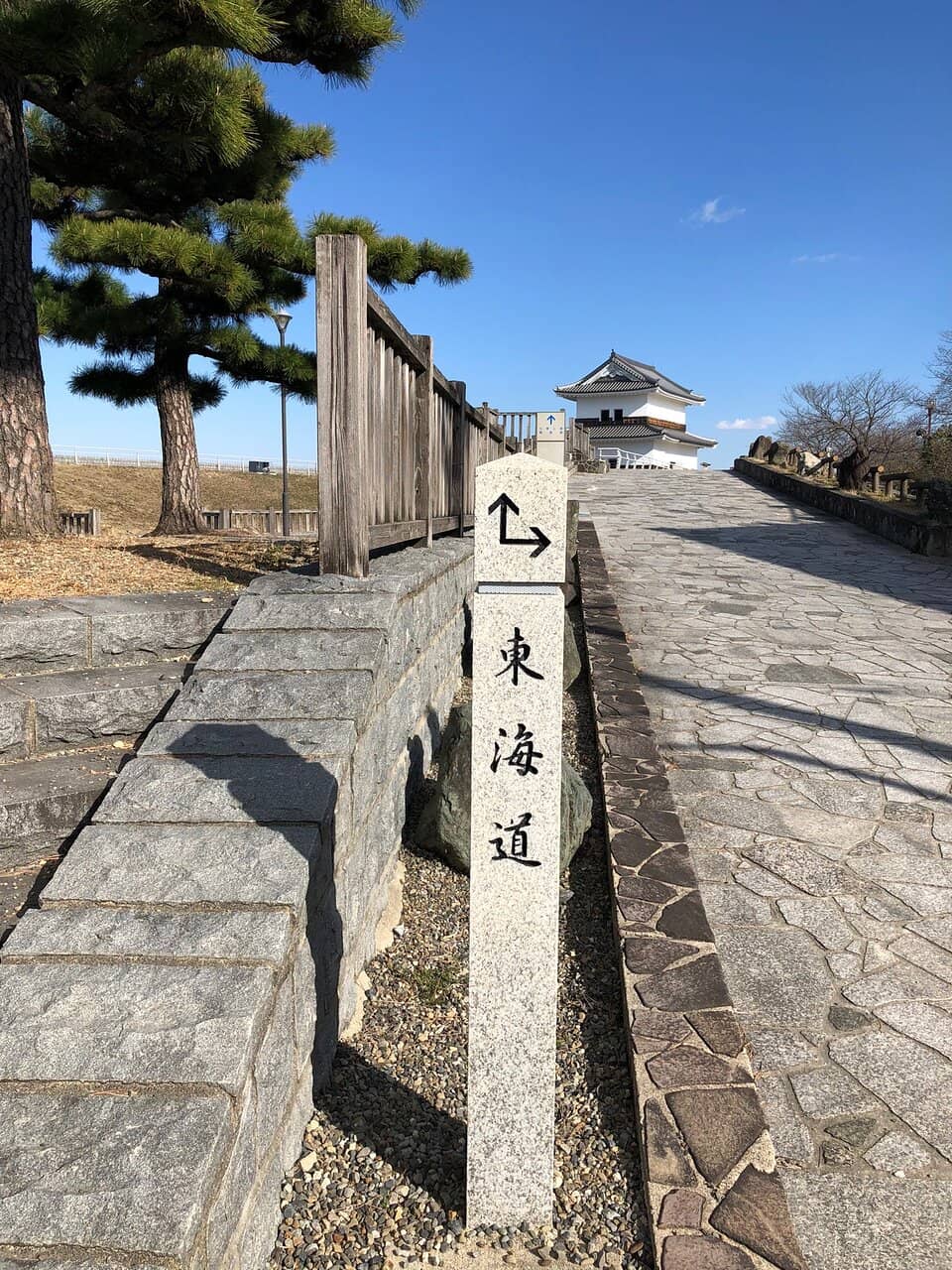
A grand torii gate marks the historic route to Ise Shrine, a significant pilgrimage point.
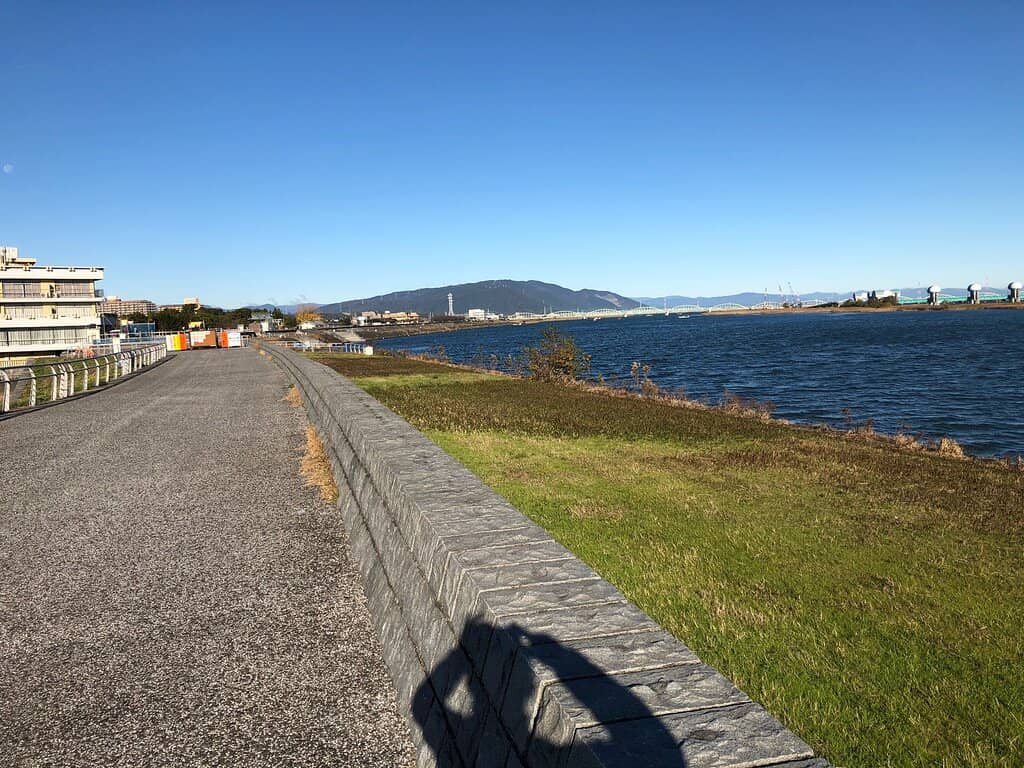
Scenic Embankment Road
Along the Ibi River
Enjoy picturesque views and a pleasant breeze on this well-kept path, perfect for cycling.
Plans like a pro.
Thinks like you
Planning Your Visit
Timing Your Visit to Shichiri-no-Watashi
Getting to the Remains
Best Times
Insider Tips
from TikTok, Instagram & Reddit
🚗 Free Parking Available
Two free parking lots are nearby, including disabled parking. Kakinoyasu Community Park is a good option.
🚲 Great for Cyclists
The well-maintained embankment road offers scenic views, perfect for a cycling stop.
📜 Historical Context
Imagine Edo period travelers crossing the river to Ise Shrine. Compare views to ukiyo-e paintings.
🏞️ Scenic River Views
Enjoy the open sea and pleasant sea breeze along the Ibi River.
Tips
from all over the internet
🚗 Free Parking Available
Two free parking lots are nearby, including disabled parking. Kakinoyasu Community Park is a good option.
🚲 Great for Cyclists
The well-maintained embankment road offers scenic views, perfect for a cycling stop.
📜 Historical Context
Imagine Edo period travelers crossing the river to Ise Shrine. Compare views to ukiyo-e paintings.
🏞️ Scenic River Views
Enjoy the open sea and pleasant sea breeze along the Ibi River.
What Travellers Say
Reviews Summary
Visitors praise the Shichiri-no-Watashi Remains for their well-maintained historical features and scenic riverfront location. The free parking and pleasant atmosphere make it an enjoyable stop, especially for cyclists and those interested in historical travel routes. Some note the historical context is best appreciated with prior research.
"Across the river from Shichiri Ferry in Atsuta. Old Tokaido.
After the Honnoji Incident, Tokugawa Ieyasu crossed Iga and returned to Okazaki from this wharf via the wharf in Atsuta.
It was a very well-maintained and beautiful place. It's in a great location and I recommend it. There were two free parking lots nearby, but I parked in the parking lot at Kakinoyasu Community Park, which is a little further away. Free parking for the disabled."
夏草や兵どもが夢の跡
"Visited on July 31, 2025, in the afternoon.
The remains of an old ferry landing on the banks of the Ibi River in Kuwana City.
I was cycling around Kuwana that day, stopping off at Kyuka Park before coming here.
The nearby embankment road is well-maintained, offering great views, and there's even a restored Kuwana Castle tower nearby.
There's a large torii gate here, and it reminds me of the time when people would cross the river from the ferry landing south of Atsuta Shrine to Ise Shrine, disembark here, and head to Ise Shrine."
高木カルロス
"This is the first time I've properly visited the world-famous Shichiri no Watashi Ferry. As a child, I used to look at old maps of Japan and wonder, "I wonder if travelers could just relax for a moment by not walking across this ferry?" However, there's a theory that Shichiri no Watashi was actually surprisingly unpopular back then. Most common people's purpose for traveling the Tokaido was to visit Ise Shrine. Apparently, if they didn't also visit Tsushima Shrine or Tado Shrine, it was called a "one-way pilgrimage," so many people chose to take the land route that passed through these shrines. I guess I'm also a fan of the land route. The "since I'm here, I might as well..." mentality hasn't changed since ancient times."
ノーリー
What People Like
What People Dislike
Frequently Asked Questions
🚇 🗺️ Getting There
The remains are located across the river from Shichiri Ferry in Atsuta, on the banks of the Ibi River in Kuwana City. There are two free parking lots nearby, with one at Kakinoyasu Community Park being a slightly further but viable option.
Yes, there are two free parking lots available, including designated parking for disabled visitors.
Absolutely! The embankment road along the Ibi River is well-maintained and offers great views, making it a popular route for cyclists.
The name 'Shichiri no Watashi' refers to a sea route that connected Kuwana and Owari Atsuta, covering a distance of seven ri (approximately 28 km).
The site is generally easy to find, especially if you are familiar with the area around Atsuta Shrine or Kuwana Castle. Look for the large torii gate near the riverbank.
🎫 🎫 Tickets & Entry
No, there are no admission fees to visit the Shichiri-no-Watashi Remains. It is an open historical site.
As an outdoor historical site, Shichiri-no-Watashi Remains are accessible at any time. However, visiting during daylight hours is recommended for the best experience.
There is no entrance fee for the Shichiri-no-Watashi Remains. It's a free historical landmark to explore.
While the site is technically accessible at night, it is not recommended due to lack of lighting and safety concerns. Daylight hours offer the best and safest viewing experience.
Official guided tours are not commonly advertised for the Shichiri-no-Watashi Remains. However, you can enhance your visit by researching its history beforehand or using local information resources.
🎫 🏞️ Onsite Experience
You can see the remains of an old ferry landing, a large torii gate that marked the route to Ise Shrine, and enjoy the scenic embankment road along the Ibi River.
Yes, the historical elements like the torii gate and ferry landing, combined with the river views, offer great photographic opportunities, especially when comparing to historical ukiyo-e paintings.
It was a crucial sea route on the Tokaido, used by travelers, including Tokugawa Ieyasu, to cross the river on their journeys, particularly to Ise Shrine.
Restroom facilities and shops are not directly mentioned at the remains themselves, but are likely available in nearby parks or community areas like Kakinoyasu Community Park.
Imagine the Edo period travelers and compare the current scenery with historical ukiyo-e paintings to fully immerse yourself in the historical atmosphere.
🍽️ 🍽️ Food & Dining
While specific dining options directly at the remains are not mentioned, nearby parks and community areas in Kuwana City are likely to have local eateries or cafes.
The scenic embankment road and nearby parks offer pleasant spots for a picnic. It's advisable to check local regulations regarding picnicking in specific areas.
Kuwana City is known for its local cuisine, which may include seafood given its coastal location. Exploring local restaurants would offer the best culinary experience.
Food stalls are not typically associated with historical remains like Shichiri-no-Watashi. It's best to plan for meals before or after your visit.
If arriving from Atsuta, you might find more dining options there before crossing, or explore the restaurants available in Kuwana City upon arrival.
📸 📸 Photography
The large torii gate, the restored ferry landing, and the scenic views along the Ibi River embankment are prime locations for photography.
Yes, the preserved historical elements and the river setting provide an excellent backdrop for historical reenactment photography.
Afternoons often provide good lighting and a pleasant atmosphere. Early morning or late afternoon can also offer beautiful light for landscape shots.
Definitely! Many visitors find it fascinating to compare the current scenery with historical ukiyo-e paintings of the Shichiri no Watashi crossing.
Generally, there are no specific restrictions on personal photography at this outdoor historical site. However, always be respectful of the area and any other visitors.

Social
from TikTok, Instagram & Reddit