
Tsujun Bridge
Japan's largest stone arch aqueduct, Tsujun Bridge, offers a daily spectacle of water spray, showcasing Edo-era engineering.
Highlights
Must-see attractions

Social
From TikTok & Reddit
Best Time
To see the iconic water spray
Tsujun Bridge
Best Time
To see the iconic water spray
Highlights
Must-see attractions
Japan's largest stone arch aqueduct, Tsujun Bridge, offers a daily spectacle of water spray, showcasing Edo-era engineering.
"It’s nothing short of spectacular. Crowds gather in anticipation to witness water shooting skyward from the stone arches."
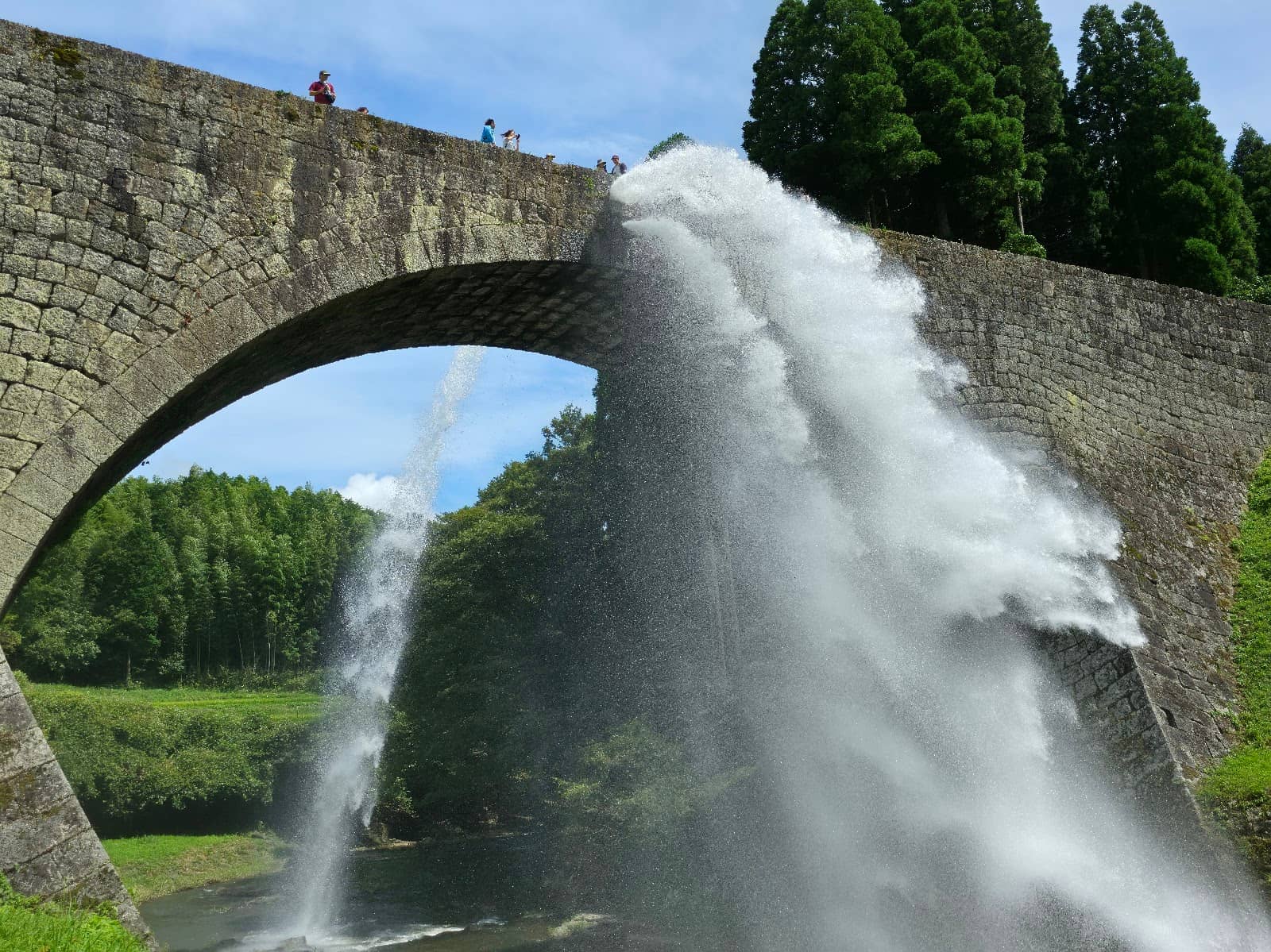
🎯 Check Water Release Schedule
The water spray is the main event! Always check the daily schedule online or at the station before you go.
🎟️ Buy Tickets for Bridge Top
To walk on the bridge and get close to the spray, purchase a ticket (¥500 adult) at the roadside station.
Quick Facts
Hours
Rating
4.3 · 2,195 reviews
Type
Historical Landmark
Highlights
Discover the most iconic attractions and experiences
The Majestic Water Spray
From the bridge top or below
Witness the dramatic spectacle of water shooting skyward from the stone arches, a testament to ingenious engineering.
Edo-era Stone Aqueduct
The bridge itself
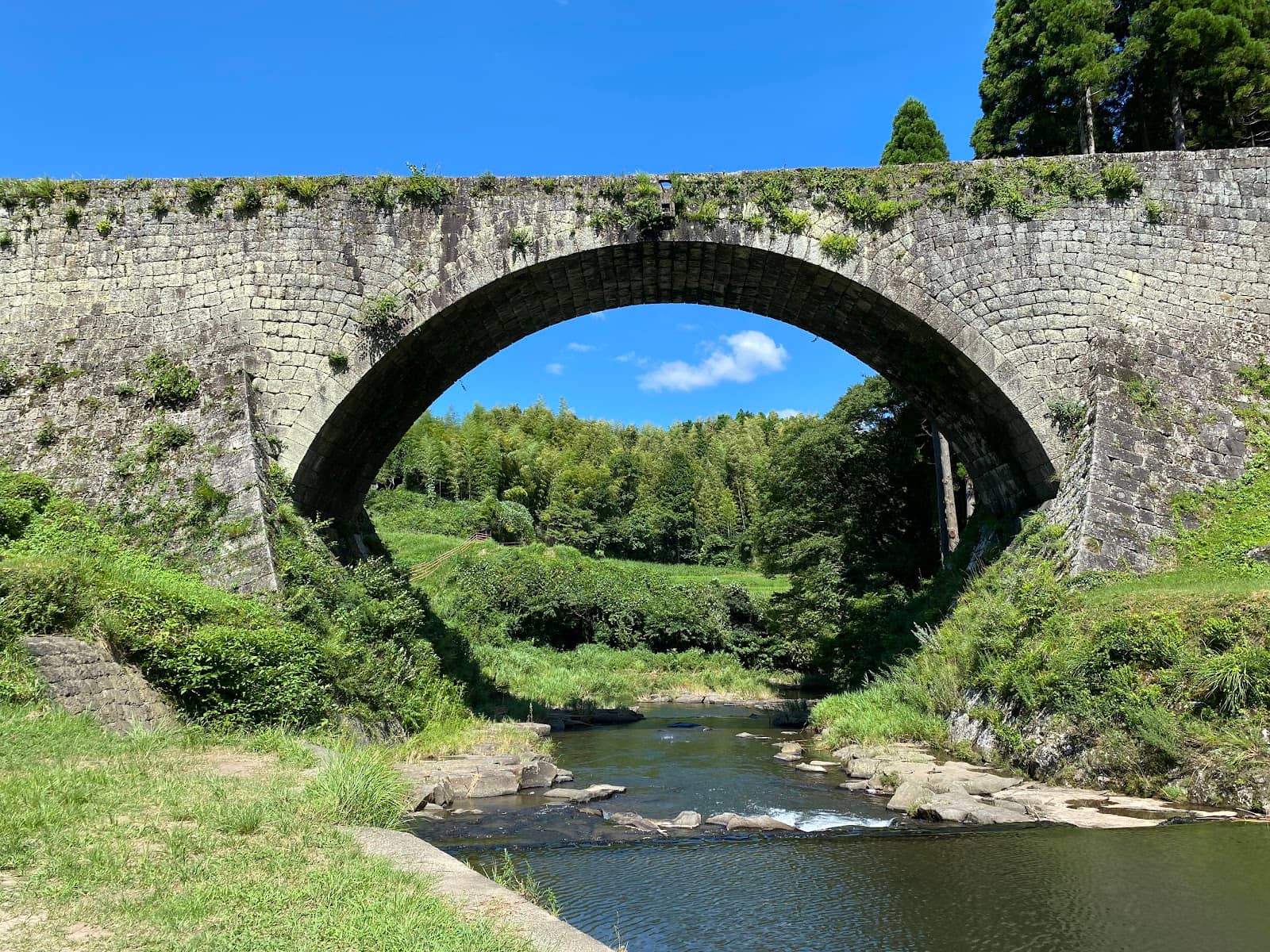
Marvel at Japan's largest stone arch aqueduct, a masterpiece of 19th-century construction.
Panoramic Countryside Views
Surrounding area
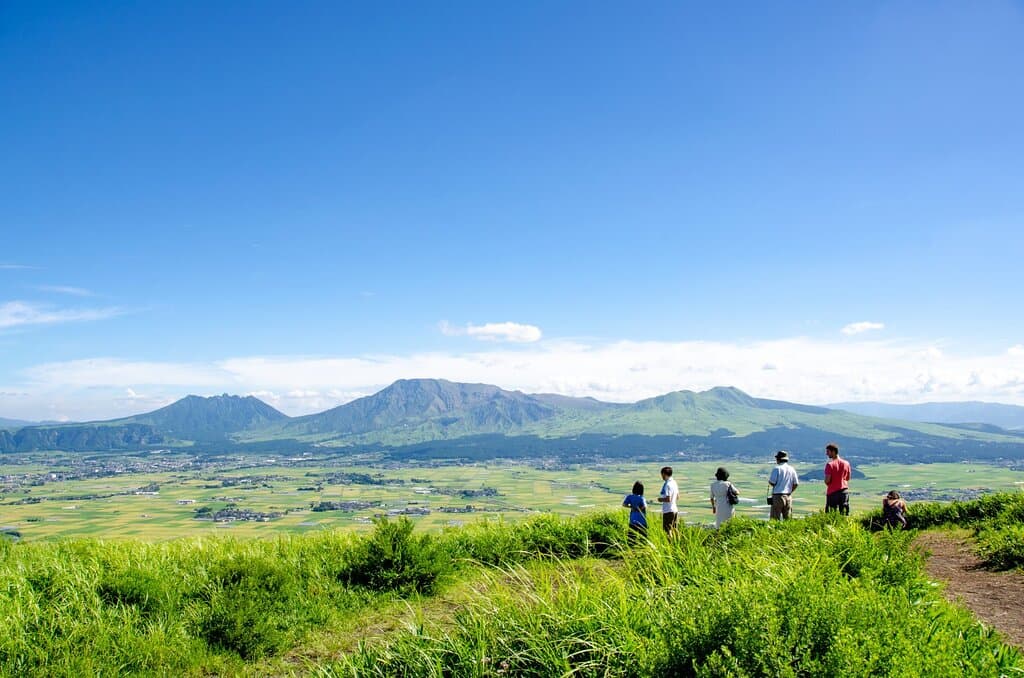
Enjoy the picturesque rural landscape surrounding the bridge, offering a serene and beautiful backdrop.
Plans like a pro.
Thinks like you
Planning Your Visit
Timing is Everything for the Water Spray
Accessing the Bridge Top
Best Times
Insider Tips
from TikTok, Instagram & Reddit
🎯 Check Water Release Schedule
The water spray is the main event! Always check the daily schedule online or at the station before you go.
🎟️ Buy Tickets for Bridge Top
To walk on the bridge and get close to the spray, purchase a ticket (¥500 adult) at the roadside station.
💧 Be Prepared to Get Wet!
If you stand too close underneath the bridge during the water release, you might get a little wet!
🚗 Parking Available
There's a parking area near the roadside station where you can purchase tickets.
Tips
from all over the internet
🎯 Check Water Release Schedule
The water spray is the main event! Always check the daily schedule online or at the station before you go.
🎟️ Buy Tickets for Bridge Top
To walk on the bridge and get close to the spray, purchase a ticket (¥500 adult) at the roadside station.
💧 Be Prepared to Get Wet!
If you stand too close underneath the bridge during the water release, you might get a little wet!
🚗 Parking Available
There's a parking area near the roadside station where you can purchase tickets.
📸 Capture the Moment
Bring your camera to capture the stunning architecture and the dramatic water spray. 
What Travellers Say
Reviews Summary
Visitors are consistently awestruck by Tsujun Bridge's spectacular water spray and impressive Edo-era stone aqueduct design. The blend of historical engineering and natural spectacle creates a memorable experience, though timing the visit for the water release is crucial. Some find the limited access to the bridge top and the daily ticket limits a minor inconvenience.
"Easily missed landmark. It's a historically significant site & architecturally amazing given it was constructed during the Edo era. The views are splendid & the walks are very serene & soothing. The gushing water from the bridge, is only turned on at 1 pm most days. It cost ¥500 per adult. Parking is free & ample."
Colin O
"I visited Tsujunkyo Bridge in early fall, and the energy was electric. It’s nothing short of spectacular. Crowds gather in anticipation to witness water shooting skyward from the stone arches, a dramatic and iconic scene that blends natural beauty with ingenious Edo-era engineering. It’s one of those rare sights that feels both ancient and alive.
While viewing the bridge from below is free, if you want the full experience — to stand atop the bridge and see the water spray up close — you’ll need a ticket.
🎫 ¥500 for adults / ¥200 for children, available at the Roadside Station Tsujunbashi (Michi-no-Eki) right by the parking area.
Upon purchase, you’ll receive a fabric sticker that grants access to walk across the bridge between 10:00 AM and 3:00 PM (last entry at 2:30 PM).
⏳ Tickets are limited to 300 per day, so plan ahead!"
Benz Hue
"I plan to see the water come from the mid of bridge. Unfortunately, there is a heavy raining during this period. So, this place cancel for the water falling. By the way, this place is very beautiful. Dont miss it."
Jitsupa Kuroda
What People Like
What People Dislike
Frequently Asked Questions
🚇 🗺️ Getting There
Tsujun Bridge is located in Kumamoto Prefecture, Japan. The most common way to reach it is by car, as it's situated in a rural area. Public transportation options are limited, often requiring multiple bus transfers. It's recommended to check local bus schedules in advance if you plan to use public transport.
Yes, there is a parking area available near the Roadside Station Tsujunbashi, which is conveniently located by the bridge. This is also where you can purchase tickets to walk on the bridge.
While possible, visiting by public transport can be challenging due to limited bus services. It often involves several transfers and can be time-consuming. Renting a car or joining a tour might be more convenient for many travelers.
The address for Tsujun Bridge is Koriyama Miyako Nagahara, Kamimasuki-gun, Kumamoto Prefecture, 861-3661, Japan.
Information regarding wheelchair accessibility for the bridge itself is limited. However, the area around the roadside station and viewing points should be generally accessible. It's advisable to contact the local tourism office for specific accessibility details.
🎫 🎫 Tickets & Entry
Viewing the bridge from below is free. However, to walk on top of the bridge and experience the water spray up close, you need to purchase a ticket.
The ticket price for adults is ¥500, and for children (elementary and junior high school students) it is ¥200.
Tickets can be purchased at the Roadside Station Tsujunbashi (Michi-no-Eki), located right by the parking area.
Yes, tickets are limited to 300 per day, so it's recommended to arrive early, especially during peak seasons, to secure your access.
Access to walk on the bridge is typically between 10:00 AM and 3:00 PM, with the last entry at 2:30 PM. Always check the latest schedule as it can vary.
🎫 🏞️ Onsite Experience
The water spray, known as the 'water discharge,' occurs for a limited time each day. It's crucial to check the daily schedule at the roadside station or online, as the timing can vary.
The water discharge typically lasts for about 15 to 25 minutes, so make sure you are in a good viewing spot to witness this impressive event.
Tsujun Bridge is famous for being Japan's largest stone arch aqueduct, built in 1854 to irrigate the Shiraito Plateau. Its most dramatic feature is the spectacular water spray that occurs daily.
Yes, with a purchased ticket, you can walk on top of the Tsujun Bridge. This offers a unique perspective and the best views of the water spray.
You can view the bridge from below for free, which offers a dramatic perspective of its scale. For a closer look at the water spray, purchasing a ticket to walk on top is recommended.
📸 📸 Photography
Great photo opportunities exist from below, capturing the entire arch and the water spray. From the top, you can get closer shots of the water and the intricate stonework. Consider visiting during the water release for the most dynamic shots.
Drone usage regulations can vary. It's essential to check local rules and obtain any necessary permits before flying a drone near Tsujun Bridge to avoid any issues.
The water spray itself is a key photographic element, so timing your visit with its release is crucial. The surrounding landscape is also beautiful in the soft light of early morning or late afternoon.
Try to capture both the grand scale of the aqueduct and the dynamic water spray. Experiment with different angles from below and above. If you're there during the water release, be ready for quick shots as it's a fleeting event.
A wide-angle lens is useful for capturing the entire bridge and its surroundings. If you want to focus on the water spray, a telephoto lens can be helpful. A tripod can be beneficial for low-light conditions or capturing the water spray with a smoother effect.



Social
from TikTok, Instagram & Reddit