Jokanji Temple
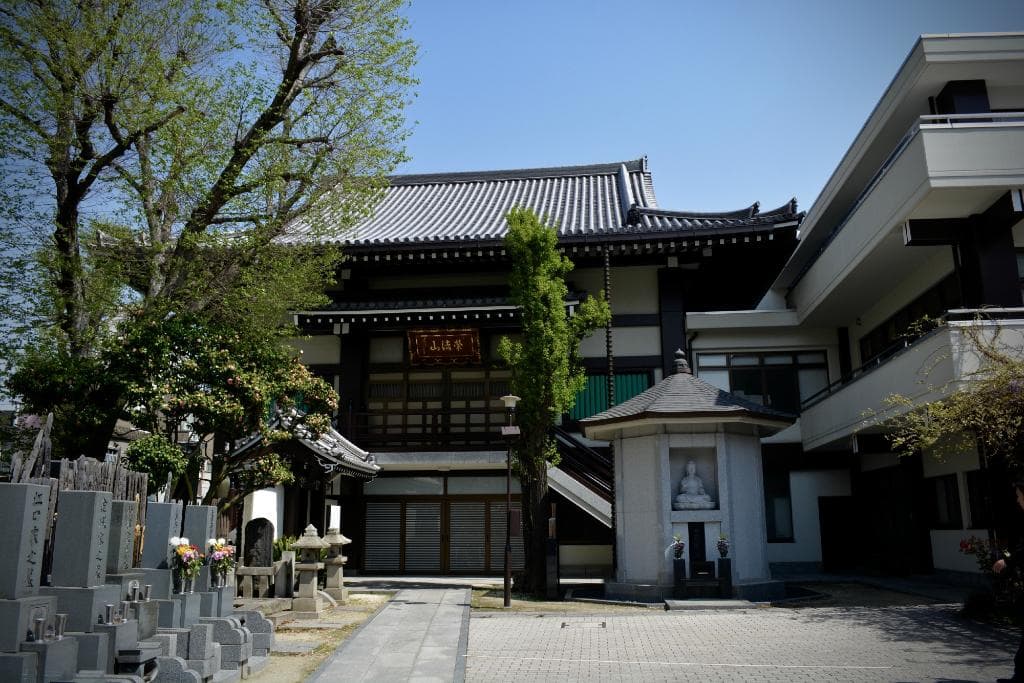
A historically significant temple, Jokanji Temple offers a poignant glimpse into the lives of Edo-era courtesans and their resting place.

Highlights
Must-see attractions

Social
From TikTok & Reddit
Best Time
Blooming wisteria adds beauty
Jokanji Temple
Best Time
Blooming wisteria adds beauty
Highlights
Must-see attractions
A historically significant temple, Jokanji Temple offers a poignant glimpse into the lives of Edo-era courtesans and their resting place.
"A sad but historically significant place, offering a unique glimpse into Edo's past."
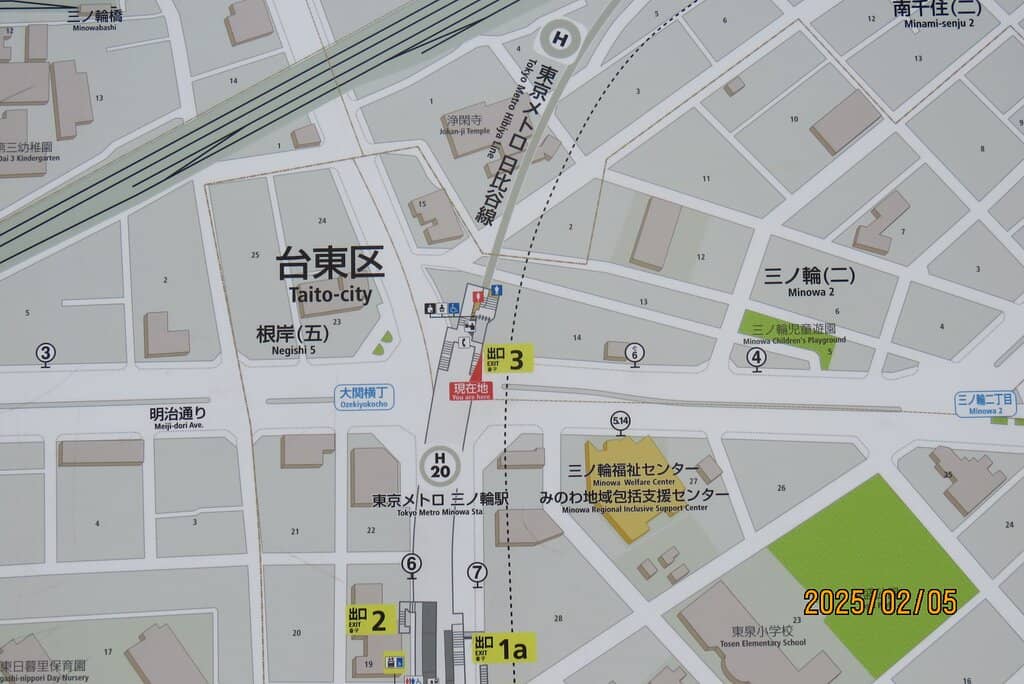
🚶♀️ Easy Access from Minowa Station
Just a 3-minute walk from Minowa Station on the Hibiya Line. Perfect for a peaceful detour. :train2:
🙏 Respectful Attire Recommended
As a place of remembrance, dress modestly and be mindful of the solemn atmosphere. 🙏
Quick Facts
Hours
Rating
4 · 235 reviews
Type
Place of Worship
Highlights
Discover the most iconic attractions and experiences
Shin Yoshiwara Memorial
Cemetery adjacent to the temple
A poignant pagoda commemorating the courtesans of the former Yoshiwara district. A place of remembrance and reflection.
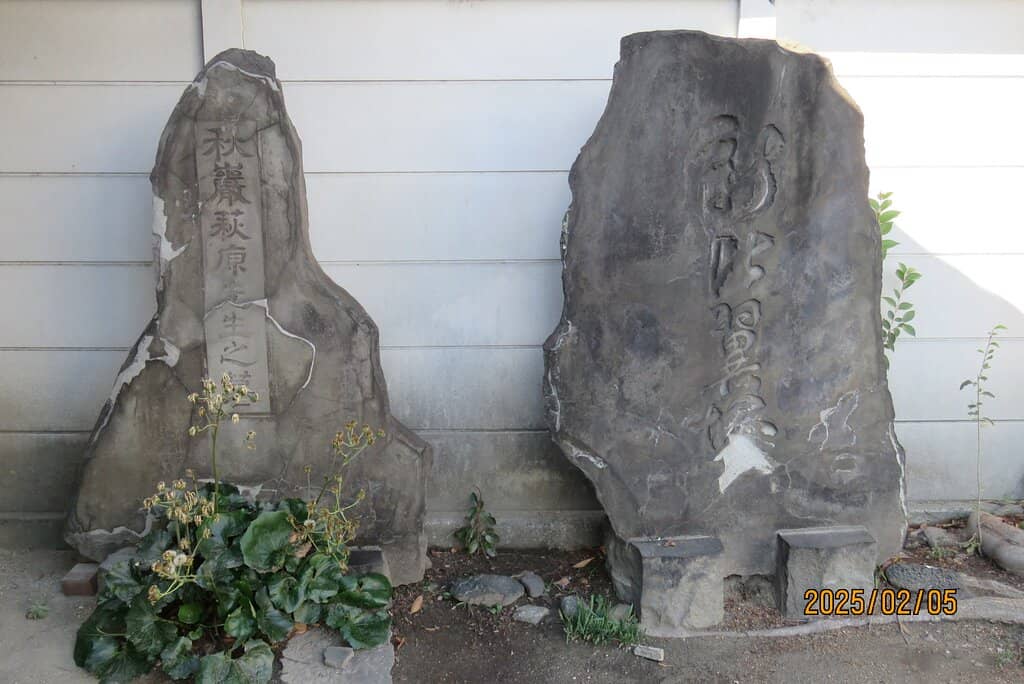
Grave of Wakamurasaki
Temple grounds
The resting place of the famous courtesan Wakamurasaki, adding a personal touch to the temple's historical narrative.
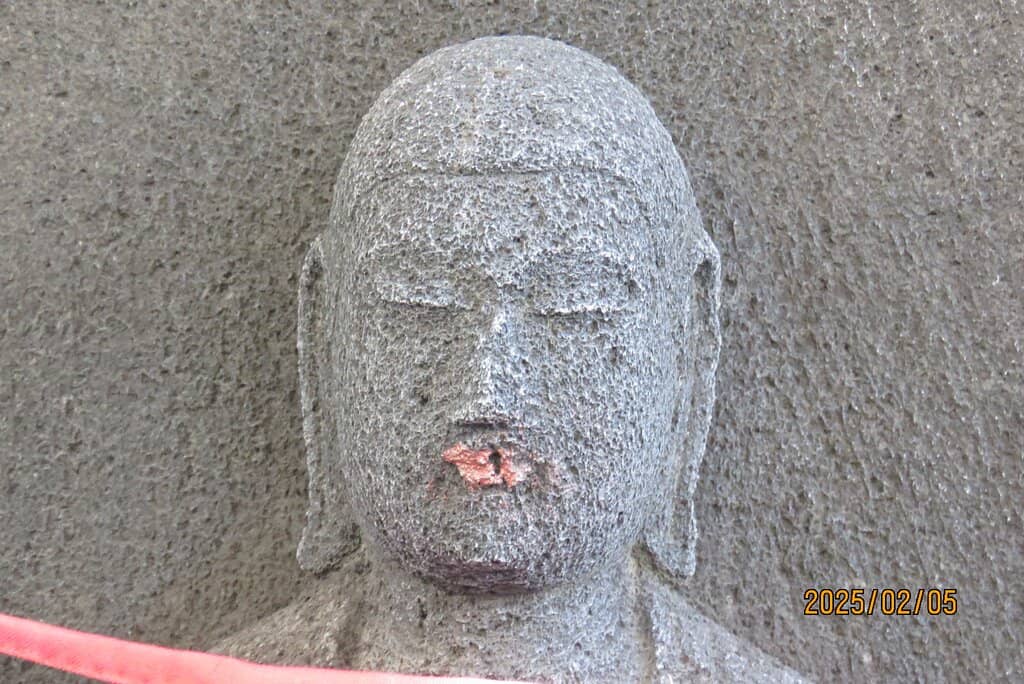
Sunflower Jizo Statue
Temple grounds
A touching statue dedicated to those without relatives, often used for memorial services in the Sanya area.
Plans like a pro.
Thinks like you
Planning Your Visit
Embrace the Melancholy History
Quiet Contemplation, Respectful Visit
Best Times
Insider Tips
from TikTok, Instagram & Reddit
🚶♀️ Easy Access from Minowa Station
Just a 3-minute walk from Minowa Station on the Hibiya Line. Perfect for a peaceful detour. :train2:
🙏 Respectful Attire Recommended
As a place of remembrance, dress modestly and be mindful of the solemn atmosphere. 🙏
🗺️ Ask for a Graveyard Map
The head priest is kind and can provide a map to help you navigate the historical sites. 🗺️
🌸 Enjoy the Seasonal Blooms
Visit during spring to see beautiful wisteria flowers adding color to the grounds. :cherry_blossom:
Tips
from all over the internet
🚶♀️ Easy Access from Minowa Station
Just a 3-minute walk from Minowa Station on the Hibiya Line. Perfect for a peaceful detour. :train2:
🙏 Respectful Attire Recommended
As a place of remembrance, dress modestly and be mindful of the solemn atmosphere. 🙏
🗺️ Ask for a Graveyard Map
The head priest is kind and can provide a map to help you navigate the historical sites. 🗺️
🌸 Enjoy the Seasonal Blooms
Visit during spring to see beautiful wisteria flowers adding color to the grounds. :cherry_blossom:
What Travellers Say
Reviews Summary
Jokanji Temple is recognized for its poignant historical significance, particularly its connection to the courtesans of Edo's Yoshiwara district. Visitors appreciate the quiet, contemplative atmosphere and the opportunity to learn about a lesser-known aspect of Tokyo's past. While the history is somber, the temple is well-maintained and offers a unique, respectful experience for those interested in historical depth.
"You can see the "Shin Yoshiwara Memorial", the grave of the famous courtesan Wakamurasaki and the Jizo statue of the prostitute Sayoginu. It is really off the beaten track. Recommended for the fans of Edo's dark side."
Stelios Prezerakos
"Jokanji is commonly known as "Togekomi-dera" (Throwing Temple). However, it was not built for the purpose of throwing prostitutes into the temple.
Founded in 1655.
In 1657, the Yoshiwara in Nihonbashi was moved to the back of Senso-ji Temple after the Great Fire of Meireki. This resulted in the name Shin-Yoshiwara, and the Yoshiwara in Nihonbashi was called Moto-Yoshiwara.
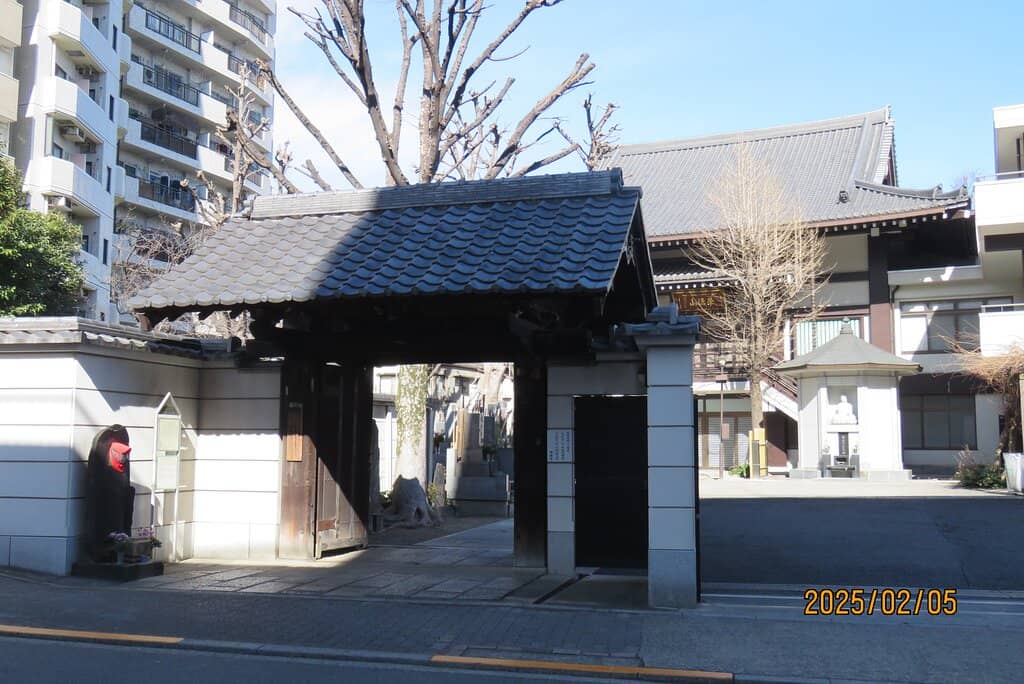
1742: Construction of the temple gate, etc.
In 1855, the Great Ansei earthquake occurred, and the bodies of the prostitutes in Shin-Yoshiwara were thrown into the temple. This is how the temple came to be called "Togekomi-dera" (Throwing Temple).
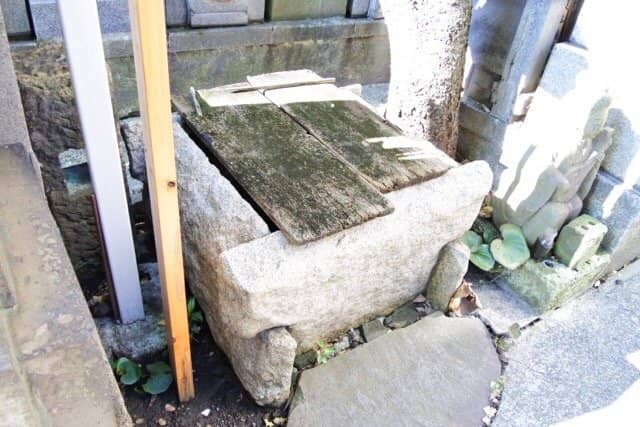
A hole was dug and a large number of bodies were thrown into it. The misery of the life of a prostitute is also described in a haiku poem by Hanamata Hanasui, "Born into a sea of suffering, died at Jokanji."
There are many historical sites within the temple grounds.
The closest station is Minowa Station on the Hibiya Line, a 3-minute walk away."
ミニトマト
"At the Shin Yoshiwara Soreito Pagoda, there are offerings of women's items such as makeup tools and hair clips, and the Jizo statue below them has lipstick on it. It's so moving that it brings me to tears."
KENKEN CHIBAKEN
What People Like
What People Dislike
Frequently Asked Questions
🚇 🗺️ Getting There
Jokanji Temple is conveniently located just a 3-minute walk from Minowa Station on the Tokyo Metro Hibiya Line. It's easily accessible for those exploring the area.
Yes, Jokanji Temple is located near the historical site of Yoshiwara, the former red-light district of Edo. This proximity is central to its historical significance.
Many visitors find it convenient to visit Jokanji Temple as part of a cycling tour, especially after visiting nearby landmarks like the Senju Ohashi Bridge.
🎫 🎫 Tickets & Entry
Jokanji Temple is generally free to enter, as it is a place of worship and historical significance. Donations are always appreciated.
While specific hours are not always listed, temples in Japan are typically open during daylight hours for visitors to explore the grounds. It's best to visit during the day for a peaceful experience.
Yes, the cemetery adjacent to Jokanji Temple, which houses the Shin Yoshiwara Memorial, is accessible to visitors. It's an important part of understanding the temple's history.
🎫 🧭 Onsite Experience
Jokanji Temple is known for its historical connection to the courtesans of Edo's Yoshiwara district and is sometimes called 'Togekomi-dera' (Throwing Temple) due to its past. It's a place of remembrance for many.
Key historical sites include the Shin Yoshiwara Memorial pagoda, the grave of courtesan Wakamurasaki, and the Sunflower Jizo statue. The temple grounds hold many historical markers.
Jokanji Temple is often described as 'off the beaten track' and is typically a quiet, contemplative place with few other visitors, offering a peaceful experience.
The temple earned the nickname 'Togekomi-dera' (Throwing Temple) after the Great Ansei earthquake in 1855, when bodies of prostitutes from Shin-Yoshiwara were interred there.
Photography is generally permitted within temple grounds for personal use, but always be respectful of the sacred nature of the site and any memorial areas.
📸 📸 Photography
The Shin Yoshiwara Memorial pagoda and the Sunflower Jizo statue offer poignant photographic opportunities. The blooming wisteria in spring also provides beautiful shots.
While generally allowed, it's important to be respectful. Avoid intrusive photography, especially in memorial areas, and always be mindful of the solemn atmosphere.
Social
from TikTok, Instagram & Reddit