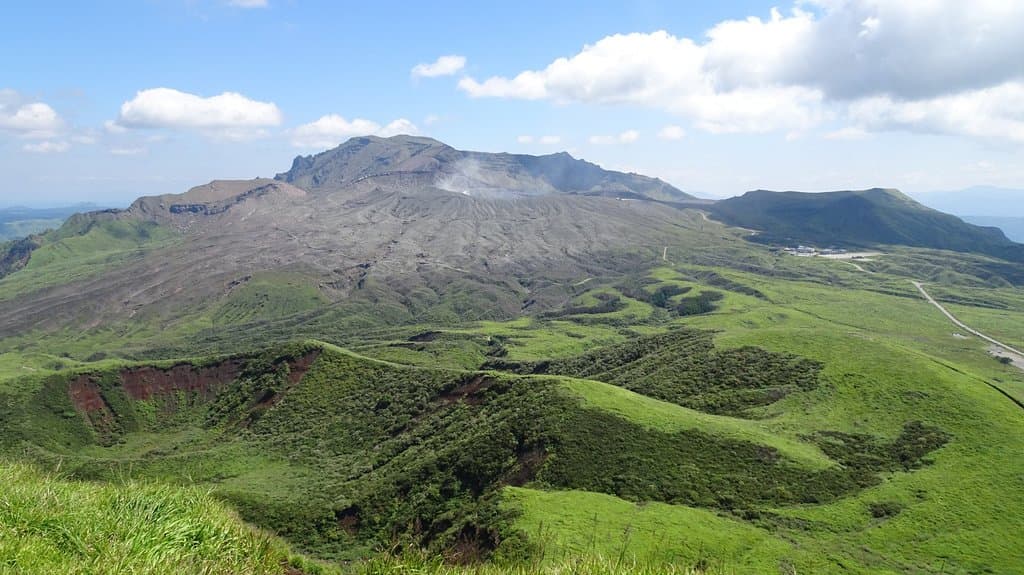
Mount Kuju Oita Japan
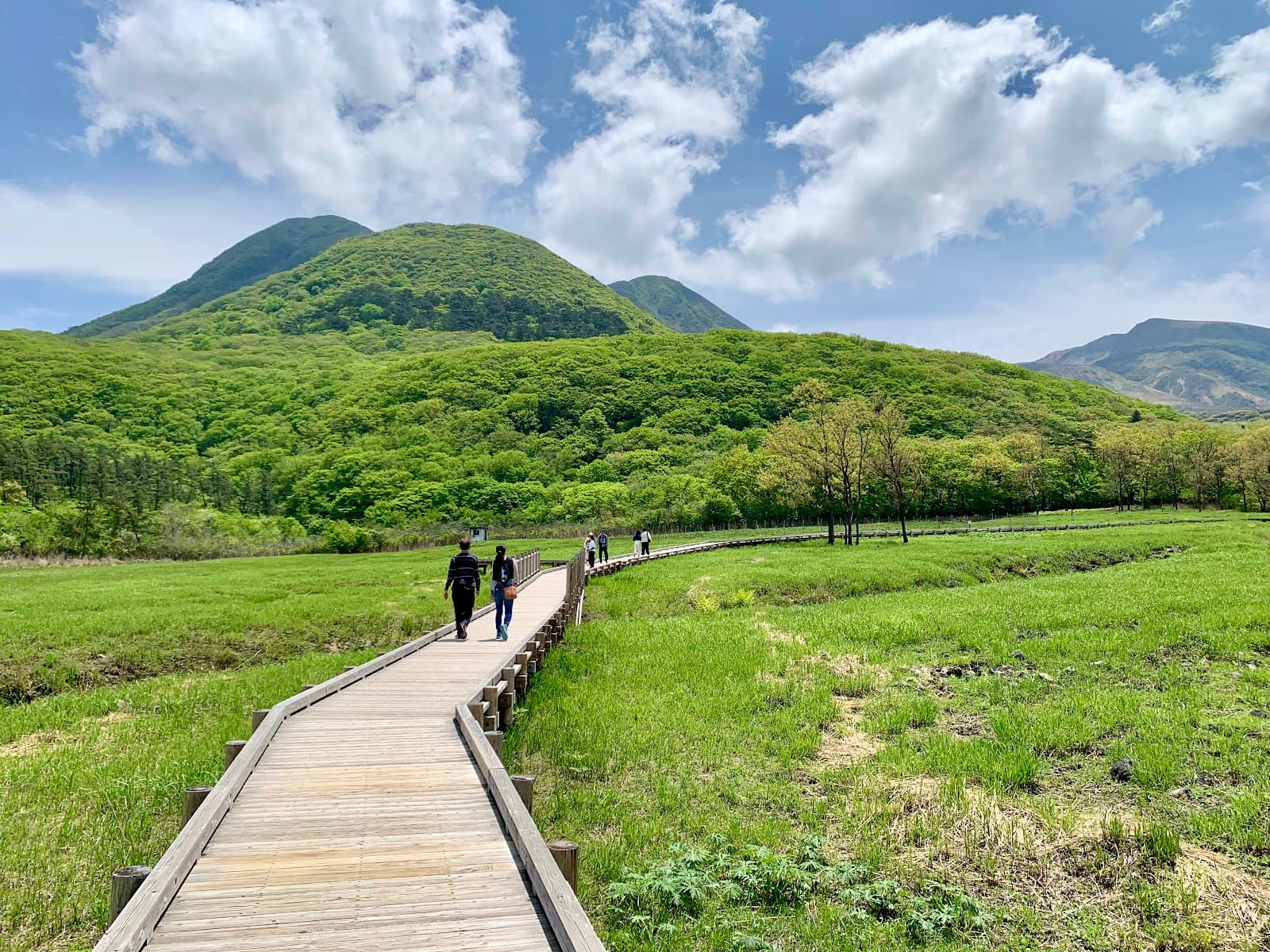
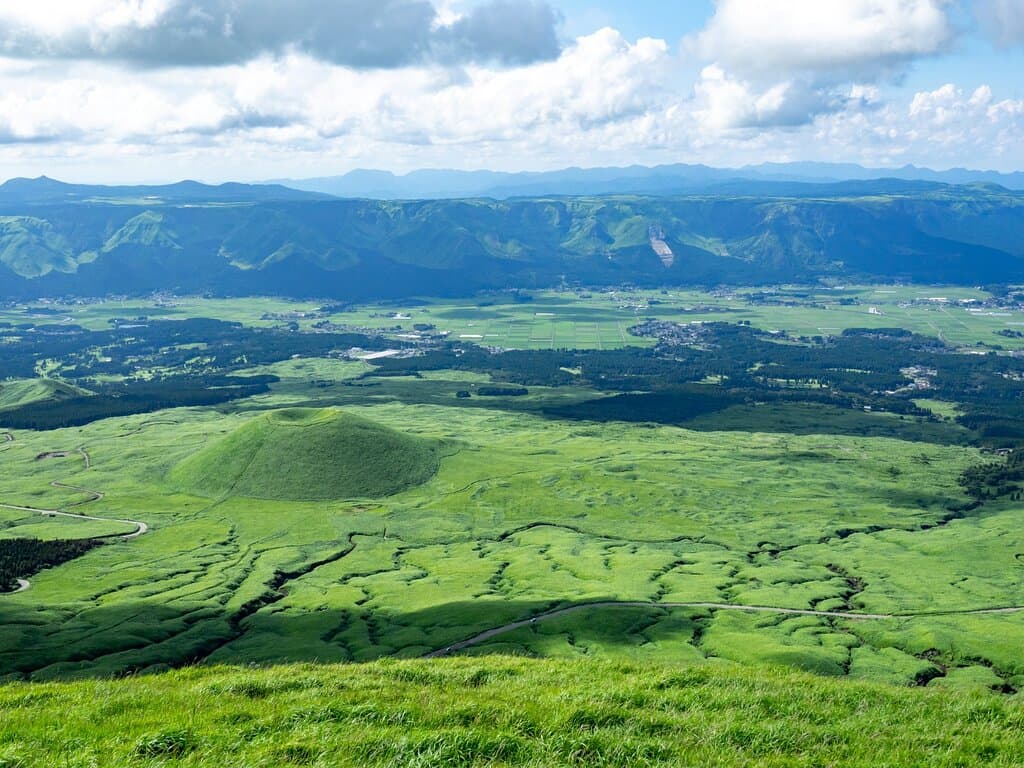
Majestic volcanic peaks and vast grasslands in Aso-Kuju National Park, offering breathtaking hikes and dramatic geological wonders.
Highlights
Must-see attractions

Social
From TikTok & Reddit
Best Time
Clear skies, lush greenery
Mount Kuju Oita Japan
Best Time
Clear skies, lush greenery
Highlights
Must-see attractions
Majestic volcanic peaks and vast grasslands in Aso-Kuju National Park, offering breathtaking hikes and dramatic geological wonders.
"Absolutely marvelous nature and landscape with great roads and lookout spots."
Wear sturdy hiking shoes
Trails can be uneven and steep. Good footwear is essential for a comfortable and safe hike.
Check volcano alert levels
Mount Aso is active. Always check the latest safety information before heading to the crater area.
Quick Facts
Hours
Rating
4.5 · 1,658 reviews
Type
National Park
Highlights
Discover the most iconic attractions and experiences
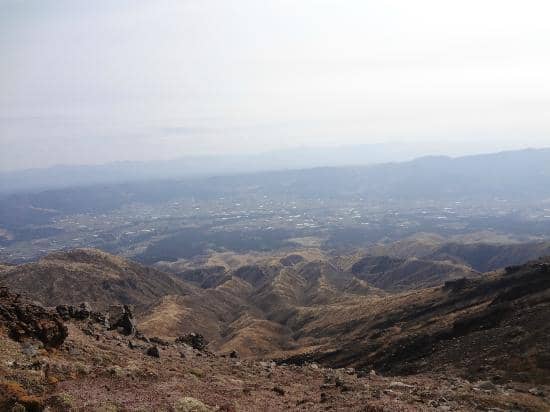
Kuju Peak Summit
Mount Kuju Summit
Conquer the highest peak in the Kuju mountain range for breathtaking panoramic views of Kyushu. A rewarding challenge for hikers.
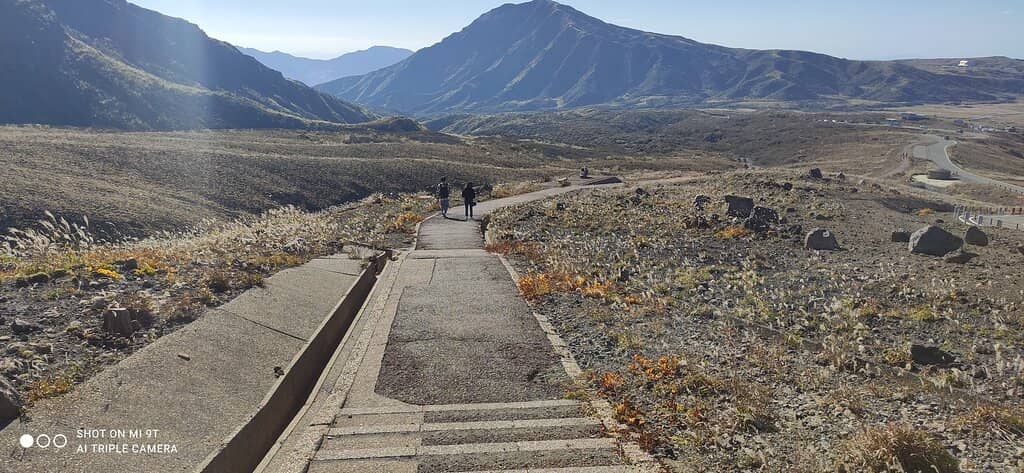
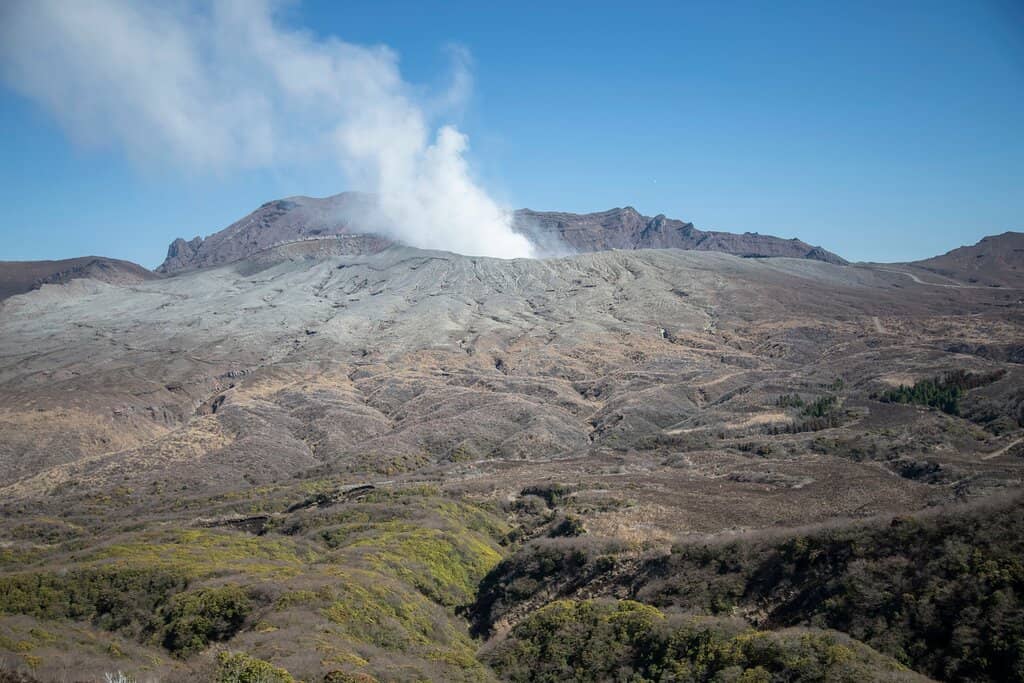
Kusasenri Plateau
Base of Mount Aso
Expansive grassland with grazing horses and a volcanic museum. Perfect for a leisurely stroll or a picnic with stunning volcanic backdrops.
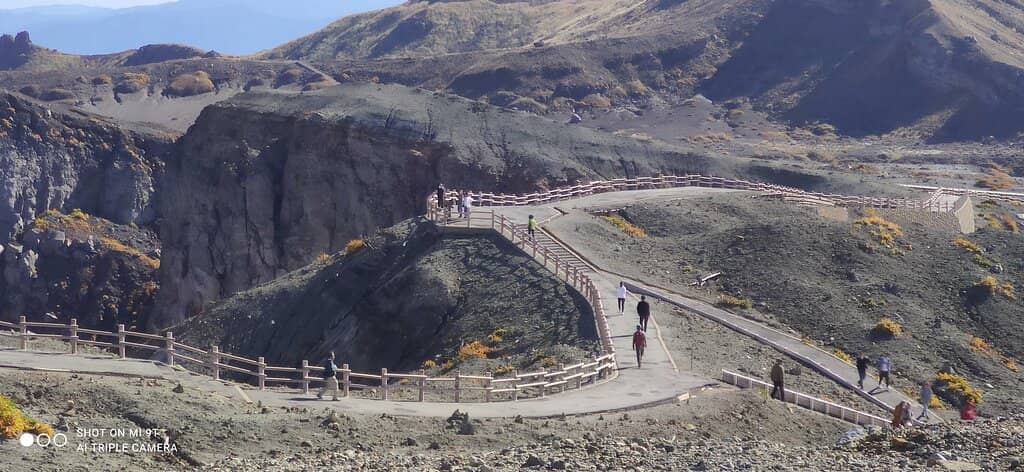
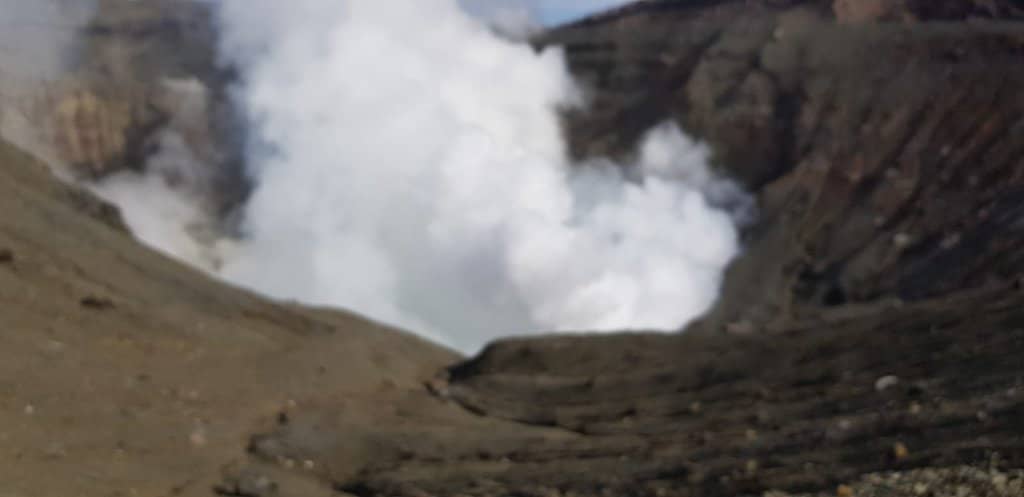
Nakadake Crater
Mount Aso
Witness the raw power of an active volcano. The steaming crater offers a dramatic and unforgettable natural spectacle. Check alert levels before visiting.
Plans like a pro.
Thinks like you
Planning Your Visit
Timing Your Ascent

Embrace the Journey
Best Times
Insider Tips
from TikTok, Instagram & Reddit
Wear sturdy hiking shoes
Trails can be uneven and steep. Good footwear is essential for a comfortable and safe hike.
Check volcano alert levels
Mount Aso is active. Always check the latest safety information before heading to the crater area.
Need help with Aso kuju
Hi all, were in kyushu rn and we wanted to visit the aso kuju national park but I really dont undersand how... We are using public transport and we dont really understand : where we need to go? Do we need a guide? How long does it take? Where should we sleep? In kumamoto?…
Pack layers of clothing
Mountain weather is unpredictable. Be prepared for temperature changes throughout the day.
Respect wildlife
Observe horses and other wildlife from a distance. Do not feed or attempt to pet them.
Mt Aso Access
I am currently staying in Fukuoka for the next few weeks and would love to visit Aso-Kuju National Park to hike around Mt Aso, if I can manage it. I understand that there is an eruption threat but can't make out the difference between Level 1 and Level 2, and how it affects…
Tips
from all over the internet
Wear sturdy hiking shoes
Trails can be uneven and steep. Good footwear is essential for a comfortable and safe hike.
Check volcano alert levels
Mount Aso is active. Always check the latest safety information before heading to the crater area.
Pack layers of clothing
Mountain weather is unpredictable. Be prepared for temperature changes throughout the day.
Respect wildlife
Observe horses and other wildlife from a distance. Do not feed or attempt to pet them.
Bring snacks and water
While there are facilities, carrying your own provisions is recommended for longer hikes.
What Travellers Say
Reviews Summary
Visitors rave about the stunning volcanic landscapes and expansive natural beauty of Mount Kuju and the Aso-Kuju National Park, particularly the picturesque Kusasenri Plateau. While the active crater offers a dramatic spectacle, some find the area around it overly commercialized and crowded. Many appreciate the diverse hiking trails and the opportunity to experience Kyushu's unique geological wonders.
"I’ve gone twice to Aso-Kuju National Park (July 4 and November 3), and it was fun to see it in different seasons! There are trails of varying length/difficulty available from Kusasenri, which has several different souvenir shops and options for snacks or meals. Though you’re not allowed to pet the horses (unless you pay to take a ride), it’s nice to be in the same space as them!"
Jessica Lemler
"The park and its natural features are indeed wonderful, however, the area around the craters tends to get extremely crowded.
To cater to the endless hordes of tourists, there are even shuttle buses between the craters and the bus station (700 yen one-way), helicopter sightseeing tours, and an arguably overdeveloped vicinity with paved walkways. Once you move away from the craters, the crowds decrease dramatically. Unfortunately, the helicopters remain extremely intrusive, making it difficult to fully enjoy the nature. All in all, it’s certainly a joyful experience and certainly worth a visit, but there are equally beautiful, less over-commercialized areas in the region."
György Adler
"Aso-Kuju National Park is beautiful and a great place to walk. The active Mt Aso crater continues to spew gas into the air adding some drama to the place. Great place to spend the day. 👍"
KC Cheang
What People Like
What People Dislike
Frequently Asked Questions
🚇 🗺️ Getting There
From Fukuoka, you can take a train to Oita City and then a bus to the Kuju area. Alternatively, renting a car offers more flexibility to explore the wider Aso-Kuju National Park.
Yes, driving is a popular option, especially for exploring the Aso-Kuju National Park. Roads are generally well-maintained, and there are parking areas available at trailheads and popular spots like Kusasenri.
Renting a car is highly recommended for exploring the vast Aso-Kuju National Park, allowing you to easily access different trailheads and viewpoints.
Yes, buses operate from Oita City and other nearby towns to access parts of the Kuju mountain range and the Aso region, though schedules can be infrequent.
By car, it takes approximately 1.5 to 2 hours to reach the Mount Kuju area from Kumamoto, depending on traffic and your specific destination within the park.
🎫 🎫 Tickets & Entry
Mount Kuju and the surrounding Aso-Kuju National Park are generally free to enter. However, some specific attractions within the park, like shuttle buses to craters, may have fees.
No advance booking is typically required for hiking Mount Kuju or visiting most areas of the national park. It's a natural attraction.
Mount Kuju and the national park are accessible 24/7, as it's a natural landscape. However, visitor centers and facilities may have specific operating hours.
Restrictions may apply to certain areas, particularly around the active Mount Aso crater, depending on volcanic activity levels. Always check local advisories.
Yes, Mount Kuju can be visited year-round, but winter conditions can be harsh with snow and ice, requiring appropriate gear and caution.
🎫 🥾 Onsite Experience
Trails vary in difficulty. Popular options include the summit trail for experienced hikers and gentler paths around Kusasenri Plateau for a more relaxed experience.
Yes, there are beginner-friendly trails, especially around Kusasenri Plateau. For summit climbs, some hiking experience is recommended.
Kusasenri Plateau offers beautiful grasslands, grazing horses, a volcanic museum, and stunning views of Mount Aso. It's a great starting point for exploration.
Yes, wild horses are often seen grazing on the Kusasenri Plateau. Visitors are advised to observe them from a distance and not to disturb them.
The Aso-Kuju National Park region is known for its numerous hot springs (onsen). Many accommodations in the area offer onsen facilities.
🍽️ 🍽️ Food & Dining
There are restaurants and snack shops at Kusasenri Plateau offering local dishes. For more options, explore towns like Aso or Oita City.
You can find simple meals, snacks, and local specialties at the eateries on Kusasenri Plateau.
Options might be limited at smaller eateries. It's advisable to inquire directly or pack your own vegetarian-friendly snacks.
Absolutely! The scenic landscapes, especially Kusasenri Plateau, are perfect for picnics. Remember to pack out all your trash.
Prices at tourist spots like Kusasenri can be moderate. Eating in nearby towns might offer more budget-friendly choices.
📸 📸 Photography
The summit views, Kusasenri Plateau with its horses, and the dramatic Nakadake Crater are prime photography locations.
Early morning or late afternoon often provides the best light for landscape photography, with softer shadows and golden hues.
Drone usage may be restricted in national parks and around active volcanic areas for safety and environmental reasons. Check local regulations.
A wide-angle lens is great for landscapes, while a telephoto lens can capture details of the crater or distant peaks. A sturdy tripod is useful for low-light conditions.
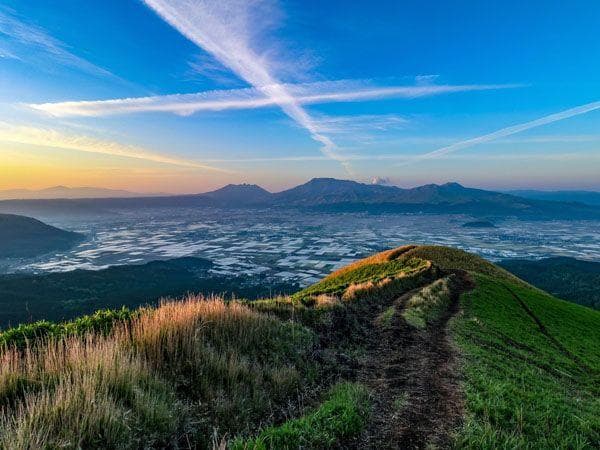
The contrast between the volcanic landscape and the lush greenery, especially with grazing horses, offers unique photographic opportunities.






Social
from TikTok, Instagram & Reddit