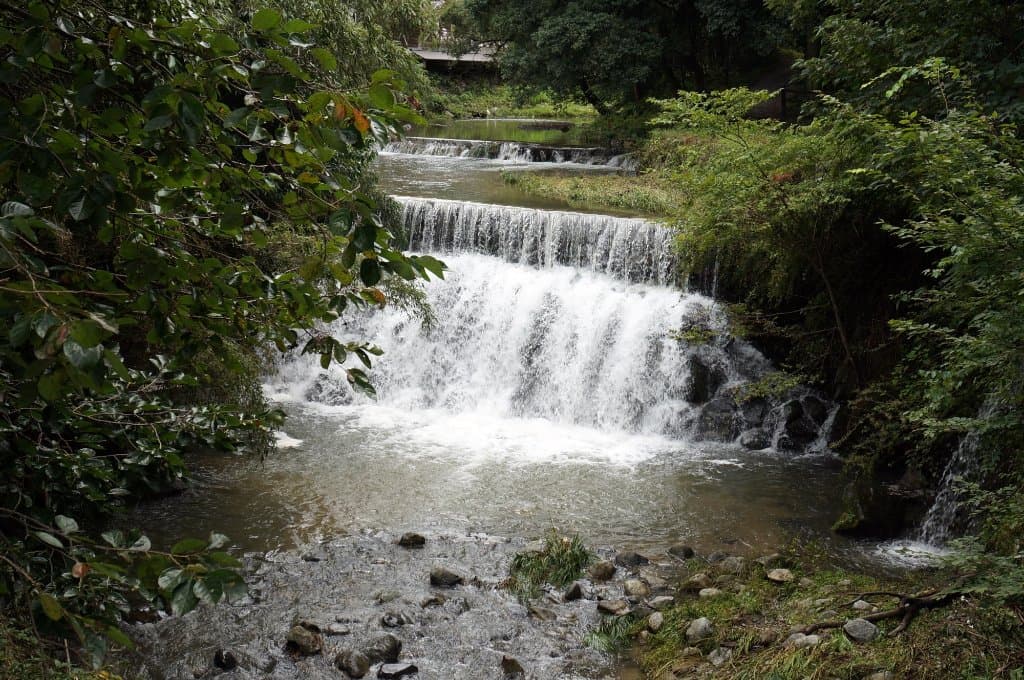
Asuka Palace Site Asuka Nara
Walk through the heart of ancient Japan at the Asuka Palace Site, where 7th-century emperors ruled and history-defining events unfolded.

Highlights
Must-see attractions

Social
From TikTok & Reddit
Best Time
Blooming flowers and cooler temps
Asuka Palace Site Asuka Nara
Best Time
Blooming flowers and cooler temps
Highlights
Must-see attractions
Walk through the heart of ancient Japan at the Asuka Palace Site, where 7th-century emperors ruled and history-defining events unfolded.
"It really does feel romantic, imagining the lives of people living in this land of Asuka so long ago."
🚗 Mind the Narrow Roads
Access roads can be narrow; drive carefully and consider parking near roundabouts for easier access.
🚶♀️ Wear Comfortable Shoes
You'll be walking on grasslands and uneven terrain to explore the scattered ruins.

Quick Facts
Hours
Rating
4.1 · 337 reviews
Type
Historical Landmark
Highlights
Discover the most iconic attractions and experiences
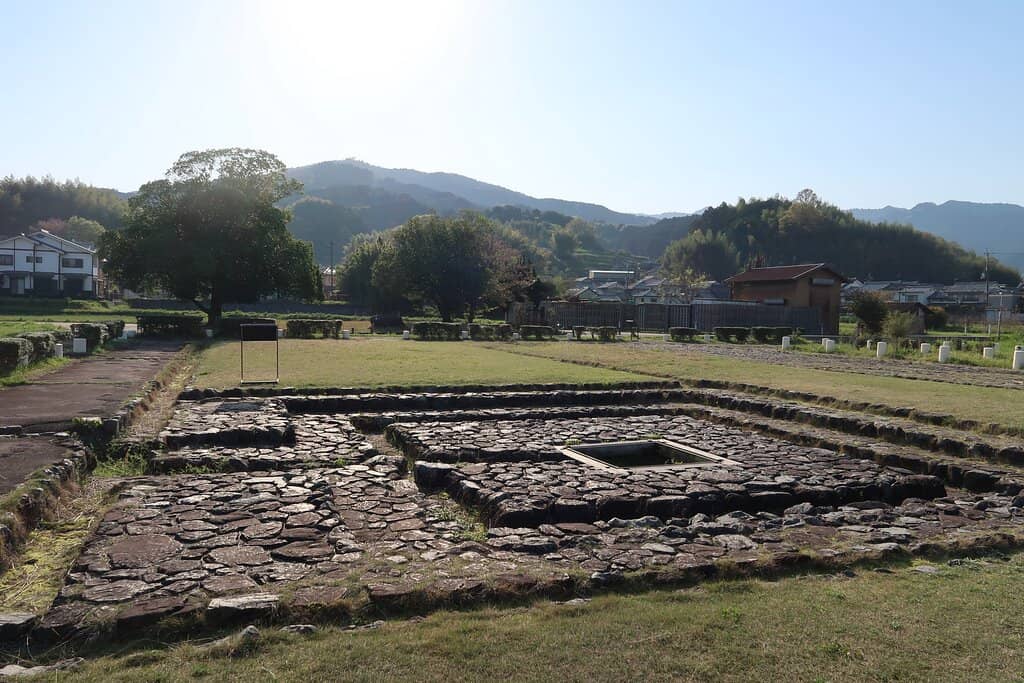
Asuka Okamoto Palace Ruins
Asuka
Walk among the foundation stones of a palace that witnessed major political shifts, including the Taika Reforms.
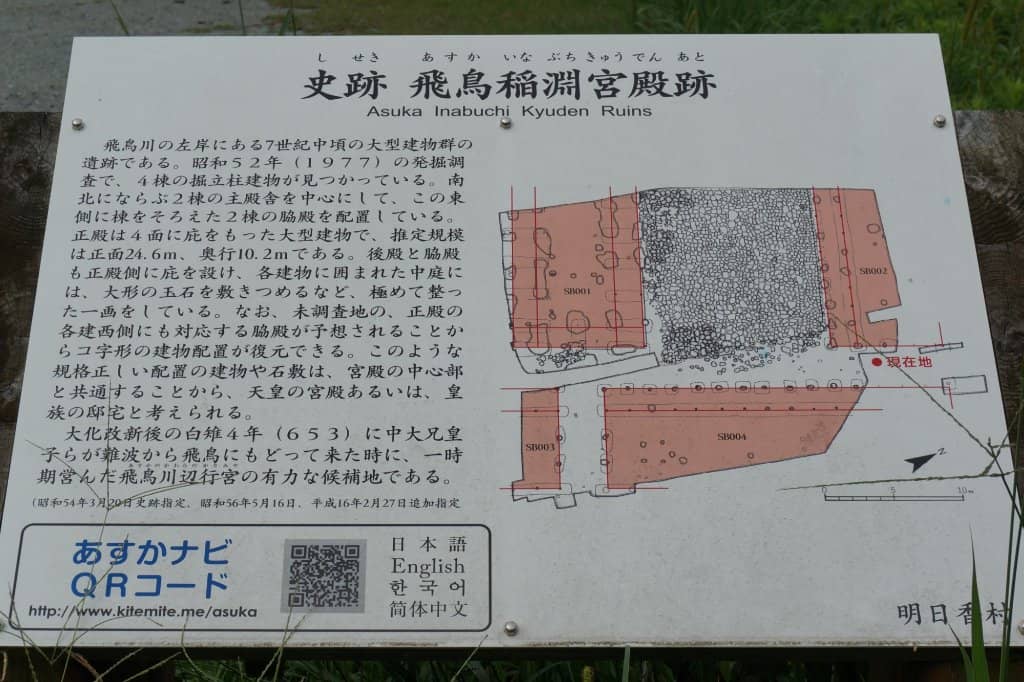
Asuka Itabuki Palace Site
Asuka
Imagine the dramatic Isshi Incident, a pivotal coup d'état that reshaped Japan's imperial system.
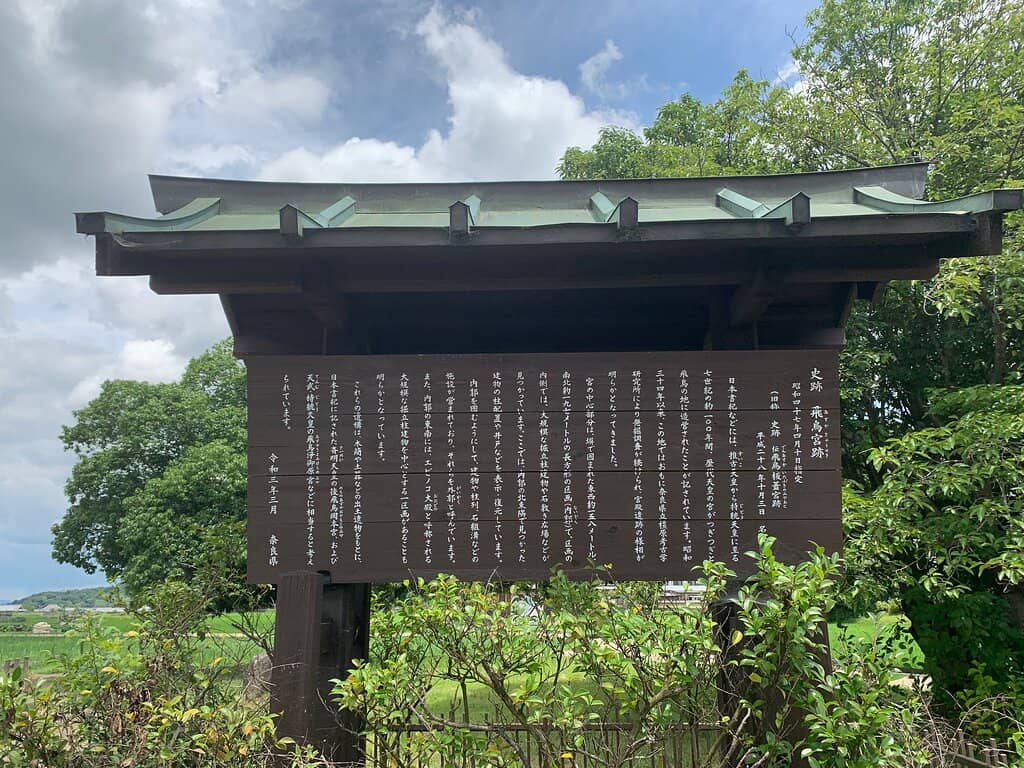
Later Asuka Okamoto Palace
Asuka
Explore the remnants of a later palace, reflecting the continuous development of the imperial court in this historic region.
Plans like a pro.
Thinks like you
Planning Your Visit
Embrace the Ancient Heart of Japan
Navigating the Asuka Landscape
Best Times
Insider Tips
from TikTok, Instagram & Reddit
🚗 Mind the Narrow Roads
Access roads can be narrow; drive carefully and consider parking near roundabouts for easier access.
🚶♀️ Wear Comfortable Shoes
You'll be walking on grasslands and uneven terrain to explore the scattered ruins.
🌸 Springtime Beauty
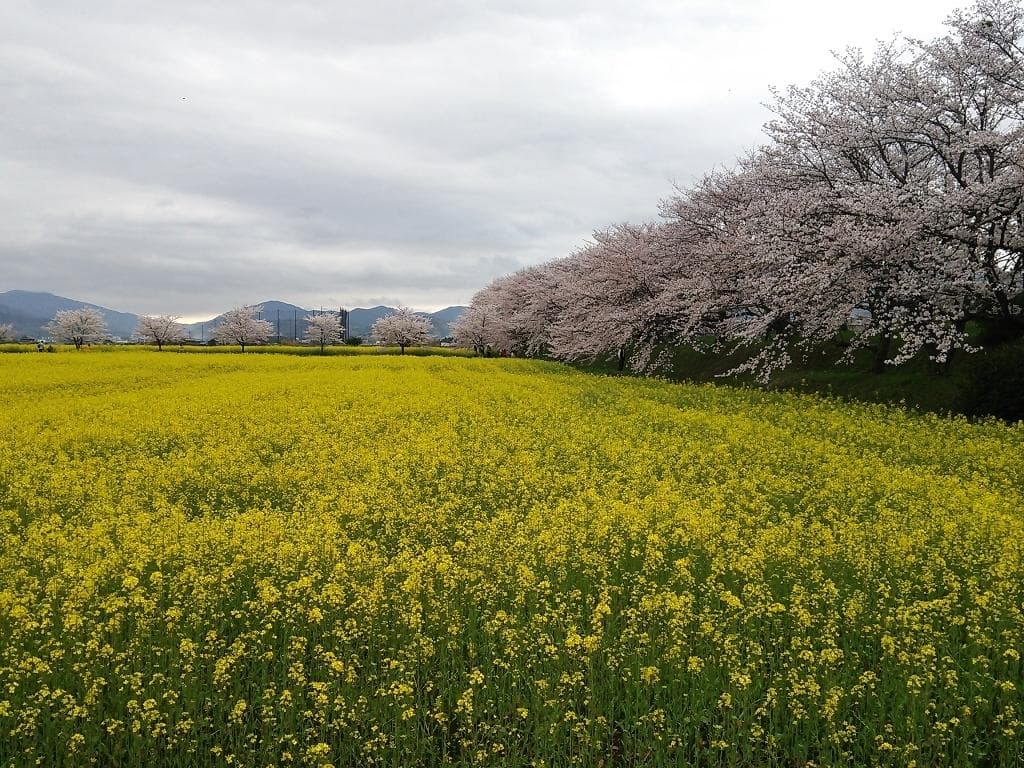
Visit in spring to see the beautiful Chinese milk vetch flowers in the surrounding rice fields.
⏳ Allow Ample Time
The site is spread out; give yourself time to wander and absorb the historical atmosphere.
Tips
from all over the internet
🚗 Mind the Narrow Roads
Access roads can be narrow; drive carefully and consider parking near roundabouts for easier access.
🚶♀️ Wear Comfortable Shoes
You'll be walking on grasslands and uneven terrain to explore the scattered ruins.
🌸 Springtime Beauty
Visit in spring to see the beautiful Chinese milk vetch flowers in the surrounding rice fields.
⏳ Allow Ample Time
The site is spread out; give yourself time to wander and absorb the historical atmosphere.
What Travellers Say
Reviews Summary
Visitors find the Asuka Palace Site to be a place of profound historical resonance, offering a peaceful grassland setting to contemplate ancient Japan. The scattered ruins evoke a strong sense of timelessness and the ingenuity of past civilizations. While the lack of standing structures means imagination is key, the historical significance and scenic beauty are widely appreciated.
"Asuka Palace ruins.
You can feel the romance of timelessness.
Excavations have revealed that these ruins were built in three major periods of different palaces.
These include Asuka Okamoto Palace, Asuka Itabuki Palace, and Later Asuka Okamoto Palace.
The Taika Reforms took place during the Itabuki Palace period, and a historic coup d'état took place within the palace. It really does feel romantic.
It's now a peaceful grassland, but during the Asuka period, this was undoubtedly the heart of Japan, and it was a rural area where it's strange to think that a political upheaval of such magnitude that it changed the direction of Japan took place.
Excavations are still ongoing, and remains of large buildings have been found."
901 Kohrista
"This was a place where the emperor's government, governed by the Ritsuryo system, was carried out intermittently from the end of the sixth century to the end of the seventh century. Fujiwara-kyo, built after this period, was a capital city. Nara is home to ruins scattered throughout, and on the day of my visit, workers in yellow helmets were excavating.
It was a beautiful, cloudless day, and I imagined the lives of people living in this land of Asuka so long ago. It's easy to imagine that the Asuka period was not an environment where people could live comfortably like we do today, and that the conditions were so harsh that it was difficult for people to survive the heat and especially the cold. When I think about the history of an era without any convenient tools, where people endured through ingenuity and passed down culture and technology to the present day, I realize how great our ancestors were."
Yokohama my soul town
"The Asuka Palace Ruins in Nara Prefecture are the remains of a palace from the Asuka period, the heart of ancient Japan, and are a must-see for history buffs.
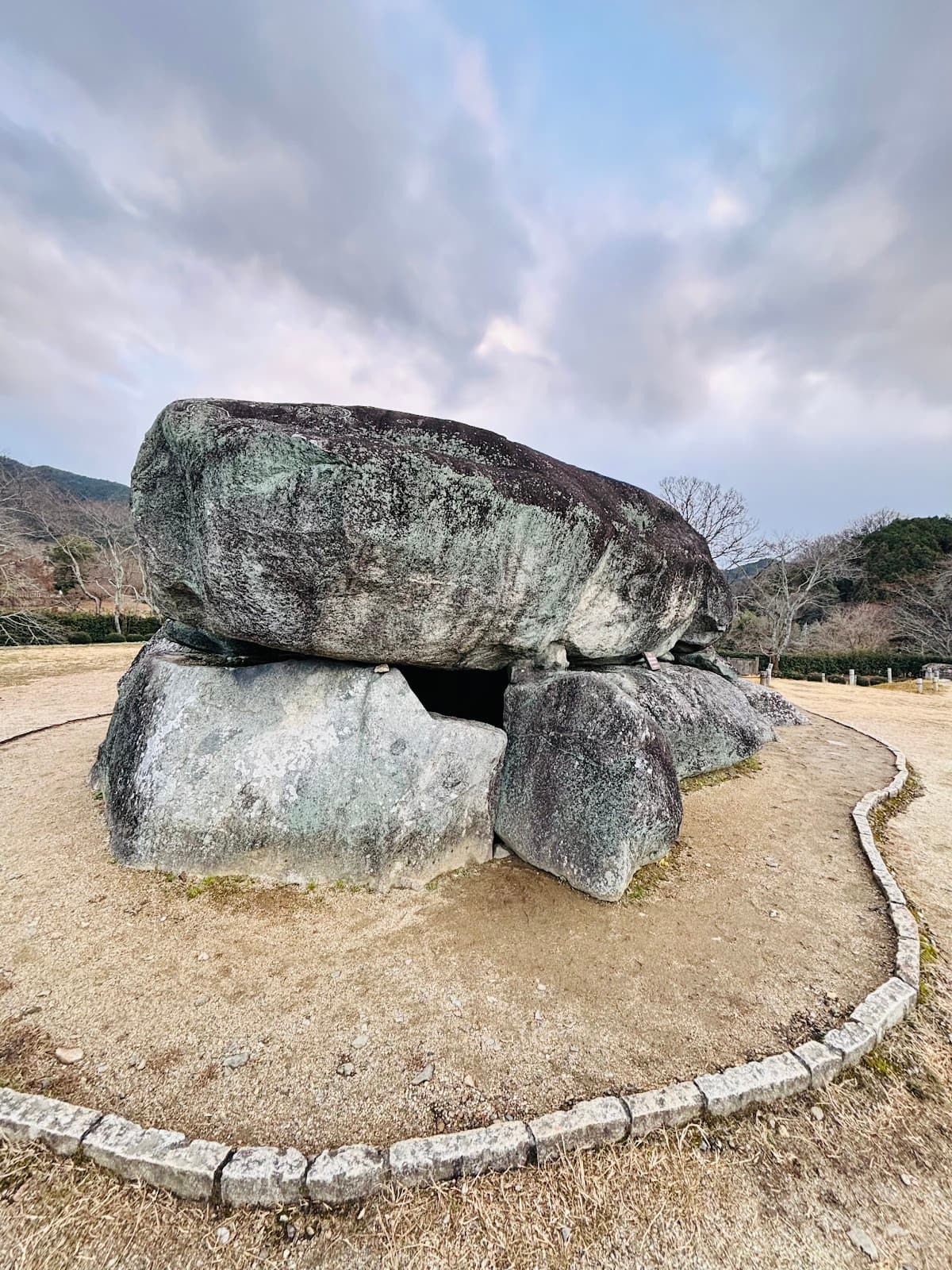
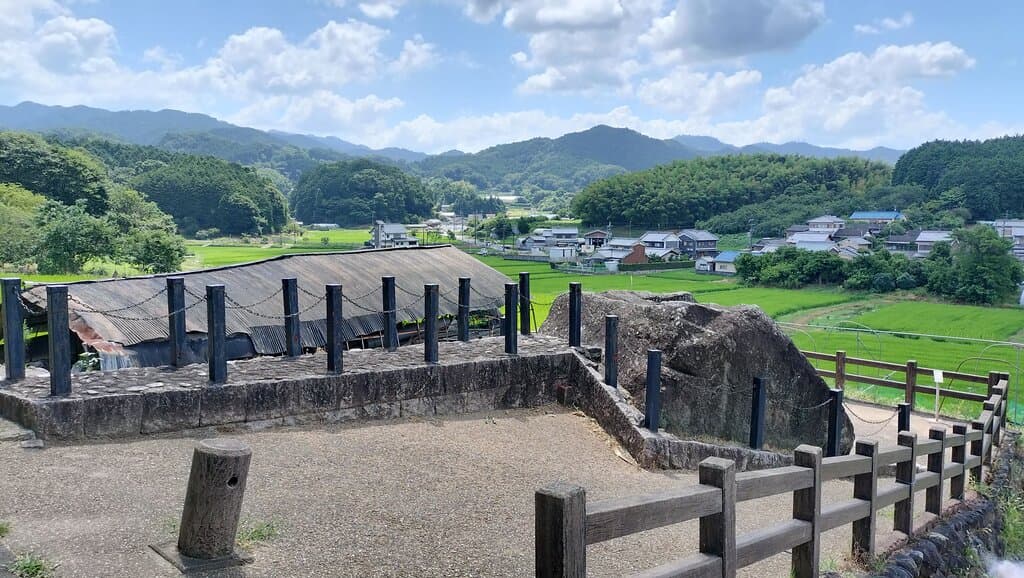
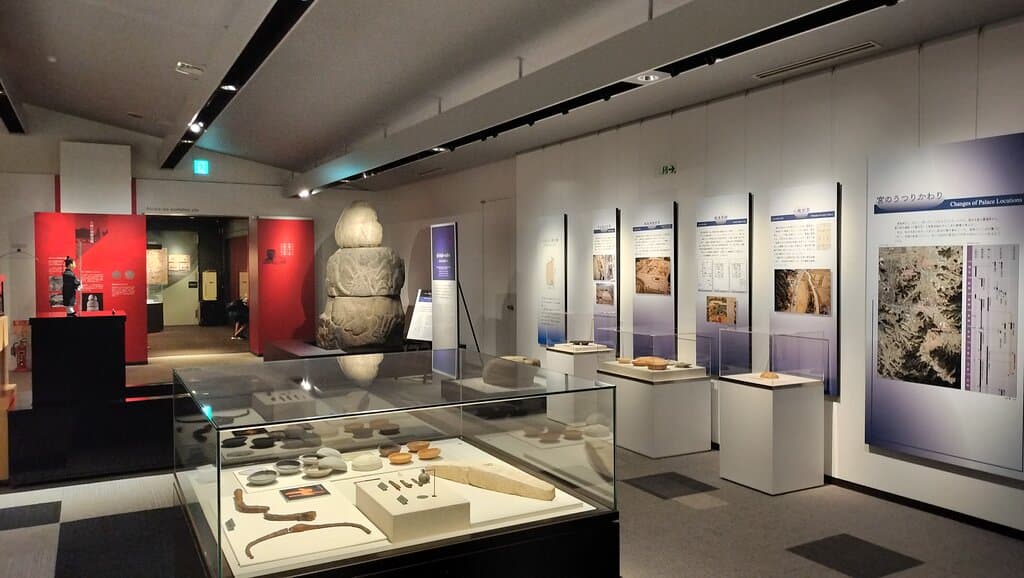
Around the 7th century, this was where the emperor and aristocrats lived, and it was the political and cultural center of the time. Although no buildings remain today, stones, foundation stones, and ancient remains are scattered around, and it's fascinating to imagine the atmosphere of the time while walking around.
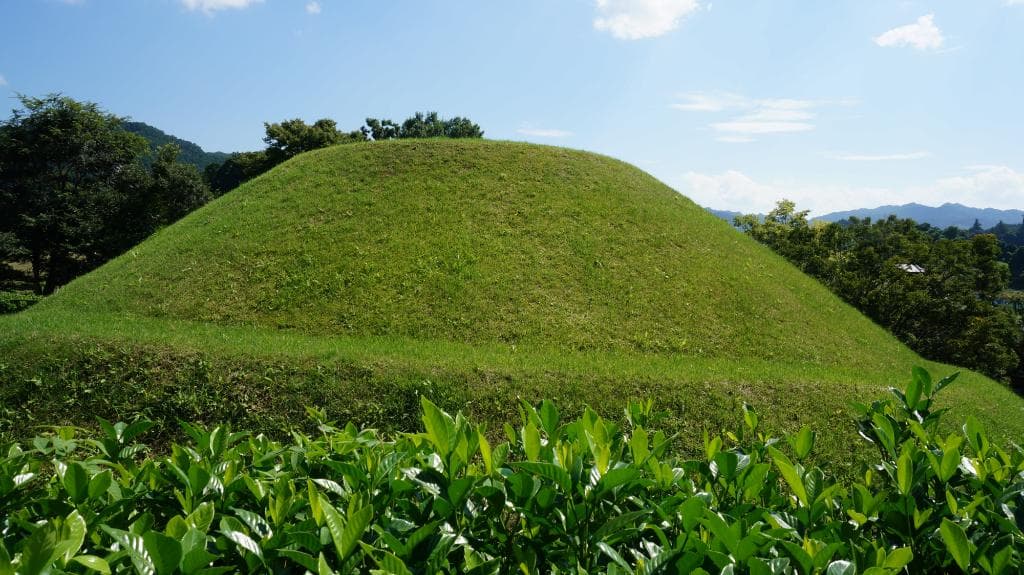
You can also enjoy a leisurely stroll, taking in the surrounding countryside and the group of ancient tombs. In spring, you can see the beautiful flowers of Chinese milk vetch planted in the surrounding rice fields."
ミノル
What People Like
What People Dislike
Frequently Asked Questions
🚇 🗺️ Getting There
The Asuka Palace Site is best reached by car, as public transport can be limited. From Nara, you can drive south towards Asuka. Be aware that the roads in the Asuka region can be narrow, so drive cautiously. Parking is available near the site, often near roundabouts.
While possible, it requires more planning. You can take a train to Asuka Station and then potentially use local buses or taxis to reach the specific palace ruins. However, many visitors find having a car more convenient for exploring the spread-out historical sites in Asuka.
Many visitors recommend exploring the Asuka historical area by car to easily access the various palace ruins and ancient tombs. Cycling is also a popular option for those who enjoy a more active exploration of the scenic countryside.
The main advice is to be prepared for narrow roads. GPS navigation is helpful, but always be mindful of your surroundings. Parking is generally available near the main points of interest, often in designated areas or along wider sections of the road.
The palace ruins are spread out across the Asuka region. While some might be within walking distance of each other, it's a considerable distance. For efficient exploration, especially if you want to see multiple sites, a car or bicycle is recommended.
🎫 🎫 Tickets & Entry
The Asuka Palace Site itself, being an open archaeological area with ruins, generally does not require an entrance fee. You can freely walk around the grounds and observe the excavated remains.
As an open-air historical site, the Asuka Palace Site does not have set opening or closing hours. It is accessible at any time, though visiting during daylight hours is recommended for safety and better viewing.
While official guided tours might not be readily available on-site, local information centers or historical societies in the Asuka region may offer tours or provide maps and information. It's advisable to check in advance.
Many of the ancient tombs in the Asuka region are also open to view from the outside without a fee. Some may have specific viewing areas or limited access. It's best to check local signage or information points for any specific restrictions.
Excavation work is ongoing at the Asuka Palace Site. While you can observe the visible remains, direct access to active excavation zones is typically restricted for preservation and safety reasons.
🎫 🧭 Onsite Experience
You'll see the foundation stones, remnants of wells, and paved areas that mark the locations of ancient palaces from the 7th century. It's a peaceful grassland now, allowing you to imagine the grandeur of the past.
Yes, the site is an open grassland perfect for leisurely strolls. Wear comfortable shoes as the terrain can be uneven. You can wander among the scattered remains and enjoy the surrounding countryside.
This site was the heart of ancient Japan during the Asuka period (7th century), serving as the political and cultural center. It was here that pivotal events like the Taika Reforms and the Isshi Incident took place, shaping the nation's future.
Facilities can be limited directly at the ruins. It's advisable to use restrooms and purchase any food or drinks before arriving. Information centers in the broader Asuka area might offer some amenities.
Take your time to walk around, read any available informational signs, and use your imagination to picture the bustling palace life. Considering the historical context of the Taika Reforms and the Isshi Incident will deepen your appreciation.
📸 📸 Photography
The open grasslands with scattered foundation stones offer a unique, atmospheric backdrop. Capture the vastness of the site, especially during sunrise or sunset for dramatic lighting. The surrounding countryside, including ancient tombs, also provides scenic photo opportunities.
Generally, photography is allowed and encouraged at the Asuka Palace Site. However, always be respectful of the historical remains and any ongoing excavation work. Avoid using flash photography if it might disturb the site or other visitors.
A wide-angle lens is great for capturing the expansive landscape and ruins. A telephoto lens can be useful for isolating details of the foundation stones or distant ancient tombs. A tripod can help with low-light photography during sunrise or sunset.
Early morning or late afternoon offers the best light for photography, with softer shadows and a more atmospheric feel. Springtime also presents opportunities for colorful shots with the blooming milk vetch flowers.
Drone usage regulations can vary. It's essential to check local ordinances and obtain any necessary permits before flying a drone over historical sites like the Asuka Palace Site to avoid potential fines or issues.
Social
from TikTok, Instagram & Reddit