Oni no Manaita
Step into legend at Oni no Manaita, the 'Ogre's Chopping Board,' an ancient tomb remnant steeped in folklore.
Highlights
Must-see attractions

Social
From TikTok & Reddit
Best Time
Combine with nearby sites
Oni no Manaita
Best Time
Combine with nearby sites
Highlights
Must-see attractions
Step into legend at Oni no Manaita, the 'Ogre's Chopping Board,' an ancient tomb remnant steeped in folklore.
"A unique historical site steeped in legend, offering a glimpse into ancient Japan and captivating folklore."
🚶♀️ Walk the Path
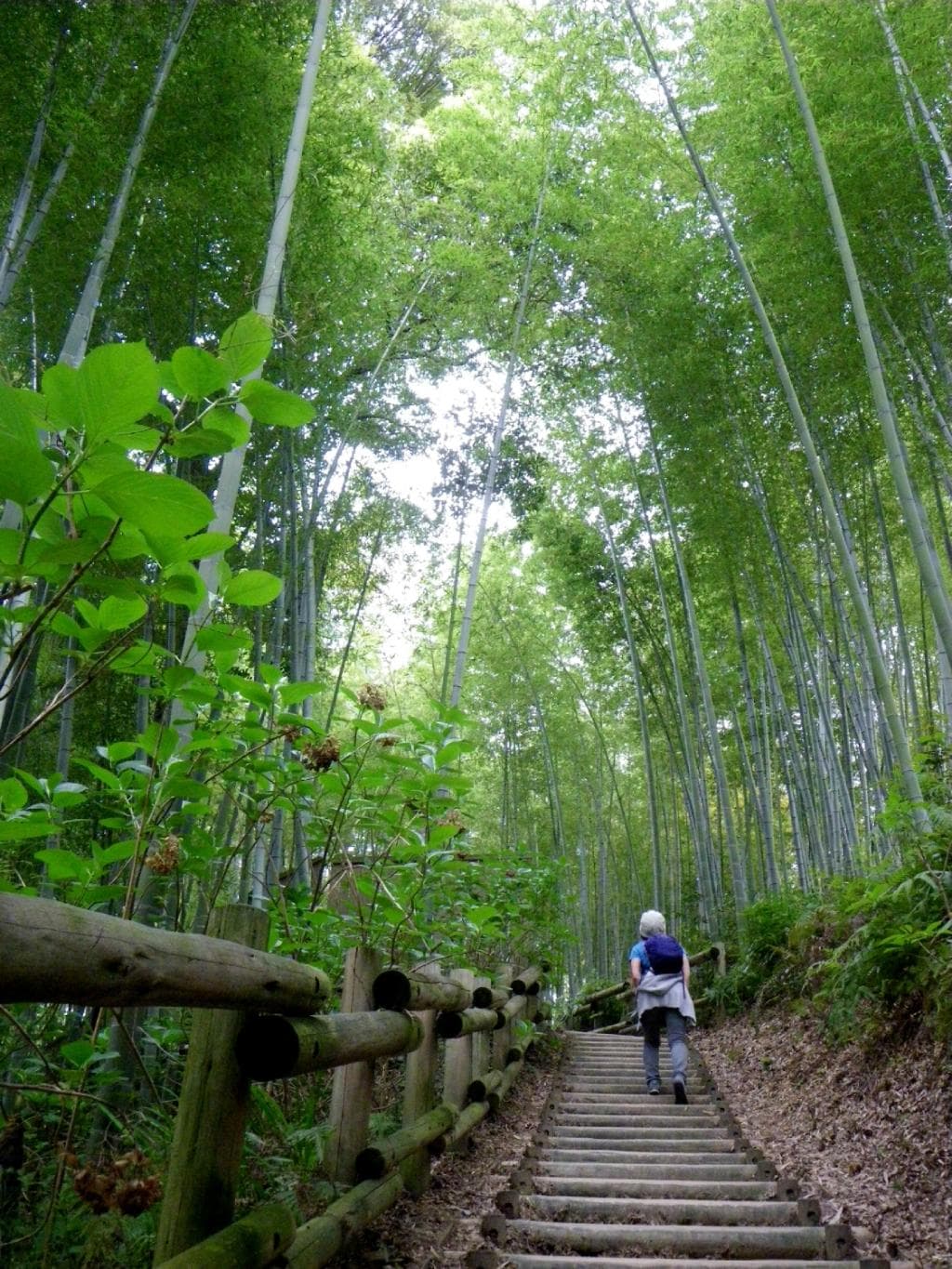
No car access! Enjoy a scenic stroll through bamboo groves after visiting nearby Emperor Kinmei's tomb. :athletic_shoe:
📜 Learn the Lore
Understand the 'Ogre's Chopping Board' legend to appreciate this unique historical site. 📜
Quick Facts
Hours
Rating
3.7 · 175 reviews
Type
Historical Landmark
Highlights
Discover the most iconic attractions and experiences
The Ogre's Chopping Board
Ancient tomb site
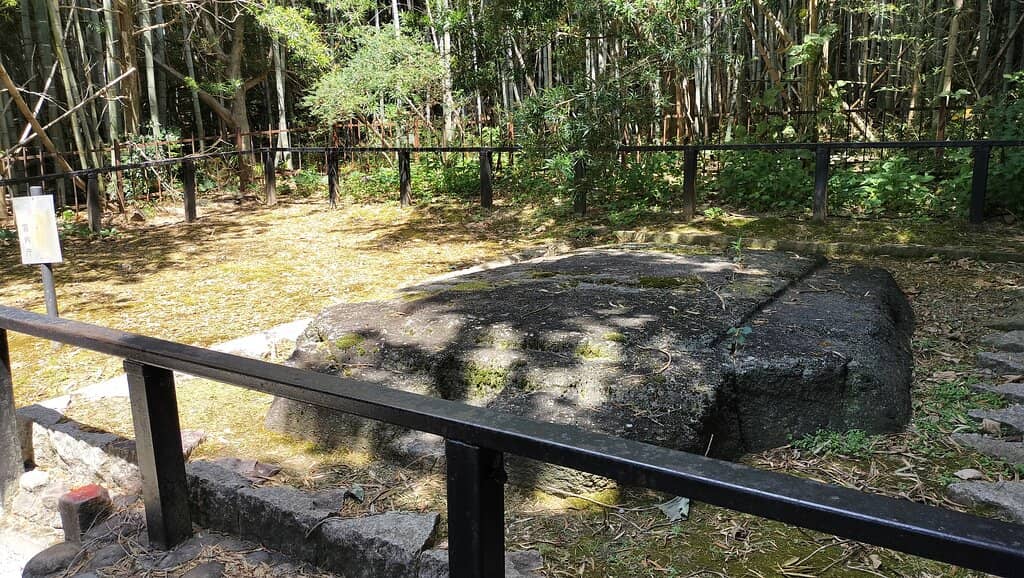
A flat, stone slab resembling a chopping board, central to local folklore about ogres and travelers.
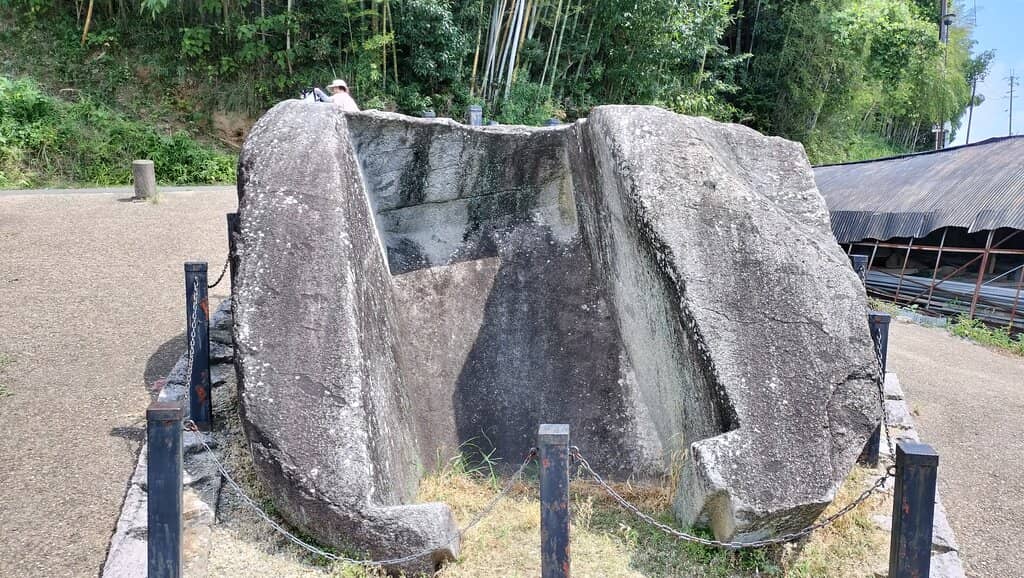
Ancient Tomb Remnants
Bamboo grove
Discover the remnants of an ancient tomb, with the stone believed to be its original base, now a site of legend.
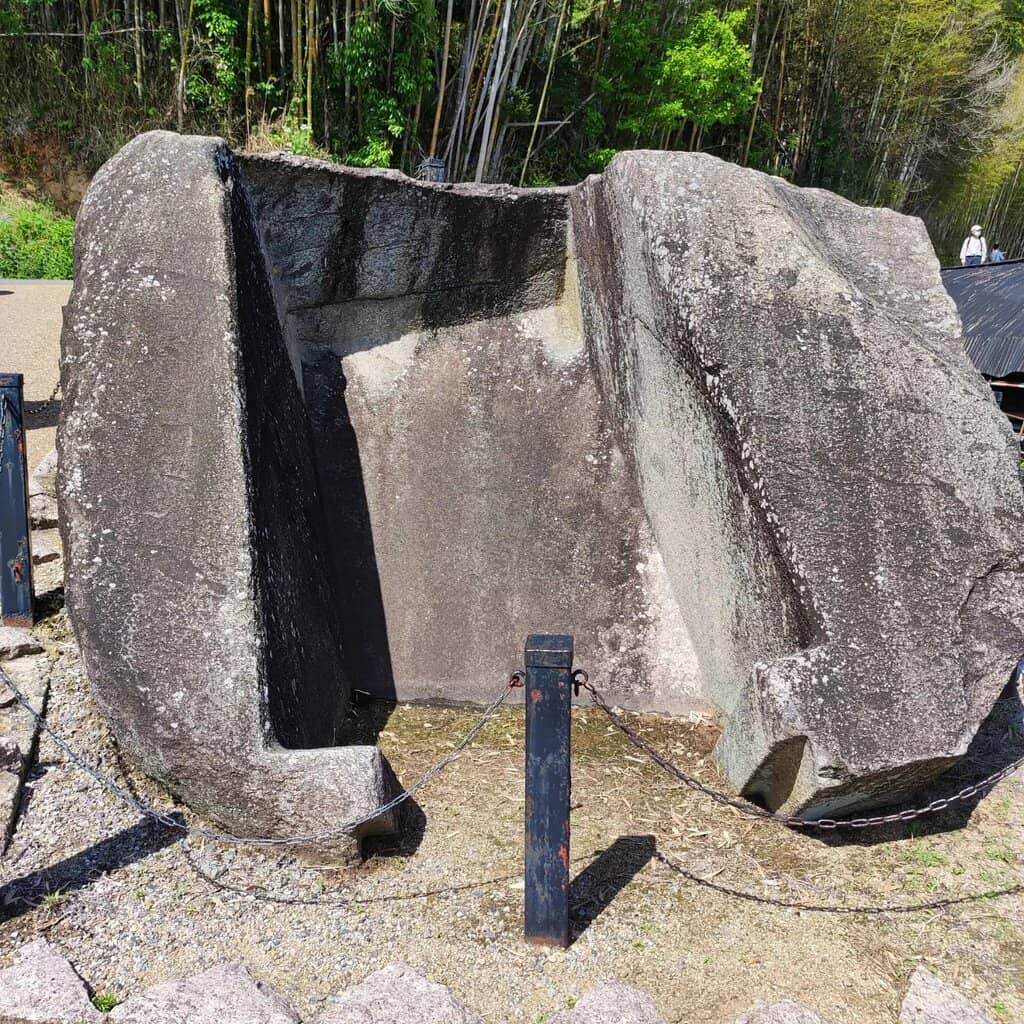
Panoramic Views
Hilltop location
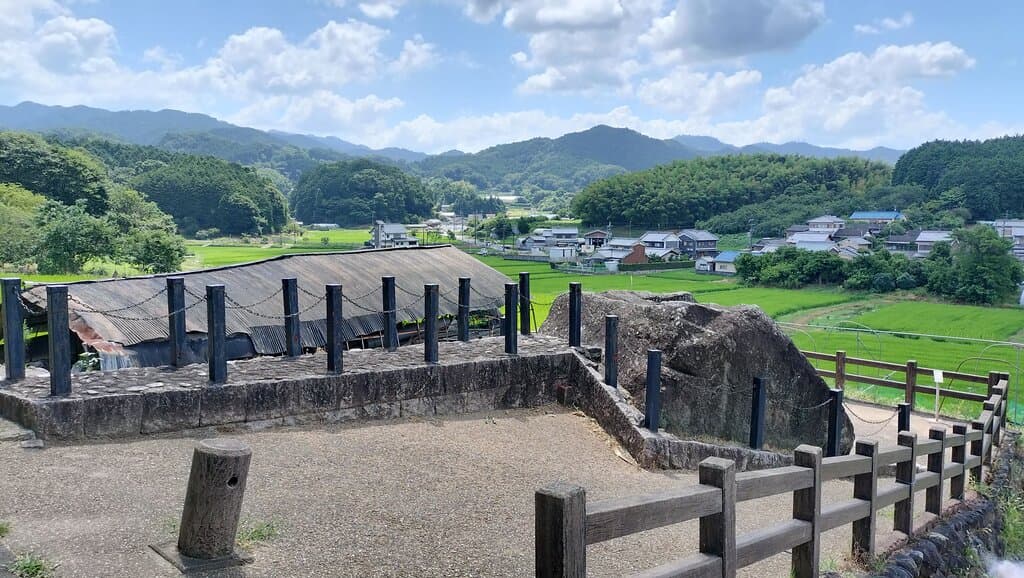
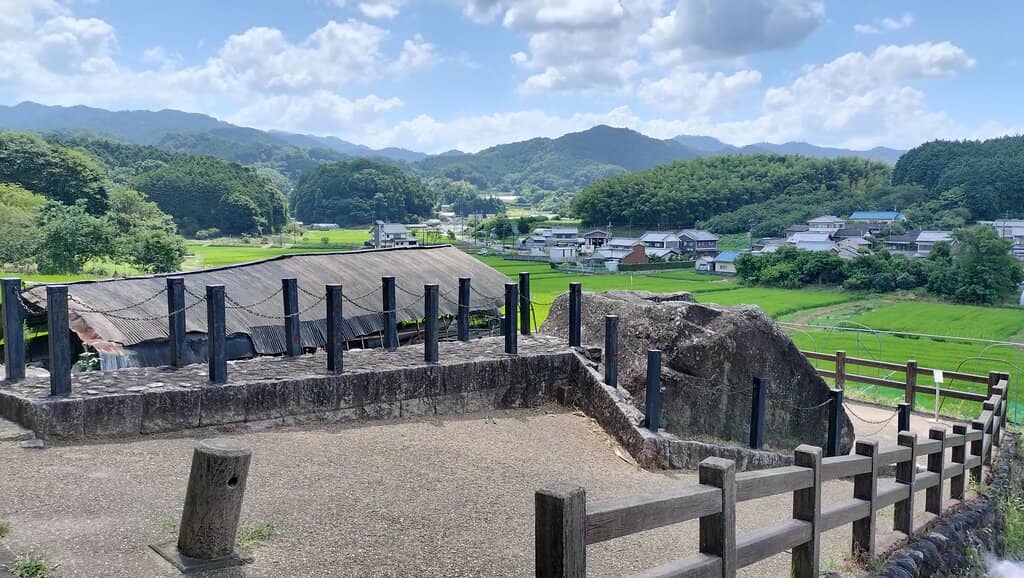
Enjoy expansive views from the hilltop, a testament to the effort involved in transporting these ancient stones.
Plans like a pro.
Thinks like you
Planning Your Visit
Understand the Legend
Access and Surroundings
Best Times
Insider Tips
from TikTok, Instagram & Reddit
🚶♀️ Walk the Path
No car access! Enjoy a scenic stroll through bamboo groves after visiting nearby Emperor Kinmei's tomb. :athletic_shoe:
📜 Learn the Lore
Understand the 'Ogre's Chopping Board' legend to appreciate this unique historical site. 📜
Combine with Mausoleums
Easily pair a visit with Emperor Tenmu and Empress Jito's mausoleums for a fuller historical experience. :world_map:
Bring Water
The walk can be tiring, especially in warmer weather. Stay hydrated! :droplet:
Tips
from all over the internet
🚶♀️ Walk the Path
No car access! Enjoy a scenic stroll through bamboo groves after visiting nearby Emperor Kinmei's tomb. :athletic_shoe:
📜 Learn the Lore
Understand the 'Ogre's Chopping Board' legend to appreciate this unique historical site. 📜
Combine with Mausoleums
Easily pair a visit with Emperor Tenmu and Empress Jito's mausoleums for a fuller historical experience. :world_map:
Bring Water
The walk can be tiring, especially in warmer weather. Stay hydrated! :droplet:
What Travellers Say
Reviews Summary
Visitors find Oni no Manaita to be a site rich in legend and historical context, particularly its connection to ancient tombs. While some acknowledge it might not be a standalone attraction for everyone, its unique folklore and the scenic walk through bamboo groves make it a memorable stop, especially when combined with nearby historical sites.
"The name was based on the legend that the Oni goblin cooked travelers on the chopping board. Noted on my wonder-tips site."
Keiko Kant
"For me it was just a stone as I didn’t understand the history behind it."
Upesh Pokharel
"To be honest, it's probably not worth seeing, but it's special to me.
I came here by bicycle 35 years ago.
I didn't know what Oni no Yukigakure meant,
but when I found out it was a toilet, it left a strong impression on me.
I'm glad I made the effort to come.
It's amazing how much it hasn't changed since then. Of course."
T U
What People Like
What People Dislike
Frequently Asked Questions
🚇 🗺️ Getting There
Oni no Manaita is not accessible by car. Visitors typically walk to the site, often after touring the nearby Hinokumauchi Mausoleum of Emperor Tenmu and Empress Jito. The path leads through a bamboo grove.
No, there is no direct car access or parking at Oni no Manaita itself. You will need to park at a nearby attraction or public parking area and walk.
The exact walking distance can vary depending on where you start, but it's generally a moderate walk through natural terrain, often integrated with visits to surrounding historical sites.
Yes, cycling is a viable option for reaching the vicinity, as one visitor mentioned cycling there 35 years ago. However, the final approach might still require walking.
While specific details on maintenance vary, the path is generally described as a natural walk through a bamboo grove, suggesting it's a scenic but potentially uneven trail.
🎫 🎫 Tickets & Entry
Oni no Manaita is a historical site and legend spot, not a ticketed attraction. Entry is generally free, though access to the surrounding ancient tomb areas might be restricted.
As an outdoor historical and legendary site, there are no official opening or closing hours. It's accessible during daylight hours, but it's best to visit when it's safe and visible.
No, there is no entrance fee to visit Oni no Manaita. It's a natural historical landmark.
The Imperial Household Agency has designated the area as a secondary tomb for Emperor Kinmei, meaning you cannot enter the tomb itself. The stone is part of its original structure.
Official guided tours specifically for Oni no Manaita are not commonly advertised. However, local historical tours of the Asuka region might include this site.
🎫 🧭 Onsite Experience
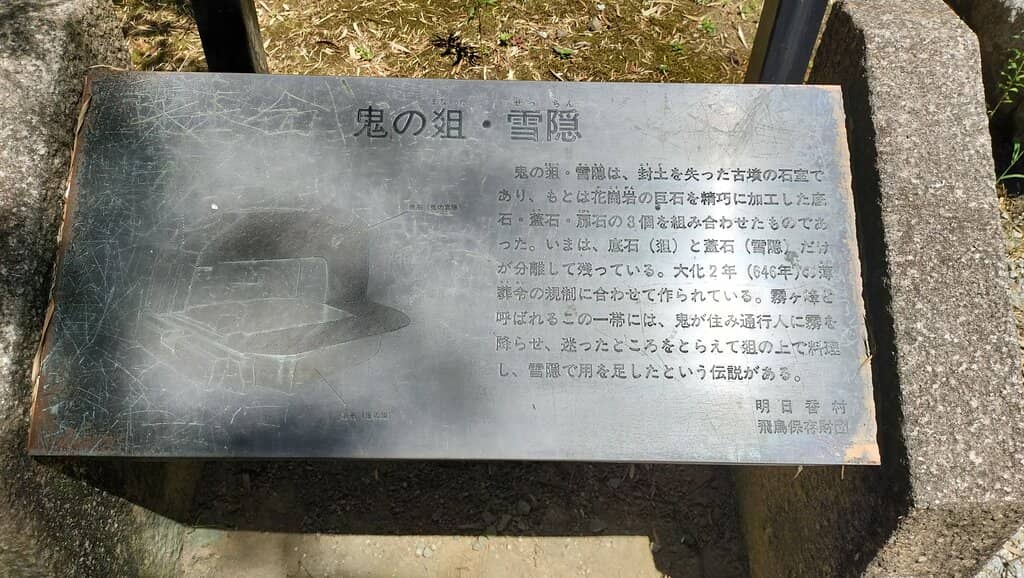
Oni no Manaita, meaning 'Ogre's Chopping Board,' is a flat stone believed to be the base of an ancient tomb. Legend says ogres used it to cook travelers.
Its significance lies in its connection to ancient burial practices and local folklore, offering a glimpse into historical beliefs and legends of the region.
Nearby attractions include the Hinokumauchi Mausoleum of Emperor Tenmu and Empress Jito, and potentially 'Oni's Setchin' (Ogre's Toilet), another legendary site.
Yes, the unique stone, the bamboo grove setting, and the panoramic views offer good photographic opportunities, especially for those interested in history and folklore.
Comfortable walking shoes are essential due to the unpaved paths. Dress in layers as the weather can change, and consider sun protection.
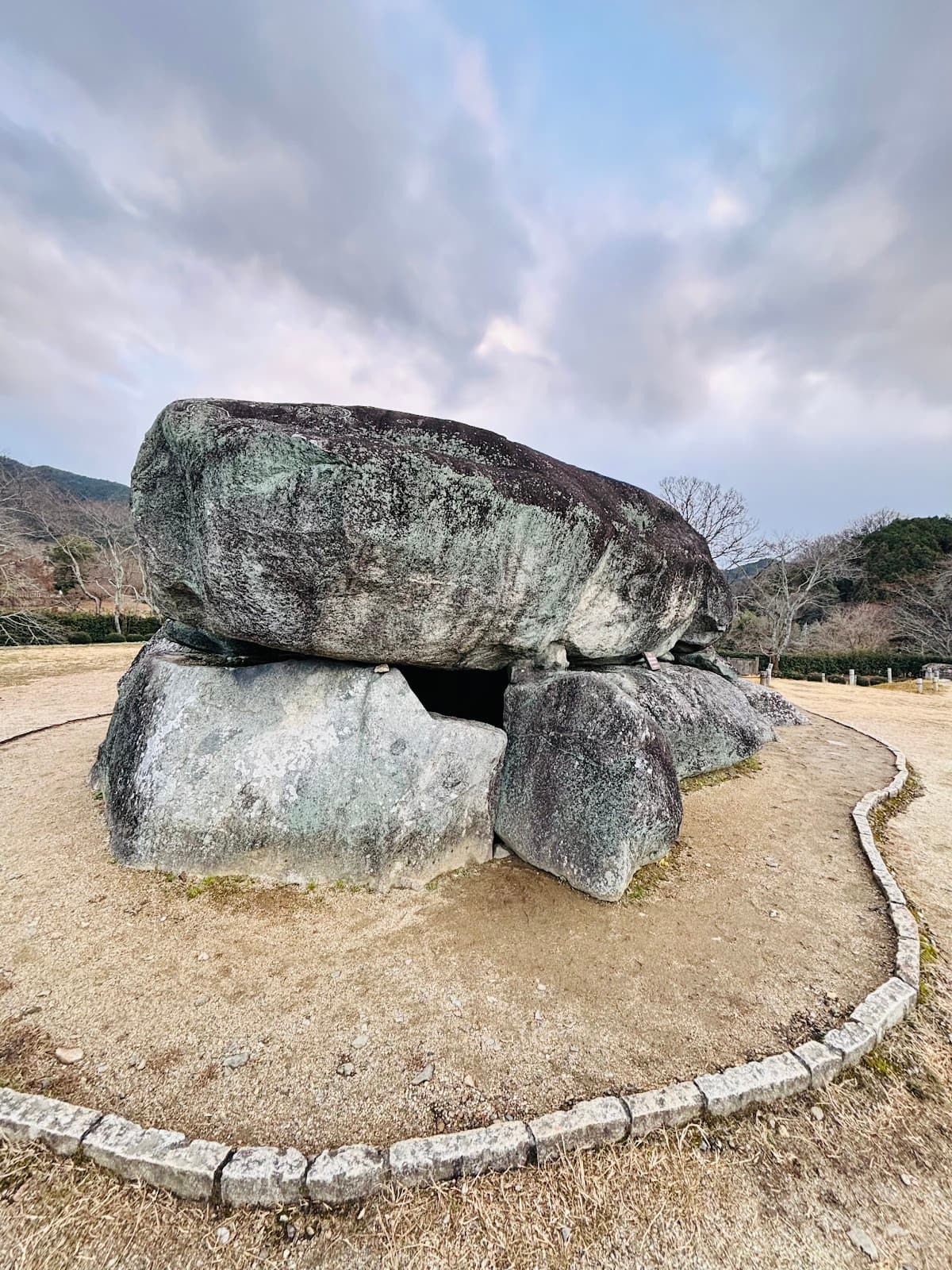

Social
from TikTok, Instagram & Reddit