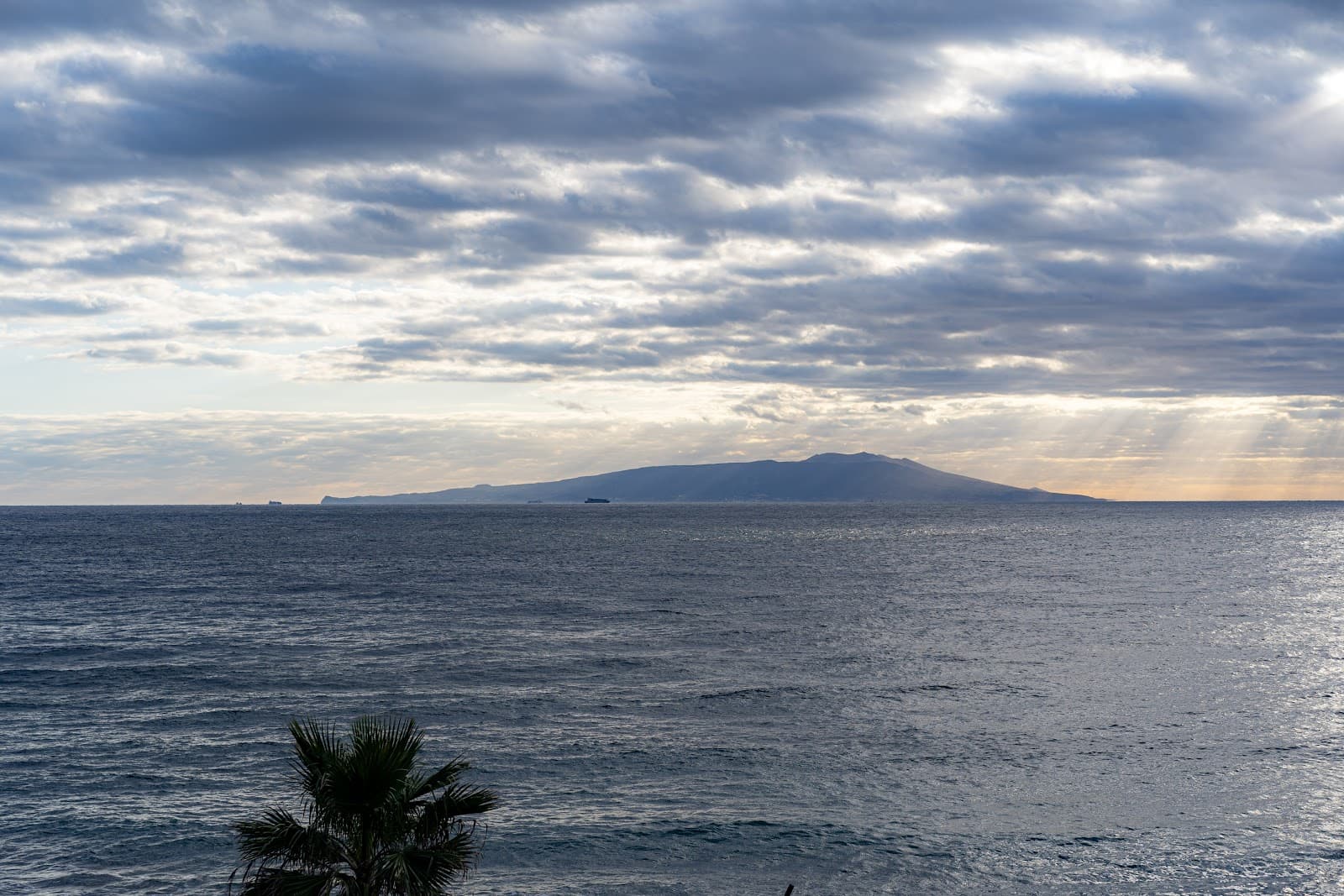
Atagawa Onsen
Discover the therapeutic hot springs and serene ocean vistas of Atagawa Onsen, a tranquil retreat on the Izu Peninsula.
Highlights
Must-see attractions

Social
From TikTok & Reddit
Best Time
Pleasant weather, fewer crowds
Atagawa Onsen
Best Time
Pleasant weather, fewer crowds
Highlights
Must-see attractions
Discover the therapeutic hot springs and serene ocean vistas of Atagawa Onsen, a tranquil retreat on the Izu Peninsula.
🧳 Pack Light for Onsen
Most ryokans provide yukata (robes) and toiletries. Bring comfortable clothes and swimwear if your onsen allows it.
♨️ Onsen Etiquette is Key
Wash thoroughly before entering the bath. Avoid wearing swimsuits in most traditional onsen.
Quick Facts
Highlights
Discover the most iconic attractions and experiences
Relaxing Onsen Baths
Various Ryokans and Public Bathhouses
Immerse yourself in the mineral-rich hot springs, known for their healing properties. Pure relaxation awaits.
Ocean Views
Coastal Resorts
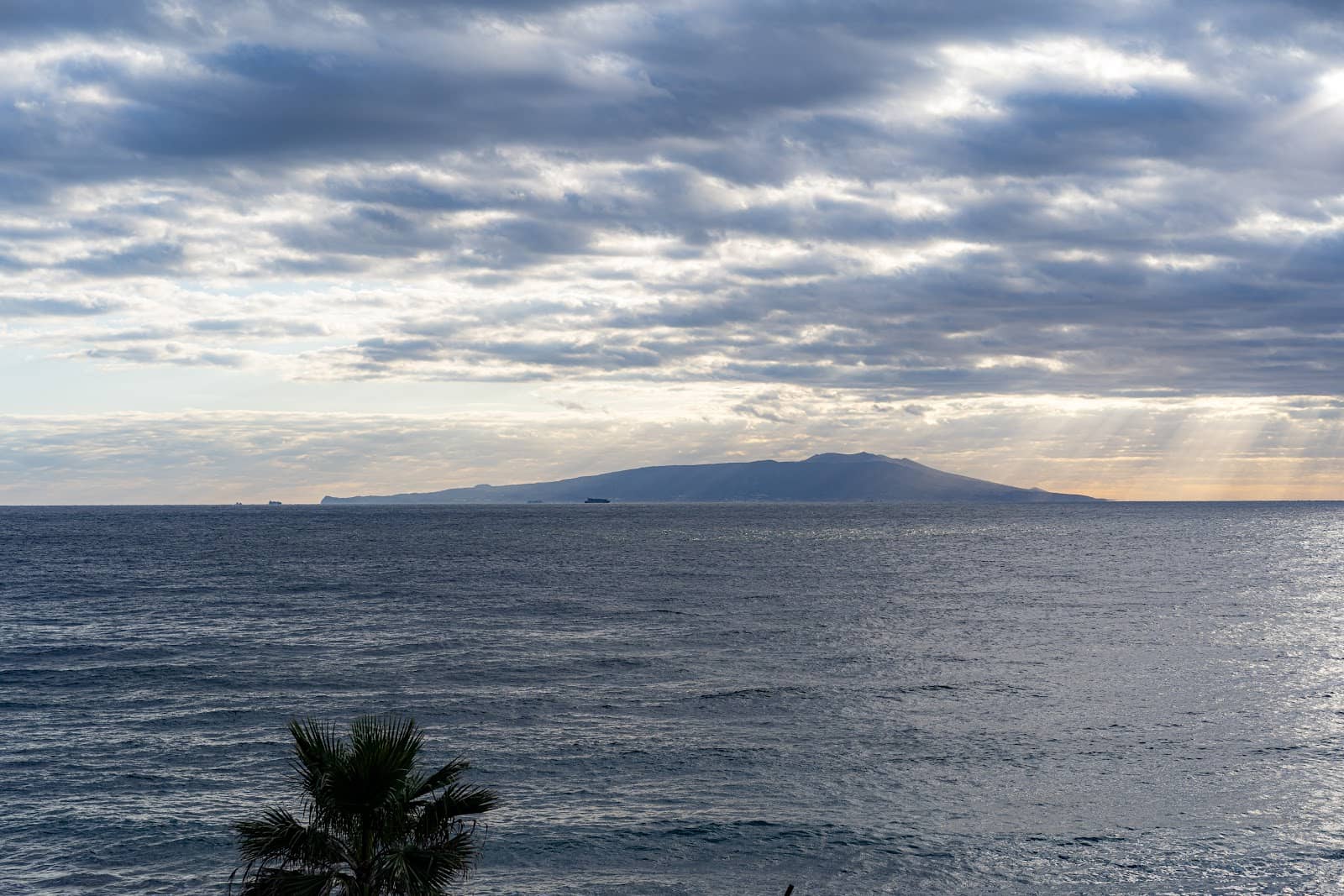
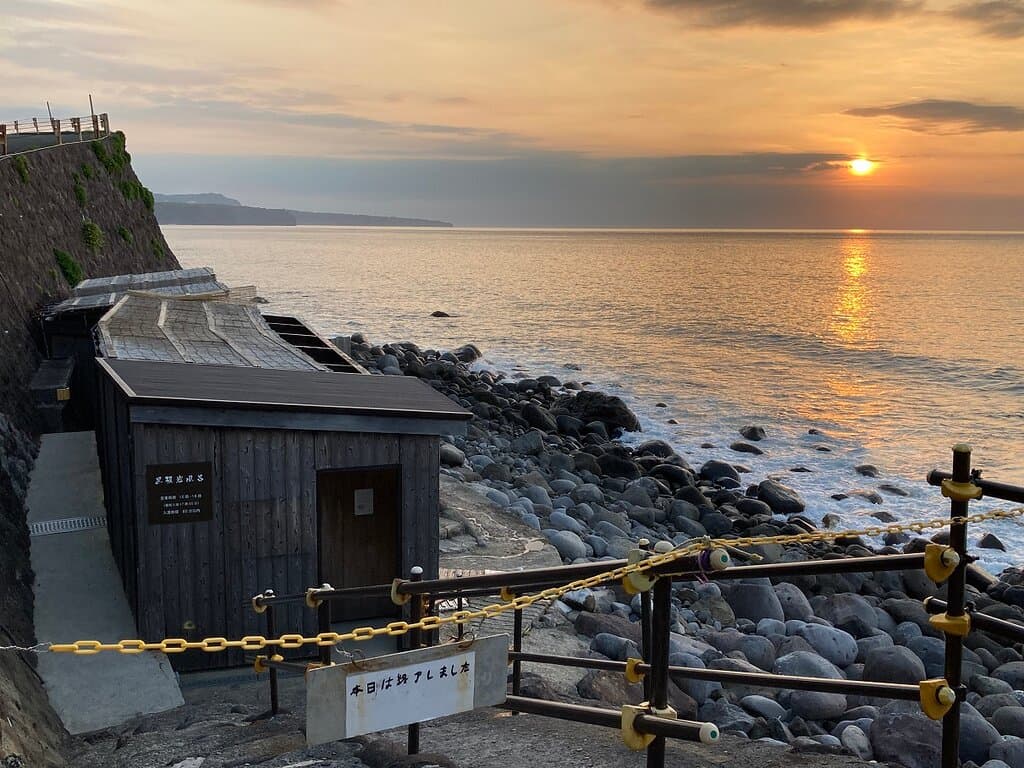
Many accommodations offer stunning views of the Pacific Ocean, enhancing your tranquil onsen experience.
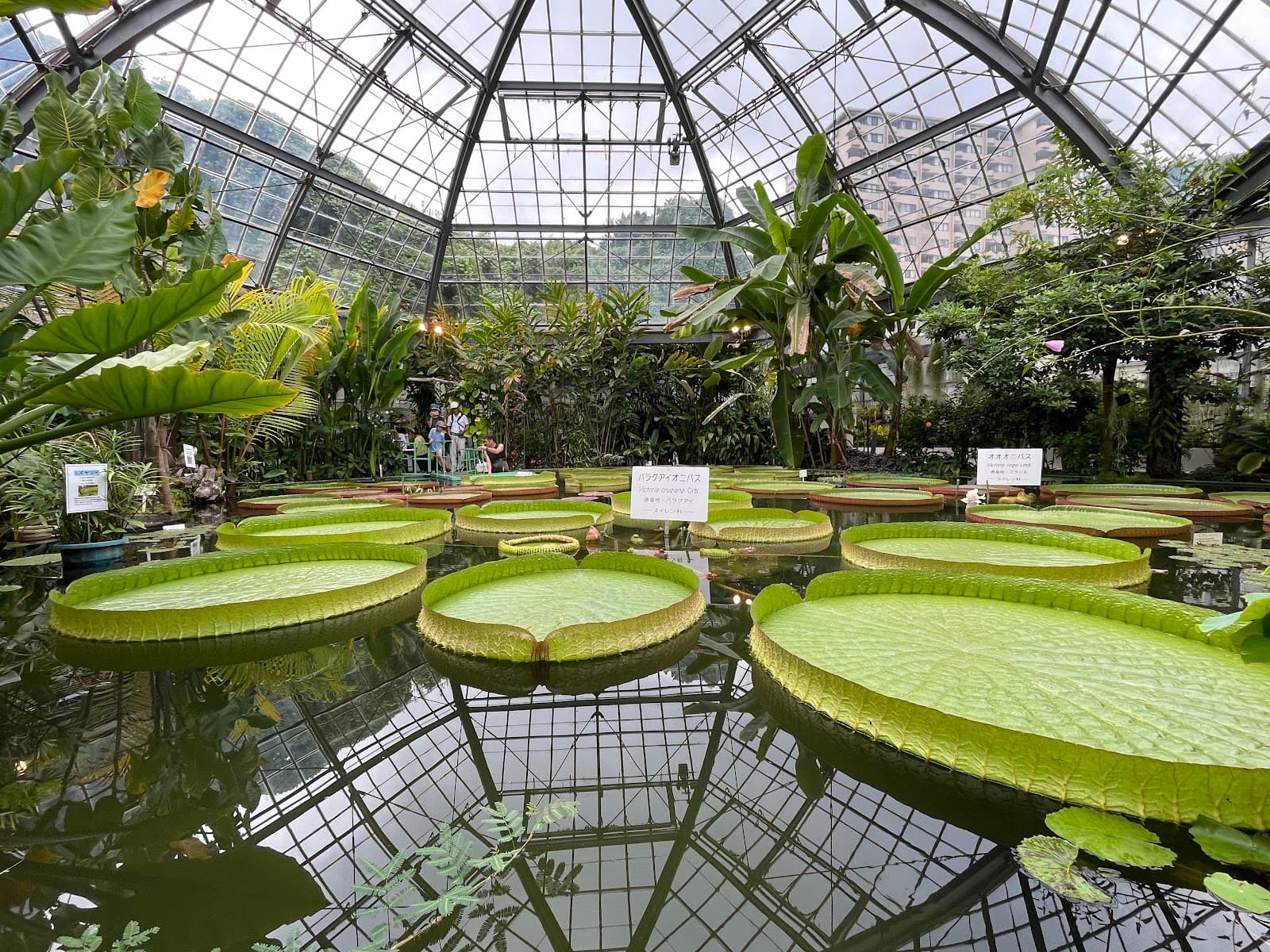
Atagawa Tropical & Alligator Garden
Near Atagawa Station
A unique attraction featuring tropical plants and a large collection of alligators and crocodiles.
Plans like a pro.
Thinks like you
Planning Your Visit
Embrace the Hot Springs
Book in Advance for Peak Times
Best Times
Insider Tips
from TikTok, Instagram & Reddit
🧳 Pack Light for Onsen
Most ryokans provide yukata (robes) and toiletries. Bring comfortable clothes and swimwear if your onsen allows it.
♨️ Onsen Etiquette is Key
Wash thoroughly before entering the bath. Avoid wearing swimsuits in most traditional onsen.
🚶♀️ Explore the Coastline
Enjoy scenic walks along the coast. The ocean breeze adds to the refreshing onsen experience.
Tips
from all over the internet
🧳 Pack Light for Onsen
Most ryokans provide yukata (robes) and toiletries. Bring comfortable clothes and swimwear if your onsen allows it.
♨️ Onsen Etiquette is Key
Wash thoroughly before entering the bath. Avoid wearing swimsuits in most traditional onsen.
🚶♀️ Explore the Coastline
Enjoy scenic walks along the coast. The ocean breeze adds to the refreshing onsen experience.
What Travellers Say
Reviews Summary
Atagawa Onsen is highly praised for its therapeutic hot springs and beautiful ocean views, offering a tranquil escape. Visitors often highlight the relaxing atmosphere and the quality of the onsen water. Some find the dining options outside of ryokans limited, and the area can feel quiet for those seeking bustling nightlife.
What People Like
What People Dislike
Frequently Asked Questions
🚇 🗺️ Getting There
The most common way to reach Atagawa Onsen is by taking the JR Ito Line from Tokyo Station to Atagawa Station. The journey takes approximately 2.5 to 3 hours. Consider purchasing a Japan Rail Pass if you plan on extensive train travel within Japan.
Yes, most hotels and ryokans in Atagawa Onsen offer parking facilities for guests. If you are visiting public onsen or attractions, there are usually paid parking lots available nearby.
Atagawa Onsen is a relatively compact area. Walking is feasible for exploring the main resort strip. For longer distances or to visit attractions like the Alligator Garden, local buses or taxis are available.
While there isn't a Shinkansen station directly in Atagawa, you can take a Shinkansen to Atami Station and then transfer to the local JR Ito Line for Atagawa Station. This is a faster option if coming from further afield.
Direct airport transfers are not common. You would typically take a train from Narita (NRT) or Haneda (HND) airport to Tokyo Station and then proceed with the JR Ito Line to Atagawa.
🎫 🎫 Tickets & Entry
It is highly recommended to book your accommodation in advance, especially if you are traveling during peak seasons, weekends, or Japanese holidays. Popular ryokans and hotels can get fully booked.
Yes, besides private onsen at accommodations, there are public bathhouses available for day visitors. These offer a chance to experience the hot springs without staying overnight.
Day-use public onsen typically range from ¥1,000 to ¥2,500. Ryokan stays often include onsen access in the room rate, with prices varying significantly based on luxury and amenities.
Absolutely. The Atagawa Tropical & Alligator Garden is a standalone attraction and welcomes day visitors. Admission fees apply.
While specific passes for Atagawa Onsen are uncommon, look into regional travel passes if you are exploring the Izu Peninsula. Some hotels might offer package deals that include local attractions.
🎫 🧭 Onsite Experience
Many visitors rave about the private onsen rooms available at various ryokans, offering a more intimate experience. Public onsen with ocean views are also highly sought after for their scenic beauty.
In traditional Japanese onsen, you are expected to be completely nude. You will wash thoroughly before entering the bath. Some modern onsen or specific facilities might allow swimwear, so check beforehand.
Some ryokans offer private family baths that can be reserved, allowing families to enjoy the onsen together. The Atagawa Tropical & Alligator Garden is also a great family outing.
Early mornings or late evenings are generally less crowded, offering a more serene experience. Weekdays are also typically quieter than weekends.
Atagawa Onsen's waters are rich in minerals like sodium and calcium chloride, believed to be beneficial for skin conditions, muscle pain, and promoting relaxation and circulation.
🍽️ 🍽️ Food & Dining
Most ryokans offer exquisite kaiseki (multi-course traditional Japanese dinner) and a Japanese breakfast as part of your stay. These meals often feature fresh, local seafood and seasonal ingredients.
Yes, there are several local restaurants and cafes along the main street, offering a variety of Japanese cuisine, including sushi, ramen, and tempura. Some may also offer Western-style dishes.
Finding strictly vegetarian or vegan options can be challenging in traditional Japanese dining, especially at ryokans where seafood is prominent. It's best to inform your accommodation in advance of any dietary restrictions.
Given its coastal location, fresh seafood is a must-try. Look for dishes featuring local fish, shrimp, and other ocean delicacies. Izu is also known for its delicious wasabi.
Yes, there are convenience stores (like 7-Eleven or FamilyMart) and smaller local shops where you can purchase snacks, drinks, and basic necessities.
📸 📸 Photography
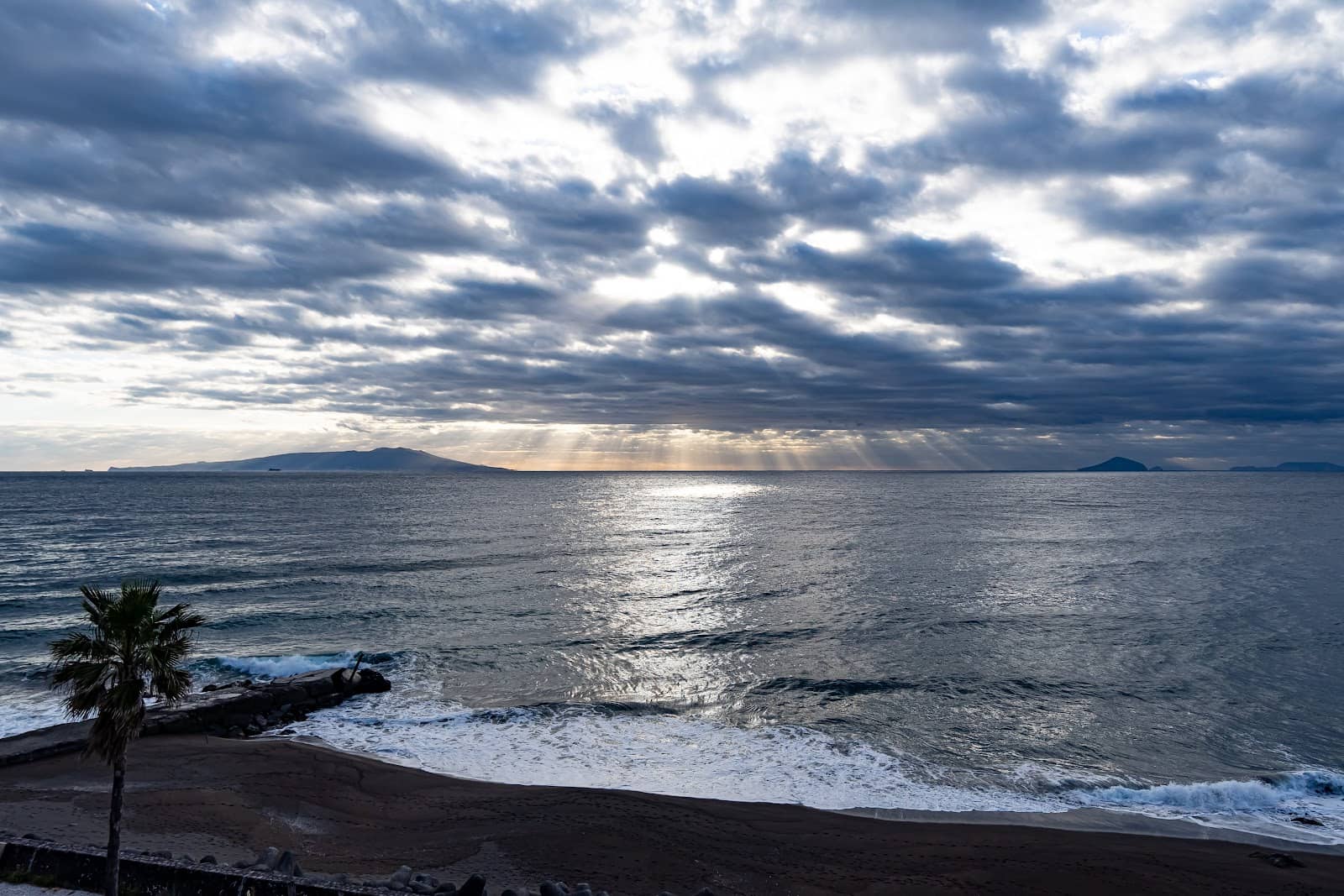
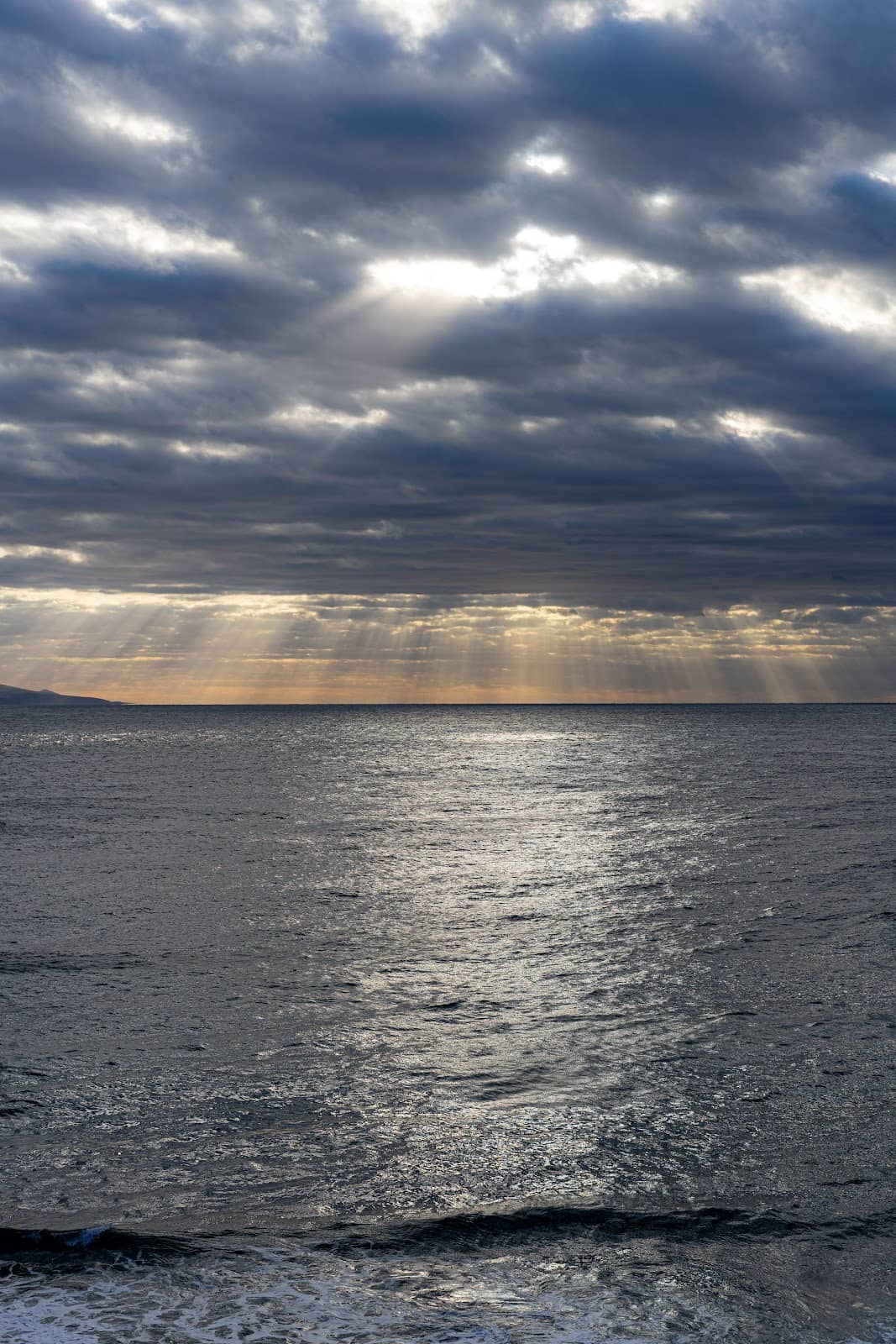
The coastline offers stunning ocean vistas, especially during sunrise and sunset. Many ryokans have beautifully designed gardens and onsen areas that make for picturesque shots.
Generally, photography is prohibited inside public onsen bathing areas for privacy reasons. However, many ryokans allow photography in guest rooms, common areas, and gardens. Always check for signage or ask staff.
A versatile camera with a good lens for landscapes and details would be ideal. A tripod can be useful for capturing low-light shots or long exposures of the ocean. A waterproof case might be handy near the coast.
Photography is generally permitted at the Atagawa Tropical & Alligator Garden, but avoid using flash photography directly at the animals, as it can disturb them.
The 'golden hours' around sunrise and sunset provide beautiful lighting for landscape photography. Overcast days can also offer soft, diffused light perfect for capturing the lush greenery.

Social
from TikTok, Instagram & Reddit