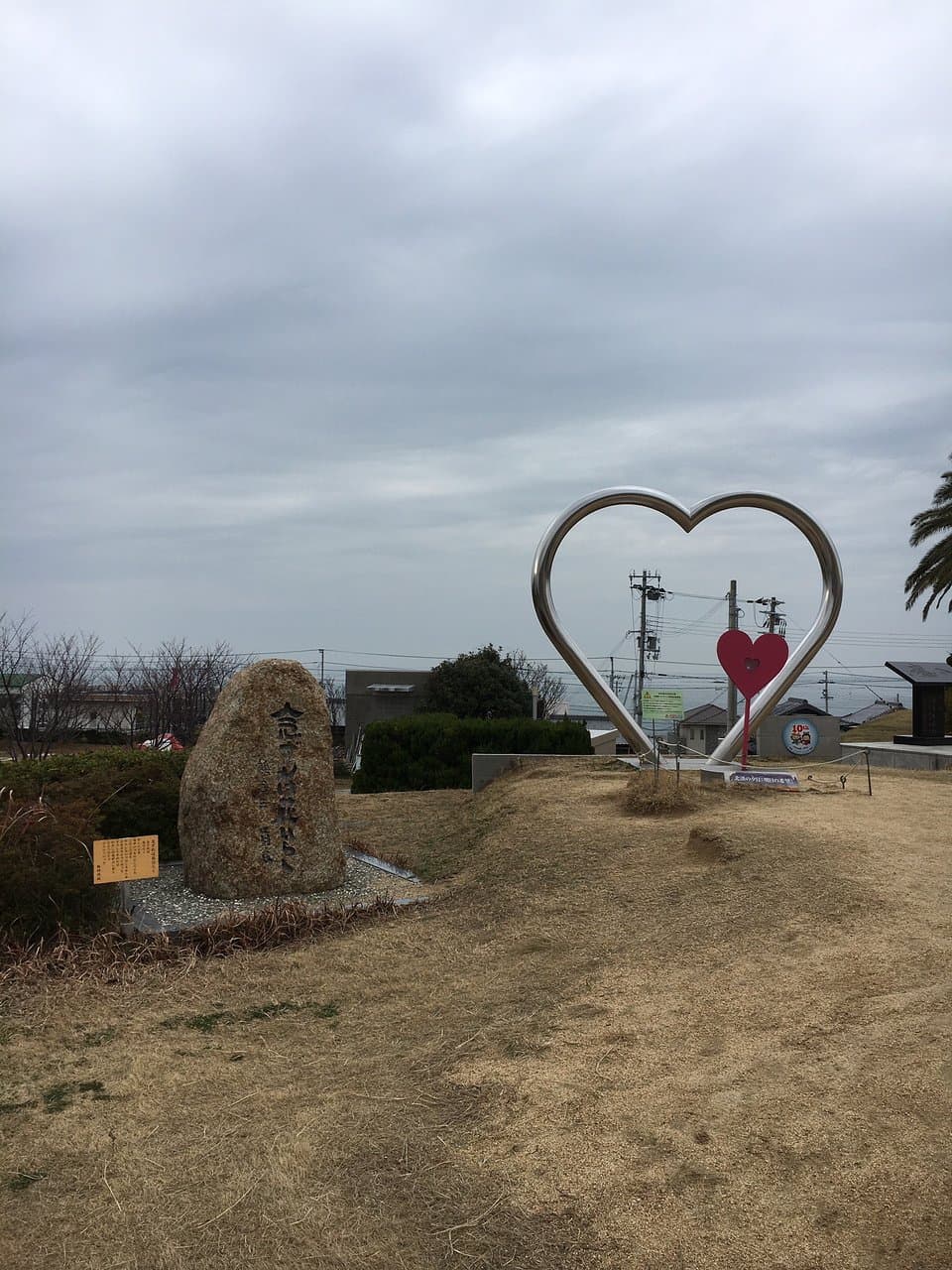
Nojima Fault Preservation Museum
A powerful memorial and educational museum preserving the 1995 Great Hanshin Earthquake's fault line and human stories.
Highlights
Must-see attractions

Social
From TikTok & Reddit
Best Time
Fewer crowds for reflection
Nojima Fault Preservation Museum
Best Time
Fewer crowds for reflection
Highlights
Must-see attractions
A powerful memorial and educational museum preserving the 1995 Great Hanshin Earthquake's fault line and human stories.
"A must-see memorial if you are interested in earthquakes; inspirational and educational."
English Translations Available
Most exhibits have clear English translations, making it accessible for international visitors. :globewithmeridians:
Worth the Admission
While tickets have a cost, the educational and emotional impact makes it a valuable experience. 🎟️
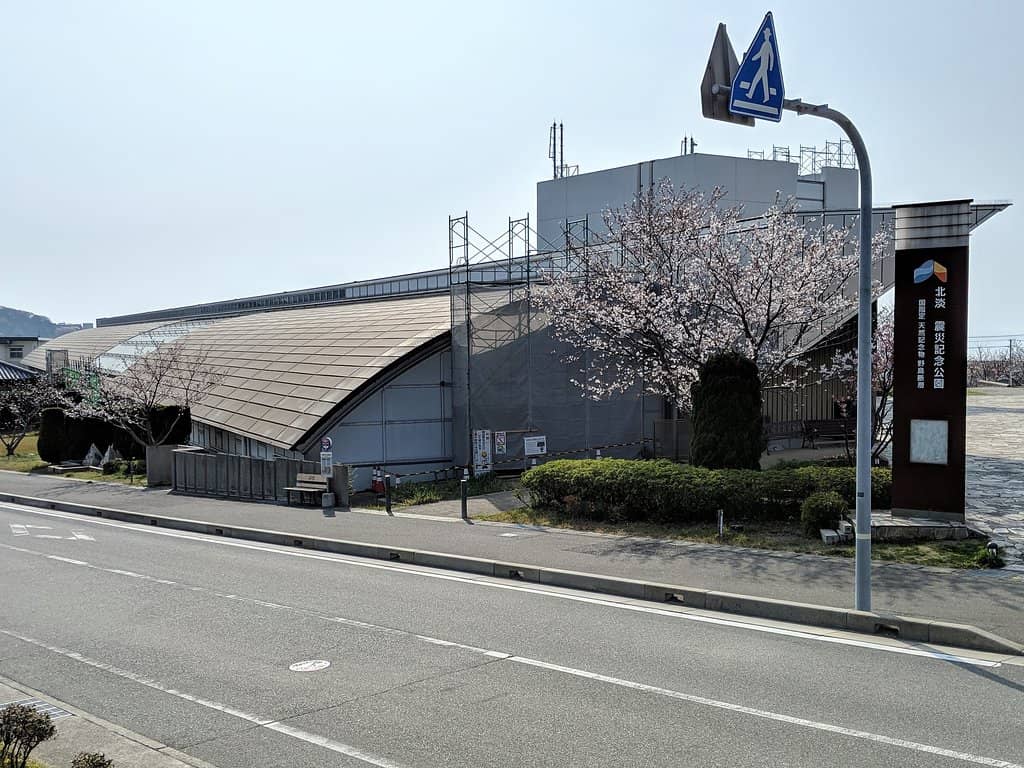
Quick Facts
Hours
Rating
4.1 · 2,969 reviews
Type
Park
Highlights
Discover the most iconic attractions and experiences
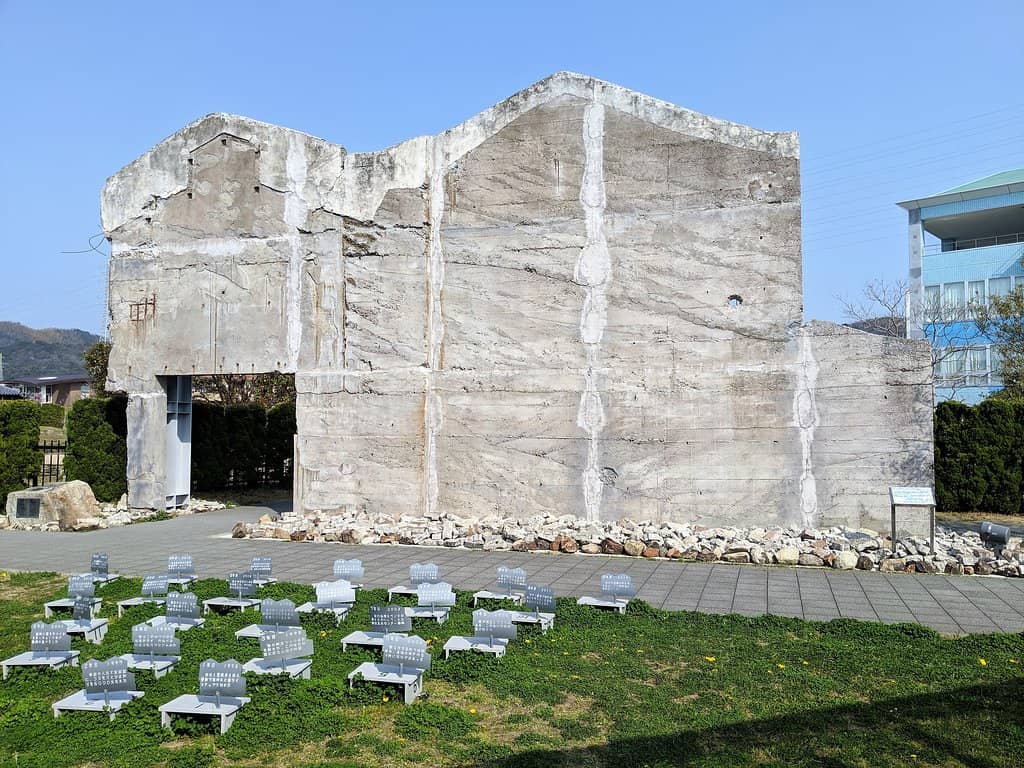
The Exposed Fault Line
Main Exhibition Hall
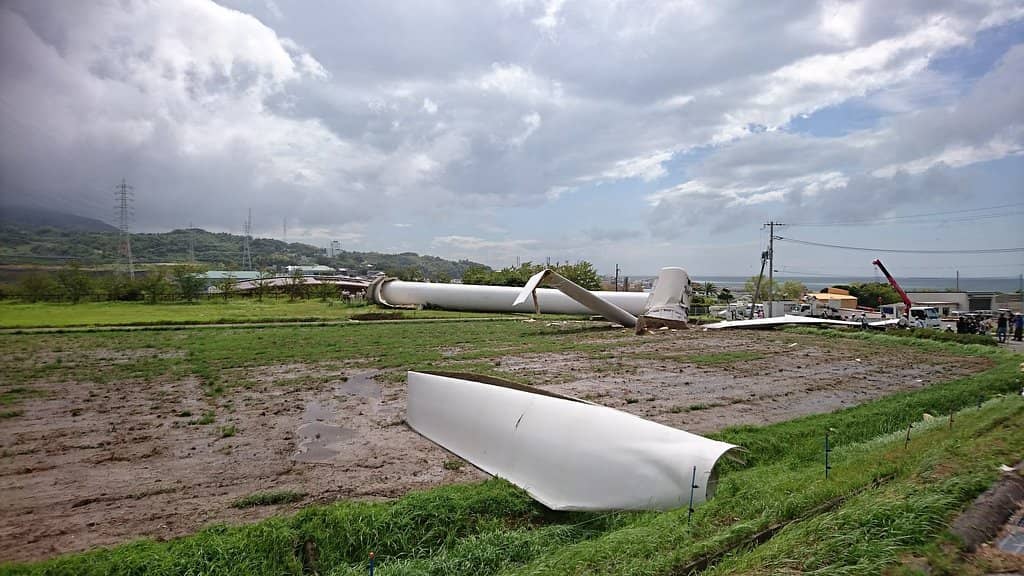
Witness the dramatic visual of the actual fault line, a stark reminder of the earthquake's power.
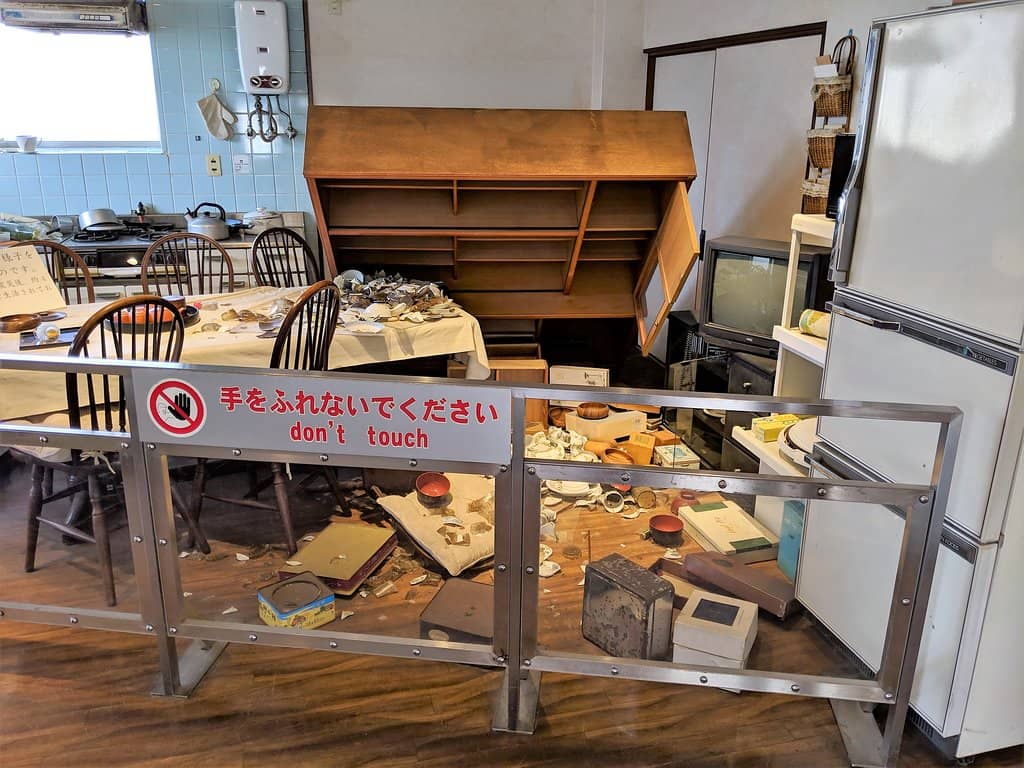
Multimedia Exhibits
Various Galleries
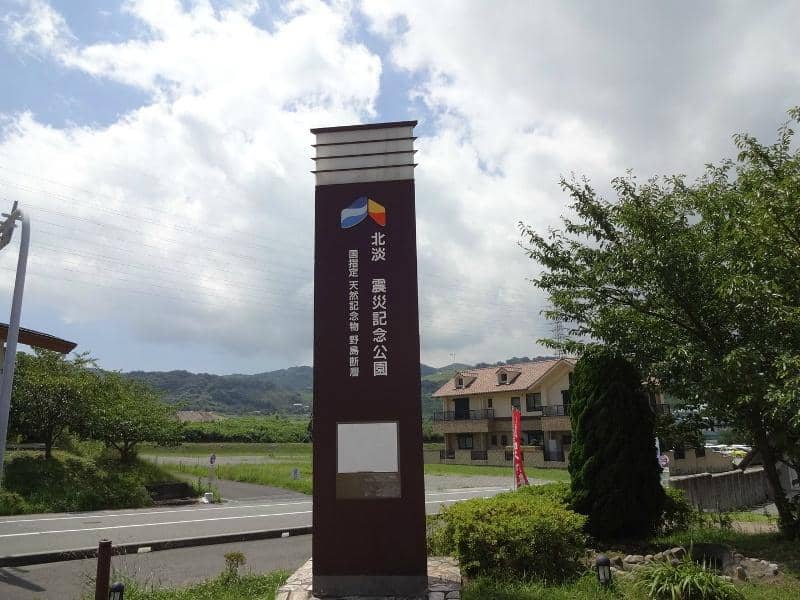
Engaging displays detailing the earthquake's impact and Japan's resilience.
Personal Stories
Memorial Area
Hear the voices and learn the stories of those affected by the disaster.
Plans like a pro.
Thinks like you
Planning Your Visit
Understand the Significance
Plan Your Visit
Best Times
Insider Tips
from TikTok, Instagram & Reddit
English Translations Available
Most exhibits have clear English translations, making it accessible for international visitors. :globewithmeridians:
Worth the Admission
While tickets have a cost, the educational and emotional impact makes it a valuable experience. 🎟️
Learn About Preparedness
The museum emphasizes preparation and resilience, offering valuable lessons for earthquake-prone regions. :earth_americas:
Reflective Atmosphere
This is a place for thoughtful consideration of a significant event. 🙏
Tips
from all over the internet
English Translations Available
Most exhibits have clear English translations, making it accessible for international visitors. :globewithmeridians:
Worth the Admission
While tickets have a cost, the educational and emotional impact makes it a valuable experience. 🎟️
Learn About Preparedness
The museum emphasizes preparation and resilience, offering valuable lessons for earthquake-prone regions. :earth_americas:
Reflective Atmosphere
This is a place for thoughtful consideration of a significant event. 🙏
What Travellers Say
Reviews Summary
Visitors find the Nojima Fault Preservation Museum to be an incredibly educational and inspirational experience, particularly appreciating the preserved fault line and the detailed exhibits on the Great Hanshin Earthquake. Many highlight the importance of the museum in remembering the past and promoting future preparedness, with good English translations making it accessible. Some note the ticket price as a consideration, but overwhelmingly feel the visit is worthwhile.
"Interesting memorial museum with good display of fault line. I was happy it had a lot of English translation to explain history and scientific side."
Catalina Nunez
"The ticket is a little bit expensive, but is worth to come.
You will know how japanese feel and react to earthquake.
they build this to not forget what happen in the past and remind all people to prepare, but not to afraid, for the potential earthquake in the future.
I go there because of recent news/prediction and would like to know more about previous earthquake.
I appreciate Japanese attitude on living/facing with earthquake. I will still visiting Japan."
David Yan
"Full of information about the Great Hanshin Earthquake
I didn't know that Awajishima was affected that much. It's very inspirational and very educational. Worth sharing my experience"
MarieJoy GResurreccion
What People Like
What People Dislike
Frequently Asked Questions
🚇 🗺️ Getting There
The museum is located on Awaji Island. Public transport options include buses from Kobe or Osaka, often requiring a ferry connection. Renting a car can offer more flexibility for exploring the island.
Yes, there is typically parking available for visitors, especially if you are driving to the museum.
🎫 🎫 Tickets & Entry
Opening hours can vary, so it's best to check the official website before your visit. Generally, it's open during daytime hours on most days.
Admission fees are generally considered reasonable for the educational value provided. Check the museum's official site for current pricing.
While advance ticket purchase might be an option, it's often possible to buy tickets upon arrival. Confirm with the museum's official channels.
🎫 🧭 Onsite Experience
You'll see the actual fault line, multimedia exhibits detailing the Great Hanshin Earthquake, personal stories of survivors, and information on earthquake preparedness.
The museum is educational and can be informative for older children, but the subject matter is serious and deals with a natural disaster. Parental discretion is advised.
Information on guided tours may be available, especially for school groups or special events. It's recommended to inquire directly with the museum.
Most visitors spend 1-2 hours to fully appreciate the exhibits and reflect on the information presented.
🍽️ 🍽️ Food & Dining
The museum has a restaurant on-site, offering a place to rest and dine after your visit.
The restaurant typically serves a variety of Japanese dishes. It's a convenient option for lunch during your visit.
📸 📸 Photography
Photography rules can vary. Generally, flash photography is prohibited, and some exhibits might have restrictions. Check for signage or ask staff.


Social
from TikTok, Instagram & Reddit