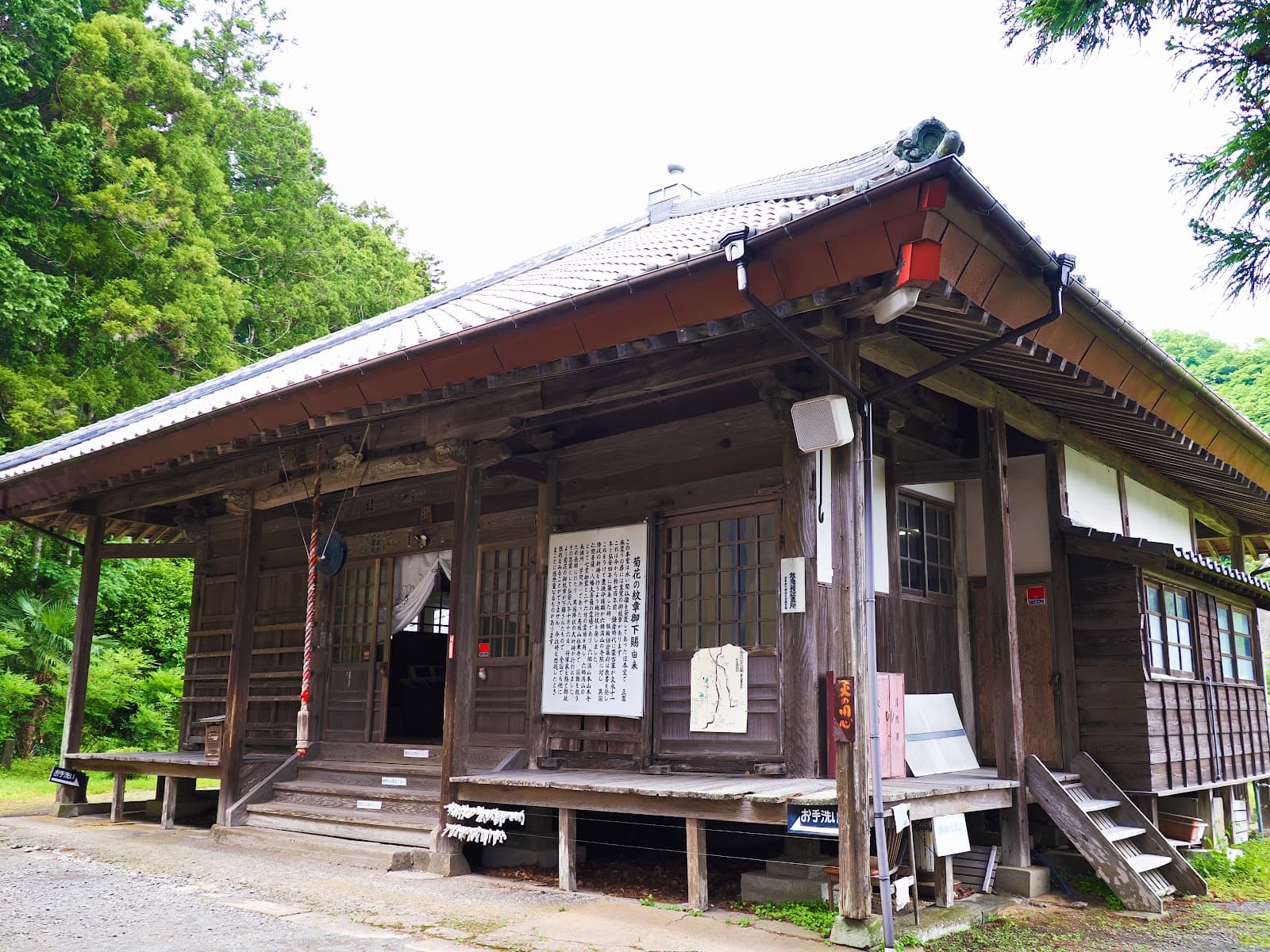
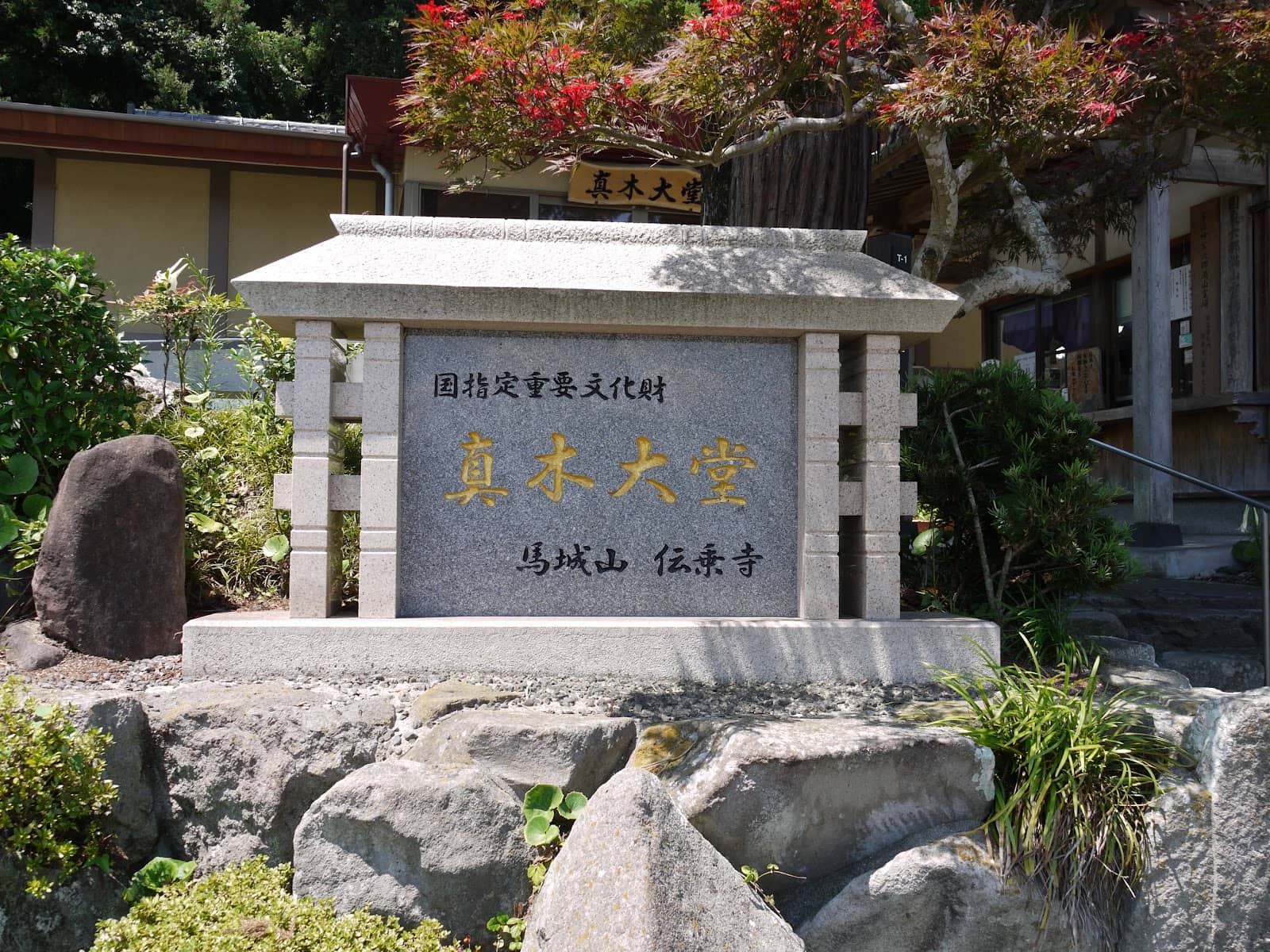
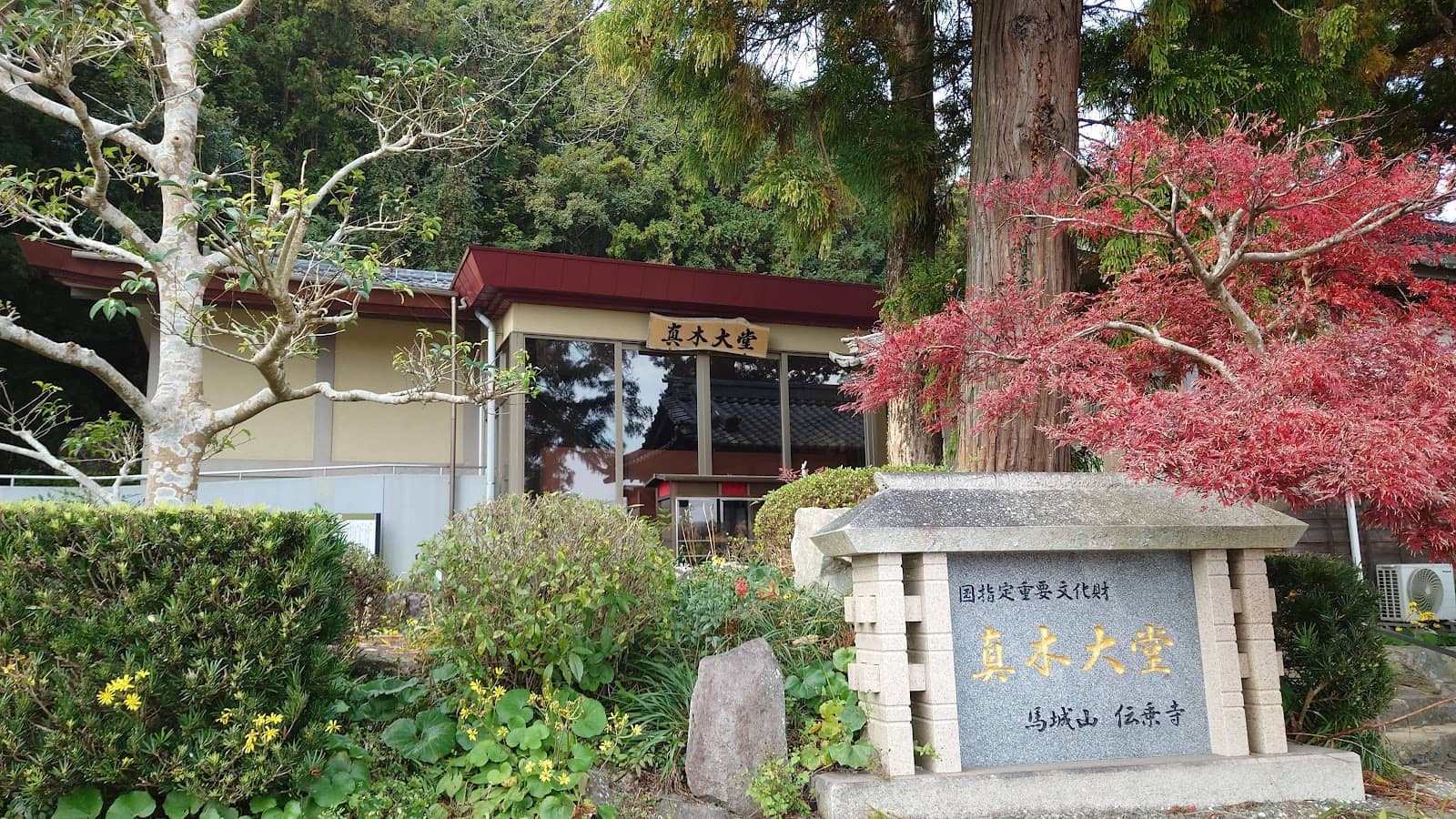
Makiodo
Home to national treasure Buddha statues, Makiodo offers a glimpse into Japan's rich Buddhist art history and the unique Rokugo Manzan faith.
Highlights
Must-see attractions

Social
From TikTok & Reddit
Best Time
Fewer crowds, better light for viewing
Makiodo
Best Time
Fewer crowds, better light for viewing
Highlights
Must-see attractions
Home to national treasure Buddha statues, Makiodo offers a glimpse into Japan's rich Buddhist art history and the unique Rokugo Manzan faith.
"The Buddha statues are wonderful, but the storage facility is rather bleak and cramped."
📸 No Photos Inside
Remember, photography is strictly prohibited inside the Treasure Hall. Focus on appreciating the art!
👟 Comfortable Shoes Recommended
The hike to Mashiroyama viewpoint is well-maintained but involves stairs. Comfortable shoes are a must.
Quick Facts
Hours
Rating
4.3 · 367 reviews
Type
Place of Worship
Highlights
Discover the most iconic attractions and experiences
National Treasure Buddha Statues
Treasure Hall
Marvel at nine Heian-period Buddha statues, national treasures showcasing historical artistic trends and delicate expressions.
Mashiroyama Denjoji Grand Viewpoint
Behind the Treasure Hall
A short, well-maintained hike offers panoramic views of the Kunisaki Peninsula, a refreshing reward for your efforts.
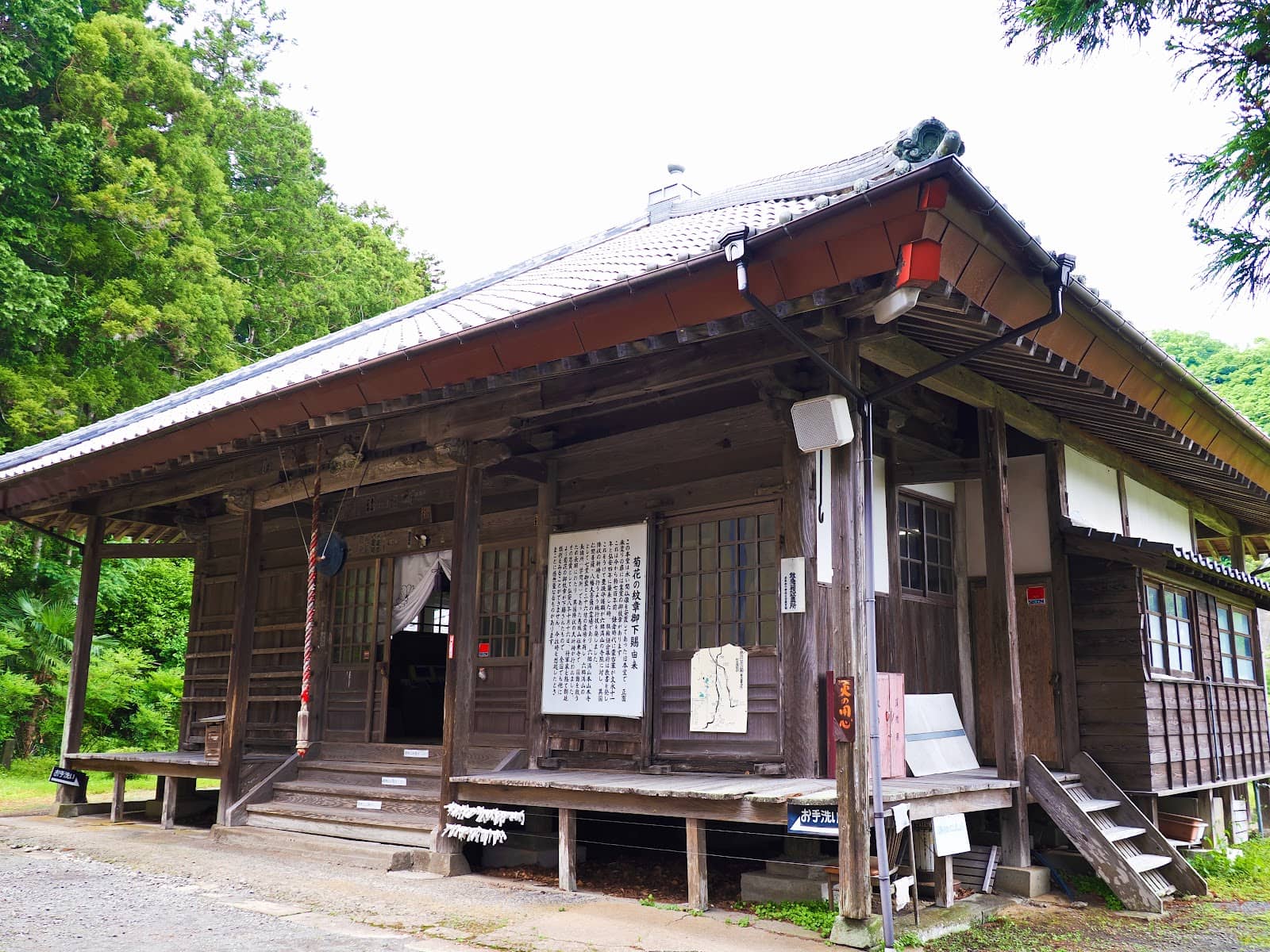
Historic Main Hall
Former Main Hall
Explore the Edo-period main hall, a testament to the temple's history and a place where worshippers can leave comments.
Plans like a pro.
Thinks like you
Planning Your Visit
Respectful Viewing of National Treasures
Navigating the Treasure Hall
Best Times
Insider Tips
from TikTok, Instagram & Reddit
📸 No Photos Inside
Remember, photography is strictly prohibited inside the Treasure Hall. Focus on appreciating the art!
👟 Comfortable Shoes Recommended
The hike to Mashiroyama viewpoint is well-maintained but involves stairs. Comfortable shoes are a must.
⏳ Allow Time for Reflection
While the viewing space is compact, take your time to absorb the history and artistry of the Buddha statues.
🚗 Easy Access by Car
There's a large paved parking lot available, making it convenient for those traveling by car.
Tips
from all over the internet
📸 No Photos Inside
Remember, photography is strictly prohibited inside the Treasure Hall. Focus on appreciating the art!
👟 Comfortable Shoes Recommended
The hike to Mashiroyama viewpoint is well-maintained but involves stairs. Comfortable shoes are a must.
⏳ Allow Time for Reflection
While the viewing space is compact, take your time to absorb the history and artistry of the Buddha statues.
🚗 Easy Access by Car
There's a large paved parking lot available, making it convenient for those traveling by car.
What Travellers Say
Reviews Summary
Visitors are captivated by the national treasure Buddha statues, praising their historical significance and artistic detail. However, the viewing experience in the Treasure Hall is often described as cramped and dark, feeling more like a museum storage than a traditional temple. The short hike to Mashiroyama viewpoint is a highly recommended addition for its scenic rewards.
"#YaoyaNoisan's Shrine Tour
After eating fresh soba noodles at #Kikuan, we headed to the nearby Makiodo.
To Makiodo.
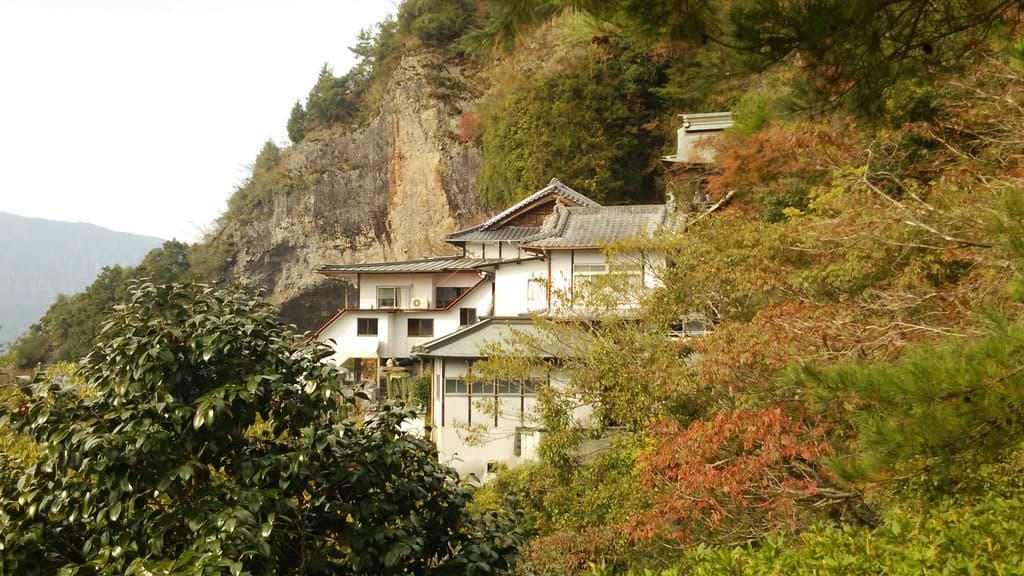
Makiodo was destroyed by fire about 700 years ago. Rebuilt during the Edo period, it now houses a small main hall and storage room!
Enclosed there are three Buddhist statues designated as Important Cultural Properties by the National Government (photography is prohibited, so the image is borrowed from the Bungotakada website). They're so beautiful and impressive, you should definitely see them!
And the admission fee is only ¥300, a steal!
A seated statue of Amida Buddha, accompanied by the Four Heavenly Kings, who subdue evil spirits to the east, west, north, and south.
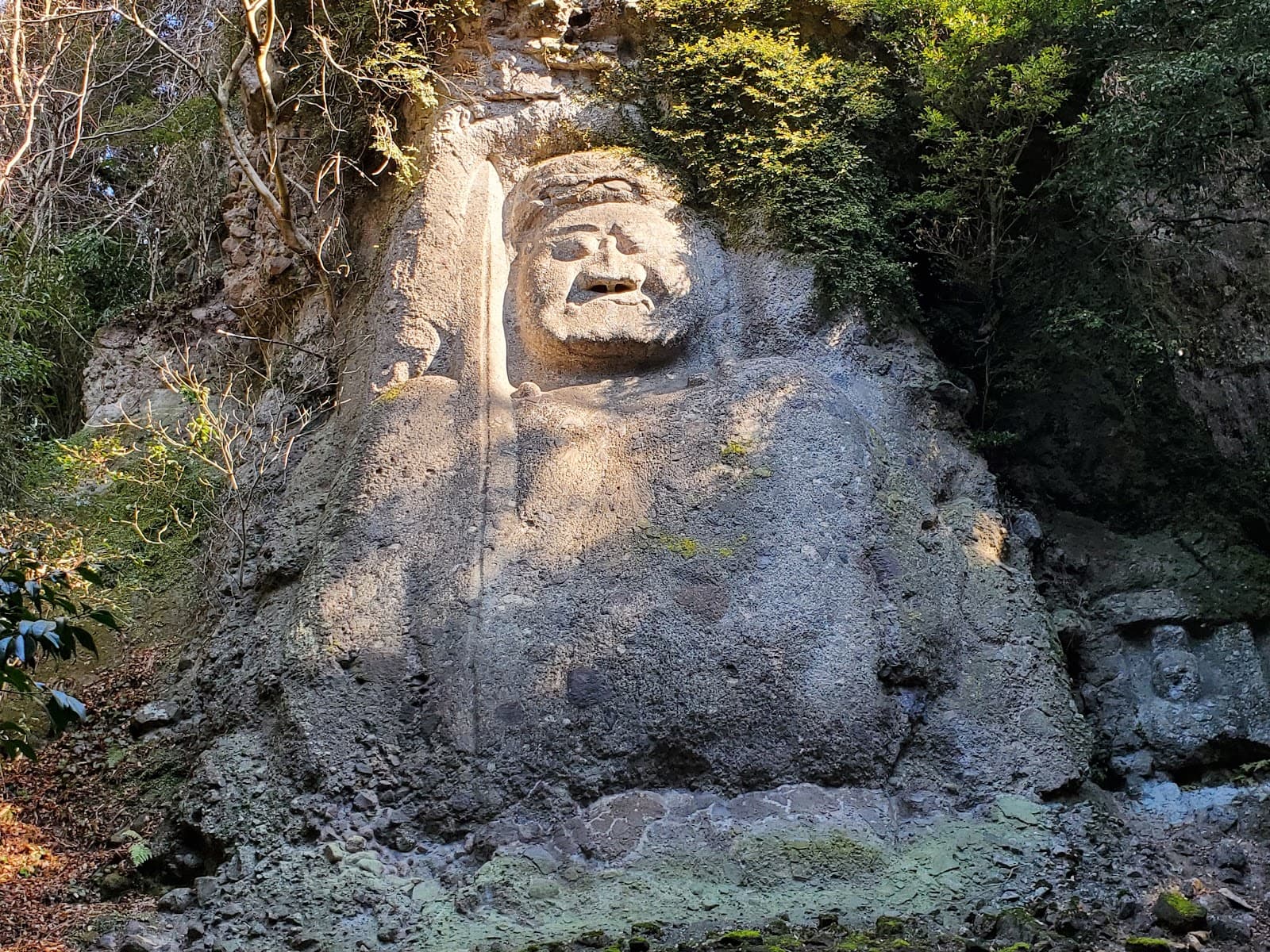
Japan's largest "Acala." To the left of Acala is Setaka Doji, and to the right is Kongara Doji!
Japan's largest wooden statue of Daiitoku Myo-o riding a buffalo is magnificent!
This statue, one of the Five Great Wisdom Kings (located in the west), has six faces, six arms, and six legs and rides a water buffalo!
It is said to have the power to subdue enemies, and is a prayer for victory in battle!
After admiring the statue for about 30 minutes, we headed to the Shiroyama Denjoji Observatory ♪
Even though it's only 194 meters, I was completely out of breath and exhausted, but the 360-degree panorama from the summit, combined with the autumn leaves (it was still early, lol), made all my fatigue disappear... tough, though lol"
三浦崇志(八百屋んおいさん)
"The huge Buddha statue inside the Treasure Hall is a highlight. There is a blackboard inside the former main hall where worshippers can leave comments."
gnb egp.
"I had the opportunity to visit Makidaido. Photography is prohibited at the Buddhist statues, which are designated as national treasures, but the facial structure has changed over the ages, and you can see the trends over the course of history, which is quite moving. The large structure, delicate expressions, and limbs that look as if they could move are truly impressive."
Mika Fukunaga
What People Like
What People Dislike
Frequently Asked Questions
🚇 🗺️ Getting There
Makiodo is located in Bungotakada City, Oita Prefecture. It's about 5km from Fukiji Temple on Prefectural Route 655 towards Yamaga. There is a large paved parking lot available, making it convenient for visitors arriving by car.
While specific public transport routes are not detailed, the mention of Prefectural Route 655 suggests it's accessible by road. It's advisable to check local bus schedules for Bungotakada City if relying on public transport.
The Kunisaki Peninsula is best explored by car, offering flexibility to visit multiple sites like Makiodo and Fukiji Temple.
Yes, there is a large paved parking lot available at Makiodo, which also includes public toilets.
Driving times will vary depending on your starting point in Oita Prefecture. It's recommended to use a navigation system for precise routes and estimated travel times.
🎫 🎫 Tickets & Entry
Makiodo is open daily from 8:30 AM to 5:00 PM.
The admission fee for Makiodo is 300 JPY for adults and 150 JPY for children.
No, photography is strictly prohibited inside the Treasure Hall where the national treasure Buddhist statues are displayed.
The provided information lists adult and child admission fees, but does not specify any group or senior discounts. It's best to inquire on-site if you believe you might qualify for a discount.
While the Buddha statues are accessible, the Treasure Hall can feel cramped and dark. Visitors with mobility issues should be aware of the narrow spaces.
🎫 🧭 Onsite Experience
The primary attractions are the nine Heian-period Buddha statues designated as national treasures, housed in the Treasure Hall. The historic main hall and the Mashiroyama viewpoint are also significant.
To appreciate the statues and potentially hike to the viewpoint, allocate at least 1-2 hours. The viewing area for the statues can feel compact, so allow time for reflection.
The provided information doesn't explicitly mention resting areas. However, the parking lot and the area around the former main hall might offer places to sit.
Makiodo was founded in 718 and was once the largest temple in the Rokugo Manzan region. It houses national treasure Buddhist statues reflecting the prosperity of the area from the Heian period to the Middle Ages.
Yes, there is a well-maintained trail behind the Treasure Hall leading to the Mashiroyama Denjoji Grand Viewpoint. The hike is short and mostly stairs.
🍽️ 🍽️ Food & Dining
The provided information does not mention any dining facilities within Makiodo itself. It's advisable to plan for meals before or after your visit in Bungotakada City.
While not explicitly stated, it's generally good practice to consume outside food in designated areas or picnic spots, if available, rather than within the temple grounds.
Bungotakada City offers various dining options. You can find local restaurants serving regional specialties.
There is a parking lot with public toilets, which might be a suitable area for a brief stop. However, dedicated picnic areas are not mentioned.
Near Makiodo, consider trying local Oita specialties like Bungotakada's own regional dishes or other Oita Prefecture favorites such as Toriten (tempura chicken) or Seki Saba (mackerel).
📸 📸 Photography
Photography is prohibited inside the Treasure Hall. You can take photos of the exterior of the temple buildings, the surrounding landscape, and the view from Mashiroyama.
The view from Mashiroyama Denjoji Grand Viewpoint offers stunning panoramic shots of the Kunisaki Peninsula. The exterior architecture of the temple buildings is also photogenic.
There is no information regarding drone usage. It's best to assume it's not permitted to avoid any issues, especially given the prohibition on photography inside the Treasure Hall.
For the exterior and landscape shots, a standard DSLR or mirrorless camera with a versatile lens would be suitable. For the Mashiroyama viewpoint, a wide-angle lens can capture the expansive scenery.
Focus on capturing the historical atmosphere of the temple grounds and the natural beauty from the viewpoint. Be mindful of the no-photography rule inside the Treasure Hall.

Social
from TikTok, Instagram & Reddit