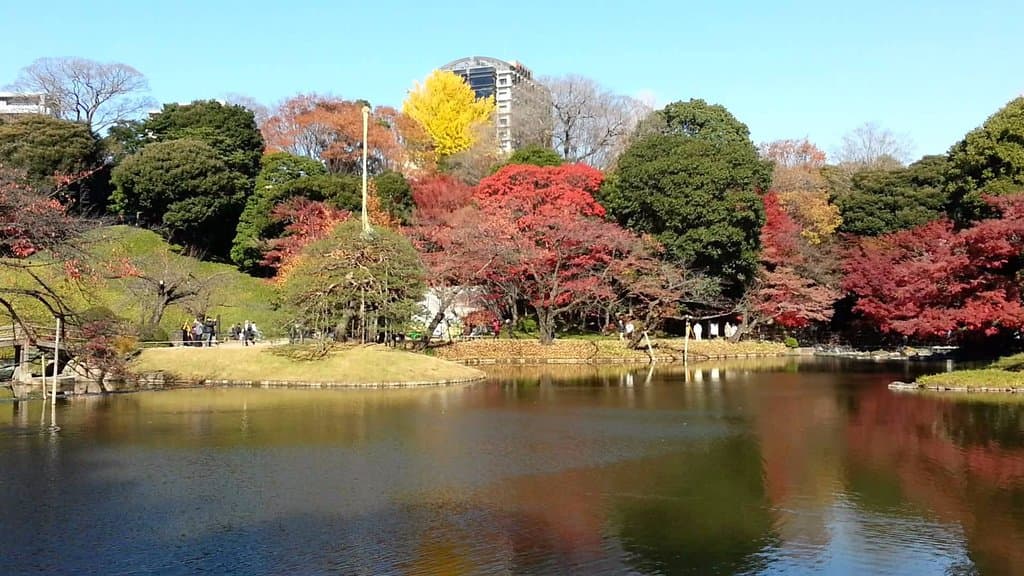
Koishikawa Botanical Garden Tokyo
A historic botanical garden in Tokyo, offering a serene escape with diverse flora, tranquil paths, and seasonal beauty.
Highlights
Must-see attractions

Social
From TikTok & Reddit
Best Time
Cherry blossoms & azaleas bloom
Koishikawa Botanical Garden Tokyo
Best Time
Cherry blossoms & azaleas bloom
Highlights
Must-see attractions
A historic botanical garden in Tokyo, offering a serene escape with diverse flora, tranquil paths, and seasonal beauty.
"A quiet oasis with centuries of history, perfect for nature lovers and peace seekers."
🚶♀️ Peaceful Escape
Find a quiet spot to relax and enjoy nature's beauty away from Tokyo's hustle.
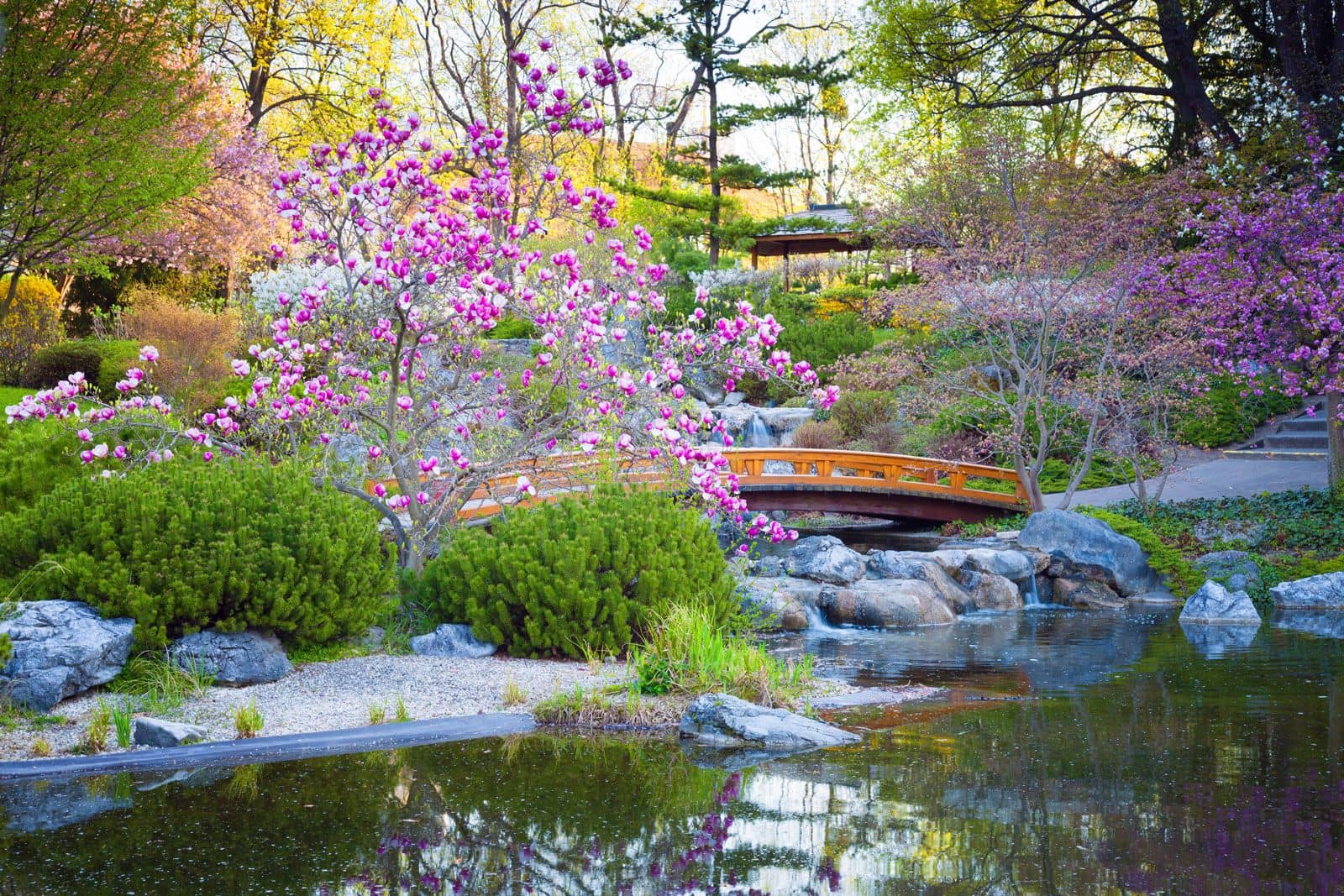
🌸 Cherry Blossom Spot
Seek a more peaceful cherry blossom viewing experience than crowded city spots.
Quick Facts
Hours
Rating
4.3 · 3,014 reviews
Type
Botanical Garden
Highlights
Discover the most iconic attractions and experiences
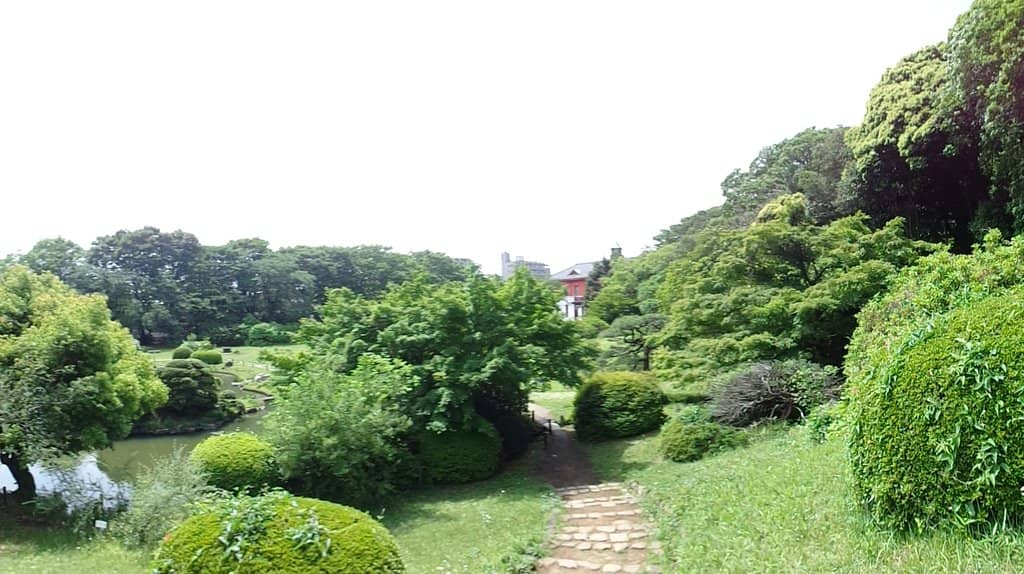
Edo Period History
Throughout the garden
Wander through grounds that have witnessed centuries of history, offering a glimpse into Japan's past.
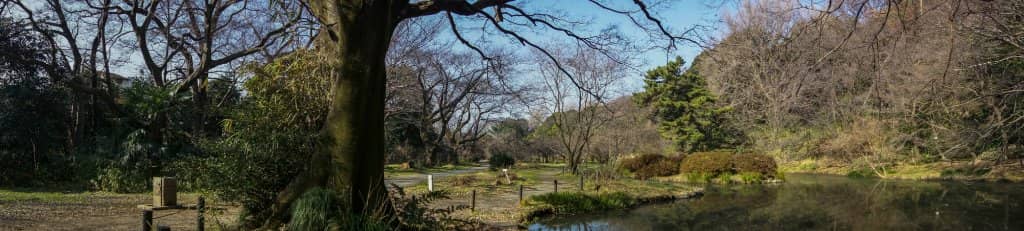
Seasonal Flower Displays
Various garden sections
From vibrant azaleas to stunning autumn leaves, experience nature's artistry throughout the year.
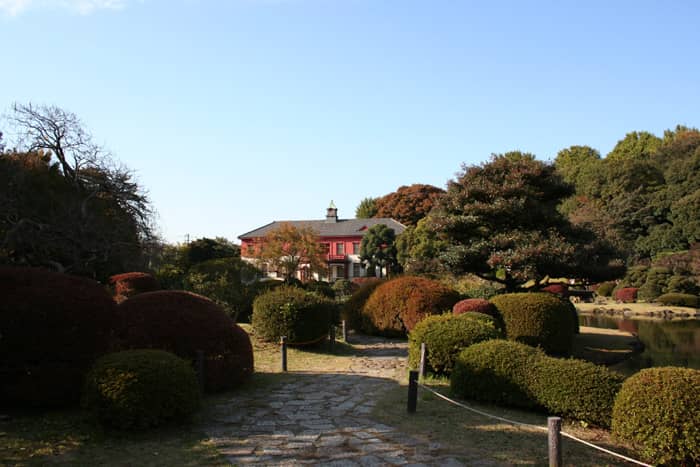
Tranquil Walking Paths
Garden trails
Stroll along peaceful paths, enjoying the lush greenery and quiet atmosphere away from the city.
Plans like a pro.
Thinks like you
Planning Your Visit
Escape the City Buzz
Best Time for Blooms
Best Times
Insider Tips
from TikTok, Instagram & Reddit
🚶♀️ Peaceful Escape
Find a quiet spot to relax and enjoy nature's beauty away from Tokyo's hustle.
🌸 Cherry Blossom Spot
Seek a more peaceful cherry blossom viewing experience than crowded city spots.
🍂 Autumn Foliage Gem
One of central Tokyo's most beautiful spots for autumn colors.
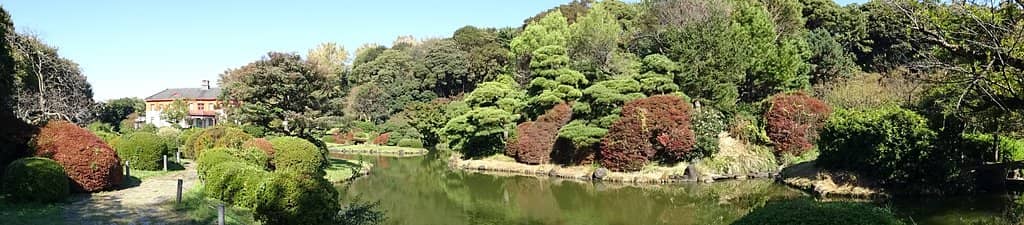
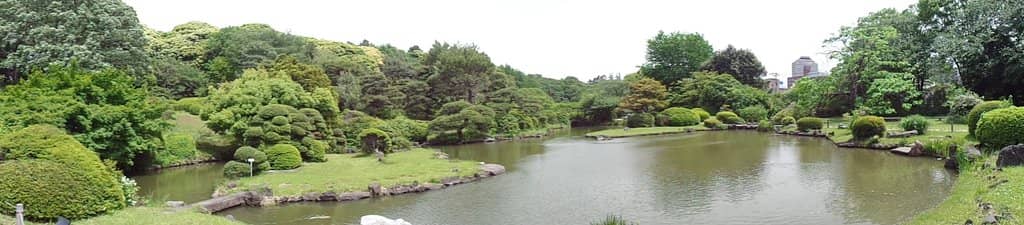
🌳 Forest-like Ambiance
Experience a serene, forest-like atmosphere within the city.
Tips
from all over the internet
🚶♀️ Peaceful Escape
Find a quiet spot to relax and enjoy nature's beauty away from Tokyo's hustle.
🌸 Cherry Blossom Spot
Seek a more peaceful cherry blossom viewing experience than crowded city spots.
🍂 Autumn Foliage Gem
One of central Tokyo's most beautiful spots for autumn colors.
🌳 Forest-like Ambiance
Experience a serene, forest-like atmosphere within the city.
🧺 Picnic Potential
Enjoy a relaxing picnic amidst the beautiful lawns and greenery.
What Travellers Say
Reviews Summary
Visitors consistently praise Koishikawa Botanical Garden for its serene beauty and historical charm, offering a much-needed escape from Tokyo's urban intensity. While some note limited amenities, the overwhelming sentiment is one of peaceful enjoyment and appreciation for the well-maintained flora and tranquil atmosphere.
"Spectacular in every way, the oldest garden in Japan, a place so rich in history that it deserves more than just a brief stop. It’s a large space. Come early on a nice day to get the best benefit from the experience. Easily among the best Japanese gardens in Tokyo."
David Boe
"Visited on April 6, 2025
Beautiful in all seasons. Less crowded during Sakura season. Perfect for picnics. there are fewer number of sakura trees than other famous spots but the trees are well maintained and can enjoy flowers up close. The Japanese garden area is absolutely stunning.
* Entry fee: 500 yen (per person)
* no trash cans, bring back all your trash."
Ananya S Tabassum
"Koishikawa Botanical Garden was truly a forest, with trees that looked to be 30 meters tall everywhere. I was happy and slightly shocked to find such a vast forest just 3 kilometers from the Imperial Palace. It's azalea season now, and I didn't know for the first time that tall azalea trees as tall as a person existed. I must visit Koishikawa Botanical Garden again."
Kaz Shimizu
What People Like
What People Dislike
Frequently Asked Questions
🚇 🗺️ Getting There
The garden is accessible via public transport. Take the JR Chuo Line to Suidobashi Station or the Tokyo Metro Marunouchi Line to Korakuen Station. From either station, it's a pleasant walk to the garden entrance.
Yes, it's located in Bunkyo Ward and is relatively close to the Tokyo Dome City complex, offering a mix of nature and entertainment.
The closest stations are Suidobashi (JR Chuo Line) and Korakuen (Tokyo Metro Marunouchi Line). Both offer a short walk to the garden.
Parking is generally limited, so public transportation is highly recommended for visitors.
Taxis are an option, but traffic in Tokyo can be unpredictable. Public transport is often more efficient for reaching the garden.
🎫 🎫 Tickets & Entry
The garden is typically open from 9:00 AM to 4:00 PM (last entry at 3:30 PM), but hours can vary seasonally. It's best to check the official website for the most up-to-date information.
Admission is usually very affordable, often around ¥300 for adults. Students and seniors may have discounted rates.
Advance booking is generally not required for individual visitors. You can purchase tickets at the entrance.
The garden is typically closed on Mondays and during the New Year holidays. Always verify current closure dates before your visit.
The garden hosts various seasonal events and exhibitions, especially related to plant life. Check their schedule for any ongoing activities.
🎫 🌿 Onsite Experience
Explore diverse plant collections, historical sites, serene lawns for picnics, and peaceful walking paths. It's a great place for nature lovers and photographers. 
Absolutely! The garden offers beautiful scenery year-round, with stunning seasonal flowers and foliage, making it a popular spot for photographers.
Yes, there are lawns available for picnicking, allowing you to enjoy a meal surrounded by nature.
While many paths are paved, some areas might be uneven. It's advisable to check accessibility details on their official website or inquire upon arrival.
The garden features a wide variety of plants, including native Japanese species, medicinal herbs, and seasonal flowers, reflecting its history as a research garden.
🍽️ 🍽️ Food & Dining
There are no restaurants or cafes within the garden itself. Visitors are encouraged to bring their own food for picnics or dine at nearby establishments outside the garden.
Yes, bringing food and drinks for picnics is permitted, and there are designated areas for enjoying them.
The areas around Korakuen Station and Suidobashi Station offer various dining options, from casual eateries to more formal restaurants.
Vending machines are not typically available inside the garden, so it's best to come prepared with any beverages you might need.
Simple, easy-to-eat items like onigiri (rice balls), sandwiches, and bento boxes are perfect for a picnic in the garden.
📸 📸 Photography
Look for areas with seasonal blooms like azaleas and cherry blossoms, the vibrant autumn foliage, and the serene, forest-like sections of the garden.
Yes, photography for personal use is generally allowed. However, commercial photography may require special permission.
Early mornings or late afternoons often provide softer light, ideal for capturing the garden's beauty without harsh shadows.
Drone usage is typically prohibited in botanical gardens and parks to ensure the safety and tranquility of visitors and the environment.
A versatile lens (like a 24-70mm) is great for landscapes and details. A wide-angle lens can capture the expansive views, and a macro lens is useful for close-ups of flowers.
You may also like

Mejiro Garden Tokyo

Koishikawa Korakuen Tokyo

Kyu-Furukawa Gardens Tokyo

Tokyo Camii & Turkish Culture Center

Tokyo Station Marunouchi Building

Nakamise-dori Tokyo
Mejiro Garden Tokyo
Koishikawa Korakuen Tokyo
Kyu-Furukawa Gardens Tokyo
Tokyo Camii & Turkish Culture Center
Tokyo Station Marunouchi Building
Nakamise-dori Tokyo

Togo Shrine Tokyo

Rikugien Garden Tokyo

Marunouchi Tokyo

Owakudani Tokyo

Edo-Tokyo Open Air Architectural Museum Tokyo

Social
from TikTok, Instagram & Reddit