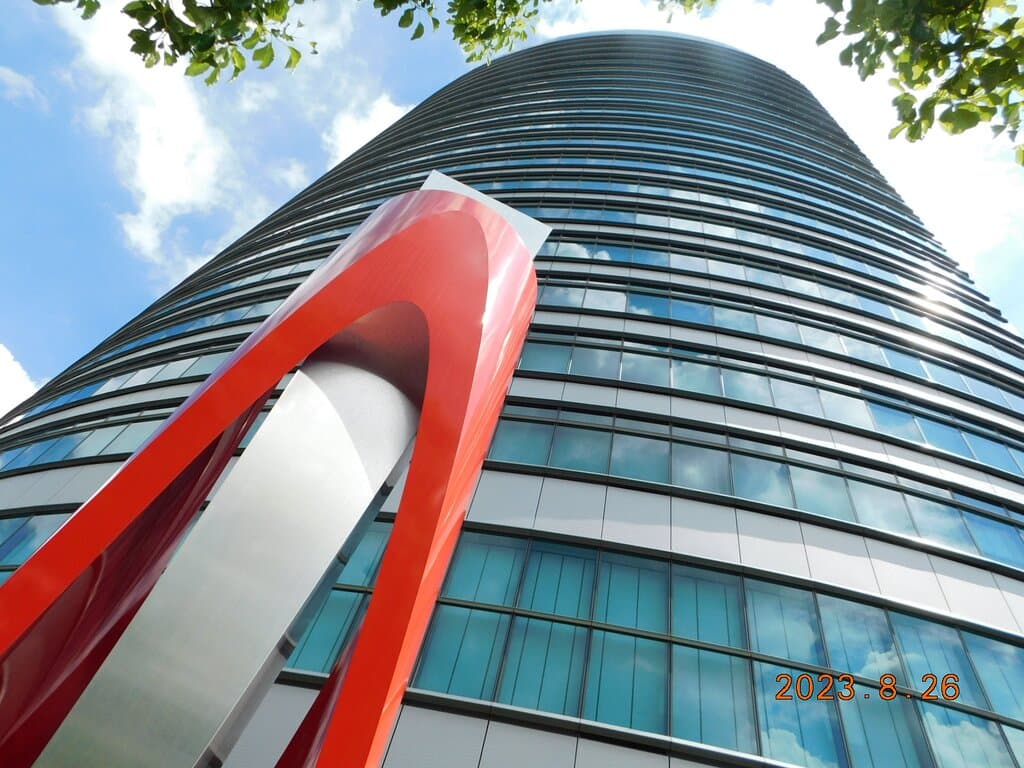
Printing Museum Tokyo
Discover the fascinating history and techniques of printing, from ancient methods to Ukiyo-e art, with hands-on workshops.
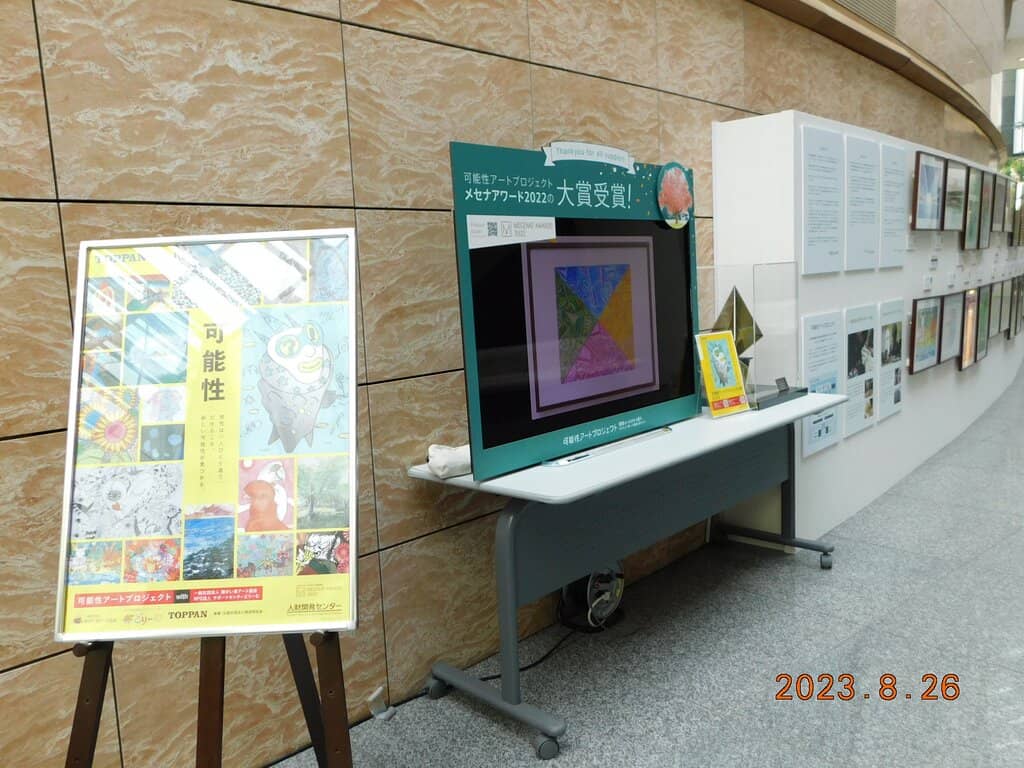
Highlights
Must-see attractions

Social
From TikTok & Reddit
Best Time
Fewer crowds, more peaceful exploration.
Printing Museum Tokyo
Best Time
Fewer crowds, more peaceful exploration.
Highlights
Must-see attractions
Discover the fascinating history and techniques of printing, from ancient methods to Ukiyo-e art, with hands-on workshops.
"A must-visit for understanding printing history, with engaging exhibits and fun workshops!"
🎯 Book Workshops Early
Hands-on printing workshops are popular! Book your spot in advance to guarantee participation.
⏰ Allow Plenty of Time
Don't rush! Exhibits are detailed; plan 2-3 hours to truly absorb the history.
Quick Facts
Hours
Rating
4.2 · 1,260 reviews
Type
Museum
Website
printing-museum.orgHighlights
Discover the most iconic attractions and experiences
Interactive Printing Workshops
Workshop Area
Create your own unique printed art or calendar, a memorable hands-on experience.
 +1
+1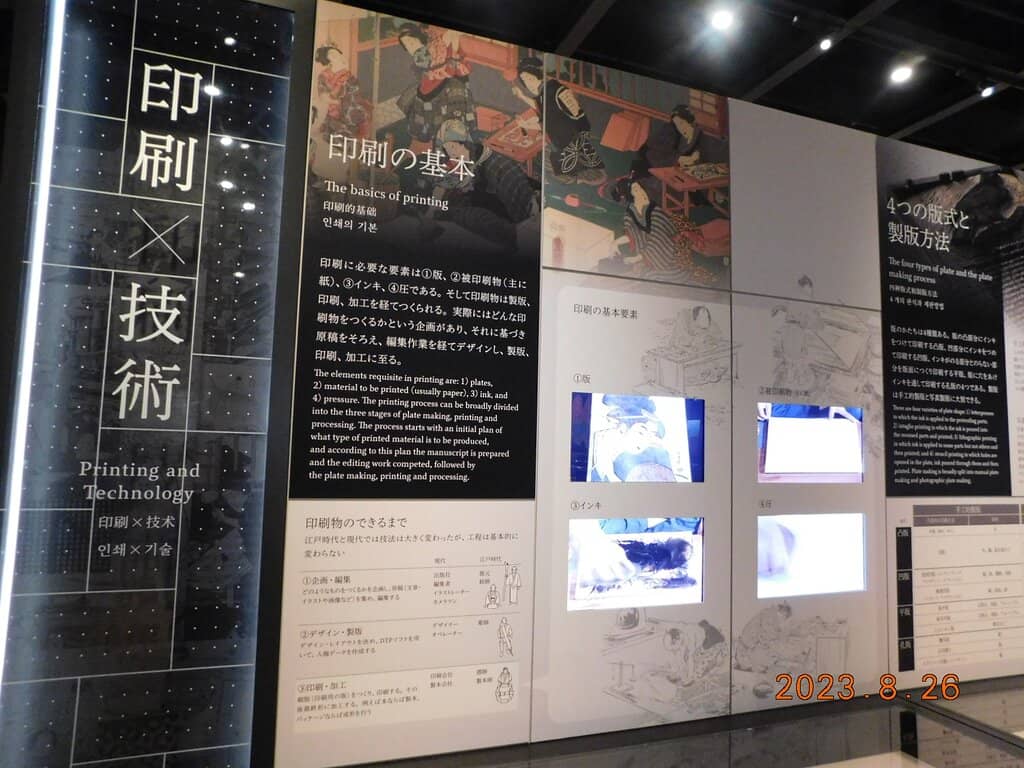
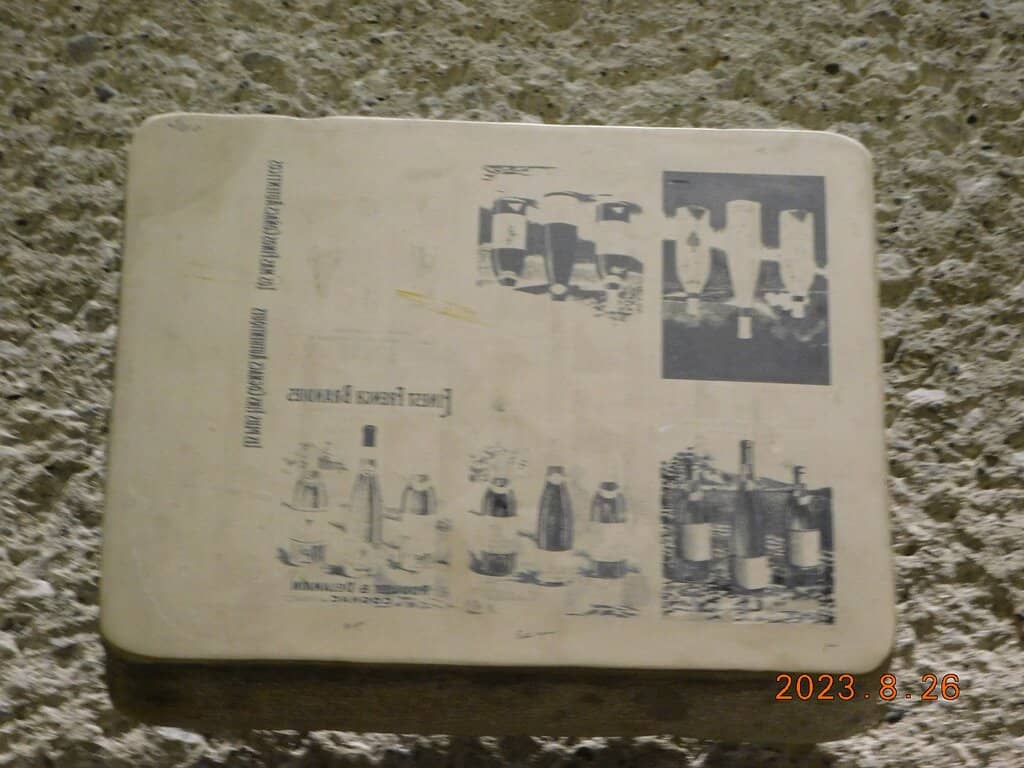
Dioramas of Printing History
Exhibition Halls
Detailed miniature scenes illustrating the evolution of printing techniques worldwide.
Ukiyo-e and Japanese Print History
Japanese Printing Section
Explore the rich heritage of Japanese woodblock prints and their impact.
Plans like a pro.
Thinks like you
Planning Your Visit
Book Your Printing Workshop
Allocate Ample Time
Best Times
Insider Tips
from TikTok, Instagram & Reddit
🎯 Book Workshops Early
Hands-on printing workshops are popular! Book your spot in advance to guarantee participation.
⏰ Allow Plenty of Time
Don't rush! Exhibits are detailed; plan 2-3 hours to truly absorb the history.
🗣️ English Subtitles Available
Most videos have English subtitles, making history accessible to international visitors.
🆓 Free Entry (Sometimes)
Entry can be free if no special events are happening. Check their schedule!
Tips
from all over the internet
🎯 Book Workshops Early
Hands-on printing workshops are popular! Book your spot in advance to guarantee participation.
⏰ Allow Plenty of Time
Don't rush! Exhibits are detailed; plan 2-3 hours to truly absorb the history.
🗣️ English Subtitles Available
Most videos have English subtitles, making history accessible to international visitors.
🆓 Free Entry (Sometimes)
Entry can be free if no special events are happening. Check their schedule!
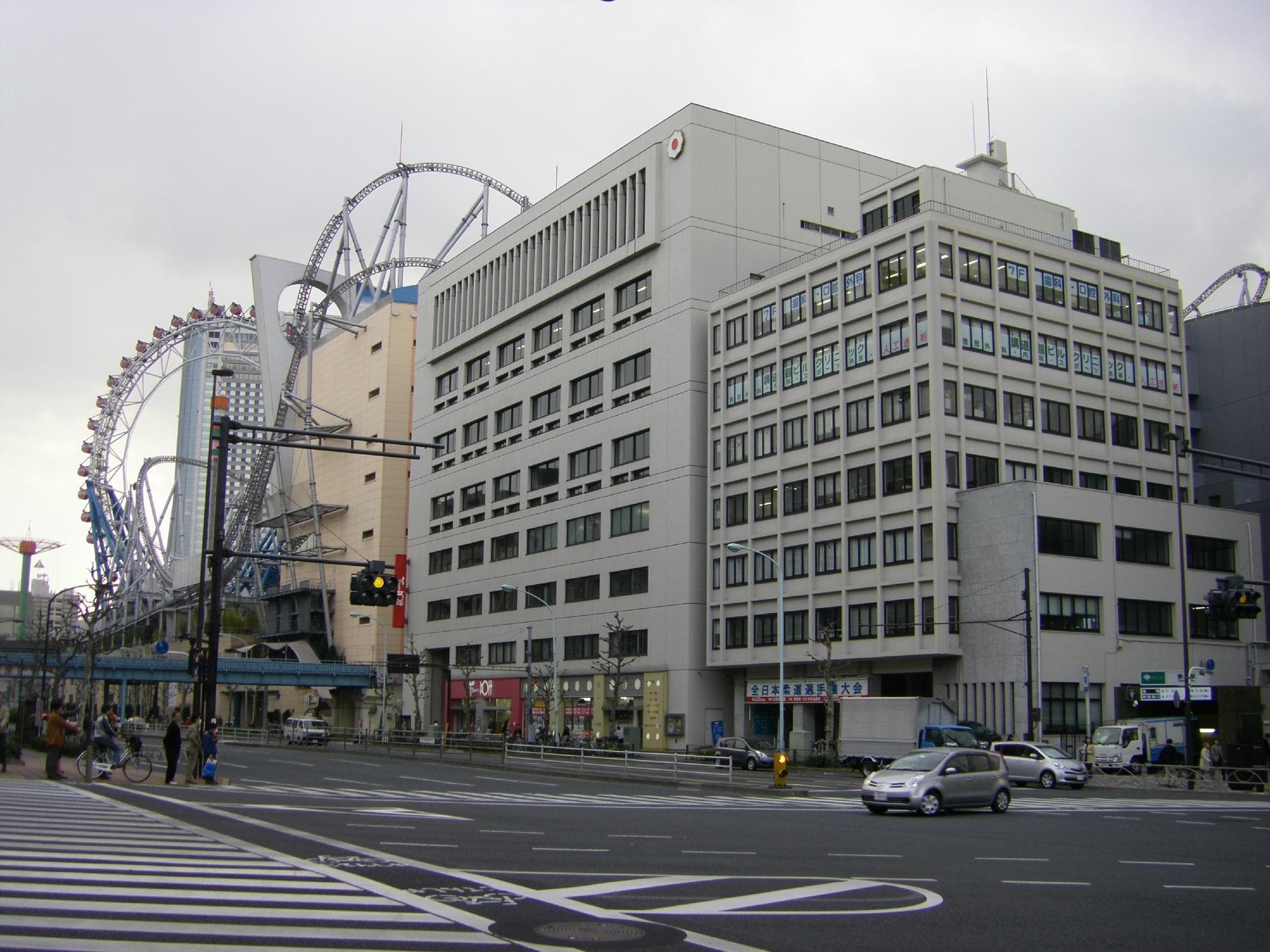
📍 Location in Bunkyo City
Located in Bunkyo City, it's a great addition to a day exploring this area.
What Travellers Say
Reviews Summary
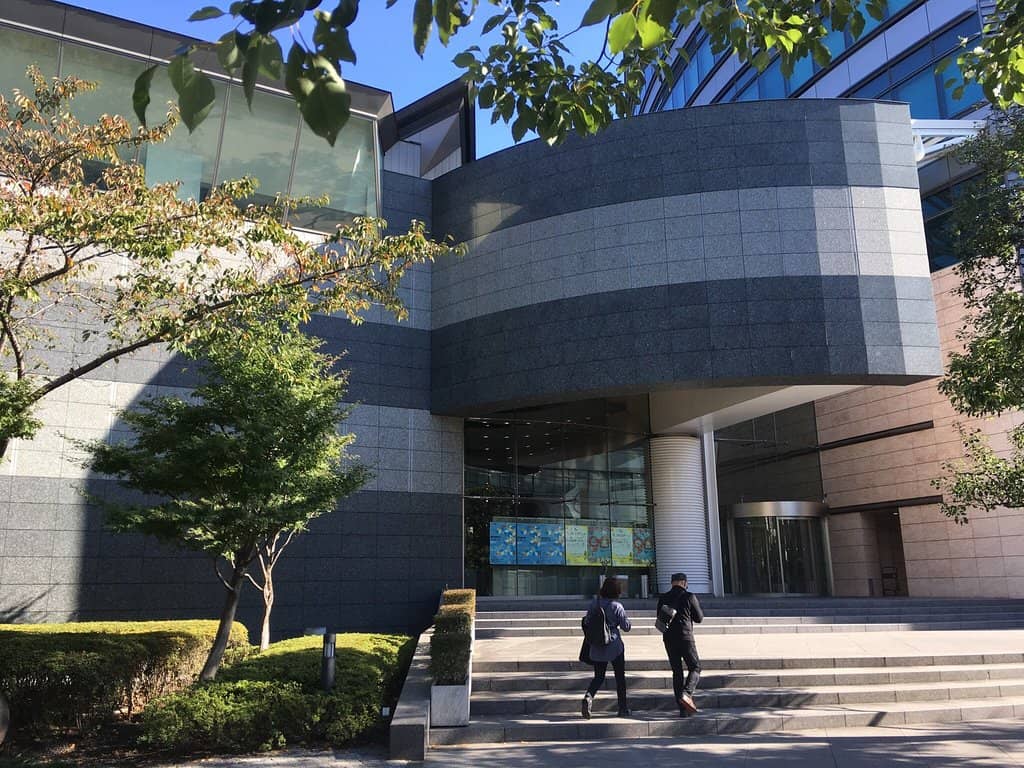
Visitors consistently praise the Printing Museum Tokyo for its engaging exhibits on the history and techniques of printing, particularly highlighting the interactive workshops and the well-maintained, clean environment. Many appreciate the detailed displays, including Ukiyo-e art and historical dioramas, and find the staff to be friendly and helpful. Some note that the museum can be surprisingly uncrowded, even on weekends, and that entry can sometimes be free.
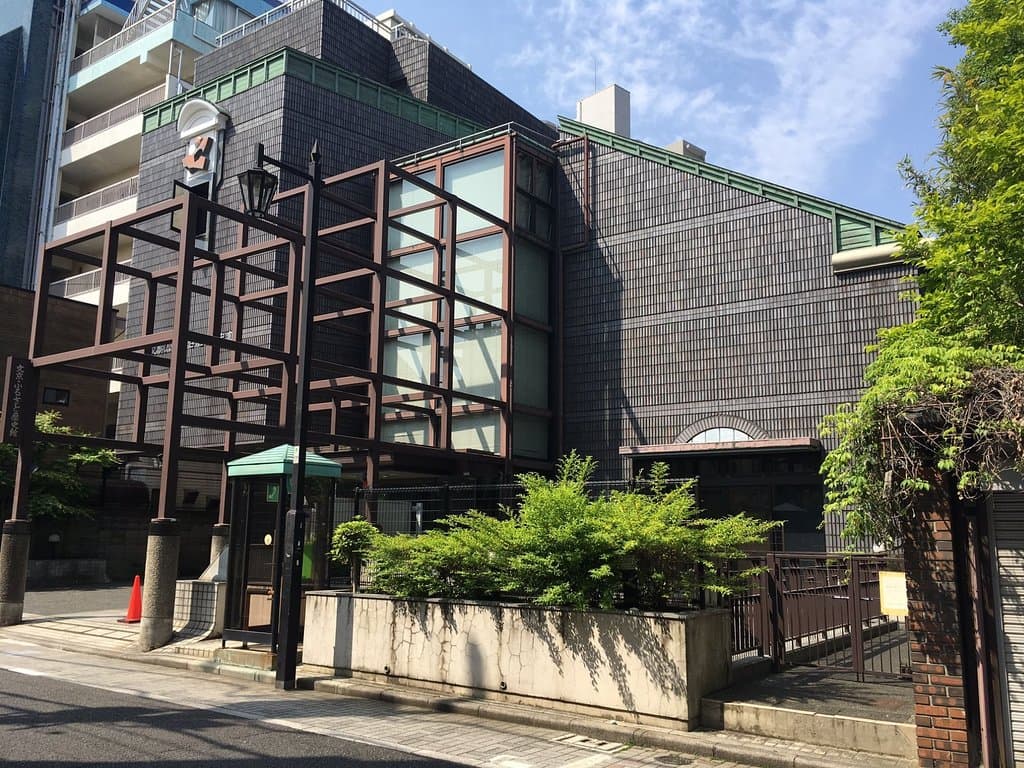
"Such a lovely museum inside the Toppan Building. The staffs here were nice too. I really enjoyed this museum. The place was clean & well maintained. The exhibits were very interesting. Enjoyed seeing the history & progress of printing. Enjoyed the free stamp area as well."
Aibi Y.
"This is a nice museum with extensive display of printing in Japan. The museum has s nice mix of interesting displays with explanations and history. There are optional tours that offer visitors a more intimate view of how type prints are made with a hands-on experience.
Highly recommend this museum but be sure to plan adequate time to go through and enjoy all the displays and information that the museum offers."
D C1
"I went there on Saturday but it was almost empty. There was no event at that time so I can only access 1/4 of the museum. So the entry was free.
They have printing and writing history from all over the world and a dedicated section for Japan's history as well.
Overall good vibe for a side quest on a holiday."
Saurabh Sutradhar
What People Like
What People Dislike
Frequently Asked Questions
🚇 🗺️ Getting There
The Printing Museum Tokyo is accessible via public transport. It's a short walk from Hongo-sanchome Station (Marunouchi and Oedo lines) or Korakuen Station (Marunouchi and Namboku lines).
Yes, it's located in Bunkyo City, an area with other points of interest. It's also relatively close to Tokyo University. +1
From Shinjuku, take the Marunouchi Line directly to Hongo-sanchome Station, which is a short walk from the museum.
Information on parking is not widely available, so using public transport is generally recommended for ease of access.
The Japan Rail Pass is valid for JR lines. The museum is best accessed via Tokyo Metro lines, so the JR Pass would not cover the final leg of your journey.
🎫 🎫 Tickets & Entry
Admission fees can vary. While some visitors report free entry when no special events are held, there is typically a fee for general admission and special exhibitions. It's best to check their official website for current pricing.
For general admission, booking in advance is usually not required, but it's always a good idea, especially for weekends or holidays. For specific workshops, advance booking is essential.
Opening hours can vary, but the museum is generally open from Tuesday to Sunday, with closing times typically around 5 PM. It is usually closed on Mondays. Always verify current hours on their official website.
Information on specific discounts is not widely publicized. It's advisable to inquire directly with the museum or check their official website for any available concessions.
The museum is not typically part of major museum pass programs. It's best to purchase tickets directly or check if any specific passes include this venue.
🎫 🧭 Onsite Experience
Don't miss the detailed dioramas showcasing printing history, the extensive collection of Ukiyo-e prints, and the interactive printing workshops where you can create your own souvenir.
Yes, optional tours are often available, offering a more in-depth look at printing techniques and history, sometimes including hands-on demonstrations.
Yes, the museum offers engaging exhibits and interactive workshops that can be enjoyable for children, especially those interested in art and history.
Photography policies can vary by exhibit. Generally, non-flash photography is permitted in most areas, but it's always best to check for specific signage or ask staff.
To fully appreciate the exhibits and potentially participate in a workshop, plan for at least 2 to 3 hours.
📸 📸 Photography
Photography rules can differ for specific exhibits. Generally, non-flash photography is permitted in most areas, but always look for signs or ask museum staff for clarification.
The detailed dioramas offer unique photographic opportunities, as do the displays of Ukiyo-e prints. The workshop area can also provide interesting shots of the printing process.
Tripods are typically not allowed in museum spaces to avoid obstructing other visitors and to protect exhibits. It's best to rely on handheld shots or a monopod if permitted.
Drone usage is generally prohibited in urban areas and near public buildings in Tokyo due to safety and privacy regulations. This would apply to the vicinity of the museum as well.
A versatile lens like a 24-70mm or a prime lens (e.g., 35mm or 50mm) would be suitable for capturing both wider exhibit shots and details. Good low-light performance is helpful.



Social
from TikTok, Instagram & Reddit