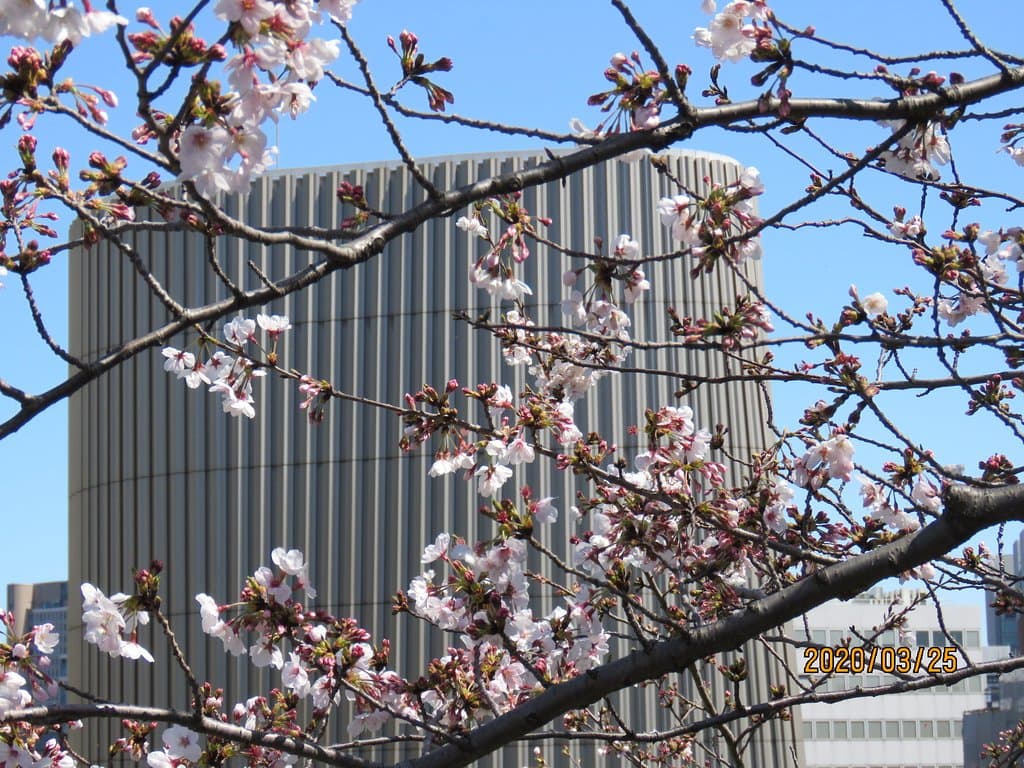
Showa-Kan National Showa Memorial Museum
A poignant museum showcasing daily life in Japan during and after WWII, offering a unique Japanese perspective on history.

Highlights
Must-see attractions

Social
From TikTok & Reddit
Best Time
Fewer crowds, more reflective time
Showa-Kan National Showa Memorial Museum
Best Time
Fewer crowds, more reflective time
Highlights
Must-see attractions
A poignant museum showcasing daily life in Japan during and after WWII, offering a unique Japanese perspective on history.
"A very cool museum with tons of cool retro artifacts and posters on display. Well organized and informative."
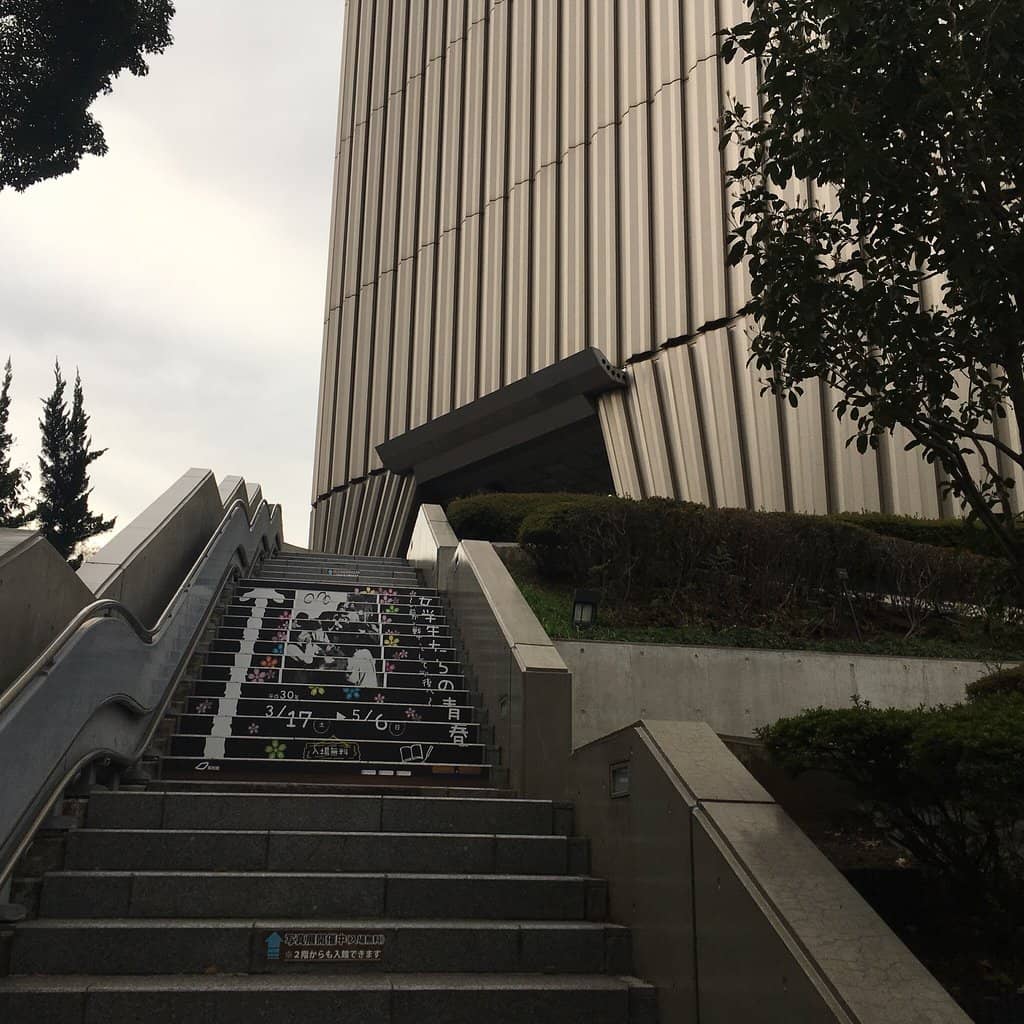
🎯 Download the Pocket Curator App
Essential for English translations of exhibits. Makes the museum accessible and informative! :iphone:
⏳ Allow 1.5-2 Hours
There's a lot to see on the 6th and 7th floors. Plan your visit accordingly to absorb the history. :clock1:
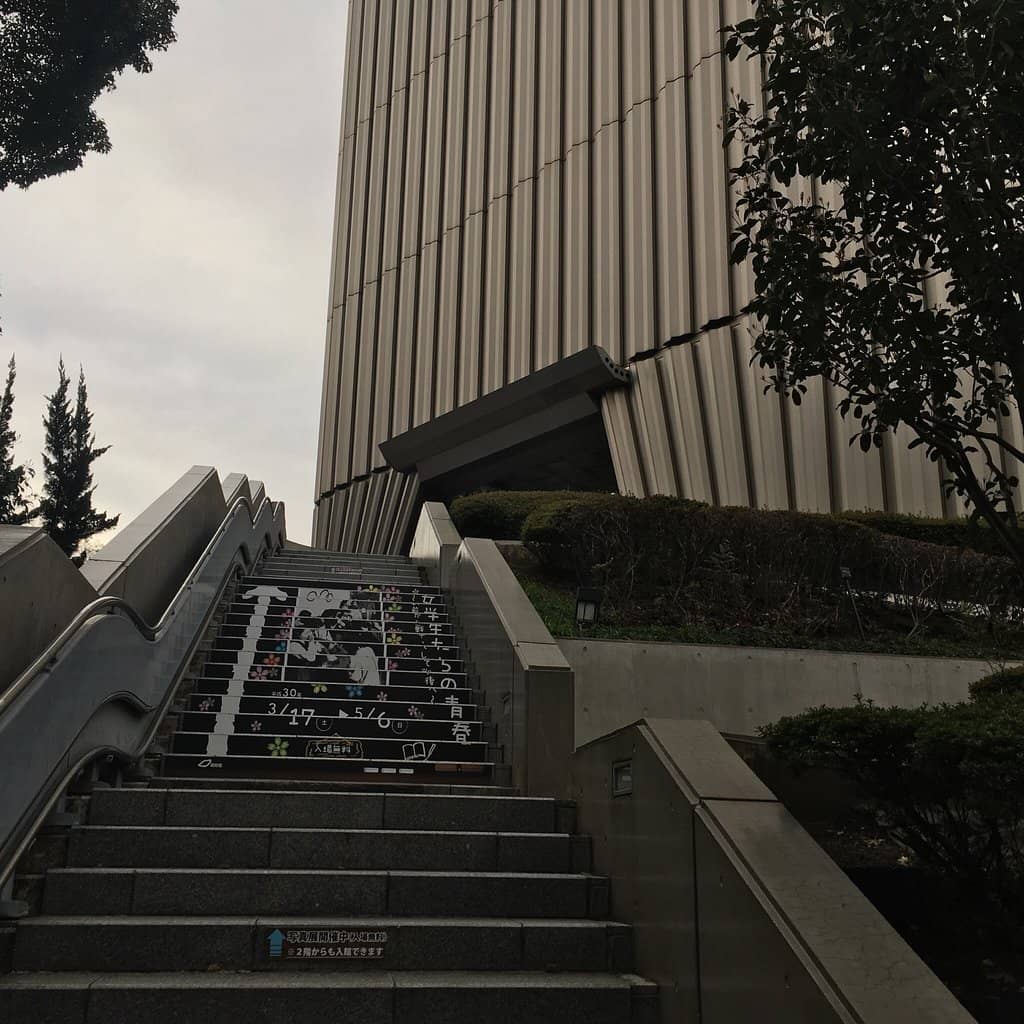
Quick Facts
Hours
Rating
4 · 1,306 reviews
Type
Museum
Highlights
Discover the most iconic attractions and experiences
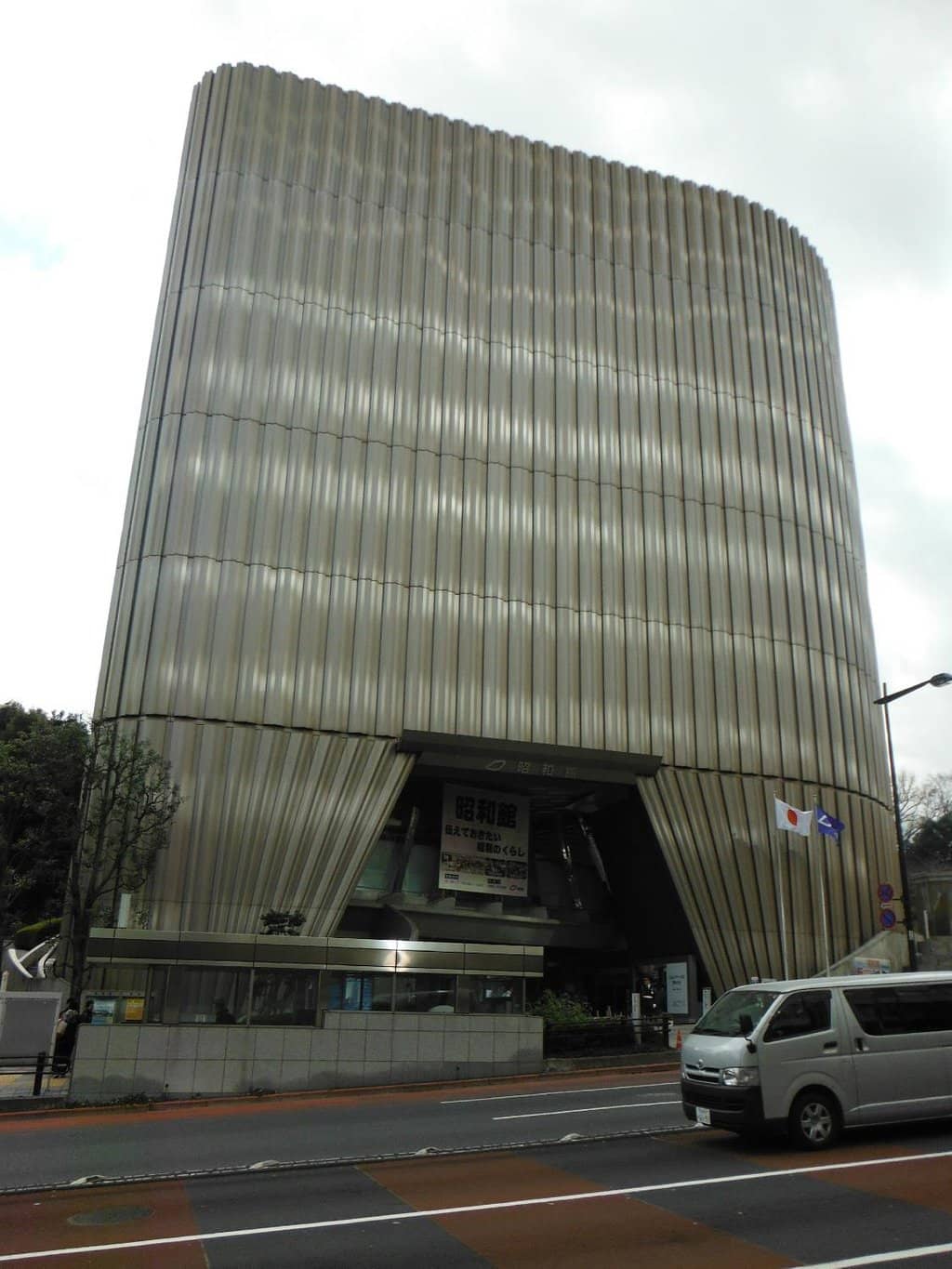
Everyday Life Artifacts
Exhibition Floors
Discover a vast collection of retro artifacts, posters, and items illustrating daily Japanese life before, during, and after WWII.
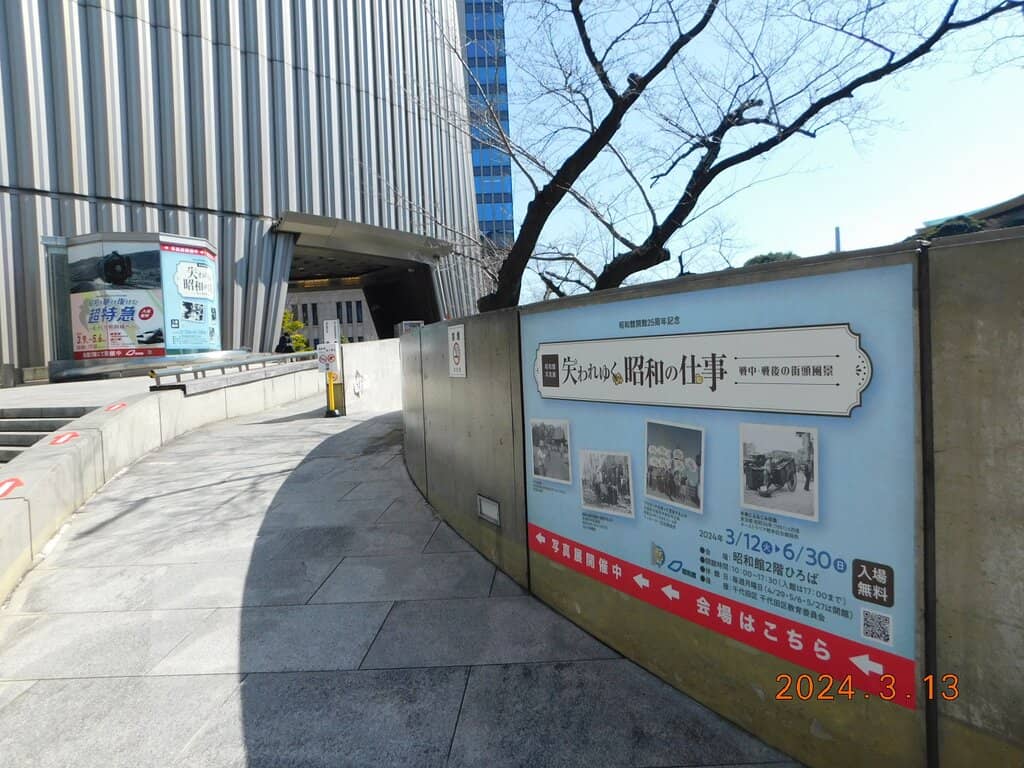
Archived Footage Library
Library
Access an interactive library with computers to watch historical footage, offering a deeper dive into the Showa period.
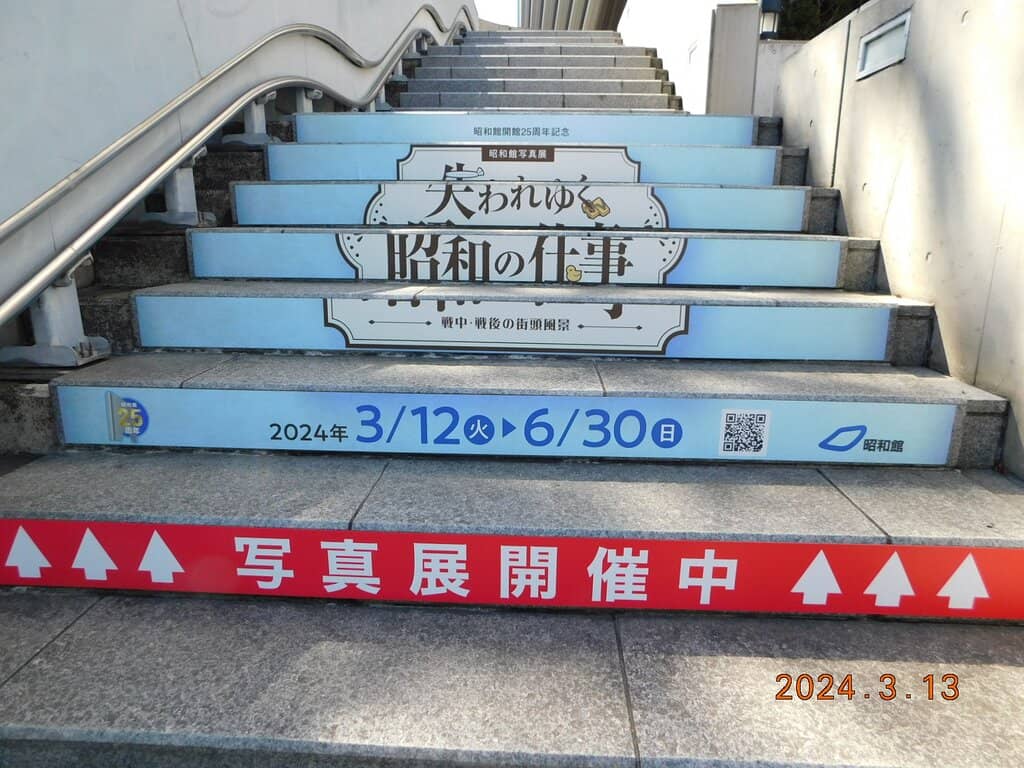
WWII History Exhibits
Exhibition Floors
Gain insights into the war from a Japanese perspective, including details on soldiers' sacrifices and post-war recovery efforts.
Plans like a pro.
Thinks like you
Planning Your Visit
Download the Pocket Curator App
Prepare for a Japanese Perspective
Best Times
Insider Tips
from TikTok, Instagram & Reddit
🎯 Download the Pocket Curator App
Essential for English translations of exhibits. Makes the museum accessible and informative! :iphone:
⏳ Allow 1.5-2 Hours
There's a lot to see on the 6th and 7th floors. Plan your visit accordingly to absorb the history. :clock1:
📸 No Photos Allowed
Photography is generally forbidden, likely due to copyright on historical images. Respect the rules. :noentrysign:
💰 Affordable Admission
The entrance fee is very reasonable, making it a great value for the historical insights provided. 💴
Tips
from all over the internet
🎯 Download the Pocket Curator App
Essential for English translations of exhibits. Makes the museum accessible and informative! :iphone:
⏳ Allow 1.5-2 Hours
There's a lot to see on the 6th and 7th floors. Plan your visit accordingly to absorb the history. :clock1:
📸 No Photos Allowed
Photography is generally forbidden, likely due to copyright on historical images. Respect the rules. :noentrysign:
💰 Affordable Admission
The entrance fee is very reasonable, making it a great value for the historical insights provided. 💴
🤔 Understand the Perspective
The museum presents a Japanese viewpoint on WWII. Be open to learning about their experiences and national narrative. :world_map:
What Travellers Say
Reviews Summary
Visitors praise the Showa-Kan National Showa Memorial Museum for its honest portrayal of daily life during the Showa period and its extensive collection of retro artifacts. The affordable admission and the informative library with archived footage are highlights. However, the lack of English signage and the prohibition of photography are noted drawbacks, with some also discussing the museum's specific historical narrative.
"Great, honest history museum focusing on the lives of ordinary people throughout the Showa period. Effective library with computers for watching archived footage."
K B
"Download the museum app Pocket Curator before you come. It has the major display translated to a language of your choice.
Very cool museum. Small but there are a ton of cool retro artifacts and posters on display. Well organized and informative."
Shawna Gao
"Spend 1.5 hrs on the 6th and 7th floors. The fee is 400yen. Most signage is Japanese, but google translate and photos made exhibits comprehensive. Great place for WW2 history buffs.
I was struck at how the Japanese people suffered before and after the war (as aggressors). Sad. I learned about the war from a Japanese perspective.
The announcement to the Japanese people from the imperial government surprised me. “It was certainly not our intention to eliminate the sovereignty of other countries…” Wow. To say that after years of occupying other Asian countries? Interesting denial of facts. (My grandparents were imprisoned and their property stolen, but hey - the imperial government denied it. Then, the government withdrew pension payments to Japanese widows too!) Wow.
Today’s Japan is really amazing considering the war devastation and loss. Time healed a lot of wounds. ❤️ Peace is always a better solution. People suffer consequences of big government."
Kimi & Lucy
What People Like
What People Dislike
Frequently Asked Questions
🚇 🗺️ Getting There
The museum is conveniently located within walking distance of several stations in Akihabara. It's often mentioned in conjunction with exploring the Akihabara area, suggesting it's easily accessible by public transport.
Yes, the museum is situated in the Akihabara district, known for its electronics and anime culture. This makes it easy to combine a visit with exploring other nearby shops and attractions.
The museum is accessible via Tokyo's extensive train network. Stations like Akihabara Station are well-connected and within a short walk of the museum.
🎫 🎫 Tickets & Entry
The admission fee is very affordable, often cited as around 400 yen. This makes it an accessible historical experience for most visitors.
There's no mention of needing to book tickets in advance. Typically, for museums of this size and nature, you can purchase tickets upon arrival.
Information on specific discounts is not widely available, but the general admission price is very low, making it a budget-friendly option.
While specific hours can vary, the museum is generally open during daytime hours on weekdays. It's advisable to check the official website for the most current opening times.
The Japan Rail Pass covers JR train lines. The museum itself is not a train line, but you can use your JR Pass to get to nearby stations like Akihabara.
🎫 🧭 Onsite Experience
Absolutely! It's highly recommended for WWII history buffs and anyone interested in the daily lives of Japanese people during the Showa period.
Download the 'Pocket Curator' app before your visit. It provides translations for the major displays and is crucial for understanding the exhibits.
No, photography is generally prohibited inside the museum, likely due to copyright restrictions on the historical photographs and materials displayed.
Most visitors spend around 1.5 to 2 hours exploring the 6th and 7th floors, which house the main exhibits.
You'll find a wide array of retro artifacts, posters, household items, and personal belongings that vividly illustrate everyday life in Japan during the Showa era.
🍽️ 🍽️ Food & Dining
The museum itself does not appear to have an on-site restaurant. However, being in Akihabara, there are numerous dining options nearby.
Akihabara offers a vast selection of eateries, from casual ramen shops and cafes to themed restaurants and fast food. You'll find plenty of choices within walking distance.
It's generally not recommended to bring outside food and drinks into museums. It's best to consume them before entering or after your visit.
📸 📸 Photography
Photography is strictly prohibited inside the museum. This is a common rule for many museums to protect copyrighted materials and preserve artifacts.
The primary reason cited is copyright on the presented photographs, many of which may belong to external sources like American archives.
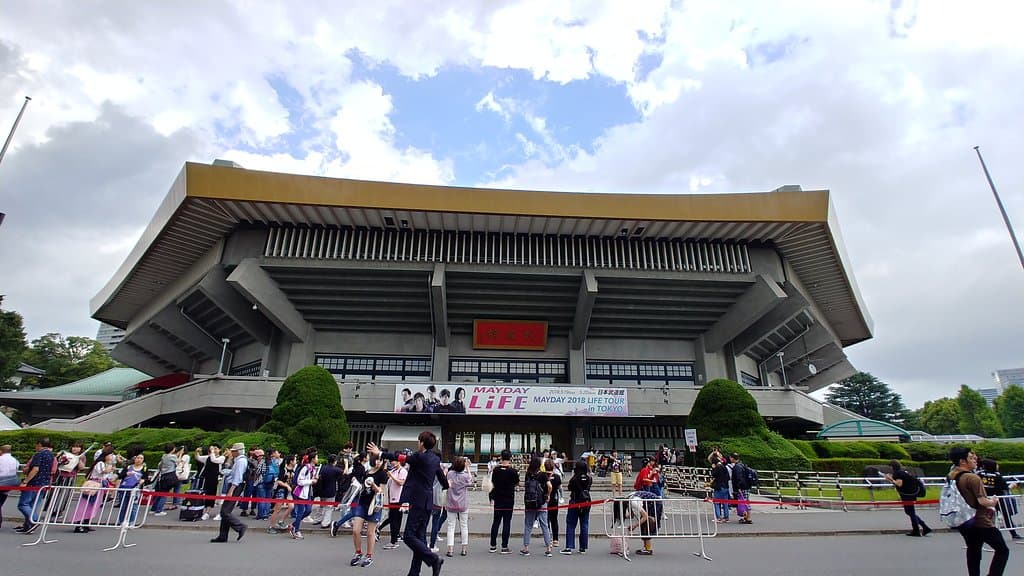
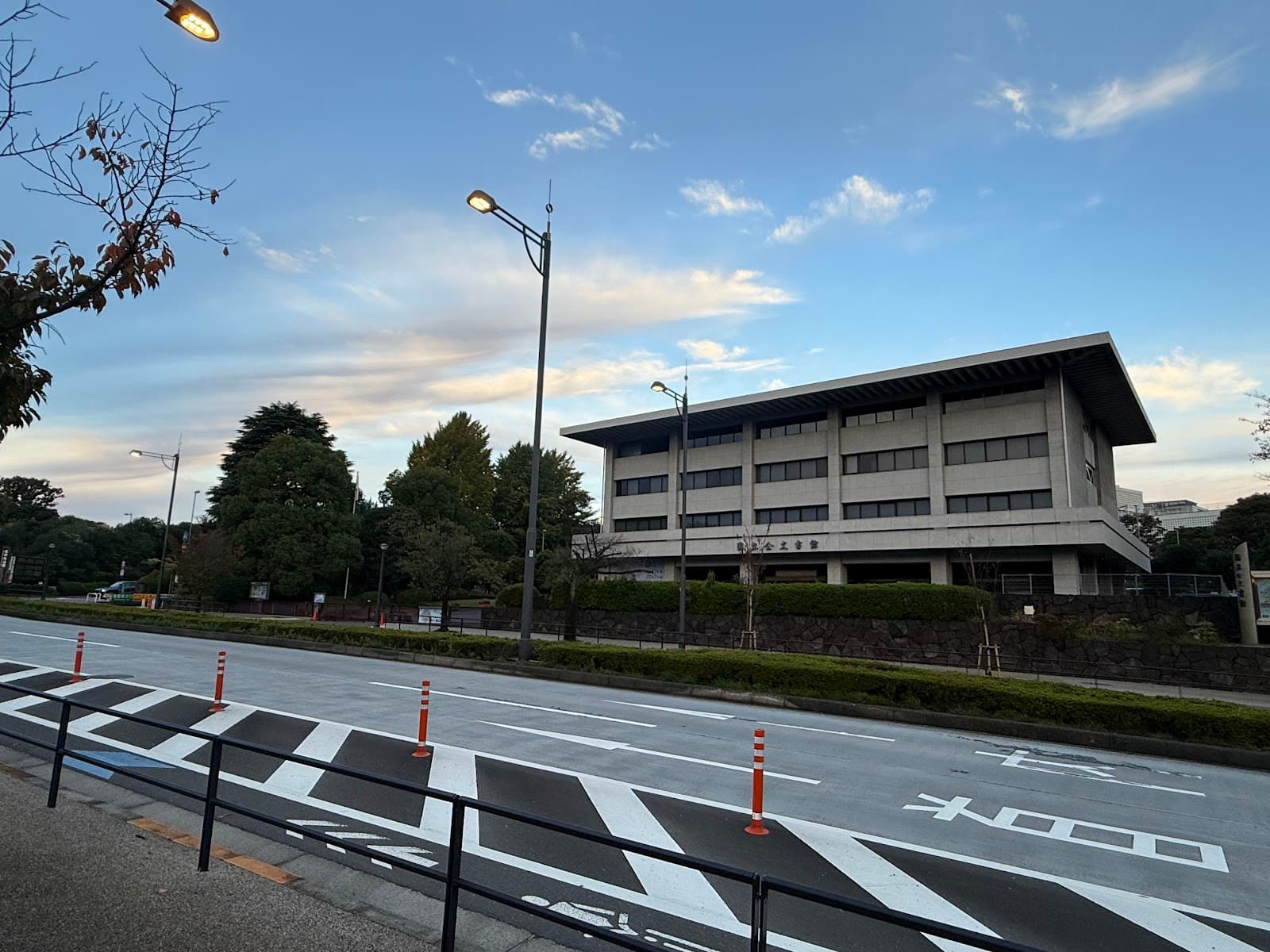
Typically, no areas within the exhibition spaces permit photography. You might be able to take photos of the museum's exterior or the surrounding Akihabara area.




Social
from TikTok, Instagram & Reddit