The National Museum of Modern Art Tokyo
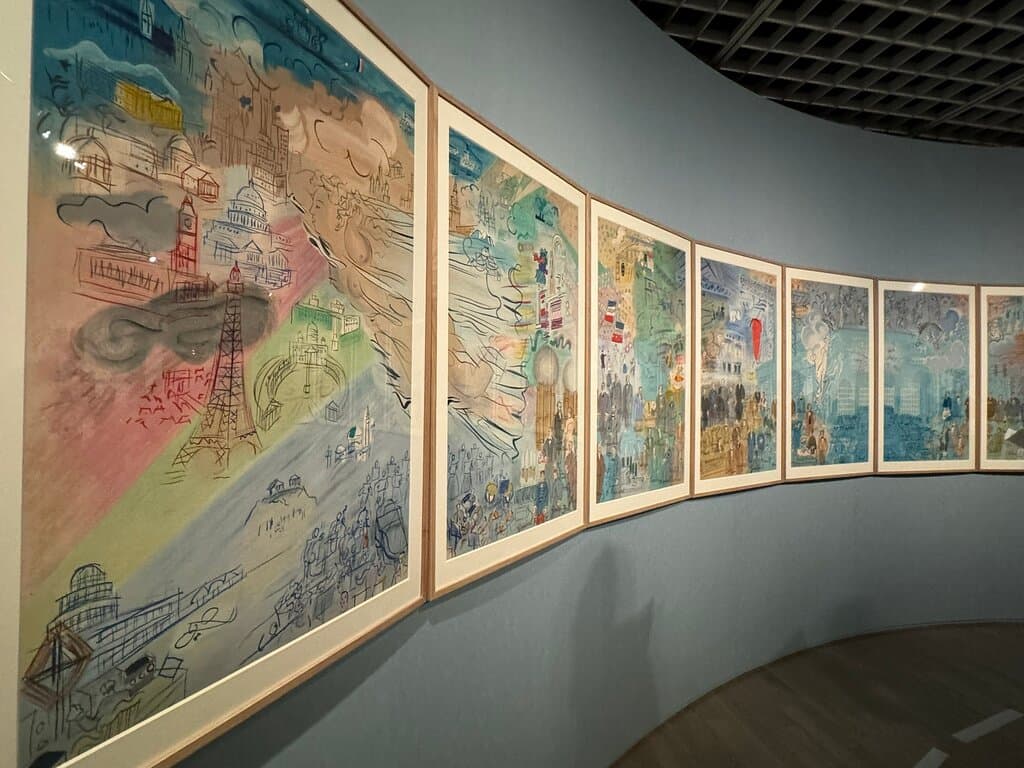
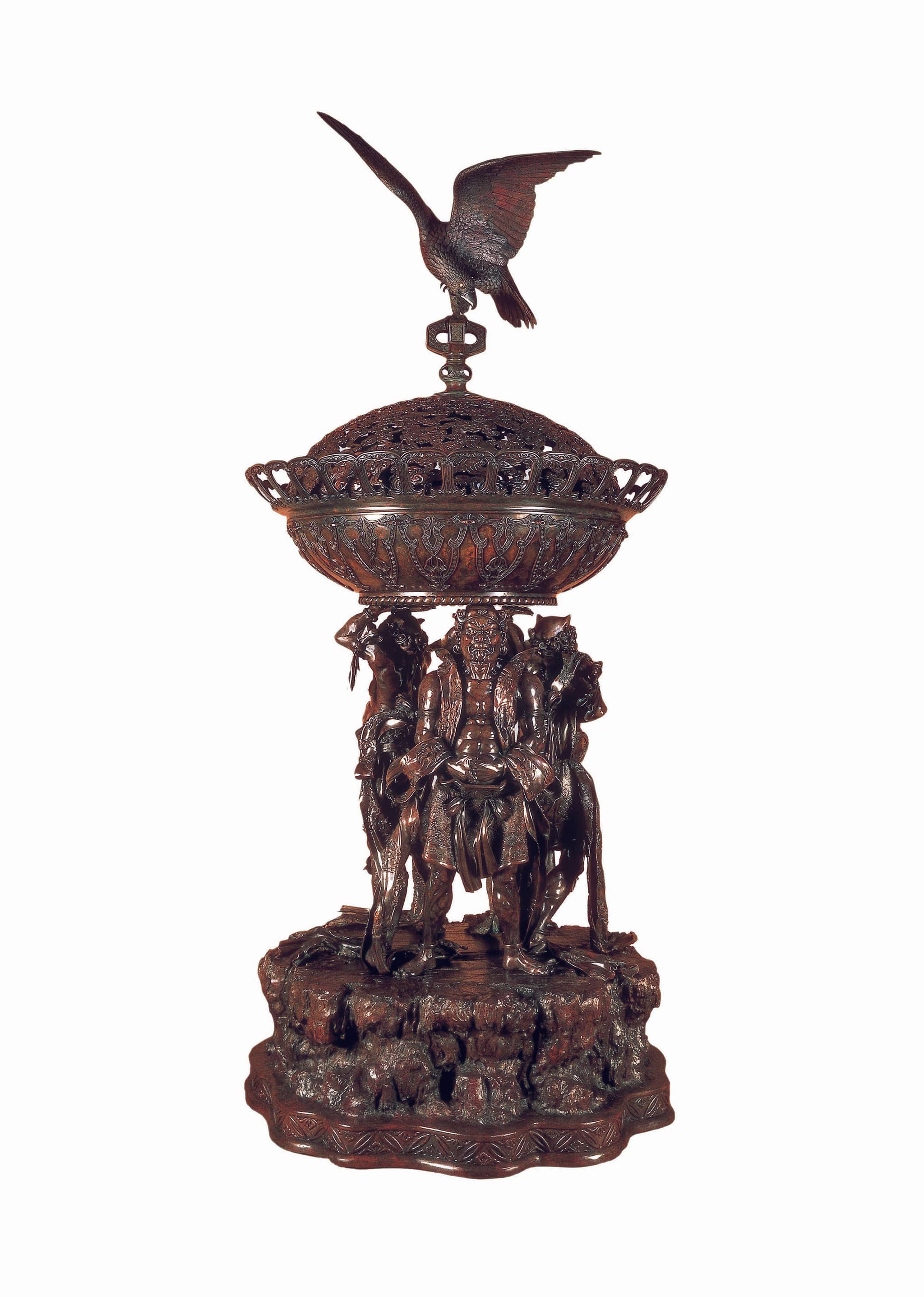
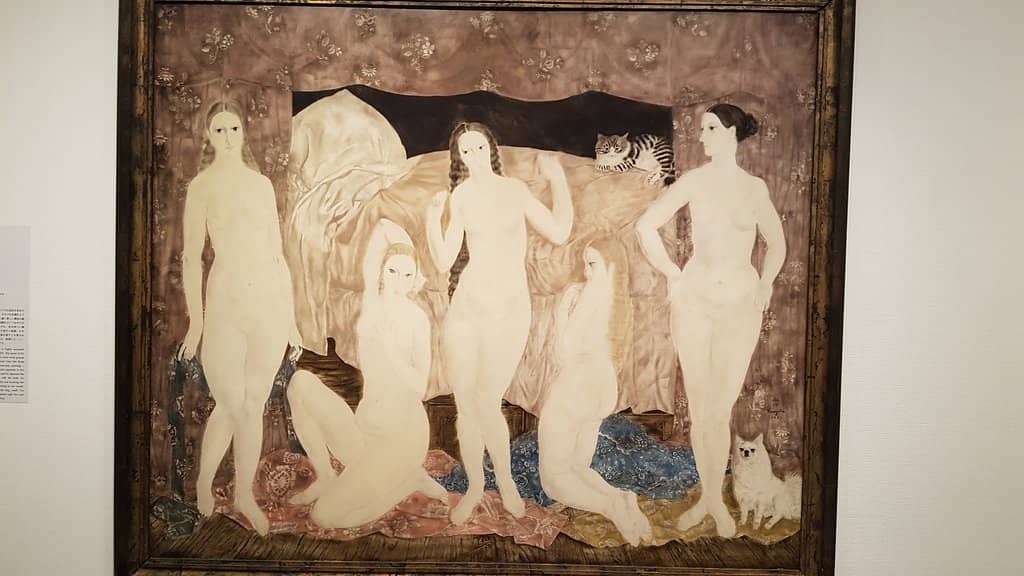
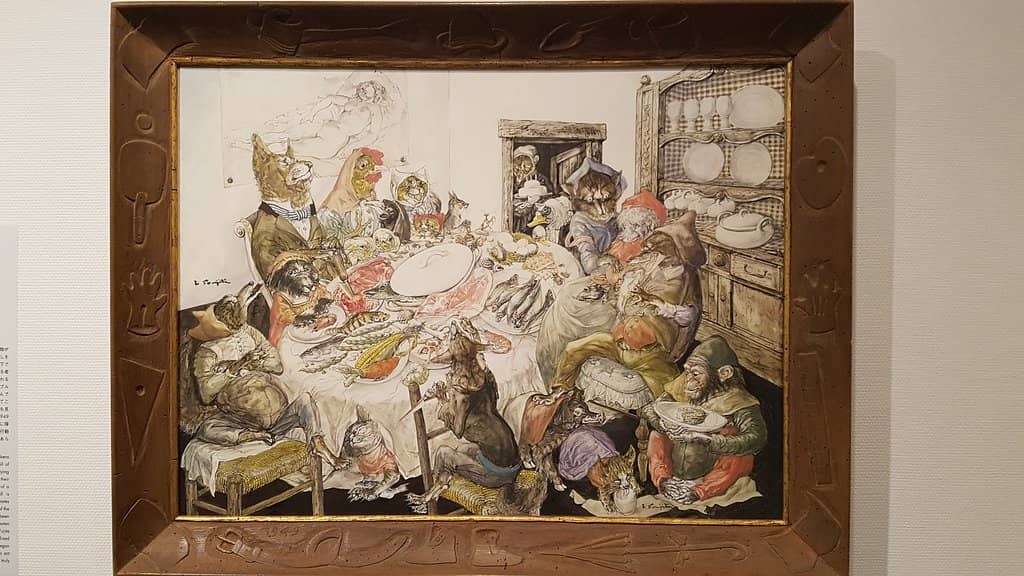
Explore centuries of Japanese art, from Meiji-era masterpieces to cutting-edge contemporary works, in a stunning modern setting.
Highlights
Must-see attractions

Social
From TikTok & Reddit
Best Time
Fewer crowds, extended hours
The National Museum of Modern Art Tokyo
Best Time
Fewer crowds, extended hours
Highlights
Must-see attractions
Explore centuries of Japanese art, from Meiji-era masterpieces to cutting-edge contemporary works, in a stunning modern setting.
"A must-visit for art lovers, showcasing the dynamic evolution of Japanese creativity."
🎟️ Buy Tickets On Arrival
Skip online booking hassles; walk-up tickets are usually available with minimal wait.
📱 Download the Museum App
Enhance your visit with Bluetooth info on exhibits and areas.
Quick Facts
Hours
Rating
4.3 · 7,768 reviews
Type
Art museum
Highlights
Discover the most iconic attractions and experiences
Meiji Period Masterpieces
Permanent Collection
Explore the evolution of Japanese art from the 1868 Meiji Restoration to the present day.
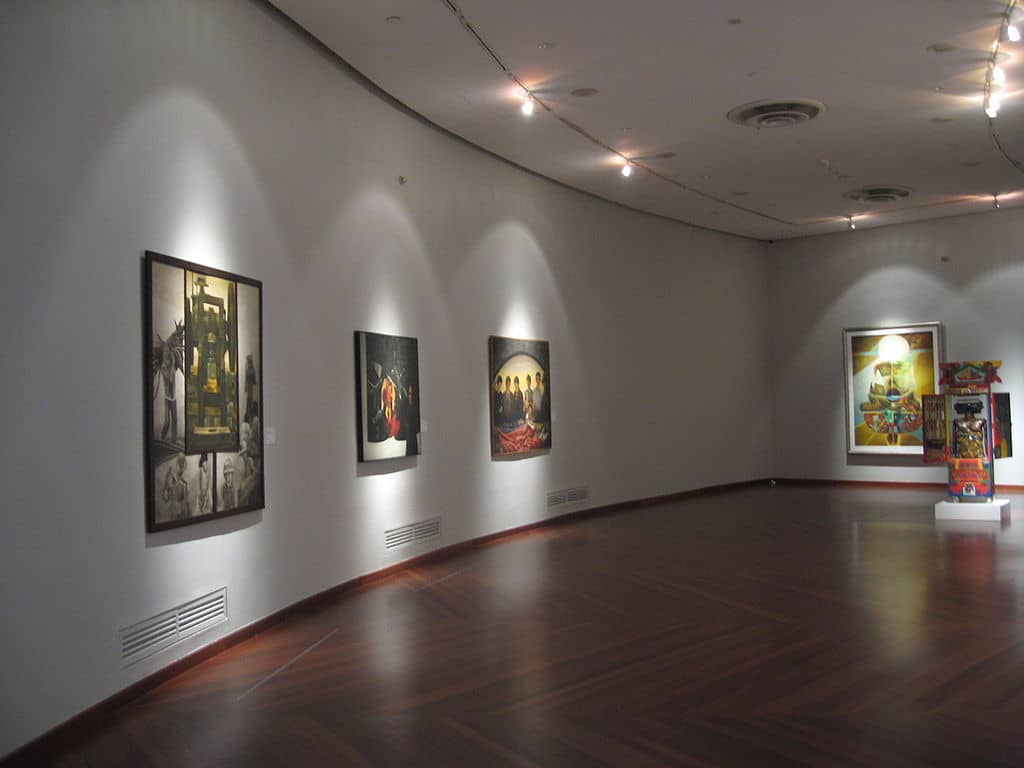
Avant-Garde Japanese Art
Special Exhibitions
Discover bold and innovative works by influential Japanese artists like Yamada Masaaki.
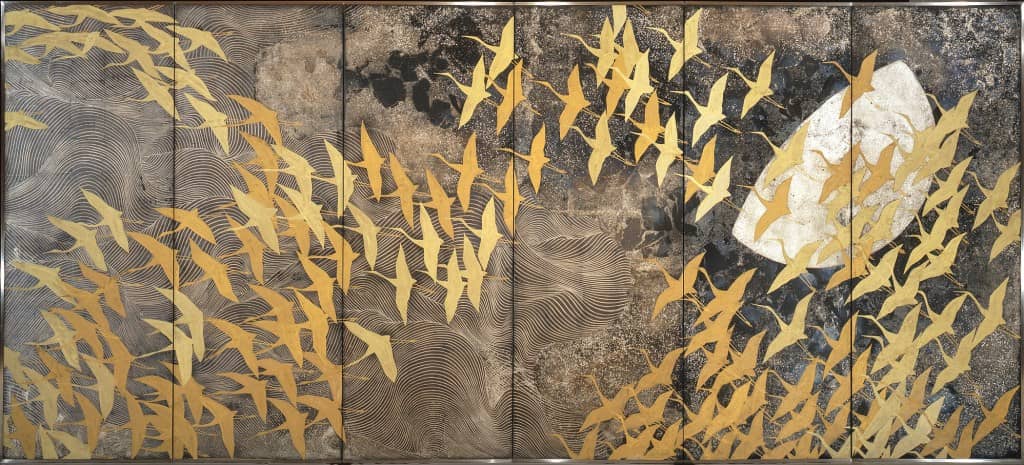
Abstract Explorations
Permanent Collection
Admire the striking geometric forms and bold lines in works by artists like Saito Yoshishige.
Plans like a pro.
Thinks like you
Planning Your Visit
Tickets & Entry: Skip the Online Hassle
Navigating the Collections
Best Times
Insider Tips
from TikTok, Instagram & Reddit
🎟️ Buy Tickets On Arrival
Skip online booking hassles; walk-up tickets are usually available with minimal wait.
📱 Download the Museum App
Enhance your visit with Bluetooth info on exhibits and areas.
🚶♀️ Focus on Highlights
See what interests you most; you don't need to see every exhibit.
🖼️ Explore Diverse Art Forms
From traditional paintings to modern installations, there's something for everyone.
Tips
from all over the internet
🎟️ Buy Tickets On Arrival
Skip online booking hassles; walk-up tickets are usually available with minimal wait.
📱 Download the Museum App
Enhance your visit with Bluetooth info on exhibits and areas.
🚶♀️ Focus on Highlights
See what interests you most; you don't need to see every exhibit.
🖼️ Explore Diverse Art Forms
From traditional paintings to modern installations, there's something for everyone.
☕ Relax at the Cafe
Enjoy a break with a view at the museum's restaurant.
What Travellers Say
Reviews Summary
Visitors praise The National Museum of Modern Art Tokyo for its comprehensive collection of Japanese art from the Meiji period onwards and its engaging special exhibitions. The museum's modern architecture and convenient location are also frequently highlighted. Some visitors note that seeing the entire collection can be time-consuming, and photography restrictions in special exhibitions can be a minor drawback.
"The exhibitions were thoughtfully arranged and showcased a wide range of Japanese modern and contemporary art. It gave me a deeper appreciation for the evolution of art in Japan. The museum is spacious, quiet, and very well maintained."
Linda
"An eye-opening experience to witness history from the world of art, with a nice selection of gifts from the souvenir shop too. A nice place to reflect upon history and one self through art in tranquility."
Dylan Danny
"Absolutely lovely (and big!) museum with a wide variety of exhibitions. The shop stocked some delightful items. Would highly recommend. You can get a coffee in the cute truck outside. Thank you!"
Josefine Danielsson
What People Like
What People Dislike
Frequently Asked Questions
🚇 🗺️ Getting There
The museum is easily accessible via public transport. Take the Tokyo Metro Chiyoda Line to Nogizaka Station (Exit 5) or the Chiyoda, Tozai, or Hanzomon Line to Otemachi Station (Exit C2). It's also a short walk from JR Yotsuya Station.
While there isn't dedicated visitor parking, several public parking lots are available in the vicinity. It's generally recommended to use public transportation due to convenience and potential parking costs.
Yes, taxis are a convenient option. Simply provide the driver with the museum's name in Japanese (東京国立近代美術館) or its address.
MOMAT is located in the Roppongi area, close to other cultural institutions like the National Art Center, Tokyo, and the Mori Art Museum, making it easy to plan a day of art exploration.
From Shinjuku Station, take the Tokyo Metro Marunouchi Line to Otemachi Station, then transfer to the Chiyoda Line towards Yoyogi-Uehara and alight at Nogizaka Station.
🎫 🎫 Tickets & Entry
While advance online booking is an option, many visitors successfully purchase same-day tickets at the museum's entrance. This can be a simpler approach, especially if you encounter issues with Japanese phone numbers for online purchases.
Admission fees vary depending on the exhibition. General admission for the permanent collection is typically around 500-600 JPY, while special exhibitions may cost more. Check the official website for current pricing.
The museum does not typically offer free admission days. However, some special events or collaborations might have unique entry conditions. It's best to check their official announcements.
The museum is generally open from 10:00 AM to 5:00 PM, with the last admission at 4:30 PM. On Fridays, it often stays open until 8:00 PM. Always verify current hours on their website before your visit.
The Japan Rail Pass is for train travel and does not cover admission to museums or attractions. You will need to purchase separate tickets for MOMAT.
🎫 🖼️ Onsite Experience
MOMAT primarily showcases Japanese art created since the Meiji period (1868). This includes paintings, sculptures, prints, photography, and contemporary installations, reflecting the nation's artistic evolution. 
Yes, the museum offers a variety of exhibits that can engage children. The app's Bluetooth tracker can provide interactive information, and some special exhibitions might have family-friendly elements.
While official English guided tours might be limited, the museum often provides English audio guides for its permanent collection and major exhibitions. Check at the information desk upon arrival.
Photography is generally permitted in the permanent collection galleries for personal use, but without flash. However, special exhibitions often have restrictions, so always look for signage.
A visit to the permanent collection can take 1-2 hours. If you plan to explore special exhibitions thoroughly, you might spend 3-4 hours or even half a day.
🍽️ 🍽️ Food & Dining
Yes, MOMAT has a restaurant and a cafe offering various food and beverage options. It's a convenient place to take a break and enjoy a meal or a snack during your visit.
The cafe typically offers light meals, snacks, and beverages. The restaurant might provide a more substantial dining experience, often with views of the surrounding area.
The Nogizaka and Roppongi areas surrounding the museum are filled with diverse dining options, from casual eateries to upscale restaurants, catering to various tastes and budgets.
Outside food and drinks are generally not permitted inside the museum galleries. It's best to consume your own food in designated areas outside the exhibition spaces or at the museum's cafe/restaurant.
Absolutely. The museum cafe is ideal for a quick coffee or tea break while you're exploring the art collections.
📸 📸 Photography
Photography for personal use is usually allowed in the permanent collection galleries, but without flash. Special exhibitions often have stricter rules, so always check for signage.
Tripods and selfie sticks are generally not permitted inside the museum to ensure the safety of artworks and the comfort of other visitors.
The architecture of the museum itself can be quite photogenic. Look for interesting angles in the galleries, especially where natural light plays a role. Some artworks also lend themselves to striking compositions.
Yes, the exterior of The National Museum of Modern Art Tokyo is generally fine for photography. It's a modern building that can make for interesting shots.
While specific popular artworks can change with exhibitions, look for pieces with strong visual elements, unique textures, or vibrant colors that stand out.


Social
from TikTok, Instagram & Reddit