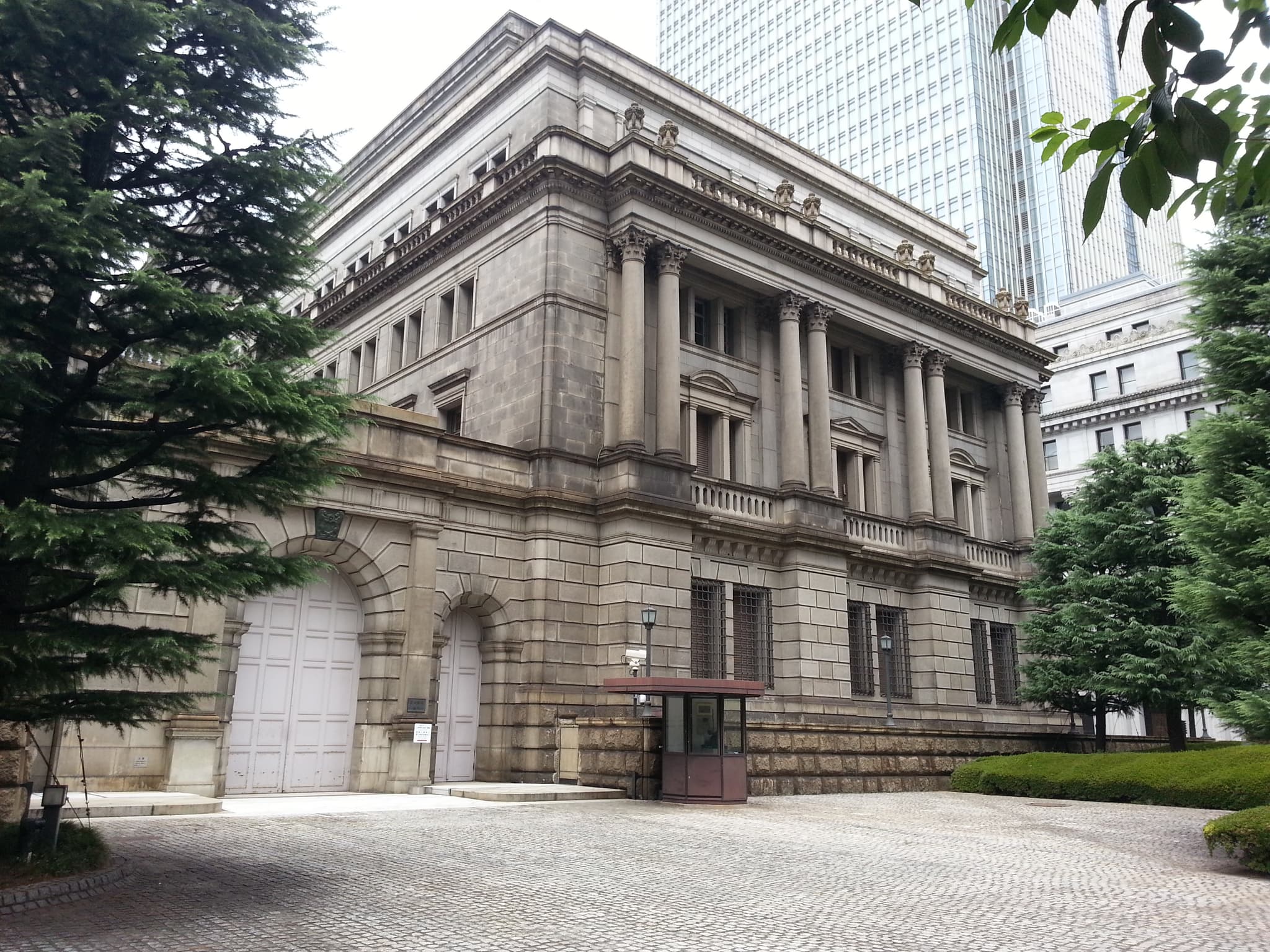
Currency Museum of the Bank of Japan Tokyo
Explore Japan's monetary history, from ancient coins to modern Yen, at this free museum.
Highlights
Must-see attractions

Social
From TikTok & Reddit
Best Time
Fewer crowds, more relaxed viewing
Currency Museum of the Bank of Japan Tokyo
Best Time
Fewer crowds, more relaxed viewing
Highlights
Must-see attractions
Explore Japan's monetary history, from ancient coins to modern Yen, at this free museum.
"A free, educational dive into Japan's economic past, perfect for history buffs."
🎯 Free Entry Alert!
Admission is completely free, making it a budget-friendly gem for history buffs .
📅 Check Opening Hours
Always verify the museum's operating hours online before your visit to avoid disappointment .
Quick Facts
Hours
Rating
4.2 · 2,264 reviews
Type
Museum
Website
imes.boj.or.jp/cm/index.htmlHighlights
Discover the most iconic attractions and experiences
Ancient Japanese Currency
Exhibition Halls
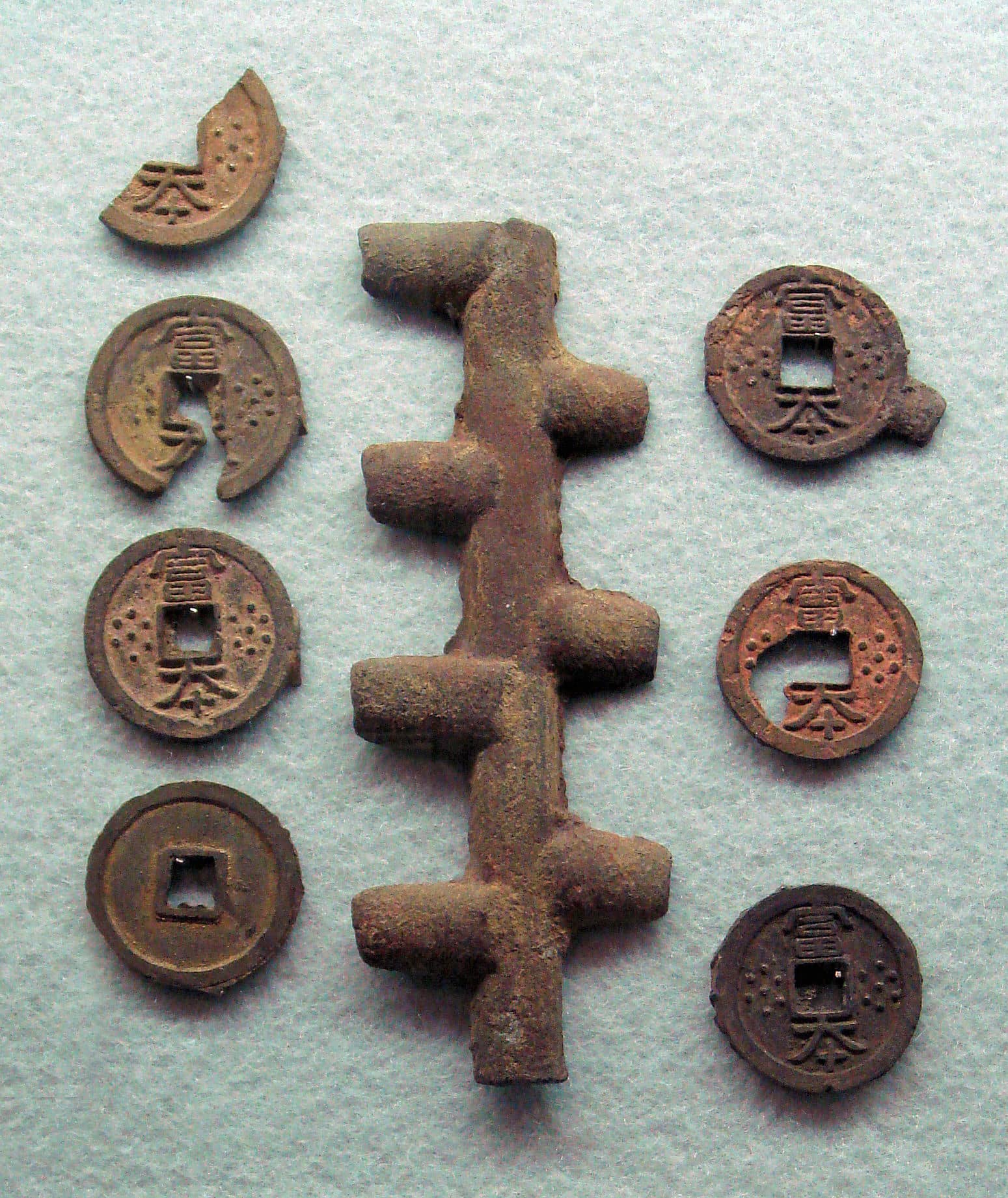
Explore the evolution of money in Japan, from early shell currency to Edo-period coins.
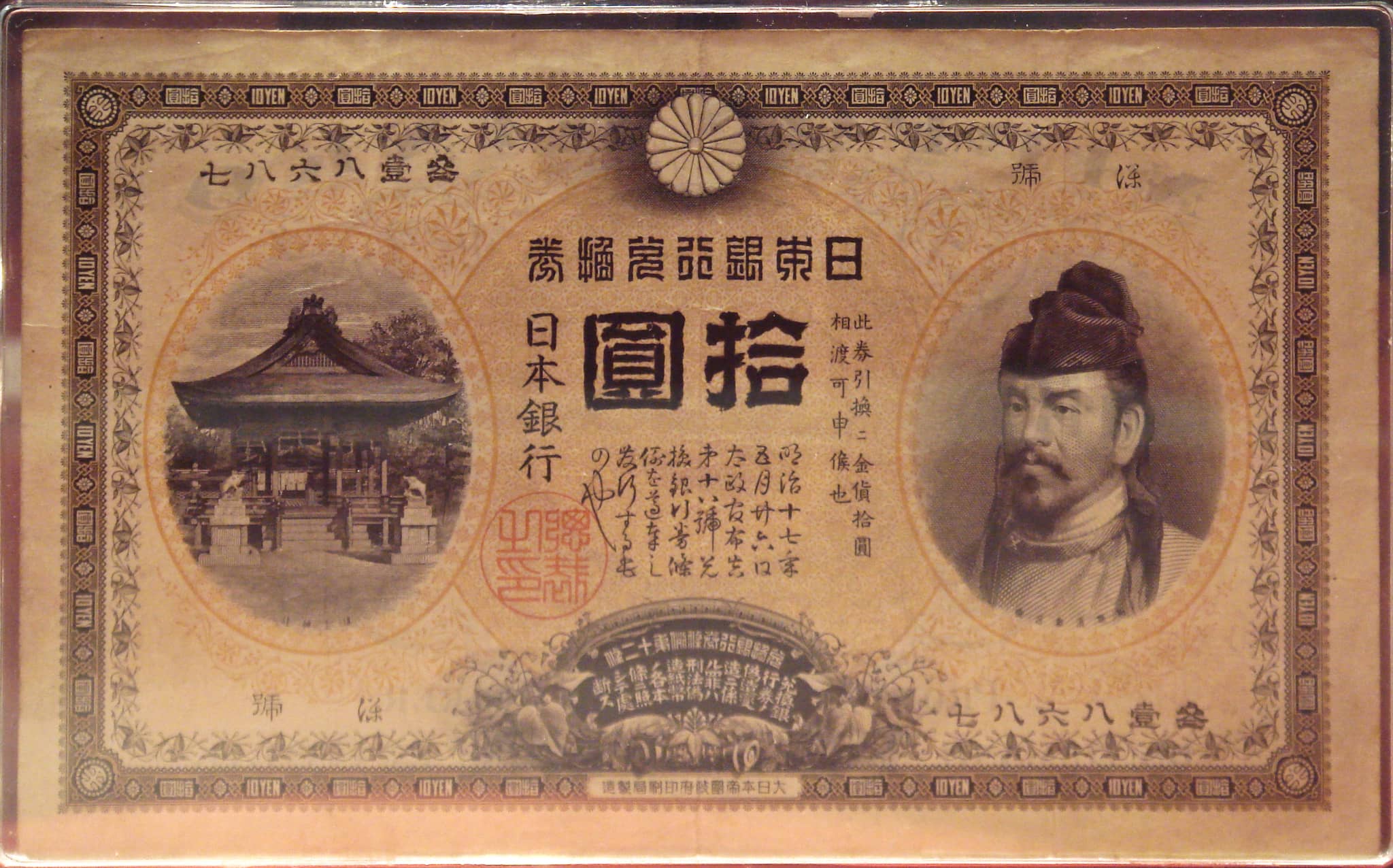
Modern Banknote Displays
Exhibition Halls
See intricate designs of Japanese banknotes and learn about their security features.

The Art of Bank Tellers
Special Exhibits
Discover the historical methods of cash handling and banking operations in Japan .
Plans like a pro.
Thinks like you
Planning Your Visit
Free Admission, Plan Your Visit
Beyond the Yen: What to Expect
Best Times
Insider Tips
from TikTok, Instagram & Reddit
🎯 Free Entry Alert!
Admission is completely free, making it a budget-friendly gem for history buffs.
📅 Check Opening Hours
Always verify the museum's operating hours online before your visit to avoid disappointment.
Tokyo places to visit for someone interested in economic history?
Any recommendations for places to visit in Tokyo for someone interested in economic history? Museums, or particular places with historic significance. It can be from whatever period but preferably from 1800 on wards. The only place on my list for this is the bank of japan…
Suggestions for numismatic attractions in Japan?
I'm going to Japan in June and was thinking of seeking out some coin-related attractions. The Osaka Mint Museum is already on my radar; what other locations should I be on the lookout for? ​ I will largely be in the Kansai area (Osaka, Kyoto, Nagoya) but may skip…
🏦 Bank of Japan Tour
Consider booking a tour at the adjacent Bank of Japan for a deeper financial insight.
🚶♂️ Walkable to Other Museums
It's near the Paper Museum and Stamp Museum, great for a themed day out.
I followed in Atriokku-san's footsteps, I stood where he once stood
I was inspired this morning and went to the Central Bank Currency Museum. I took a picture in front of it, I went inside and they DID have these little stands on the history of money in Japan, I read them... I had a blast, I loved it, its my favorite part of living in Japan, I…
Tips
from all over the internet
🎯 Free Entry Alert!
Admission is completely free, making it a budget-friendly gem for history buffs.
📅 Check Opening Hours
Always verify the museum's operating hours online before your visit to avoid disappointment.
🏦 Bank of Japan Tour
Consider booking a tour at the adjacent Bank of Japan for a deeper financial insight.
🚶♂️ Walkable to Other Museums
It's near the Paper Museum and Stamp Museum, great for a themed day out.
What Travellers Say
Reviews Summary
Visitors find the Currency Museum of the Bank of Japan to be a free and educational gem, offering a fascinating look into Japan's monetary history. While some may find it less visually stimulating than other Tokyo attractions, its depth of information and historical context are highly appreciated by those interested in economics and finance. The proximity to other museums and the Bank of Japan itself adds to its appeal.
"If you want to get a reasonably quick lesson on Japanese History, you should give this place a few hours of your time. They have a free online English guide to get you through a small but dense walk through the medium of exchange used in Japan throughout their History. In so doing, you get enough information to understand how the country has progressed from an isolated rural agrarian country to the modern international country that has become. Fun Fact, there was a time when their valued silver over gold, and US traders had a good time sending them all the silver they wanted, to help relieve them of their abundant gold supplies. This might have hasten the end of the Shogun era. Great place to bring the entire Family, also it is air conditioned, so not a bad way to beat the summer heat!! Also, admission is FREE💰👍🇯🇵"
Jorge Menendez
"I am a collector of foreign money, notes and coins, so I found this museum interesting. It is free of charge to enter too. I spent about 30 minutes here but if you read all the details for the exhibits you could make your visit last 90 minutes."
Martin Roberts
"Great place to get to know about the long history and ancient currency which was popular and used.
There are so many rare documents that you can't get the chance to look in other institutions.
Also, there are many upcoming event posters for people to explore.
I also recommend take a look at the museum shop. Many interesting goods there.
Be a little sad that they don't allow to take photos"
Victor Irie
What People Like
What People Dislike
Frequently Asked Questions
🚇 🗺️ Getting There
The museum is easily accessible via public transport. The nearest stations are Mitsukoshi-mae Station (Ginza Line and Hanzomon Line) and Nihonbashi Station (Ginza Line, Tozai Line, and Asakusa Line). From either station, it's a short walk to the museum.
While there might be paid parking lots in the vicinity, it's generally recommended to use Tokyo's efficient public transportation system. Parking can be expensive and difficult to find in this central area.
Yes, you can take a taxi. Just provide the driver with the address or 'Bank of Japan Currency Museum' (Nihon Ginkō Sen'i Hakubutsukan). Taxis are readily available throughout Tokyo.
Information on wheelchair accessibility can be found on the museum's official website. Generally, major museums in Tokyo strive to be accessible.
The Ginza Line to Mitsukoshi-mae Station is a very convenient option, putting you just a few minutes' walk away from the museum.
🎫 🎫 Tickets & Entry
No, admission to the Currency Museum of the Bank of Japan is completely free of charge. You can walk in without purchasing any tickets.
The museum typically operates from 9:30 AM to 4:30 PM, but it's essential to check their official website for the most current hours, as these can change due to holidays or special events.
The museum is usually closed on Saturdays, Sundays, national holidays, and certain other days. Always confirm the specific closing dates on their official website before planning your visit.
While the museum itself may not offer guided tours, visitors can sometimes arrange tours of the Bank of Japan itself, which is located nearby. These often require advance booking.
As the museum is generally free, special exhibitions are also typically free. However, it's always best to confirm this on their official website.
🎫 🧭 Onsite Experience
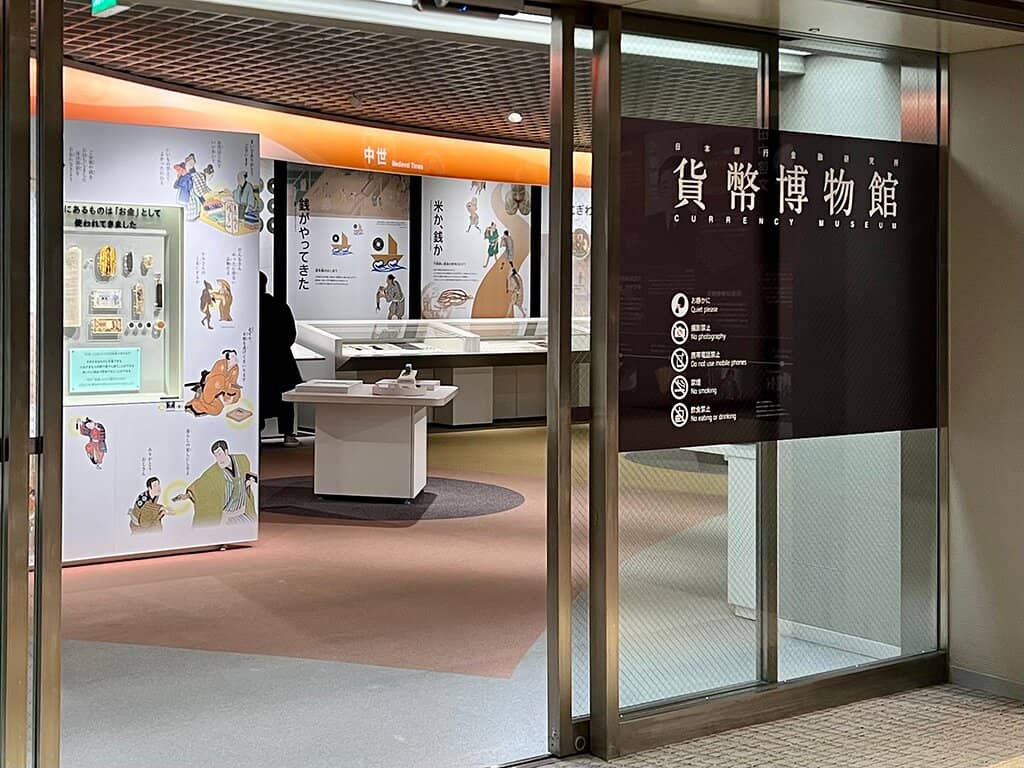
You'll find exhibits detailing the history of Japanese currency, from ancient coins and paper money to modern banknotes and the technology behind them. It covers the evolution of money in Japan and its economic significance.
Most visitors spend about 1 to 2 hours exploring the exhibits. If you plan to read all the information and appreciate the details, you might want to allocate a bit more time.
The museum offers educational content that can be interesting for older children and teenagers, especially those with an interest in history or economics. Younger children might find it less engaging.
While the museum focuses on historical displays, some exhibits may offer visual or informational interactivity to help explain concepts. The focus is more on historical artifacts and information.
Photography policies can vary. Generally, photography without flash is often permitted for personal use, but it's best to look for signage within the museum or check their official guidelines.
🍽️ 🍽️ Food & Dining
No, the Currency Museum does not have its own restaurant or cafe facilities. You'll need to find dining options outside the museum.
The museum is located in the Nihonbashi area, which is a bustling commercial district with numerous restaurants, cafes, and eateries offering a wide range of Japanese and international cuisine.
Yes, you can find many affordable options in Nihonbashi, including ramen shops, udon restaurants, and casual eateries. Look for standing noodle bars or small local diners for good value.
Typically, eating is not allowed inside museum exhibition halls. You might be able to find designated areas outside the museum or in nearby public spaces if you bring your own food.
Nihonbashi is known for its traditional Japanese cuisine, including sushi, tempura, and soba noodles. You'll also find modern cafes and international dining options.
📸 📸 Photography
While photography might be restricted in some areas, the displays of historical coins and banknotes themselves can be visually interesting. The exterior of the Bank of Japan building is also quite photogenic.
Generally, taking photos of currency displays for personal use is allowed, but always check for specific signage. Flash photography is usually prohibited to protect the exhibits.
Yes, flash photography is almost always prohibited. Some specific displays or artifacts might also have 'no photo' signs. Always be respectful of the museum's rules.
Museum lighting is typically designed to preserve exhibits, which can sometimes be dim. You might need to adjust your camera settings or use a tripod if allowed, especially for capturing details.
The Bank of Japan building itself has an impressive architectural presence. You can get good shots from across the street, especially from the vicinity of Mitsukoshi-mae Station.


Social
from TikTok, Instagram & Reddit