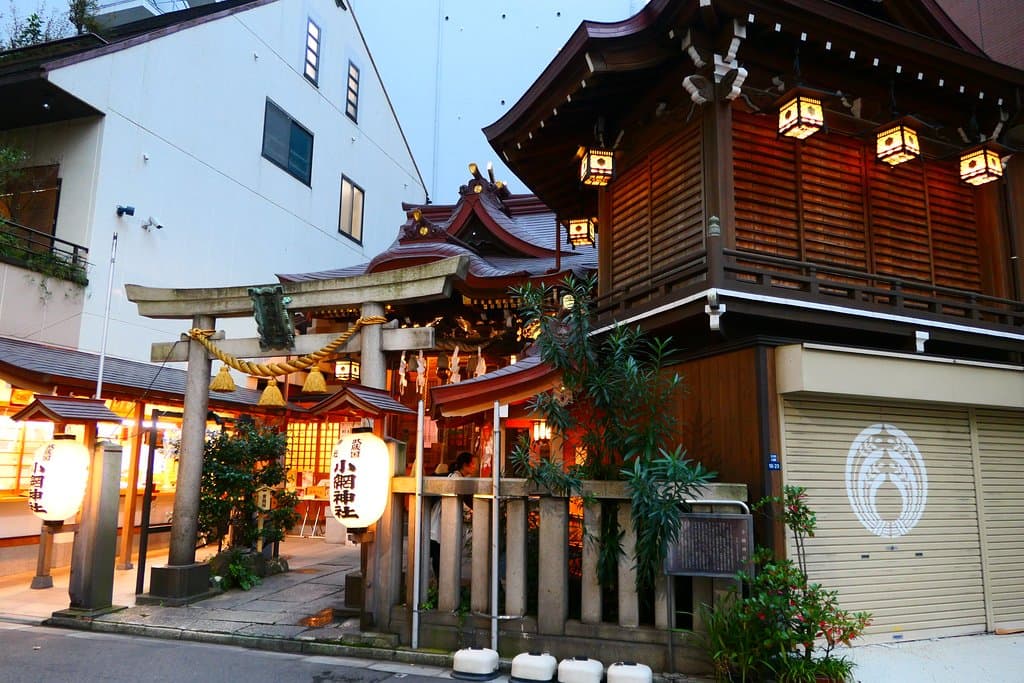
Koami Shrine
A historic Tokyo shrine famous for its money-washing ritual, believed to bring financial fortune and protection.
Highlights
Must-see attractions

Social
From TikTok & Reddit
Best Time
Shorter queues, peaceful atmosphere
Koami Shrine
Best Time
Shorter queues, peaceful atmosphere
Highlights
Must-see attractions
A historic Tokyo shrine famous for its money-washing ritual, believed to bring financial fortune and protection. +1
"This shrine is well-known for bringing wealth and prosperity, but you can also pray for other blessings. "
🎯 Bring cash for offerings
Coins and banknotes are used for the money-washing ritual and offerings.
👟 Wear comfortable shoes
You'll be standing in line and walking around the shrine grounds.
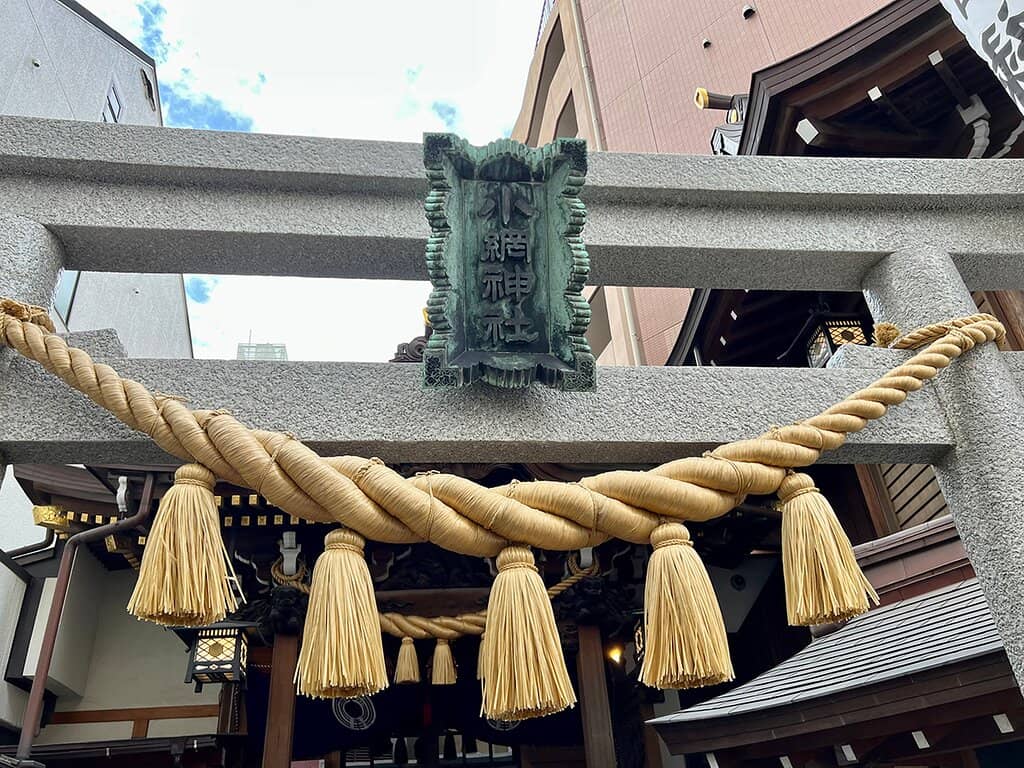
Quick Facts
Hours
Rating
4.5 · 9,852 reviews
Type
Shinto Shrine
Highlights
Discover the most iconic attractions and experiences
Money Washing Ritual
Zeni-arai-no-i basin
Rinse your coins and banknotes in sacred water to attract wealth and prosperity. Keep the cleansed money for good luck!
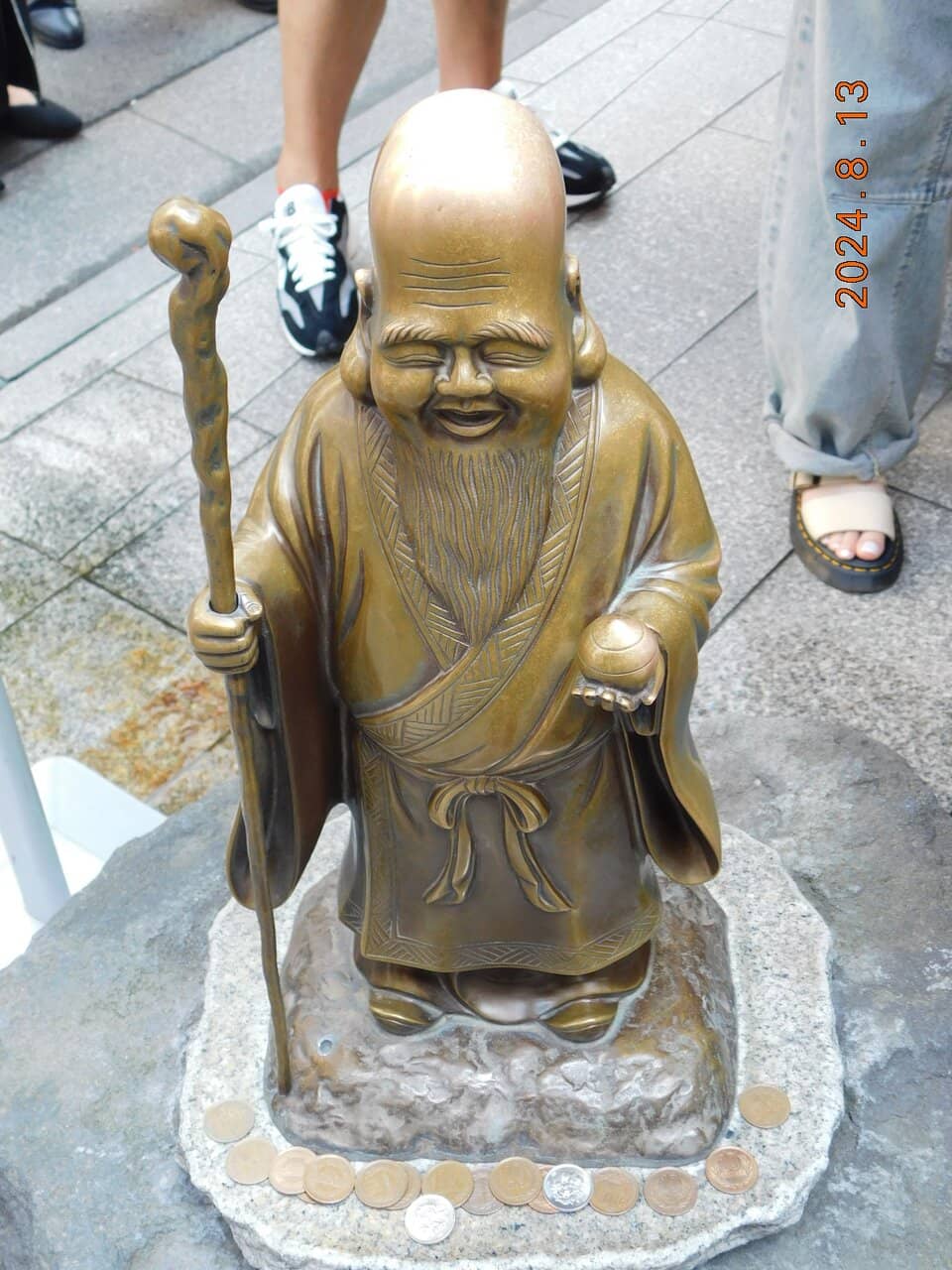
Dragon Carvings
Main hall porch roof
Admire the intricately carved wooden dragons, symbols of luck and protection, which survived WWII bombings.
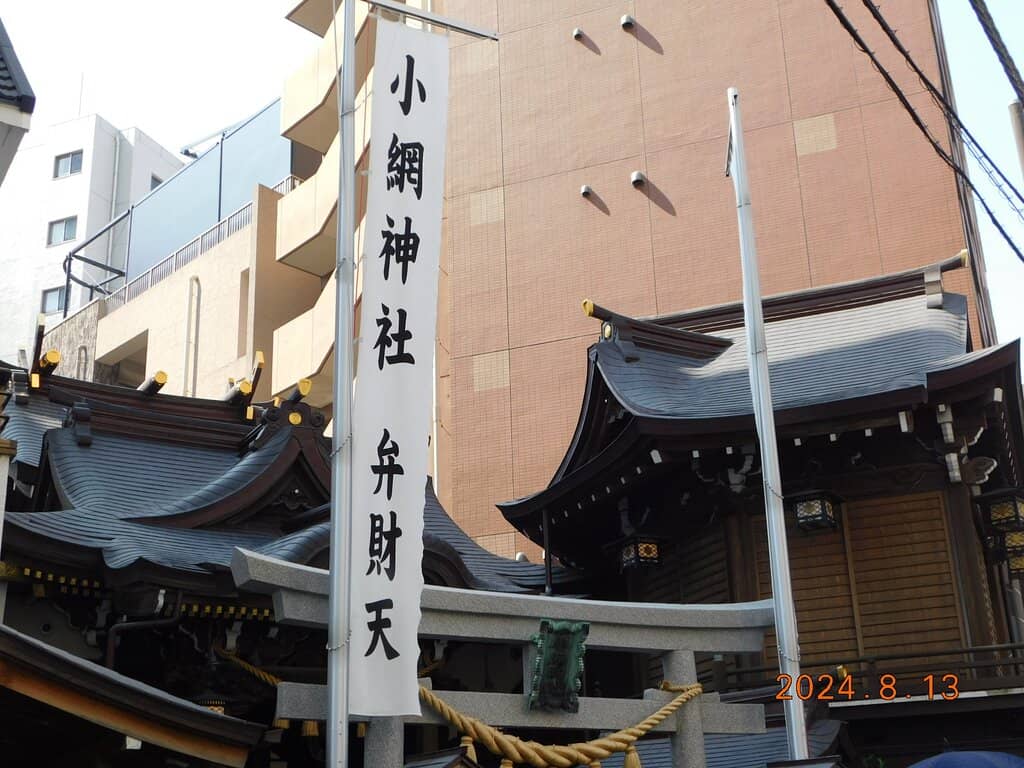
Wish-Making
Main shrine
Participate in the traditional prayer process: bow, clap, and make your wish for wealth, health, or success.
Plans like a pro.
Thinks like you
Planning Your Visit
The Money-Washing Ritual
Best Times to Visit for Fewer Crowds
Best Times
Insider Tips
from TikTok, Instagram & Reddit
🎯 Bring cash for offerings
Coins and banknotes are used for the money-washing ritual and offerings.
👟 Wear comfortable shoes
You'll be standing in line and walking around the shrine grounds.
⏳ Be patient with queues
Lines can form, but they move quickly. Enjoy the anticipation!
🙏 Follow the prayer steps
Bow twice, wash hands, toss coin, bow, clap, wish, and bow again.
Tips
from all over the internet
🎯 Bring cash for offerings
Coins and banknotes are used for the money-washing ritual and offerings.
👟 Wear comfortable shoes
You'll be standing in line and walking around the shrine grounds.
⏳ Be patient with queues
Lines can form, but they move quickly. Enjoy the anticipation!
🙏 Follow the prayer steps
Bow twice, wash hands, toss coin, bow, clap, wish, and bow again.
🛍️ Explore unique amulets
Koami Shrine offers interesting amulets for luck and protection.
What Travellers Say
Reviews Summary
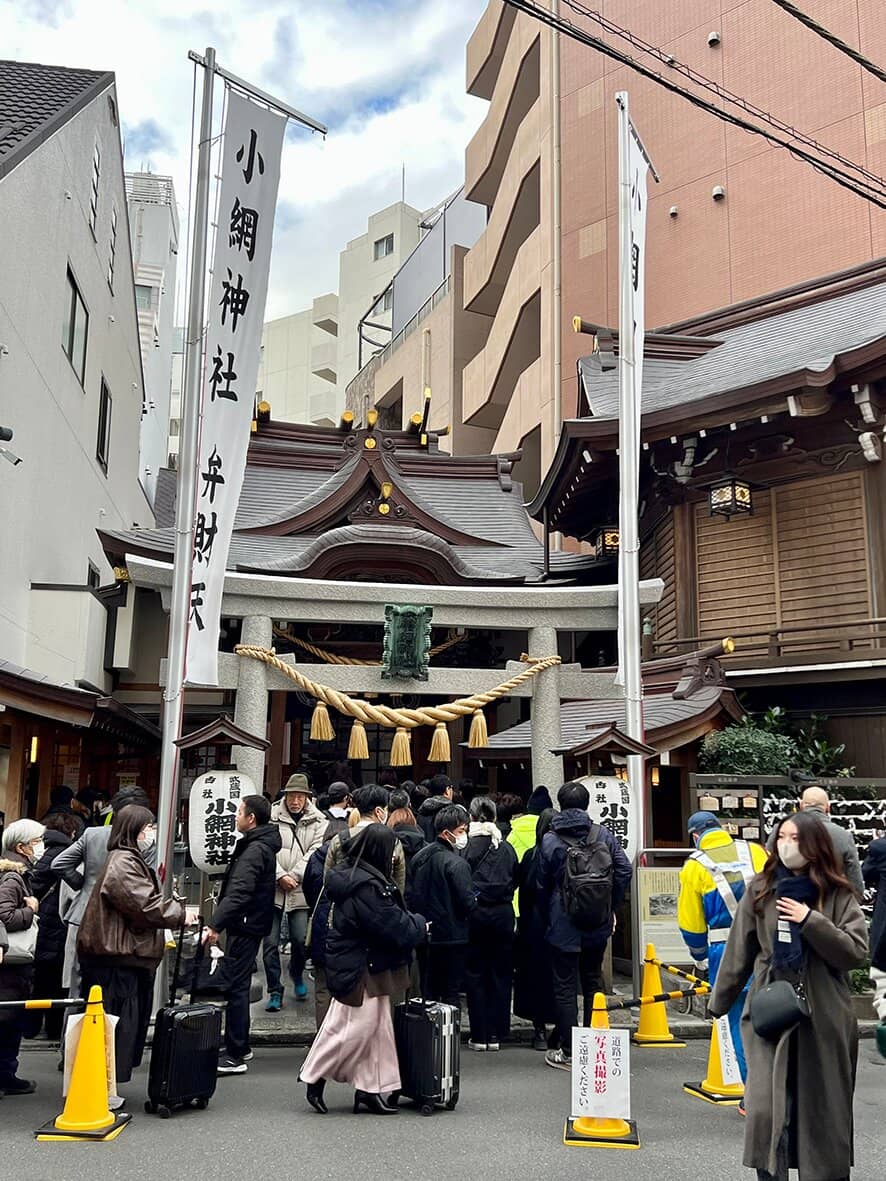
Visitors praise Koami Shrine for its unique money-washing ritual that brings good fortune and its resilience as a historical site. The efficient queue management and helpful volunteers enhance the experience, making it a memorable stop in Tokyo despite its small size. Some find the crowds can be substantial, but the overall sentiment is positive.
"My travel companion and I arrived here with three suitcases, and there were quite a few people visiting the temple. A kind female traffic safety volunteer used simple Japanese and gestures to tell us where we could leave our suitcases, and she would watch them for us so we could properly worship, take photos, and shop. As we left, she even said to us, "また次回お会いしましょう" This made us fall in love with this place."
Hugo Liao
"A small shrine in big city of Tokyo but famous in bringing fortunes and money. Many people comes here to pray , wash bank notes and buy amulets. Good arrangement for entry"
Nam Supani
"lots of people but the line move quickly. people make a wish and do it quick. this temple is famous for wishing for wealth."
Sam Fang
What People Like
What People Dislike
Frequently Asked Questions
🚇 🗺️ Getting There
Koami Shrine is located in Chuo City, Tokyo. It's accessible via public transport. The nearest stations are Suitengumae Station (Hanzomon Line) and Kayabacho Station (Tozai Line and Hibiya Line), both a short walk away. +1
Yes, it's located at 16-23 Nihonbashi Koamicho, Chuo City, Tokyo. Many visitors find it easily, often discovering it through social media like TikTok. +1
While driving is possible, parking in central Tokyo can be challenging and expensive. Public transportation is generally recommended for easier access.
From Shinjuku, take the JR Chuo Line to Tokyo Station, then transfer to the Tozai Line to Kayabacho Station. Alternatively, take the Marunouchi Line to Otemachi and transfer to the Hanzomon Line to Suitengumae Station.
Yes, Tokyo has many shrines. Shinagawa Shrine is another notable shrine mentioned alongside Koami Shrine for its unique rituals.
🎫 🎫 Tickets & Entry
No, entry to Koami Shrine is generally free. Visitors can participate in rituals and purchase amulets.
The shrine is typically open during daylight hours. Specific closing times can vary, so it's best to check closer to your visit if possible, though most visitors find it accessible throughout the day.
The money-washing ritual itself does not have a separate fee. You can use the provided basin and water. Offerings are always appreciated.
Yes, visitors have been able to leave suitcases with the help of shrine volunteers, allowing them to worship and explore freely.
There is no need to book a time slot. The shrine operates on a first-come, first-served basis, and queues are managed efficiently.
🎫 ✨ Onsite Experience
The main attraction is the unique money-washing ritual, believed to bring financial fortune and prosperity.
After bowing and washing your hands, toss a coin into the offering box. Then, on the left side, rinse coins or banknotes in the basin. Keep the cleansed money for good luck.
Besides wealth, you can also pray for good health, success in studies, and protection from evil.
Yes, visitors are encouraged to bow twice at the entrance, wash their hands at the purification station, and follow the prayer steps at the main shrine.
The wooden carvings of two dragons on the main hall's porch roof symbolize luck and are revered for their resilience, having survived the WWII bombings of Tokyo.
📸 📸 Photography
Photography is generally allowed within the shrine grounds, but it's always respectful to be mindful of other visitors and avoid intrusive shots, especially during prayer times.
The money-washing basin, the dragon carvings, and the main hall offer great photo opportunities. The overall serene atmosphere also makes for beautiful shots.
While you can take photos of the ritual area, it's best to focus on the experience and be quick to allow others to participate. Avoid blocking the path.
Drone usage is typically prohibited at religious sites like shrines to ensure peace and respect. Always check local regulations before flying drones.
A smartphone camera is perfectly adequate for capturing the essence of Koami Shrine. If you prefer, a mirrorless or DSLR camera can also be used for more detailed shots.
Social
from TikTok, Instagram & Reddit