Kyobashi Bridge Remnants
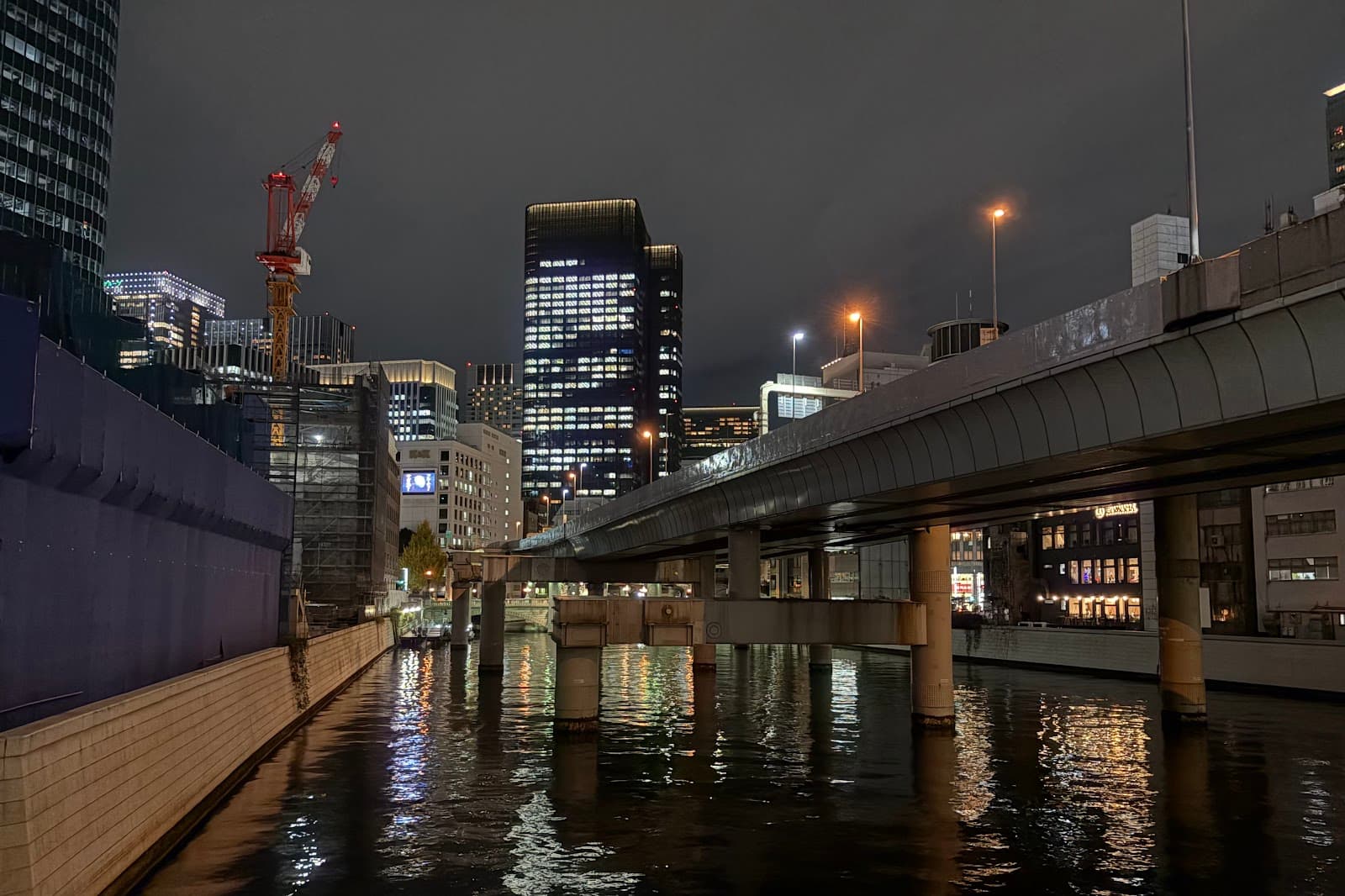
Symbolic remnants of Edo's central bridge, a historical marker amidst modern Tokyo's bustling Nihonbashi area.

Highlights
Must-see attractions

Social
From TikTok & Reddit
Best Time
See the bridge and its surroundings
Kyobashi Bridge Remnants
Best Time
See the bridge and its surroundings
Highlights
Must-see attractions
Symbolic remnants of Edo's central bridge, a historical marker amidst modern Tokyo's bustling Nihonbashi area.
"It's not what you can actually see but what it represents – the heart of Edo. "
📍 Find the Marker
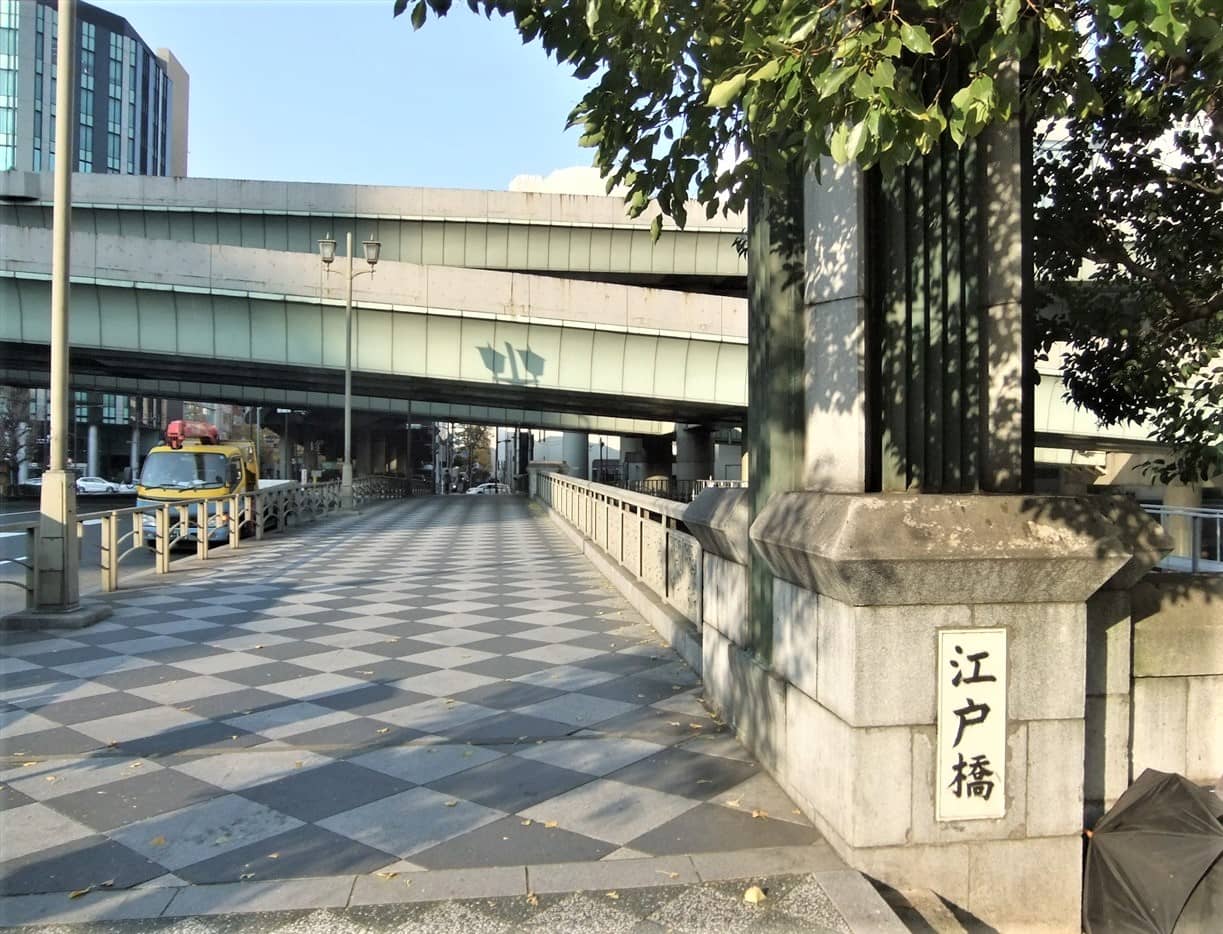
Look for the subtle historical marker; it's the key to understanding the site's significance. 📌
📚 Learn the History
Research its Edo period importance to appreciate the remnants fully. 📚
Quick Facts
Hours
Rating
3.9 · 63 reviews
Highlights
Discover the most iconic attractions and experiences
The Historical Marker
Nihonbashi River
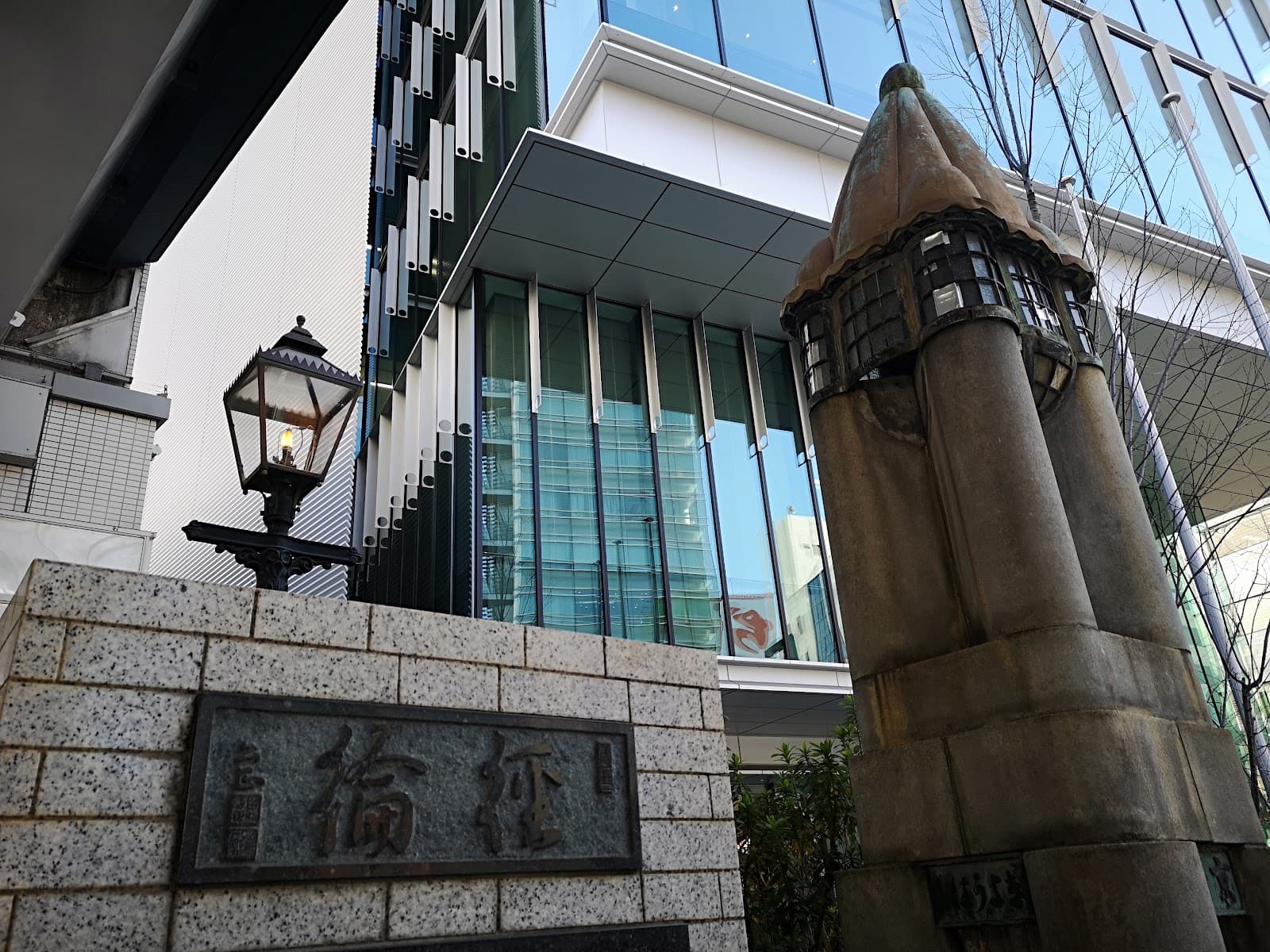
A subtle marker indicating the original site of the bridge, symbolizing Edo's central point.
The Modern Nihonbashi Bridge
Nihonbashi River
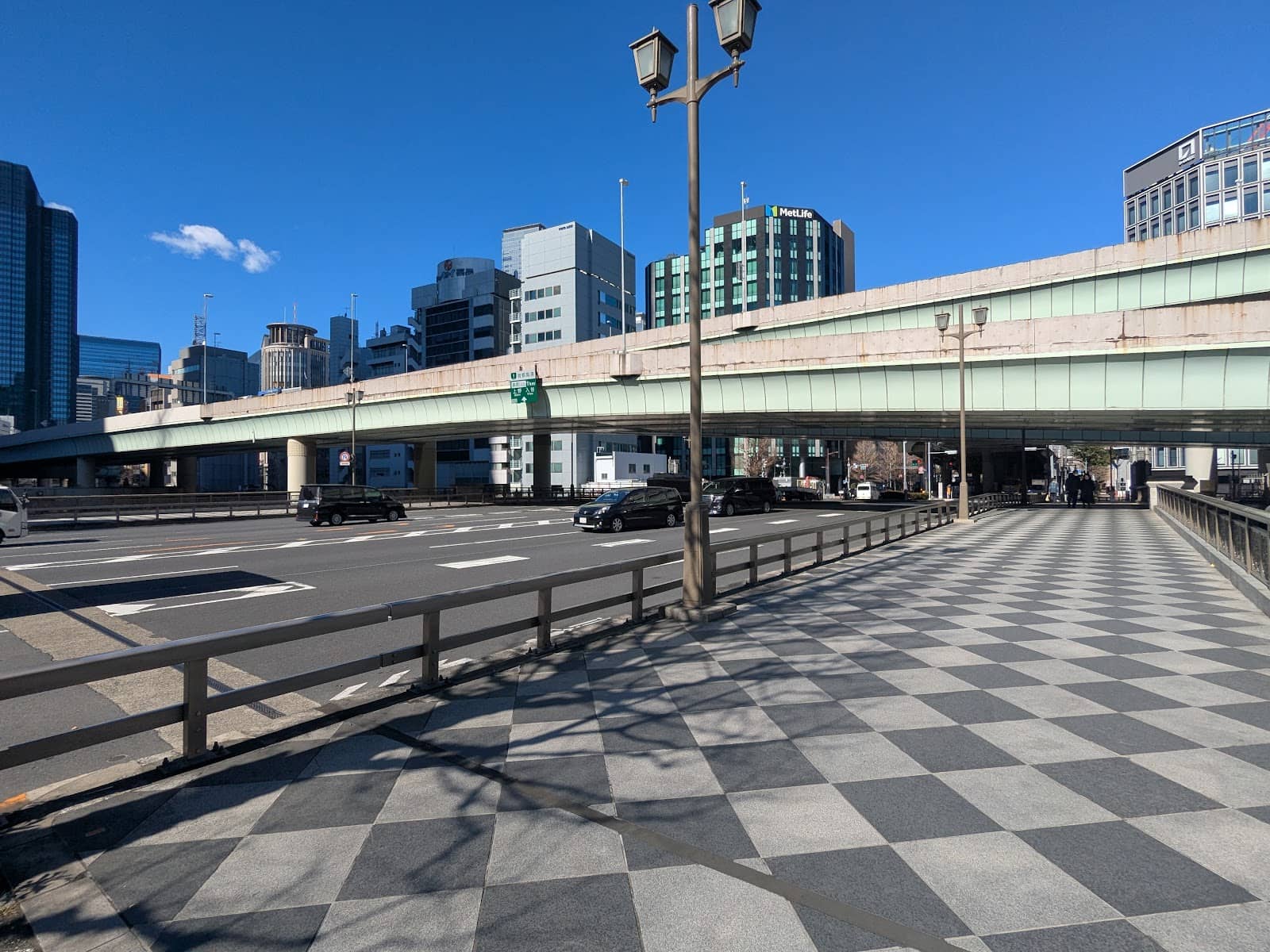
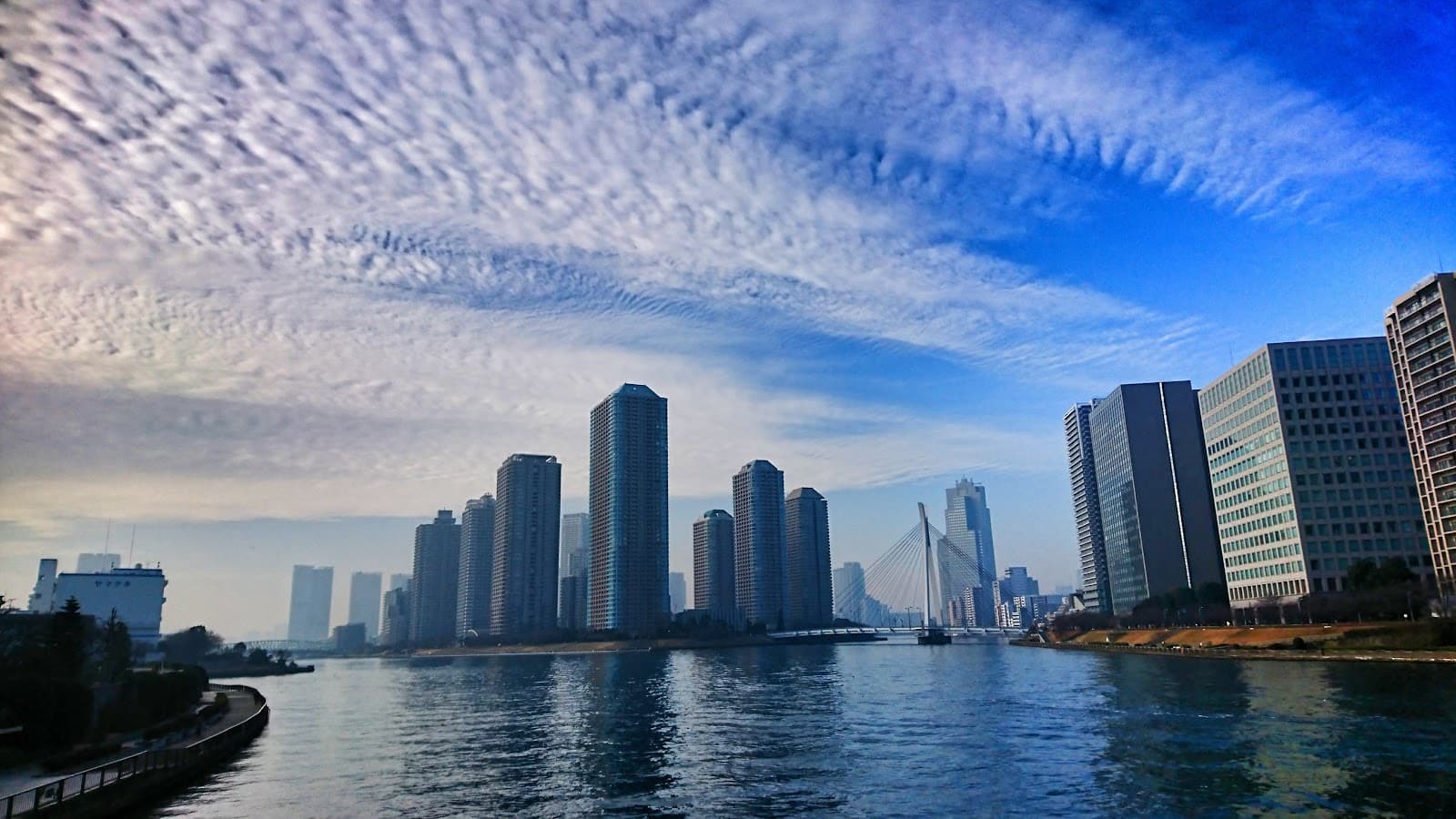
The current bridge, a symbol of modern Tokyo, with the Shuto Expressway overhead.
Hiroshige's '100 Famous Views of Edo'
Nihonbashi River
Visualize this spot as depicted in historic ukiyo-e prints, a key part of Edo's landscape.
Plans like a pro.
Thinks like you
Planning Your Visit
Understand Its Significance
Manage Expectations
Best Times
Insider Tips
from TikTok, Instagram & Reddit
📍 Find the Marker
Look for the subtle historical marker; it's the key to understanding the site's significance. 📌
📚 Learn the History
Research its Edo period importance to appreciate the remnants fully. 📚
📸 Capture the Contrast
Photograph the modern bridge against the backdrop of the expressway. 
👃 Be Prepared for Summer
Some visitors note a strong smell during hot summer months. :hot_face:
Tips
from all over the internet
📍 Find the Marker
Look for the subtle historical marker; it's the key to understanding the site's significance. 📌
📚 Learn the History
Research its Edo period importance to appreciate the remnants fully. 📚
📸 Capture the Contrast
Photograph the modern bridge against the backdrop of the expressway.
👃 Be Prepared for Summer
Some visitors note a strong smell during hot summer months. :hot_face:
What Travellers Say
Reviews Summary
Visitors acknowledge the historical significance of the Kyobashi Bridge Remnants as the symbolic heart of Edo, appreciating its representation of Japan's past. However, many note that the visible remnants are subtle, overshadowed by the modern Nihonbashi Bridge and the prominent Shuto Expressway overhead. Some also mention an unpleasant smell during summer.
"THAT'S WHAT I'M TALKING ABOUT! Definitely a bridge. I think if you Google "Tokyo" this bridge will appear as the actual center of the city. So that's cool. I waved to the night sightseeing bus down below and the captain waved back. Win! Oh in the summer it's really stinky. Minus 1 star for stink!
Update: center of Tokyo bridge is actually 1 bridge over OOPS"
Michael Roberts
"Probably you would say..why four stars if there is barely anything to see? The answer is that the little left over left is actually the real deal..what was left of the original bridge that joined the heart of japan with the rest of the country in the Edo period. It is not what you can actually see but what it represents..the non existing parts were destroyed during WWII. Tokyo doesn’t have a lot of original monuments or buildings because of different wars... so this is one of the remains of one of the most important eras in Japanese history."
Jedi Master
"Nihon Bashi, the bridge of Japan bridge of the rising Sun. plate one Hiroshige 100 famous views of Edo"
Jim Enloe
What People Like
What People Dislike
Frequently Asked Questions
🚇 🗺️ Getting There
The remnants are located near the Nihonbashi Bridge. You can easily reach the area via the Tokyo Metro Nihonbashi Station (Ginza Line, Tozai Line, Asakusa Line) or JR Tokyo Station. From the station, it's a short walk to the Nihonbashi River.
Parking in this central Tokyo area can be challenging and expensive. It's highly recommended to use public transportation to access the site.
Yes, night sightseeing buses often pass by the area, offering a glimpse of the modern bridge and its surroundings.
🎫 🎫 Tickets & Entry
No, the remnants and the modern Nihonbashi Bridge are public landmarks and do not require an entrance fee. You can view them freely.
As it's an outdoor landmark, there are no specific opening or closing hours. You can visit at any time, though daytime offers better visibility.
🎫 📍 Onsite Experience
You'll find a historical marker indicating the original site of the bridge, which was central to Edo. The main sight is the modern Nihonbashi Bridge itself, with the Shuto Expressway running overhead.
For history enthusiasts and those interested in Tokyo's evolution, it's a significant spot representing the Edo period. However, manage expectations as the visible remnants are subtle.
The Nihonbashi Bridge was historically the 'zero milestone' of Japan, marking the starting point of the five major highways of the Edo period. It's a symbol of connection and the heart of old Edo.
Yes, you can walk across the modern Nihonbashi Bridge, which is a pedestrian-friendly area.
Some visitors have noted an unpleasant smell, particularly during hot summer months, likely due to the river and urban environment.
📸 📸 Photography
Capture the contrast between the historic significance and the modern urban landscape. Photos of the modern bridge with the expressway overhead are popular, as is the historical marker.
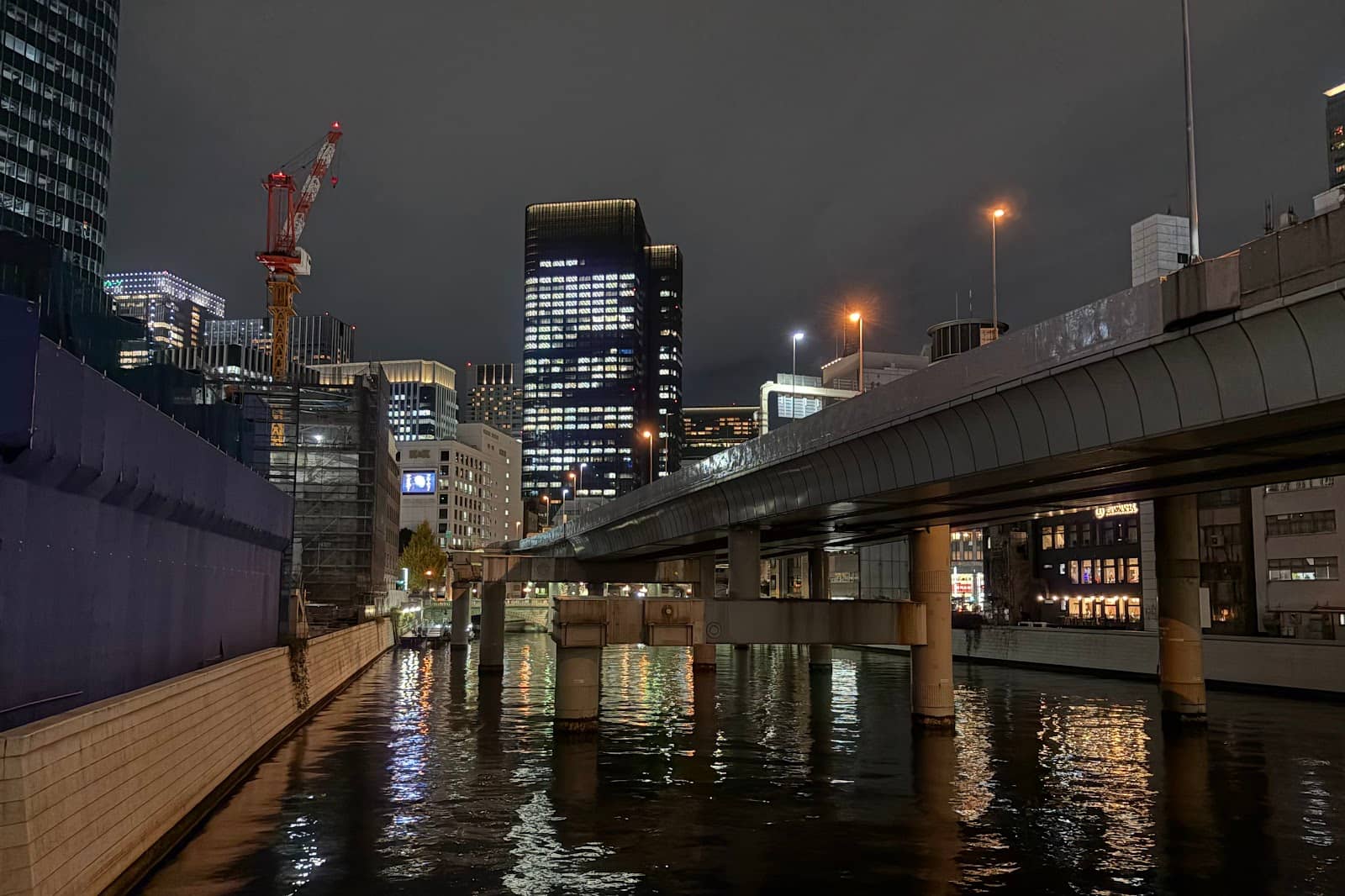
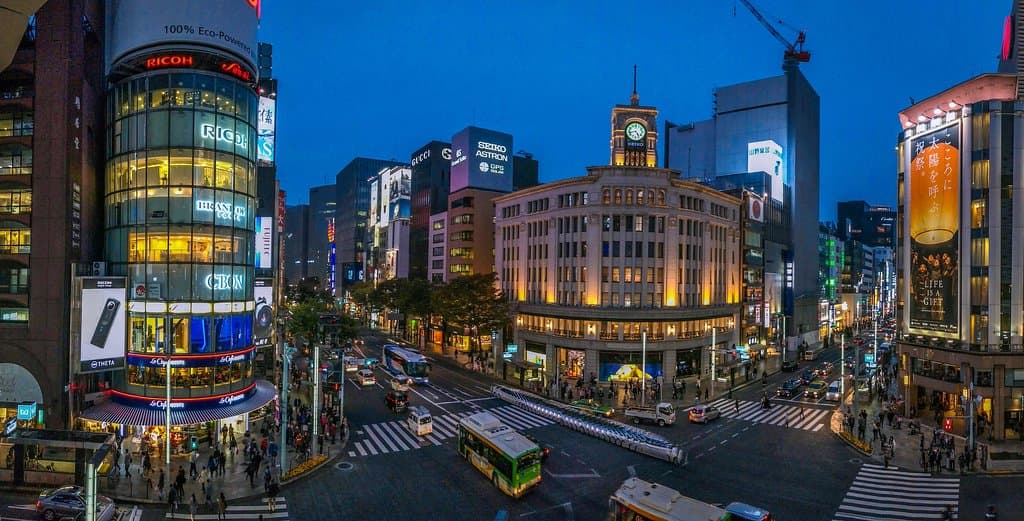
The area can be interesting at night with city lights reflecting on the water and illuminating the bridge and expressway.



Social
from TikTok, Instagram & Reddit