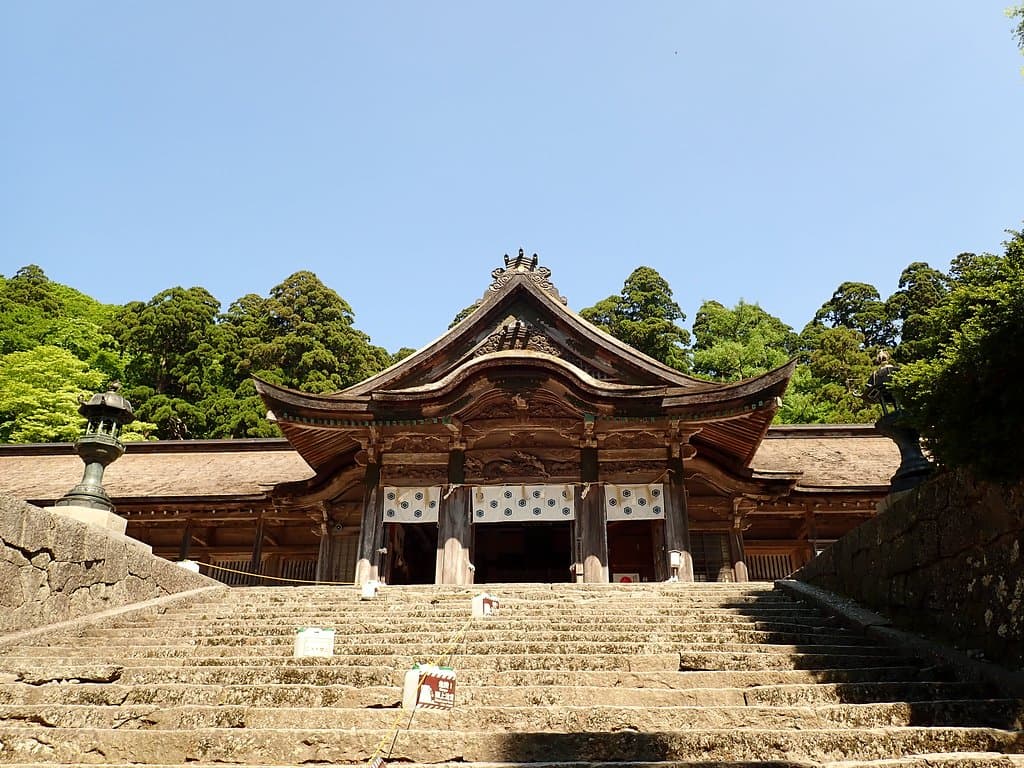
Ogamiyama Shrine
An ancient shrine reached by a long, moss-covered stone staircase, offering mystical mountain views and serene spiritual ambiance.
Highlights
Must-see attractions

Social
From TikTok & Reddit
Best Time
Peaceful and less crowded
Ogamiyama Shrine
Best Time
Peaceful and less crowded
Highlights
Must-see attractions
An ancient shrine reached by a long, moss-covered stone staircase, offering mystical mountain views and serene spiritual ambiance.
"The stone steps, with sunlight filtering through the trees and covered in moss, had a mystical and beautiful atmosphere."
👟 Wear Sturdy Footwear
The stone steps are uneven and can be slippery. Good shoes are essential for a safe and comfortable climb.
🚶♀️ Allow Ample Time
The 15-minute sign is optimistic; budget 20-30 minutes for the hike to the inner shrine.
Quick Facts
Hours
Rating
4.4 · 798 reviews
Type
Place of Worship
Highlights
Discover the most iconic attractions and experiences
The Grand Staircase
Path to the Inner Shrine
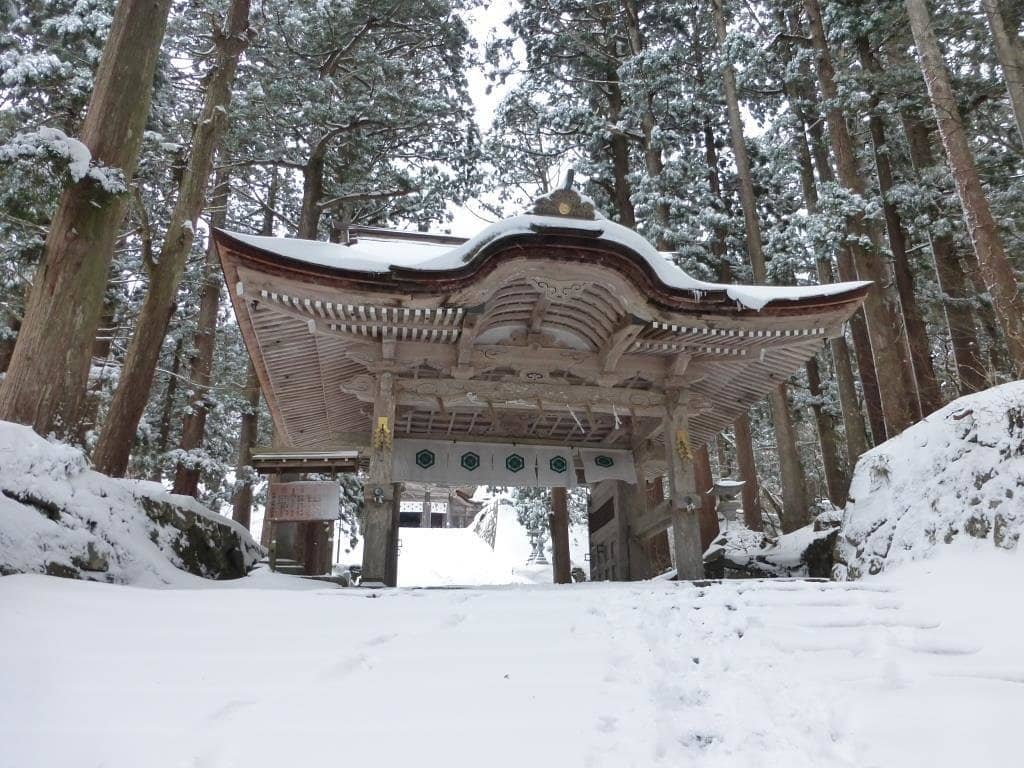
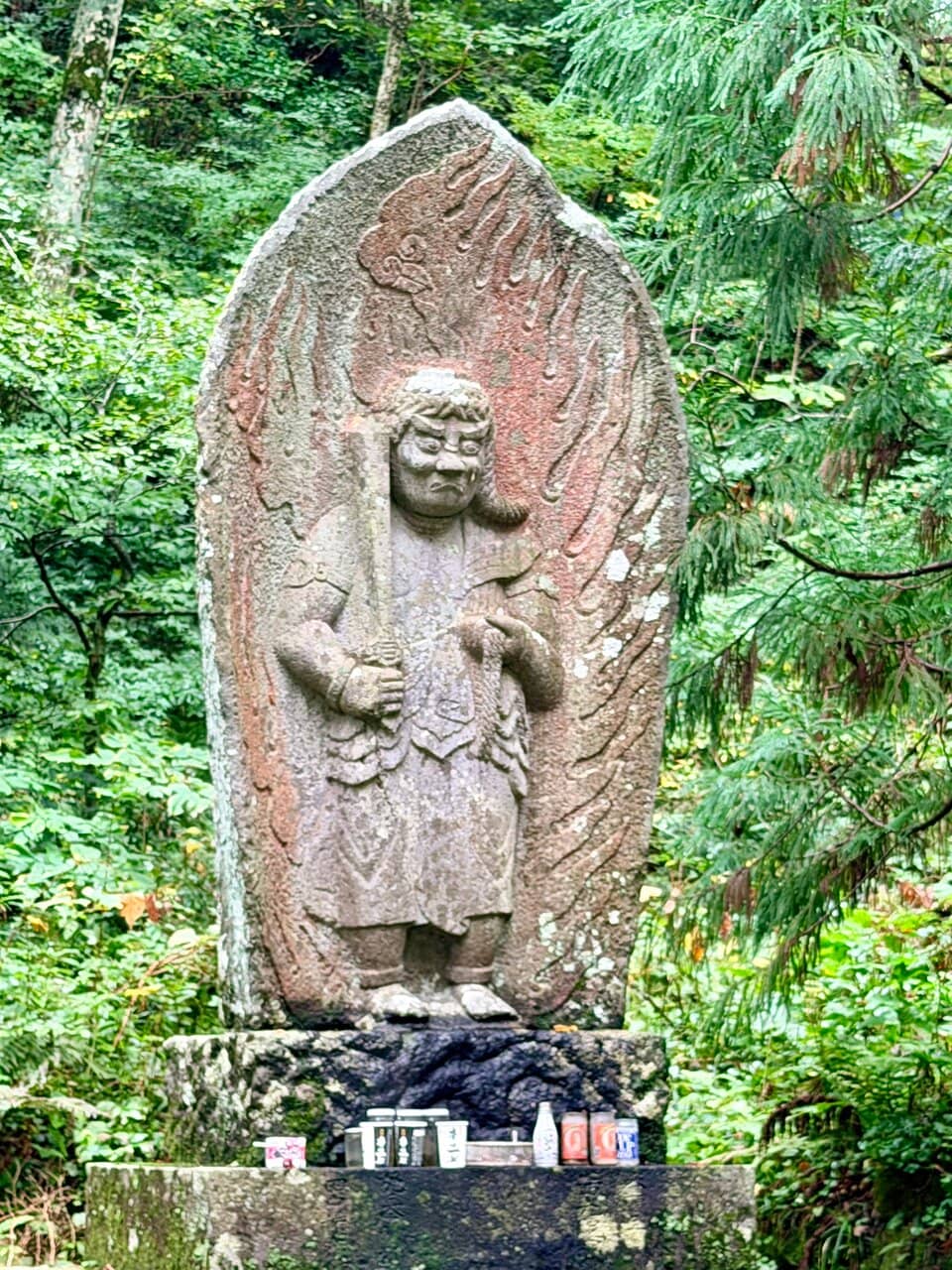
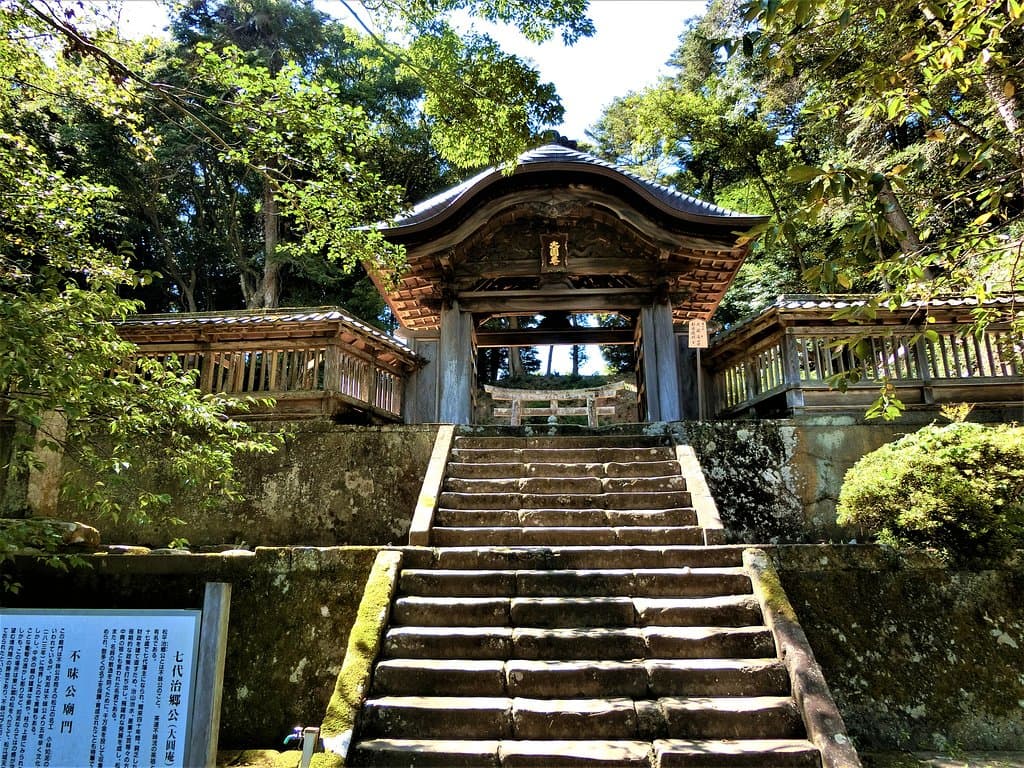
A long, moss-covered stone staircase winding through a serene forest, leading to the sacred inner shrine.
Okunomiya (Inner Shrine)
Summit of the ascent
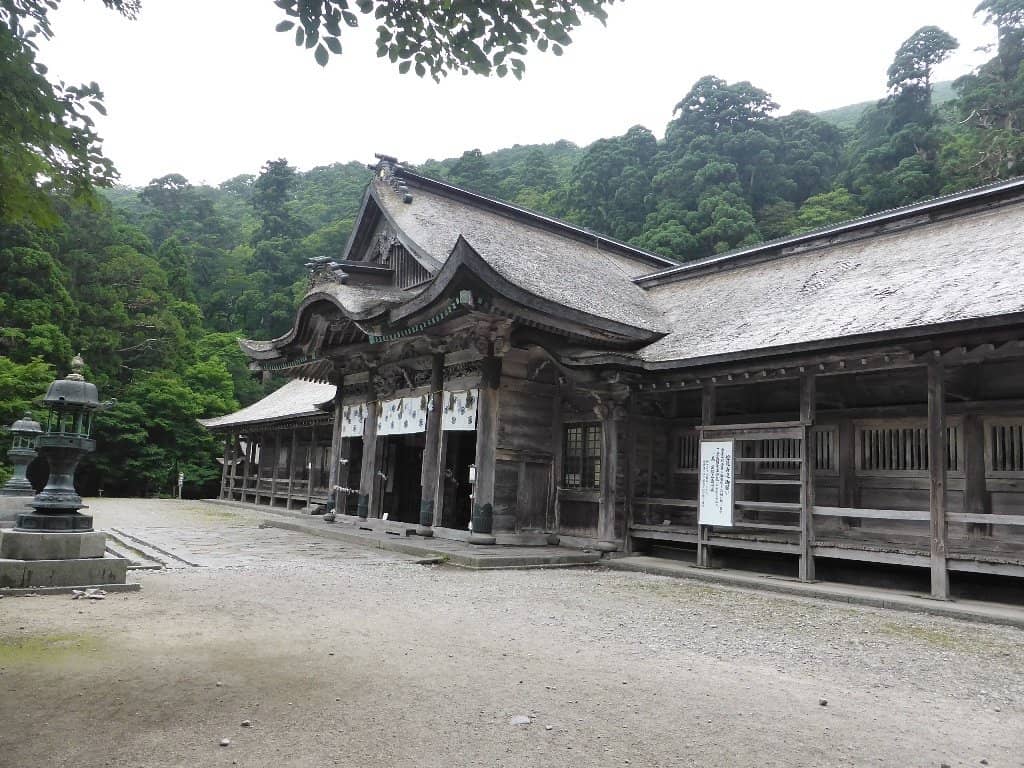
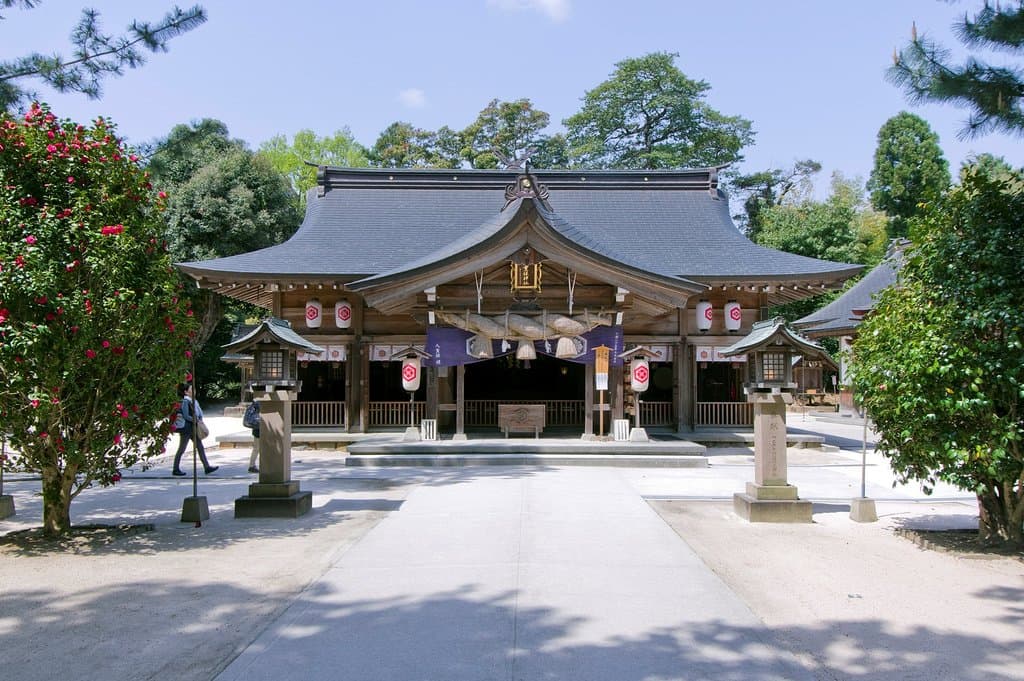
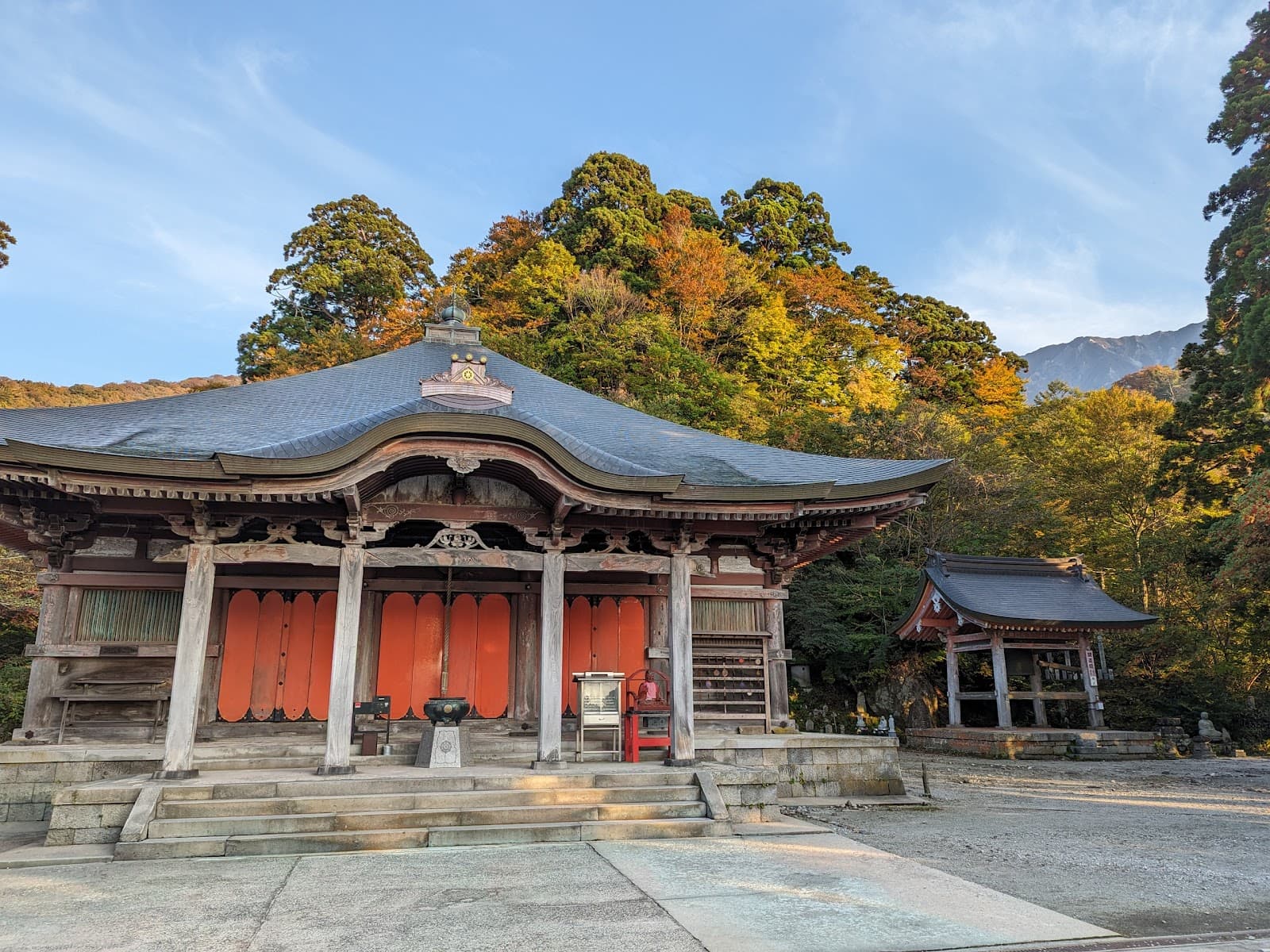
The impressive main building, a rare Gongen-zukuri style, stands as a testament to ancient craftsmanship.
Misty Mountain Atmosphere
Surrounding forest
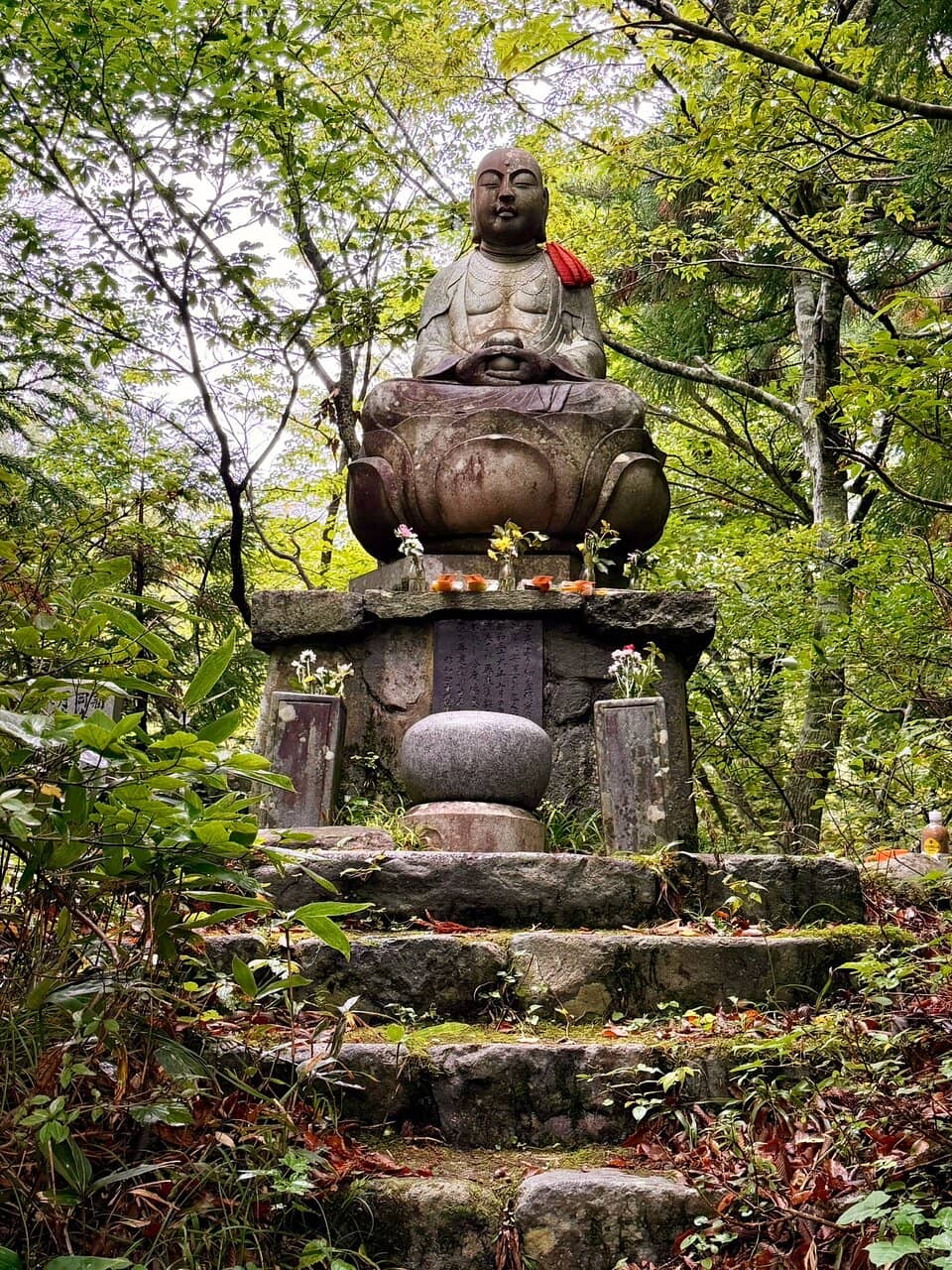
Experience a mystical ambiance, especially when mist rolls in, creating a magical and ethereal setting.
Plans like a pro.
Thinks like you
Planning Your Visit
Prepare for the Climb
Timing is Key for Tranquility
Best Times
Insider Tips
from TikTok, Instagram & Reddit
👟 Wear Sturdy Footwear
The stone steps are uneven and can be slippery. Good shoes are essential for a safe and comfortable climb.
🚶♀️ Allow Ample Time
The 15-minute sign is optimistic; budget 20-30 minutes for the hike to the inner shrine.
☁️ Embrace the Mist
Mist can add to the mystical atmosphere, so don't be deterred if it's cloudy!
📜 Get a Goshuin
Receiving a Goshuin (temple/shrine seal) can be a moving experience after the climb.
Tips
from all over the internet
👟 Wear Sturdy Footwear
The stone steps are uneven and can be slippery. Good shoes are essential for a safe and comfortable climb.
🚶♀️ Allow Ample Time
The 15-minute sign is optimistic; budget 20-30 minutes for the hike to the inner shrine.
☁️ Embrace the Mist
Mist can add to the mystical atmosphere, so don't be deterred if it's cloudy!
📜 Get a Goshuin
Receiving a Goshuin (temple/shrine seal) can be a moving experience after the climb.
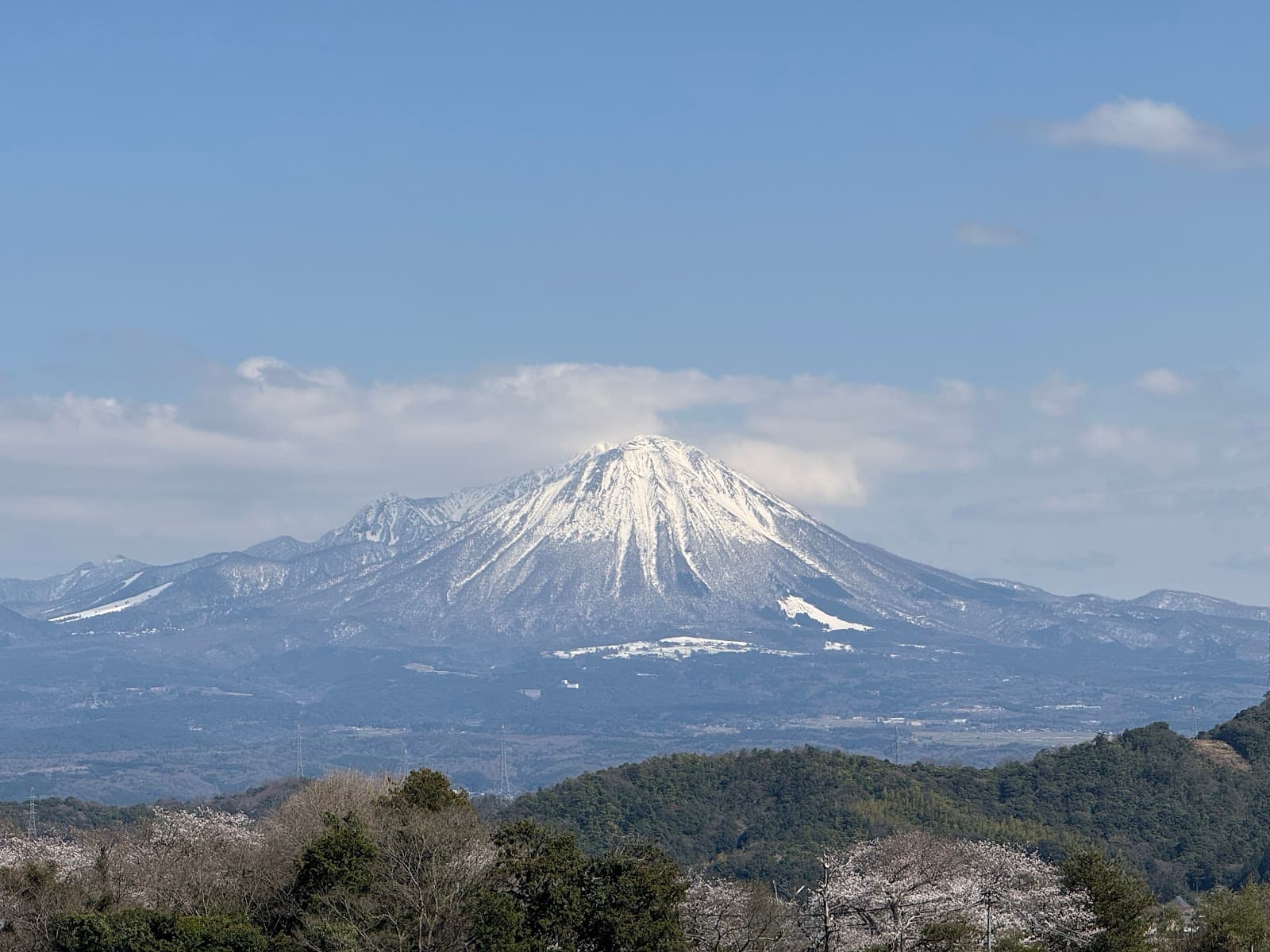
⛰️ Gateway to Mt. Daisen
This shrine is a starting point for ascents or a midway point for hikes up Mt. Daisen.
What Travellers Say
Reviews Summary
Visitors consistently praise Ogamiyama Shrine for its mystical atmosphere, impressive architecture, and the rewarding climb up its moss-covered stone staircase. The serene mountain setting and the spiritual ambiance are highlights, though the strenuous hike requires good preparation and footwear.
"It's a short hike from the parking lot to Ogamiyama Shrine 大神山神社. There was a sign near the first torii gate saying it was a 15-minute walk, but I think it would take about 20 to 30 minutes. You need to be prepared. The stone steps, with sunlight filtering through the trees and covered in moss, had a mystical and beautiful atmosphere. Panting, I managed to make it to the inner shrine 奥宮 and eceive a goshuin 御朱印. The climb was so difficult that receiving the goshuin was all the more moving."
Katsuaki Maruno
"Great Shinto shrine in Japan.
This shrine has sacred atmosphere.
Old shrine buildings are impressive!"
monk 119
"Very quiet and peaceful. Beautiful shrine surrounded by forest and nature. Honouring the Mountain God."
Jesse
What People Like
What People Dislike
Frequently Asked Questions
🚇 🗺️ Getting There
Ogamiyama Shrine is located in Tottori Prefecture. Access typically involves reaching Yonago City or the Mt. Daisen area. From there, you might need to take a bus or taxi to the trailhead. Many visitors combine a trip to the shrine with Daisenji Temple. 
Yes, there is usually parking available near the base of the shrine's access path, especially for those visiting Mt. Daisen or Daisenji Temple.
Public transport options might be limited, especially for reaching the immediate vicinity of the shrine. Buses often serve the Daisenji Temple area, from which you can walk to Ogamiyama Shrine. It's advisable to check local bus schedules in advance.
From the parking area, you'll follow a path that leads to a long stone staircase. This is the primary access to the shrine.
While possible, it's a significant journey. Many visitors stay in the Tottori or Shimane regions to explore Mt. Daisen and its surroundings, including Ogamiyama Shrine, over a couple of days.
🎫 🎫 Tickets & Entry
Ogamiyama Shrine is a place of worship and generally does not require an entrance fee. Access to the grounds and the hike up to the shrine is typically free.
As a shrine, it's generally accessible during daylight hours. However, specific facilities or areas might have limited access. It's best to visit during daylight for the full experience.
Parking fees may apply at designated lots near the trailhead or popular access points for Mt. Daisen. It's recommended to check signage at the parking area.
Yes, visitors can often receive a Goshuin (shrine seal) at Ogamiyama Shrine, which can be a special memento of your visit after the climb.
The shrine occasionally holds special viewing events, particularly during autumn. It's advisable to check the official shrine website or local tourism information for any upcoming events.
🎫 🧭 Onsite Experience
The hike from the parking lot to the Okunomiya (inner shrine) involves a long stone staircase and typically takes about 20 to 30 minutes, though some signs suggest 15 minutes.
The main path to the shrine is a long flight of stone steps, often covered in moss, winding through a forest. The terrain is uneven and requires good footwear.
Weekdays tend to be very quiet and peaceful. Weekends and peak seasons can see more visitors, but it's generally less crowded than more accessible tourist spots.
It is dedicated to the Mountain God and is known for its impressive architecture, particularly the Okunomiya (inner shrine) which is a rare Gongen-zukuri style building.
Yes, Ogamiyama Shrine is a starting point or a midway point for those looking to ascend Mt. Daisen.
📸 📸 Photography
The moss-covered stone staircase leading up to the shrine offers a dramatic and atmospheric shot. The Okunomiya itself, with its unique architecture, is also a prime subject.
Yes, the high altitude and mountain location mean mist and fog are common, especially in the mornings or after rain, creating a very mystical photographic opportunity.
Early morning or late afternoon can offer beautiful light filtering through the trees. The mist can also enhance photos at various times.
Drone usage is generally restricted at religious sites and national parks to preserve the atmosphere and for safety. It's best to assume drones are not permitted unless explicitly stated otherwise.
A wide-angle lens is great for capturing the scale of the staircase and shrine buildings. A tripod can be useful for low-light conditions or capturing the mist.

Social
from TikTok, Instagram & Reddit