
Chikuzen Kokubunniji Ruins
Explore the archaeological remnants of the Chikuzen Kokubunniji Nunnery, a significant Nara-period site in Dazaifu City.
Highlights
Must-see attractions

Social
From TikTok & Reddit
Best Time
See the ruins clearly
Chikuzen Kokubunniji Ruins
Best Time
See the ruins clearly
Highlights
Must-see attractions
Explore the archaeological remnants of the Chikuzen Kokubunniji Nunnery, a significant Nara-period site in Dazaifu City.
"A quiet, historical site offering a glimpse into Japan's past through its ancient foundations."
🚶♀️ Embrace the History
This is an archaeological site; focus on the foundations and guideboards for historical context.
☀️ Visit in Daylight
Clear visibility is key to appreciating the remnants. Avoid visiting after dark.
Quick Facts
Hours
Rating
3.5 · 11 reviews
Type
Historical Landmark
Highlights
Discover the most iconic attractions and experiences
Nunnery Foundations
Kokubun 2-chome
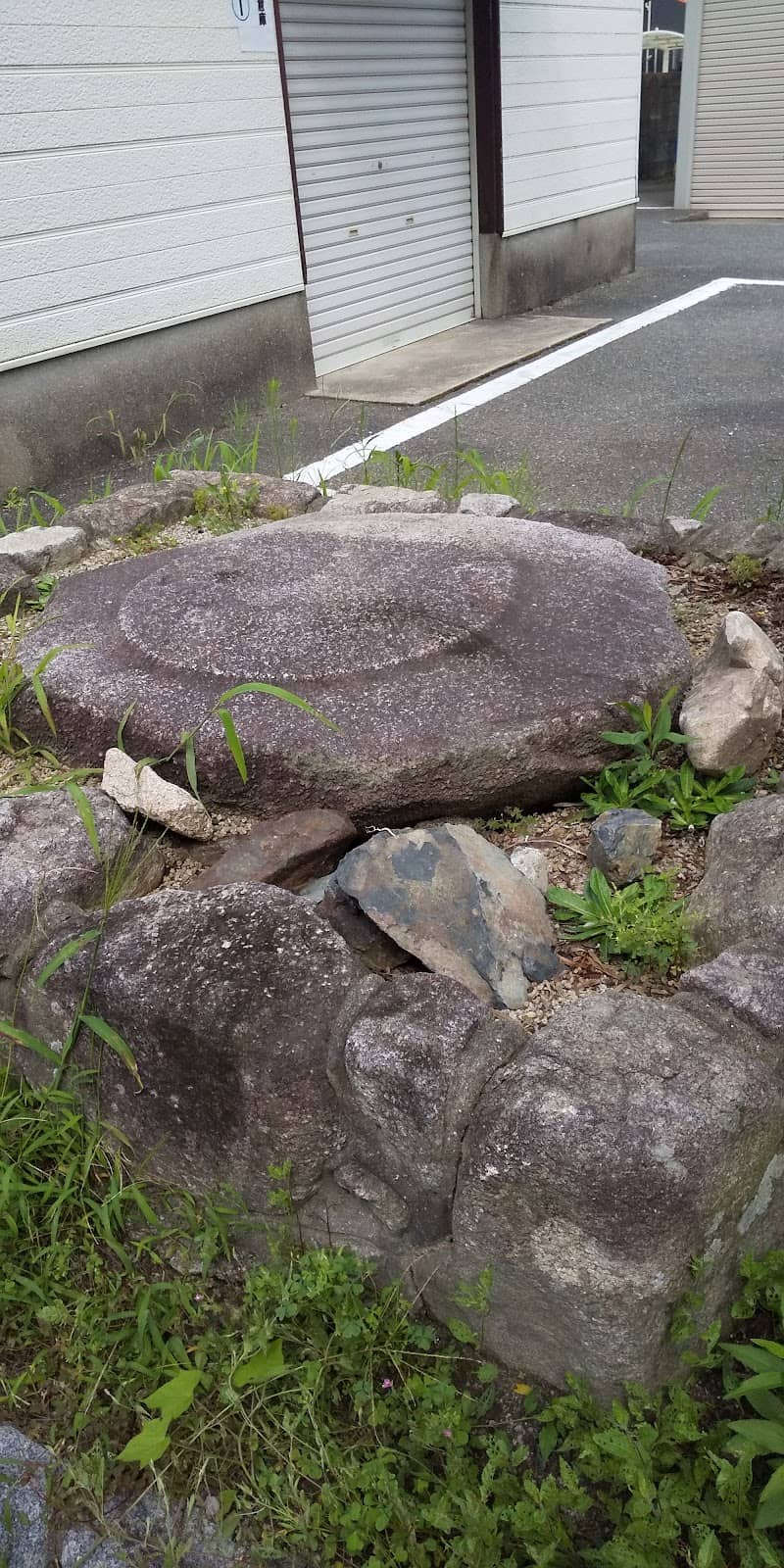
Discover the cornerstones and remnants of the Chikuzen Kokubun Nunnery, a testament to its 8th-century origins.
Post-Hole Building Remnants
Main temple area
See the archaeological evidence of a post-hole building, offering a glimpse into the temple's past construction.
Eastern Outer Wall Ditch
Site perimeter
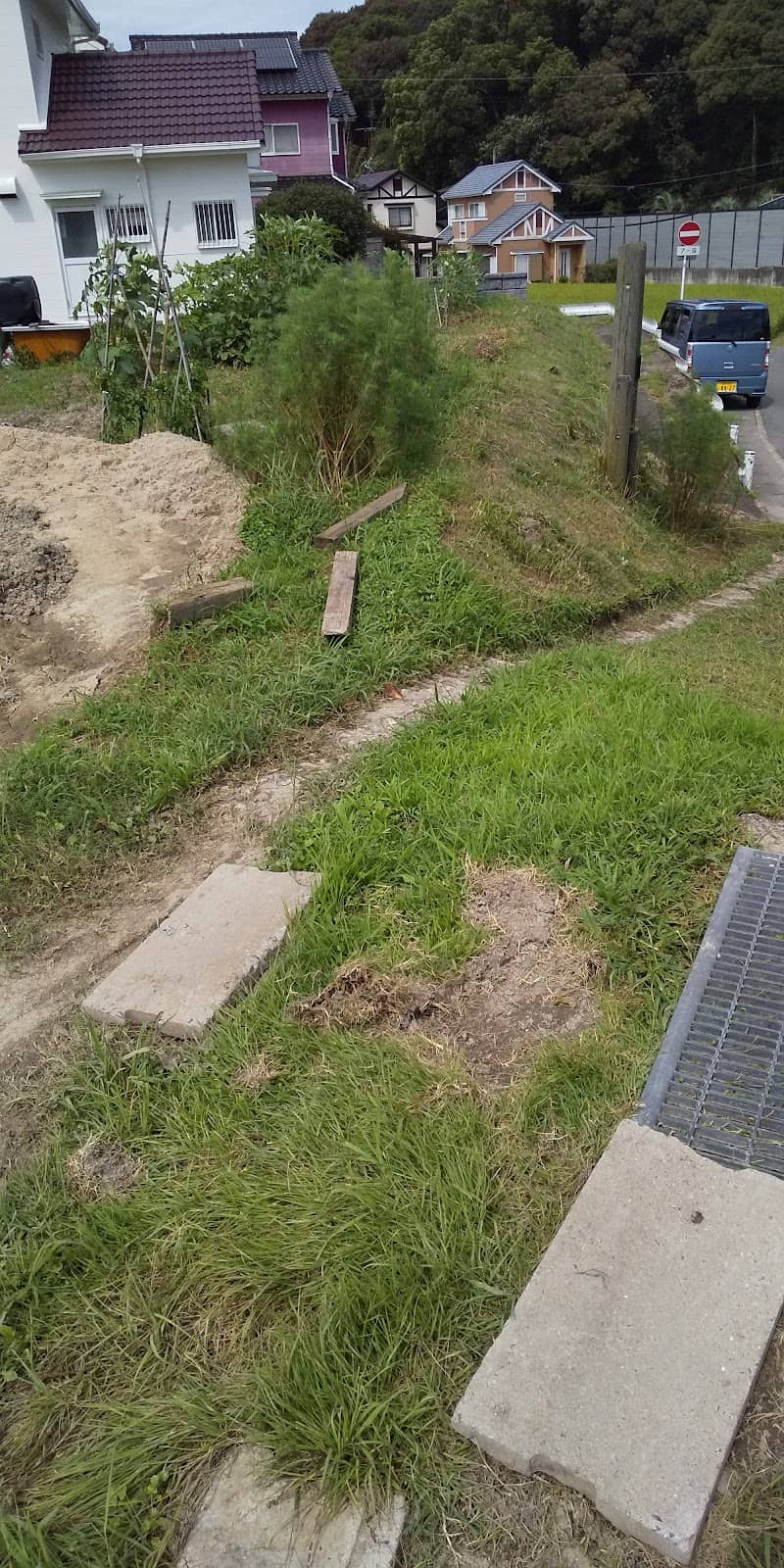
Trace the outline of the eastern outer wall through its remaining ditch, a key feature of the temple's layout.
Plans like a pro.
Thinks like you
Planning Your Visit
Understanding the Site
Best Time for Reflection
Best Times
Insider Tips
from TikTok, Instagram & Reddit
🚶♀️ Embrace the History
This is an archaeological site; focus on the foundations and guideboards for historical context.
☀️ Visit in Daylight
Clear visibility is key to appreciating the remnants. Avoid visiting after dark.
🌾 Respect the Landscape
Much of the site is now a rice paddy. Be mindful of the natural surroundings.
Tips
from all over the internet
🚶♀️ Embrace the History
This is an archaeological site; focus on the foundations and guideboards for historical context.
☀️ Visit in Daylight
Clear visibility is key to appreciating the remnants. Avoid visiting after dark.
🌾 Respect the Landscape
Much of the site is now a rice paddy. Be mindful of the natural surroundings.
What Travellers Say
Reviews Summary
Visitors find the Chikuzen Kokubunniji Ruins to be a historically significant archaeological site, offering a glimpse into Japan's Nara period. While the lack of extensive reconstruction means it's more about imagining the past, the remnants and informative guideboards provide valuable context for history enthusiasts. It's a peaceful, open-air experience best enjoyed during daylight hours.
"Remains found at the site of the nunnery include a post-hole building and a ditch that appears to be the eastern outer wall. Additionally, cornerstones have been found at the Kokubun common use facility, which was a central facility.
Excavation results suggest that it dates from the late 8th century to the late 9th century. In 2015, earthenware with the name Hanadera written in ink was discovered, proving that it was a Kokubun nunnery."
藤原広泰
"The Chikuzen Kokubunji Temple ruins remain beautifully, but only the cornerstones remain of the nunnery ruins. How sad!"
Kazuya Tamiya
"Dazaifu City Cultural Heritage
[Registration Number] E0053
[Name] Chikuzen Kokubun Nunnery Site
[Location] Kokubun 2-chome
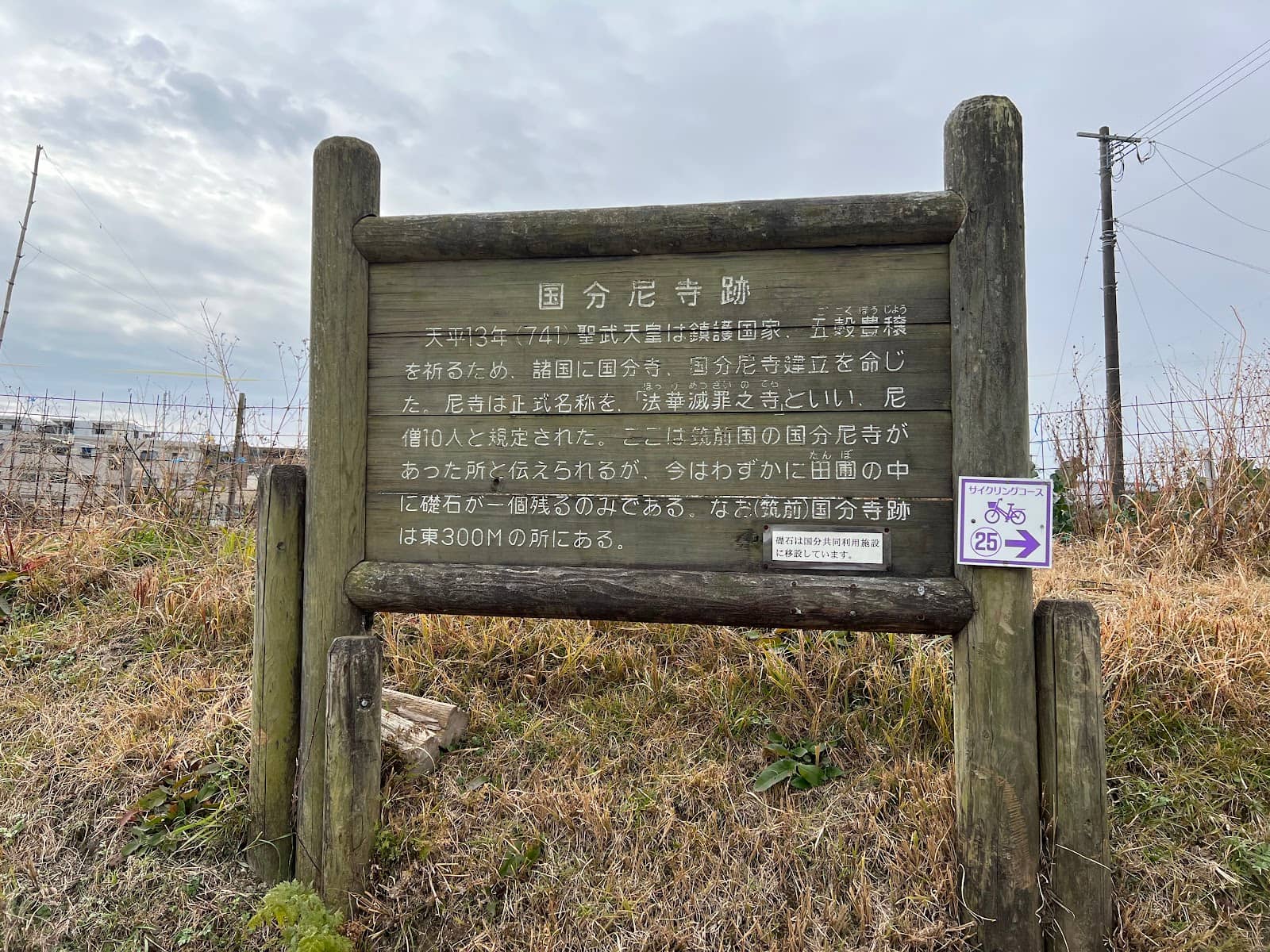
[Cultural Heritage Information] This temple was built in 741 by order of Emperor Shomu to pray for the protection of the nation and bountiful harvests. Its official name was Hokemetsuzai-no-tera (Temple of the Lotus Sutra) and it housed 10 nuns. Kokubun Nunnery was built in the late 8th century and is estimated to have lasted only about 100 years. The site is now a rice paddy."
貴一
What People Like
What People Dislike
Frequently Asked Questions
🚇 🗺️ Getting There
The ruins are located in Kokubun 2-chome. Public transportation options to Dazaifu City are available, and from there, local buses or a short taxi ride can take you to the vicinity of the ruins. It's advisable to check local transport schedules in advance.
Information on dedicated parking is limited. Visitors may need to find parking in nearby areas or utilize public transport to reach the site.
🎫 🎫 Tickets & Entry
As an archaeological site with primarily guideboards and foundations, there is typically no admission fee. Entry is generally free.
The ruins are an open-air site, so they are accessible during daylight hours. There are no set opening or closing times.
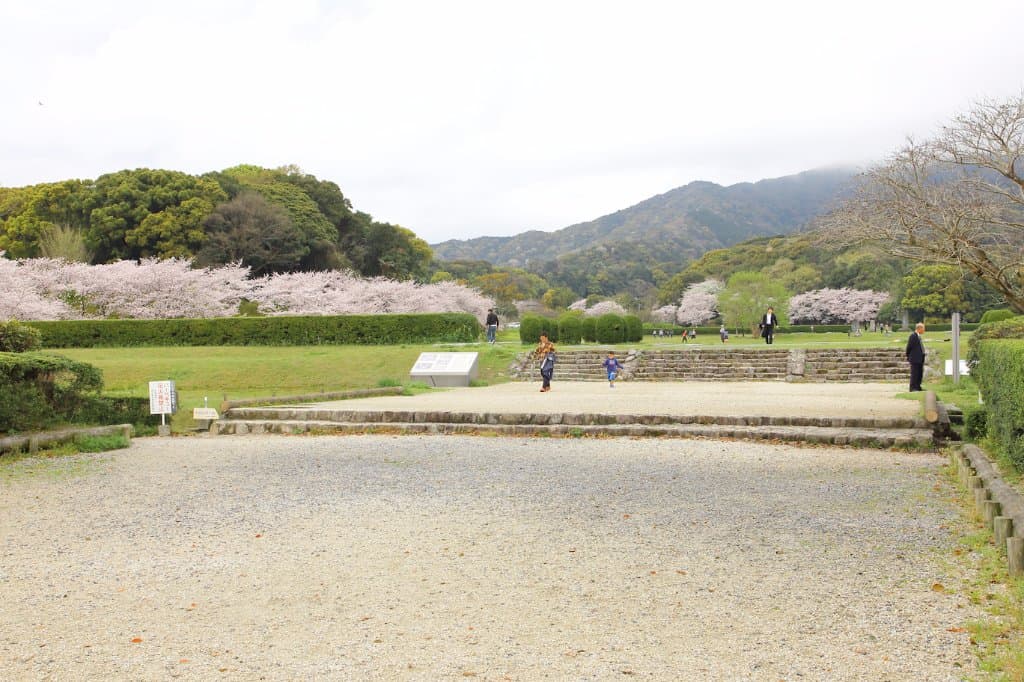
The site contains archaeological remnants like cornerstones and ditches, but it is not a fully reconstructed temple. Much of it is now a rice paddy.
🎫 🧭 Onsite Experience
You can see the foundations of the former temple and nunnery, including cornerstones, post-hole remnants, and the ditch of the eastern outer wall. Informative guideboards explain the history.
Yes, the site is suitable for walking, but it's an archaeological area. Wear comfortable shoes as you'll be walking on uneven ground and potentially through fields.
A visit typically takes about 30 minutes to an hour, depending on your interest in exploring the remnants and reading the historical information.
Facilities are minimal. It's an open archaeological site, so there are no restrooms or visitor centers directly on-site. Plan accordingly.
📸 📸 Photography
Focus on capturing the subtle archaeological features like the cornerstones and the expanse of the rice paddies. The guideboards can also be photographed for context.
Yes, photography is generally allowed. However, be respectful of the historical nature of the site and any private property if you venture near the rice paddies.

Social
from TikTok, Instagram & Reddit