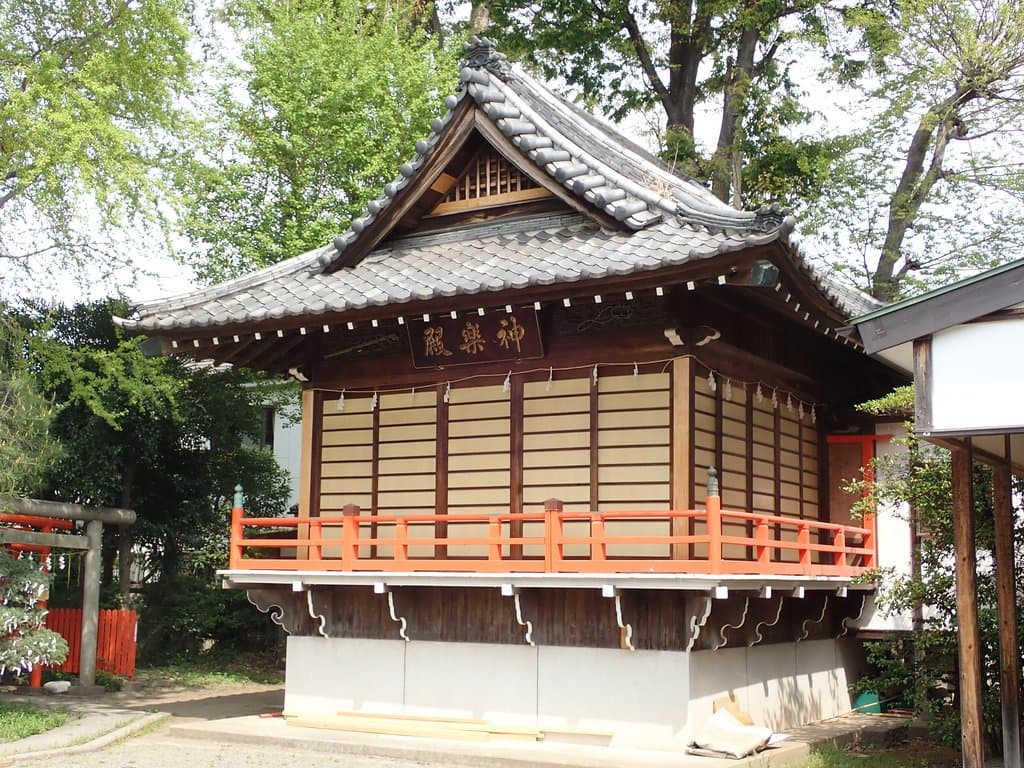
Koiwa Katori Shrine
A serene shrine in Edogawa Ward, known for its komatsuna history and offering unique goshuin stamps.
Highlights
Must-see attractions

Social
From TikTok & Reddit
Best Time
Fewer crowds, peaceful atmosphere
Koiwa Katori Shrine
Best Time
Fewer crowds, peaceful atmosphere
Highlights
Must-see attractions
A serene shrine in Edogawa Ward, known for its komatsuna history and offering unique goshuin stamps.
"A peaceful escape with a unique komatsuna connection and sought-after goshuin stamps."
🚶♀️ Walk from Shin-Koiwa Station
It's about a 10-15 minute walk through residential streets. Look for convenience stores as landmarks.
🚌 Bus Access is Great
Buses run frequently near the Edogawa Ward Office, making it easy to reach even if you're not near the station.
Highlights
Discover the most iconic attractions and experiences
Goshuin Stamp
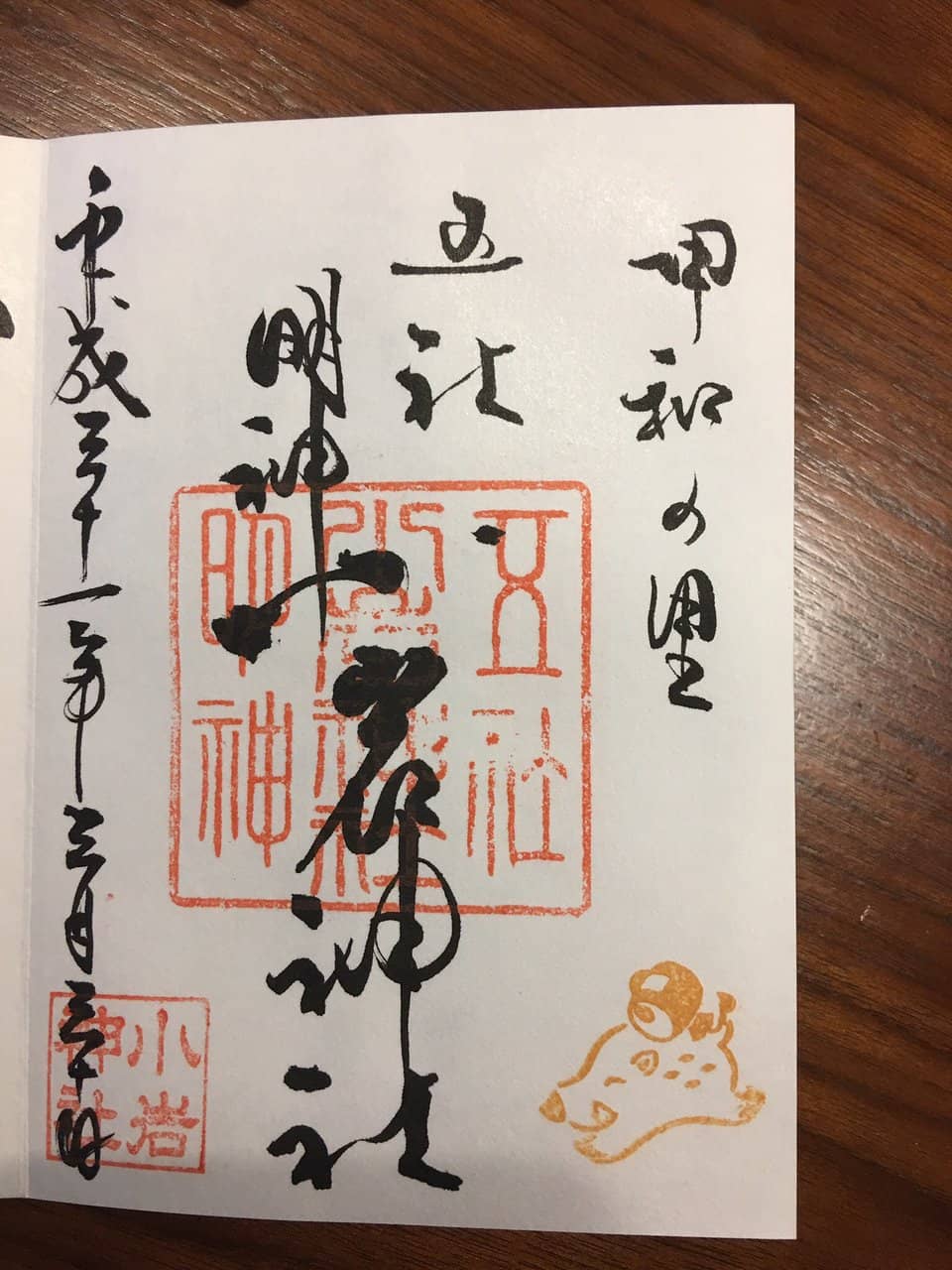
Collect a unique goshuin stamp, a beautiful memento of your visit to this historic shrine.
Komatsuna Monument
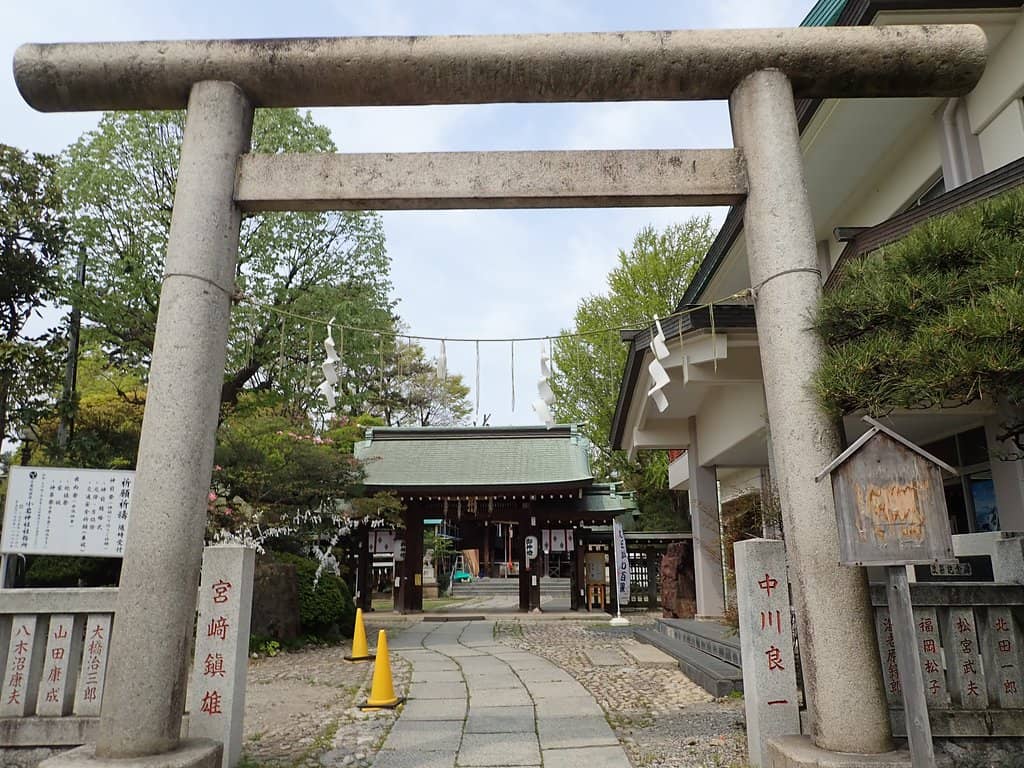
Discover the 'village monument' and 'bamboo guardian deity monument' celebrating the shrine's connection to komatsuna.
Peaceful Atmosphere
Experience a serene escape in a quiet residential area, offering a different pace from bustling Tokyo.
Plans like a pro.
Thinks like you
Planning Your Visit
Getting There & Timing
Goshuin & Shrine Etiquette
Best Times
Insider Tips
from TikTok, Instagram & Reddit
🚶♀️ Walk from Shin-Koiwa Station
It's about a 10-15 minute walk through residential streets. Look for convenience stores as landmarks.
🚌 Bus Access is Great
Buses run frequently near the Edogawa Ward Office, making it easy to reach even if you're not near the station.
📜 Goshuin Available
Pre-written goshuin stamps are offered. Note that Higashikomatsugawa Katori Shrine nearby does not distribute them.
🅿️ Parking is Limited
There's no dedicated parking lot. Consider using a nearby paid parking facility if driving.
Tips
from all over the internet
🚶♀️ Walk from Shin-Koiwa Station
It's about a 10-15 minute walk through residential streets. Look for convenience stores as landmarks.
🚌 Bus Access is Great
Buses run frequently near the Edogawa Ward Office, making it easy to reach even if you're not near the station.
📜 Goshuin Available
Pre-written goshuin stamps are offered. Note that Higashikomatsugawa Katori Shrine nearby does not distribute them.
🅿️ Parking is Limited
There's no dedicated parking lot. Consider using a nearby paid parking facility if driving.
🦌 Deer Legend
Historically, seeing a deer here was considered good luck. Sadly, the last deer passed away in 2021.
What Travellers Say
Reviews Summary
Visitors appreciate Mamai Katori Shrine for its peaceful atmosphere and historical significance, particularly its connection to komatsuna. The availability of goshuin stamps is a major draw. However, some find the walk from the nearest station a bit long, and parking is not readily available.
"I visited Mamai Katori Shrine (Shinkoiwa Katori Shrine), located in the center of Tokyo's Edogawa Ward, to receive a pre-written goshuin (temple seal).
While the founding date is unknown, it is said to have been rebuilt in 1617 (Genwa 3), two years after the founding of Edo.
According to legend, the area around the shrine is a wetland centered around the Komatsu River (now Komatsugawa Waterfront Park), which flows just to the east. During the Choroku era, when Ota Dokan used this area as a shipping route between Kokufudai Castle and Edo Castle, he anchored here, an island in the wetlands called Michigashima (Dogashima), drew sacred water, and prayed for safety.
Considering that Katori Shrine is the god of the sea - in other words, the god responsible for the safety of ships - it was only natural that the deity of Katori Shrine (Futsunushi no Mikoto) would be enshrined here, in this wetland area where shipping was central. It is said that the shrine was founded by 16 farming families who lived in the area at the time.
By the way, there is another Katori shrine called Higashikomatsugawa Katori Shrine about 300m south, but that is the guardian shrine of the former Higashikomatsugawa village, while Mamai Katori Shrine is the guardian shrine of the former Nishikomatsugawa village.
It is only a short distance away, so be careful if you are thinking of getting a goshuin (temple seal).
Higashikomatsugawa Katori Shrine does not appear to handle shrine affairs, so goshuin are not distributed.
The nearest station is JR Shin-Koiwa Station, but it is quite a distance to walk.
However, Edogawa Ward Office is located near this shrine, and as a result, the ward's central library and a cultural center with a large theater are also located nearby, so there are buses running constantly.
So, although it is far from the station, it is well connected by public transport, making it an easy shrine to visit."
青い森
"About a 10-minute walk from Shin-Koiwa Station on the JR Sobu Line.
Head along Heiwabashi-dori Street towards Funabori-kaido, turn left at the convenience store, and you'll find this shrine in a residential area.
There are apartment buildings around, but this place feels like a different world.
I never imagined it was the guardian deity of komatsuna.
Apparently there used to be deer here, but I didn't see any.
This shrine has a lovely atmosphere.
You can also get a goshuin stamp here."
G G
"創建は不明だが1617年に再建されたとの記録がある。現在の本殿は1823年に完成されたものである。
親水公園散策の途中に寄るには丁度良い。訪れたのは8月の午後。都内とは思えないほどの蝉時雨の中だった。
江戸時代、徳川吉宗が鷹狩りで食事をする際この神社が選ばれた。神主が餅のすまし汁にこの地で採れた青菜を添えたところ、吉宗はこの青菜を気に入り、ここの地名から小松菜と命名したという。境内には「小松菜産土神」や「小松菜ゆかりの里」の碑がある。
御祭神はフツヌシノミコト。刀剣の神様である
大正時代に荒川の開削により小松川の地が分断されたのは有名な話である。これにより分断された西岸から当社と天祖神社に参拝することが困難になった。そこで、二神社の分霊をして新しい神社を創建したのが現在の小松川神社(江戸川区小松川3丁目)である。天下の大事業は神社仏閣にも大きな影響を及ぼしたのだ。"
山川海
What People Like
What People Dislike
Frequently Asked Questions
🚇 🗺️ Getting There
From the JR Shin-Koiwa Station, it's about a 10-15 minute walk. Head along Heiwabashi-dori Street towards Funabori-kaido, then turn left at a convenience store. The shrine is located in a residential area.
Yes, buses are a convenient option as the Edogawa Ward Office is nearby, with frequent services. This makes the shrine easily accessible by public transport.
While not directly next to a station, its good bus connections and relatively short walk from Shin-Koiwa Station make it quite accessible for visitors.
Taking the JR Sobu Line to Shin-Koiwa Station is a common route. From there, you can either walk or take a bus.
Turning left at a convenience store after heading down Heiwabashi-dori Street is a good indicator that you're on the right path.
🎫 🎫 Tickets & Entry
No, entry to the grounds of Koiwa Katori Shrine is generally free. You can explore the shrine and its surroundings without a ticket.
Yes, Mamai Katori Shrine offers pre-written goshuin stamps. It's a popular item for visitors to collect as a memento.
Shrine grounds are typically open from early morning until late afternoon or early evening. Specific hours for the goshuin office may vary.
Yes, Mamai Katori Shrine offers goshuin stamps, but Higashikomatsugawa Katori Shrine, located nearby, does not.
Information on specific events or festivals is not widely available online, but checking local listings or inquiring at the shrine might provide details.
🎫 🧭 Onsite Experience
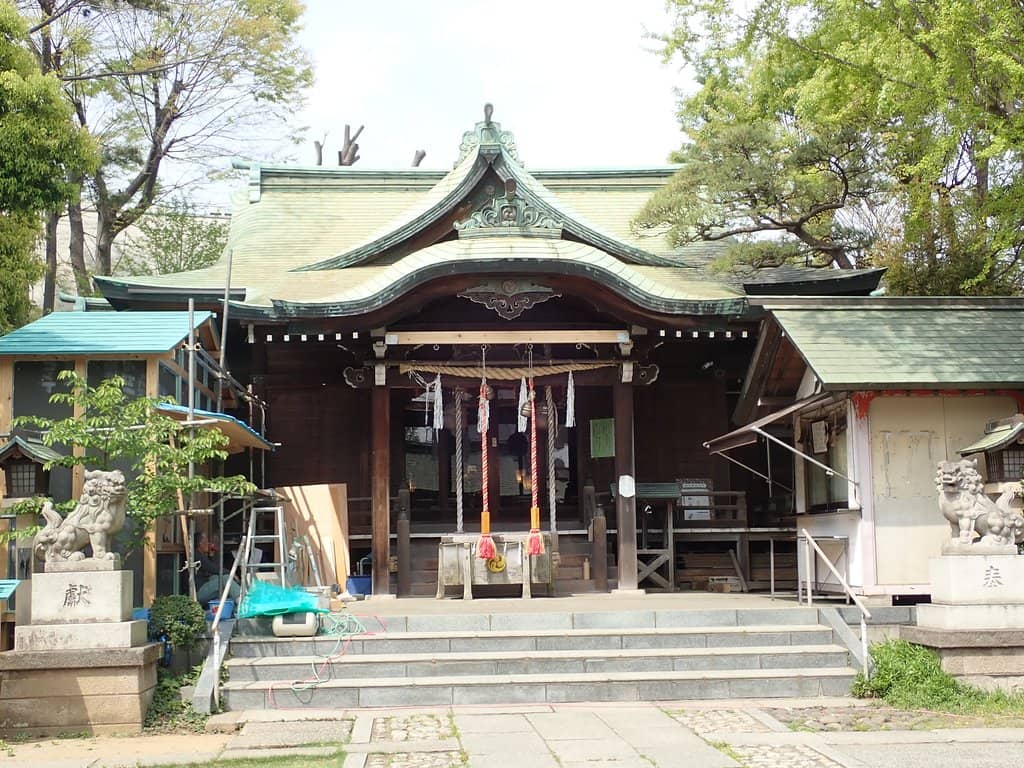
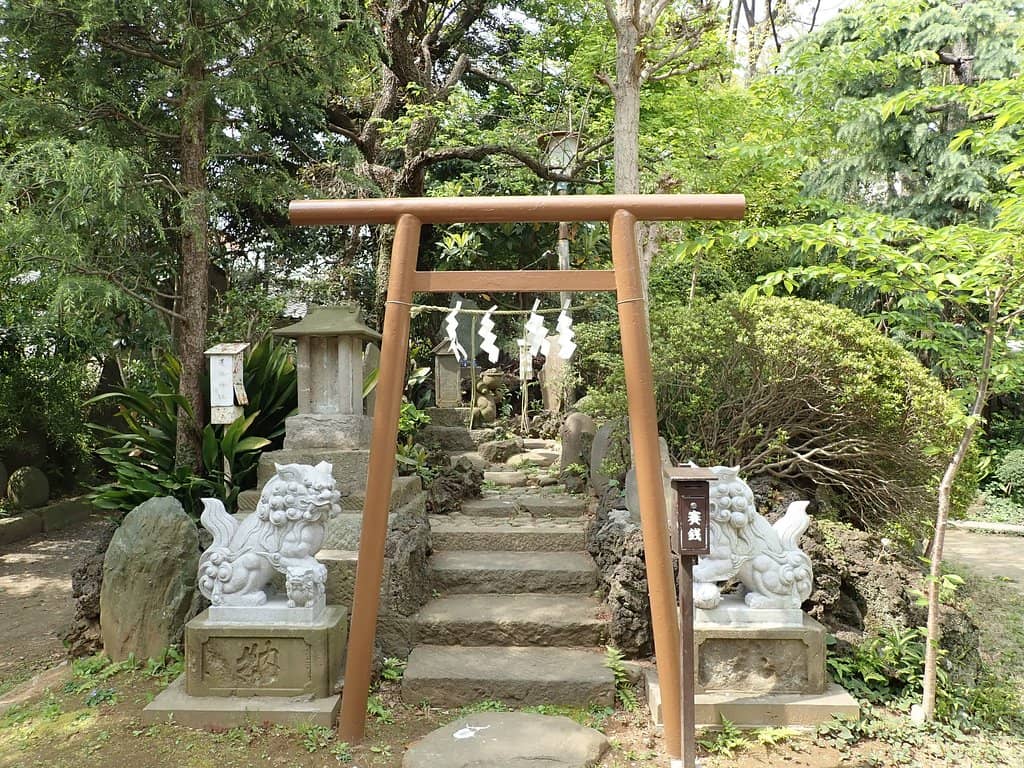
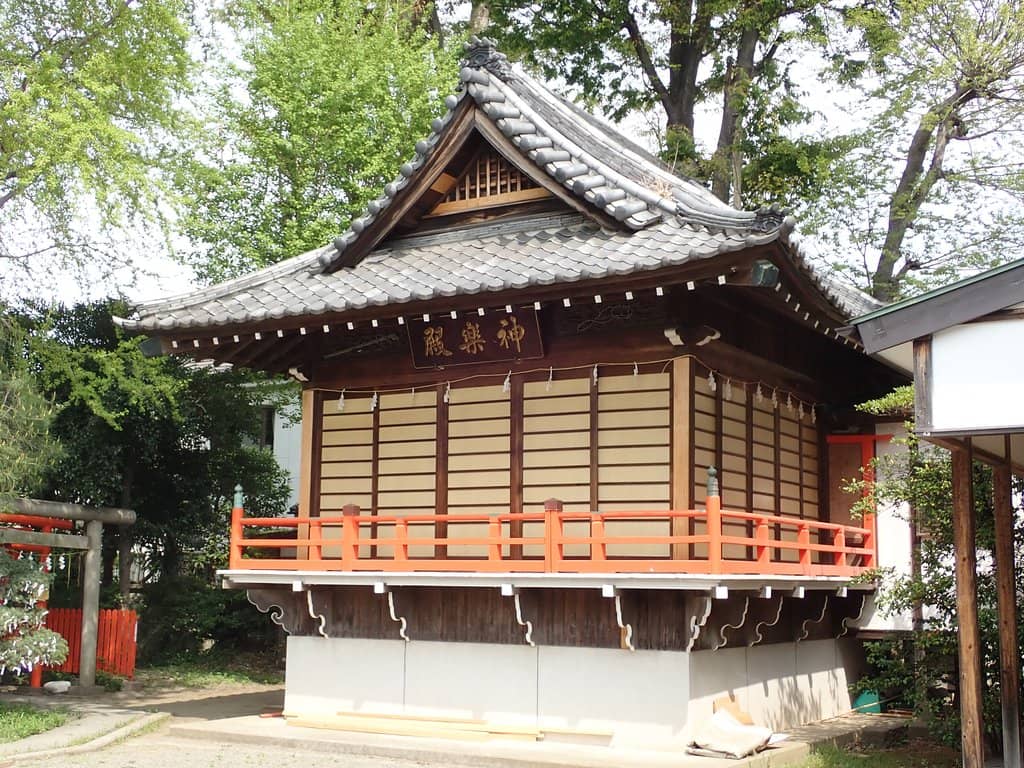
Visitors can see the main worship hall, a portable shrine hall, and several subordinate shrines. There are also monuments related to komatsuna.
The shrine is situated within a residential area and while it has a peaceful atmosphere, it's not an expansive complex.
The shrine is said to have been rebuilt in 1617 and has historical ties to Ota Dokan and the area's importance as a shipping route. It's also linked to the origin of komatsuna.
Basic facilities like a worship hall are present. Information on restrooms or other amenities is not readily available online.
Legend has it that the deity of Katori Shrine was served a dish made with local greens, which were then named 'komatsuna' after the area.
📸 📸 Photography
Generally, photography is allowed on the shrine grounds for personal use. However, always be mindful of any posted restrictions, especially inside prayer halls.
The main worship hall, the torii gates, and any decorative elements or monuments offer good photo opportunities. The surrounding residential area can also provide a contrasting backdrop.
You can photograph your goshuin stamp, but it's polite to ask permission before photographing shrine staff or other visitors.
While not explicitly stated, it's always best to avoid intrusive photography, especially during prayer times or ceremonies.
Lighting will vary depending on the time of day and weather. Mornings and late afternoons often offer softer light.
For Different Travelers
Tailored advice for your travel style
👨👩👧 Families with Kids
While there aren't specific playgrounds, the shrine grounds provide a safe space for children to explore respectfully. The availability of buses makes it easier to manage with younger children, especially if the walk feels too long. Remember to bring water and snacks, as facilities might be limited.
🚶 Solo Travelers & Day-Trippers
Given its accessibility via public transport, it's a convenient stop for those exploring Edogawa Ward. Combine your visit with nearby attractions like the Edogawa Ward Office or the cultural center for a more comprehensive day out. The shrine's quiet atmosphere is perfect for reflection or a moment of calm.
Deep Dives
In-depth insights and expert knowledge
Historical Roots and Komatsuna Connection
Beyond its maritime connections, Mamai Katori Shrine is famously linked to the origin of komatsuna, a popular Japanese leafy green. Legend has it that during the Genroku era, the shrine's deity was served a dish made with local greens. These greens were so well-received that they were named 'komatsuna' after the area. Today, visitors can find monuments commemorating this connection, including a 'village monument' and a 'bamboo guardian deity monument,' offering a unique glimpse into local agricultural history.
Visiting for a Goshuin Stamp
It's important to note that while Mamai Katori Shrine provides goshuin, its nearby counterpart, Higashikomatsugawa Katori Shrine, does not. Therefore, if collecting goshuin is a priority, ensure you visit the correct shrine. The process is usually straightforward: present your goshuincho (stamp book) and a fee, and the staff will apply the stamp. It's advisable to visit during operating hours, which are typically during the day.
Social
from TikTok, Instagram & Reddit