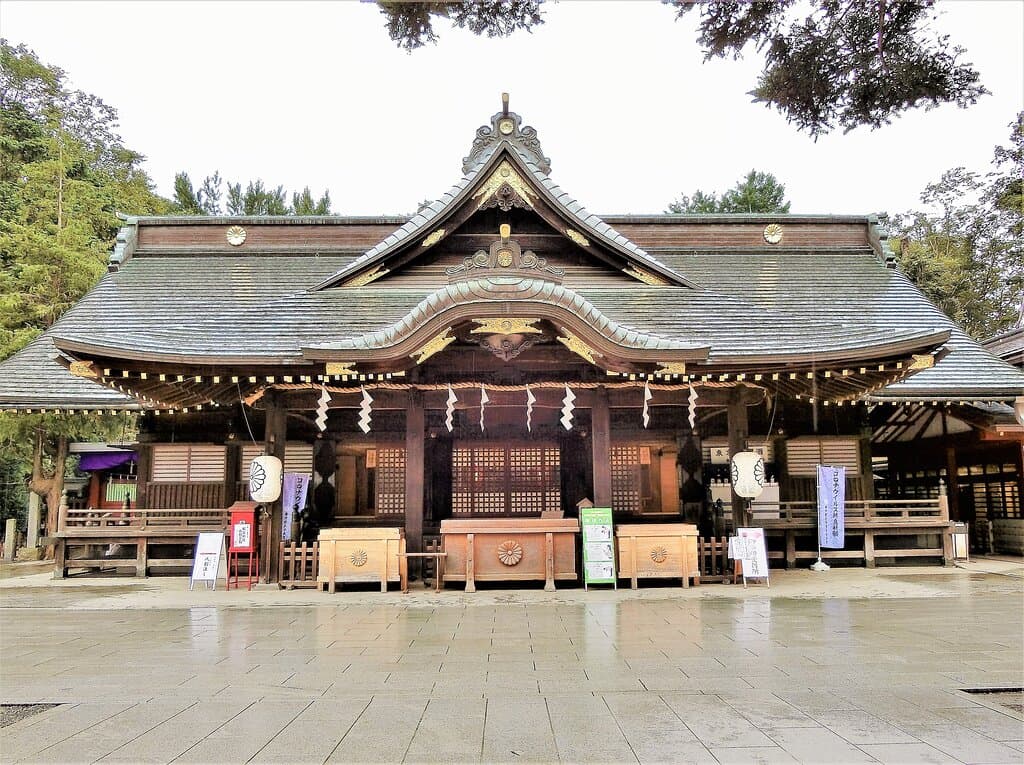
Okunitama Shrine
Ancient Shinto shrine, spiritual heart of Musashi, famous for its vibrant festivals and serene beauty.
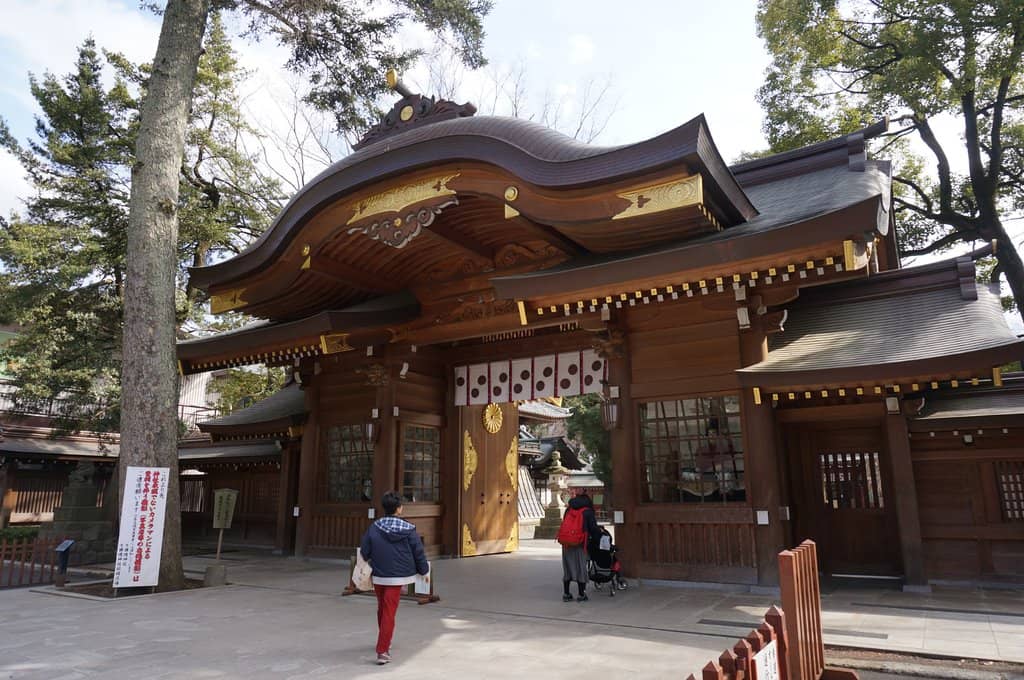
Highlights
Must-see attractions

Social
From TikTok & Reddit
Best Time
Peaceful atmosphere, fewer crowds
Okunitama Shrine
Best Time
Peaceful atmosphere, fewer crowds
Highlights
Must-see attractions
Ancient Shinto shrine, spiritual heart of Musashi, famous for its vibrant festivals and serene beauty.
"A wonderful place where you can feel peace from inside your soul."
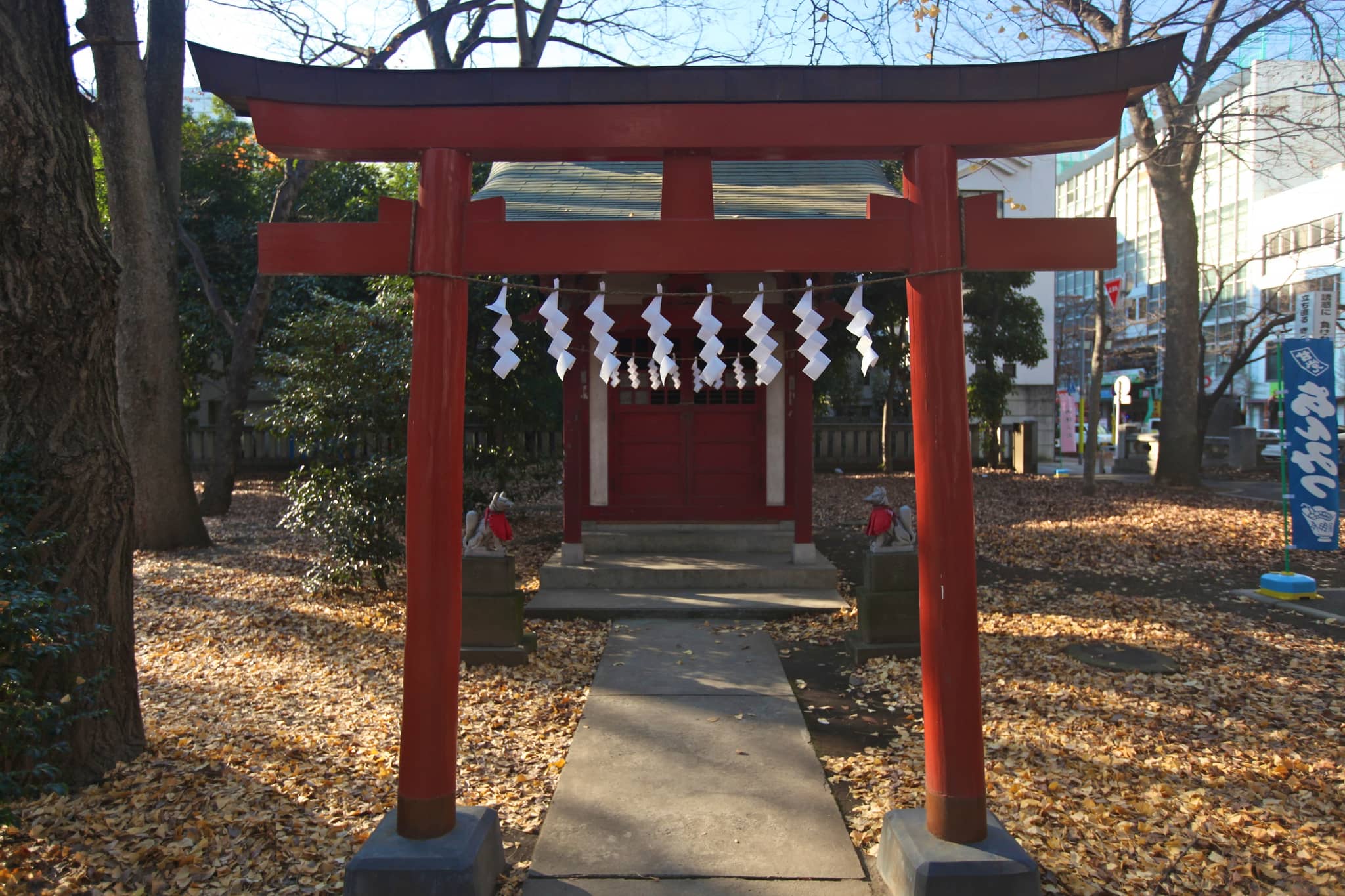
🎯 Easy Access via Keio Line
Take the Keio Line to Fuchu Station for direct access. It's a straightforward journey even from Shinjuku.
🏮 Festival Vibes are Electric!
If visiting during Kurayami or Tori no Ichi, embrace the crowds for an unforgettable cultural experience.
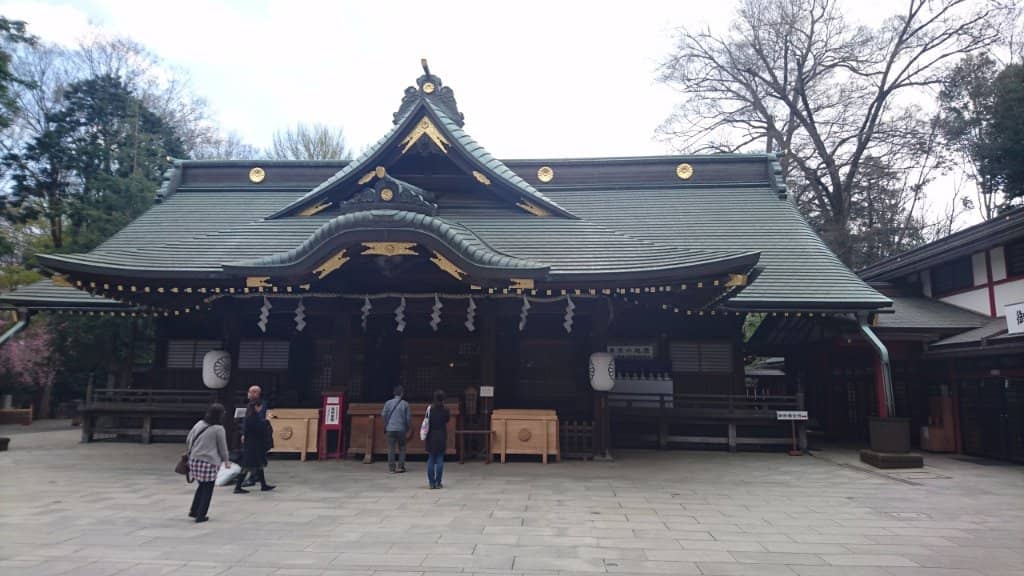
Quick Facts
Hours
Rating
4.4 · 6,723 reviews
Type
Shinto Shrine
Highlights
Discover the most iconic attractions and experiences
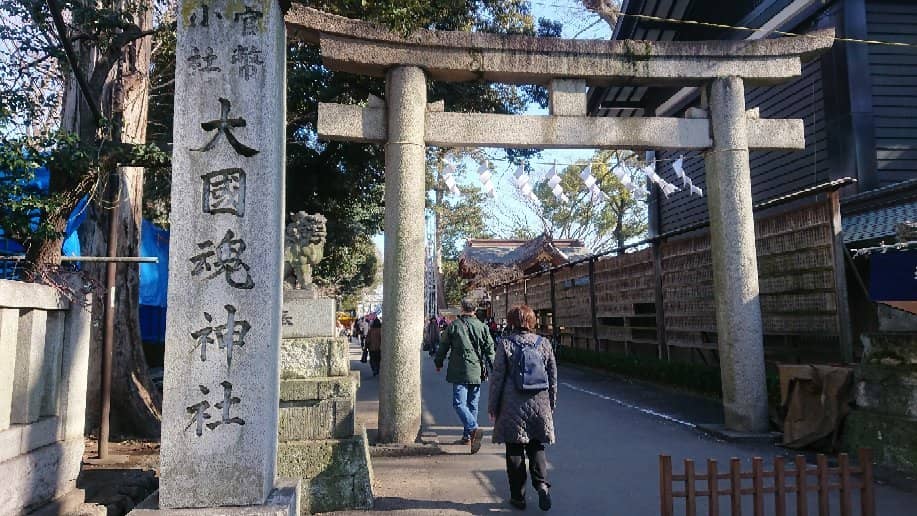
Kurayami Festival
Okunitama Shrine grounds
A week-long night festival with a sacred procession, vibrant floats, and a unique cultural immersion.
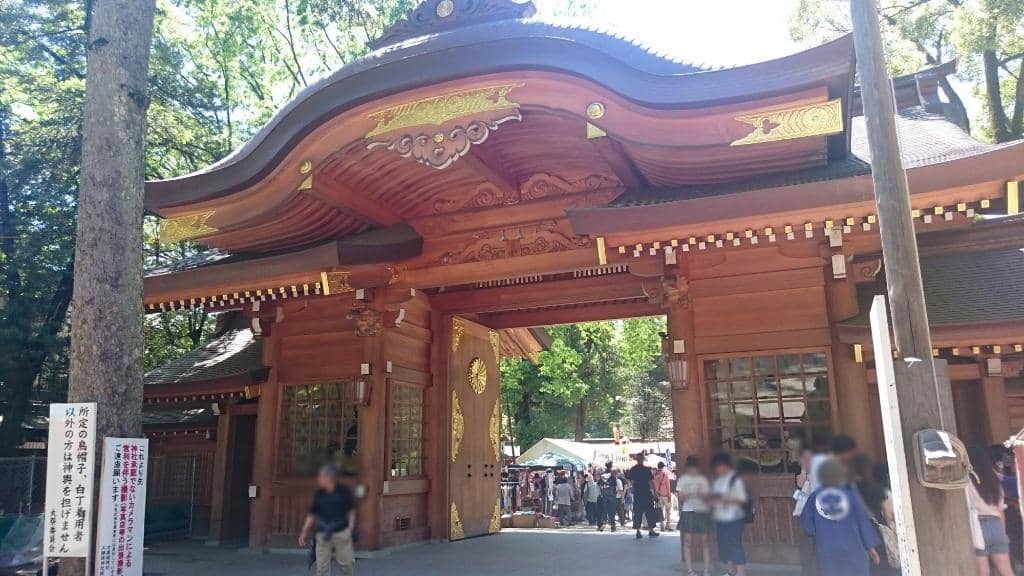
Tori no Ichi Festival
Okunitama Shrine grounds
Iconic end-of-year festival featuring lucky rakes (kumade) and a lively, festive atmosphere.
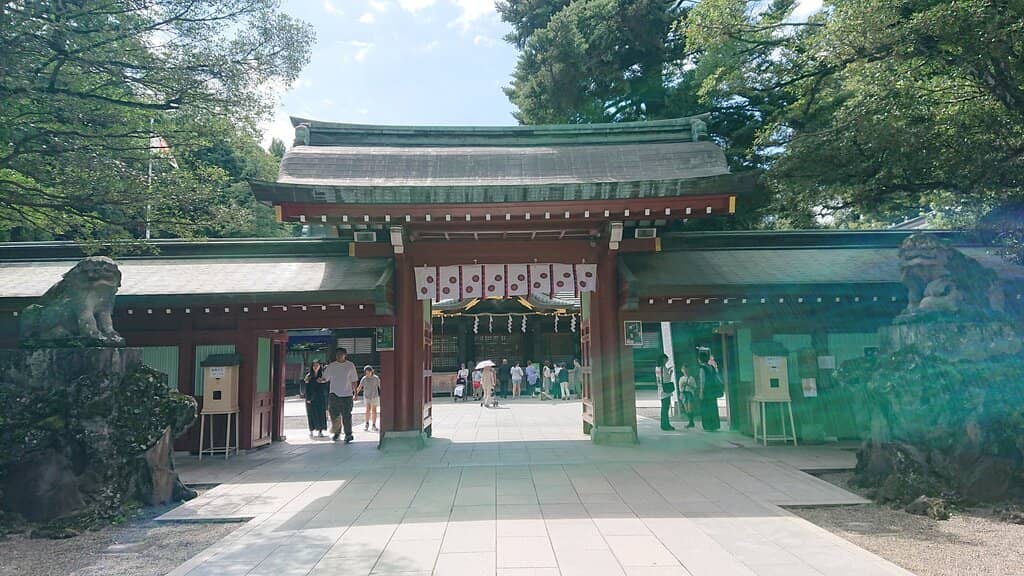
Ancient Keyaki Tree
Shrine grounds
A majestic, tall Keyaki tree stands as a testament to the shrine's long and storied history.
Shinto Wedding Ceremonies
Shrine chapel
Witness or participate in a traditional Shinto wedding, a beautiful blend of Japanese culture and spirituality.
Plans like a pro.
Thinks like you
Planning Your Visit
Timing Your Visit for Tranquility
Festival Fever: Plan Ahead!
Best Times
Insider Tips
from TikTok, Instagram & Reddit
🎯 Easy Access via Keio Line
Take the Keio Line to Fuchu Station for direct access. It's a straightforward journey even from Shinjuku.
🏮 Festival Vibes are Electric!
If visiting during Kurayami or Tori no Ichi, embrace the crowds for an unforgettable cultural experience.
🌸 Seasonal Beauty
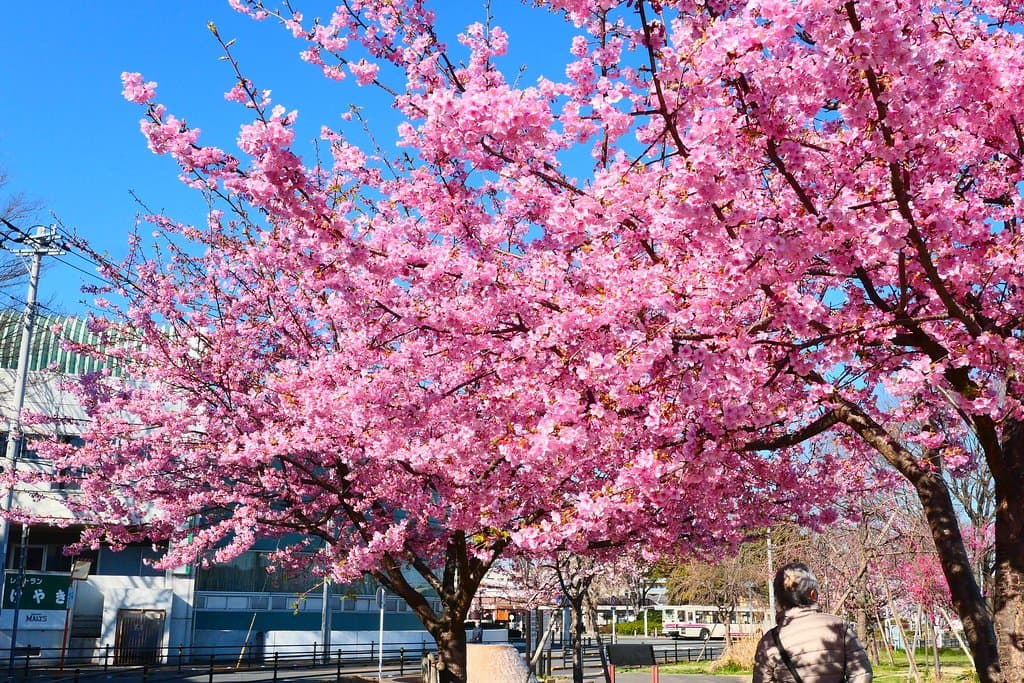
The shrine is beautiful year-round, with each season offering a unique charm and picturesque views.
📸 Capture the Serenity
Mornings offer soft light and fewer people, perfect for photography and quiet contemplation.
Tips
from all over the internet
🎯 Easy Access via Keio Line
Take the Keio Line to Fuchu Station for direct access. It's a straightforward journey even from Shinjuku.
🏮 Festival Vibes are Electric!
If visiting during Kurayami or Tori no Ichi, embrace the crowds for an unforgettable cultural experience.
🌸 Seasonal Beauty
The shrine is beautiful year-round, with each season offering a unique charm and picturesque views.
📸 Capture the Serenity
Mornings offer soft light and fewer people, perfect for photography and quiet contemplation.
🙏 Respectful Attire
Dress respectfully when visiting, especially if attending a wedding ceremony or during festivals.
What Travellers Say
Reviews Summary
Visitors praise Okunitama Shrine for its serene atmosphere, historical significance, and accessibility. Many highlight the unique cultural experiences offered by its festivals, particularly the Kurayami Matsuri. While generally peaceful, it can become very crowded during major events.
"A wonderful little temple for anyone in the neighborhood to visit. As a kid I lived not far from the temple and took some photos there. After 50 years of black and white memories, I returned to find the shrine very much like I left it, but this time I have memories in color. Easy to get to even from Shinjuku. Keio line to Fuchu."
Jim Heston
"Impressive, especially during the Kurayami Matsuri festival! The events cover three days and should not be missed, they are a way to interact intensively, with Japanese culture! I recommend!"
Amalia Bindea
"A wonderful place. You can feel peace from inside your soul as you come in this shrine. All year along you see this Jinja in a different virtues of beauty with respect to different seasons Japan has. The spring festival around this Jinja is a must to attend. You might be surprised by the crowd but it would a unique Japanese experience."
Shivam Hinduja
What People Like
What People Dislike
Frequently Asked Questions
🚇 🗺️ Getting There
The most convenient way is to take the Keio Line to Fuchu Station. From Shinjuku, it's a direct ride. The shrine is a short walk from the station, making it easily accessible for day-trippers.
Yes, it is very well-connected by public transport. The Keio Line provides direct access to Fuchu Station, which is close to the shrine.
While driving is possible, parking can be limited, especially during festivals. Public transport is generally recommended for a smoother experience.
The nearest train station is Fuchu Station on the Keio Line. It's a short and pleasant walk from the station to the shrine.
Absolutely! It's an excellent day trip destination, offering a peaceful escape and a glimpse into traditional Japanese culture without a long journey.
🎫 🎫 Tickets & Entry
Okunitama Shrine itself is free to enter. However, specific events or ceremonies, like weddings, may have associated costs. 
The shrine grounds are generally open from early morning until dusk. Specific building hours may vary, so it's best to check their official website if you have particular areas in mind.
No advance booking is required for general visits. However, for popular festivals like Kurayami Matsuri, it's wise to plan your visit and accommodation well in advance due to high demand.
Yes, Okunitama Shrine hosts several significant festivals throughout the year, including the Kurayami Festival (late April/early May) and Tori no Ichi (November).
While you can't typically 'attend' a private wedding ceremony without an invitation, you might witness parts of the procession or see couples arriving and departing, which is a beautiful sight.
🎫 ⛩️ Onsite Experience
You can explore the main shrine buildings, admire the ancient Keyaki tree, and experience the peaceful atmosphere. During festivals, you'll witness vibrant processions and cultural activities.
Yes, it's a peaceful place for families to visit. Children can enjoy the open spaces and learn about Japanese culture. Festivals offer exciting sights and sounds for all ages.
It's one of the most historical shrines in the Musashi Province, dedicated to various deities. It's known for its ancient legends and its role in important festivals.
Photography is generally permitted in most areas, but always be mindful of ongoing ceremonies and respectful of the sacred nature of the site.
It's advisable to wear comfortable walking shoes and dress respectfully, especially if you plan to participate in any prayer rituals or if attending a wedding.
🍽️ 🍽️ Food & Dining
Yes, Fuchu Station area has numerous restaurants and cafes offering a variety of Japanese cuisine. You can find everything from casual eateries to more formal dining.
While there might be occasional food stalls during festivals, it's generally not a place for full dining. It's best to explore the nearby Fuchu area for meals.
Fuchu offers a wide range of Japanese dishes, including ramen, sushi, tempura, and local specialties. Exploring the local eateries is part of the experience.
📸 📸 Photography
The main shrine buildings, the ancient Keyaki tree, and the torii gates offer great photographic opportunities. During festivals, the vibrant floats and crowds provide dynamic shots.
Drone usage is typically restricted at religious sites to ensure peace and safety. It's best to assume it's not allowed unless explicitly stated otherwise.
Early mornings offer soft, natural light and fewer people, ideal for serene shots. Golden hour in the late afternoon can also provide beautiful lighting.
Be respectful of ongoing ceremonies and avoid intrusive photography. Some areas might have specific signage regarding photography.



Social
from TikTok, Instagram & Reddit