Mount Fuji
Japan's tallest peak, an active volcano and UNESCO World Heritage site, offering iconic views and a challenging climb.
Highlights
Must-see attractions

Social
From TikTok & Reddit
Best Time
Best chance for clear views
Mount Fuji
Best Time
Best chance for clear views
Highlights
Must-see attractions
Japan's tallest peak, an active volcano and UNESCO World Heritage site, offering iconic views and a challenging climb.
"Seeing Mt. Fuji in person is nothing short of magnificent; its snow-capped peak dominates the horizon and feels almost otherworldly. "
🧥 Layer Up for the Climb
Temperatures drop significantly at higher altitudes. Pack layers, including waterproof and windproof gear.
👟 Sturdy Hiking Boots Needed
The trails are rocky and steep. Good grip and ankle support are essential for a safe climb.
Quick Facts
Rating
4.6 · 13,436 reviews
Type
Mountain Peak
Highlights
Discover the most iconic attractions and experiences
Chureito Pagoda
Arakurayama Sengen Park
Iconic pagoda offering breathtaking panoramic views of Mount Fuji, especially stunning with cherry blossoms or autumn leaves.

Lake Kawaguchiko
Fuji Five Lakes
Serene lake providing classic reflections of Mount Fuji, perfect for photography and enjoying the natural beauty.
Lawson Convenience Store
Kawaguchiko Station area
An unexpected but popular photo spot, capturing Mount Fuji behind the familiar convenience store.
+1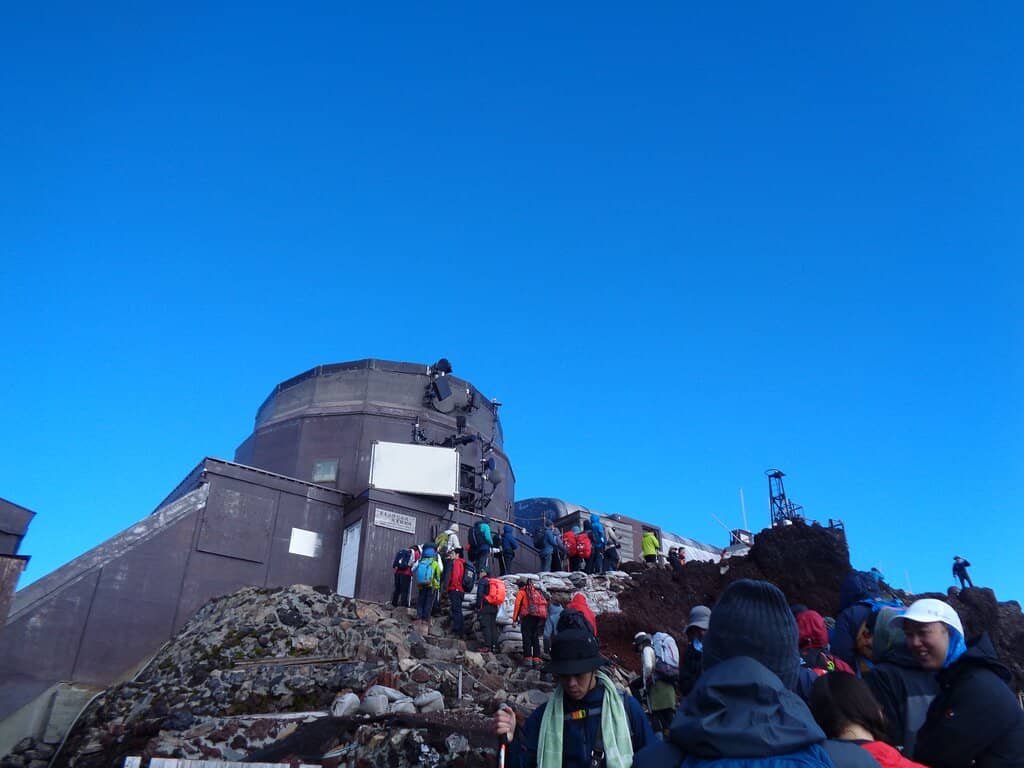
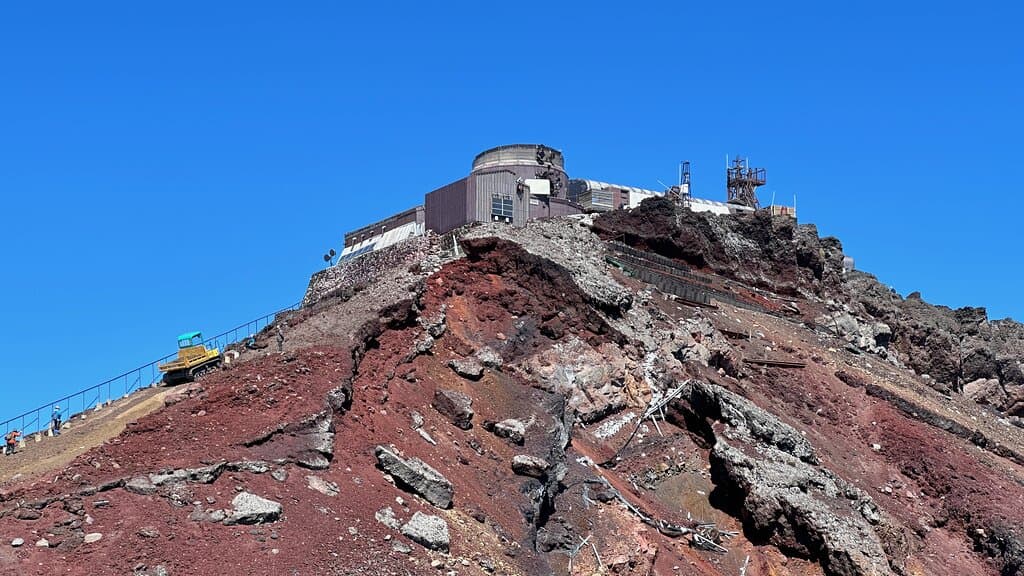
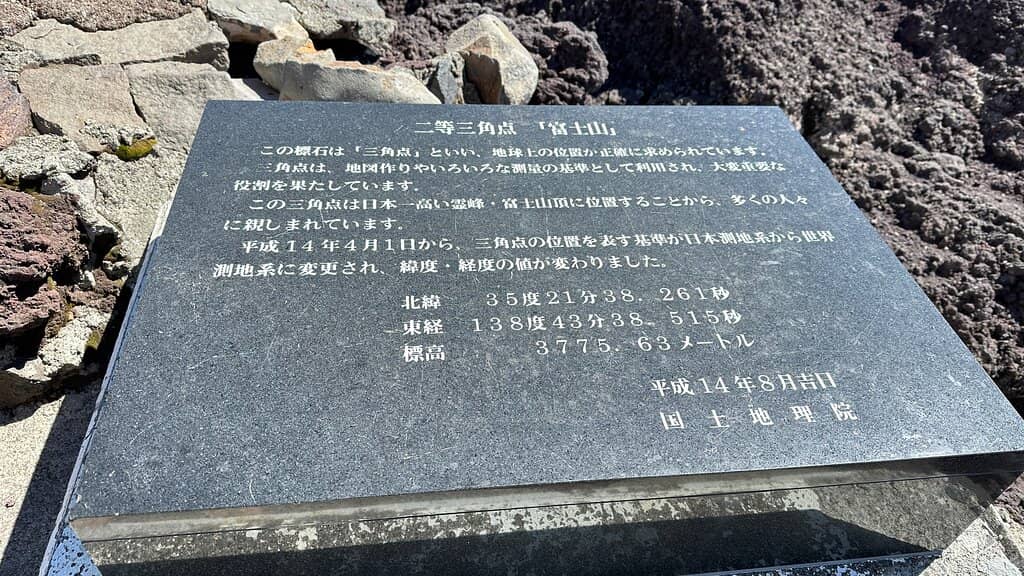
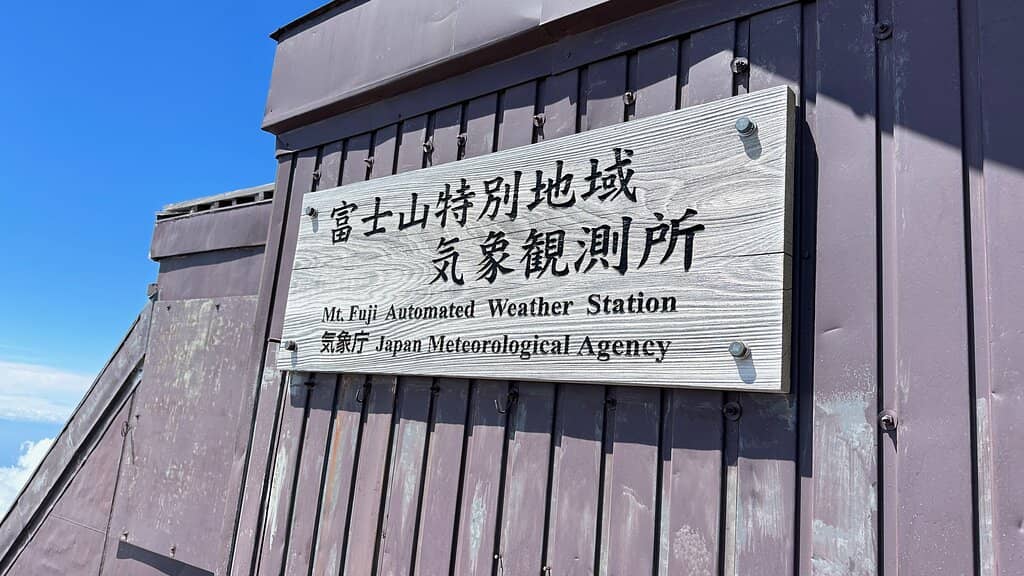
Mount Fuji Summit Sunrise
Mount Fuji Summit
Witnessing Goraikō (sacred sunrise) from the summit is an unforgettable, awe-inspiring experience.
Plans like a pro.
Thinks like you
Planning Your Visit
Best Time for Clear Views
Climbing vs. Viewing
Best Times
Insider Tips
from TikTok, Instagram & Reddit
🧥 Layer Up for the Climb
Temperatures drop significantly at higher altitudes. Pack layers, including waterproof and windproof gear.
👟 Sturdy Hiking Boots Needed
The trails are rocky and steep. Good grip and ankle support are essential for a safe climb.
💧 Stay Hydrated & Fueled
Bring plenty of water and snacks. Ramen and other food are available at stations, but can be pricey.
📸 Iconic Photo Spots
Don't miss Lawson, Chureito Pagoda, and Lake Kawaguchiko for classic Mount Fuji shots. +1
Tips
from all over the internet
🧥 Layer Up for the Climb
Temperatures drop significantly at higher altitudes. Pack layers, including waterproof and windproof gear.
👟 Sturdy Hiking Boots Needed
The trails are rocky and steep. Good grip and ankle support are essential for a safe climb.
💧 Stay Hydrated & Fueled
Bring plenty of water and snacks. Ramen and other food are available at stations, but can be pricey.
📸 Iconic Photo Spots
Don't miss Lawson, Chureito Pagoda, and Lake Kawaguchiko for classic Mount Fuji shots. +1
☀️ Aim for Early Mornings
For the best chance of clear views and fewer crowds, visit viewpoints early in the day.
🥾 Hike Staff & Stamps
Collect heat-branded stamps on your hiking staff at each station for a unique souvenir. +1
What Travellers Say
Reviews Summary
Mount Fuji is universally praised for its breathtaking beauty and iconic status, offering unforgettable views and a challenging yet rewarding climbing experience. Visitors are captivated by its majestic presence, whether seen from afar or from its summit. While the climbing season can be crowded and booking huts requires advance planning, the awe-inspiring sunrise and sense of accomplishment make it a worthwhile endeavor.
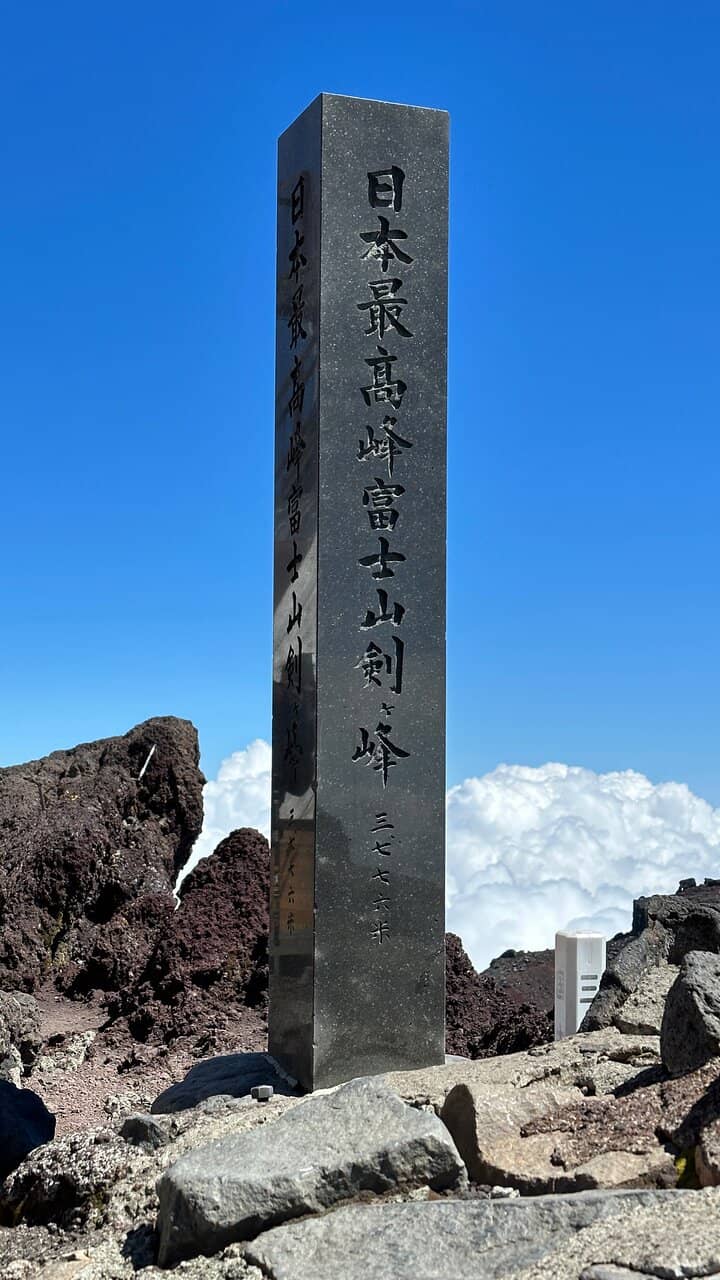
"Mount Fuji, located on the border between northeastern Shizuoka Prefecture and southern Yamanashi Prefecture in central Honshu, is the highest mountain in Japan.
It is an active stratovolcano with an elevation of 12,388.45 feet (3,776 meters). It is located approximately 62.14 miles (100 kilometers) southwest of Tokyo.
Renowned for its beautiful scenery and cultural value, the area is home to numerous tourist attractions, including the Fuji Five Lakes and Sengen Shrine.
Mount Fuji is a symbol of Japan and a sacred mountain for the Japanese. On June 22, 2013, the shrines, volcanic areas, and scenic spots surrounding Mount Fuji were designated a World Heritage Site under the title “Fuji, a Sacred Place, and a Source of Artistic Inspiration.”"
Christian Cho
"Photos do not do justice to this place. Fuji is magical & meditative. I would have loved to stay close to Mt Fuji for a few days. And that is what I plan to do. Just gazing at it from Kawaguchi river makes you feel peaceful. I am already planning another trip to Japan and this time will be staying in the vicinity of Fuji. Enough said."
A P
"A reminder that Mt. Fuji represents strength, resilience, and enduring character, similar to the steadfastness of the mountain itself.
A spiritual symbol of spiritual growth and enlightenment, a national symbol of Japan's strength, and a source of artistic inspiration."
Hua Mulan
What People Like
What People Dislike
Frequently Asked Questions
🚇 🗺️ Getting There
The most popular way to reach Mount Fuji from Tokyo is by taking a direct bus to the Fuji Five Lakes region, particularly Kawaguchiko. Alternatively, you can take a train to Otsuki Station and transfer to the Fujikyu Railway line. Many visitors opt for organized day tours from Tokyo for convenience.
From Kawaguchiko Station, you can take a bus directly to the Subaru Line 5th Station, which is the most common starting point for climbing Mount Fuji. Buses run frequently during the climbing season.
Yes, on clear days, Mount Fuji can be seen from various points in Tokyo, especially from tall buildings or observation decks. However, the views are much more dramatic and closer from the Fuji Five Lakes area.
For viewing, consider renting a car for flexibility, using local buses around the Fuji Five Lakes, or joining a guided tour. The Shinkansen (bullet train) also offers scenic views of Fuji as it passes by.
A day trip from Tokyo to Mount Fuji typically takes about 2-3 hours each way by bus or train, depending on traffic and the specific destination within the Fuji area.
🎫 🎫 Tickets & Entry
There are no entrance fees to simply view Mount Fuji from its surrounding areas like the Fuji Five Lakes or various parks. However, if you plan to climb, there's a ¥1,000 voluntary conservation fee at the 5th Station.
The official climbing season for Mount Fuji is typically from early July to early September. Outside of this period, trails are often closed due to snow and harsh weather conditions.
Mountain huts on Mount Fuji are popular and can get booked up quickly, especially during peak season in August. It's highly recommended to book your accommodation well in advance.
Arakurayama Sengen Park, where the Chureito Pagoda is located, is generally free to enter. However, some specific attractions or private parks in the area might have small admission fees.
While viewing Mount Fuji from a distance is possible year-round, climbing is restricted to the official season (July-September). Winter offers the clearest views but is not suitable for climbing.
📸 📸 Photography
Top spots include Chureito Pagoda, Lake Kawaguchiko, Oishi Park, and the iconic Lawson convenience store in Kawaguchiko. The Dream Bridge in Shizuoka also offers a unique perspective.
Early mornings often provide the clearest skies and softer light, ideal for photography. Sunrises from the summit are legendary, and sunsets can also be spectacular.
Yes, Arakurayama Sengen Park and Oishi Park are famous for their cherry blossoms with Mount Fuji in the background during spring.
A wide-angle lens is great for capturing the grandeur of the mountain and its surroundings. A telephoto lens can be useful for isolating details or capturing it from a distance. Tripods are essential for low-light conditions, especially for sunrise shots.
Yes, the area near the Fujikyu Railway line, particularly with the Shinkansen in the foreground, is a sought-after shot for train enthusiasts.
🎫 🧗 Climbing Mount Fuji
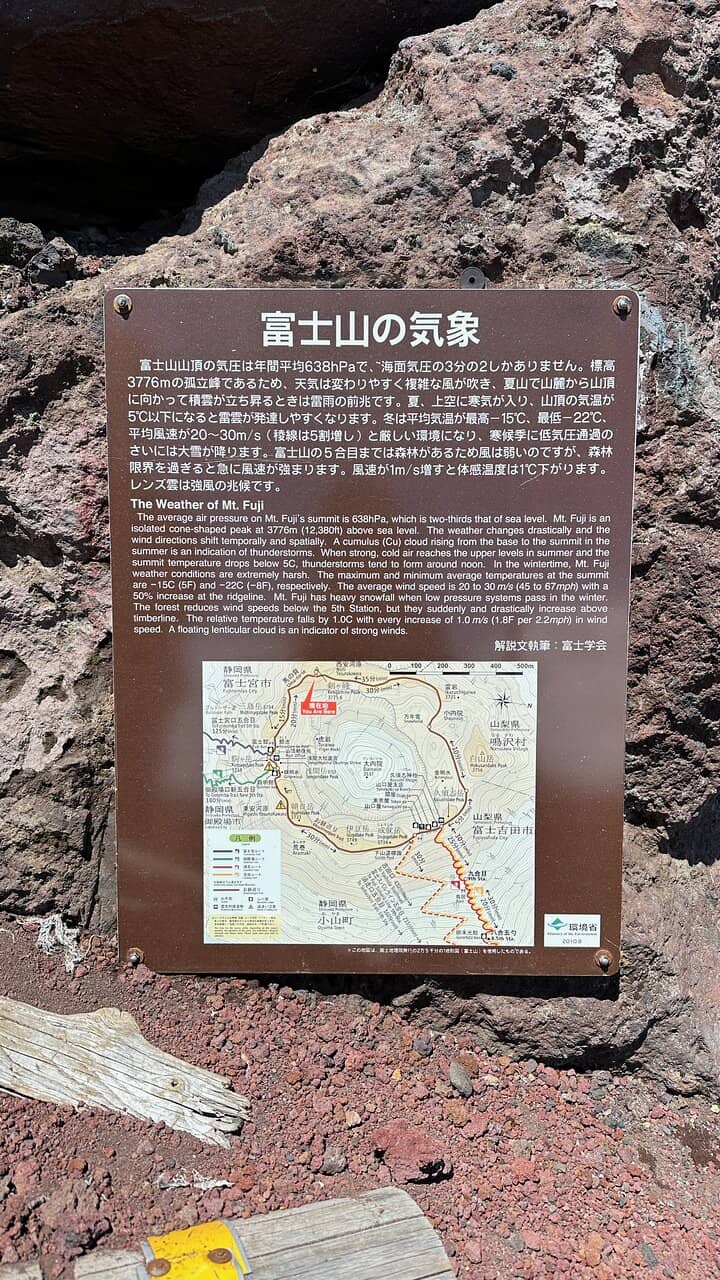
Climbing Mount Fuji is considered a strenuous hike. The altitude gain is significant, and the terrain can be steep and rocky. It requires good physical fitness and preparation.
Essential items include warm layers, waterproofs, sturdy hiking boots, a headlamp, water, snacks, sunscreen, and a first-aid kit. A hiking staff is also recommended for support and collecting stamps. +1
While some very fit and experienced hikers attempt a one-day ascent, it's generally recommended to break the climb into two days, staying overnight at a mountain hut to reach the summit for sunrise.
Many climbers start in the late afternoon or early evening to reach the summit for sunrise. This allows for a gradual ascent and avoids the hottest part of the day.
The most popular routes are the Yoshida Trail (most developed), Subashiri, Gotemba, and Fujinomiya. Each offers different challenges and scenery.
🎫 ♨️ Onsen & Relaxation
Yes, several ryokans and hotels in the Fuji Five Lakes area offer onsen with stunning views of Mount Fuji, providing a relaxing experience after a day of sightseeing or climbing. +2
Staying at a ryokan near Mount Fuji often includes traditional Japanese hospitality, tatami mat rooms, kaiseki dinners, and, in some cases, private onsen with Fuji views. +1
Absolutely! The Fuji Five Lakes region offers numerous scenic spots, parks, and cafes where you can relax and admire Mount Fuji without the strenuous climb. +1
Social
from TikTok, Instagram & Reddit