Futenma Shrine Okinawa
An ancient Okinawan Shinto shrine featuring a sacred cave with an altar and impressive natural formations, offering spiritual solace and historical ch...
Highlights
Must-see attractions

Social
From TikTok & Reddit
Best Time
Fewer crowds, peaceful atmosphere
Futenma Shrine Okinawa
Best Time
Fewer crowds, peaceful atmosphere
Highlights
Must-see attractions
An ancient Okinawan Shinto shrine featuring a sacred cave with an altar and impressive natural formations, offering spiritual solace and historical charm.
"The cave tour is a must-do, offering a unique spiritual experience with ancient formations."
📅 Book Cave Tour On-Site
Apply for the free cave tour at the counter. Tours are frequent but photography is forbidden inside .
🚗 Parking Availability
Free parking is available, but can fill up quickly on weekends and holidays. Consider arriving early .
Quick Facts
Hours
Rating
4.5 · 2,186 reviews
Type
Place of Worship
Highlights
Discover the most iconic attractions and experiences
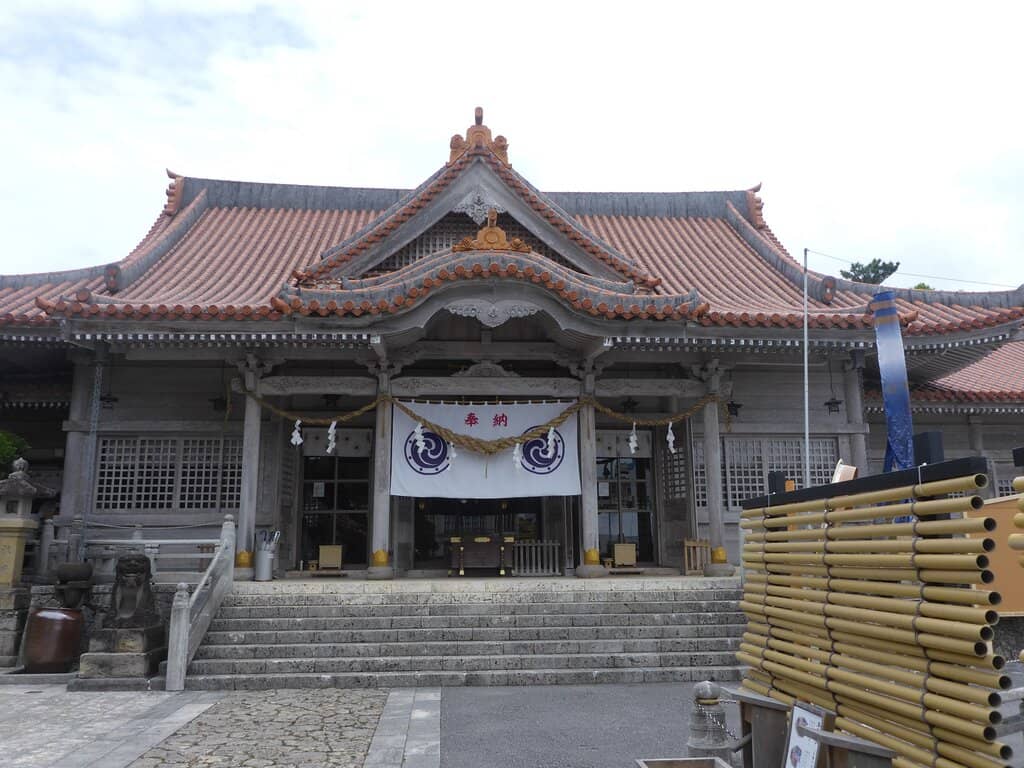
Sacred Cave Altar
Underground cave
Explore a hidden cave with an impressive altar and ancient stalactites. A unique spiritual experience, but no photos allowed!
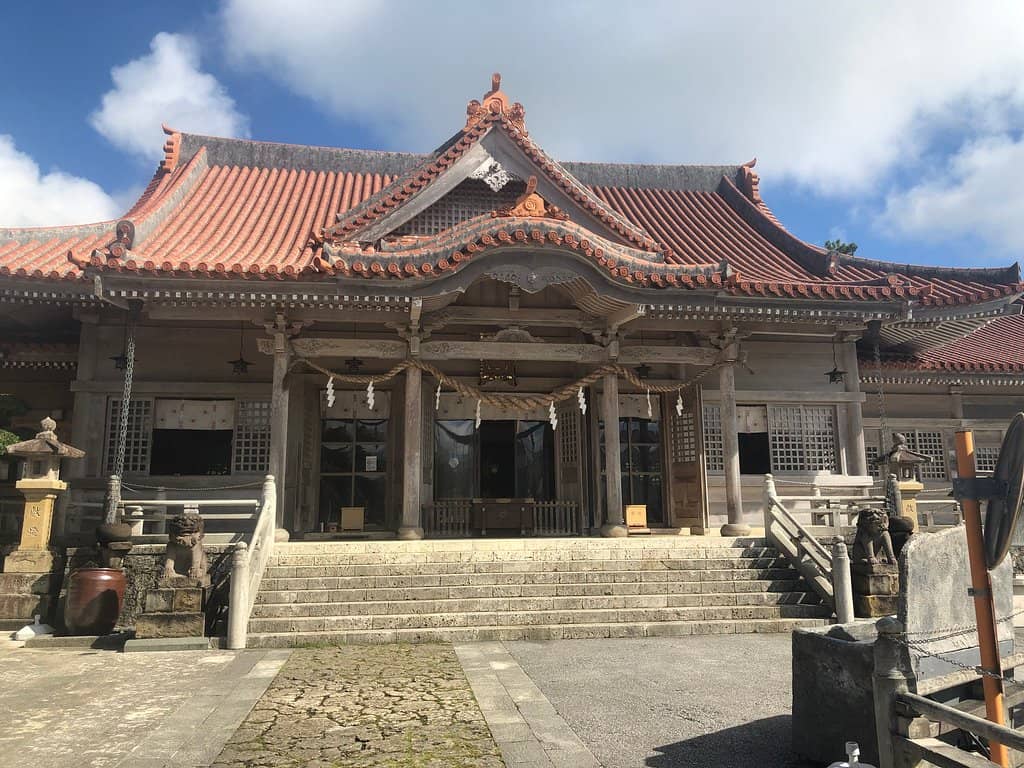
Historic Wooden Architecture
Main shrine building
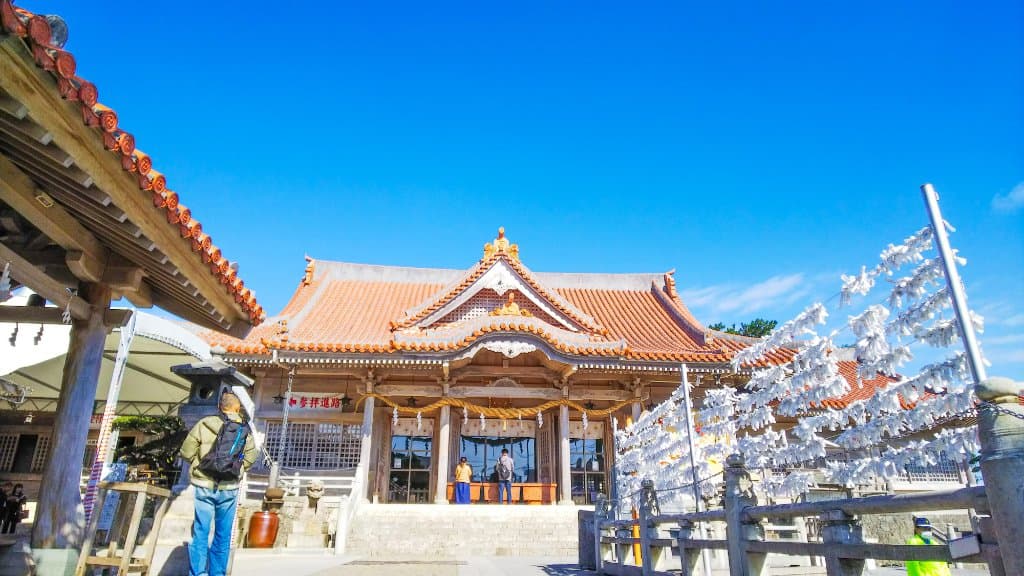
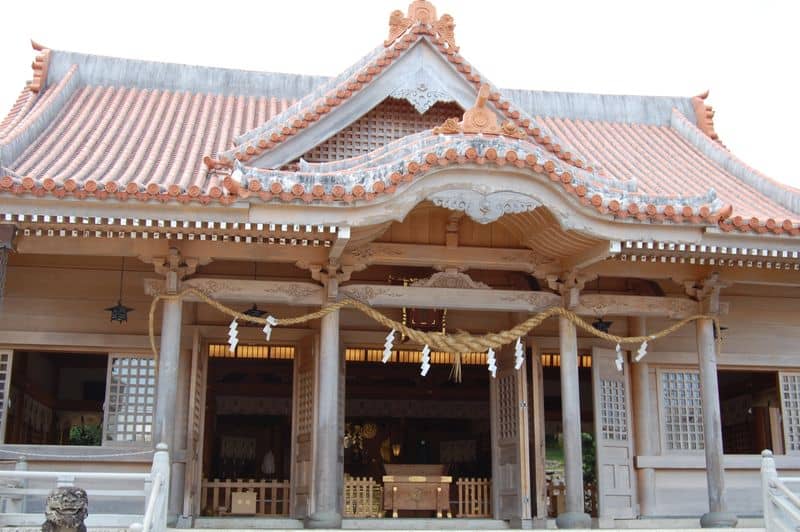
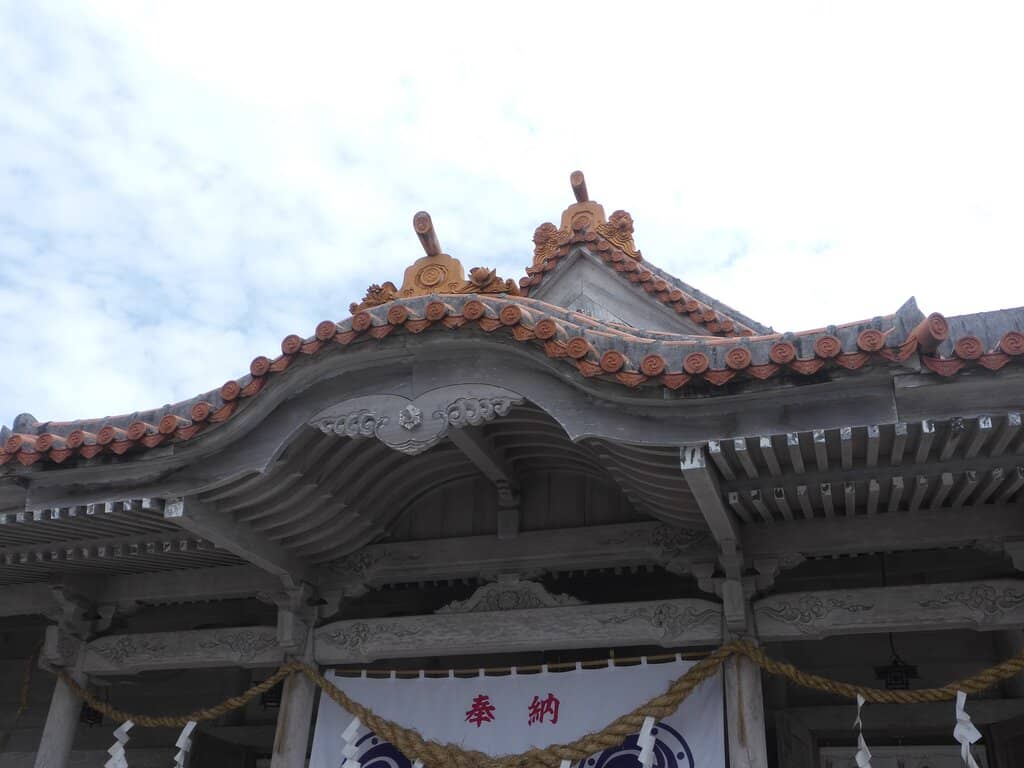
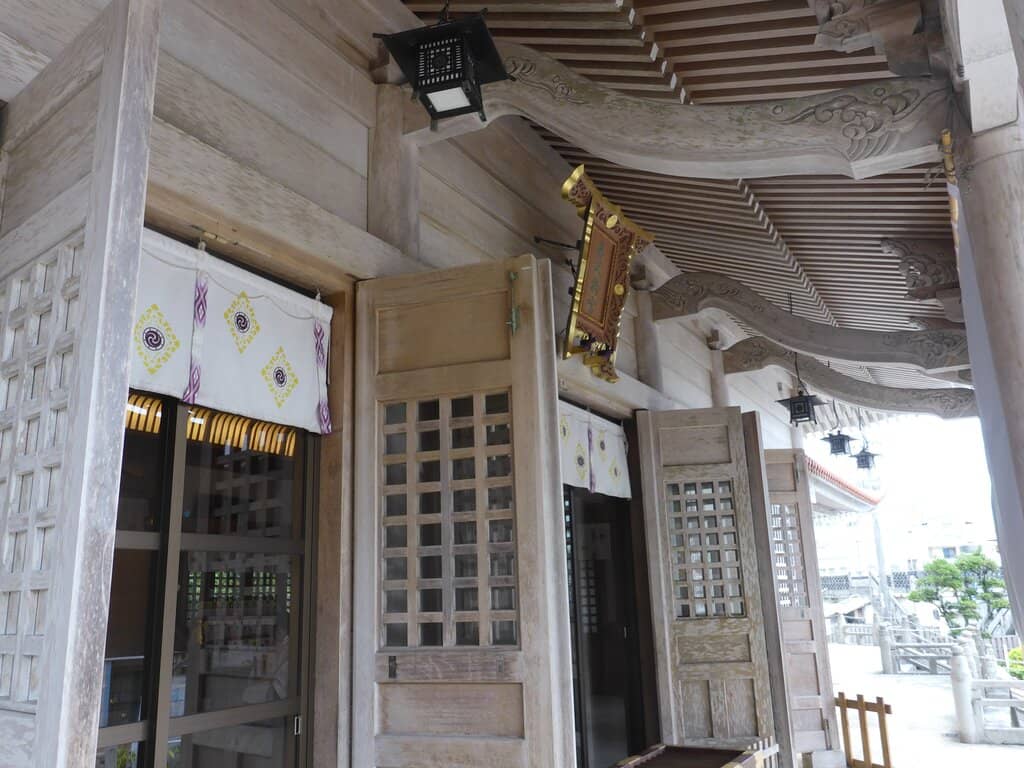
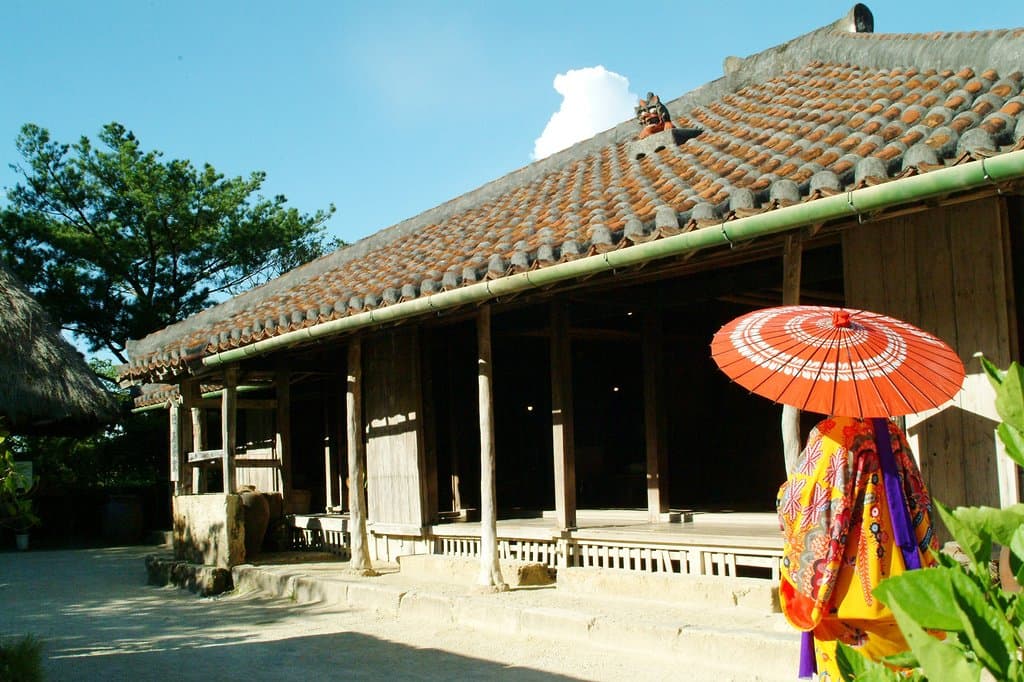
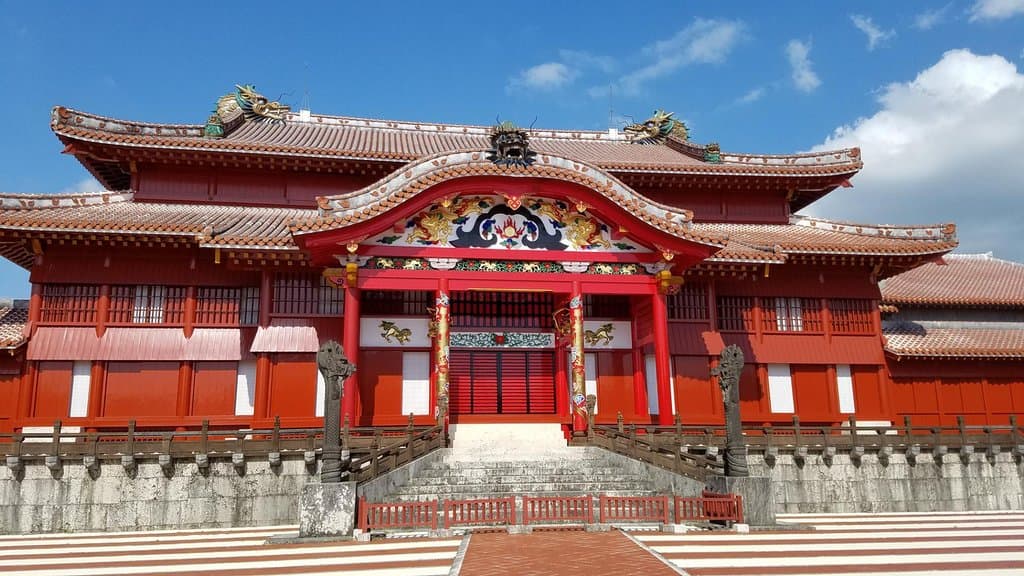
Admire the old wooden structure, a testament to the shrine's Ryukyu Kingdom origins, offering a glimpse into Okinawa's past.
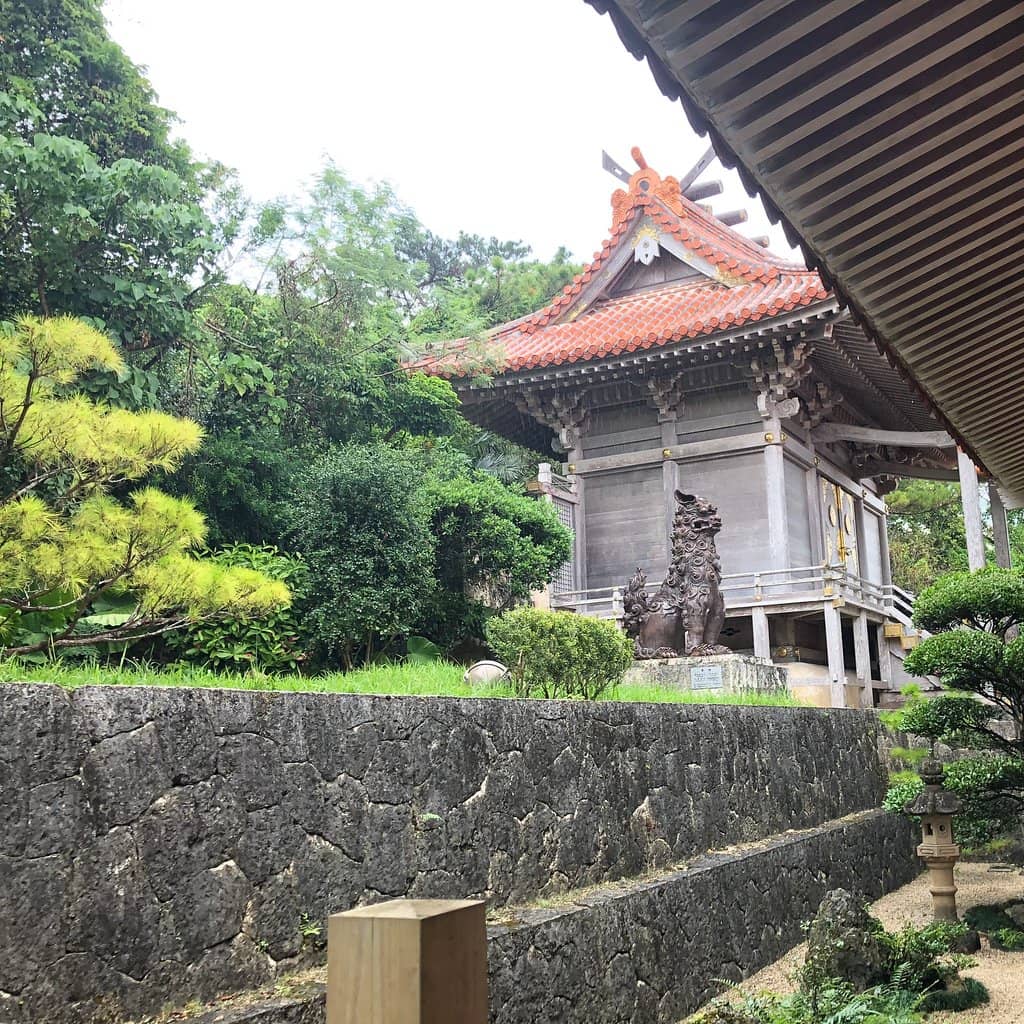
Peaceful Shrine Grounds
Main shrine area
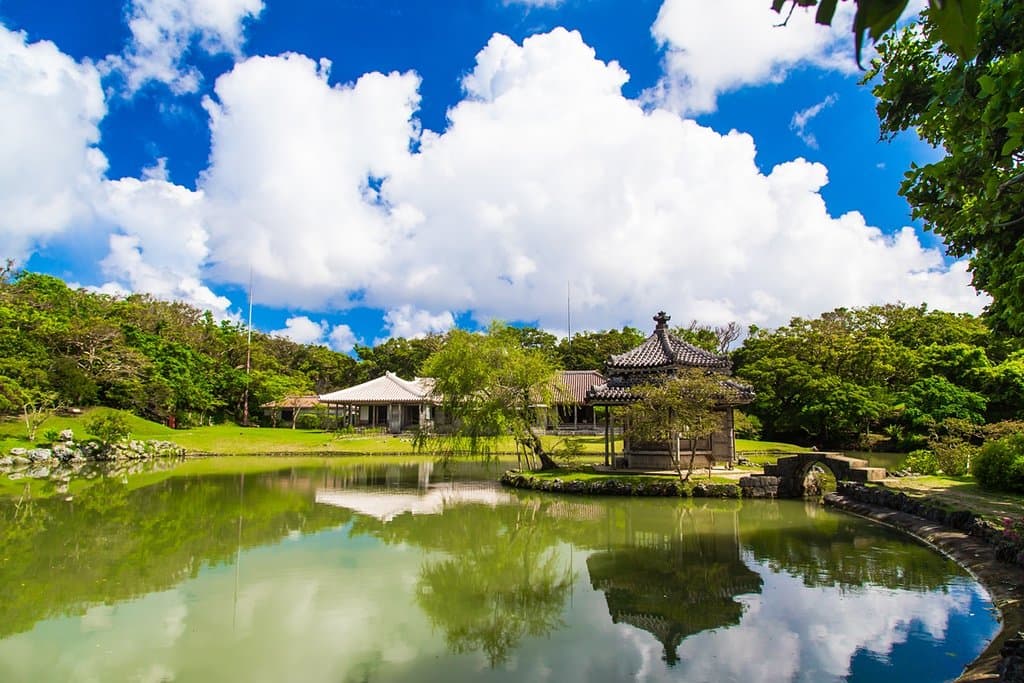
Wander through the serene grounds, observe worship ceremonies, and soak in the spiritual atmosphere of this beloved local spot.
Plans like a pro.
Thinks like you
Planning Your Visit
Cave Tour Reservations
Best Time for Fewer Crowds
Best Times
Insider Tips
from TikTok, Instagram & Reddit
📅 Book Cave Tour On-Site
Apply for the free cave tour at the counter. Tours are frequent but photography is forbidden inside.
🚗 Parking Availability
Free parking is available, but can fill up quickly on weekends and holidays. Consider arriving early.
🙏 Respectful Visit
Observe worship ceremonies and be mindful of the sacred nature of the shrine. Photography is not allowed in the cave.
✨ New Year's Wishes
A popular spot for making wishes and celebrating the New Year with local festivals.
Tips
from all over the internet
📅 Book Cave Tour On-Site
Apply for the free cave tour at the counter. Tours are frequent but photography is forbidden inside.
🚗 Parking Availability
Free parking is available, but can fill up quickly on weekends and holidays. Consider arriving early.
🙏 Respectful Visit
Observe worship ceremonies and be mindful of the sacred nature of the shrine. Photography is not allowed in the cave.
✨ New Year's Wishes
A popular spot for making wishes and celebrating the New Year with local festivals.
📸 Capture the Exterior
While photos are restricted in the cave, the shrine's architecture and grounds offer beautiful photo opportunities.
What Travellers Say
Reviews Summary
Futenma Shrine is praised for its beautiful, historic grounds and the unique, spiritual experience of its sacred cave. Visitors appreciate the free cave tour and the sense of peace. However, parking can be challenging on busy days, and the no-photography rule in the cave is a common point of note.
"This is one of the most beautiful shrines in Okinawa and I highly recommend exploring it.
Here besides praying you can also visit a small cave with another altar that is meant for the two Kami (Gods) that reside in the grounds. You only need to tell the nuns at the counter and they will add you to a list and show you the cave for free. It does not have lots of room to explore, but the altar is impressive and so are the stalactites and stalagmites in the cave. No pictures are allowed in the cave.
Free parking available"
Juan Ángel Hernández
"The cave shrine is really cool, very small but magnificent in its appeal.
If you want to see the cave shrine you must the staff in the administration window and they'll ask you to wait in the room through the sliding door right next to the administration window.
Write your name, country of origin and number of people in your group in the ledger to the left.
The time for the next viewing & offering will be next to the ledger.
The main worship room/hall is regularly performing blessings and worship so please be quiet when looking around the place."
Calvin Barr
"Futenma shrine, a popular shrine in Futenma area of the Okinawa, with lots of visitors in weekend. It was believed to be built around in 1440 to 1450, in the Ryukyu kingdom period. It is possible that it is one of the oldest Shinto Shrines in Okinawa, and visitors may see its history from its old wooden building structure.
Most visitors and worshippers would worship at above-ground Shinto shrine, but it also has underground cave which also has worship shrine/hall. Visitors can make on-site applications for entering the under-ground worship shrine, and Shrine's clergy would lead visitors or worshippers to underground cave every 20 minutes. It appears that, in winter season, the under-ground visit is generally limited to the morning hours.
The Shrine does hold new year celebration and other religious festivals which are also helpful for the Shrine's financing, in addition to funding from having baby photos and other kid growing celebration to be held in Shrine.
Although shrine has two parking spots, they are often fully occupied in holiday and in weekend."
Ben Hsu
What People Like
What People Dislike
Frequently Asked Questions
🚇 🗺️ Getting There
Futenma Shrine is located in Ginowan City, Okinawa. While public transport options exist, many visitors find it convenient to drive. There is free parking available, though it can fill up quickly on busy days. Taxis are also an option from various parts of Okinawa.
Yes, you can reach Futenma Shrine using Okinawa's bus system. Several bus routes stop near the shrine. It's advisable to check local bus schedules for the most up-to-date information.
Renting a car is a popular choice for exploring Okinawa, offering flexibility to visit Futenma Shrine and other attractions. Taxis are also readily available. Some visitors enjoy long-distance skateboarding or cycling to explore the island.
Yes, Futenma Shrine offers free parking. However, it is known to get full, especially on weekends and holidays. Arriving early is recommended to secure a spot.
From Naha Airport, you can take a bus or a taxi to Futenma Shrine in Ginowan City. The journey time will vary depending on traffic conditions.
🎫 🎫 Tickets & Entry
No, entry to the Futenma Shrine grounds is generally free. However, the popular cave tour requires an on-site application and is also free of charge.
The shrine grounds are typically open during daylight hours. The cave tour has specific timings and runs every 20 minutes after an on-site application. It's best to check for any seasonal variations, especially for the cave tour's winter hours.
You need to apply for the cave tour in person at the shrine. Staff will then lead you to the underground shrine every 20 minutes. Photography is not permitted inside the cave.
The cave tour at Futenma Shrine is free of charge. You just need to apply on-site to join a guided tour.
Yes, Futenma Shrine is open during holidays. It's a popular spot for New Year's celebrations and other festivals.
🎫 🧭 Onsite Experience
Visitors can explore the main shrine building, admire its historic architecture, and participate in worship ceremonies. The highlight for many is the guided tour of the sacred cave with its impressive altar and natural formations. The grounds themselves offer a peaceful atmosphere for reflection.
Photography is generally allowed on the shrine grounds, allowing you to capture the beautiful architecture and serene atmosphere.
The underground cave houses a sacred altar and is believed to be where two Kami (gods) reside. It's considered a very spiritual place, with impressive stalactites and stalagmites formed over centuries.
Futenma Shrine hosts various religious festivals and celebrations throughout the year, including significant New Year's events.
Yes, families can visit Futenma Shrine. The grounds are safe to explore, and the cave tour can be an interesting experience for children, provided they understand the no-photography rule. The shrine also hosts baby photo sessions and other child-related celebrations.
🍽️ 🍽️ Food & Dining
While Futenma Shrine itself may not have extensive dining facilities, the surrounding Futenma area in Ginowan City offers various local eateries and restaurants. Visitors have enjoyed local food after their shrine visit.
Typically, eating is not permitted within the main worship areas of the shrine. It's best to consume food outside the sacred precincts. Some visitors have enjoyed food after visiting the shrine.
Okinawan cuisine features unique dishes like Goya Champuru (bitter melon stir-fry), Okinawan Soba, and Agu Pork. You can find these and other local delicacies in restaurants around Ginowan City.
📸 📸 Photography
The main shrine building, the torii gates, and the surrounding natural scenery offer excellent photo opportunities.
No, photography is strictly prohibited inside the sacred cave at Futenma Shrine. This is to preserve the sanctity and spiritual atmosphere of the site.
The primary restriction is no photography within the cave. Otherwise, general respectful photography of the shrine's exterior and grounds is usually permitted.
Many visitors capture the traditional Japanese shrine architecture, the natural beauty of the cave formations (from the outside), and the serene ambiance of the grounds.
Drone usage is generally restricted at religious sites in Japan to ensure the peace and safety of visitors. It's best to assume drone photography is not permitted unless explicitly stated otherwise.

Social
from TikTok, Instagram & Reddit