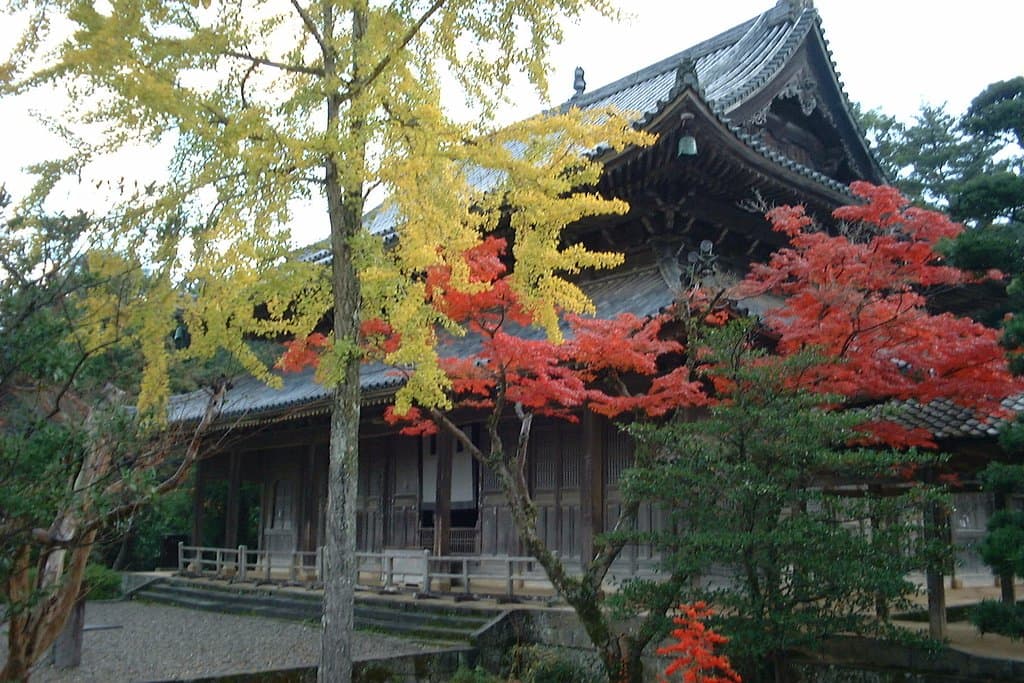
Daishoin Temple Miyajima Mori Clan Graves
A serene temple on Mount Reitsubaki, famed for its quiet atmosphere and the solemn beauty of the Mori clan graveyard with 600 stone lanterns.
Highlights
Must-see attractions

Social
From TikTok & Reddit
Best Time
Unbelievably quiet
Daishoin Temple Miyajima Mori Clan Graves
Best Time
Unbelievably quiet
Highlights
Must-see attractions
A serene temple on Mount Reitsubaki, famed for its quiet atmosphere and the solemn beauty of the Mori clan graveyard with 600 stone lanterns.
"It isn't the most flashy temple, but it's unbelievably quiet and the graves of the Mori clan are great."
🎯 Check Graveyard Access
Graveyard sections can close due to fallen trees. Inquire at the unmanned reception if specific areas are inaccessible.
💰 Modest Admission Fee
A small fee of ¥200 grants access to the temple grounds and graveyard. Worth every yen!
Quick Facts
Hours
Rating
4 · 187 reviews
Type
Buddhist Temple
Highlights
Discover the most iconic attractions and experiences
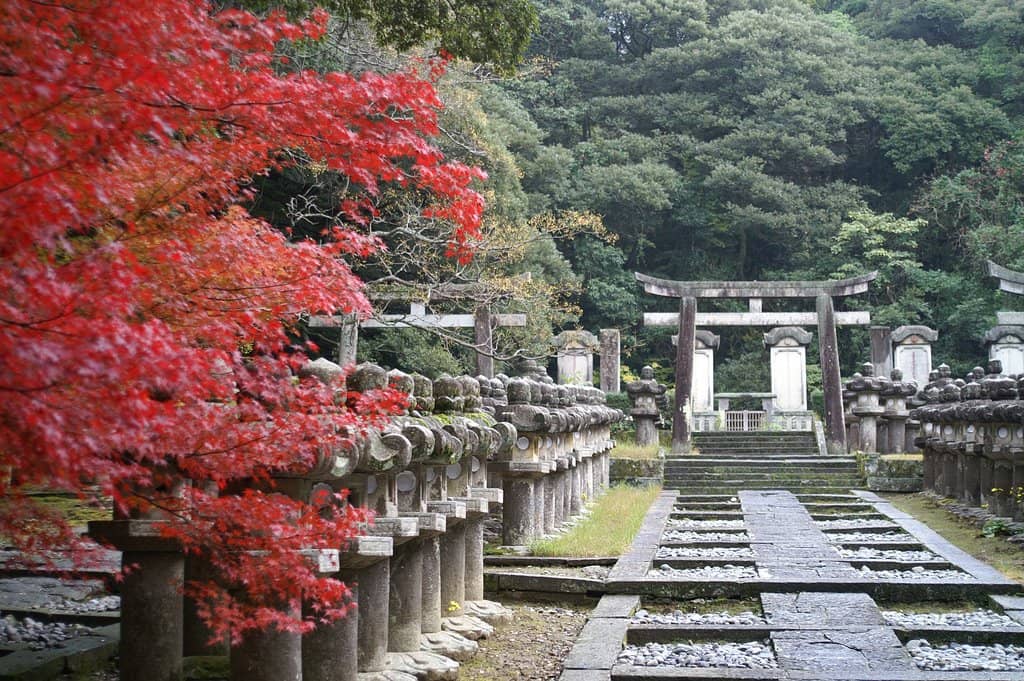
600 Stone Lanterns
Mori Clan Graveyard
A magnificent, solemn sight of over 600 lanterns illuminating the graves of the Mori clan.
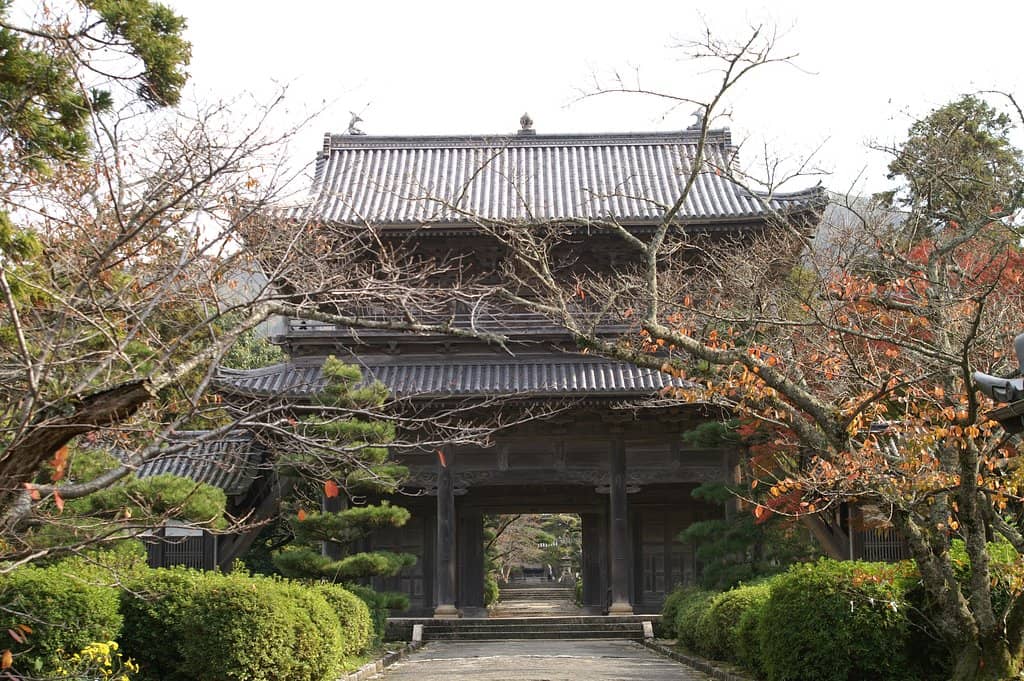
Mori Clan Graves
Mori Clan Graveyard
The final resting place of the influential Mori clan, offering a glimpse into historical lineage.
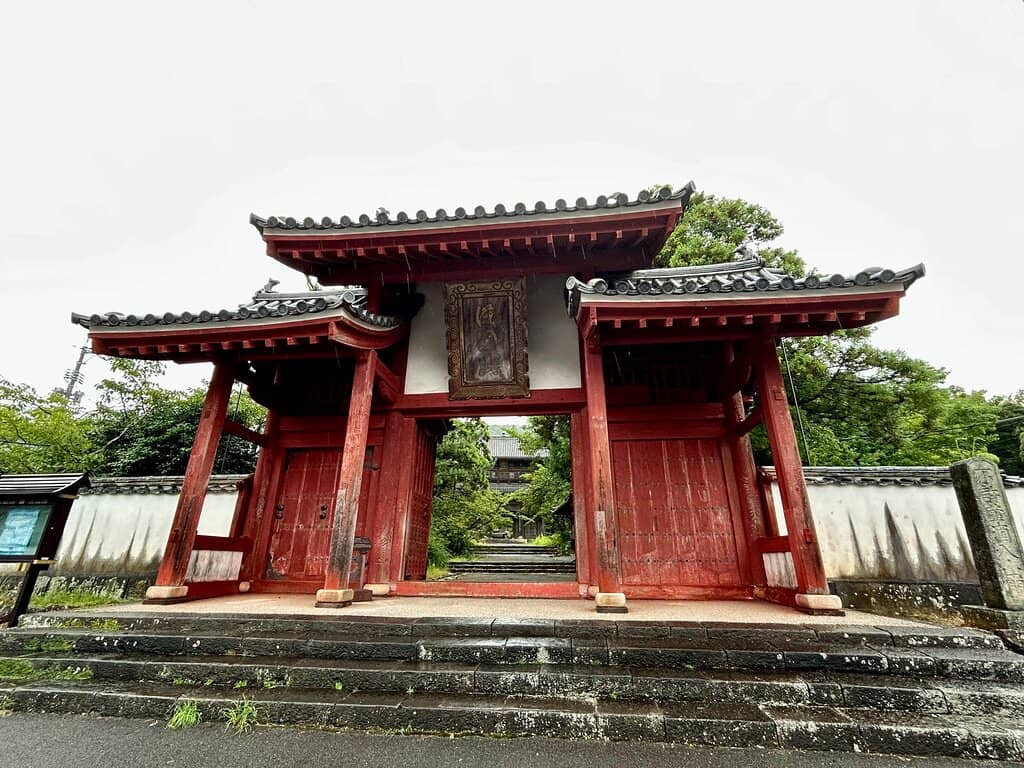
Peaceful Temple Grounds
Main Temple Area
Experience profound tranquility amidst ancient structures and a beautiful pond garden.
Plans like a pro.
Thinks like you
Planning Your Visit
Quiet Contemplation Awaits
Mori Clan Graves & Lanterns
Best Times
Insider Tips
from TikTok, Instagram & Reddit
🎯 Check Graveyard Access
Graveyard sections can close due to fallen trees. Inquire at the unmanned reception if specific areas are inaccessible.
💰 Modest Admission Fee
A small fee of ¥200 grants access to the temple grounds and graveyard. Worth every yen!
🌿 Embrace the Serenity
This temple is known for its quiet atmosphere. Perfect for peaceful reflection and enjoying nature.
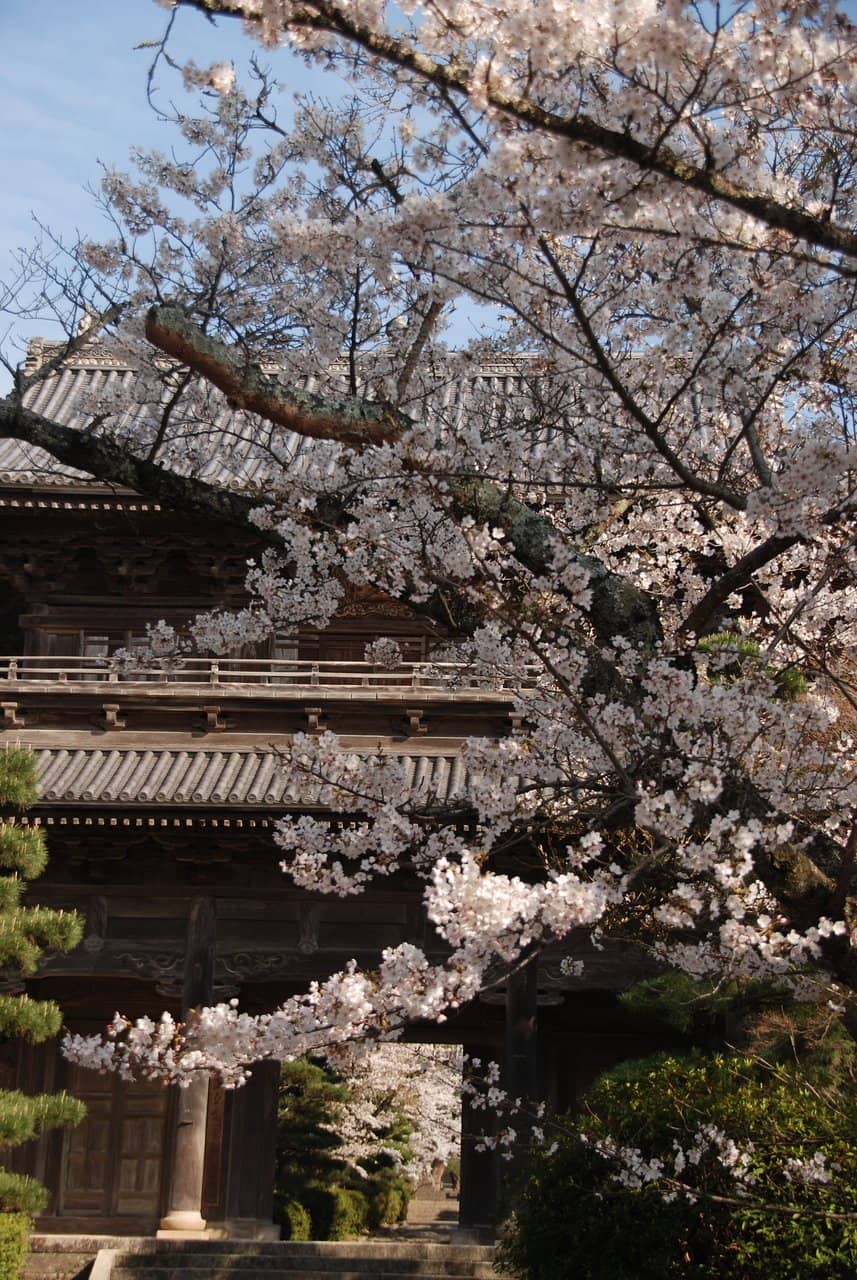
🌸 Seasonal Beauty
Visit in May for wisteria or autumn for vibrant leaves to enhance the garden's charm.
Tips
from all over the internet
🎯 Check Graveyard Access
Graveyard sections can close due to fallen trees. Inquire at the unmanned reception if specific areas are inaccessible.
💰 Modest Admission Fee
A small fee of ¥200 grants access to the temple grounds and graveyard. Worth every yen!
🌿 Embrace the Serenity
This temple is known for its quiet atmosphere. Perfect for peaceful reflection and enjoying nature.
🌸 Seasonal Beauty
Visit in May for wisteria or autumn for vibrant leaves to enhance the garden's charm.
What Travellers Say
Reviews Summary
Visitors praise Daishoin Temple for its profound quietude and the striking beauty of the Mori clan graveyard, particularly the rows of 600 stone lanterns. While some find the temple less flashy than others, its serene atmosphere and historical significance are highly valued. A minor drawback can be occasional closures within the graveyard, which visitors suggest should be clearly communicated.
"If you come to Hagi, make some time to visit Daishōin. It isn't the most flashy temple, but it's unbelievably quiet and the graves of the Mori clan are great.
The temple costs ¥200 to enter and its worth it."
Ian 01
"So quiet"
Giorgio Stevanoni
"Daishoin Temple on Mount Reitsubaki is about a 5-minute drive from the ruins of Hagi Castle, a World Heritage Site.
I think it's famous as a temple associated with the Mori clan, but since it was a weekday, no one was home, so I was able to take my time looking around.
The highlight of this place is the row of 600 lanterns in the back.
This magnificent view, created by human intent, teaches us peace and deep love.
The souls sleeping peacefully.
And the spirits that dwell in the lanterns that heal even those who visit.
It was a sacred place that has continued to heal the earth for hundreds of years."
北村正
What People Like
What People Dislike
Frequently Asked Questions
🚇 🗺️ Getting There
Daishoin Temple is conveniently located about a 5-minute drive from the ruins of Hagi Castle. If you don't have a car, local taxis or potentially a bus route would be the best options to cover this short distance.
While the temple is close to Hagi Castle, public transport options directly to the temple might be limited. It's best to check local bus schedules or consider a taxi for the final leg of your journey.
For visitors staying in Hagi, driving or taking a taxi is the most straightforward way to reach Daishoin Temple, especially given its proximity to other attractions like Hagi Castle.
Information on specific parking availability at Daishoin Temple is not widely detailed, but given its location, it's likely there are some facilities for visitors arriving by car.
While it's a short drive, walking from Hagi Castle town to Daishoin Temple might be a bit of a trek depending on your starting point. It's situated in the southern suburbs.
🎫 🎫 Tickets & Entry
The admission fee for Daishoin Temple is ¥200. Many visitors find this fee to be very reasonable for the experience and the historical significance of the site.
Tickets are typically purchased at an unmanned reception desk upon arrival. It's advisable to have cash (Japanese Yen) readily available for the ¥200 admission fee.
Specific opening hours are not always clearly stated, but it's generally accessible during daylight hours. Visiting on a weekday ensures a more peaceful experience.
The ¥200 admission fee generally covers access to the main temple grounds and the Mori clan graveyard. However, it's important to note that parts of the graveyard may occasionally be closed for maintenance.
Yes, the admission fee of ¥200 typically includes access to the Mori clan graveyard, which is a major highlight for many visitors.
🎫 🧭 Onsite Experience
The most striking feature is the row of over 600 stone lanterns in the Mori clan graveyard, creating a profoundly peaceful and sacred atmosphere. The temple's quiet grounds and pond garden are also highlights.
Comfortable walking shoes are recommended as you'll be exploring the temple grounds and graveyard. Dress respectfully, as it is a place of worship and historical significance.
Yes, the unique sight of the 600 lanterns and the serene garden offer excellent photographic opportunities. Remember to be respectful of the sacred nature of the site.
Daishoin Temple is historically significant as a temple associated with the Mori clan, rebuilt in the 17th century to commemorate the souls of its feudal lords. Its structures are designated as important cultural properties.
You can explore the graveyard, but be aware that sections might be closed due to maintenance or fallen trees. It's advisable to check at the reception if you have specific areas in mind.
📸 📸 Photography
The row of 600 stone lanterns in the Mori clan graveyard is the absolute must-capture spot. The pond garden and the temple's main hall also offer beautiful, serene photographic opportunities.
Photography rules can vary. It's best to look for signage or ask temple staff if you're unsure about photographing inside the main temple structures.
Early morning or late afternoon can offer softer light, enhancing the peaceful atmosphere. However, the unique ambiance of the lanterns is captivating at any time.
Drone usage is generally prohibited at religious sites and historical landmarks to ensure the preservation of the site and the peace of visitors. Always check local regulations.
A wide-angle lens is great for capturing the expanse of the lantern rows and gardens. A standard zoom lens is versatile for general shots. Consider a tripod for low-light conditions if permitted.
Social
from TikTok, Instagram & Reddit