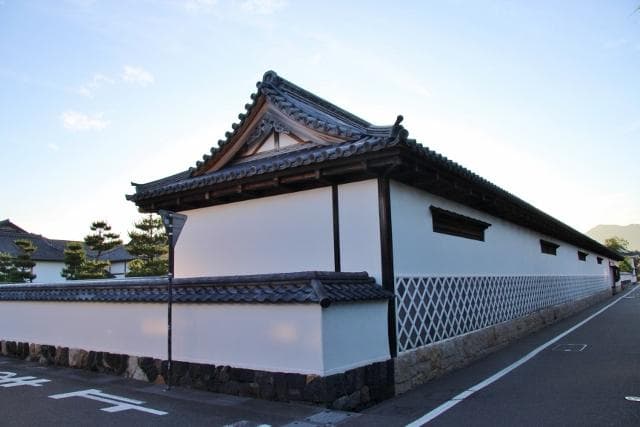
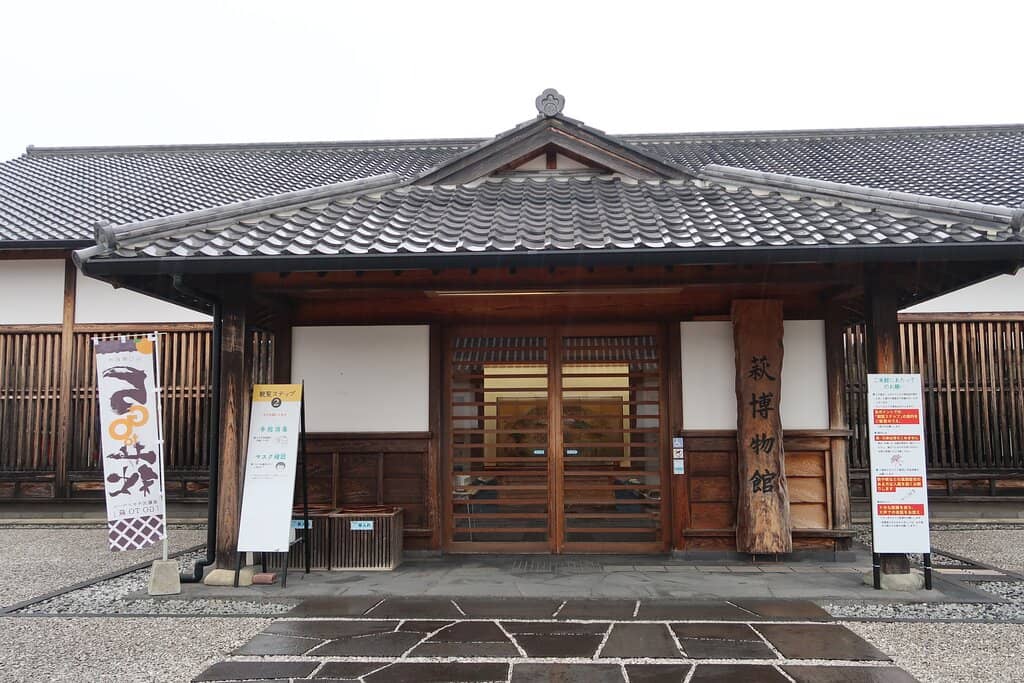
Hagi Museum
Discover Hagi's rich history and natural beauty at this regional museum, featuring unique resident-curated collections.
Highlights
Must-see attractions

Social
From TikTok & Reddit
Best Time
Special events and family fun
Hagi Museum
Best Time
Special events and family fun
Highlights
Must-see attractions
Discover Hagi's rich history and natural beauty at this regional museum, featuring unique resident-curated collections.
"Lovely little museum! It's definitely worth the visit. Even though there are some exhibits without English, just use Google Translate camera to learn."
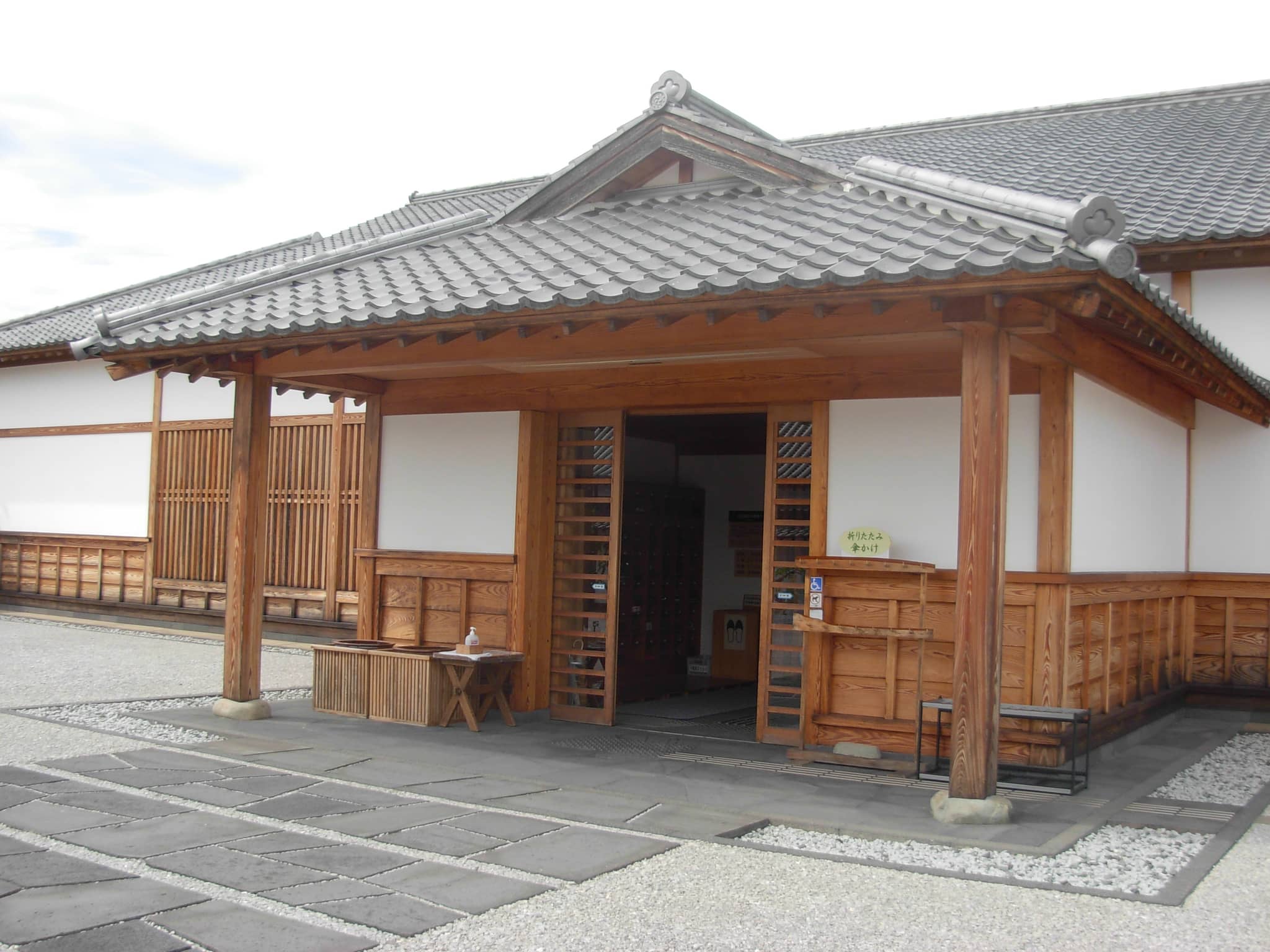
Translate with Ease
Use Google Translate's camera feature for exhibits without English text. :iphone:
Check Film Screenings
Inquire about any films being shown during your visit for an enriched experience.

Quick Facts
Hours
Rating
4.1 · 1,165 reviews
Type
Museum
Highlights
Discover the most iconic attractions and experiences
Hagi's Historical Narratives
Explore exhibits detailing the lives of influential local figures and pivotal events that shaped Hagi's past.
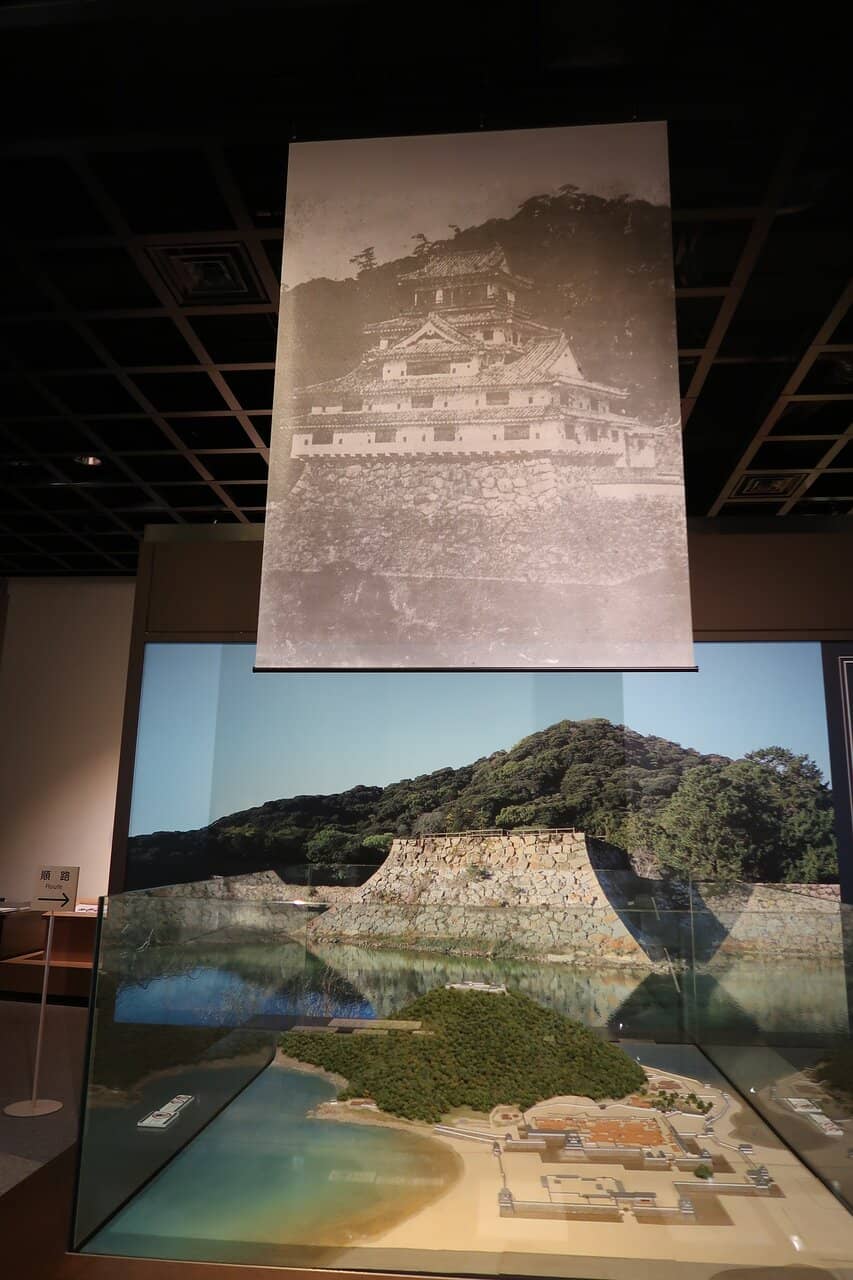
Natural Wonders of Yamaguchi
Discover the diverse natural history of the region, including unique flora and fauna.
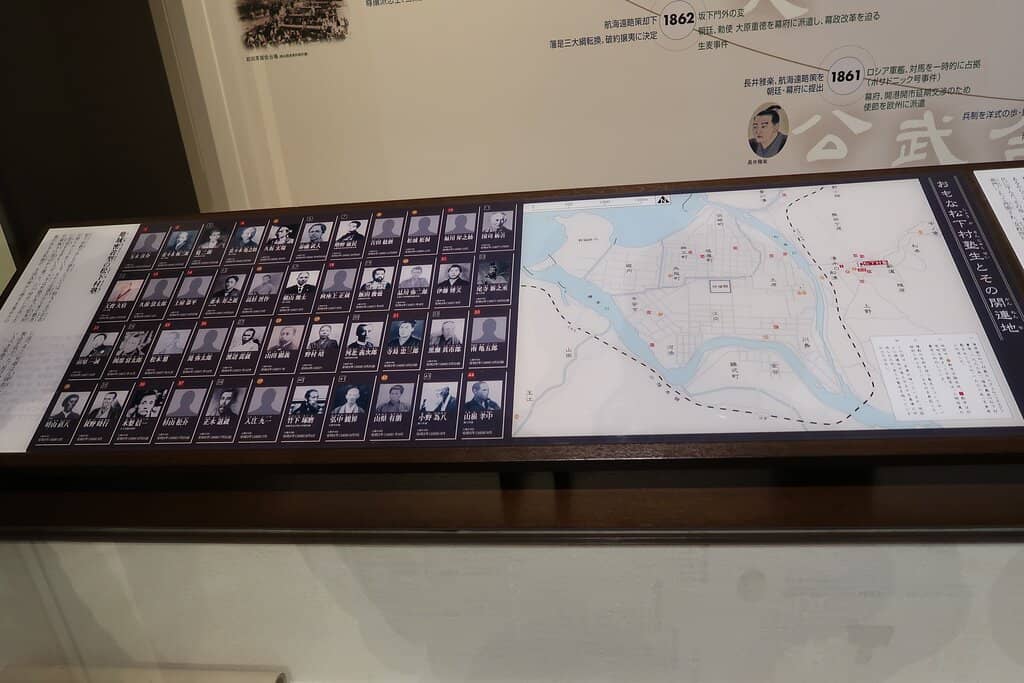
Curated Resident Boxes
See personal collections that offer a glimpse into Hagi life through the eyes of its residents.
Plans like a pro.
Thinks like you
Planning Your Visit
Embrace the Local Charm
Navigate with Ease
Best Times
Insider Tips
from TikTok, Instagram & Reddit
Translate with Ease
Use Google Translate's camera feature for exhibits without English text. :iphone:
Check Film Screenings
Inquire about any films being shown during your visit for an enriched experience.
Engage with Local History
The resident-curated boxes offer a unique, personal perspective on Hagi's heritage.
Gift Shop Treasures
Don't miss the gift shop for unique souvenirs, like t-shirts.
Tips
from all over the internet
Translate with Ease
Use Google Translate's camera feature for exhibits without English text. :iphone:
Check Film Screenings
Inquire about any films being shown during your visit for an enriched experience.
Engage with Local History
The resident-curated boxes offer a unique, personal perspective on Hagi's heritage.
Gift Shop Treasures
Don't miss the gift shop for unique souvenirs, like t-shirts.
What Travellers Say
Reviews Summary
Visitors generally find the Hagi Museum to be a worthwhile stop, appreciating its insights into local history and natural wonders. While some exhibits may lack English explanations, the availability of translation tools and the unique resident-curated collections enhance the experience. Special events are noted as particularly enjoyable for families. +1
"Lovely little museum! It's definitely worth the visit. Even though there are some exhibits without English, just use Google Translate camera to learn.
They also run films, do check them out!
Finally, my favourite section was looking through the boxes of items to see the story of Hagi through the eyes of residents who curated those boxes."
Kwang WY
"If you're a history buff it's a must. Very friendly staff, will need a translate app for some of the exhibits if you don't read Japanese."
Spectral Chicken
"Don’t waste your time at this place unless you came to hagi to see preserved giant squids and exhibits on citrus varietals. There are the requisite samurai armor displays (yawn) but this museum is really just a hodge podge of various natural history exhibits and unrelated stuff. Also, as of 2023 summer there are no English explanations whatsoever. Lots of interesting actual historical places you can visit in hagi - don’t waste any time here!"
Ecume .desJours
What People Like
What People Dislike
Frequently Asked Questions
🚇 🗺️ Getting There
The Hagi Museum is located in Hagi City, Yamaguchi Prefecture. Visitors can reach Hagi by train via the JR San'in Main Line. From major cities like Tokyo or Osaka, you'll likely need to transfer at Shin-Yamaguchi Station. Once in Hagi, local buses can take you to the museum.
Information regarding specific parking availability at the Hagi Museum is not widely detailed, but it's advisable to check local Hagi City transport guides or inquire upon arrival, especially if driving.
Yes, Hagi Museum can be visited as part of a day trip to Hagi City. It's a relatively compact museum, allowing for exploration within a few hours, leaving time to see other historical sites in the area.
The nearest major train station to Hagi City is Shin-Yamaguchi Station. From there, you would take a local train on the JR San'in Main Line to Hagi Station.
Yes, Hagi Museum is accessible by public transport. Local buses operate within Hagi City, connecting the train station to various attractions, including the museum.
🎫 🎫 Tickets & Entry
Opening hours for the Hagi Museum can vary, and it's recommended to check their official website or local listings before your visit. Some reviews mention specific events like 'night museum events' which might have different hours.
Admission fees for the Hagi Museum are generally affordable. One source mentions an adult admission fee of 300 yen for a similar local museum, suggesting Hagi Museum is likely in a similar price range.
Advance booking for Hagi Museum is typically not required for general admission. However, for special events or group visits, it's always a good idea to inquire beforehand.
Information on specific discounts for Hagi Museum is not readily available. It's worth checking if any local passes or combination tickets are offered that might include museum entry.
Tickets for the Hagi Museum can usually be purchased at the museum's entrance upon arrival.
🎫 🧭 Onsite Experience
Some exhibits at Hagi Museum may not have English explanations, so using translation apps like Google Translate's camera feature is highly recommended. However, some reviews indicate that most exhibits do have English explanations. +1
Expect a mix of exhibits covering Hagi's history, local influential figures, natural history of the Yamaguchi region, and unique resident-curated collections. +1
Yes, Hagi Museum can be enjoyable for children, especially during special events like 'night museum events' which have been noted as a hit with kids.
A visit to the Hagi Museum typically takes 1-2 hours, depending on your interest level and whether you attend any special screenings or events.
Photography policies can vary by museum. It's best to look for signage within the museum or ask staff if photography is permitted, especially for exhibits with delicate artifacts.
🍽️ 🍽️ Food & Dining
There are no specific dining facilities mentioned within the Hagi Museum itself. However, Hagi City offers various local restaurants and cafes nearby.
Near Hagi Museum, you can explore local Yamaguchi cuisine. Hagi is known for its fresh seafood, particularly 'fugu' (pufferfish) if you're adventurous, and local citrus fruits.
Generally, it's best to consume food and drinks outside of museum exhibition areas to protect the artifacts. Check for designated areas if available.
While specific options aren't detailed, many Japanese restaurants offer vegetable-based dishes like tempura or vegetable stir-fries that can be adapted. It's advisable to ask about ingredients.
Lunch is typically served between 11:30 AM and 2:00 PM. Eating slightly before or after the peak lunch hour can help avoid crowds at nearby restaurants.
📸 📸 Photography
While interior photography rules may apply, the museum's architecture and some exhibits can be visually interesting. The surrounding Hagi City offers beautiful historical streets and coastal views for photography. 
Photography of artwork is often restricted to protect the pieces from light damage. Always look for 'No Photography' signs or ask museum staff for guidance.
The museum itself showcases historical artifacts. For broader historical photography, explore Hagi's samurai districts and old castle ruins, which are iconic to the city's past.
Golden hour, shortly after sunrise and before sunset, offers beautiful lighting for capturing Hagi's historical sites and coastal scenery.
A versatile lens (like a 24-70mm equivalent) is useful for various shots. If photography is allowed inside, a lens with good low-light performance would be beneficial.


Social
from TikTok, Instagram & Reddit