
Hakone Tozan Cable Car
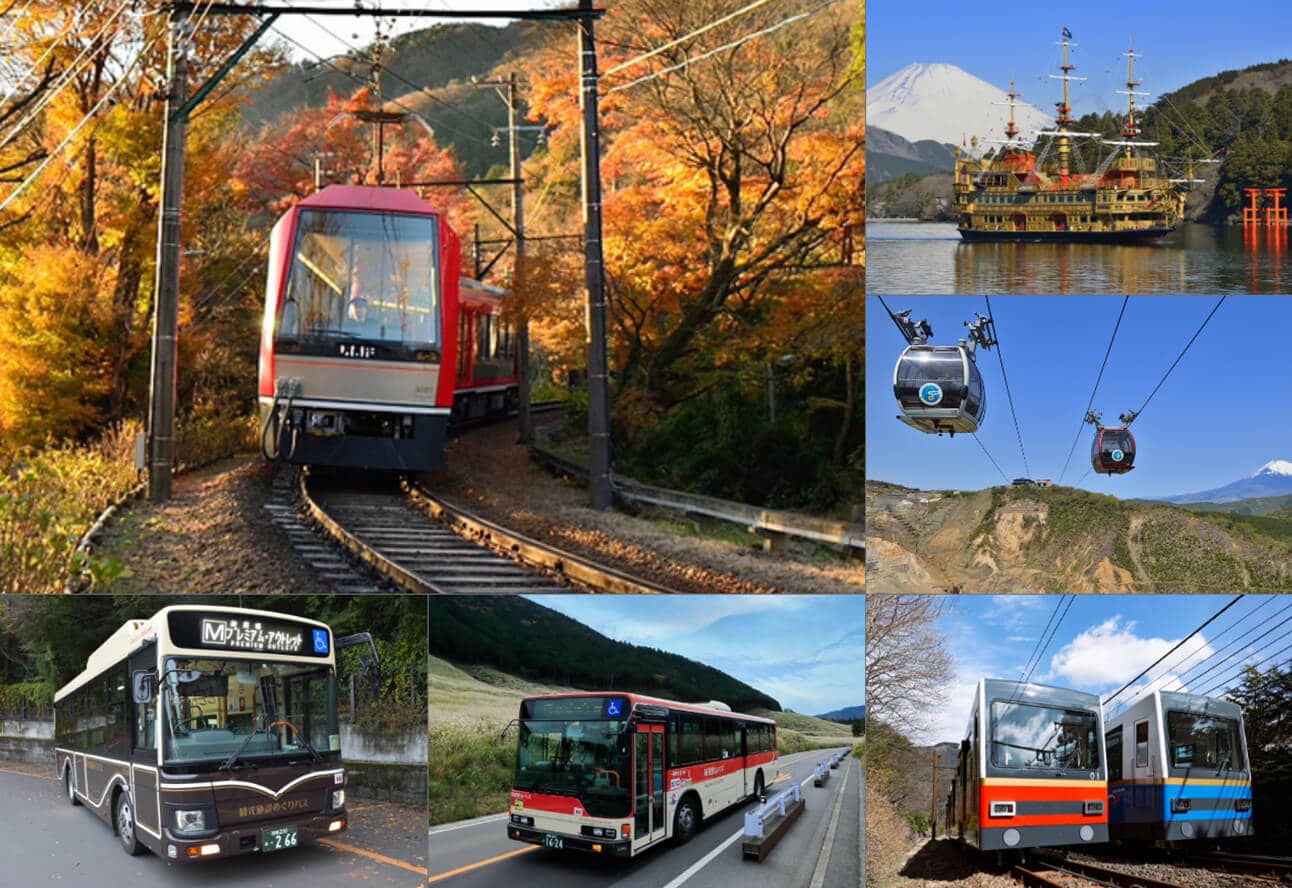
Ride a historic funicular through mountains, over volcanic valleys, and across a lake for iconic Mt. Fuji views.
Highlights
Must-see attractions

Social
From TikTok & Reddit
Best Time
Fewer crowds, better views
Hakone Tozan Cable Car
Best Time
Fewer crowds, better views
Highlights
Must-see attractions
Ride a historic funicular through mountains, over volcanic valleys, and across a lake for iconic Mt. Fuji views.

🎯 Get the Hakone Free Pass
Covers most transport on the loop, saving money and hassle.
☁️ Check Fuji Visibility
Clear days are essential for iconic Mt. Fuji views.

Quick Facts
Highlights
Discover the most iconic attractions and experiences
Scenic Ascent
Gora to Sounzan
Ride this historic funicular through lush forests, offering breathtaking mountain vistas.
 +1
+1Volcanic Vistas
Sounzan to Owakudani
Connect to the Hakone Ropeway for a thrilling ride over the active volcanic valley of Owakudani.
+1
Mt. Fuji Views
Various points along the loop
On clear days, catch unforgettable glimpses of Japan's majestic Mount Fuji.
Plans like a pro.
Thinks like you
Planning Your Visit
Hakone Free Pass is Key
Timing is Everything for Views
Best Times
Insider Tips
from TikTok, Instagram & Reddit
🎯 Get the Hakone Free Pass
Covers most transport on the loop, saving money and hassle.
☁️ Check Fuji Visibility
Clear days are essential for iconic Mt. Fuji views. +1
👟 Wear Comfortable Shoes
You'll be doing a lot of walking and transferring between transport.
⏳ Allow Ample Time
The Hakone Loop can take a full day, especially with stops.
Tips
from all over the internet
🎯 Get the Hakone Free Pass
Covers most transport on the loop, saving money and hassle.
☁️ Check Fuji Visibility
Clear days are essential for iconic Mt. Fuji views. +1
👟 Wear Comfortable Shoes
You'll be doing a lot of walking and transferring between transport.
⏳ Allow Ample Time
The Hakone Loop can take a full day, especially with stops.
🍜 Try Local Snacks
Don't miss unique treats like black eggs in Owakudani.
What Travellers Say
Reviews Summary
Visitors rave about the stunning natural scenery, the unique transportation options like the cable car and ropeway, and the chance to see Mt. Fuji. The relaxing onsen experiences and traditional ryokan stays are also highly praised. Some find the loop can be crowded and weather-dependent for optimal views.
What People Like
What People Dislike
Frequently Asked Questions
🚇 🗺️ Getting There
The easiest way is to take the Odakyu Romancecar from Shinjuku Station directly to Hakone-Yumoto. Alternatively, you can take the Shinkansen to Odawara and then transfer to local transport. +1
Yes, the Hakone Loop is well-signposted, and purchasing the Hakone Free Pass makes navigating the various modes of transport straightforward.
Absolutely! Hakone is a popular day trip destination from Tokyo, offering a refreshing escape with its natural beauty and cultural sites. +1
The Hakone Free Pass covers the Hakone Tozan Train, Cable Car, Ropeway, and Sightseeing Cruise, making it the most convenient and cost-effective way to explore.
The Hakone Loop typically takes a full day, around 6-8 hours, depending on how long you spend at each attraction and transfer times.
🎫 🎫 Tickets & Entry
You can purchase the Hakone Free Pass online through platforms like Klook, or at major Odakyu stations such as Shinjuku, or at Hakone-Yumoto Station.
Prices vary depending on the duration (2-day or 3-day pass) and point of purchase, but it generally offers significant savings compared to individual tickets. Check the official Hakone Navi website for current pricing.
The pass covers most essential transport for the Hakone Loop, including the Hakone Tozan Train, Cable Car, Ropeway, and Sightseeing Cruise, as well as many local buses.
While the Hakone Free Pass covers transportation, some museums and attractions within Hakone, like the Hakone Open-Air Museum, have separate entrance fees.
The Japan Rail Pass does not cover the Odakyu Romancecar or most local transport within Hakone. It's best used for travel to Odawara or Hakone-Yumoto.
🎫 🏞️ Onsite Experience
The Hakone Tozan Cable Car is a funicular railway that connects Gora Station to Sounzan Station, offering scenic views as it ascends the mountainside. It's a key part of the Hakone Loop.
You'll enjoy panoramic views of the surrounding mountains, lush forests, and on clear days, glimpses of Mount Fuji.
Owakudani is an active volcanic valley known for its hot springs and sulfurous fumes. It's famous for its 'black eggs,' which are boiled in the hot springs and said to prolong life.
The best views of Mt. Fuji are typically from the Hakone Ropeway, the Sightseeing Cruise on Lake Ashi, and various viewpoints along the loop on clear days. +1
Key attractions include the Hakone Open-Air Museum, Hakone Shrine with its iconic torii gate in Lake Ashi, Owakudani volcanic valley, and the beautiful Lake Ashi itself.
🍽️ 🍜 Food & Dining
Hakone is famous for its onsen (hot springs) and ryokan (traditional inns) offering kaiseki (multi-course) meals. Don't miss the black eggs from Owakudani! +1
Yes, Hakone offers a range of dining options, from casual eateries serving local specialties to high-end restaurants in ryokans offering exquisite Japanese cuisine. +1
These are eggs boiled in the sulfurous hot springs of Owakudani. The minerals turn the shells black, and they are believed to add seven years to your life.
While traditional Japanese cuisine can be meat and fish-heavy, many restaurants, especially in tourist areas and ryokans, can accommodate vegetarian requests if informed in advance.
Kaiseki is a traditional multi-course Japanese dinner, often served at ryokans. It's an artful presentation of seasonal ingredients and local flavors. +1
📸 📸 Photography
Iconic spots include the Hakone Shrine's torii gate in Lake Ashi, the volcanic landscapes of Owakudani, panoramic views from the ropeway, and the charming stations along the Hakone Tozan Railway.
Yes, on clear days, Mt. Fuji is visible from several points in Hakone, offering spectacular photo opportunities. The Hakone Ropeway and Lake Ashi are prime locations. +1
A versatile lens (like a 24-70mm equivalent) is great for landscapes and general shots. A wide-angle lens can capture the vastness of the volcanic areas, and a telephoto can help isolate Mt. Fuji.
Early mornings and late afternoons often provide the best light for photography, with softer shadows and warmer tones. Golden hour can be magical.
Generally, photography is allowed in most public areas. However, always be mindful of private property and any specific signage at attractions.


Social
from TikTok, Instagram & Reddit