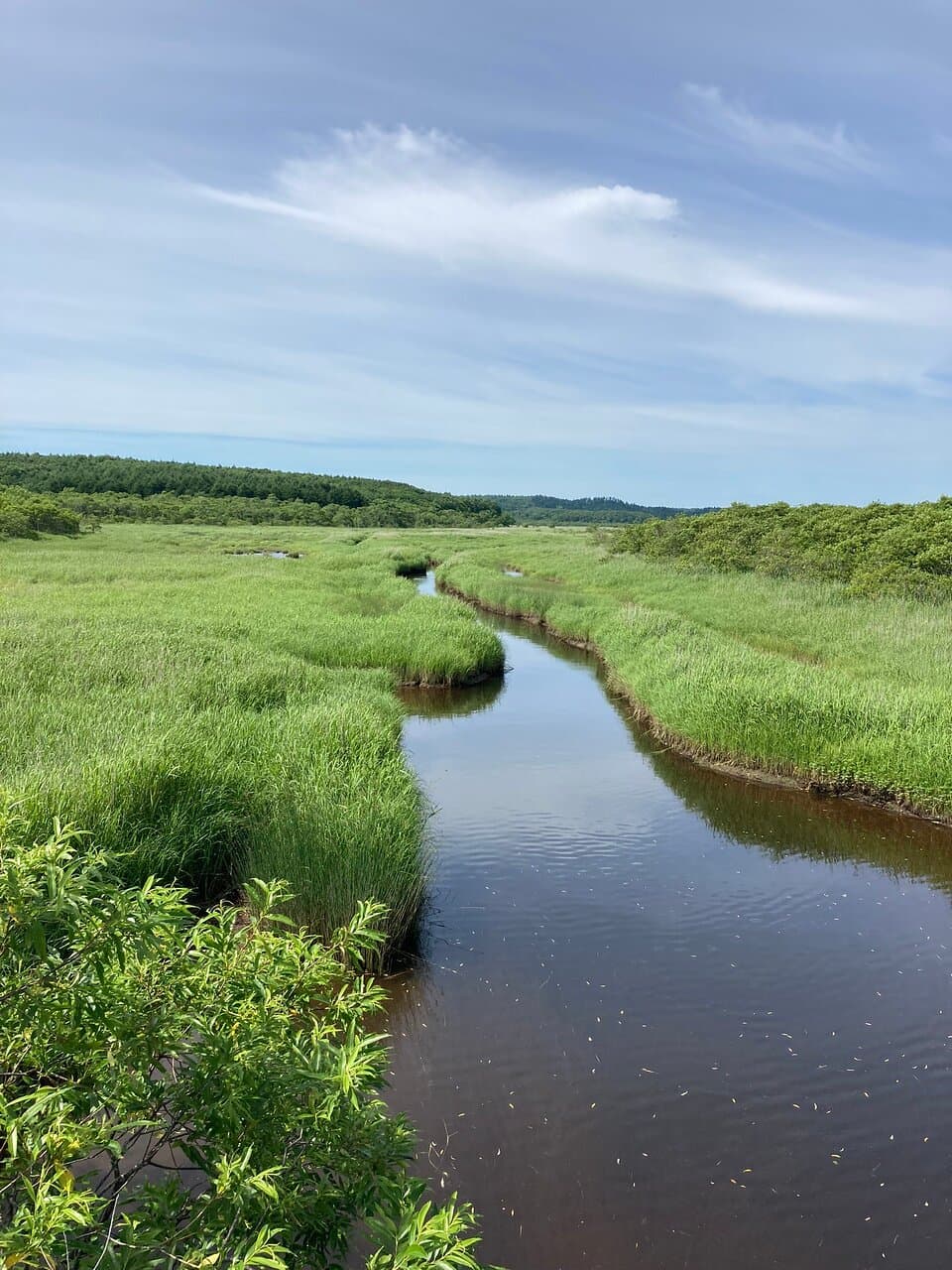
Kiritappu Wetland
Japan's vast Kiritappu Wetland, a Ramsar site, teems with wildlife and seasonal floral beauty, often shrouded in mystical sea fog.
Highlights
Must-see attractions

Social
From TikTok & Reddit
Best Time
Flower blooms galore
Kiritappu Wetland
Best Time
Flower blooms galore
Highlights
Must-see attractions
Japan's vast Kiritappu Wetland, a Ramsar site, teems with wildlife and seasonal floral beauty, often shrouded in mystical sea fog.
"A sanctuary of nature, Kiritappu Wetland captivates with its foggy mystique and abundant wildlife."
🚶♀️ Boardwalk Trails
Utilize the boardwalks for easy access and minimal impact on the delicate wetland ecosystem.
🧥 Dress for Fog
Pack layers and waterproofs; the area is prone to sea fog, even in summer.
Quick Facts
Hours
Rating
4.3 · 13 reviews
Type
Park
Highlights
Discover the most iconic attractions and experiences
Cottongrass Blooms
Throughout the wetland
Witness the ethereal beauty of white cottongrass swaying in the breeze, creating a dreamlike landscape.
Sea Otter Sightings
Coastal areas of the wetland
Keep an eye out for playful sea otters, a beloved resident of the Kiritappu Wetland.
Birdwatching Paradise
Various observation points
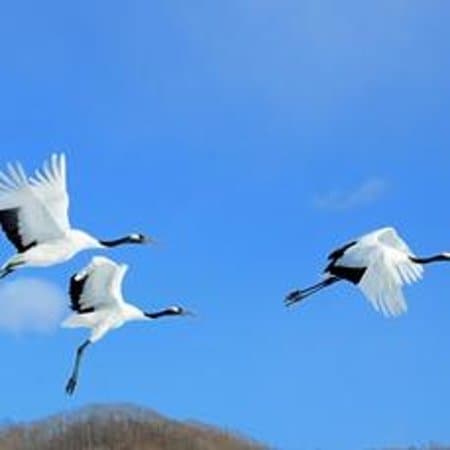
Spot diverse bird species, including red-crowned cranes and white-tailed eagles, in their natural habitat.
Sunset Canoeing
Wetland waterways
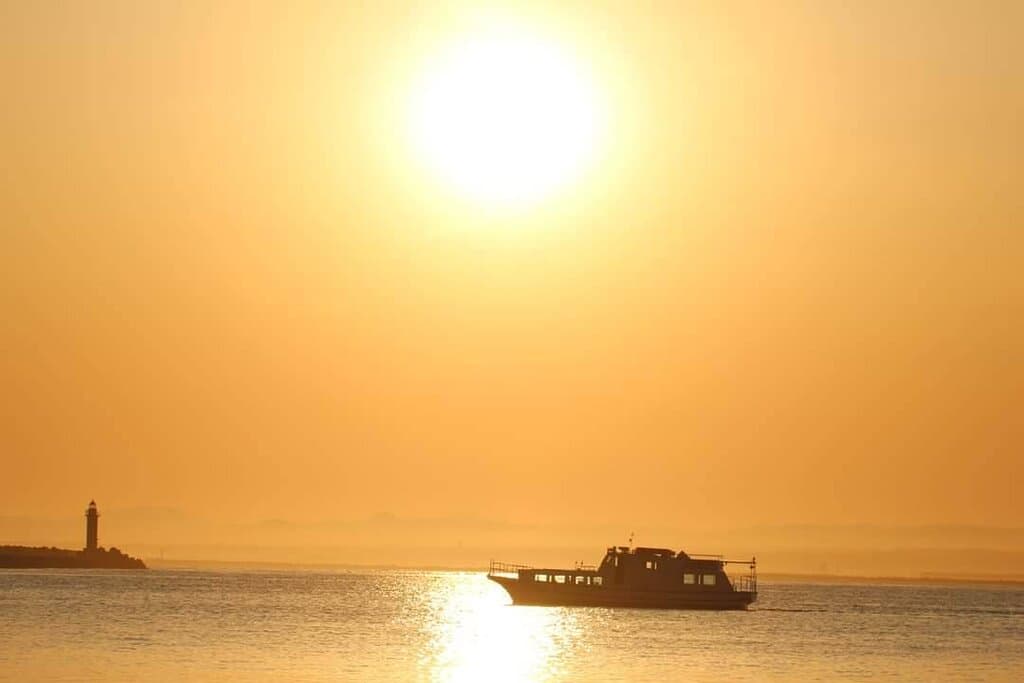
Experience a serene sunset canoe trip, reflecting the sky's colors on the tranquil water.
Plans like a pro.
Thinks like you
Planning Your Visit
Embrace the Fog and Wildlife
Best Time for Blooms and Birds
Best Times
Insider Tips
from TikTok, Instagram & Reddit
🚶♀️ Boardwalk Trails
Utilize the boardwalks for easy access and minimal impact on the delicate wetland ecosystem.
🧥 Dress for Fog
Pack layers and waterproofs; the area is prone to sea fog, even in summer.
🔭 Binoculars Essential
Bring binoculars for optimal birdwatching and wildlife spotting.
🛶 Canoe Adventures
Consider a canoe trip for a unique perspective, especially during sunset.
Tips
from all over the internet
🚶♀️ Boardwalk Trails
Utilize the boardwalks for easy access and minimal impact on the delicate wetland ecosystem.
🧥 Dress for Fog
Pack layers and waterproofs; the area is prone to sea fog, even in summer.
🔭 Binoculars Essential
Bring binoculars for optimal birdwatching and wildlife spotting.
🛶 Canoe Adventures
Consider a canoe trip for a unique perspective, especially during sunset.
🌸 Flower Season
Visit late spring/early summer for the 'flower marsh' with cottongrass and daylilies.
What Travellers Say
Reviews Summary
Visitors praise Kiritappu Wetland for its stunning natural beauty, diverse wildlife, and unique foggy atmosphere. The seasonal floral displays and opportunities for birdwatching and sea otter sightings are major highlights. Some find the weather unpredictable, and access to certain areas might require a car.
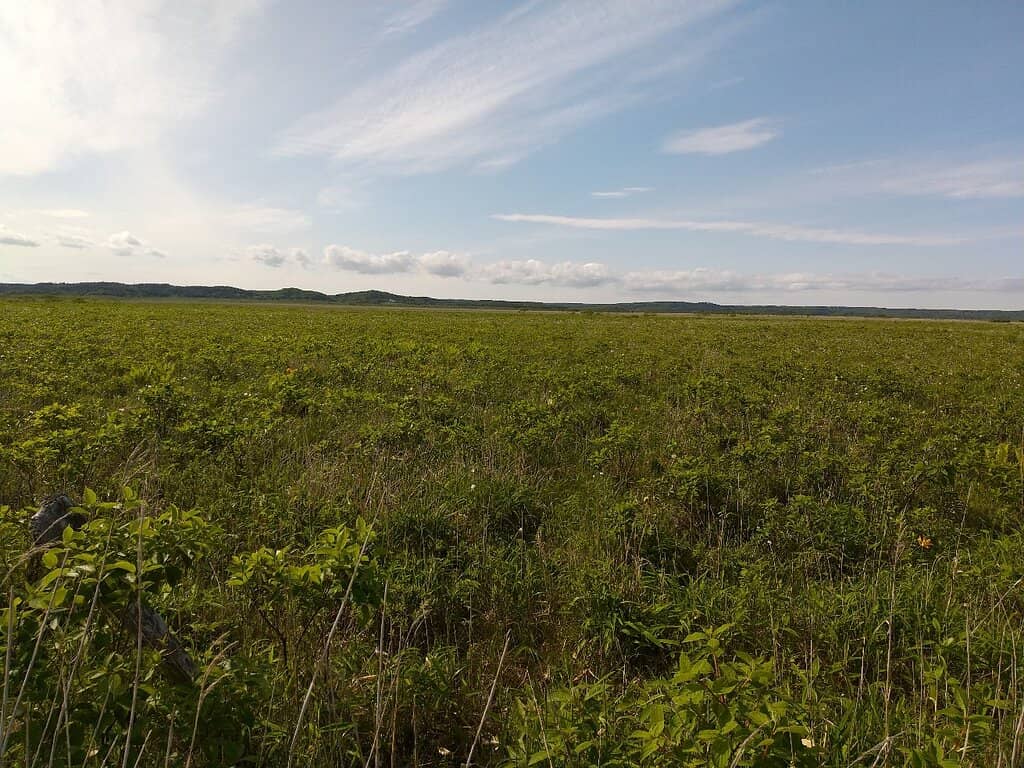
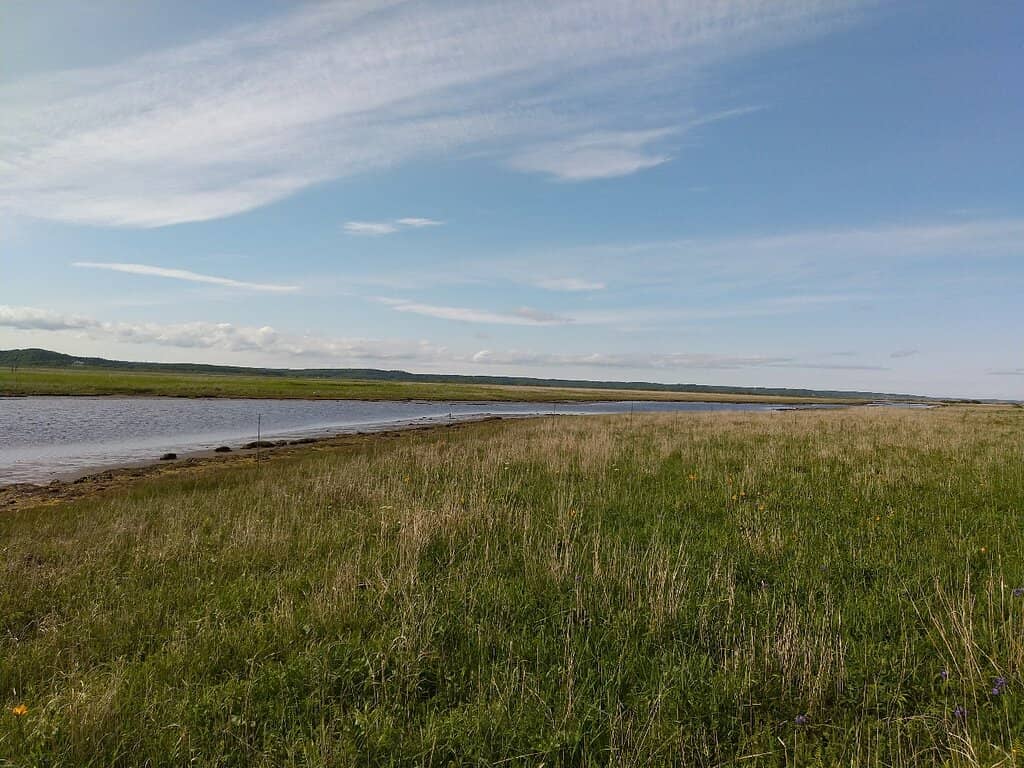
"Stretching across Hamanaka Town in eastern Hokkaido, between Kushiro and Nemuro, Kiritappu Wetland is one of Japan's largest wetlands, covering a total area of approximately 3,168 hectares.
The central part of the wetland was designated a national natural monument, the Kiritappu Peat-Forming Flora, in 1922, over 100 years ago.
It was also registered under the Ramsar Convention in 1993, and is home to many wild birds, including red-crowned cranes and white-tailed eagles.
From spring to summer, the wetland is blanketed in bloom with flowers such as cottongrass and daylilies, earning it the nickname the "flower marsh."
The name "Kiritappu" is said to come from the Ainu word "kiritappu," which means "place to cut kaya."
There is also a theory that the name comes from "kiri" (fog) and "tappu" (many, many), meaning "a place with a lot of fog."
In fact, the area around Hamanaka is prone to sea fog, and is blessed with a cool climate, often shrouded in fog all day, especially in the summer.
The place name Kiritappu may be more well-known than Hamanaka.
(Visited March 18, 2024)"
鷲尾ジロー
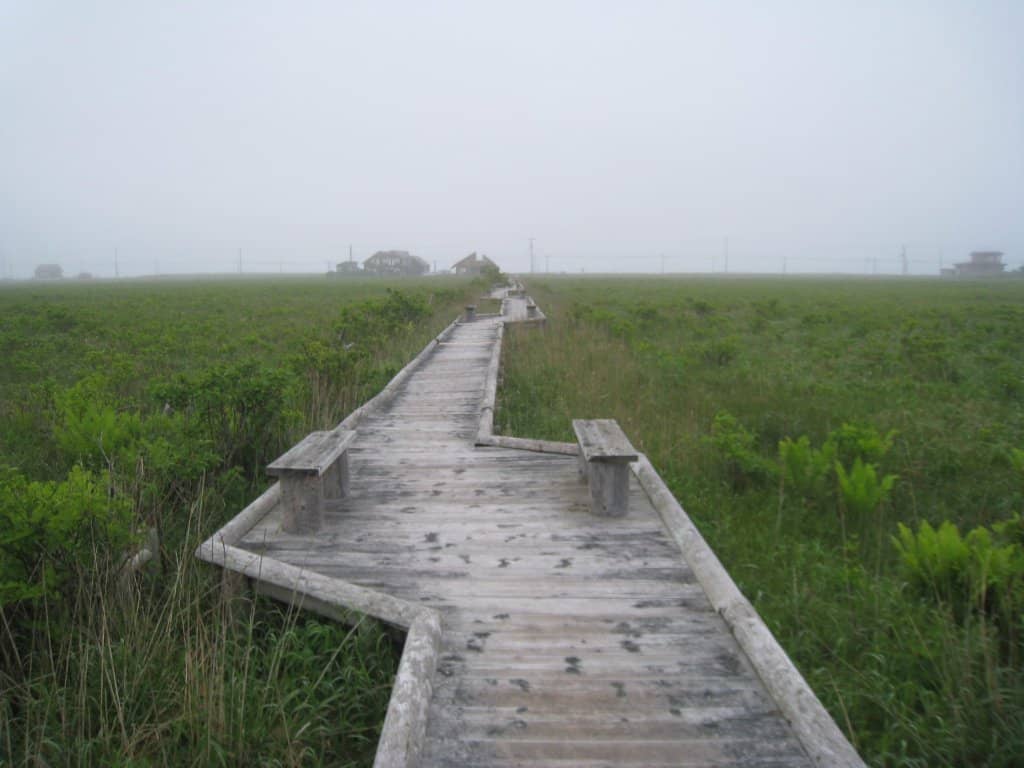
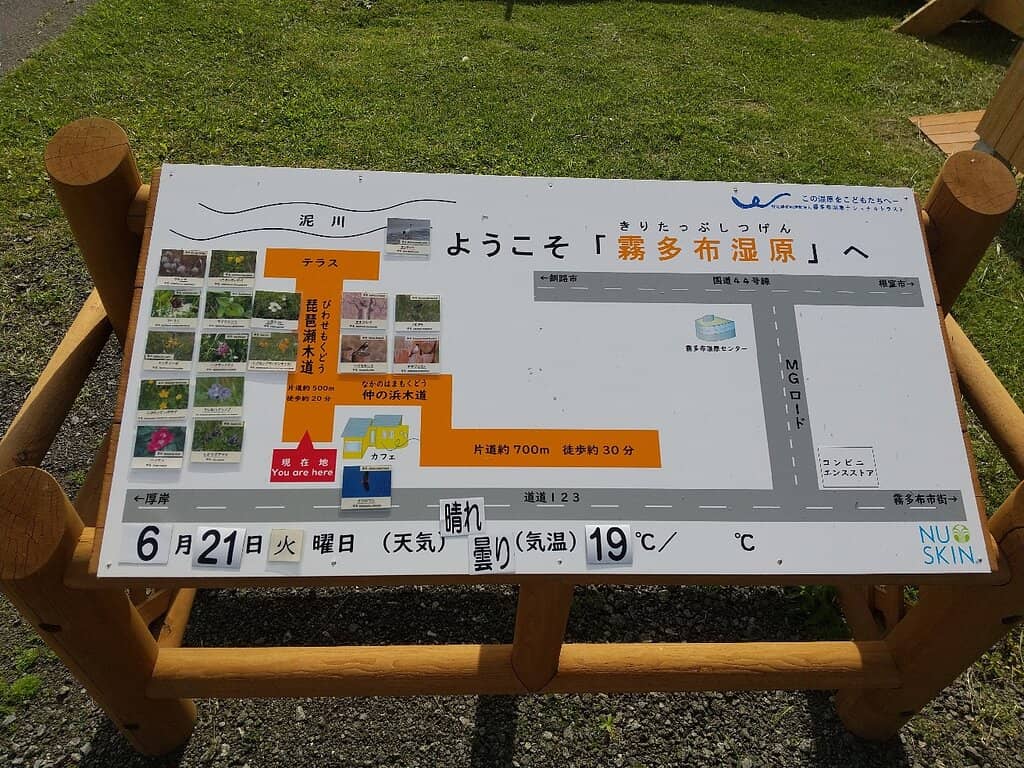
"At Kiritappu Marsh, there is a place where you can park your car in a parking lot on the side of the road and take a walk. If you walk along the boardwalk, which looks to be about 500m long, past the building of the NPO Kiritappu Marsh National Trust on the Betsukai-Akkeshi Line, you can get close to the marsh that symbolizes the marsh. The parking lot on the side of the road can accommodate more than 10 cars."
412 TOSHIO
"Ramsar registered wetland.
It is one of the wetlands spanning Akkeshi Town, Kushiro Town, Hamanaka Town, and Shibecha Town, and was registered as Akkeshi Kiritappu Konbu Forest Quasi-National Park in 2021.
This wetland is home to a variety of attractive wild birds, plants, and flowers, and you can see a variety of expressions depending on the season, making it a veritable paradise for living creatures.
From winter to early spring, various winter birds descend on Kiritappu Wetland.
You can see how they live a carefree life.
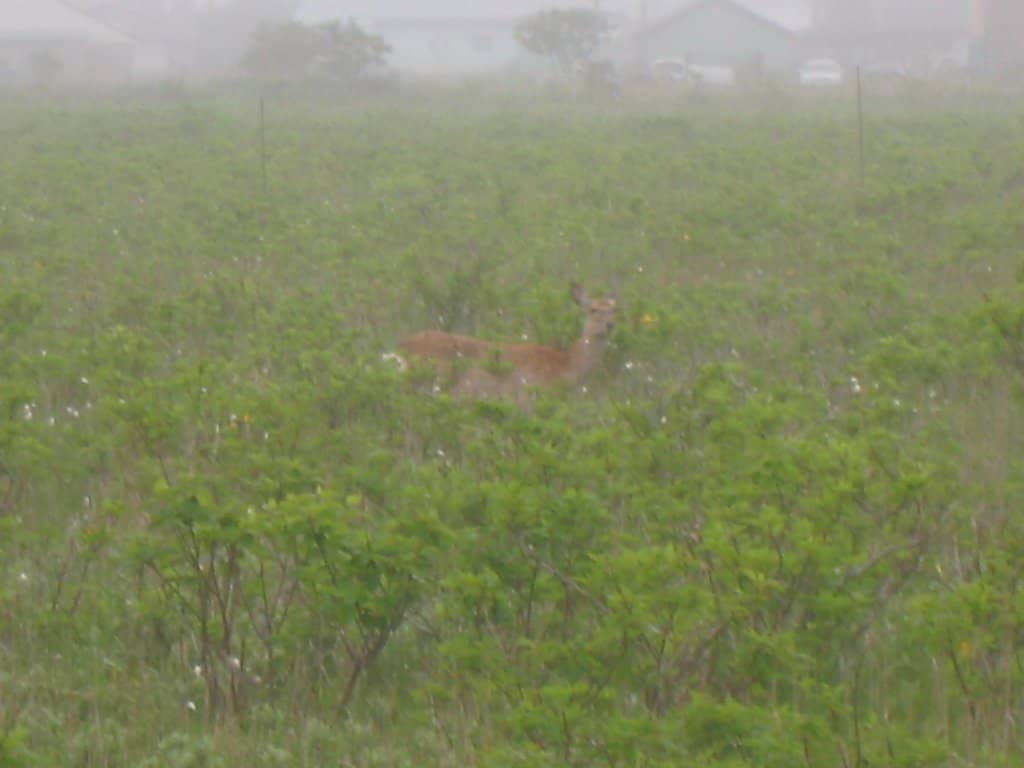
You can also see deer lining up.
From late May to June, ``Watasuge'', a plant that produces white cotton, creates a fantastic landscape.
From June to July, you can see the orange daylily.
In order, you can see the purple iris.
In autumn, the whole area is filled with pampas grass.
When illuminated by the sunrise or sunset, it shines golden, creating an indescribable feeling of euphoria.
There are several wooden paths nearby that allow you to walk inside the wetland.
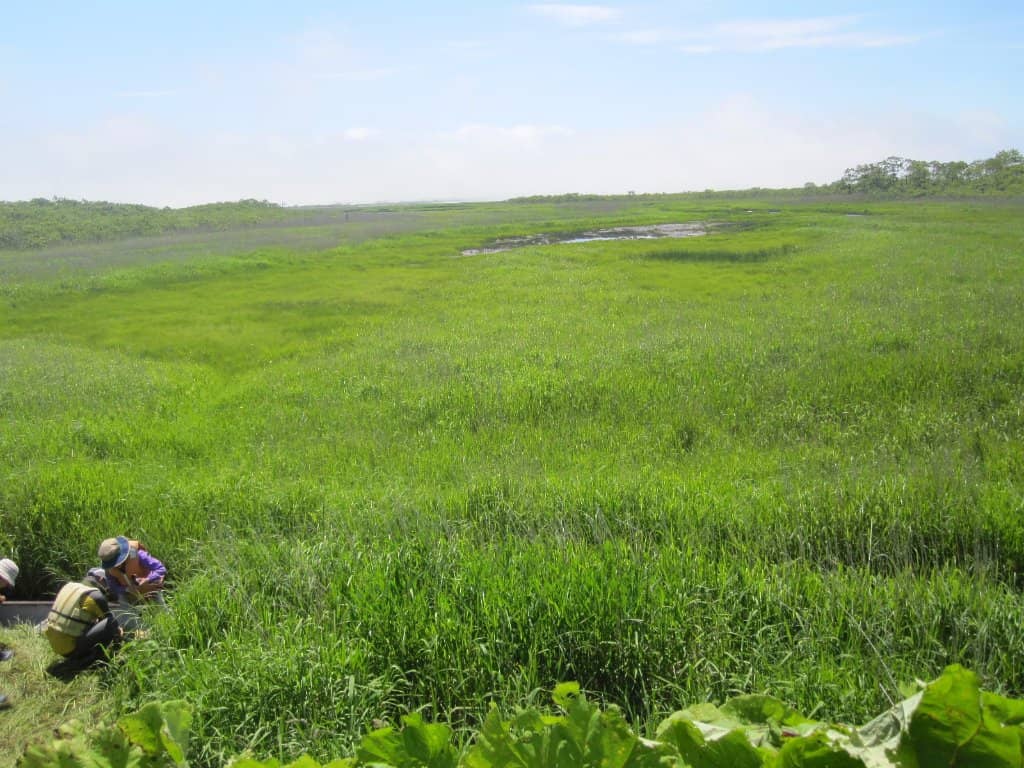
You can also enjoy activities such as canoeing.
You can check the information at the Kiritappu Wetland Center and other places, so please give it a try."
140
What People Like
What People Dislike
Frequently Asked Questions
🚇 🗺️ Getting There
Kiritappu Wetland is located in Hamanaka Town, eastern Hokkaido. The nearest major airports are Kushiro Airport (KUH) and Memanbetsu Airport (MMB). From the airports, you can rent a car or take public transportation (trains and buses) towards Hamanaka Town. Driving is often the most convenient way to explore the wetland and surrounding areas.
While public transport options exist to reach Hamanaka Town, navigating within the wetland itself is best done by car. Buses may serve some areas, but schedules can be infrequent. Renting a car offers the most flexibility for exploring different parts of the wetland.
There are roadside parking lots available, particularly near the NPO Kiritappu Marsh National Trust building, allowing easy access to boardwalks. These lots can accommodate over 10 cars.
Exploring via the wooden boardwalks is recommended to protect the environment. For a more immersive experience, consider canoeing, especially during sunrise or sunset.
Yes, Kiritappu Wetland can be enjoyed as a day trip, especially if you are driving. You can explore the boardwalks, visit the visitor center, and enjoy the scenery. However, to fully appreciate the changing light and wildlife, an overnight stay in the Hamanaka area might be more rewarding.
🎫 🎫 Tickets & Entry
Generally, there is no admission fee to enter Kiritappu Wetland itself, as it is a natural protected area. However, specific activities like guided tours or canoe rentals may have associated costs.
Kiritappu Wetland is a natural area and is generally accessible at all times. The Kiritappu Wetland Center, however, will have specific operating hours, which are best checked locally or on their official website.
Yes, guided tours are often available, especially during specific seasons like winter for wildlife viewing. The Kiritappu Wetland National Trust may offer or recommend such tours.
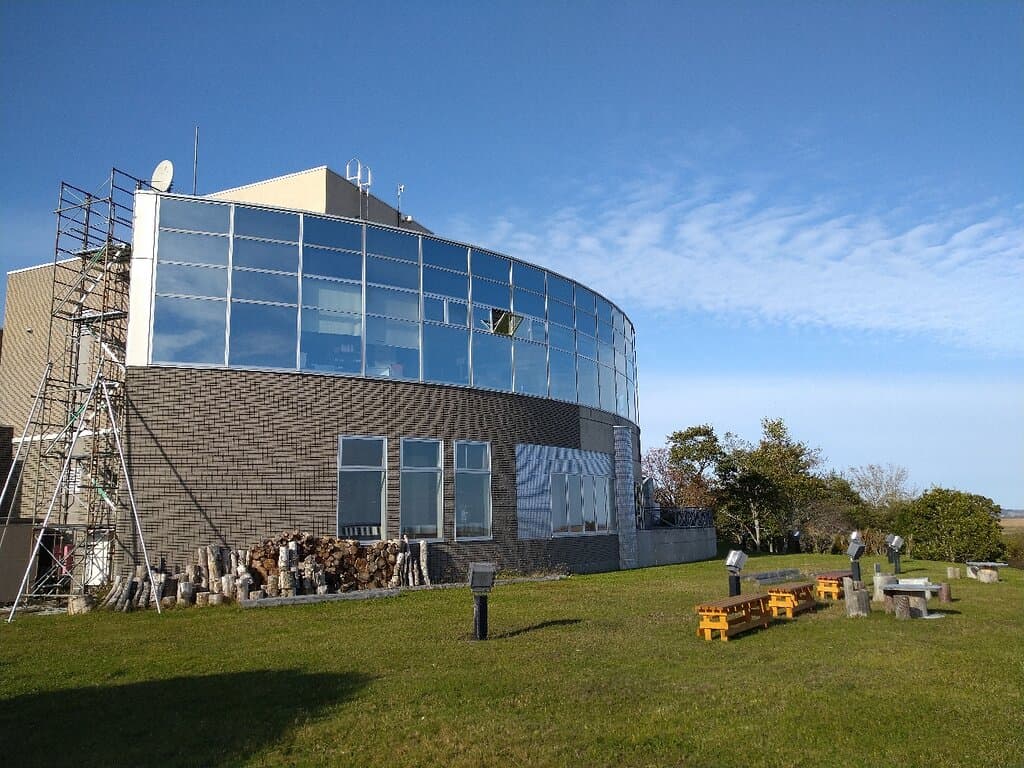
Yes, the Kiritappu Wetland Center provides information about the wetland's ecology, wildlife, and seasonal highlights. It's a great starting point for your visit.
Absolutely! Winter offers a unique experience with snow-covered landscapes and opportunities to see winter birds and deer. Special winter tours are sometimes organized. 
📸 📸 Photography
The boardwalks offer excellent vantage points for capturing the vast wetland landscapes, flowers, and birds. The areas around the Kiritappu Wetland Center and along the Betsukai-Akkeshi Line are also popular. Sunset and sunrise can create magical light.
You have a good chance of photographing various wild birds, including red-crowned cranes and white-tailed eagles. Sea otters are also a highlight. Keep an eye out for deer, especially in winter.
Yes, from late May to June, the wetland is known as the 'flower marsh' with abundant cottongrass and daylilies, offering beautiful photographic opportunities.
A telephoto lens is highly recommended for wildlife and bird photography. A wide-angle lens is useful for capturing the expansive wetland landscapes. A tripod can be beneficial for low-light conditions or long exposures.
While generally open, always be mindful of the natural environment and wildlife. Avoid disturbing animals or damaging vegetation. Stick to designated paths and boardwalks.
🎫 🌿 Nature & Wildlife
Kiritappu Wetland is famous for its diverse flora, including cottongrass (Watasuge) in late spring/early summer, and daylilies (Hoozuki-so) and irises in June and July. In autumn, it's covered in pampas grass.
It's a sanctuary for numerous wild birds, such as red-crowned cranes and white-tailed eagles. Sea otters are also a significant attraction. Deer are commonly seen, especially in winter.
Yes, it's considered one of Japan's premier birdwatching locations, home to about half of the wild bird species found in Japan.
The name 'Kiritappu' is believed to originate from the Ainu word 'kiritappu,' meaning 'place to cut kaya.' Another theory suggests it comes from 'kiri' (fog) and 'tappu' (many), referring to the frequent fog.
It's one of Japan's largest wetlands, designated as a national natural monument and registered under the Ramsar Convention for its ecological significance and biodiversity.

Social
from TikTok, Instagram & Reddit