
Hanamaki Onsen Iwate
Hanamaki Onsen offers a traditional Japanese hot spring experience with rejuvenating alkaline waters and serene ryokan stays.
Highlights
Must-see attractions

Social
From TikTok & Reddit
Best Time
Pleasant weather, fewer crowds
Hanamaki Onsen Iwate
Best Time
Pleasant weather, fewer crowds
Highlights
Must-see attractions
Hanamaki Onsen offers a traditional Japanese hot spring experience with rejuvenating alkaline waters and serene ryokan stays.
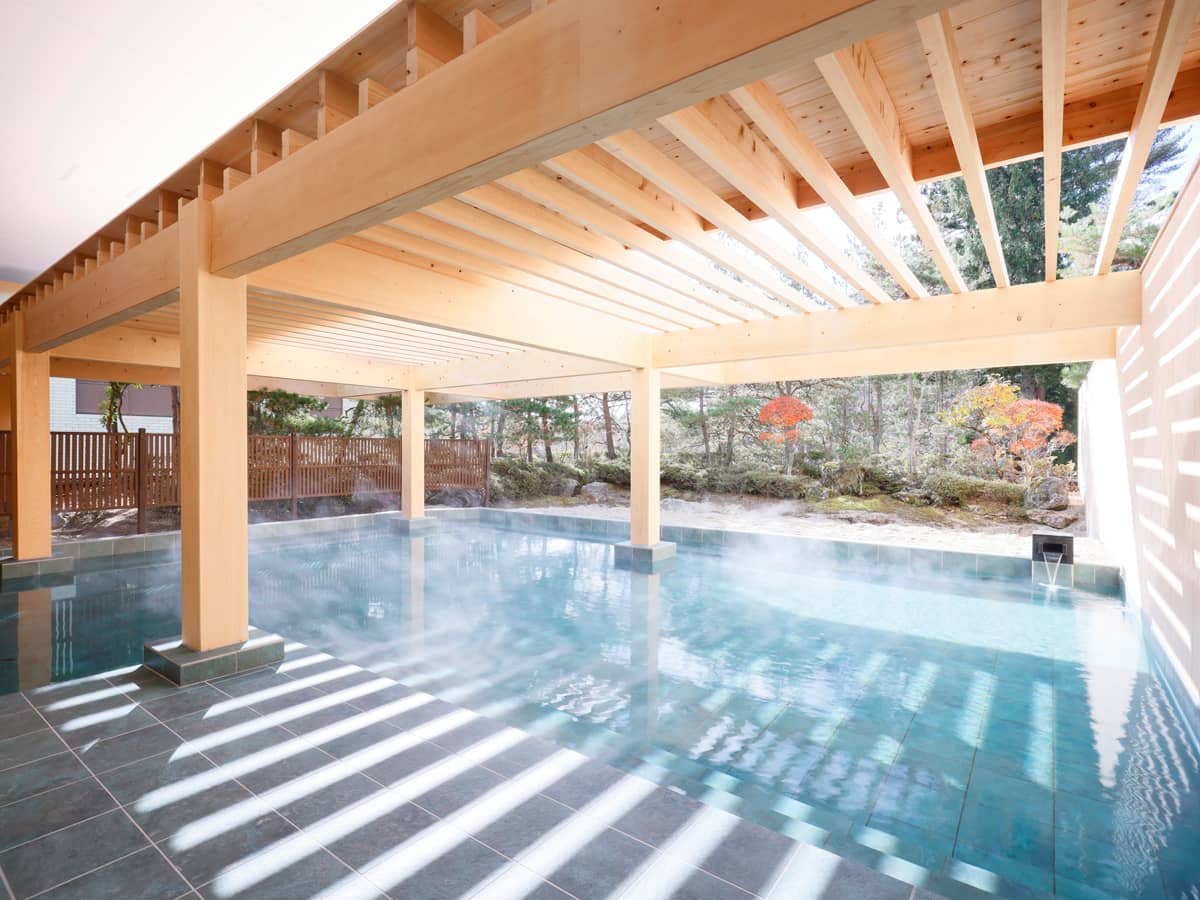
"The alkaline hot spring water is famously called 'Bijin-no-Yu', meaning Beauty Hot Spring."
♨️ Day Trip Onsen Access
Day trip fees usually cover only your hotel's baths. Check in advance if you want to access multiple onsen areas.
🧼 Onsen Etiquette
Wash thoroughly before entering the baths. Towels are usually provided or available for rent.
Quick Facts
Rating
4 · 1,186 reviews
Type
Japanese inn
Highlights
Discover the most iconic attractions and experiences
Bijin-no-Yu (Beauty Hot Spring)
Kashoen
Experience the alkaline waters famed for leaving skin incredibly smooth and refreshed.
Traditional Ryokan Stay
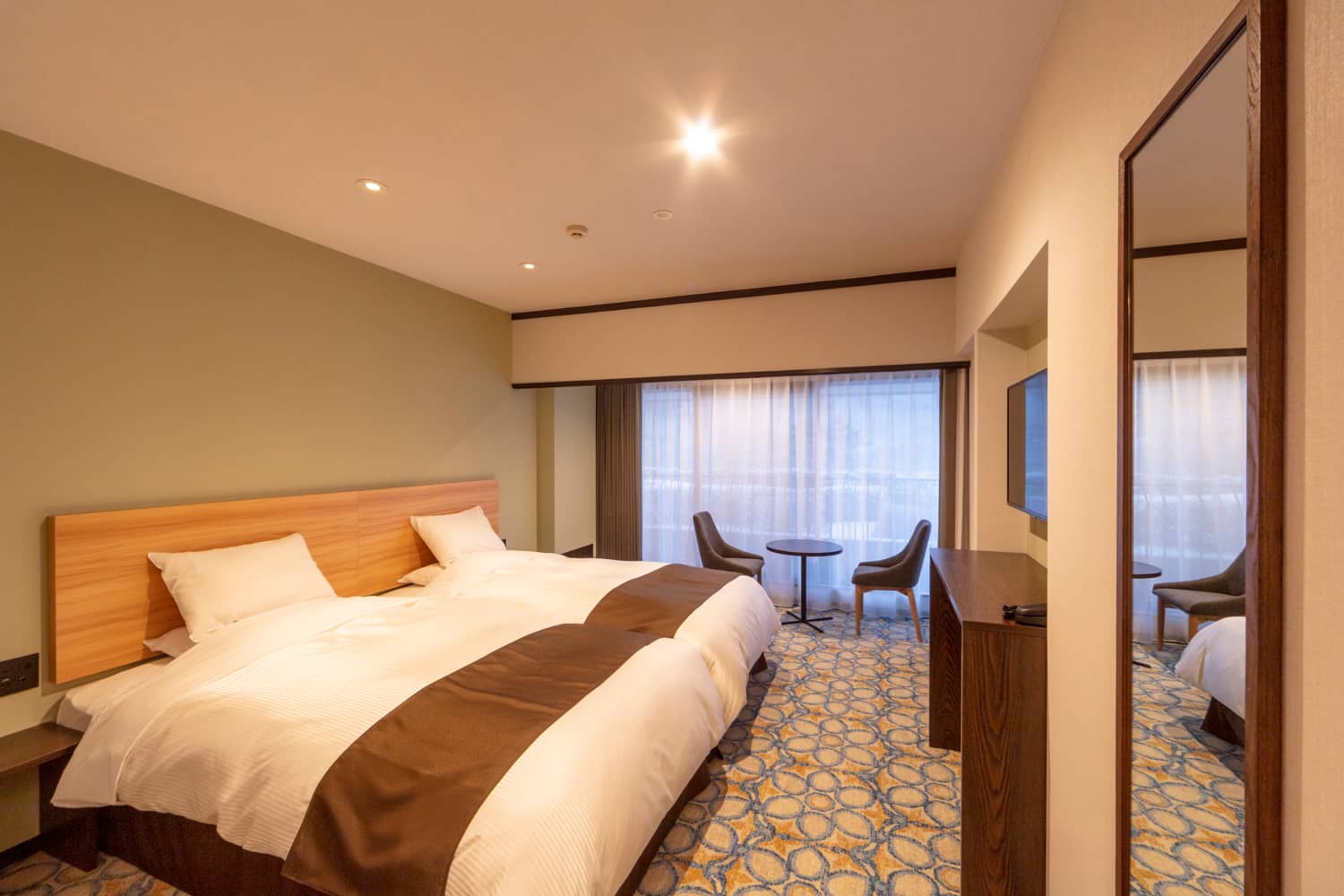
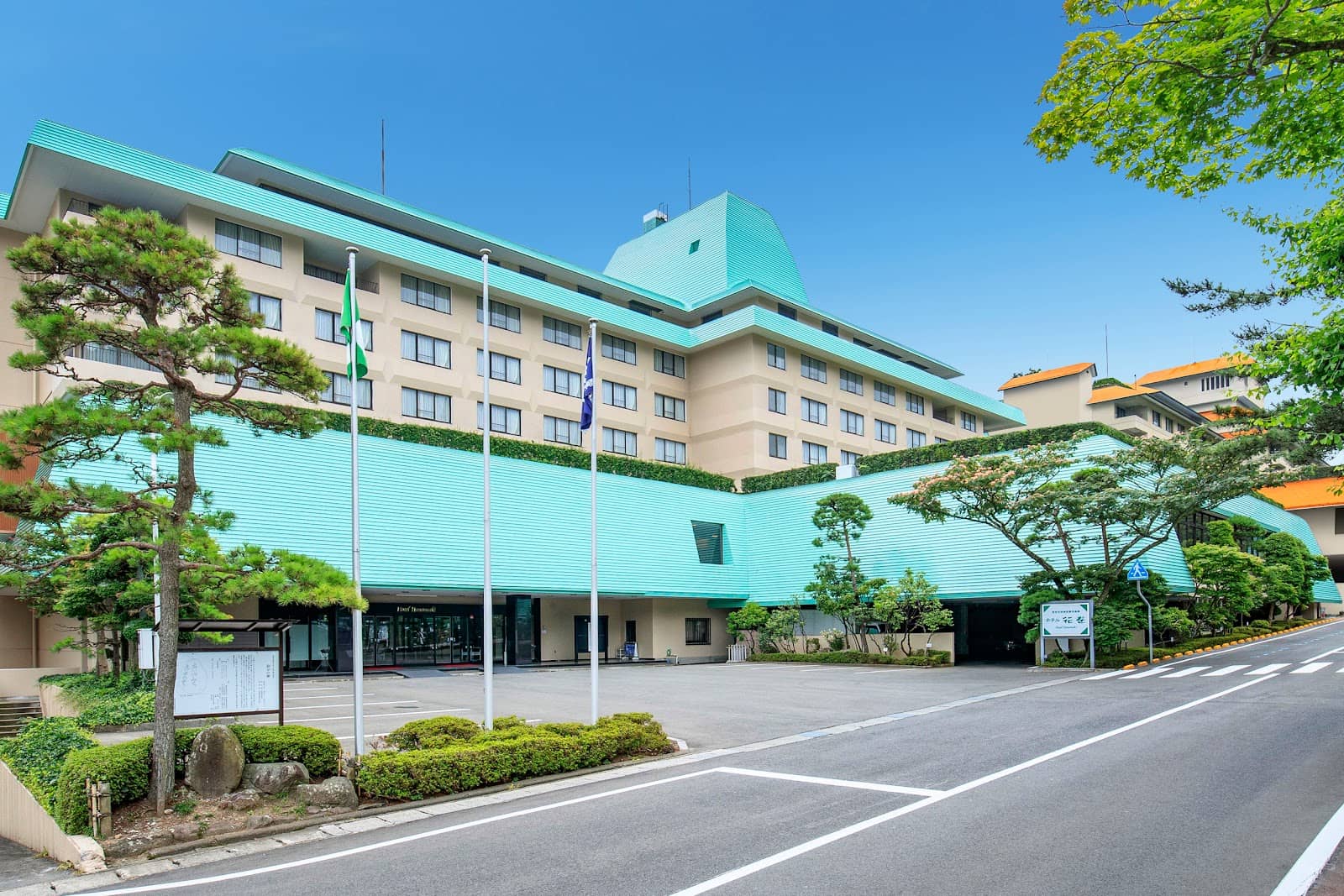
Various Ryokans (e.g., Hotel Hanamaki, Kashoen)
Immerse yourself in Japanese culture with tatami rooms and serene onsen baths.
Osawa Onsen
Osawa Onsen area
Explore this historic onsen area, known for its therapeutic waters and scenic surroundings.
Plans like a pro.
Thinks like you
Planning Your Visit
Embrace the Onsen Culture
Timing is Key for Tranquility
Best Times
Insider Tips
from TikTok, Instagram & Reddit
♨️ Day Trip Onsen Access
Day trip fees usually cover only your hotel's baths. Check in advance if you want to access multiple onsen areas.
🧼 Onsen Etiquette
Wash thoroughly before entering the baths. Towels are usually provided or available for rent.
🛏️ Tatami Room Comfort
Tatami rooms offer a traditional experience. Be aware that futons might have lint; some find them less clean than Western beds.
🚗 Getting Around
Shuttle buses from Hanamaki Station are convenient for reaching many onsen hotels.
Tips
from all over the internet
♨️ Day Trip Onsen Access
Day trip fees usually cover only your hotel's baths. Check in advance if you want to access multiple onsen areas.
🧼 Onsen Etiquette
Wash thoroughly before entering the baths. Towels are usually provided or available for rent.
🛏️ Tatami Room Comfort
Tatami rooms offer a traditional experience. Be aware that futons might have lint; some find them less clean than Western beds.
🚗 Getting Around
Shuttle buses from Hanamaki Station are convenient for reaching many onsen hotels.
🗣️ Language Barrier
While some staff may speak English, having a translation app can be helpful for communication.
What Travellers Say
Reviews Summary
Hanamaki Onsen offers a traditional Japanese hot spring experience with many visitors praising the relaxing 'Bijin-no-Yu' waters and the hospitality of the staff. However, some guests have noted that certain facilities can appear dated, and cleanliness concerns, particularly regarding rooms and futons, have been raised. Communication barriers can also be a challenge for international travelers.
"The tatami-style room felt a bit old. The futon had a lot of lint and didn’t seem very clean. There was hair on the made bed, so it’s unclear if the sheets were actually washed.
There are several bath areas, which allow for different bathing experiences, but the views from the baths are limited. Maybe because it wasn’t winter, the overall experience felt just okay — nothing particularly impressive.
The futon had lots of lint and some uncleaned hair, which made it feel a bit dirty. People with allergies might have trouble sleeping comfortably."
CT C
"We can feel hotel Hospitality from hotel management
It’s important for guest feels comfortable and feel as OMOTENASHI
Hot spring bath is nice and relax"
akira yabe
"Lovely hotel. Rooms are traditional Japanese rooms. Staff was very friendly and helpful. Dinner and breakfast buffet was very good. Our tour group from Taiwan really enjoy our stay here!"
Big Lucas
What People Like
What People Dislike
Frequently Asked Questions
🚇 🗺️ Getting There
The most common way is to take the Tohoku Shinkansen from Tokyo Station to Shin-Hanamaki Station (approx. 2.5-3 hours). From Shin-Hanamaki Station, you can take a local bus or a taxi to the Hanamaki Onsen area. Shuttle buses are also available from Hanamaki Station to many of the hotels.
Yes, there are local buses that connect the various hotels and attractions within the Hanamaki Onsen area. Some hotels also offer their own shuttle services.
Yes, driving is an option. Most hotels offer parking facilities. However, be aware of potential winter road conditions if traveling during snowy months.
For Kashoen, shuttle buses from Hanamaki Station are a good option. Osawa Onsen is also accessible by bus from Hanamaki Station.
Yes, there are buses from Hanamaki Station that serve the Hanamaki Onsen area, making day trips feasible.
🎫 🎫 Tickets & Entry
Day-trip entry fees vary by hotel, but typically range from 800 to 1500 JPY. It's important to note that day-trip access usually only covers the baths within the specific hotel you pay for.
Generally, day-trip fees are for a single hotel's onsen facilities. To experience multiple onsen, consider staying overnight at a ryokan that offers access to several connected baths or booking separate day passes if available.
It's advisable to check the specific hotel's policy. While some may allow walk-ins, booking in advance, especially for popular ryokans or during peak season, is recommended to guarantee entry.
Operating hours for day trips vary by hotel. Typically, they are open in the afternoon, often from around 10 AM or 11 AM until 4 PM or 5 PM. It's best to confirm directly with the hotel.
While Hanamaki Onsen is primarily a resort area with paid onsen facilities, some smaller, more local hot springs might exist. However, the main attractions are the ryokan baths.
🎫 ♨️ Onsite Experience
Hanamaki Onsen features alkaline hot springs, often referred to as 'Bijin-no-Yu' or 'Beauty Hot Springs' due to their skin-smoothing properties.
You will bathe nude in the onsen. Most facilities provide lockers for your belongings and separate bathing areas for men and women. Small towels are typically used for washing and modesty outside the water.
Yes, some ryokans offer private open-air baths attached to rooms or available for booking, providing a more intimate experience.
Onsen facilities usually include soap, shampoo, conditioner, hair dryers, and sometimes skincare products. Some day-use facilities also offer these in the changing rooms.
Yes, Hanamaki Onsen can be family-friendly, especially if staying at a hotel with various amenities. However, some onsen etiquette might need to be explained to children.
🍽️ 🍽️ Food & Dining
Many hotels offer traditional Japanese multi-course dinners (kaiseki) and buffet-style breakfasts and dinners featuring local Iwate ingredients. Some also have casual dining options.
The Hanamaki Onsen area is primarily focused on its ryokans and hotels. Dining options outside these establishments might be limited, so enjoying meals at your accommodation is common.
It's best to inquire with your hotel in advance. While Japanese cuisine often features fish and meat, many ryokans can accommodate dietary restrictions if notified ahead of time.
Iwate is known for its delicious wagyu beef (Maesawa beef), fresh seafood, and local sake. Don't miss trying regional dishes if available.
Meals included in a ryokan stay (half-board or full-board) are generally good value. À la carte dining or specialized restaurants within hotels can be more expensive.
📸 📸 Photography
Capture the serene beauty of the outdoor onsen baths, the traditional architecture of the ryokans, and the surrounding natural landscapes, especially during autumn foliage or winter snow. 
Photography is generally prohibited inside the communal onsen bathing areas for privacy reasons. Focus on capturing the ambiance of the changing rooms, outdoor areas, and your ryokan room.
The natural surroundings offer picturesque views. Look for spots along the rivers or in the forested areas for scenic shots, particularly if you're visiting during a season with vibrant colors.
A versatile camera with good low-light performance is ideal for capturing the atmosphere of the onsen and ryokan. A wide-angle lens can be useful for interior shots and landscapes.
The contrast between the steaming hot springs and the natural environment, especially during cooler months, makes for striking photographs. Also, capture the details of the traditional Japanese architecture.
Social
from TikTok, Instagram & Reddit