
Five-storied Pagoda Goju-no-to
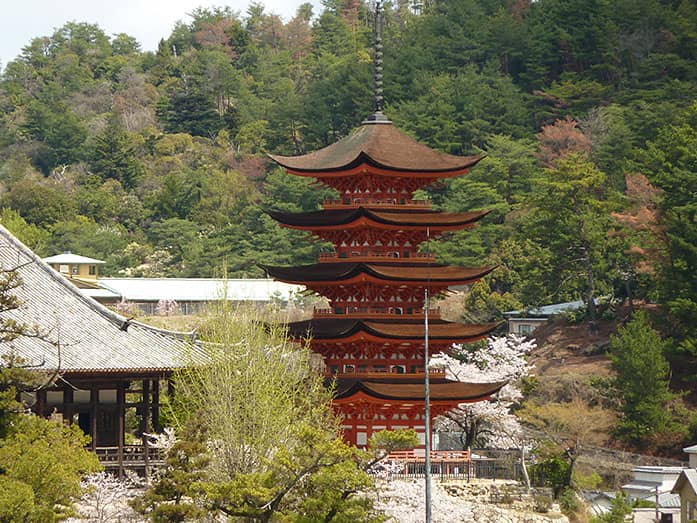
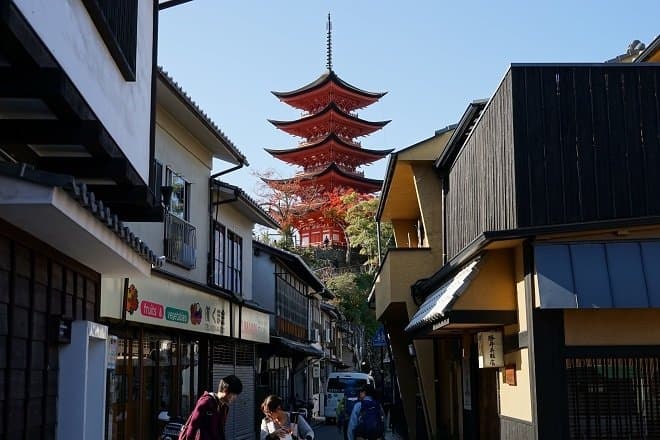
A striking 27m tall, 15th-century pagoda on Miyajima Island, blending Japanese & Chinese styles with vibrant red hues.
Highlights
Must-see attractions
Social
From TikTok & Reddit
Best Time
Fewer crowds, better light
Five-storied Pagoda Goju-no-to
Best Time
Fewer crowds, better light
Highlights
Must-see attractions
A striking 27m tall, 15th-century pagoda on Miyajima Island, blending Japanese & Chinese styles with vibrant red hues.
"Majestic and stunningly colorful temple in Itsukushima island."
📸 Perfect Photo Spot
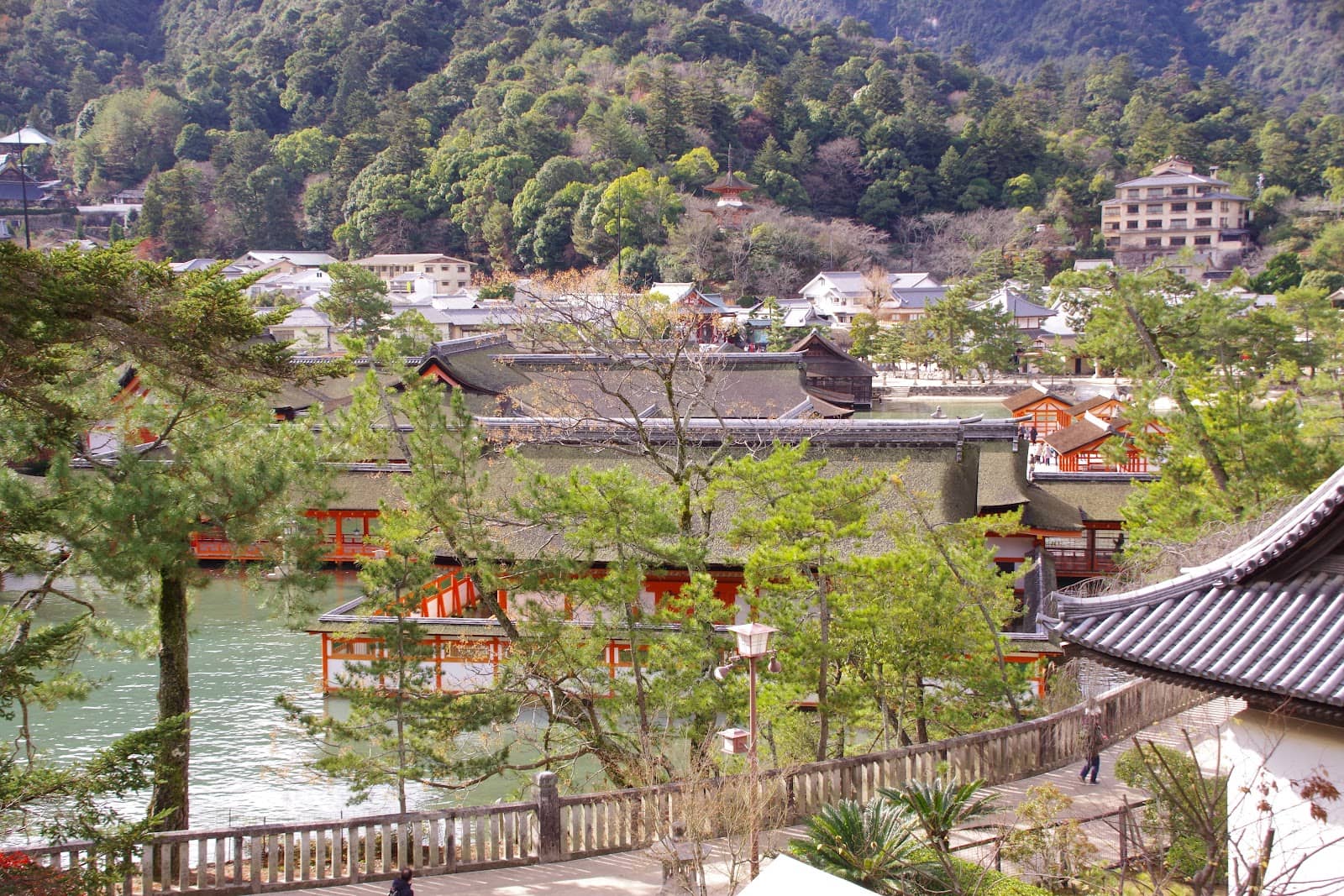
Capture stunning shots from various angles on the hill, especially with the vibrant red against greenery.
🚶♀️ Explore Nearby
Don't miss Senjokaku and Daiganji Temple, located close to the pagoda for a fuller experience.

Highlights
Discover the most iconic attractions and experiences
Five-storied Pagoda (Goju-no-to)
Miyajima Island, near Itsukushima Shrine
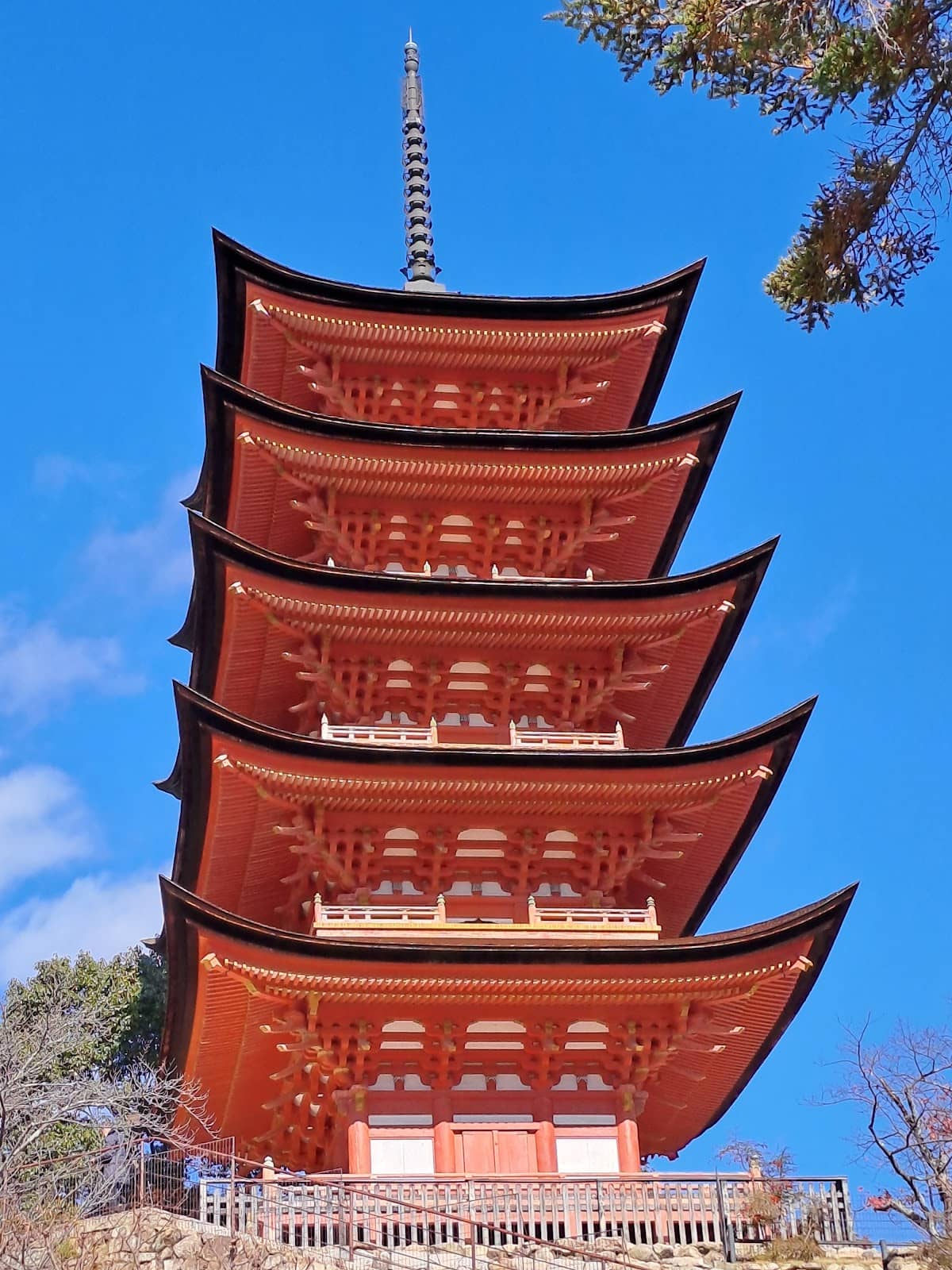
A vibrant red, 27-meter tall pagoda blending Japanese and Chinese styles, built in 1407. A striking landmark.
Architectural Fusion
Exterior view
Admire the unique blend of traditional Japanese and Chinese architectural elements in its design and construction.
Peaceful Surroundings
Hillside near Daiganji Temple
Find a moment of tranquility away from the main shrine crowds, enjoying the serene atmosphere.
Plans like a pro.
Thinks like you
Planning Your Visit
Combine with Itsukushima Shrine
Respectful Exploration
Best Times
Insider Tips
from TikTok, Instagram & Reddit
📸 Perfect Photo Spot
Capture stunning shots from various angles on the hill, especially with the vibrant red against greenery.
🚶♀️ Explore Nearby
Don't miss Senjokaku and Daiganji Temple, located close to the pagoda for a fuller experience.
🗺️ Use Google Maps
Enter 'Goju-no-to' or 'Five-storied Pagoda' into Google Maps for precise directions.
✨ Admire from Outside
While you can't always go inside, the exterior craftsmanship is breathtaking.
Tips
from all over the internet
📸 Perfect Photo Spot
Capture stunning shots from various angles on the hill, especially with the vibrant red against greenery.
🚶♀️ Explore Nearby
Don't miss Senjokaku and Daiganji Temple, located close to the pagoda for a fuller experience.
🗺️ Use Google Maps
Enter 'Goju-no-to' or 'Five-storied Pagoda' into Google Maps for precise directions.
✨ Admire from Outside
While you can't always go inside, the exterior craftsmanship is breathtaking.
What Travellers Say
Reviews Summary
Visitors consistently praise the Five-storied Pagoda for its stunning visual appeal, vibrant red color, and impressive blend of Japanese and Chinese architecture. Many appreciate its serene atmosphere, offering a peaceful respite near the popular Itsukushima Shrine. It's considered a significant cultural landmark and a beautiful photo opportunity.
"We came across this five storied pagoda while exploring the Itsukushima Shrine area on Miyajima Island. Although we didn’t go inside, it was still incredible to see up close and admire the craftsmanship from the outside. It stands tall above the surrounding village rooftops and offers beautiful photo angles from several directions.
Built in 1407, the pagoda combines traditional Japanese and Chinese architectural styles. Its brilliant red colour and elegant curves contrast beautifully with the surrounding greenery and wooden structures nearby. Each tier tapers upward with precision, and the pagoda stands approximately 27 meters high, creating a bold vertical presence on the hill.
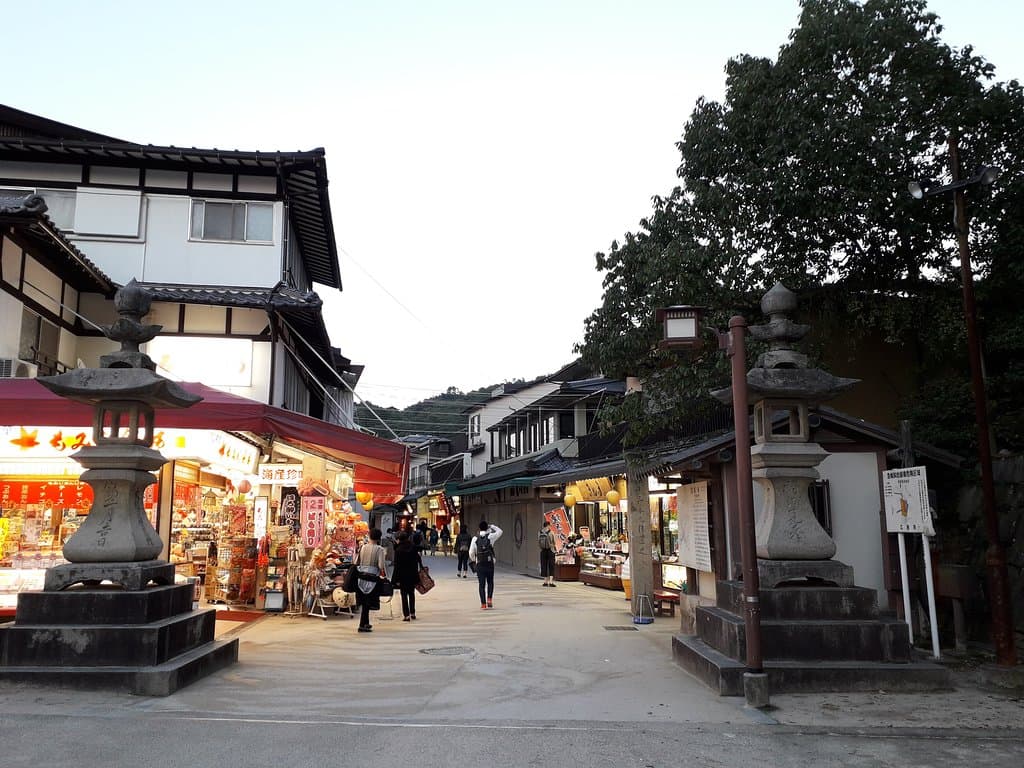
There’s a relaxing atmosphere around it despite how many visitors to the island there were. It’s located near Senjokaku (Toyokuni Shrine), another impressive structure that’s worth checking out while you're in the area. Walking through the small streets that lead to the pagoda feels like stepping back in time.
While the main draw of Miyajima is often the famous floating torii gate, the Gojūnotō is an equally memorable sight and a key part of the island’s rich historical and spiritual landscape. Even just from the outside as part of your visit to Itsukushima, its worth a look."
John Winter
"Magestic and stunningly colorful temple in Itsukushima island. The pagota appears outstanding with vibrant colors and detailed structures. A stairs leading to the pagoda. At the top platform, one can have a partial view of the island below. Not too crowded here as the temple is off the main path, visitors should enter the location on Google map for direction."
qlv assoc
"Stunning five-tiered red Pagoda tower designating Japanese and Chinese architecture was built in 1407 stands on a hill near the Honden front shrine of Itsukushima Shrine.
This pagoda initially used to enshrine a statue of Gautama Buddha and also statues of the bodhisattvas Samantabhadra and Manjushri, but these were moved to the Daiganji Temple on the opposite shore during the anti-Buddhism during 1868-1912 haibutsu kishaku movement of the Meiji period. Today, the pagoda has been designated a National Important Cultural Property."
Amaresh Raman
What People Like
What People Dislike
Frequently Asked Questions
🚇 🗺️ Getting There
The pagoda is located on Miyajima Island, accessible by ferry from Hiroshima. Once on the island, it's a short walk uphill from the Itsukushima Shrine area. Using Google Maps with 'Goju-no-to' will guide you directly.
Yes, it's situated on a hill near the main Itsukushima Shrine complex. Follow signs for Senjokaku or Daiganji Temple, and you'll likely spot it.
Miyajima is best explored on foot. The pagoda is within walking distance of the ferry port and Itsukushima Shrine.
🎫 🎫 Tickets & Entry
Generally, no ticket is required to view the pagoda from the outside. It's part of the scenic landscape of Miyajima Island.
Access inside the pagoda is often restricted. Visitors typically admire its exterior beauty and architectural details.
The pagoda is part of the island's landscape and is generally accessible during daylight hours. However, specific temple hours for nearby structures may apply.
📸 📸 Photography
Mornings offer softer light and fewer crowds, ideal for capturing the pagoda's vibrant colors. Afternoons can also be good, but expect more visitors.
Try different vantage points from the surrounding hillside. Shots from below looking up, or from the side with the greenery, are particularly striking.
General photography of the exterior is usually permitted. However, always be respectful of the religious nature of the site and any posted signage.
🎫 🏛️ History & Culture
The pagoda was constructed in 1407, making it a significant historical structure on Miyajima Island.
It's a beautiful example of a blend between traditional Japanese and Chinese architectural styles.
Originally, it was built to enshrine statues of Buddha and bodhisattvas. These were later moved to Daiganji Temple during the Meiji period.
Yes, the Five-storied Pagoda is designated as a National Important Cultural Property of Japan.
For Different Travelers
Tailored advice for your travel style
👨👩👧 Families with Kids
📸 Photographers
Deep Dives
In-depth insights and expert knowledge
Architectural Significance
Historically, the pagoda served as a sacred space for enshrining Buddhist deities. However, during the Meiji period's anti-Buddhism movement (haibutsu kishaku), its religious artifacts were relocated to Daiganji Temple. Despite this change, the pagoda remains a vital cultural landmark, recognized as a National Important Cultural Property. Its enduring presence offers visitors a glimpse into Japan's rich religious and architectural heritage.
Experiencing the Pagoda's Atmosphere
The walk to the pagoda itself is part of the experience, winding through charming streets that evoke a sense of stepping back in time. Even if you don't enter the pagoda, admiring its exterior from various viewpoints on the hill is highly rewarding. The vibrant colors and detailed structure make it a memorable sight, and it's considered an equally important part of Miyajima's historical and spiritual landscape.


Social
from TikTok, Instagram & Reddit