Keio Mogusaen Plum Garden
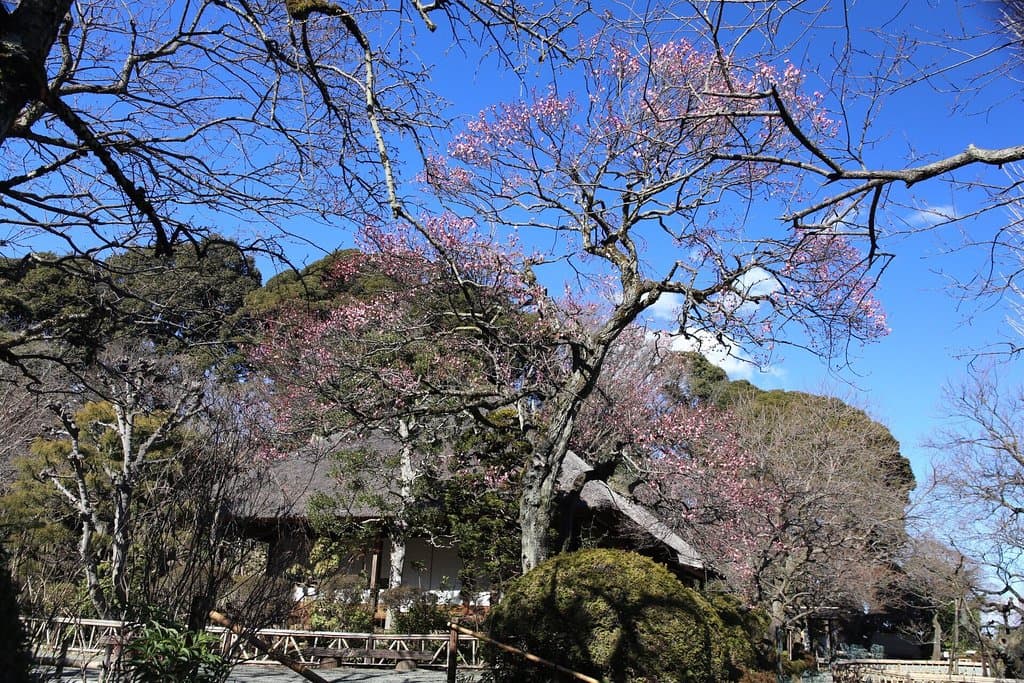
A serene traditional Japanese garden on a hill, famous for its plum blossoms and poetic inspiration.
Highlights
Must-see attractions

Social
From TikTok & Reddit
Best Time
Peak plum blossom season
Keio Mogusaen Plum Garden
Best Time
Peak plum blossom season
Highlights
Must-see attractions
A serene traditional Japanese garden on a hill, famous for its plum blossoms and poetic inspiration.
"Beautiful, gorgeous and breathtaking! There’s a little pond enveloped in different trees and flowers!"
🌸 Embrace the Plum Season
Visit in late Feb/early Mar for the best ume blossoms and a peaceful atmosphere.
🚶 Follow Station Signs
Easy to find from Keio Mogusaen Station's south exit. Just follow the signs.
Quick Facts
Highlights
Discover the most iconic attractions and experiences
Ume Blossom Season
Throughout the garden
Experience the tranquil beauty and delicate fragrance of plum blossoms in late winter.
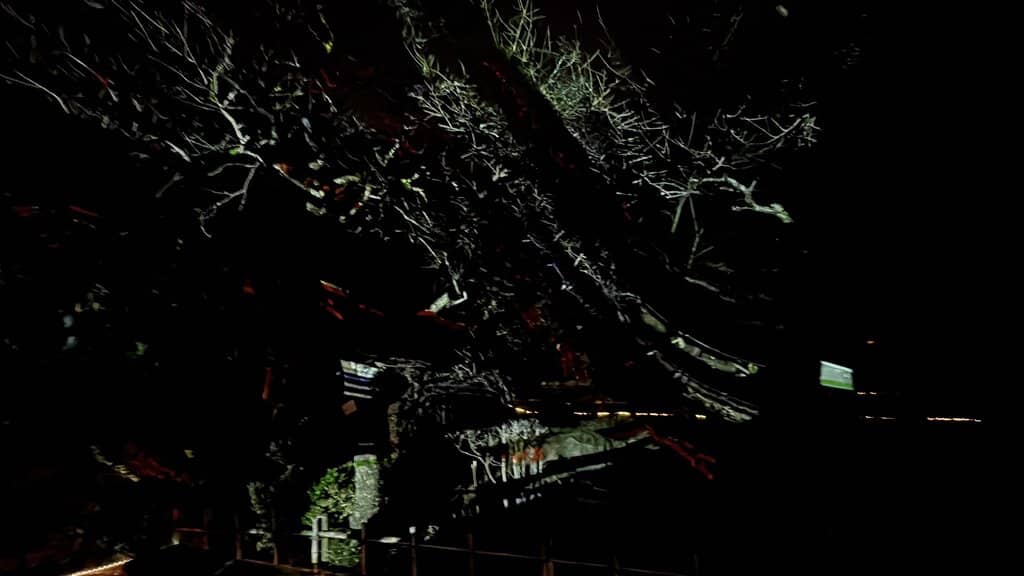
Wakayama Bokusui Memorial
Garden grounds
Discover poems by a renowned poet inspired by this historic temple garden.
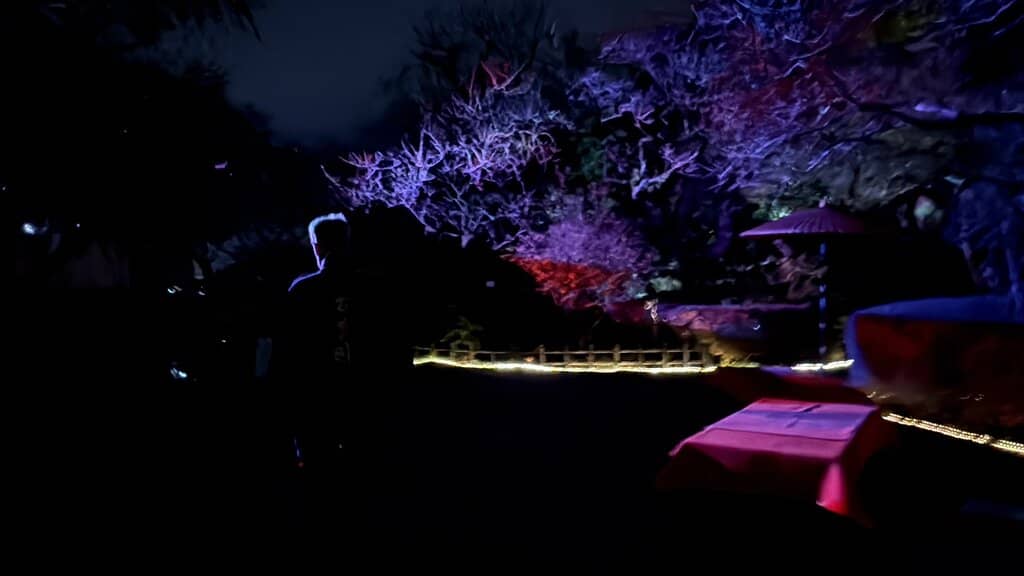
Scenic Pond and Valley View
Central pond area
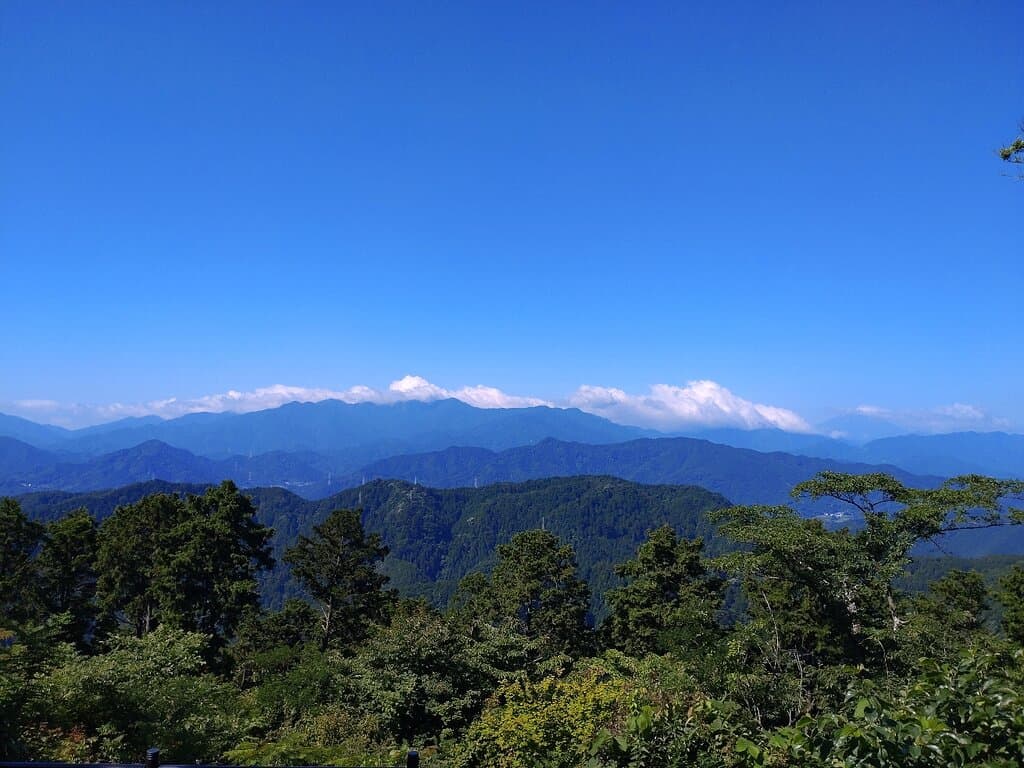
A picturesque pond surrounded by diverse flora, with potential views of Mount Fuji on clear days.
Plans like a pro.
Thinks like you
Planning Your Visit
Best Time for Plum Blossoms
Getting There & Admission
Best Times
Insider Tips
from TikTok, Instagram & Reddit
🌸 Embrace the Plum Season
Visit in late Feb/early Mar for the best ume blossoms and a peaceful atmosphere.
🚶 Follow Station Signs
Easy to find from Keio Mogusaen Station's south exit. Just follow the signs.
☕ Enjoy a Quiet Read
Perfect spot to relax with a book and coffee amidst nature's beauty.
⛰️ Spot Mount Fuji
On clear days, enjoy stunning views of Mount Fuji from the hilltop.
Tips
from all over the internet
🌸 Embrace the Plum Season
Visit in late Feb/early Mar for the best ume blossoms and a peaceful atmosphere.
🚶 Follow Station Signs
Easy to find from Keio Mogusaen Station's south exit. Just follow the signs.
☕ Enjoy a Quiet Read
Perfect spot to relax with a book and coffee amidst nature's beauty.
⛰️ Spot Mount Fuji
On clear days, enjoy stunning views of Mount Fuji from the hilltop.
What Travellers Say
Reviews Summary
Visitors praise the Keio Mogusaen Plum Garden for its serene beauty, especially during the plum blossom season. Its historical significance and the peaceful atmosphere are frequently highlighted, making it a delightful escape. Some note its smaller size, which contributes to its intimate charm.
"The place is worst to go. The beauty of the garden is changing during the whole year. In winter season (End of February) is a mood of cold, calm of ume flower."
Pare Roocheepaht
"Beautiful garden with a nice pond in the middle on a hill overlooking the valley. In a good day you can see Mount Fuji
To get there leave from the south exit of the station , turn right to the Main Street and then just follow the signs.
The garden was built in 1715 as a temple garden. In the Meiji period it is known for the poet Wakayama Bokusui who wrote some of his famous short poems after being inspired by the garden. There’s a memorial for him including some of his poems (beautiful ones actually). Admission is 300 JPY foe adult and 100 JPY for children."
Omri R
"It is winter time. The view is spectacular. You will love the colors of the nature. You will enjoy reading your favorite books while having a cup of coffee."
Merly Arceo
What People Like
What People Dislike
Frequently Asked Questions
🚇 🗺️ Getting There
The garden is easily accessible from Keio Mogusaen Station. Leave from the south exit, turn right onto the main street, and follow the signs.
Yes, it is conveniently located near Keio Mogusaen Station, making it easily reachable by train.
You can take a train on the Keio Line to Keio Mogusaen Station, which is a short walk from the garden.
🎫 🎫 Tickets & Entry
Admission is very affordable: 300 JPY for adults and 100 JPY for children.
While specific discounts aren't widely mentioned, the low general admission fee makes it accessible for most visitors.
Opening hours can vary seasonally, but it's generally open during daylight hours. It's best to check the official website for the most current information.
🎫 🏞️ Onsite Experience
The garden features a beautiful pond, diverse native plants, and is particularly famous for its plum blossoms in late winter. It also has a memorial to poet Wakayama Bokusui.
Absolutely. Visitors describe it as a calm, well-maintained, and small garden perfect for quiet contemplation and enjoying nature.
On clear days, you can enjoy a view of Mount Fuji from the hilltop location of the garden.
The garden was originally built in 1715 as a temple garden and later became known for inspiring poet Wakayama Bokusui.
📸 📸 Photography
The pond area with its surrounding flora offers picturesque scenes. During plum blossom season, the trees in bloom are a photographer's delight.
Yes, photography is generally allowed, allowing you to capture the serene beauty of the garden and its seasonal blooms.

Social
from TikTok, Instagram & Reddit