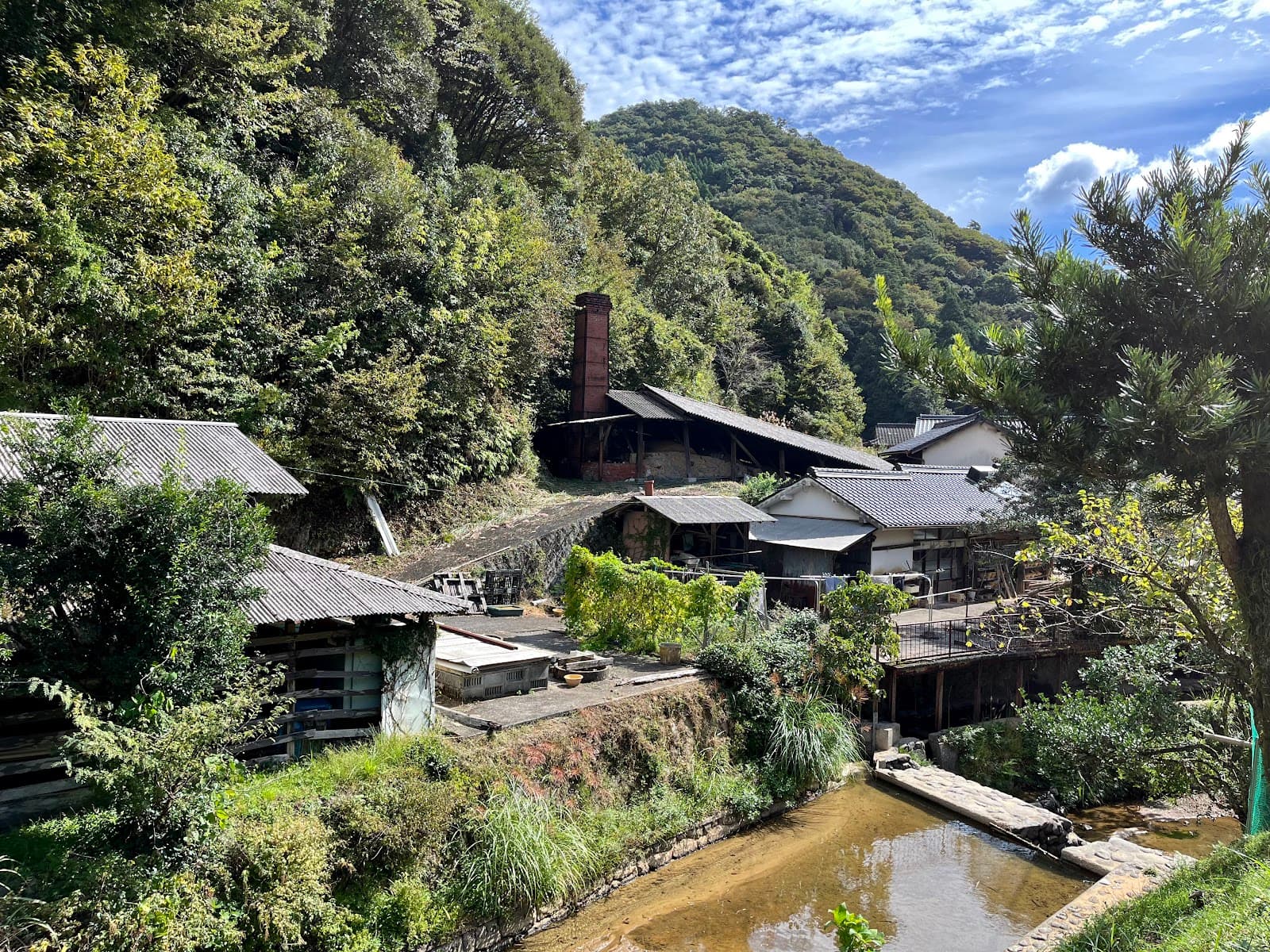
Onta Water Hammer Mills
Discover Onta, a hidden mountain village where water hammers pound clay, crafting unique pottery in a timeless tradition.
Highlights
Must-see attractions

Social
From TikTok & Reddit
Best Time
Fewer crowds, easier parking
Onta Water Hammer Mills
Best Time
Fewer crowds, easier parking
Highlights
Must-see attractions
Discover Onta, a hidden mountain village where water hammers pound clay, crafting unique pottery in a timeless tradition.
"When art, tradition, and nature seamlessly fuse, the resulting uniqueness establishes an identity of its own."

🚗 Arrive Early for Parking
Parking lot fills fast! Aim for 9:30 AM to snag a spot and beat the rush. :car:
🔔 Ring for Service
Shops are often unattended. Ring the bell to alert artisans you're ready to purchase. :bell:

Highlights
Discover the most iconic attractions and experiences
Water-Powered Clay Pounding
Throughout the village
Witness the unique, centuries-old method of pounding yellow clay using water power. A truly mesmerizing sight!
Artisan Workshops & Shops
Individual homes/workshops
Explore homes transformed into shops, showcasing beautiful, handcrafted pottery. Find unique tea cups and more.

Local Museum
Near the parking lot
A small, free museum offering insights into the craft, though mostly in Japanese. Still worth a look!
Soba and Udon Shop
The village's sole food establishment
Enjoy delicious soba and udon noodles at the village's only eatery. A perfect refueling stop.
Plans like a pro.
Thinks like you
Planning Your Visit
Arrive Early for Parking
Respect the Artisans
Best Times
Insider Tips
from TikTok, Instagram & Reddit
Ontayaki Pottery Village Help?
🚗 Arrive Early for Parking
Parking lot fills fast! Aim for 9:30 AM to snag a spot and beat the rush. :car:
🔔 Ring for Service
Shops are often unattended. Ring the bell to alert artisans you're ready to purchase. :bell:
3 weeks in Shikoku/Oita
🤝 Be Respectful
Artisans are busy. Be patient and understanding; they're craftsmen, not retail staff. :bow:
🍜 Try the Local Noodles
Don't miss the soba and udon at the village's only food shop. Delicious! :ramen:
Tips
from all over the internet
🚗 Arrive Early for Parking
Parking lot fills fast! Aim for 9:30 AM to snag a spot and beat the rush. :car:
🔔 Ring for Service
Shops are often unattended. Ring the bell to alert artisans you're ready to purchase. :bell:
🤝 Be Respectful
Artisans are busy. Be patient and understanding; they're craftsmen, not retail staff. :bow:
🍜 Try the Local Noodles
Don't miss the soba and udon at the village's only food shop. Delicious! :ramen:
☔ Visit on a Clear Day
Rainy days might mean fewer shops are open. Check the weather! :sunwithface:
What Travellers Say
Reviews Summary
Visitors praise Onta Water Hammer Mills for its unique, traditional craft and serene mountain setting. The experience of seeing water-powered clay pounding and browsing artisan homes is highly valued. However, some find the number of open shops limited, and the language barrier in the museum can be a drawback.
"It’s a unique experience, a small village in the middle of the mountains, all houses basically dedicated to the craft, you see then drying the products outside and the shops are inside their homes. Such a local feel, the price range is reasonable with some going cheaper and some more pricey. They got a small free local museum, all the stuff inside is in Japanese though but nice enough to look at. The parking lot by the museum isn’t the biggest, it was quite empty when I got there around 9:30 am but completely full when I left around 11 am. Guess it depends on season and weather but it doesn’t seem like there are any other parking spots around so I suggest arriving earlier if you’re driving :))"
Helena Ying Cecilie Wang
"We went on a rainy day so we only went to two shops, but the potteries are so nice, we bought some beautiful tea cups. The shops are unattended and you need to ring the bell if you want to buy. They are professional craftsmen busy working in the workshops, not professional customer service employees, so don't be a jerk going in."
M Cao
"Am a potter hence wanted to visit this place to possibly make some ceramics or buy some unique pieces. However, there were probably only 4-5 shops that were opened, with many store owners being quite nonchalant and products were limited. Not as wide of a range as one would’ve expected. Interesting to still see how they pound the yellow clay using the force of the water. Love the cute (and only food store) soba and udon shop!"
Wendy
What People Like
What People Dislike
Frequently Asked Questions
🚇 🗺️ Getting There
The mills are located in a mountainous area. Driving is the most convenient option, with a small parking lot available near the museum. Public transport options are limited and may require multiple transfers. :car: :bus:
Public transport to Onta is challenging. You'll likely need to take a train to a nearby city like Hita and then a local bus, which may not run frequently. Renting a car is highly recommended for ease of access. :train2: :bus:
From Oita city, you can take a train to Hita Station, then catch a local bus towards Onta. The journey can be lengthy, so check bus schedules in advance. Driving offers more flexibility. :car: :bus:
Navigate towards Hita City, then follow signs for Onta Onsen or Onta Pottery Village. The roads become narrower and more winding as you approach the village. GPS is helpful. :road:
Yes, it's possible as a long day trip if you have a car. The drive from Fukuoka is approximately 2-3 hours each way. Without a car, it becomes a very time-consuming journey. :car: :clock1:
🎫 🎫 Tickets & Entry
No, entry to the village and browsing the shops is free. You only pay if you decide to purchase pottery. The small museum is also free to enter. :ticket:
Opening hours can vary as many shops are in artisans' homes. Generally, they are open from around 9 AM to 5 PM, but it's best to visit earlier in the day. Some shops may close for lunch. :clock1:
The small local museum located near the parking lot is free to enter. It provides some historical context about the pottery village. :museum:
Yes, that's the primary way to buy! Many shops are unattended; you'll need to ring a bell to alert the artisan. Be patient and respectful. :shopping_cart:
Formal guided tours are not commonly advertised. The experience is more about independent exploration and interacting with artisans. :walking:
🎫 📍 Onsite Experience
The main attraction is witnessing the traditional method of pounding clay using water power, a unique craft passed down through generations. You can also explore the charming village and purchase handmade pottery. :hammerandwrench: :pottery:
Allocate at least 2-3 hours to fully explore the village, visit a few shops, see the water hammers in action, and perhaps enjoy a meal. If you plan to buy pottery, you might want more time. :stopwatch:
You'll find a range of functional and decorative pottery, including tea cups, bowls, plates, and vases. The style is often rustic and earthy, reflecting the natural materials used. :vase:
While there aren't specific child-focused activities, children might enjoy watching the water hammers and exploring the village. The museum offers some visual interest. :child:
The village is relatively flat with some gentle slopes. The paths between houses and workshops are generally well-maintained, making it walkable. :athletic_shoe:
🍽️ 🍜 Food & Dining
There is one main food establishment in the village that serves soba and udon noodles. It's the only dedicated eatery, so options are limited but convenient. :foodie:
The sole food shop offers simple yet delicious Japanese noodle dishes like soba (buckwheat noodles) and udon (wheat noodles). It's a great place to try local flavors. :ramen:
While not explicitly forbidden, it's generally best to support the local eatery if you plan to eat there. Picnicking spots might be limited. :picnic_umbrella:
The soba and udon noodles are typically made with dashi broth, which may contain fish. It's advisable to inquire directly at the eatery about ingredients if you have dietary restrictions. :leafy_green:
Prices are generally reasonable, reflecting the local and simple nature of the establishment. Expect to pay standard prices for noodle dishes in rural Japan. :yen:
📸 📸 Photography
Capture the unique water hammers in action, the charming traditional houses, drying pottery outside, and the serene mountain landscape. The village has a very picturesque, rustic feel. :camera:
Photography inside the shops is generally permitted, but it's always polite to ask the artisan first, especially if you are photographing their work or them directly. :iphone:
Early morning light can be beautiful for capturing the village's atmosphere. Midday can be harsh, but the water hammers provide dynamic subjects. Golden hour light in the late afternoon can also be lovely. :sunriseovermountains:
Walk around the village and explore different angles. The areas around the water hammers and the main path through the village offer good perspectives. Look for charming details. :map:
A versatile lens (like a 24-70mm equivalent) is useful for capturing both wider village scenes and details. A tripod can be helpful for low-light conditions or capturing the motion of the water hammers. :camerawithflash:
For Different Travelers
Tailored advice for your travel style
👨👩👧 Families with Kids
While there aren't dedicated play areas, the novelty of the unattended shops and the chance to see artisans at work can be engaging. The small museum offers a glimpse into the history, though language might be a barrier. Encourage kids to observe quietly and respectfully. The single noodle shop is a simple, kid-friendly option for a meal. :child: :hammerandwrench:
🚗 Road Trippers & Drivers
Be prepared for narrower, winding roads as you approach the village. GPS is highly recommended. The convenience of having your own vehicle allows for flexibility in exploring the surrounding Oita Prefecture. :car: :road:
🏺 Pottery Enthusiasts
Engage with the potters if possible, and appreciate the distinct style and quality of Onta ware. The experience is about more than just buying; it's about understanding the dedication and skill involved in creating these beautiful items. :pottery: :artist_palette:
Deep Dives
In-depth insights and expert knowledge
The Art of Onta Pottery
Many of the houses in Onta have been converted into workshops and shops, creating an intimate and authentic shopping experience. You'll find a variety of items, from delicate tea cups to larger decorative pieces. While some shops are unattended, a simple bell signifies that an artisan is available to assist you. It's important to approach these interactions with respect, understanding that these are working artists dedicated to their craft, not typical retail employees.
The village itself is a testament to the seamless fusion of art, tradition, and nature. The serene mountain setting enhances the appeal of the pottery, making a visit to Onta a holistic cultural experience. The originality of the craft is something that cannot be replicated, residing deeply within the soul of each creator.
Navigating Onta: Practicalities and Etiquette
When exploring the shops, remember that many are unattended. The custom is to ring a bell to alert the artisan that you wish to make a purchase. This system reflects the community's trust and the artisans' focus on their work. Visitors are encouraged to be patient and respectful, understanding that the artisans are dedicated craftsmen.
For dining, Onta has a single eatery that serves simple yet delicious soba and udon noodles. This is a convenient spot to refuel during your visit. While there are no other dining options within the immediate village, the local food provides an authentic taste of the region.
Social
from TikTok, Instagram & Reddit