Japan Monkey Center
Explore a world of primates at the Japan Monkey Center, home to over 60 species and unique behaviors like sweet potato washing.
Highlights
Must-see attractions

Social
From TikTok & Reddit
Best Time
Monkeys are most active
Japan Monkey Center
Best Time
Monkeys are most active
Highlights
Must-see attractions
Explore a world of primates at the Japan Monkey Center, home to over 60 species and unique behaviors like sweet potato washing.
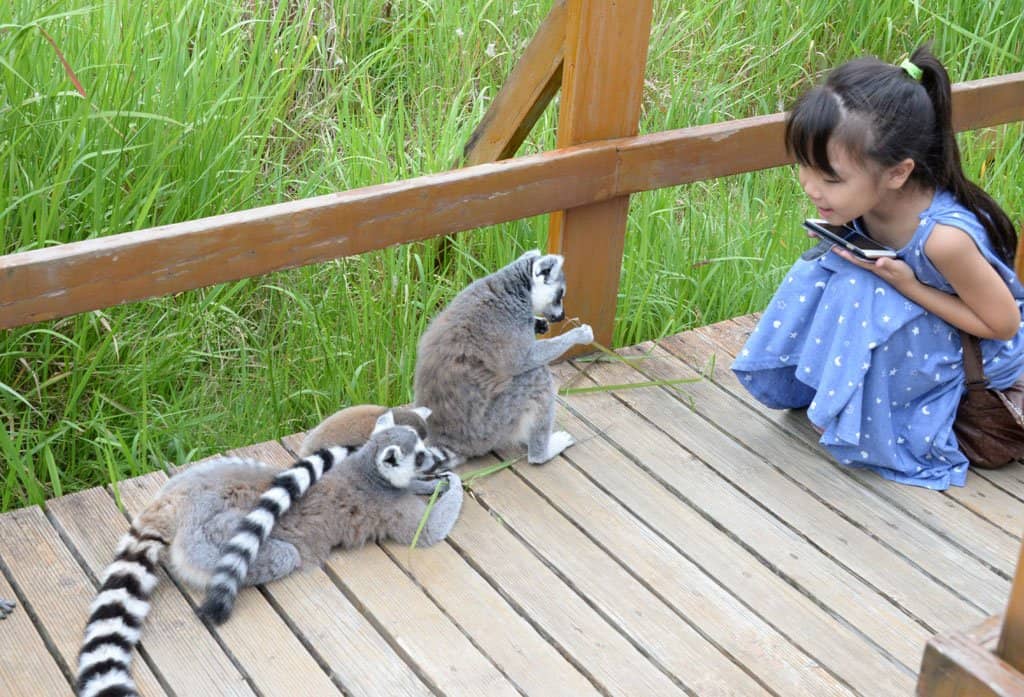
"A great place to bring the kids and get very close to smaller monkeys."
Check Opening Hours
Hours vary by season. Confirm before your visit to avoid disappointment. :clock1:
Admission Fees
Adults are ¥800, students ¥400, and preschoolers ¥300. 🎟️
Quick Facts
Hours
Rating
4 · 1,413 reviews
Type
Zoo
Website
j-monkey.jpHighlights
Discover the most iconic attractions and experiences
Japanese Macaques in Monkey Valley
Monkey Valley
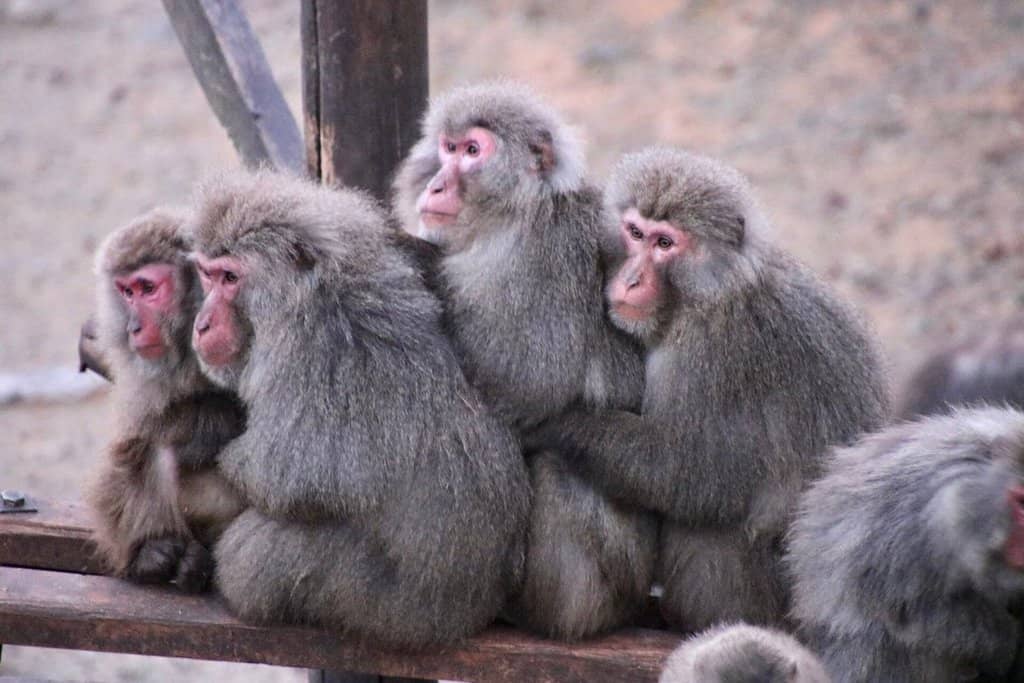
Witness the famous sweet potato washing behavior of Japanese macaques. A unique cultural trait observed in the wild.
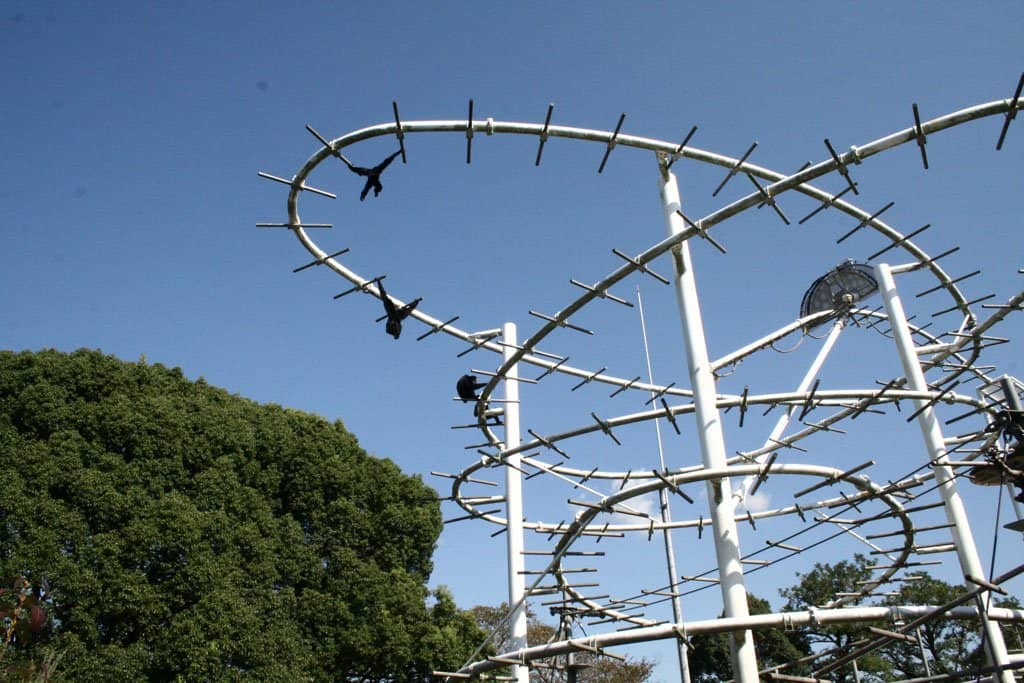
Diverse Primate Collection
Various enclosures
Explore over 60 species of monkeys, apes, and lemurs from across the globe. A truly global primate experience.
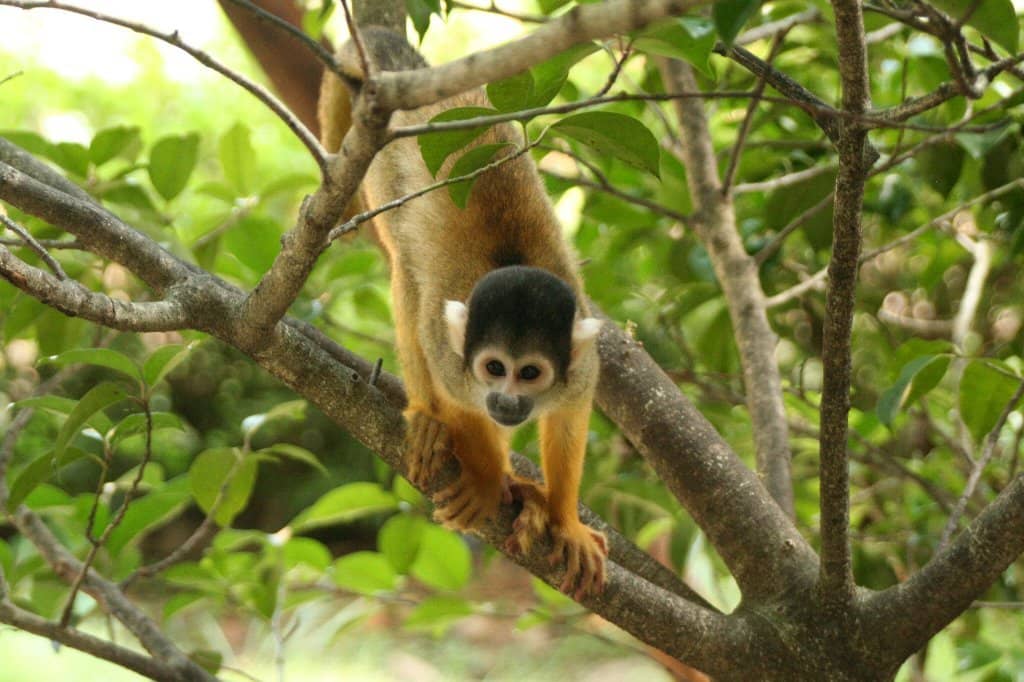
Gorilla Encounter
Gorilla enclosure
See impressive gorillas like Taro, the silverback, observing visitors. A powerful and memorable sight.
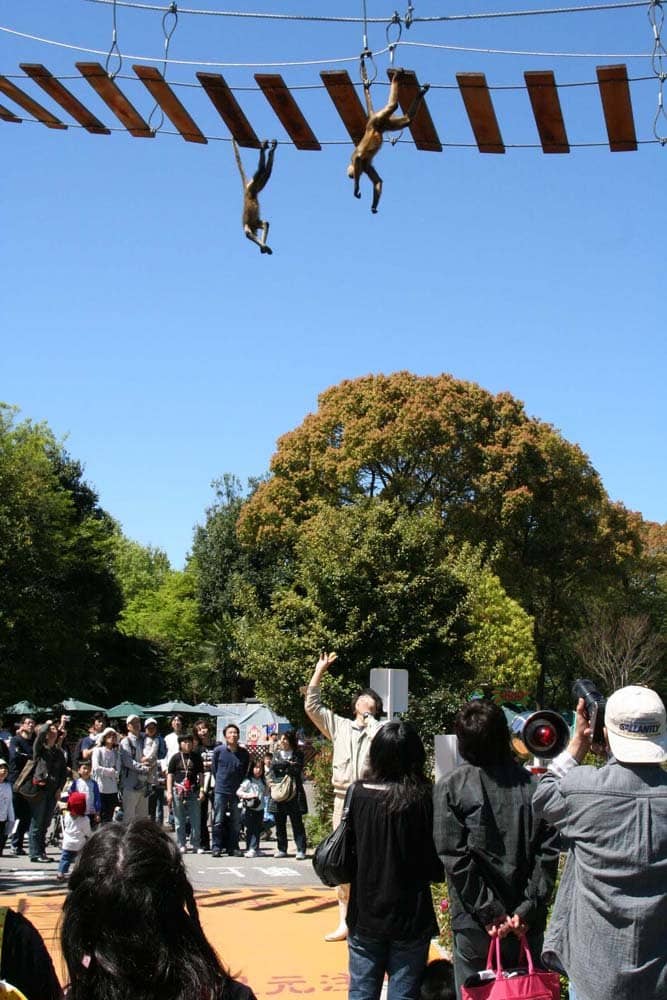
Baboon Castle
Baboon Castle
Watch Olive baboons enjoy their lively apple parties. A fun and engaging spectacle for all ages.
Plans like a pro.
Thinks like you
Planning Your Visit
Best Time to Visit for Fewer Crowds
Understanding the 'Awaji' vs. 'Inuyama' Distinction
Best Times
Insider Tips
from TikTok, Instagram & Reddit
Check Opening Hours
Hours vary by season. Confirm before your visit to avoid disappointment. :clock1:
Admission Fees
Adults are ¥800, students ¥400, and preschoolers ¥300. 🎟️
Observe Monkey Behavior
Watch for unique behaviors like sweet potato washing! :monkey_face:
Distinguish Locations
Japan Monkey Center (Inuyama) is different from Awaji Island Monkey Center. :world_map:
Tips
from all over the internet
Check Opening Hours
Hours vary by season. Confirm before your visit to avoid disappointment. :clock1:
Admission Fees
Adults are ¥800, students ¥400, and preschoolers ¥300. 🎟️
Observe Monkey Behavior
Watch for unique behaviors like sweet potato washing! :monkey_face:
Distinguish Locations
Japan Monkey Center (Inuyama) is different from Awaji Island Monkey Center. :world_map:
Wear Comfortable Shoes
There's walking involved, so comfy footwear is a must. :athletic_shoe:
What Travellers Say
Reviews Summary
Visitors often praise the Japan Monkey Center for its extensive collection of primate species and the unique opportunity to observe behaviors like sweet potato washing. It's considered a great place for families and offers good value for money. Some reviews mention the park appears a bit dated, but the educational and observational aspects are highly valued.
"I have been coming here pretty much every year for the past 12 years. Although it seems like it's in a decline it's still a great place to bring the kids. You can get very close to some of the smaller monkeys and it's just a great way to spend an afternoon. I'll probably keep coming here until they close it."
Daniel Anderson
"The Japan Monkey Centre (JMC) in Inuyama, Aichi Prefecture, is a renowned zoological institution dedicated to the study and conservation of nonhuman primates. Boasting the world's largest collection of primate species—over 60 species and 900 individuals—the JMC offers visitors an opportunity to observe a diverse array of monkeys, apes, and lemurs from Asia, Africa, and South America. One of the highlights is the "Monkey Valley," where Japanese macaques can be seen washing sweet potatoes in a stream, a behavior first observed in the wild and now considered a cultural trait."
ハナさん
"📄 Description of the area:
————————
💴 - Admission Prices:
* Adults - 800 yen.
* Students - 400 yen.
* Preschool children (3-6 ages) - 300 yen.
* Under 2 - Free.
🕰 - Opening Hours:
* March - October (10:00 - 17:00).
* November - February (10:00 - 16:00).
🦍 - Basic Information:
Japan Monkey Centre allows you to learn about the primates and their lifestyles before going to see the residents themselves. The Money Centre features chimps, gorillas, gibbons, monkeys, mandrills, apes and simians from Asia, Africa and South America. The kids will feel at home in the KIDSZOO.
————————
⛰ 🐵 ⛰
Thanks For Watching 🙂!
================"
Tourist Attraction
What People Like
What People Dislike
Frequently Asked Questions
🚇 🗺️ Getting There
The Japan Monkey Center is accessible by public transport. From Nagoya Station, take the Meitetsu Inuyama Line to Inuyama Station, then a bus or taxi to the center. Some visitors mention it's a bit of a journey, so plan accordingly.
Yes, there is parking available. Some reviews mention that parking fees can vary, ranging from ¥1,000 to ¥1,500 on certain days.

While it's a well-known institution, some visitors might find the journey requires a bit of navigation. Using a reliable GPS or map app is recommended.
It's possible, but it would be a very long day trip. It's more feasible to visit if you are already in the Nagoya or Aichi Prefecture area.
The Japan Monkey Center is located in Inuyama, Aichi Prefecture, and focuses on primate research and conservation. The Awaji Island Monkey Center is a separate facility on Awaji Island.
🎫 🎫 Tickets & Entry
Admission is ¥800 for adults, ¥400 for students, and ¥300 for preschoolers (ages 3-6). Children under 2 are free.
The center is open from 10:00 to 17:00 between March and October, and from 10:00 to 16:00 between November and February.
Advance booking is generally not required for individual visitors. You can purchase tickets at the entrance.
Student discounts are available. It's always a good idea to check their official website for any special promotions or group rates.
Yes, it's suitable for all ages. They have a KIDSZOO area and the exhibits are generally engaging for children and adults alike.
🎫 🐒 Onsite Experience
You can see over 60 species of primates, including Japanese macaques, gorillas, chimpanzees, gibbons, mandrills, and more from Asia, Africa, and South America.
Direct interaction is limited for safety and conservation. However, you can get quite close to many of the smaller monkeys and observe their natural behaviors.
The Monkey Valley is famous for its Japanese macaques, where visitors can observe their unique behavior of washing sweet potatoes in a stream.
Yes, it's a great spot for animal photography. You can capture unique moments of primate behavior. Remember to be respectful and avoid flash photography that might disturb the animals.
Yes, the center features a KIDSZOO area, making it a family-friendly destination.
🍽️ 🍽️ Food & Dining
There are typically food and drink vending machines available within the park. For more substantial meals, consider dining in Inuyama city before or after your visit.
Bringing your own food and drinks is generally allowed, which can be a good option for budget-conscious travelers or families.
The area around Inuyama Station offers various dining options, from local eateries to cafes.
📸 📸 Photography
The Monkey Valley offers iconic shots, and enclosures with good viewing angles provide opportunities for close-ups. The "Baboon Castle" can also be visually interesting.
While not explicitly stated, it's always best practice to avoid flash photography, especially with animals, as it can disturb them. Be mindful of other visitors as well.
A telephoto lens is useful for capturing details of the primates from a distance. A standard zoom lens is versatile for wider shots and general park scenery.
Yes, video recording is generally permitted. Many social media creators share engaging videos of the monkeys.
Mornings and late afternoons, when the light is softer and the monkeys are often more active, can be ideal for photography.


Social
from TikTok, Instagram & Reddit