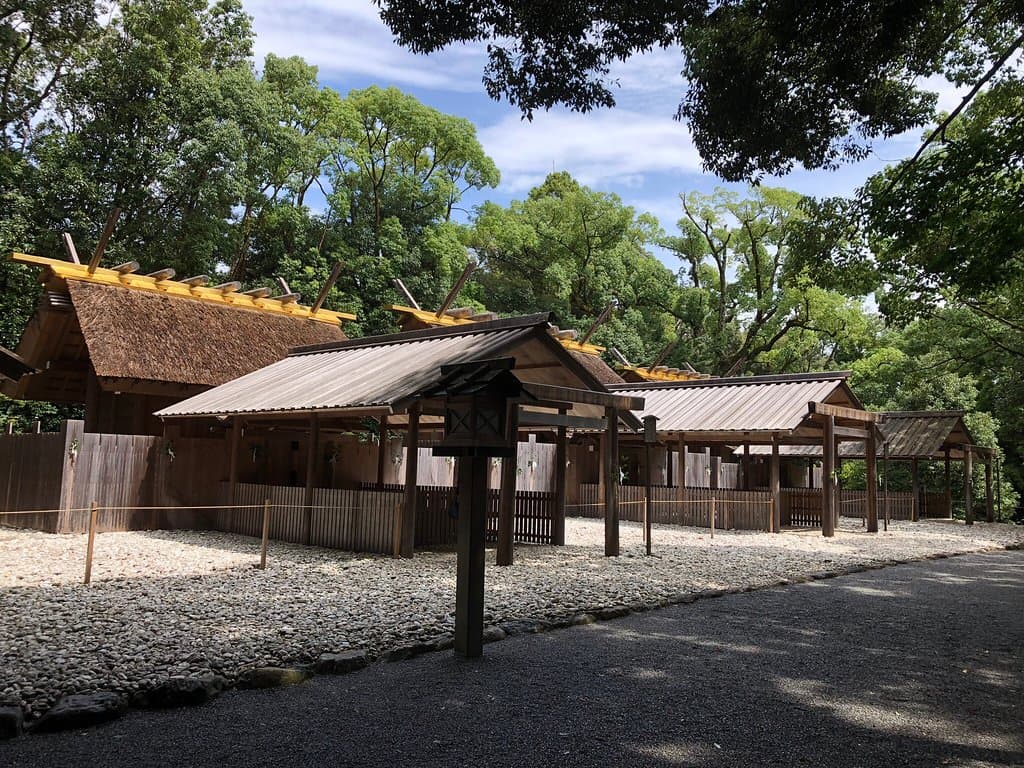
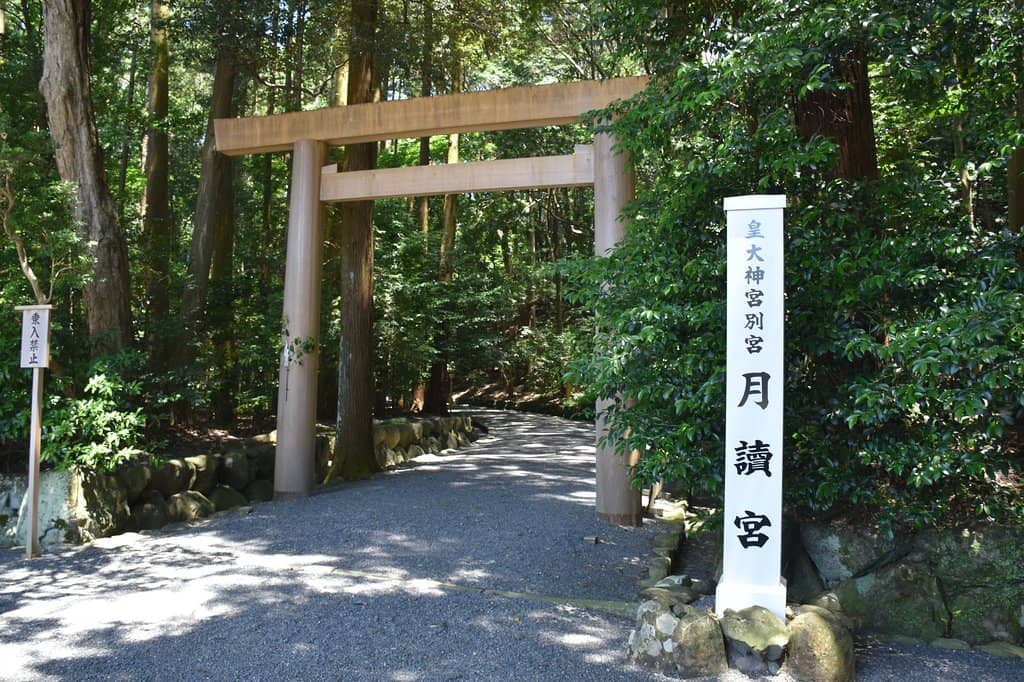
Tsukiyomi-no-miya
A tranquil sub-shrine of Ise Jingu, dedicated to the moon god, featuring serene stone paths and a sacred cypress tree.
Highlights
Must-see attractions

Social
From TikTok & Reddit
Best Time
Enjoy peace and quiet
Tsukiyomi-no-miya
Best Time
Enjoy peace and quiet
Highlights
Must-see attractions
A tranquil sub-shrine of Ise Jingu, dedicated to the moon god, featuring serene stone paths and a sacred cypress tree.
"Beautiful, surreal, and peaceful area with amazing and pulsating energy around the symbolic cypress tree."
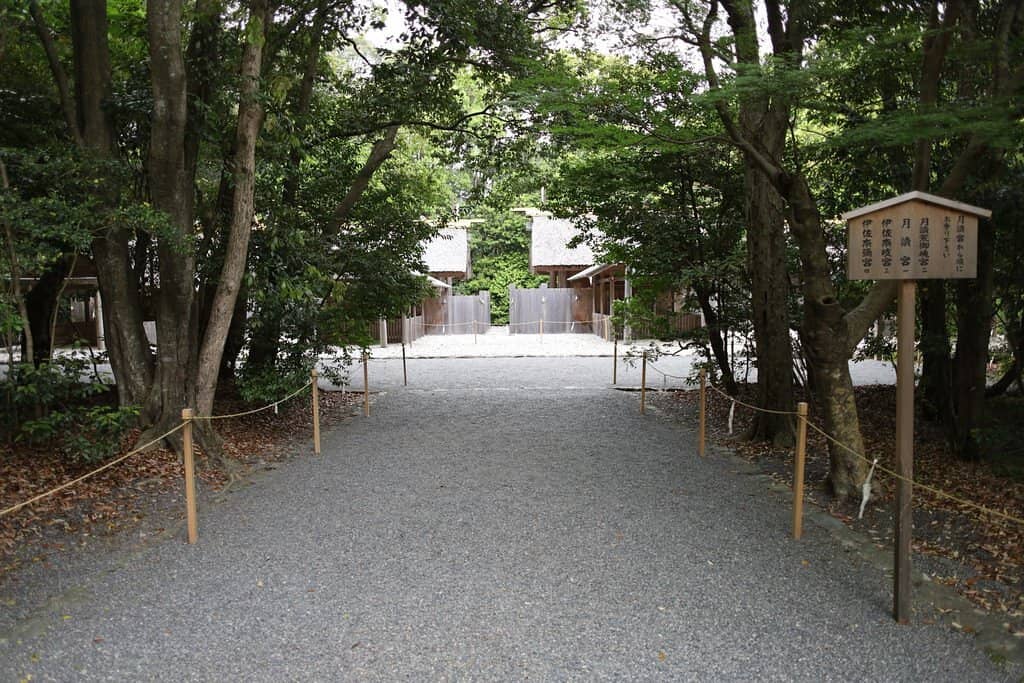
🚶♀️ Peaceful Stone Paths
Enjoy the serene stone walkways leading up the hills. It's a beautiful, calming approach to the shrines.
🙏 Divine Family Prayers
This shrine enshrines Izanagi and Izanami, parents of Amaterasu and Tsukiyomi-no-Mikoto. Great for praying to the divine family.
Quick Facts
Hours
Rating
4.6 · 2,408 reviews
Type
Place of Worship
Highlights
Discover the most iconic attractions and experiences
Serene Stone Walkways
Meander through peaceful paths leading up to the shrines, offering a tranquil escape.
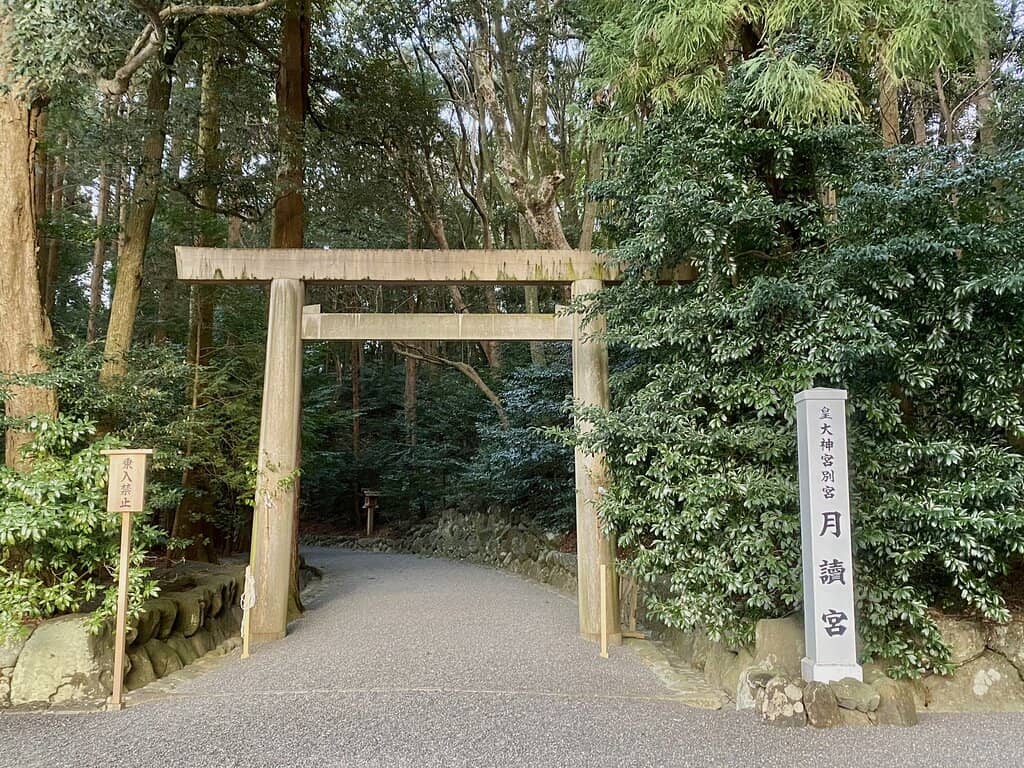
Symbolic Cypress Tree
Experience the unique energy around a sacred cypress tree, a focal point for visitors.
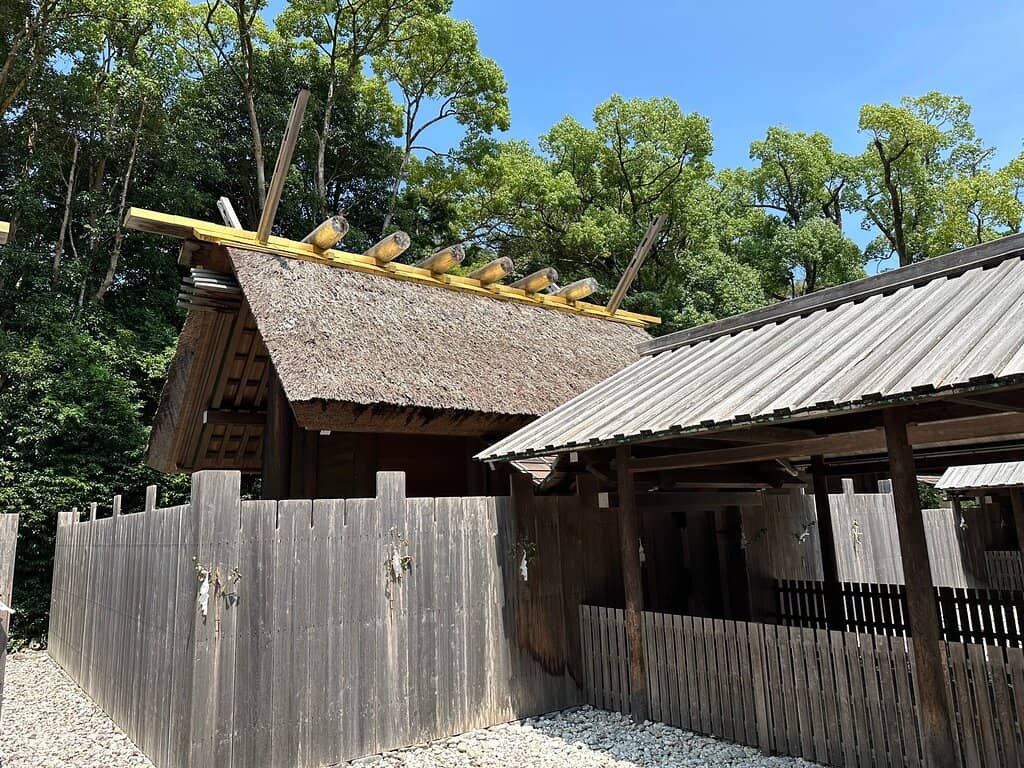
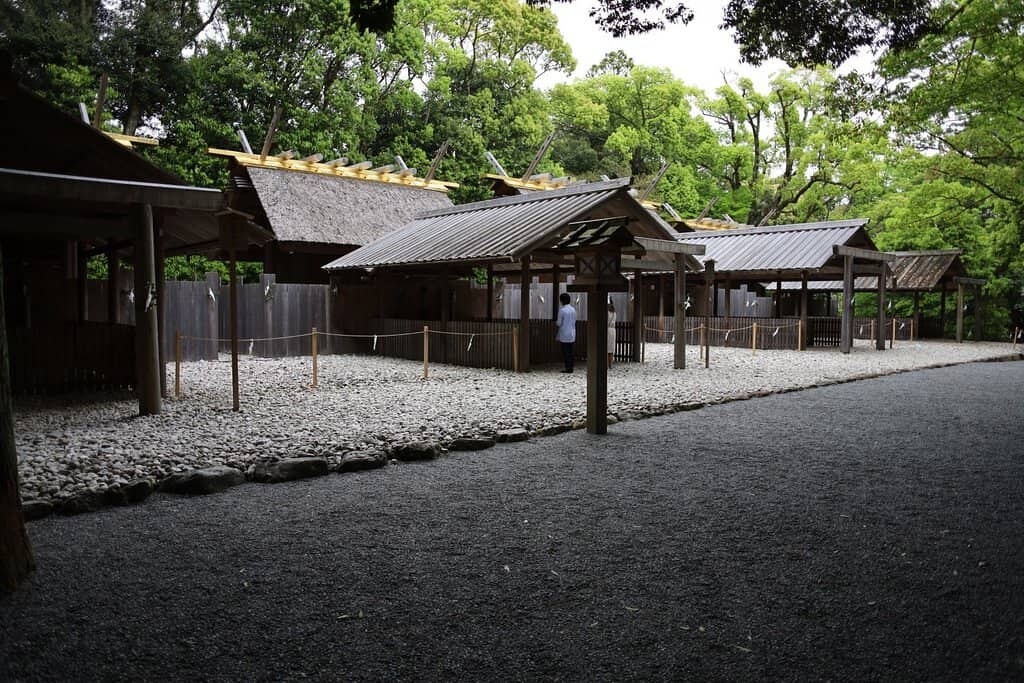
Four Distinct Shrines
Explore four separate shrines, each dedicated to different Shinto deities, offering a rich spiritual experience.
Plans like a pro.
Thinks like you
Planning Your Visit
Timing Your Visit
Understanding the Shrines
Best Times
Insider Tips
from TikTok, Instagram & Reddit
🚶♀️ Peaceful Stone Paths
Enjoy the serene stone walkways leading up the hills. It's a beautiful, calming approach to the shrines.
🙏 Divine Family Prayers
This shrine enshrines Izanagi and Izanami, parents of Amaterasu and Tsukiyomi-no-Mikoto. Great for praying to the divine family.
🌳 Sacred Cypress Tree
Experience the amazing energy around the symbolic cypress tree; many visitors gather here.
📍 Location Insight
It's a short walk from the station but a bit further from Geku and Naiku.
Tips
from all over the internet
🚶♀️ Peaceful Stone Paths
Enjoy the serene stone walkways leading up the hills. It's a beautiful, calming approach to the shrines.
🙏 Divine Family Prayers
This shrine enshrines Izanagi and Izanami, parents of Amaterasu and Tsukiyomi-no-Mikoto. Great for praying to the divine family.
🌳 Sacred Cypress Tree
Experience the amazing energy around the symbolic cypress tree; many visitors gather here.
📍 Location Insight
It's a short walk from the station but a bit further from Geku and Naiku.
✨ Unique Shrine Design
Each shrine has its own uniqueness, even though they share a similar design to Ise Jingu.
What Travellers Say
Reviews Summary
Visitors praise Tsukiyomi-no-miya for its beautiful, serene stone walkways and peaceful atmosphere, offering a unique spiritual experience. The symbolic cypress tree and the opportunity to pray to the divine family are highlighted as special aspects. Some note its distance from the main Ise Jingu shrines.
"A five minute walk from the train/bus station but a bit far away from Geku and Naiku. Has a lovely serene stone walkway up the hills. The shrine also enshrines Izanagi and Izanami, parent gods of Amaterasu-Omikami and Tsukiyomi-no-Mikoto. A great visit if you want to offer prayers to the divine family."
Remi S.
"Beautiful, Surreal and Peaceful Area
We love visiting Japanese temples and parks when they are within each even better.
The temples are based on the same design within this area including Ise, however each have their own uniqueness.
Today we had a very nice experience with locals where we were all extending our arms and hands towards a Cyprus tree that was very symbolic for the people. The energy was amazing and pulsating through our arms with about 20 people around us, absolutely wonderful.
Recommendations
Go and enjoy some local culture and traditions.
.
#garystribe #localguides #letsguide #japantravel"
Gary Collins
"Peaceful and natural shrine. You can walk from station. The entrance is in the opposite site of railways"
Ploypailin Intapong
What People Like
What People Dislike
Frequently Asked Questions
🚇 🗺️ Getting There
Tsukiyomi-no-miya is a pleasant five-minute walk from the train and bus station. It's located on the opposite side of the railway tracks from the station entrance.
While it's close to the station, Tsukiyomi-no-miya is noted as being a bit further away from the main Ise Jingu shrines, Geku and Naiku. Plan your itinerary to include travel time between these locations.
Walking from the nearby station is the most convenient option. If you're exploring the wider Ise Jingu area, consider local buses or taxis to connect between the different shrine complexes.
While not explicitly mentioned, cycling is a popular way to explore Ise. The area around the shrines is generally accessible by bike, but be mindful of pedestrian areas within the shrine grounds.
Information on specific parking for Tsukiyomi-no-miya is limited, but there are parking facilities available for the broader Ise Jingu complex, particularly near Geku and Naiku. It's advisable to check official Ise Jingu resources for the most up-to-date parking information.
🎫 🎫 Tickets & Entry
Tsukiyomi-no-miya, like most shrines in Japan, is generally free to enter and explore.
Shrine grounds are typically open from dawn until dusk. Specific hours for any associated buildings or facilities may vary, but the main shrine area is usually accessible throughout daylight hours.
No advance booking is required for Tsukiyomi-no-miya as it is a freely accessible shrine.
Yes, Tsukiyomi-no-miya can be visited year-round. The surrounding nature offers different beauty in each season.
While major ceremonies are not widely advertised for Tsukiyomi-no-miya, observing the daily rituals of shrine visitors, such as purification and prayer, is part of the experience.
🎫 ⛩️ Onsite Experience
Tsukiyomi-no-miya is known for its serene stone walkways, its dedication to Shinto gods of the moon, and a symbolic cypress tree that draws visitors.
The site features four distinct shrines dedicated to different Shinto deities.
The cypress tree is considered highly symbolic, and visitors often gather around it, experiencing a unique energy.
Yes, many visitors describe Tsukiyomi-no-miya as a peaceful and natural shrine, ideal for quiet reflection and experiencing local culture.
The shrine enshrines Tsukiyomi-no-Mikoto, the Shinto god of the moon, and also Izanagi and Izanami, the parent gods of Amaterasu-Omikami and Tsukiyomi-no-Mikoto.
📸 📸 Photography
The serene stone walkways offer beautiful leading lines for photography. The sacred cypress tree is also a popular subject.

Photography is generally allowed in the outdoor areas of the shrine. However, always be respectful and avoid taking photos inside any inner sanctuaries or during prayer ceremonies.
Early mornings or late afternoons can offer softer light and fewer crowds, enhancing the peaceful ambiance for photography.
Drone usage is typically restricted at religious sites in Japan to maintain peace and respect. It's best to assume drones are not permitted unless explicitly stated otherwise.
A versatile lens, such as a 24-70mm equivalent, would be useful for capturing both wider shots of the grounds and details of the shrines. A wide-angle lens can be great for the walkways.


Social
from TikTok, Instagram & Reddit