
Yamatohime-no-miya
A sacred auxiliary shrine within Ise Jingu, offering a tranquil forest path and a deeply peaceful, holy atmosphere.
Highlights
Must-see attractions

Social
From TikTok & Reddit
Best Time
Fewer crowds, more peace
Yamatohime-no-miya
Best Time
Fewer crowds, more peace
Highlights
Must-see attractions
A sacred auxiliary shrine within Ise Jingu, offering a tranquil forest path and a deeply peaceful, holy atmosphere.
"You could literally feel the holiness once you walked in the gate."
🎯 Get Your Goshuin
Receive a beautiful temple seal (goshuin) at the Yadoya for a unique souvenir. 🎟️
🚗 Parking Convenience
Use the larger parking lot behind the Jingu Art Museum; it has restrooms too. 🚗
Quick Facts
Hours
Rating
4.5 · 1,090 reviews
Type
Place of Worship
Highlights
Discover the most iconic attractions and experiences
The Sacred Forest Path
Approach to the shrine
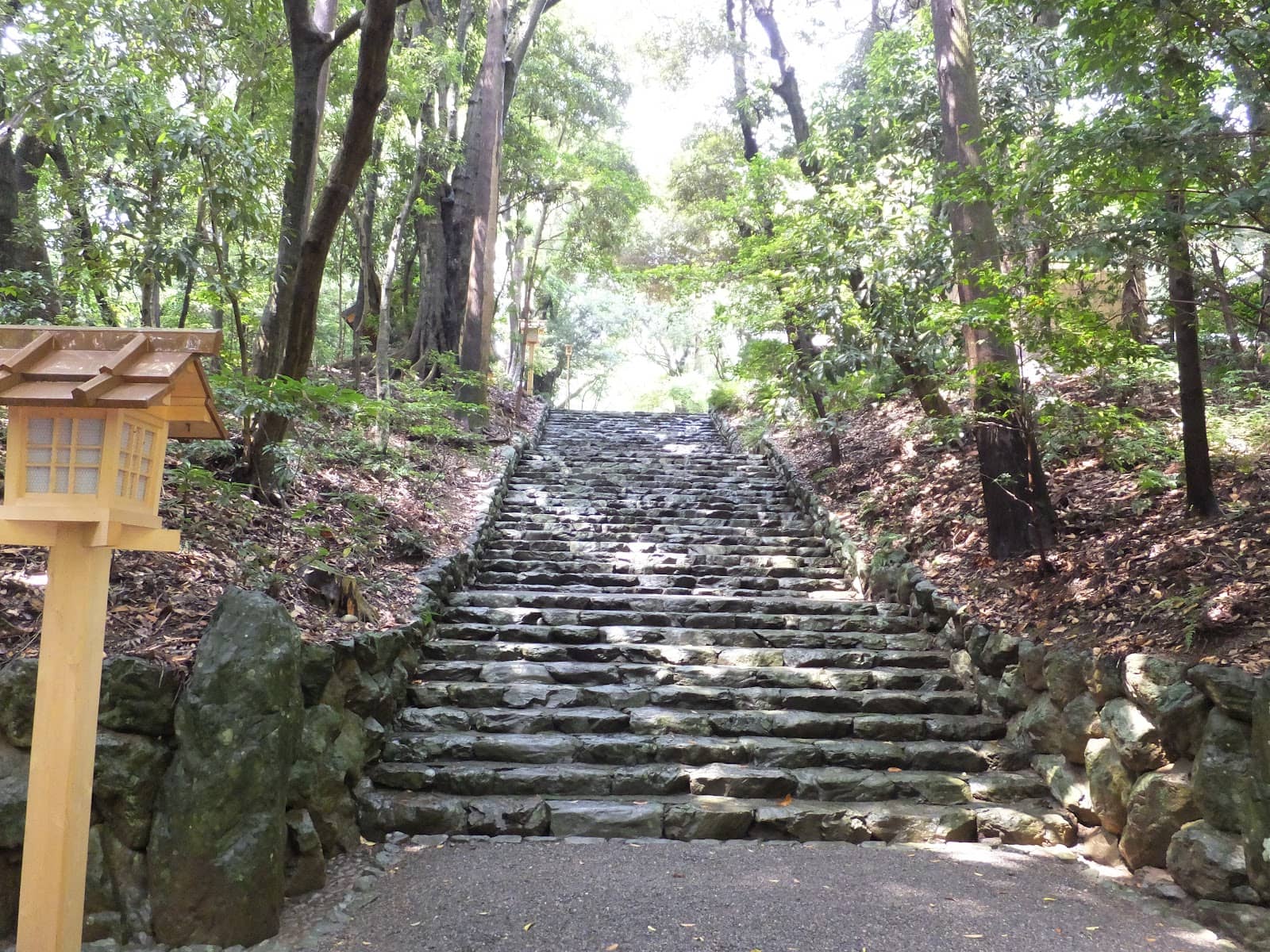
Walk through a serene, deep forest that transports you to another world, offering a cool and calming experience.
Yamatohime-no-miya Shrine
Main shrine area
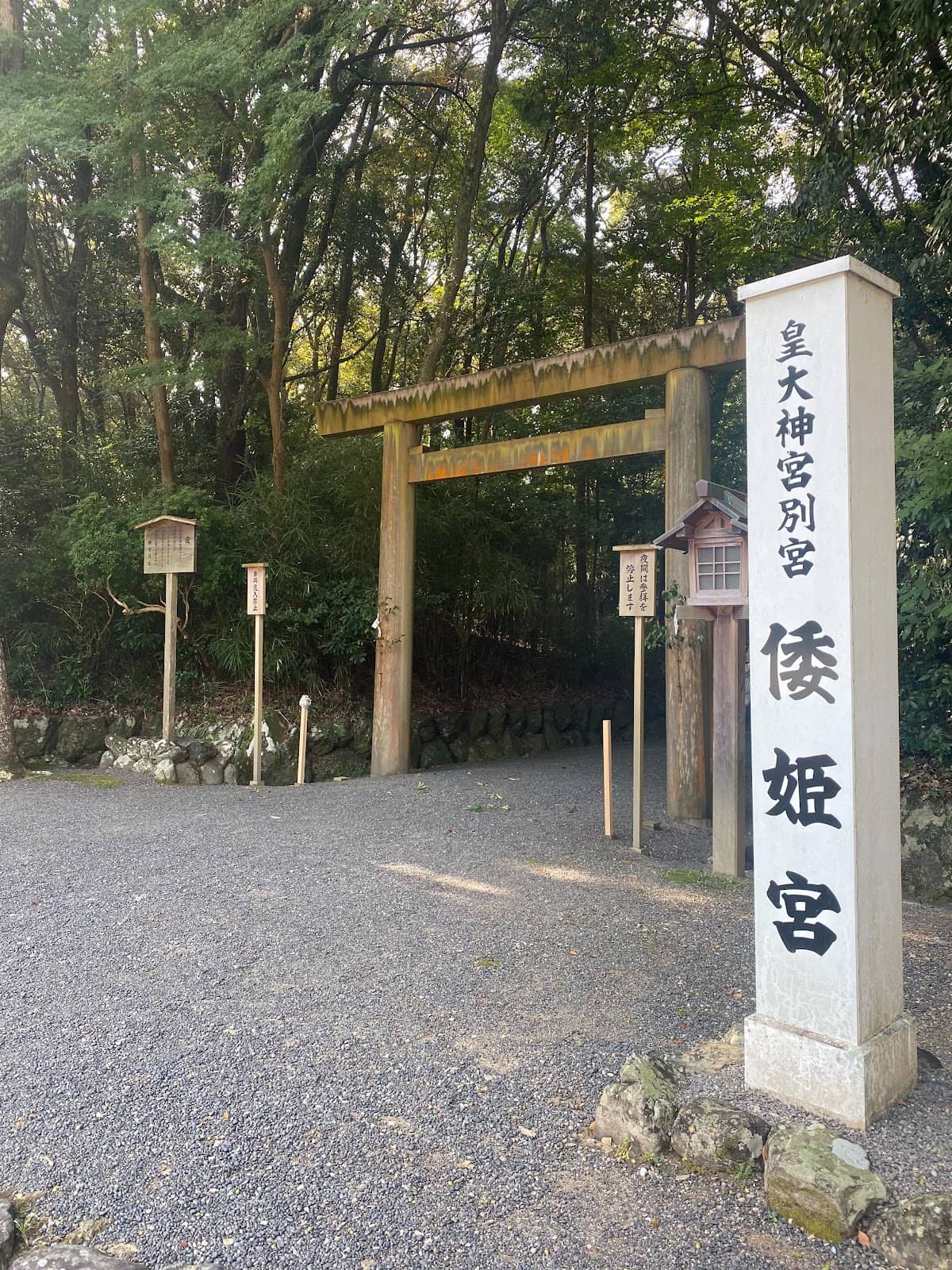
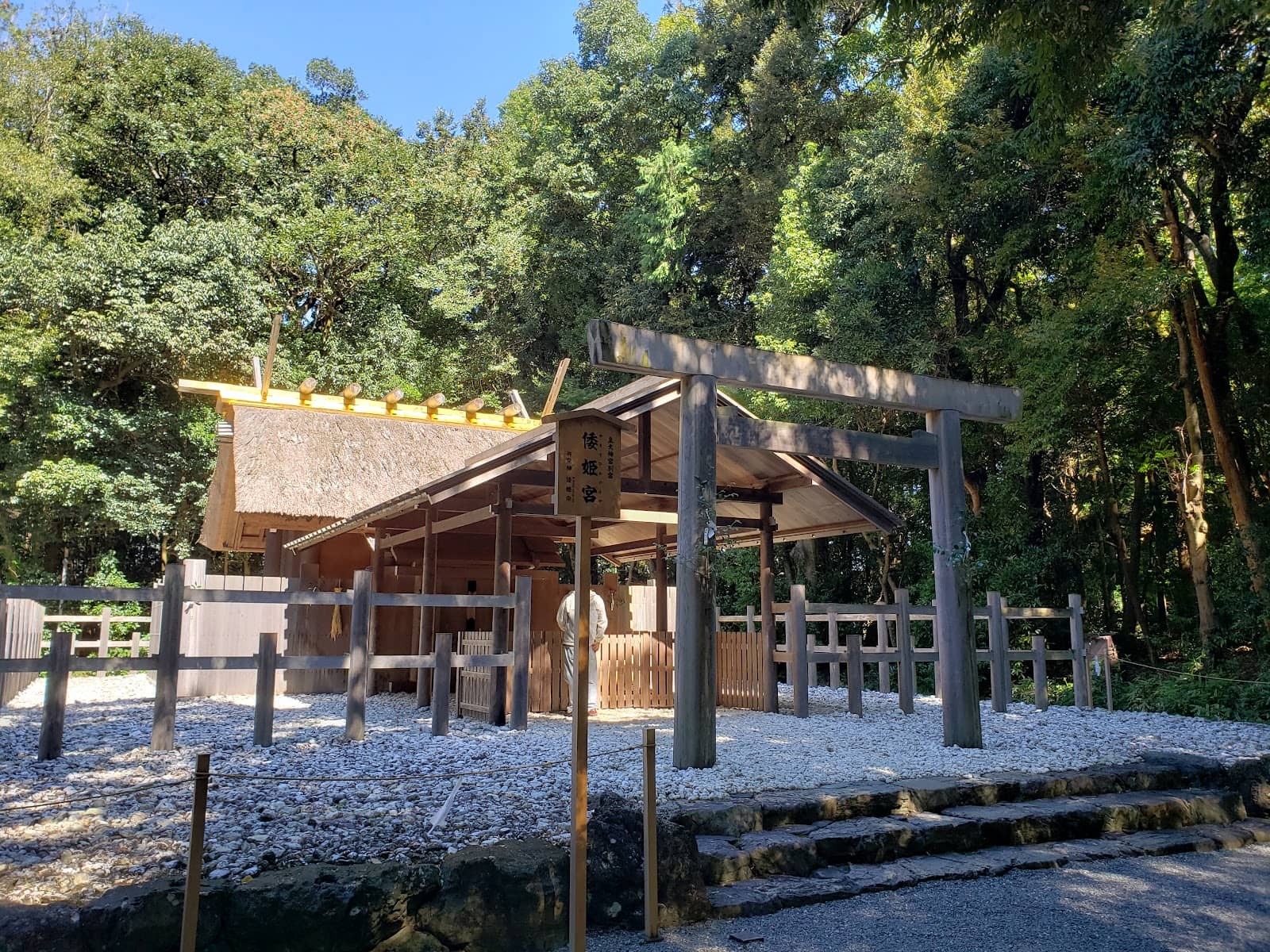
Experience the solemn and holy atmosphere of this important auxiliary shrine, a branch of Ise Jingu's Inner Shrine.
Jingu Chokokan
Near the shrine
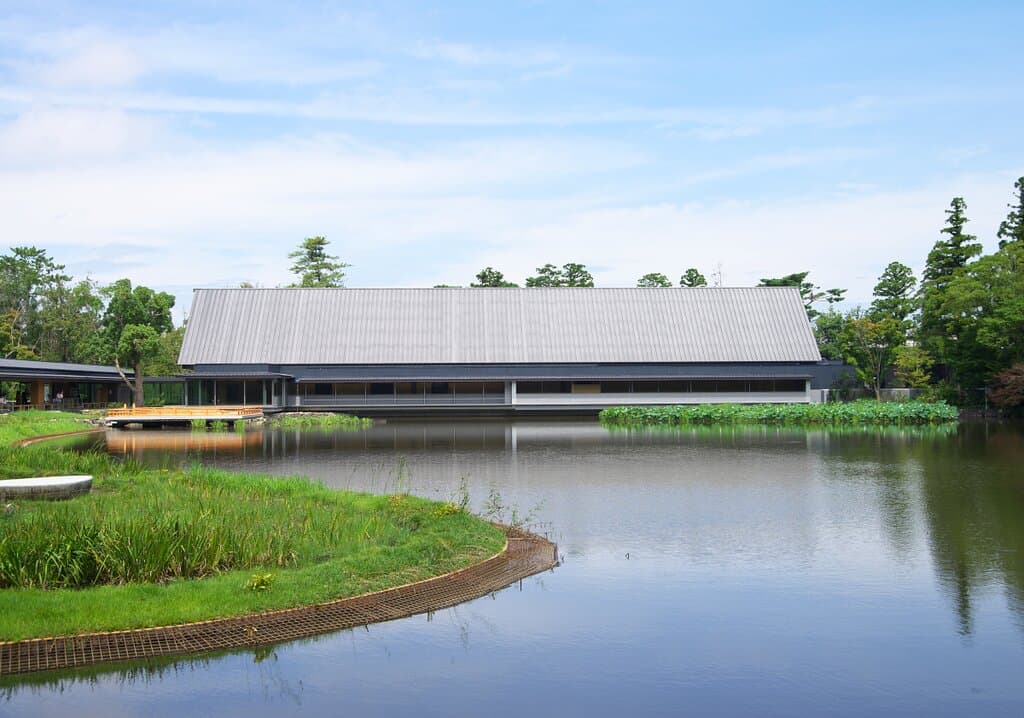
Explore this museum showcasing the history and culture of Ise Jingu, offering a deeper appreciation of the site.
Plans like a pro.
Thinks like you
Planning Your Visit
Embrace the Serenity
Combine with Cultural Exploration
Best Times
Insider Tips
from TikTok, Instagram & Reddit
🎯 Get Your Goshuin
Receive a beautiful temple seal (goshuin) at the Yadoya for a unique souvenir. 🎟️
🚗 Parking Convenience
Use the larger parking lot behind the Jingu Art Museum; it has restrooms too. 🚗
🌿 Feel the Holy Aura
The forest and shrine exude a palpable sense of holiness and tranquility. +1 ✨
🌸 Seasonal Beauty
Enjoy seasonal blooms like hydrangeas in June or plum blossoms in winter. 
Tips
from all over the internet
🎯 Get Your Goshuin
Receive a beautiful temple seal (goshuin) at the Yadoya for a unique souvenir. 🎟️
🚗 Parking Convenience
Use the larger parking lot behind the Jingu Art Museum; it has restrooms too. 🚗
🌿 Feel the Holy Aura
The forest and shrine exude a palpable sense of holiness and tranquility. +1 ✨
🌸 Seasonal Beauty
Enjoy seasonal blooms like hydrangeas in June or plum blossoms in winter.
What Travellers Say
Reviews Summary
Visitors praise Yamatohime-no-miya for its deeply sacred and peaceful atmosphere, often describing the forest path as transporting them to another world. The shrine's solemnity and the opportunity to receive a goshuin are frequently highlighted as positive aspects. Some find the nearby museums add valuable cultural context to their visit.
"One of the most sacred shrine within the Ise Jingu outer complex. The air and the forest smells totally different from the outside world. You could literally feel the holiness once you walked in the gate. There's a bus stop here, also can detour for the museums too."
Jason Hung
"I visited this place with my daughter to find good shrines and sight seeing spots, which enabled us to feel holy power. Since it was Wednesday at noon, nobody was there, which allowed us to see the shrine calmly. Visiting the Ise the next time encourages us to visit it surely."
Taichi
"Good to stop by"
Ayumi Kamitani
What People Like
What People Dislike
Frequently Asked Questions
🚇 🗺️ Getting There
You can reach Yamatohime-no-miya by bus, alighting at the Chokokan stop. If arriving by car, use the Yamatohime-mae traffic light on Miyuki Road and look for the parking lot next to the shrine or the larger one behind the Jingu Art Museum.
Yes, Yamatohime-no-miya is an important auxiliary shrine, a branch of the Inner Shrine of Ise Jingu, dedicated to Yamatohime-no-Mikoto.
Absolutely! The shrine is accessible via bus, with a convenient stop near the Jingu Chokokan.
Turn at the Yamatohime-mae traffic light on Miyuki Road. There's a small parking lot directly at the shrine, and a larger one with restrooms behind the Jingu Art Museum.
While there's a small lot at the shrine, the larger parking area behind the Jingu Art Museum is recommended for more space and amenities.
🎫 🎫 Tickets & Entry
Entry to the shrine grounds is generally free. However, there might be admission fees for the adjacent museums.
Specific opening hours can vary, but shrines are often accessible during daylight hours. It's best to check for any seasonal changes or special event closures.
Yes, you can receive a goshuin (temple seal) at the Yadoya, which serves as a wonderful memento of your visit.
The Jingu Chokokan, Agriculture Museum, and Art Museum typically have separate admission fees. It's advisable to check their individual websites for current pricing.
Visiting on a weekday afternoon or early morning is recommended to avoid crowds and experience the shrine's tranquility.
🎫 🧭 Onsite Experience
Visitors consistently describe the atmosphere as deeply sacred, peaceful, and serene, with a distinct sense of holiness emanating from the shrine and its surrounding forest. +1
You can walk the tranquil forest path, admire the shrine architecture, receive a goshuin, and explore the nearby museums for cultural insights.
Yes, it's highly recommended for those seeking peace. Weekdays and off-peak hours offer the most serene experience.
Restrooms are available at the larger parking lot behind the Jingu Art Museum.
The approach is through a deep, calming forest that many describe as feeling like a different world, offering a refreshing and cool environment. +1
📸 📸 Photography
Capture the serene forest path, the shrine's architecture, and any seasonal blooms like hydrangeas or plum blossoms. The contrast between the natural surroundings and the sacred structures is very photogenic.
Photography is generally permitted on the shrine grounds, but it's always good practice to be respectful and avoid intrusive shots, especially during prayer times.
A camera that handles low light well is beneficial for the forest path. Many visitors capture beautiful shots with their smartphones, like the iPhone 12 mini.
Photography rules can vary by museum. Check for signage or ask staff before taking pictures inside the Jingu Chokokan, Agriculture Museum, or Art Museum.
Early mornings or late afternoons can offer softer light. Weekdays are ideal for capturing the serene atmosphere without many people in your shots.


Social
from TikTok, Instagram & Reddit