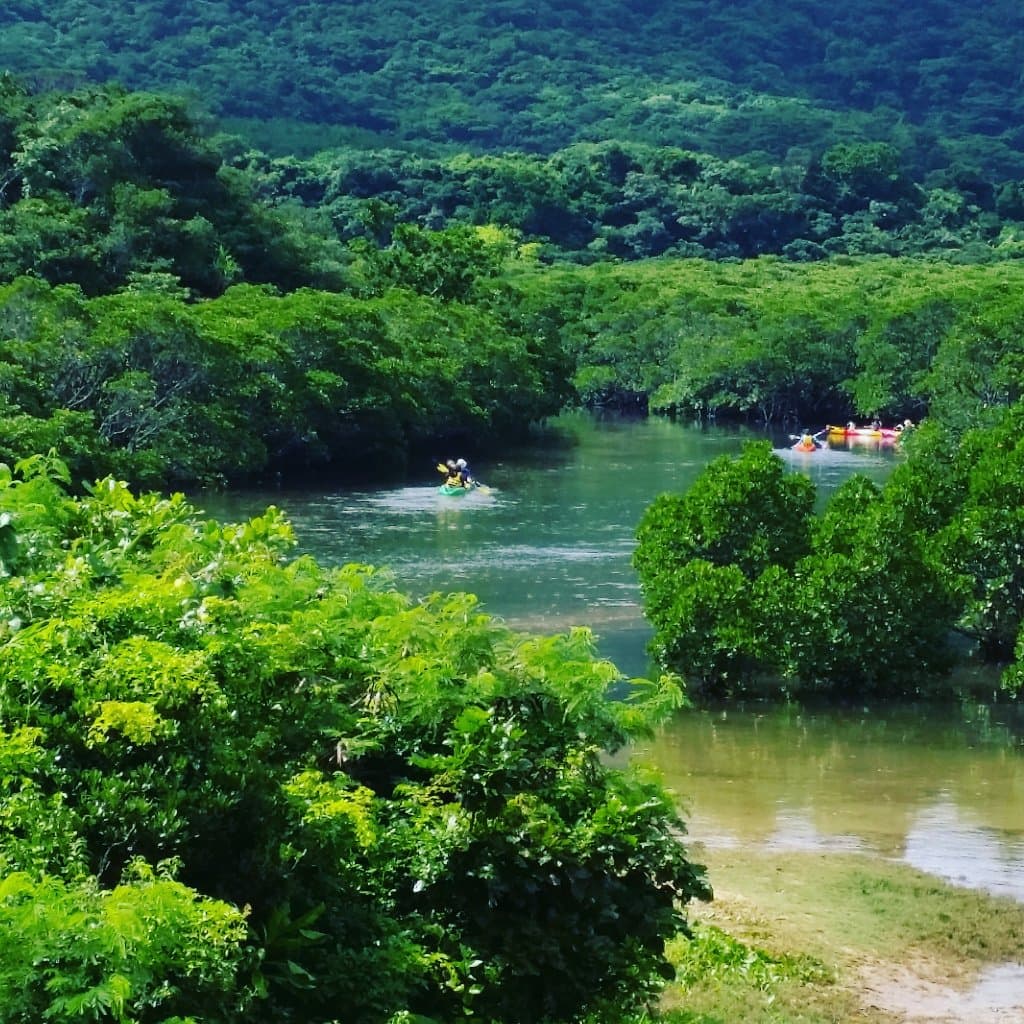
Miyara River Mangrove Forest
Paddle through serene mangroves, spot colorful crabs at low tide, and learn about vital conservation efforts. An ecotourism gem.
Highlights
Must-see attractions

Social
From TikTok & Reddit
Best Time
Best for exploring and crab spotting
Miyara River Mangrove Forest
Best Time
Best for exploring and crab spotting
Highlights
Must-see attractions
Paddle through serene mangroves, spot colorful crabs at low tide, and learn about vital conservation efforts. An ecotourism gem.
"An amazing experience canoeing through the peaceful mangroves during the low tide. "
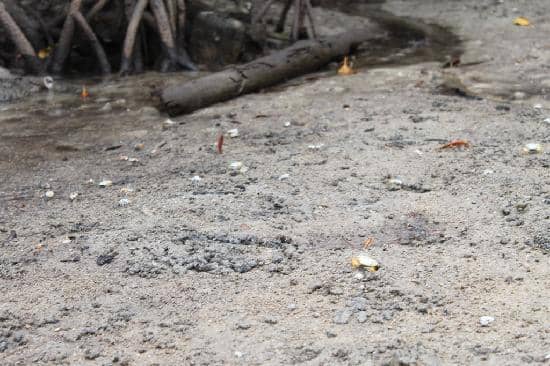
🎯 Go During Low Tide
Essential for seeing crabs and exploring further. Check tide charts!
🛶 Kayak for Tranquility
Enjoy deep natural immersion and the sounds of solace. A peaceful experience.
Quick Facts
Hours
Rating
4.4 · 520 reviews
Type
Tourist Attraction
Highlights
Discover the most iconic attractions and experiences
Canoeing Through Low Tide Mangroves
Miyara River
Paddle through serene mangroves during low tide, spotting colorful crabs and learning about conservation. A peaceful nature immersion.
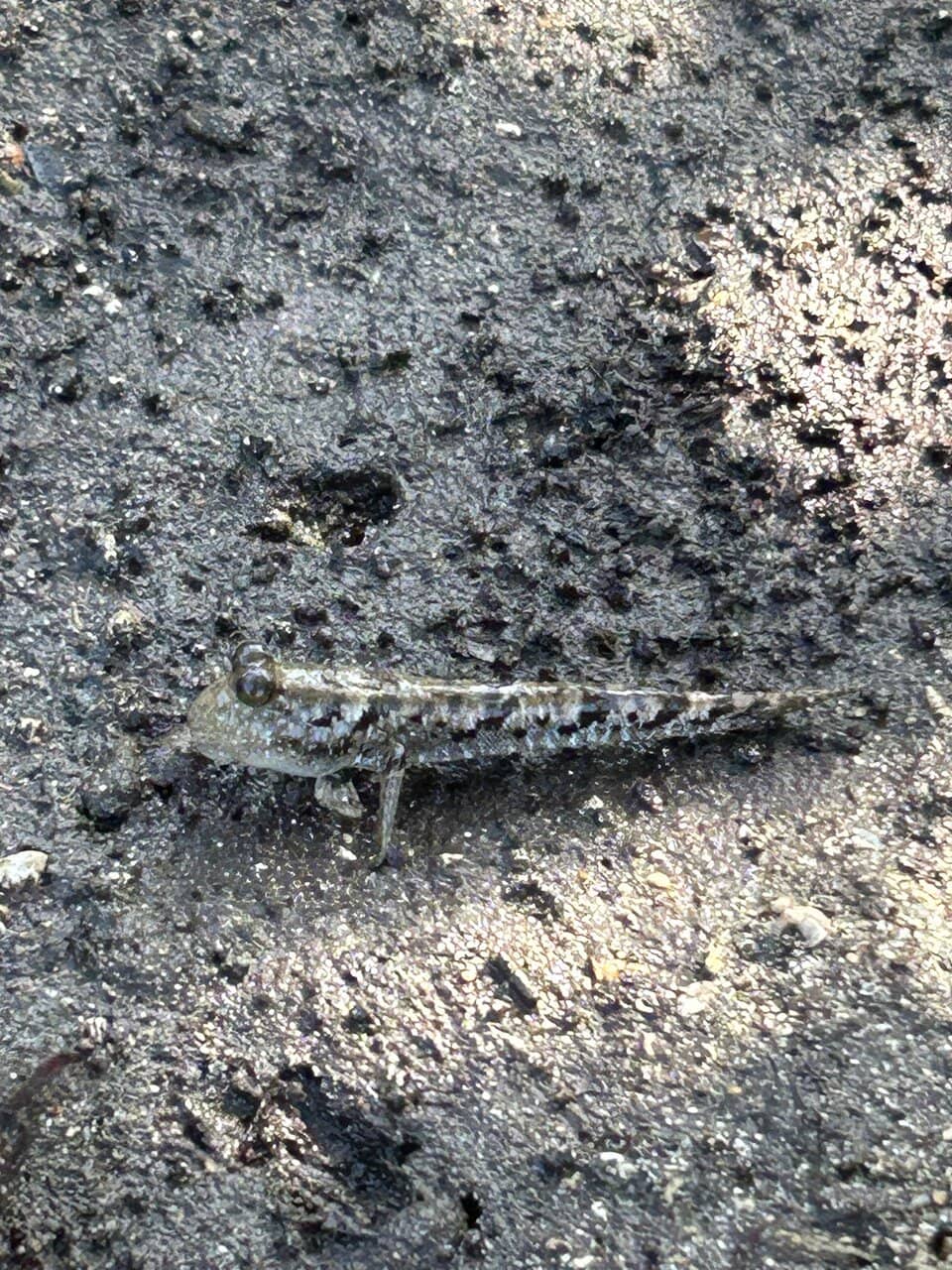
Mangrove Conservation Insights
Miyara River Mangrove Forest
Gain a deeper appreciation for nature with guides sharing knowledge on mangrove conservation. Ecotourism at its finest.
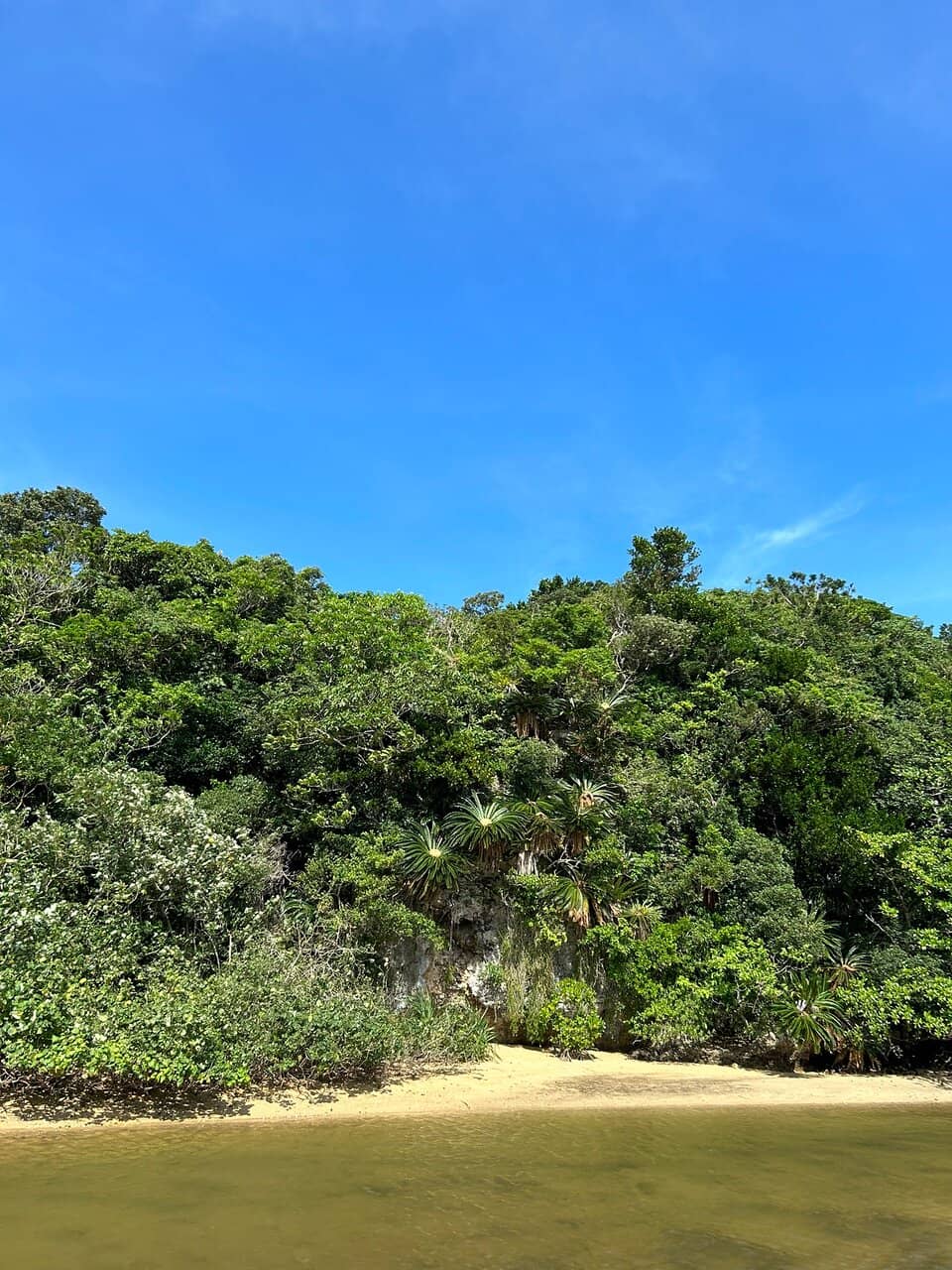
Crab Spotting on the Sand
Miyara River Mangrove Forest
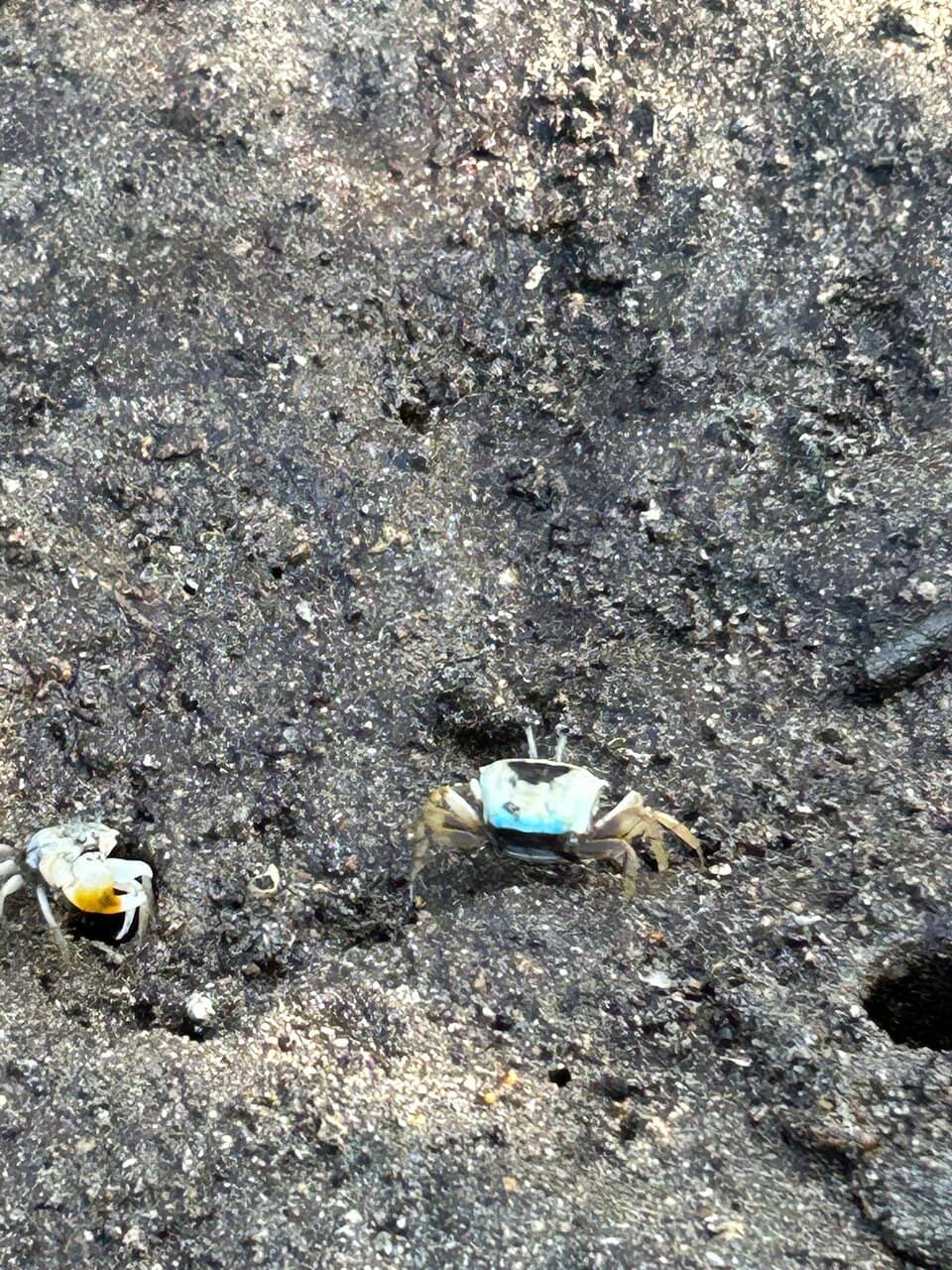
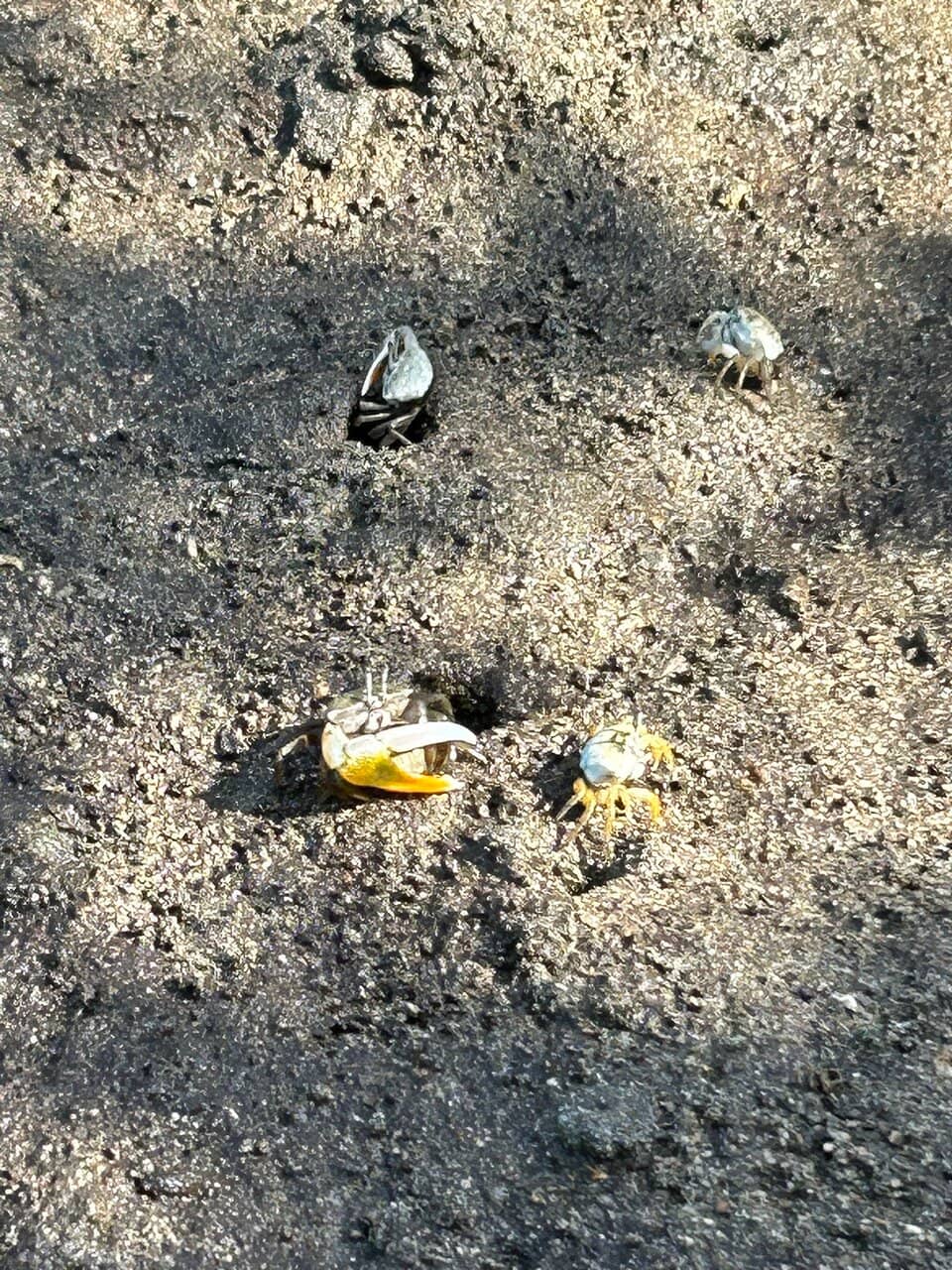
During low tide, observe numerous small crabs with beautiful colors as they scurry across the exposed sand.
Plans like a pro.
Thinks like you
Planning Your Visit
Timing is Key for Mangrove Exploration
Embrace the Ecotourism Experience
Best Times
Insider Tips
from TikTok, Instagram & Reddit
🎯 Go During Low Tide
Essential for seeing crabs and exploring further. Check tide charts! +1
🛶 Kayak for Tranquility
Enjoy deep natural immersion and the sounds of solace. A peaceful experience.
📚 Learn About Conservation
Guides offer valuable insights into mangrove ecosystems. Ecotourism at its best.
🦀 Spot Colorful Crabs
Keep an eye out for small, vibrantly colored crabs on the sand during low tide.
Tips
from all over the internet
🎯 Go During Low Tide
Essential for seeing crabs and exploring further. Check tide charts! +1
🛶 Kayak for Tranquility
Enjoy deep natural immersion and the sounds of solace. A peaceful experience.
📚 Learn About Conservation
Guides offer valuable insights into mangrove ecosystems. Ecotourism at its best.
🦀 Spot Colorful Crabs
Keep an eye out for small, vibrantly colored crabs on the sand during low tide.
🌧️ Embrace the Rain
Rain can add a unique and soothing ambiance to your mangrove tour.
What Travellers Say
Reviews Summary
Visitors rave about the Miyara River Mangrove Forest, particularly praising the serene canoeing experience during low tide and the educational insights provided by guides on mangrove conservation. The chance to see colorful crabs adds to the charm. Some note that while the forest itself is free, guided tours are highly recommended and come with a fee.
"An amazing experience canoeing through the peaceful mangroves during the low tide. The guide shares fruitful information about mangroves conservation, making it a perfect mix of nature and learning. A beautiful example of ecotourism done right 👌"
Rizki Purnama
"Very beautiful mangroves. Better going there during low tide. If you keep attention, you will see a lot of little crabs with beautiful colors crawling on the sand during low tide."
Tieu Ky Luu
"I went there during the low tide which gave me a better opportunity to get a good look of this wonderful colony and a closer and personal look at the ocean that stretches further into the horizon. It was indeed a beautiful sight and I highly recommend this spot as a must-see location when you're in the area."
Kingston Obike
What People Like
What People Dislike
Frequently Asked Questions
🚇 🗺️ Getting There
The Miyara River Mangrove Forest is located on Ishigaki Island, Okinawa. Access typically involves reaching Ishigaki Port and then arranging local transport, such as a rental car or taxi, to the mangrove area. Some tours may offer pick-up services. +1
While on Ishigaki Island, the mangrove forest is in a more rural area. It's recommended to use GPS or ask locals for directions. Some visitors mention it's a short walk from the parking area.
Public transport options on Ishigaki Island can be limited, especially to more rural natural attractions. Renting a car or taking a taxi is often the most convenient way to reach the Miyara River Mangrove Forest.
Ishigaki Island offers various attractions. Nearby, you might find other natural spots or beaches. It's often combined with visits to other parts of the island like Taketomi Island for its water buffalo carts. +1
Many visitors find renting a car to be the most flexible option for exploring Ishigaki Island, including reaching natural sites like the Miyara River Mangrove Forest. Scooters or bicycles are also options for shorter distances.
🎫 🎫 Tickets & Entry
Entry to the mangrove forest itself is often free, but activities like guided canoeing tours will require booking and payment. Prices for tours can vary, so it's best to check with tour operators in advance.
The mangrove forest is a natural area, so it doesn't have strict operating hours like a museum. However, guided tours typically operate during daylight hours, often with specific times for low tide excursions.
Parking availability and fees can vary. Some tour operators might include parking in their package, or there might be a designated parking area with a small fee. It's advisable to confirm this with your chosen tour provider.
While you might be able to access some areas independently, a guided tour is highly recommended for the best experience. Guides provide essential safety information, local knowledge, and access to the best canoeing routes.
Tour prices can differ based on duration, group size, and inclusions. Expect to pay anywhere from ¥3,000 to ¥8,000 per person for a guided canoeing tour, which often includes equipment and guide services.
🎫 🧭 Onsite Experience
The most popular way to experience the forest is by guided canoeing or kayaking tours, especially during low tide. This allows for close observation of the ecosystem and wildlife. +1
During low tide, you can spot various small crabs with beautiful colors on the sand. The mangroves are also home to diverse bird species and other marine life.
Yes, it can be a great experience for families. Guided tours are often family-friendly, offering an educational and engaging way for children to learn about nature and conservation. +1
Wear comfortable, quick-drying clothing and water shoes or sandals that you don't mind getting wet. A hat and sunscreen are also recommended, even on cloudy days.
Swimming is generally not recommended in the mangrove areas due to the ecosystem and potential wildlife. The focus is on observation and gentle exploration via canoe or kayak.
📸 📸 Photography
Capture the serene beauty of the mangroves, especially during low tide when the landscape is exposed. The reflections in the water, the intricate root systems, and the small crabs are great subjects.
Yes, especially for macro photography of the small crabs and insects. Birdwatching opportunities also exist for patient photographers.
Early morning or late afternoon can offer softer light and potentially more wildlife activity. Low tide is crucial for unique perspectives and spotting crabs.
A waterproof camera or a phone with a waterproof case is highly recommended, as you'll be on the water. A good zoom lens can be useful for capturing distant wildlife.
Drone regulations can vary by location and park. It's best to check local rules and obtain any necessary permits before flying a drone in the mangrove area to avoid issues.


Social
from TikTok, Instagram & Reddit