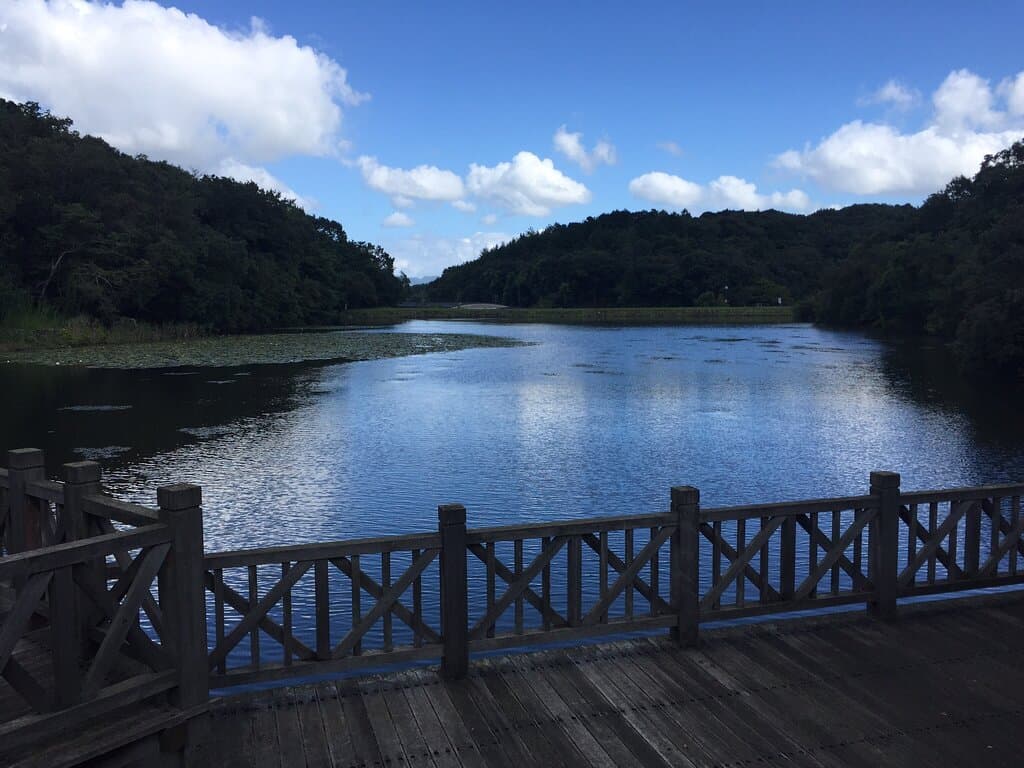
Kojindani Archaeological Site Shimane Japan
Unearth the secrets of ancient Japan at Kojindani, famous for its monumental bronze sword discovery and stunning summer lotus blooms.
Highlights
Must-see attractions

Social
From TikTok & Reddit
Best Time
Lotus blooms at their peak
Kojindani Archaeological Site Shimane Japan
Best Time
Lotus blooms at their peak
Highlights
Must-see attractions
Unearth the secrets of ancient Japan at Kojindani, famous for its monumental bronze sword discovery and stunning summer lotus blooms.
"A place where history whispers and nature paints a vibrant picture, especially during the lotus season."
Check Museum Hours First
The associated museum can be closed on Tuesdays, so confirm opening days before your visit to avoid disappointment. 📅
Embrace the Rural Charm
The site is in a very rural, remote area. Enjoy the quiet, empty, and unique countryside feel. :rice_scene:
Quick Facts
Hours
Rating
4.2 · 261 reviews
Type
Historical Landmark
Highlights
Discover the most iconic attractions and experiences
The Bronze Sword Discovery
Excavation Site
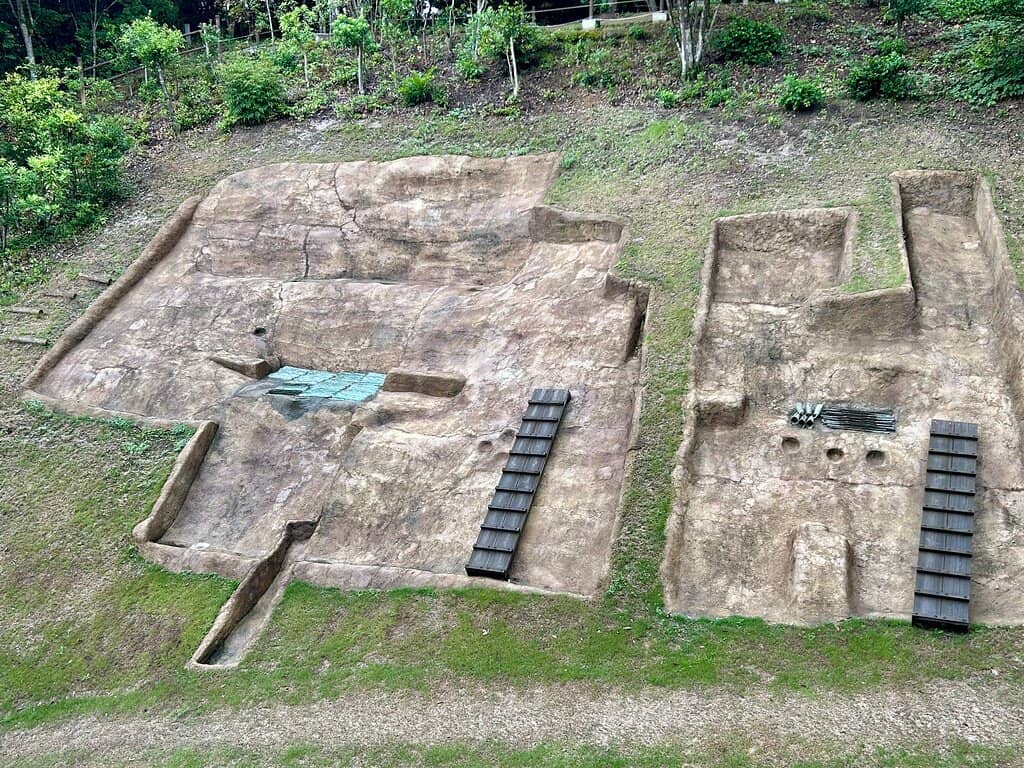
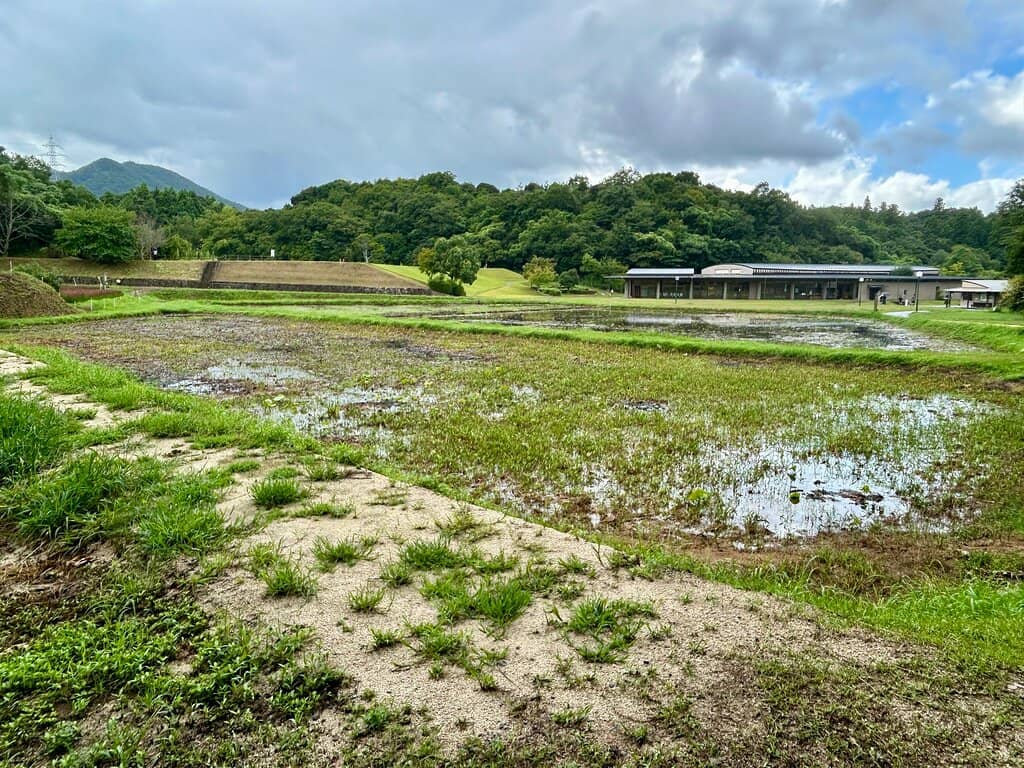
Witness the location where 358 bronze swords, a discovery that reshaped Japanese ancient history, were unearthed.
Lotus Flower Fields
Surrounding Area
During bloom season, vibrant lotus flowers create a stunning natural spectacle around the historical ruins.
Ancient Izumo Kingdom Clues
Museum/Information Center
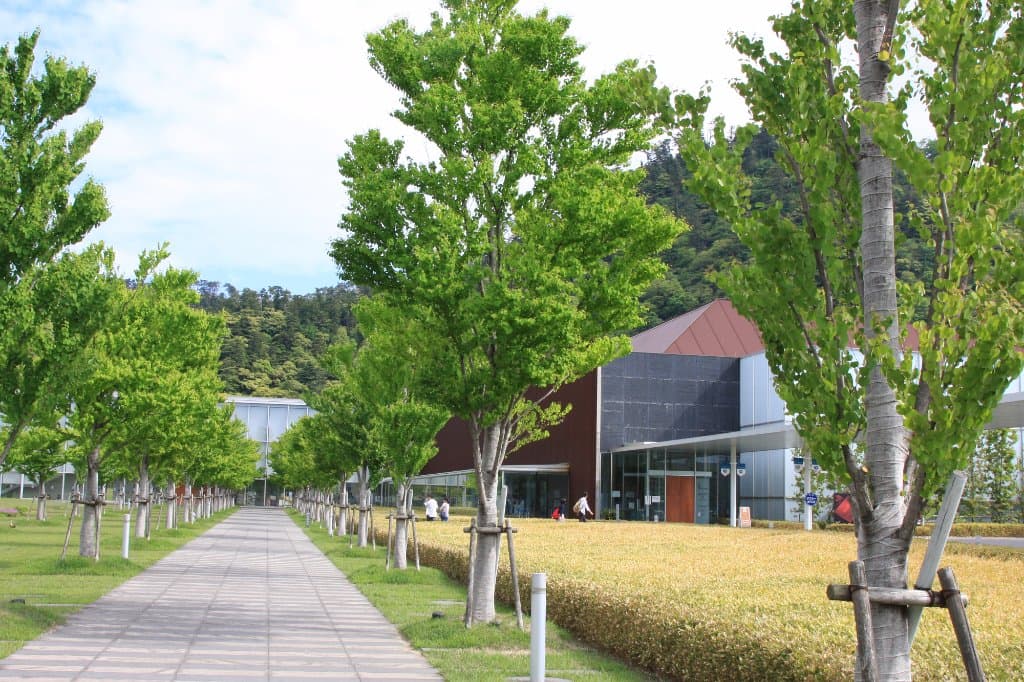
Explore artifacts and information that hint at the existence and grandeur of the legendary Izumo Kingdom.
Plans like a pro.
Thinks like you
Planning Your Visit
Timing is Key for Lotus Blooms
Understanding Site Access
Best Times
Insider Tips
from TikTok, Instagram & Reddit
Check Museum Hours First
The associated museum can be closed on Tuesdays, so confirm opening days before your visit to avoid disappointment. 📅
Embrace the Rural Charm
The site is in a very rural, remote area. Enjoy the quiet, empty, and unique countryside feel. :rice_scene:
Lotus Bloom is a Must-See
If you love flowers, plan your visit during the lotus bloom for a truly beautiful and scenic experience. :lotus:
Walk to the Site
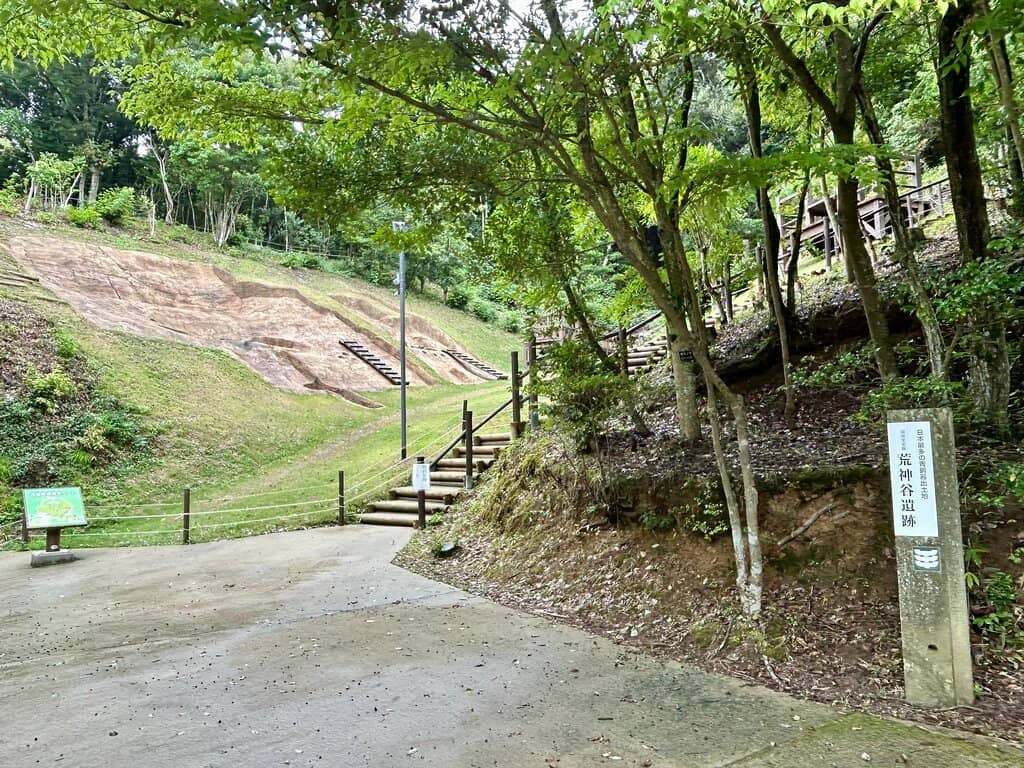
Parking is available, but expect a 10-minute walk to reach the actual archaeological ruins. :athletic_shoe:
Tips
from all over the internet
Check Museum Hours First
The associated museum can be closed on Tuesdays, so confirm opening days before your visit to avoid disappointment. 📅
Embrace the Rural Charm
The site is in a very rural, remote area. Enjoy the quiet, empty, and unique countryside feel. :rice_scene:
Lotus Bloom is a Must-See
If you love flowers, plan your visit during the lotus bloom for a truly beautiful and scenic experience. :lotus:
Walk to the Site
Parking is available, but expect a 10-minute walk to reach the actual archaeological ruins. :athletic_shoe:
What Travellers Say
Reviews Summary
Visitors find Kojindani Archaeological Site historically significant, particularly for the groundbreaking discovery of bronze swords. The natural beauty of the lotus flowers during summer is a major draw, offering a scenic contrast to the ancient ruins. However, some find the fenced-off nature of the site limiting, and its remote rural location requires dedicated travel.
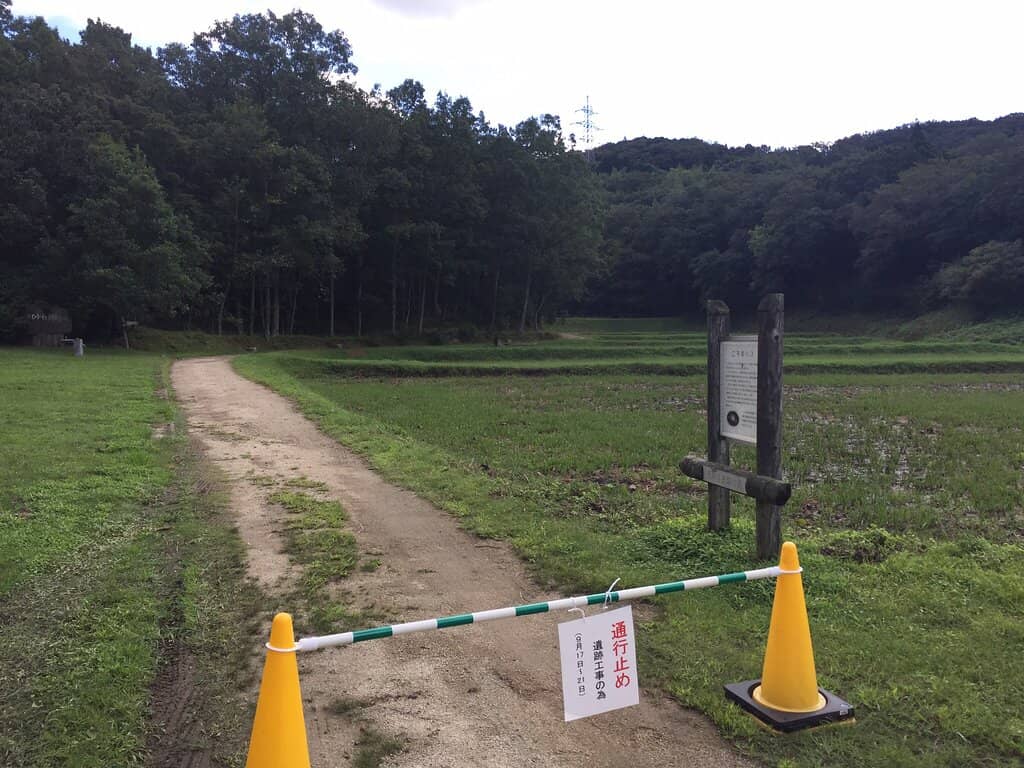
"There are two parking lots, and it takes about 10 minutes to walk from one of them to the Kojindani site. Unfortunately, the site is covered with a fence, so the public cannot get very close, which was a bit disappointing. I was told that the lotus flowers are in full bloom during certain times, making it a beautiful sight. So, I plan to visit again during that period."
World Hiro
"You can find first history of sword."
Shinnosuke Kadokura
"250930
I came to the Homecoming National Treasure Bronzeware Exhibition, but what a surprise! Closed on Tuesdays 💦
Still, I decided to visit the ruins 🚶💨
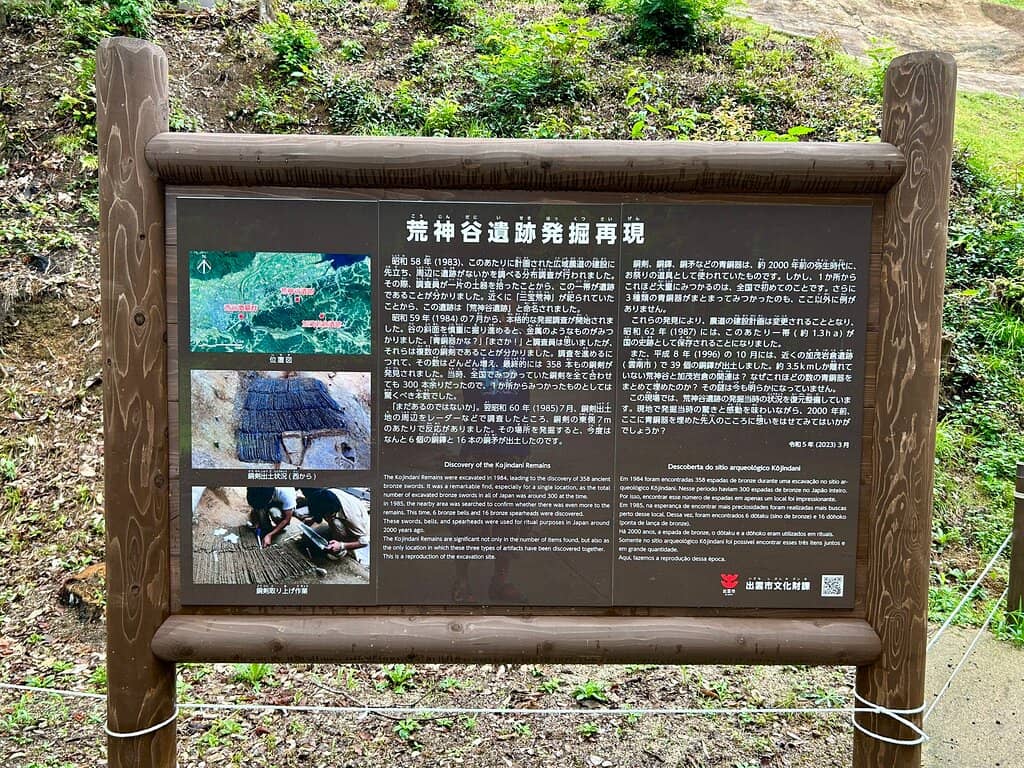
1983: Surveying the distribution of ruins during the construction of a wide-area agricultural road
Picking up Sue ware fragments on a rice paddy ridge 🫖
This valley was named the "Arajindani Ruins" because "Sanbo Arajin" (Sanpo Arajin) is enshrined on the southern side of the valley ⛩️
Full-scale excavations began the following year, unearthing 358 bronze swords ⚔️
This discovery shook the world of ancient Japanese history and archaeology, surpassing the total number of bronze swords unearthed nationwide up to that point ✨️
Furthermore, the following year, a large number of bronze artifacts were unearthed about 7 meters away: six bronze bells 🔔 and 16 bronze spears 🗡️
All of these were designated National Treasures in 1998 as "Artifacts Excavated from the Arajindani Ruins, Shimane Prefecture" 💎
Amazing, isn't it! Furthermore, in 1996, 39 bronze bells were discovered at the Kamo Iwakura Ruins, 3.4 km away.
This area must have been a major industrial area. The same "X" mark suggests a connection.
The "Kojiki" (Records of Ancient Matter) describes ancient Izumo, and it appears in many myths.
Despite this, the existence of the "Izumo Kingdom" could not be concretely proven.
While it was merely a myth,
The discovery of a large number of bronze artifacts makes the myth seem more real, making it seem like "there was something in Izumo✨️."
It really is romantic.
There's no fire without smoke.
The Izumo Kingdom must have been even grander than we could have imagined.
I'd love to go see it in a time machine.
"
Tamaki N.
What People Like
What People Dislike
Frequently Asked Questions
🚇 🗺️ Getting There
The site is located in a rural area of Shimane Prefecture, Japan. Access typically involves driving, as public transportation options may be limited. There are parking lots available near the site, followed by a short walk to the ruins.
While specific details can vary, reaching such rural archaeological sites in Japan often requires a combination of trains and local buses, or a rental car for maximum convenience. It's advisable to check local transport schedules in advance.
For travelers coming from major cities, flying into Izumo Airport (IZO) or Yonago Kitaro Airport (YGJ) and then renting a car is a common approach. Alternatively, Shinkansen (bullet train) to nearby major stations followed by local lines can also be an option.
🎫 🎫 Tickets & Entry
Information regarding ticket prices for the Kojindani Archaeological Site itself is not widely available, suggesting it might be free to access the ruins. However, any associated museums or exhibitions may have admission fees. It's best to check locally.
The archaeological site itself is likely accessible during daylight hours. However, any visitor centers or museums may have specific operating hours and could be closed on certain days, such as Tuesdays.
The archaeological site can generally be visited year-round. However, the surrounding natural beauty, particularly the lotus flowers, is seasonal and best enjoyed during their blooming period in summer.
Based on traveler accounts, the archaeological site itself appears to be accessible without an explicit entrance fee, though this can change. Always verify on-site or through local tourism information.
🎫 🧭 Onsite Experience
You can see the reconstructed remains of an ancient village and the area where 358 bronze swords, along with other bronze artifacts like bells and spears, were discovered. The site offers a glimpse into a significant period of Japanese history. +1
The archaeological site is fenced off, so visitors cannot get extremely close to the actual excavation areas. This is done for preservation purposes.
While not explicitly detailed as a large museum, there are likely information centers or displays related to the artifacts and history of the site, as mentioned by visitors who found 'super-nerdy books related to ruins and ancient history'.
The discovery of 358 bronze swords in 1983 was monumental, surpassing the total number of bronze swords found nationwide up to that point. It significantly impacted the understanding of ancient Japanese history and the potential existence of the Izumo Kingdom. +1
Visitor facilities are generally basic in such rural sites. Expect parking areas and potentially some signage or information boards. Restrooms might be available, but it's wise to be prepared.
📸 📸 Photography
The most picturesque time to photograph Kojindani is during the summer lotus bloom, when vibrant flowers surround the historical ruins. The rural landscape itself also offers scenic views.
Generally, photography for personal use is allowed at outdoor archaeological sites. However, flash photography might be restricted in any indoor exhibition areas to protect artifacts.
A versatile camera, whether a DSLR or a good smartphone, will suffice. Consider a wide-angle lens for landscape shots of the lotus fields and ruins, and a telephoto lens if you want to capture details from a distance. :camerawithflash:



Social
from TikTok, Instagram & Reddit