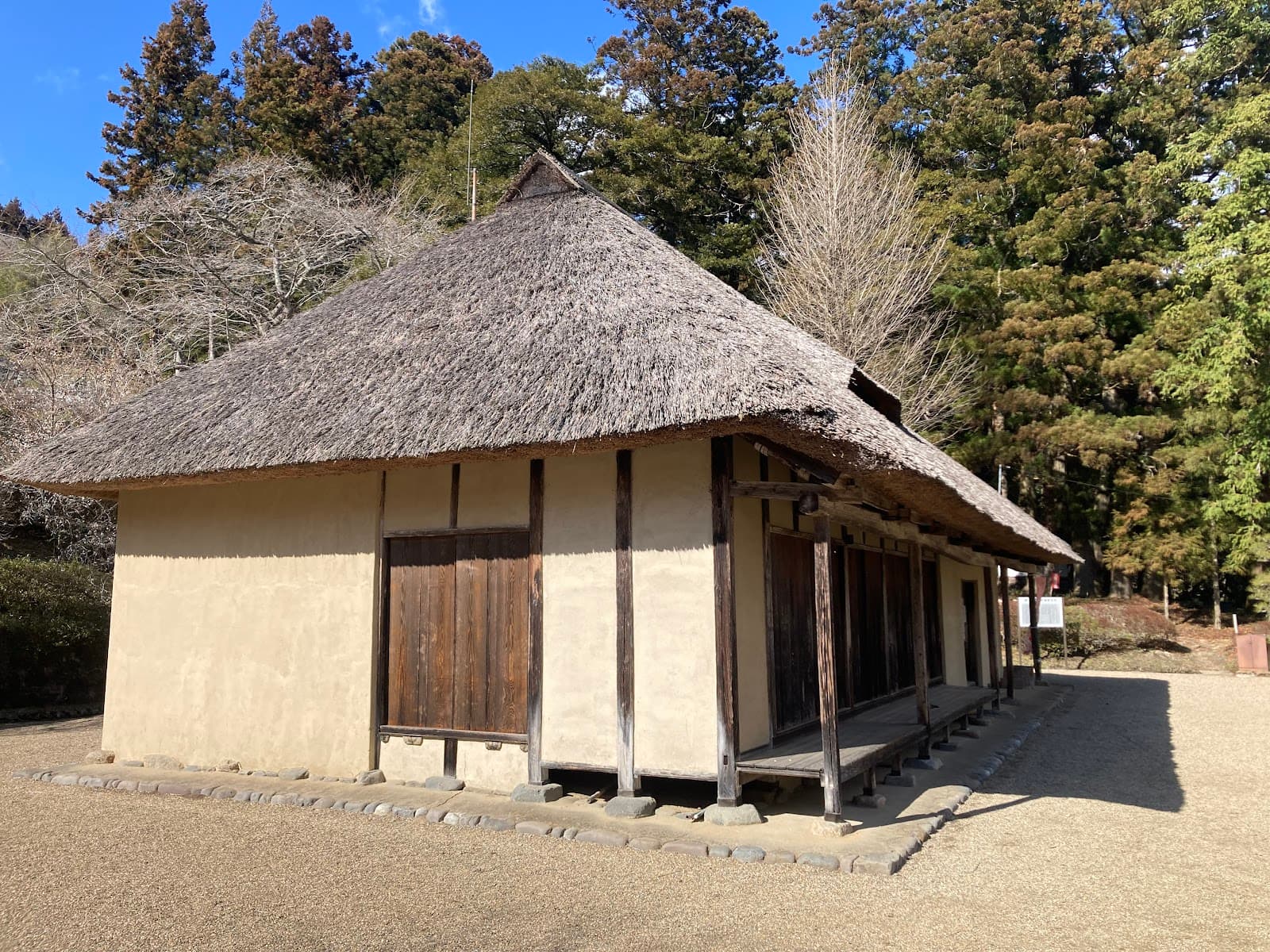
Former Sato Family Residence
Step back in time at this National Important Cultural Property, an authentic mid-Edo period Tohoku farmhouse.
Highlights
Must-see attractions

Social
From TikTok & Reddit
Best Time
Fewer crowds, peaceful atmosphere
Former Sato Family Residence
Best Time
Fewer crowds, peaceful atmosphere
Highlights
Must-see attractions
Step back in time at this National Important Cultural Property, an authentic mid-Edo period Tohoku farmhouse.
"A peaceful escape into rural Edo-period life, showcasing unique architecture and traditions."
🚶♀️ Quiet Exploration
This isn't a bustling spot; enjoy it quietly at your own pace. Perfect for a peaceful escape.
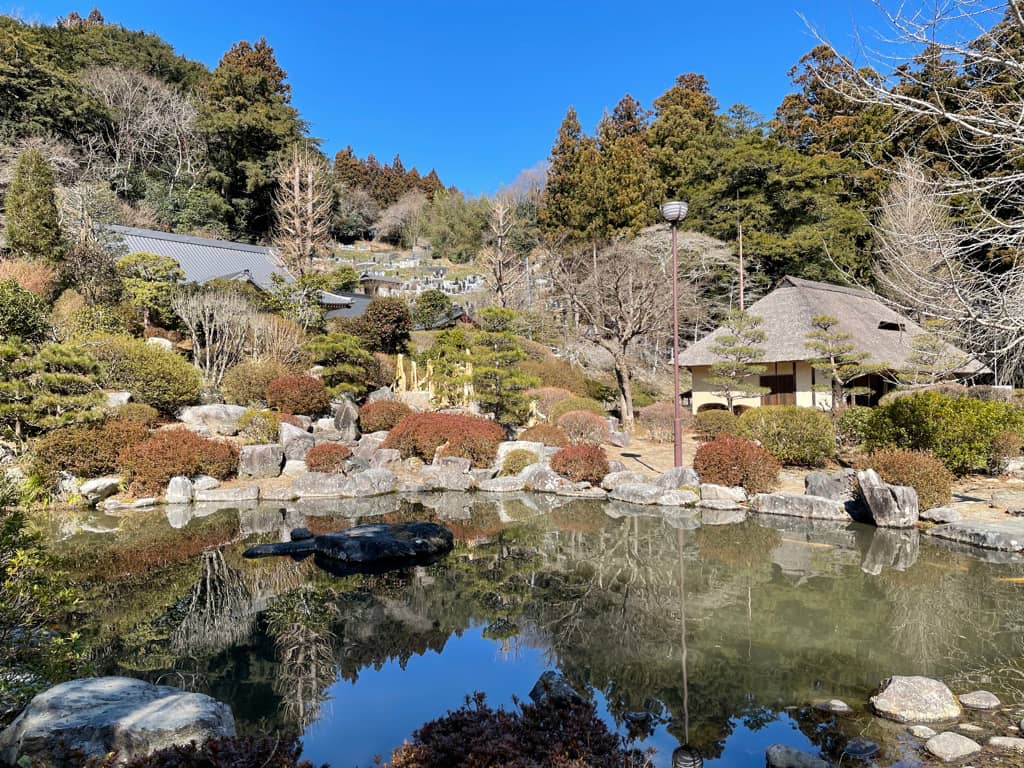
🌸 Springtime Beauty
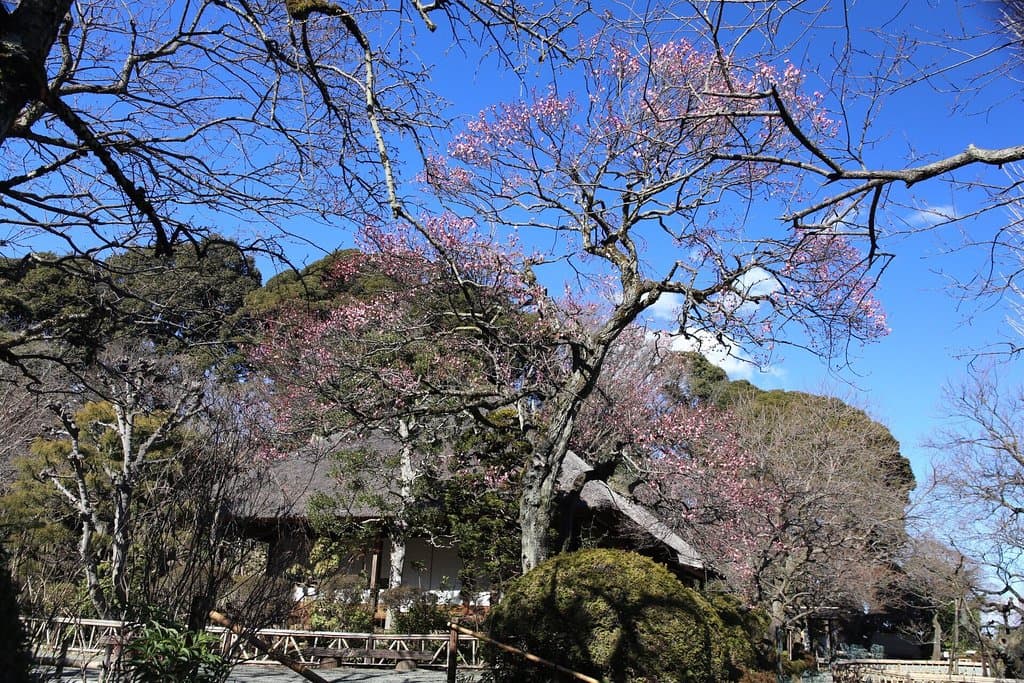
Weeping cherry blossoms can be stunning here in spring.
Quick Facts
Hours
Rating
3.8 · 28 reviews
Type
Historical Landmark
Highlights
Discover the most iconic attractions and experiences
Edo-Period Farmhouse Architecture
Interior and exterior
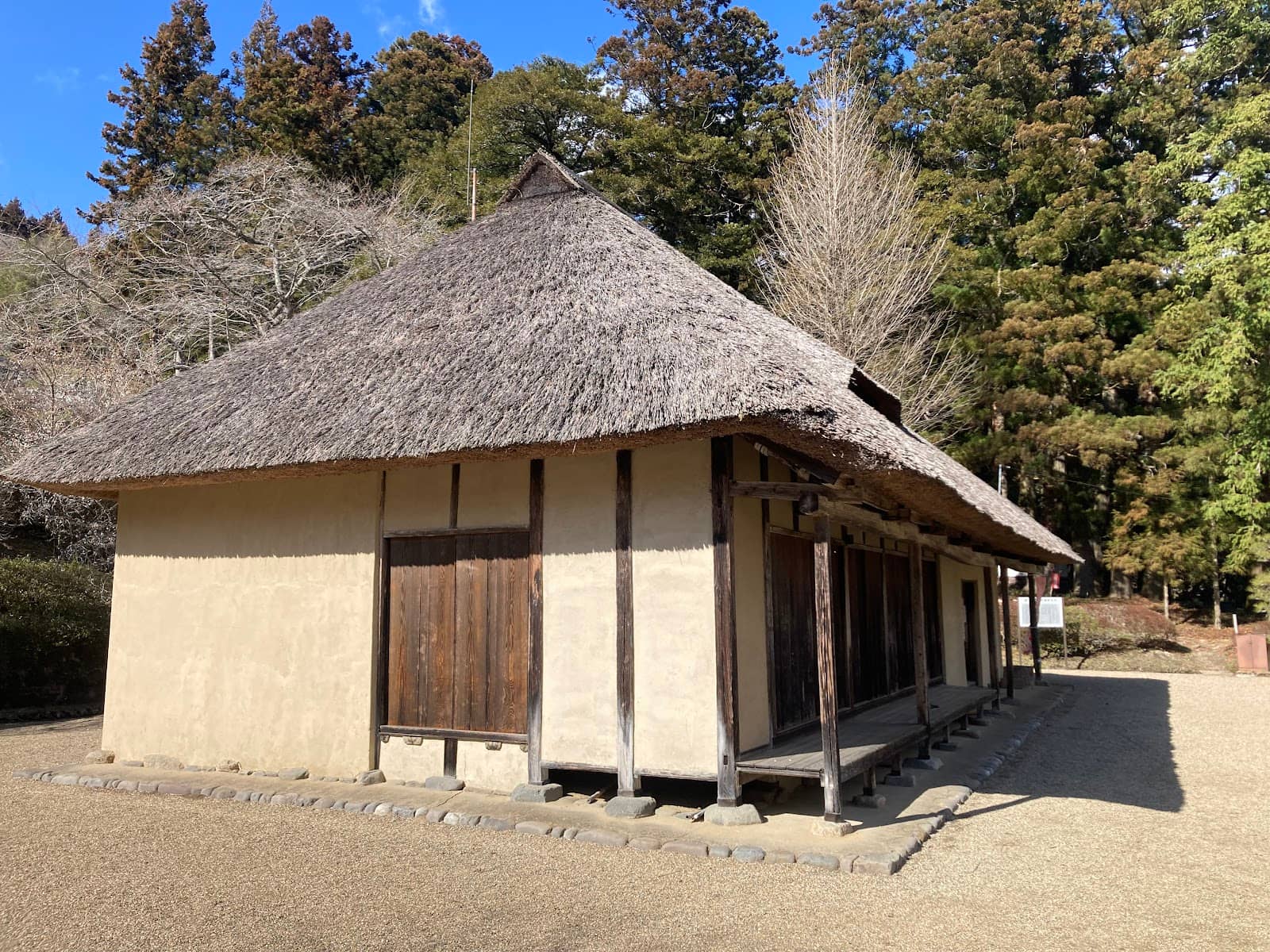
Experience the solemn Sugoya-yoshiki style, a hipped thatched roof, and thick torii-date pillars of this mid-18th century Tohoku farmhouse.
Hearth and Farming Tools
Dirt floor area
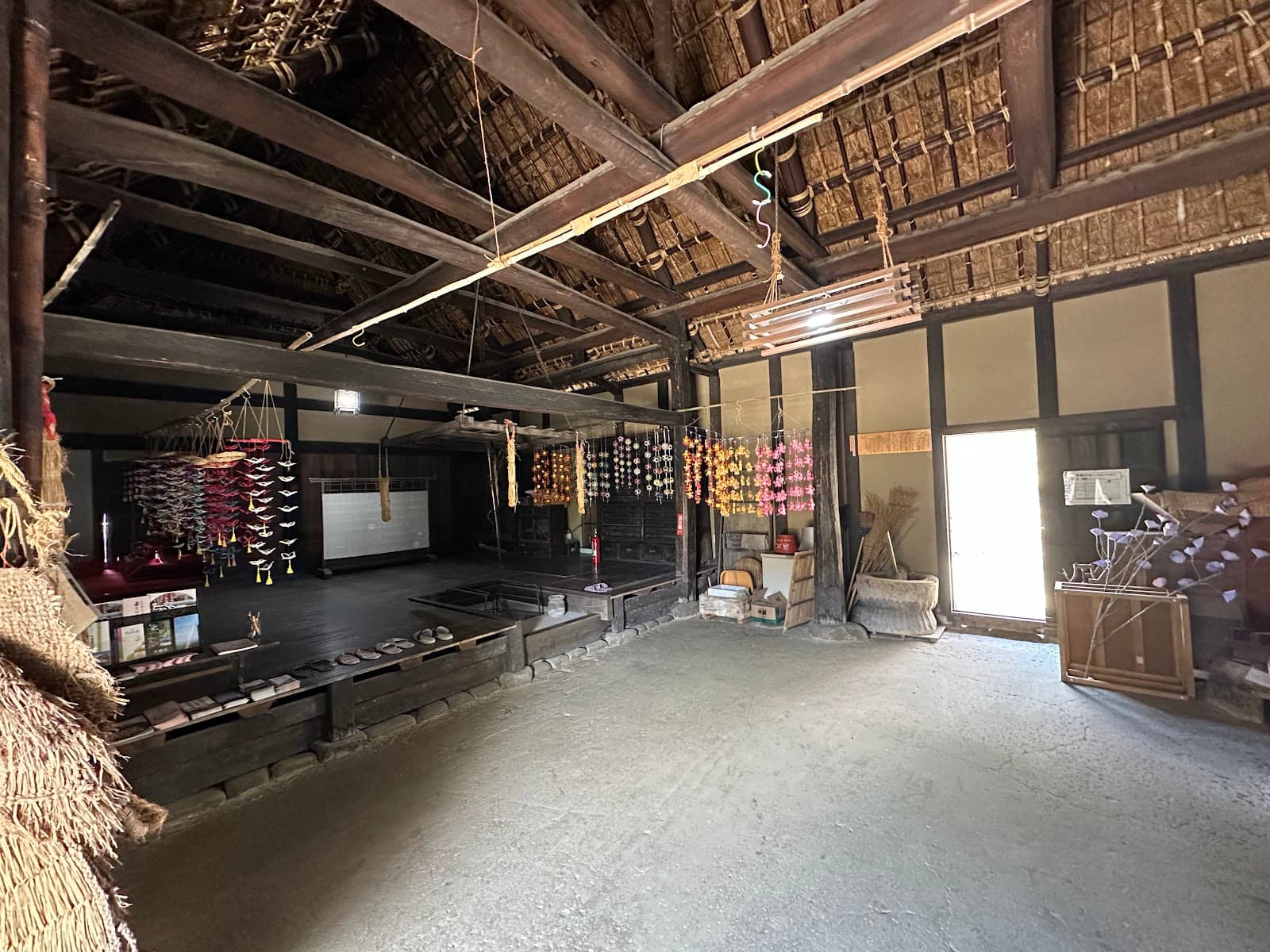
See the spacious dirt floor and authentic farming tools from the Edo period, offering a glimpse into rural life.
Seasonal Decorations
Living room
Enjoy special displays like Hina dolls during Girls' Festival, adding vibrant cultural context to the historic setting.
Plans like a pro.
Thinks like you
Planning Your Visit
Timing Your Visit for Tranquility
Seasonal Charm and Events
Best Times
Insider Tips
from TikTok, Instagram & Reddit
🚶♀️ Quiet Exploration
This isn't a bustling spot; enjoy it quietly at your own pace. Perfect for a peaceful escape.
🌸 Springtime Beauty
Weeping cherry blossoms can be stunning here in spring.
🎎 Festival Displays
Check for special events like the Hina doll festival in March!
💡 Dimly Lit Interior
The interior is dimly lit, adding to the historic ambiance.
Tips
from all over the internet
🚶♀️ Quiet Exploration
This isn't a bustling spot; enjoy it quietly at your own pace. Perfect for a peaceful escape.
🌸 Springtime Beauty
Weeping cherry blossoms can be stunning here in spring.
🎎 Festival Displays
Check for special events like the Hina doll festival in March!
💡 Dimly Lit Interior
The interior is dimly lit, adding to the historic ambiance.
What Travellers Say
Reviews Summary
Visitors praise the Former Sato Family Residence for its authentic representation of a mid-Edo period Tohoku farmhouse, highlighting its unique architecture and the preserved interior with farming tools. The seasonal Hina doll displays are a particular draw. Some find the dimly lit interior a bit unsettling, but appreciate the quiet, uncrowded atmosphere ideal for peaceful exploration.
"I visited for the first time on April 12, 2025.
We toured it together when we went to see the Kozoji Amida Hall.
It is said to have been the home of a medium-sized farming family within the Sendai domain in the mid-Edo period (mid-18th century), and was designated as such by the national government and relocated and restored to its current location in 1972 (Showa 47).
The house is built in the Sugoya-yoshiki style, measuring approximately 15m wide and 8m deep, with a hipped thatched roof, giving it the solemn construction typical of Tohoku farmhouses.
The ceiling does not have windows for venting smoke due to a feudal domain ban, and the thick, roughly-hewn pillars are an ancient structure known as torii-date, and appear to be made up of pillars and beams that cleverly make use of the curvature of the timber."
加川良太
"This mid-Edo period house is designated as an Important Cultural Property of Japan. The interior has a fairly large dirt floor and farming tools from that time are on display. In March 2025, the dirt floor hearth was decorated for the Spring Festival, and the living room was decorated with a doll stand. There is no ceiling, but there is a vent to let out the smoke. It is said that ceilings were prohibited by the feudal domain."
エスキューブ佐藤勝
"There was a former thatched-roof residence of the Sato family.
It was said to be the home of a middle-class farmer in the Sendai territory during the mid-Edo period (mid-18th century), and was designated by the government and relocated and restored to its current location in 1972 (Showa 47).
It is built in the Sugoya Yoshiki style, with a width of about 15m and a depth of about 8m, with a hipped thatched roof, giving it a dignified feel typical of a Tohoku farmhouse.
It was decorated with winnows.
The weeping cherry blossoms were beautiful."
中原悟
What People Like
What People Dislike
Frequently Asked Questions
🚇 🗺️ Getting There
The Former Sato Family Residence is located in Kakuda City, Miyagi Prefecture. While specific public transport details are scarce, it's often visited in conjunction with Kozoji Amida Hall, suggesting it's accessible by local bus routes or car. Renting a car is often recommended for exploring rural Miyagi.
Information on dedicated parking is limited, but it's common for cultural properties in such areas to have some parking facilities nearby. It's advisable to check with local tourism information or assume parking might be available near Kozoji Temple, which is on the same premises.
Kakuda City is accessible by train, typically via the Abukuma Express Line. From major cities like Sendai, you can take a train to Kakuda Station. From there, local buses or taxis would be needed to reach the residence itself.
🎫 🎫 Tickets & Entry
The residence is generally open from 9:00 AM to 4:00 PM. However, it's always a good idea to confirm these hours, especially around holidays or for special events.
Admission details are not explicitly stated as paid, and it's often described as a place to be enjoyed quietly. It's possible there's a small entrance fee or it's included with access to the surrounding grounds.
The residence hosts special displays, notably Hina dolls for Girls' Day (Hinamatsuri) from mid-February to mid-March. This is a popular time to visit for cultural enthusiasts.
The residence is typically open year-round during its stated hours, though specific closures for maintenance or holidays might occur. Checking local event calendars is recommended.
📸 📸 Photography
Photography policies can vary for historic sites. While no specific restrictions are mentioned, it's generally respectful to avoid flash photography inside cultural properties to preserve the artifacts and ambiance.
Capture the unique architecture of the Sugoya-yoshiki style, the interior with its traditional hearth and farming tools, and any seasonal decorations like Hina dolls. The exterior, especially with surrounding nature, can also be picturesque.
Drone usage is typically restricted at cultural heritage sites to protect the property and ensure visitor safety. It's highly unlikely to be permitted.
🎫 🏛️ History & Culture
This residence is a National Important Cultural Property, representing a mid-Edo period (mid-18th century) middle-class farming family home from the Sendai domain. Its relocation and restoration in 1972 preserved its unique Tohoku farmhouse architecture.
Sugoya-yoshiki is a traditional architectural style for farmhouses in the Tohoku region. It's characterized by its hipped thatched roof and the use of thick, roughly-hewn pillars known as torii-date, designed to utilize the natural curvature of timber.
During the Edo period, feudal domains sometimes prohibited ceilings in farmhouses as a measure to prevent the concealment of weapons or illicit activities, and to ensure smoke from hearths could vent freely.
This designation signifies that the property holds significant historical, artistic, or academic value to Japan. It ensures its preservation and protection for future generations.
Social
from TikTok, Instagram & Reddit