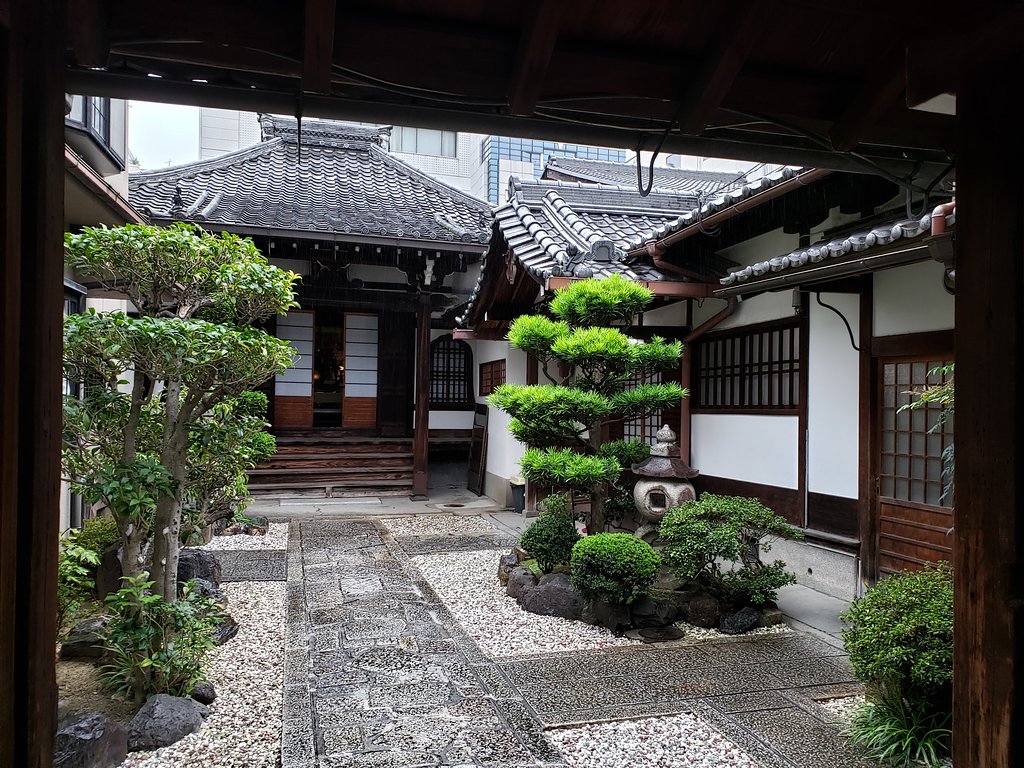
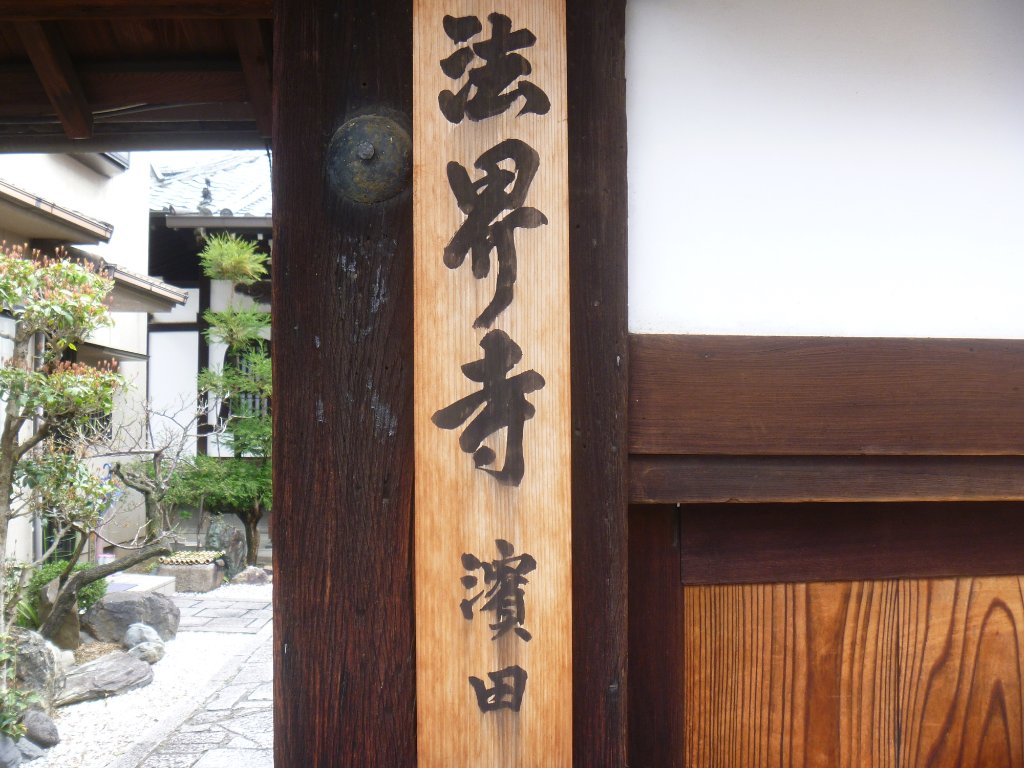
Hokaiji
A serene Buddhist temple completed in 1335, offering a peaceful escape with historical artifacts and a quiet, contemplative atmosphere.
Highlights
Must-see attractions

Social
From TikTok & Reddit
Best Time
Fewer crowds, more peaceful
Hokaiji
Best Time
Fewer crowds, more peaceful
Highlights
Must-see attractions
A serene Buddhist temple completed in 1335, offering a peaceful escape with historical artifacts and a quiet, contemplative atmosphere.
"Very underrated and very quiet, on a different level compared to the crowded temples within the cities."
🎯 Quiet Contemplation
Enjoy the peaceful atmosphere; it's much quieter than other Kamakura temples. 🙏
📸 No Photos Inside
Photography is not allowed inside the main building, but you can enter and admire the statues. :camerawithflash:
Quick Facts
Hours
Rating
4 · 596 reviews
Type
Place of Worship
Highlights
Discover the most iconic attractions and experiences
Hojo Clan's Legacy
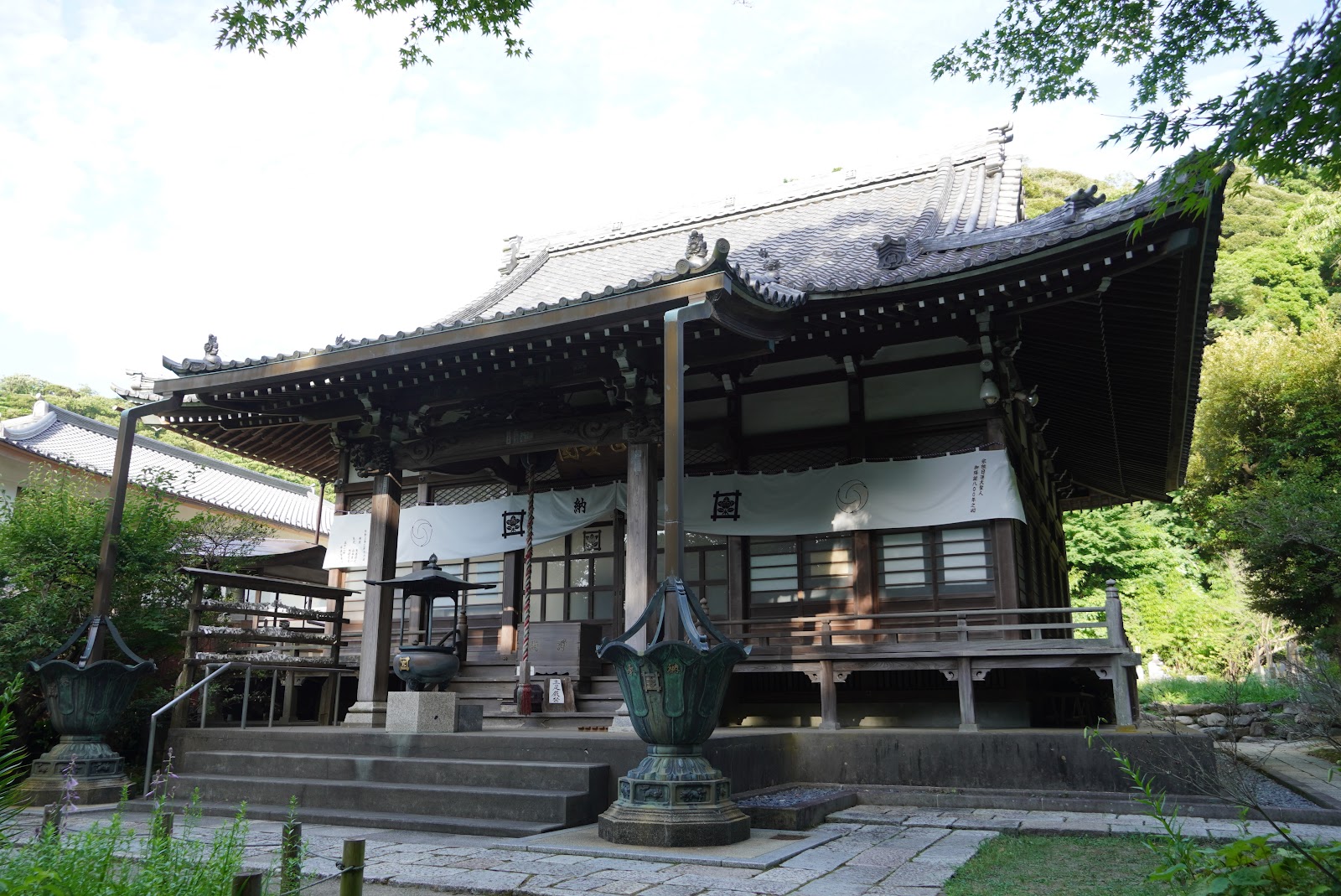
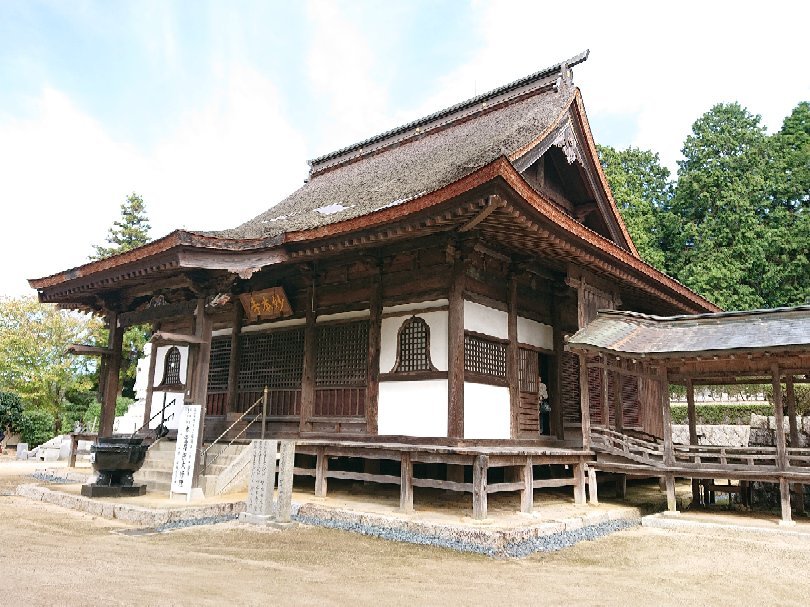
Main Hall
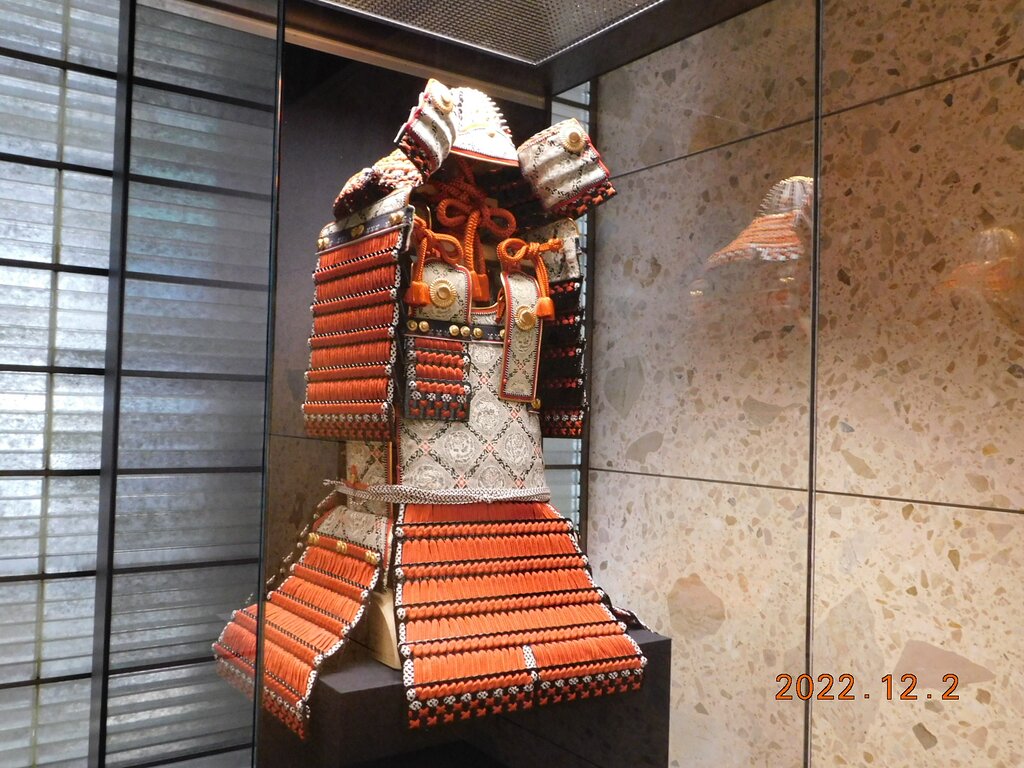
Discover the temple's connection to the Hojo clan, with their distinctive triforce-like family crest, famously echoed in video games.
Serene Buddha Statues
Main Hall
Marvel at the ornate and well-maintained Buddha statues within the main hall, offering a glimpse into traditional Buddhist art.

Peaceful Grounds
Temple grounds
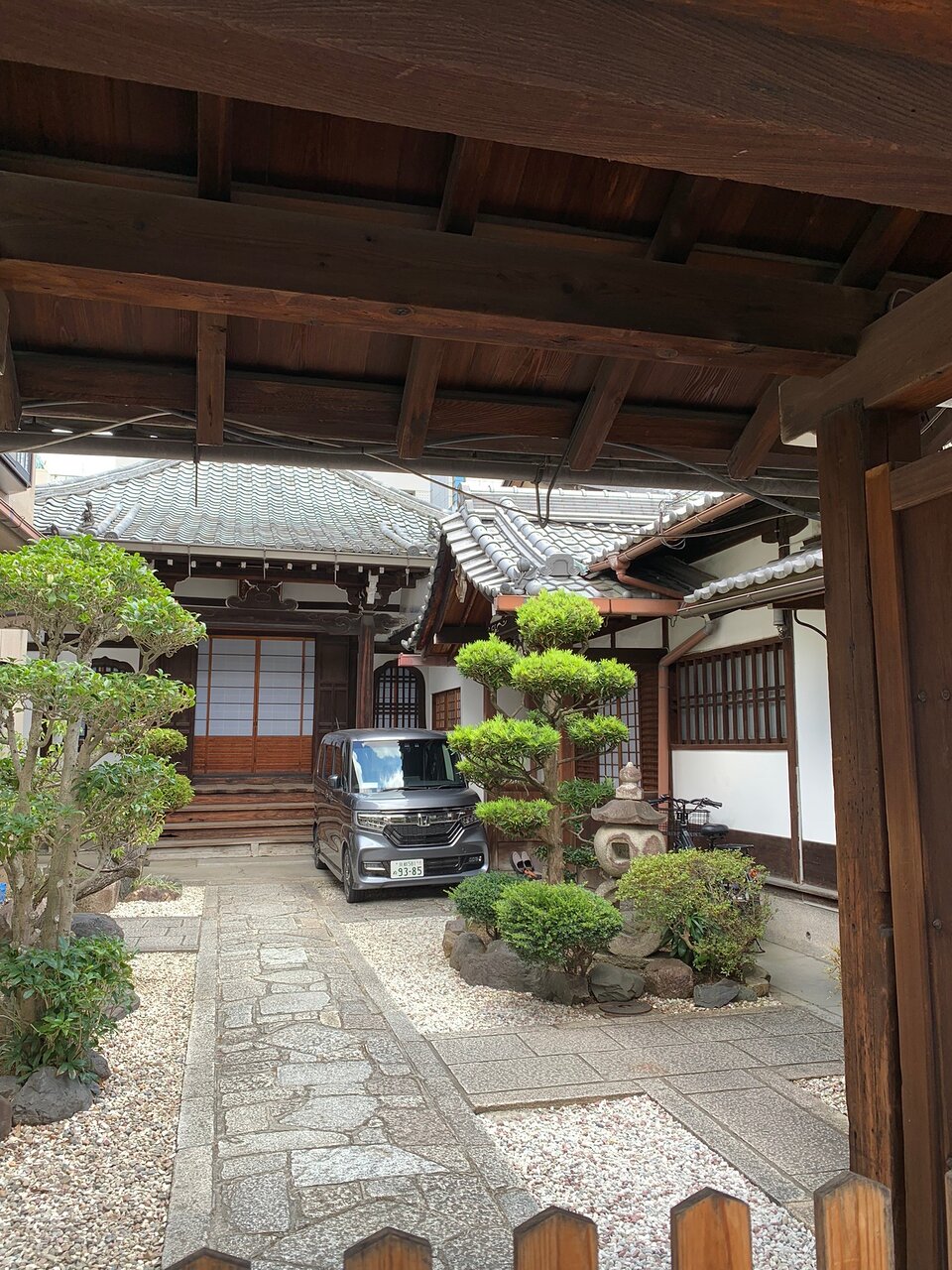
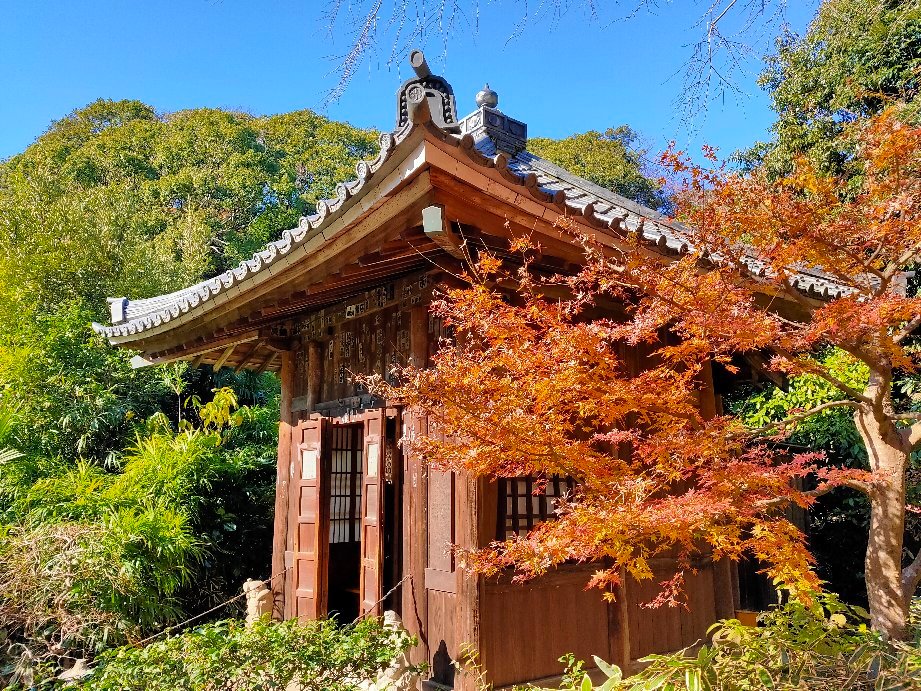
Wander through the well-maintained grounds, enjoying the quiet, zen-like atmosphere that offers a welcome respite.

Water Altar
Right side of the main building
Experience a unique meditative moment at the small altar where pouring water creates a soothing sound.
Plans like a pro.
Thinks like you
Planning Your Visit
Embrace the Tranquility
Respectful Exploration
Best Times
Insider Tips
from TikTok, Instagram & Reddit
🎯 Quiet Contemplation
Enjoy the peaceful atmosphere; it's much quieter than other Kamakura temples. 🙏
📸 No Photos Inside
Photography is not allowed inside the main building, but you can enter and admire the statues. :camerawithflash:
💰 Affordable Entry
A small ¥100 entry fee contributes to temple upkeep. :moneybag:
🤝 Kind Staff
The reception staff are very kind and helpful, even with language barriers. :people_hugging:
Tips
from all over the internet
🎯 Quiet Contemplation
Enjoy the peaceful atmosphere; it's much quieter than other Kamakura temples. 🙏
📸 No Photos Inside
Photography is not allowed inside the main building, but you can enter and admire the statues. :camerawithflash:
💰 Affordable Entry
A small ¥100 entry fee contributes to temple upkeep. :moneybag:
🤝 Kind Staff
The reception staff are very kind and helpful, even with language barriers. :people_hugging:
📍 Bus Access
Take a bus from Sugimoto-Kannon to Daigakumae bus stop for easy access. 🚌
What Travellers Say
Reviews Summary
Hokaiji Temple is highly praised for its serene atmosphere and historical significance, offering a peaceful escape from crowded tourist spots. Visitors appreciate the well-maintained grounds, the kind staff, and the affordable entry fee. While photography is restricted inside, the temple's quiet charm and unique connection to the Hojo clan make it a worthwhile visit.
"Very underrtated and very quiet, on a different level compared to the crowded temples within the cities."
Victor Punga
"I took a bus from Sugimoto-Kannon Busstop and got off at Daigakumae Busstop. I had visited the start of the Kamakura Shogunate and was heading to the end of it.
New Kamakura 33 Kannon Pilgrimage #2 Hokai-ji Temple
Hokai-ji Temple was founded by Ashikaga Takauji (1305-1358) after 1333, when the Hojo Clan was destroyed by Emperor Go-Daigo (1288-1339), at the site of office of the Regent of the Kamakura Shogunate, to which the Hojo Clan had succeeded for generations."
Haruo Kakuta
"The old man reception is really kind. Even though my Japanese is not good, we have great conversation. He kindly helped me wrap up postcards, show me places to visit in Kamakura, and suggest places for shrine stamps.
It's definitely worth a visit."
ch law
What People Like
What People Dislike
Frequently Asked Questions
🚇 🗺️ Getting There
Hokaiji Temple is located in Kamakura, which is about an hour's train ride from Tokyo. From Tokyo Station, take the Yokosuka Line towards Kurihama and get off at Kamakura Station. From Kamakura Station, you can take a local bus to the Daigakumae bus stop, which is near the temple. Some TikTok videos suggest this route for a Kamakura day trip. +1
Within Kamakura, taking a bus is a convenient option. Travelers recommend taking a bus from Sugimoto-Kannon Bus Stop and alighting at Daigakumae Bus Stop, which is a short walk from the temple.
Yes, Hokaiji Temple is accessible by public transport. Buses are readily available from Kamakura Station, making it a straightforward destination for day-trippers from Tokyo. +1
Yes, the Yokosuka Line from Tokyo to Kamakura is covered by the Japan Rail Pass, making it an economical option for travelers using the pass.
While specific route numbers can vary, travelers often mention taking a bus from the vicinity of Kamakura Station towards the temple area and getting off at a stop like Daigakumae. It's advisable to check local bus schedules upon arrival.
🎫 🎫 Tickets & Entry
There is a small admission fee of ¥100 per person. This fee is crucial for the temple's upkeep and maintenance, ensuring its preservation for future visitors.
No, advance booking is not typically required for Hokaiji Temple. You can purchase your admission ticket upon arrival at the temple.
While specific hours can vary, Hokaiji Temple is generally open during daylight hours, allowing ample time for visits. It's best to check locally or confirm with your accommodation for the most up-to-date information.
Yes, there is a separate fee for enjoying matcha tea at the temple's outdoor area. You'll need to purchase a matcha ticket.
Hokaiji Temple is part of the 'New Kamakura 33 Kannon Pilgrimage' and also participates in the '7-temples for the 7 gods' day trip. For the latter, you can buy a special board to get seals from each temple.
🎫 🧭 Onsite Experience
No, photography is strictly prohibited inside the main building of Hokaiji Temple. However, you are welcome to enter and admire the statues.
Hokaiji Temple is described as very quiet, peaceful, and serene, offering a tranquil experience compared to more crowded temples. It provides a zen-like feeling.
Yes, the temple has a unique water altar on the right side of the building where pouring water creates a soothing sound. It's also known for its connection to the Hojo clan and their distinctive family crest.
Absolutely! Kamakura, including Hokaiji Temple, is a popular and highly recommended day trip destination from Tokyo, easily accessible by train. +1
You can find well-priced omamori (amulets) at Hokaiji Temple. The staff can also help with wrapping postcards and suggesting other places to visit in Kamakura.
📸 📸 Photography
While photos are not allowed inside the main hall, the temple grounds offer beautiful opportunities for photography, capturing the serene atmosphere and traditional architecture. The area around the water altar can also be picturesque.
Nearby, Kamakurakoko-Mae Station is famous for its scenic views, especially at sunset, and is a popular spot for photos. +1
Given its tranquil nature, Hokaiji Temple is ideal for capturing serene, contemplative, and architectural photography. Focus on the details of the temple and its peaceful surroundings.
Drone photography is generally not permitted at religious sites like Hokaiji Temple due to privacy and safety regulations. Always check local rules before flying drones.
Weekday mornings offer the best light and fewest people, allowing for unobstructed shots of the temple grounds. Late afternoon can also provide beautiful, soft light.




Social
from TikTok, Instagram & Reddit