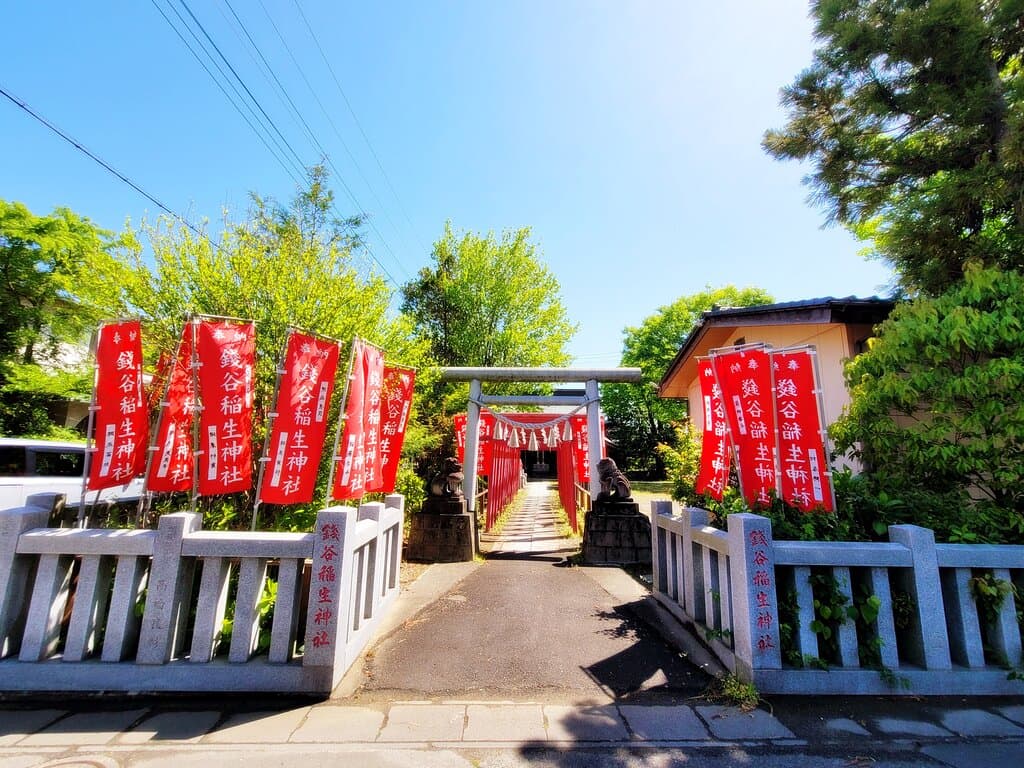
Kasama Inari Shrine
A historic 7th-century Shinto shrine in a pottery town, famed for autumn chrysanthemums and spring wisteria.
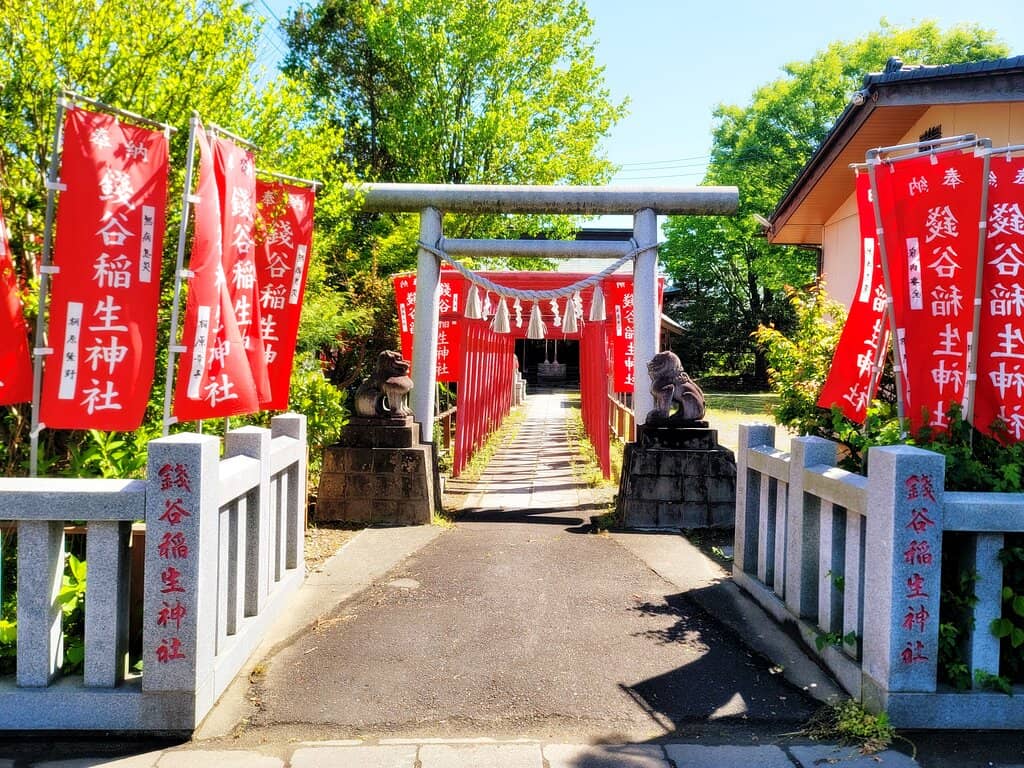
Highlights
Must-see attractions

Social
From TikTok & Reddit
Best Time
Peak chrysanthemum bloom
Kasama Inari Shrine
Best Time
Peak chrysanthemum bloom
Highlights
Must-see attractions
A historic 7th-century Shinto shrine in a pottery town, famed for autumn chrysanthemums and spring wisteria.
"A peaceful shrine with ancient wisteria trees and a vibrant chrysanthemum festival."
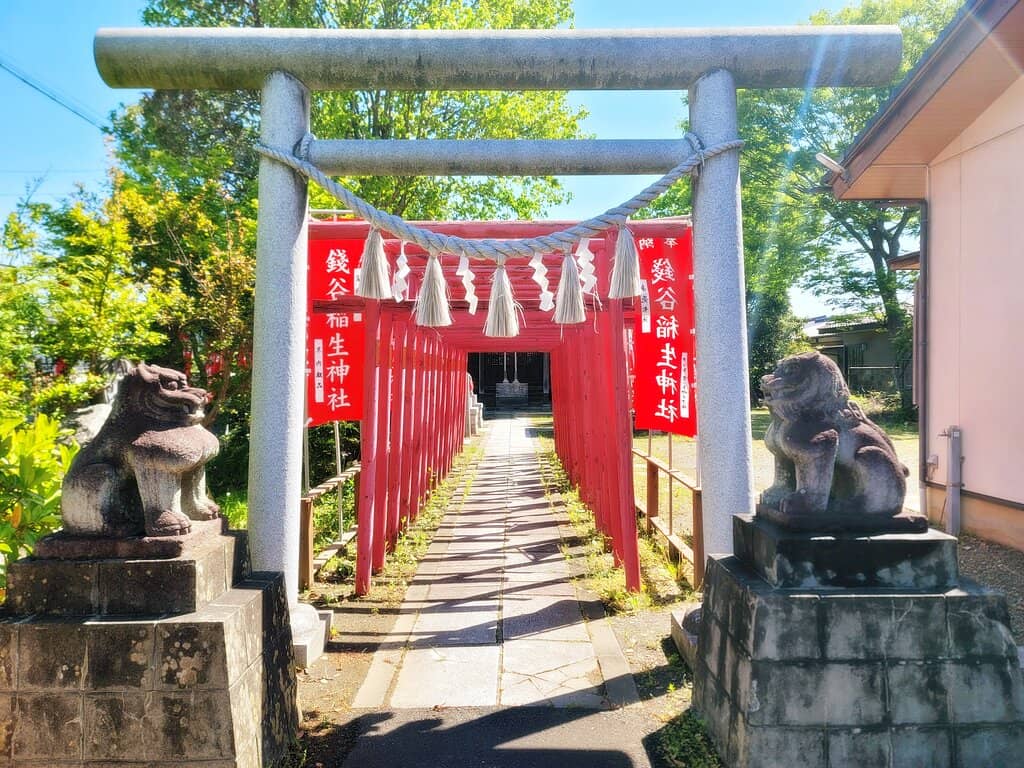
🎯 Arrive Early for Photos
Beat the crowds and capture stunning photos, especially during the chrysanthemum festival.
🚗 Convenient Parking
Ample parking is available for around ¥500 per day, making it easy to access the shrine.
Quick Facts
Hours
Rating
4.2 · 7,085 reviews
Type
Place of Worship
Website
kasama.or.jpHighlights
Discover the most iconic attractions and experiences
Chrysanthemum Festival
Main shrine grounds
A breathtaking display of vibrant chrysanthemums in late autumn, filling the air with color and fragrance.
Ancient Wisteria Trees
Shrine grounds
Two magnificent 400-year-old wisteria trees offer stunning beauty, especially in spring.
Yabusame (Horse Archery)
Shrine grounds
Witness thrilling traditional Japanese horse archery performances during special events.
Kasama-yaki Pottery Shops
Surrounding town
Explore charming shops filled with unique, handcrafted Kasama-yaki pottery.
Plans like a pro.
Thinks like you
Planning Your Visit
Timing is Key for the Chrysanthemums
Embrace the Local Charm
Best Times
Insider Tips
from TikTok, Instagram & Reddit
🎯 Arrive Early for Photos
Beat the crowds and capture stunning photos, especially during the chrysanthemum festival. 
🚗 Convenient Parking
Ample parking is available for around ¥500 per day, making it easy to access the shrine.
🍜 Savor Local Flavors
Enjoy delicious Japanese street food and soba noodles from the many shops near the shrine.
🌸 Spring Azalea Festival
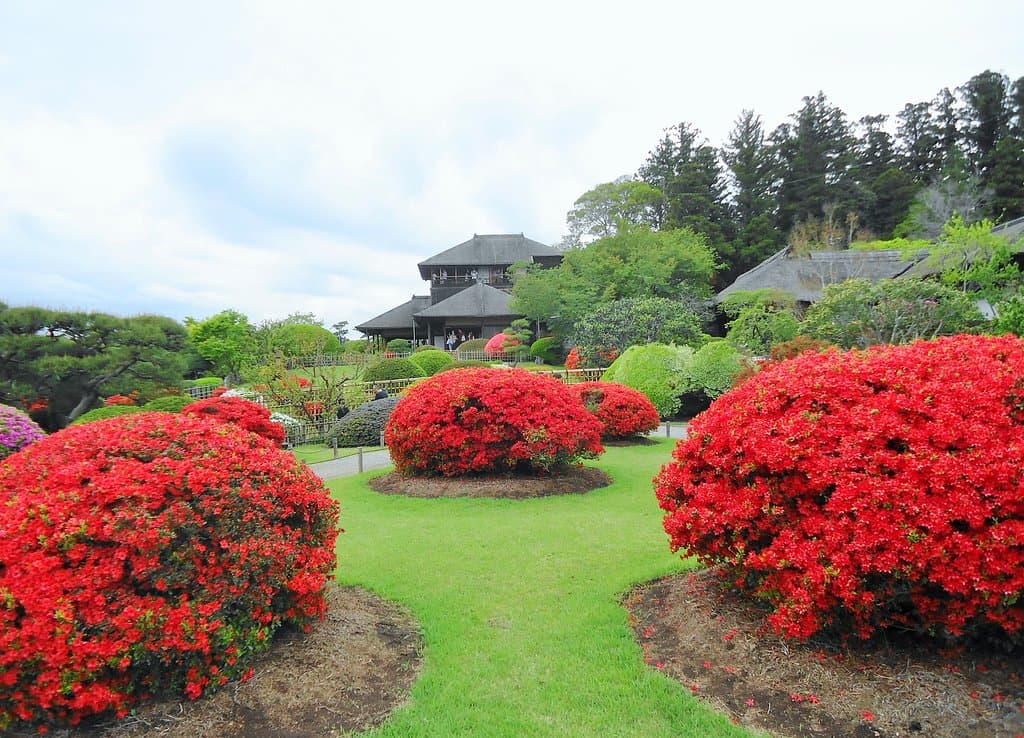
If visiting in spring, don't miss the beautiful azalea festival at Kasama Azalea Park.
Tips
from all over the internet
🎯 Arrive Early for Photos
Beat the crowds and capture stunning photos, especially during the chrysanthemum festival.
🚗 Convenient Parking
Ample parking is available for around ¥500 per day, making it easy to access the shrine.
🍜 Savor Local Flavors
Enjoy delicious Japanese street food and soba noodles from the many shops near the shrine.
🌸 Spring Azalea Festival
If visiting in spring, don't miss the beautiful azalea festival at Kasama Azalea Park.
🏺 Discover Kasama-yaki
Explore the town's pottery shops for unique, traditional Kasama-yaki ceramics.
What Travellers Say
Reviews Summary
Visitors praise Kasama Inari Shrine for its stunning seasonal beauty, particularly the vibrant chrysanthemum festival and ancient wisteria trees. The surrounding pottery town adds a unique cultural dimension, with many appreciating the local crafts and food options. Some reviews mention ongoing construction that can slightly detract from the atmosphere, and a lack of prominent fox statues compared to other Inari shrines.
"Chrysanthemum festival was truly amazing. Colors and smell of the flowers are really nice. During the festival period there are lot of event are being held, worth watching if you are interested in Japanese culture.
While enjoying the chrysanthemum you can taste Japanese street foods because there are so many small restaurants and Souvenir shops are there around the shrine.
Parking your vehicle is not a big problem too, so many car parking are available for just around ¥500 per day."
Chaminda Madugalle
"A traditional temple at a rural pottery town. Full of services available to purchase for Shinto religious and fortune telling sticks. Car parking available at side, and many soba and snack food shops nearby"
AK Hlaing
"This shrine is known as one of the three largest Inari shrines in Japan. They did not have a lot of 🦊 foxes around the shrine at all. They were doing some maintenance to the trees, shrubs and really not much happening."
Annie Sobol
What People Like
What People Dislike
Frequently Asked Questions
🚇 🗺️ Getting There
Kasama Inari Shrine is located in Kasama City, Ibaraki Prefecture. The easiest way to reach it is by car, with ample parking available. Public transport options include taking a train to Kasama Station and then a bus or taxi to the shrine.
Yes, you can reach Kasama Inari Shrine via public transport. Take a train to Kasama Station, then transfer to a local bus or taxi. The journey may take longer than driving.
While the shrine is accessible by public transport, exploring the wider Kasama area, especially the pottery town, is best done by car or by renting a bicycle.
The closest major airports are Narita International Airport (NRT) and Haneda Airport (HND) in Tokyo. From there, you can take a train or bus to Ibaraki Prefecture.
By car, it typically takes about 1.5 to 2 hours from Tokyo to Kasama Inari Shrine, depending on traffic. By train, it can take around 2 to 2.5 hours with transfers.
🎫 🎫 Tickets & Entry
Kasama Inari Shrine is generally free to enter. There are no admission fees for the shrine grounds themselves.
The shrine grounds are typically open from early morning until late afternoon. Specific building hours may vary, but the main shrine area is usually accessible throughout the day.
No, advance booking is not required for general entry to Kasama Inari Shrine. It's a public space for worship and sightseeing.
While the shrine itself is free, special events like the chrysanthemum festival or yabusame performances might have associated costs or require separate ticketing for specific viewing areas. Check local event schedules.
Yes, there is a parking fee, typically around ¥500 per day, which is quite reasonable for the convenience.
📸 📸 Photography
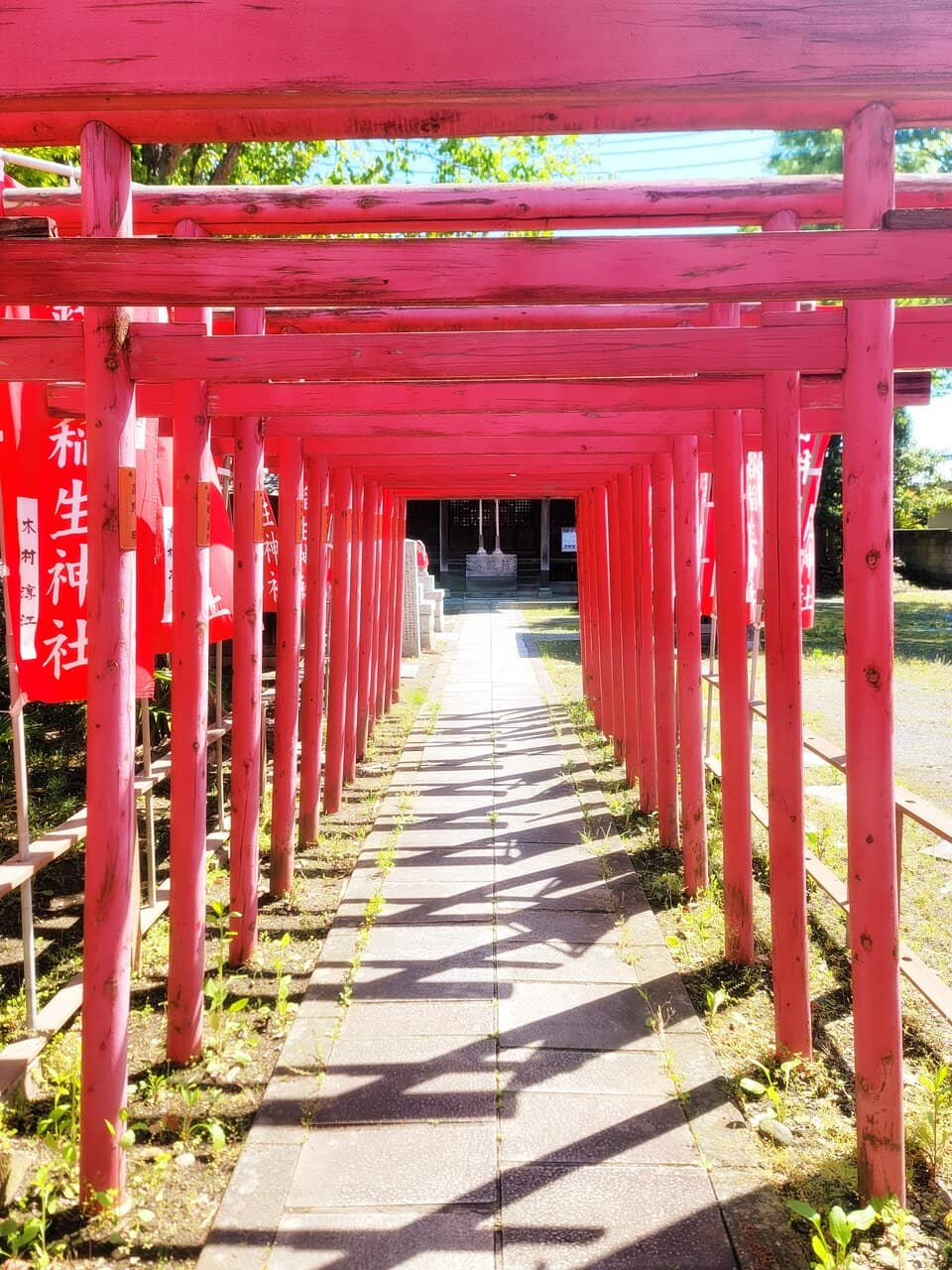
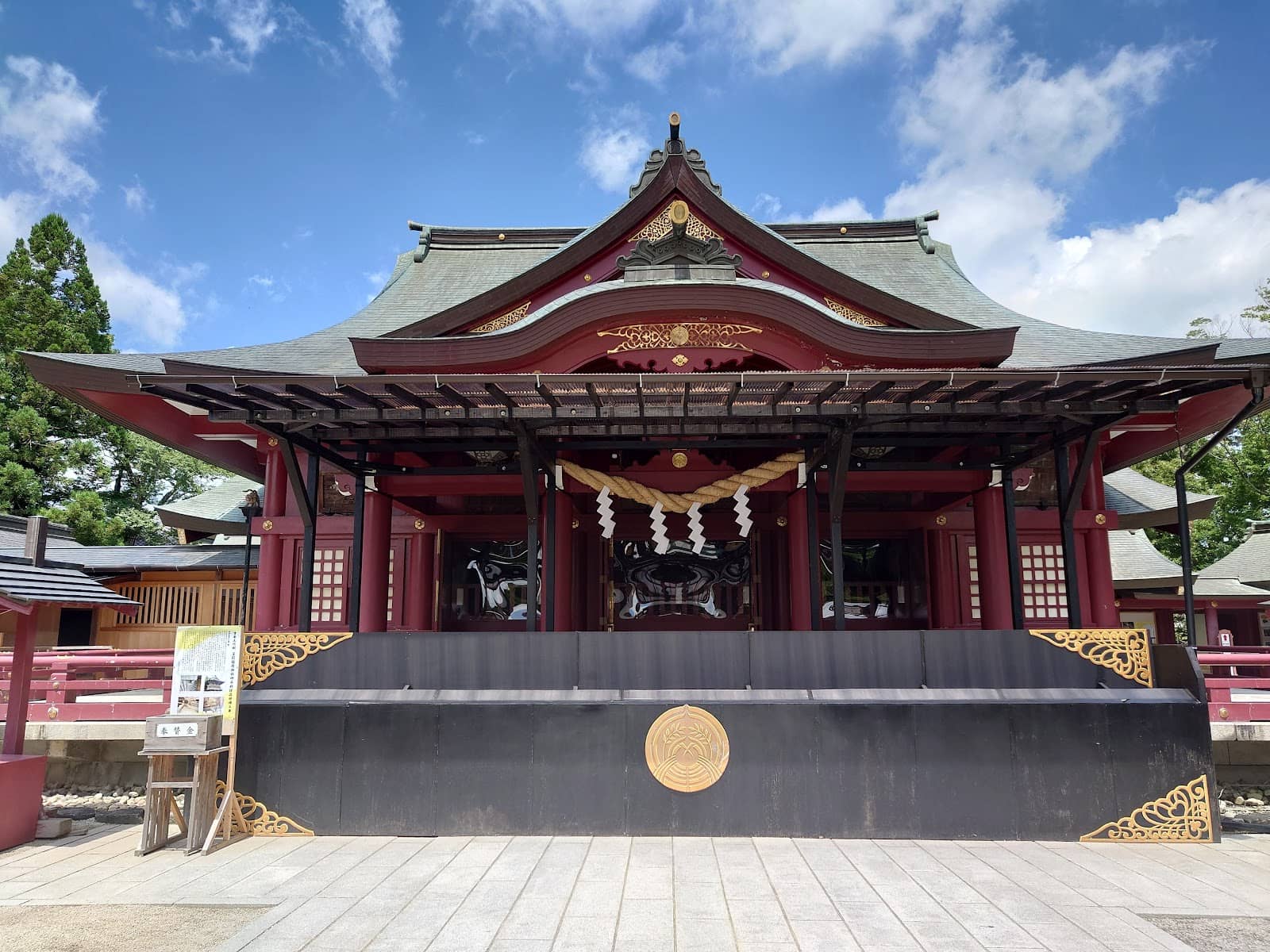
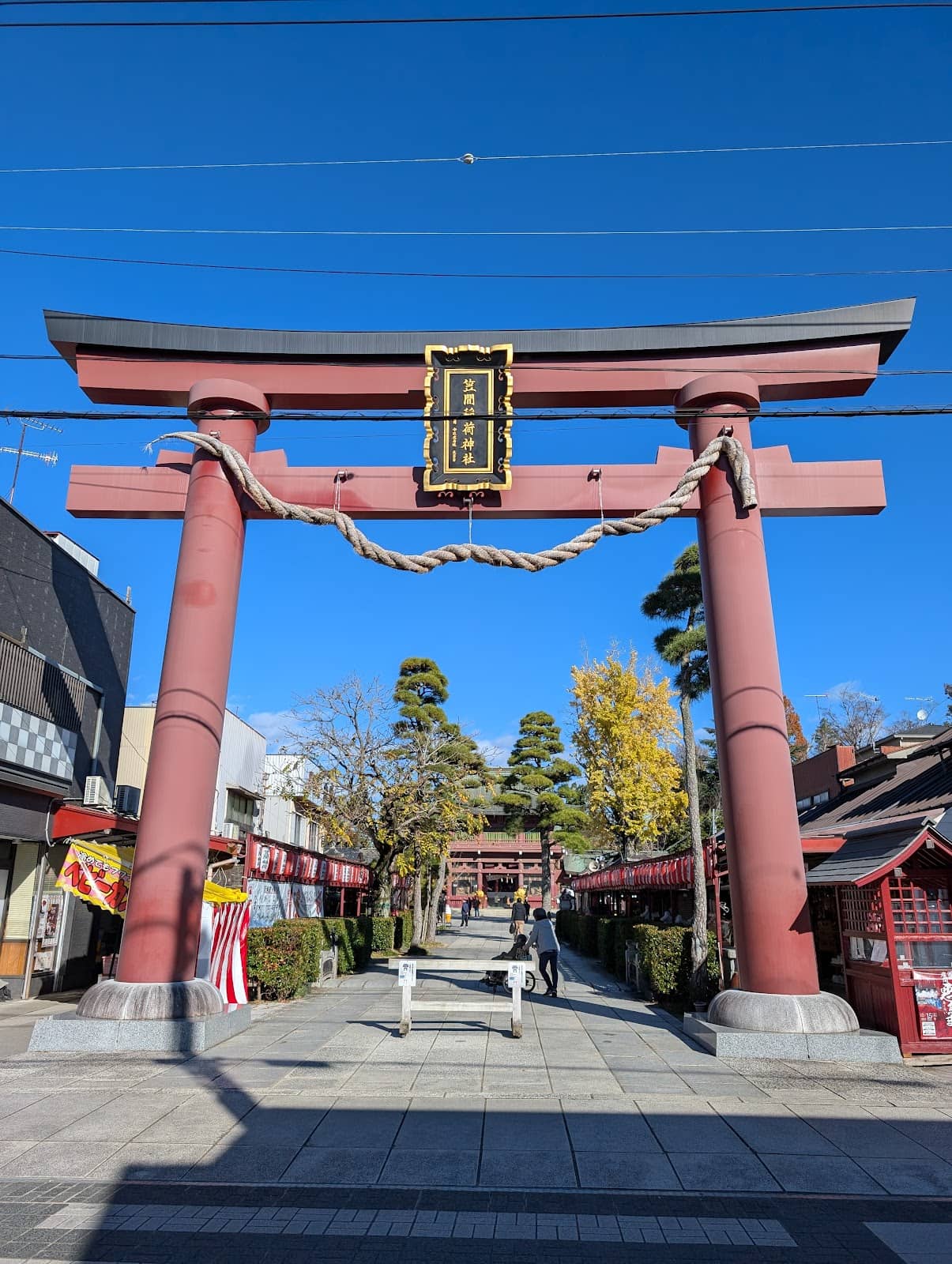
The main shrine buildings, the ancient wisteria trees, and the vibrant chrysanthemum displays offer fantastic photo opportunities. The approach with the colorful umbrellas and the torii gates are also popular.
Photography is generally allowed on the shrine grounds for personal use. However, be respectful of worshippers and avoid intrusive photography, especially during ceremonies.
Early morning or late afternoon offers softer light and fewer crowds, making it ideal for photography. Golden hour can be particularly magical.
Drone usage is typically restricted at religious sites like shrines to ensure peace and respect. It's best to avoid flying drones here.
A versatile lens like a 24-70mm is great for capturing both wide shots of the shrine and details. A wide-angle lens is useful for the impressive architecture and umbrella displays.
🍽️ 🍽️ Food & Dining
You'll find numerous small restaurants and souvenir shops around the shrine offering Japanese street food, soba noodles, and local specialties like Inari sushi.
Yes, Inari sushi is a local specialty and is widely available from food stalls and restaurants near the shrine.
Sweet sake soft serve ice cream is a popular and delicious treat mentioned by visitors.
Kasama town offers a variety of dining experiences, from casual eateries serving local dishes to more traditional restaurants. Exploring the pottery town can lead to charming culinary discoveries.
While specific options may vary, many Japanese eateries offer vegetable-based dishes. It's advisable to inquire about ingredients when ordering.


Social
from TikTok, Instagram & Reddit