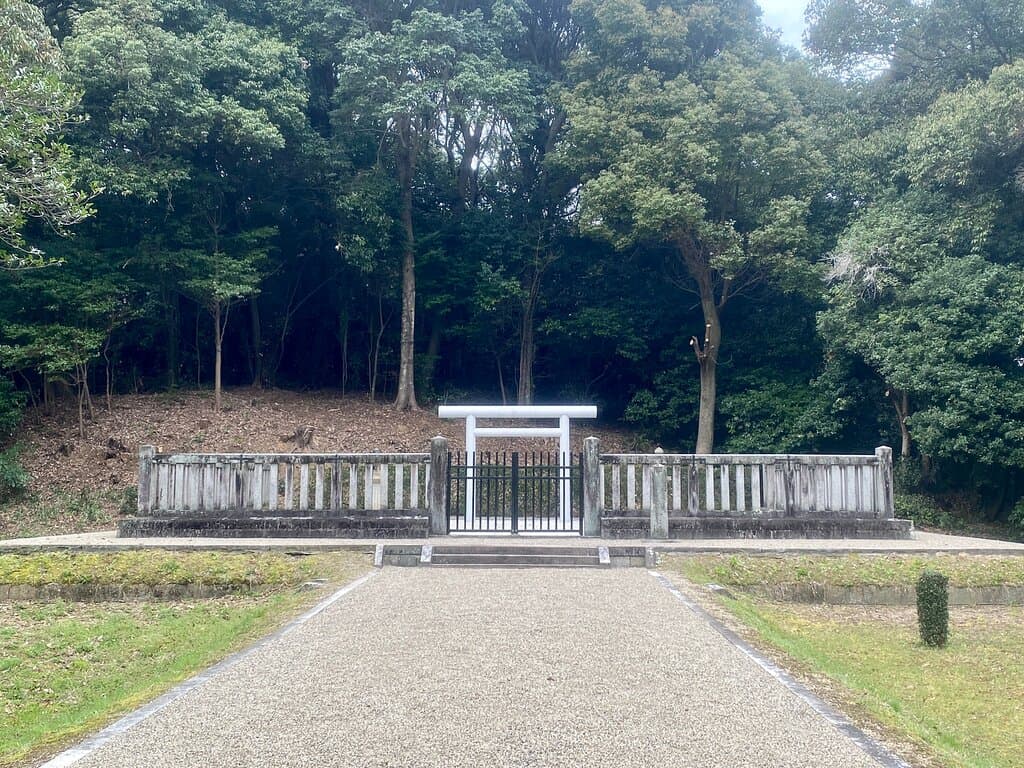
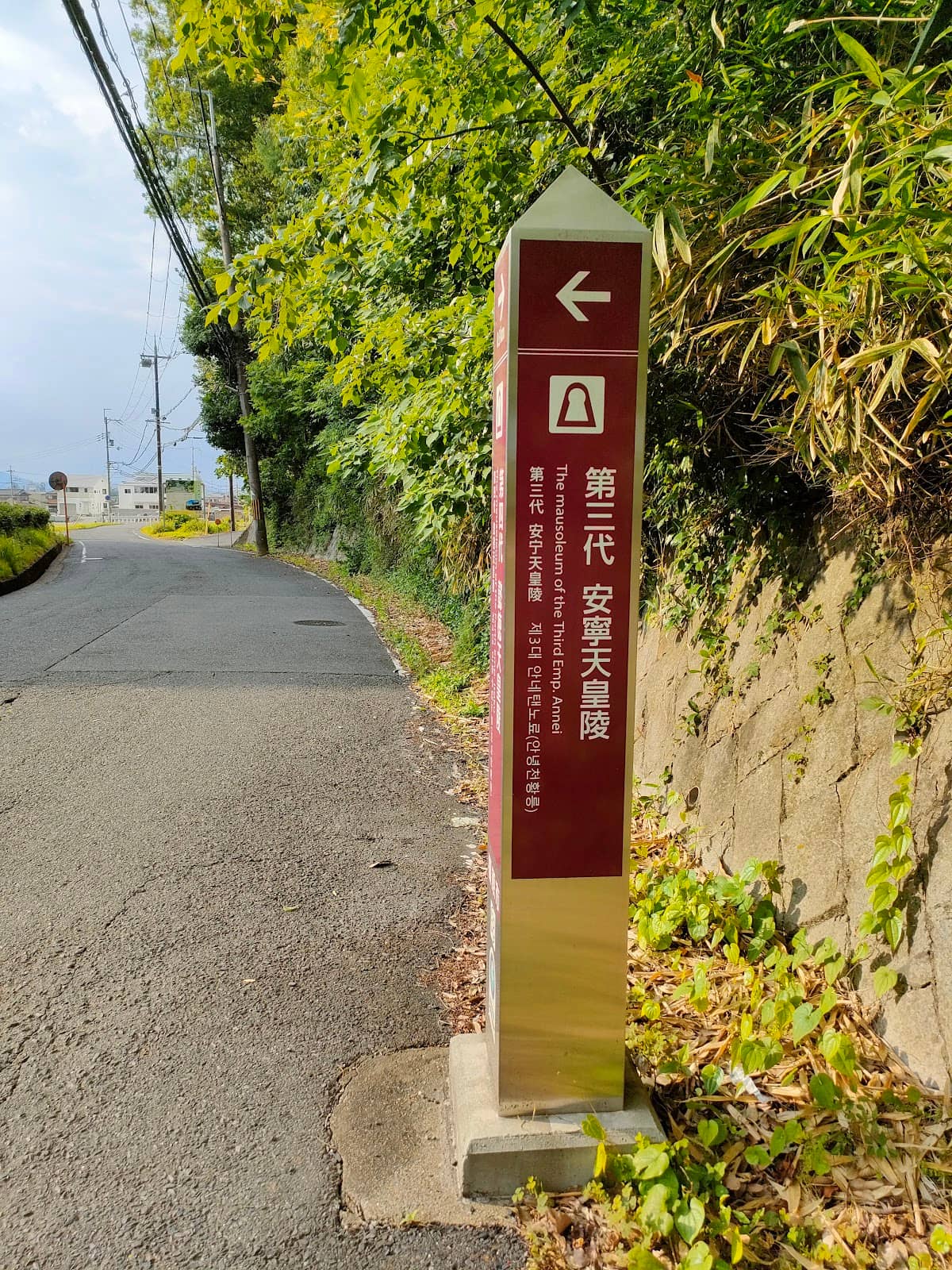
Emperor Annei Mausoleum
A historically significant Yamagata-style tomb mound and serene shrine, offering a glimpse into Japan's ancient imperial past.
Highlights
Must-see attractions

Social
From TikTok & Reddit
Best Time
Pleasant weather, fewer mosquitoes
Emperor Annei Mausoleum
Best Time
Pleasant weather, fewer mosquitoes
Highlights
Must-see attractions
A historically significant Yamagata-style tomb mound and serene shrine, offering a glimpse into Japan's ancient imperial past.
"A well-maintained historical site with a serene shrine, though be prepared for mosquitoes!"
🦟 Mosquito Repellent is Essential
The lush, elevated area is prone to mosquitoes, especially during the rainy season. Bring strong repellent for a comfortable visit.
👟 Comfortable Walking Shoes
The site involves walking around the tomb mound and the mountain foot. Wear comfortable shoes for exploring the grounds.
Quick Facts
Hours
Rating
3.9 · 29 reviews
Type
Historical Landmark
Highlights
Discover the most iconic attractions and experiences
Emperor Annei's Tomb Mound
Southwest of Mount Unebi
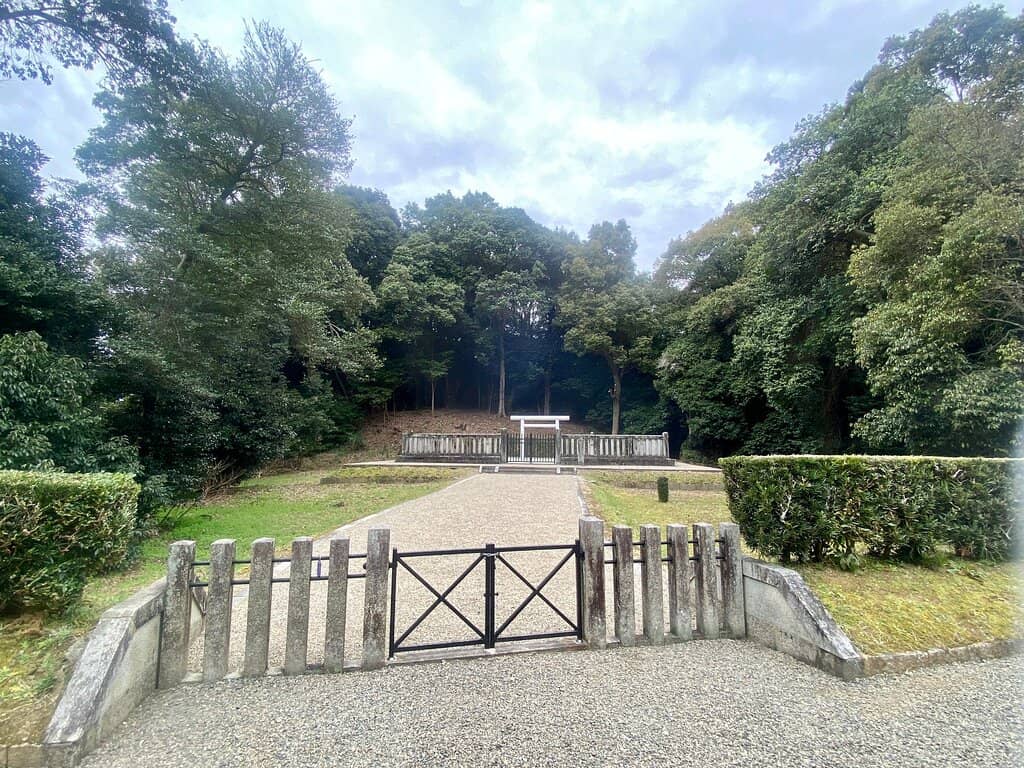
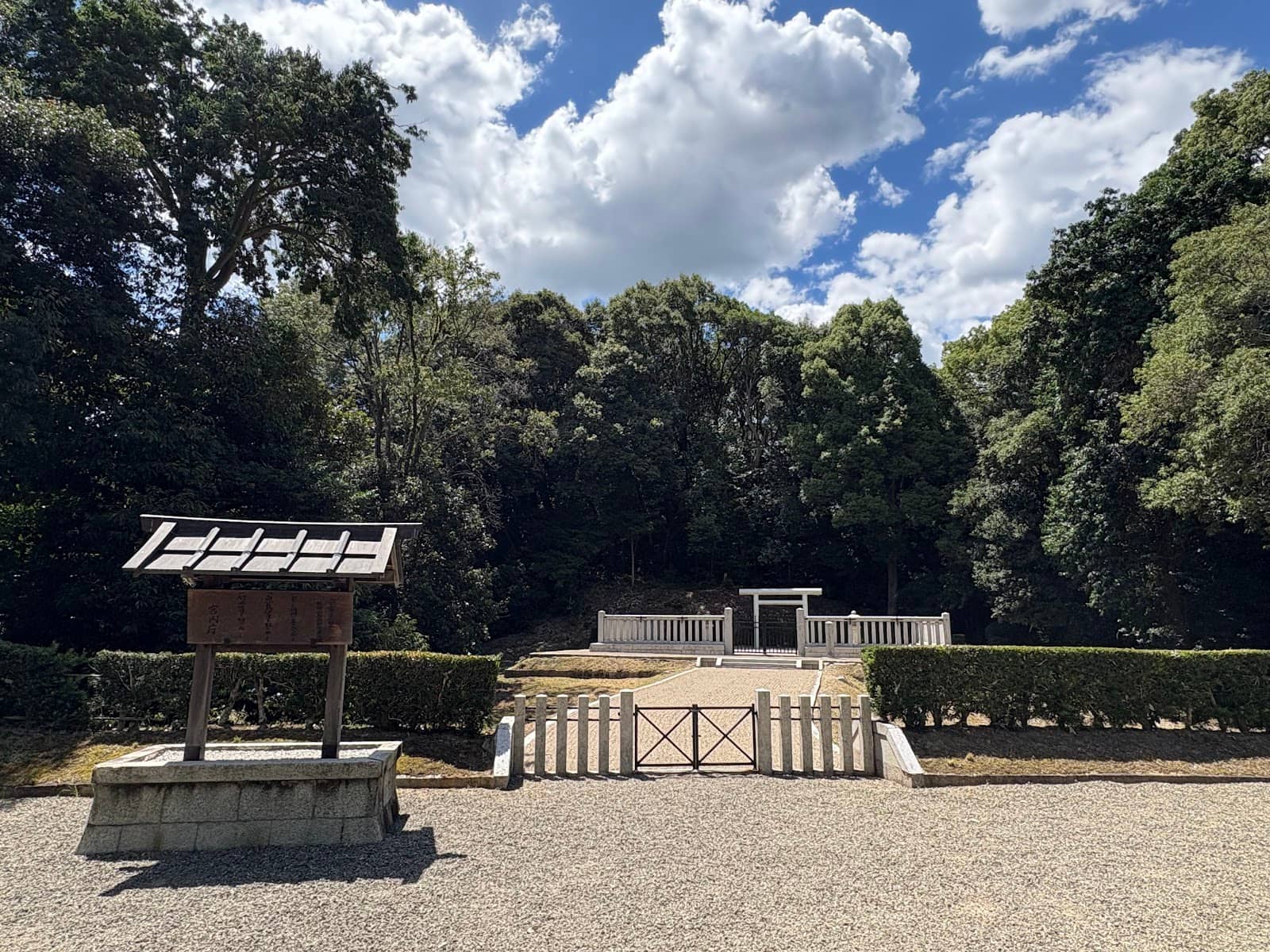
A well-maintained Yamagata-style tomb mound, believed to be the resting place of Emperor Annei. A unique sight with historical significance.
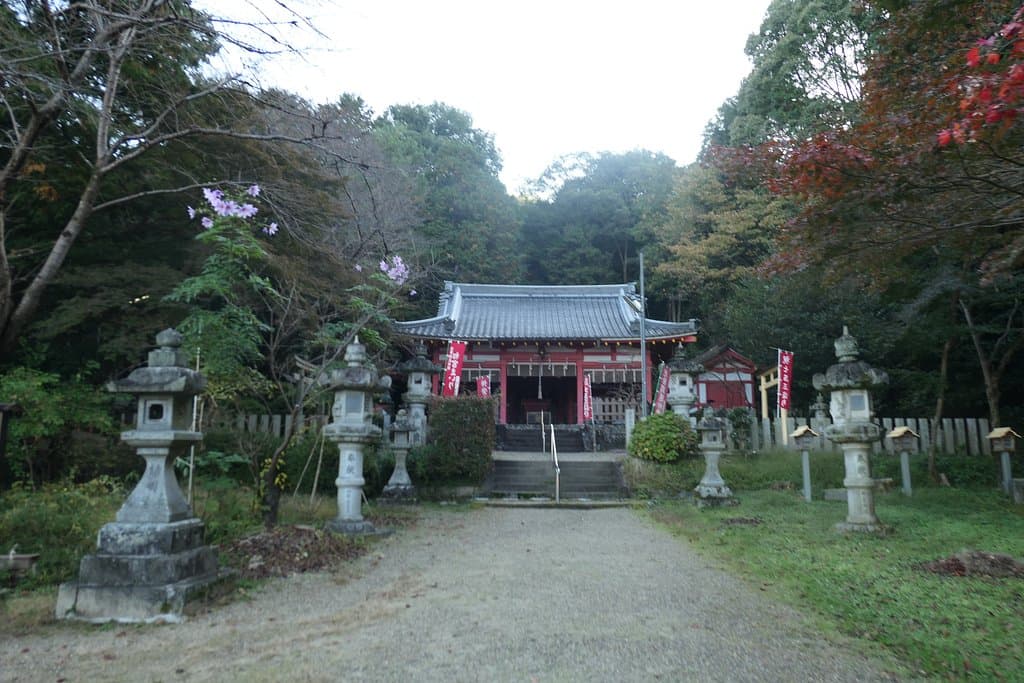
Annei Tenno Shrine
On the mountainside
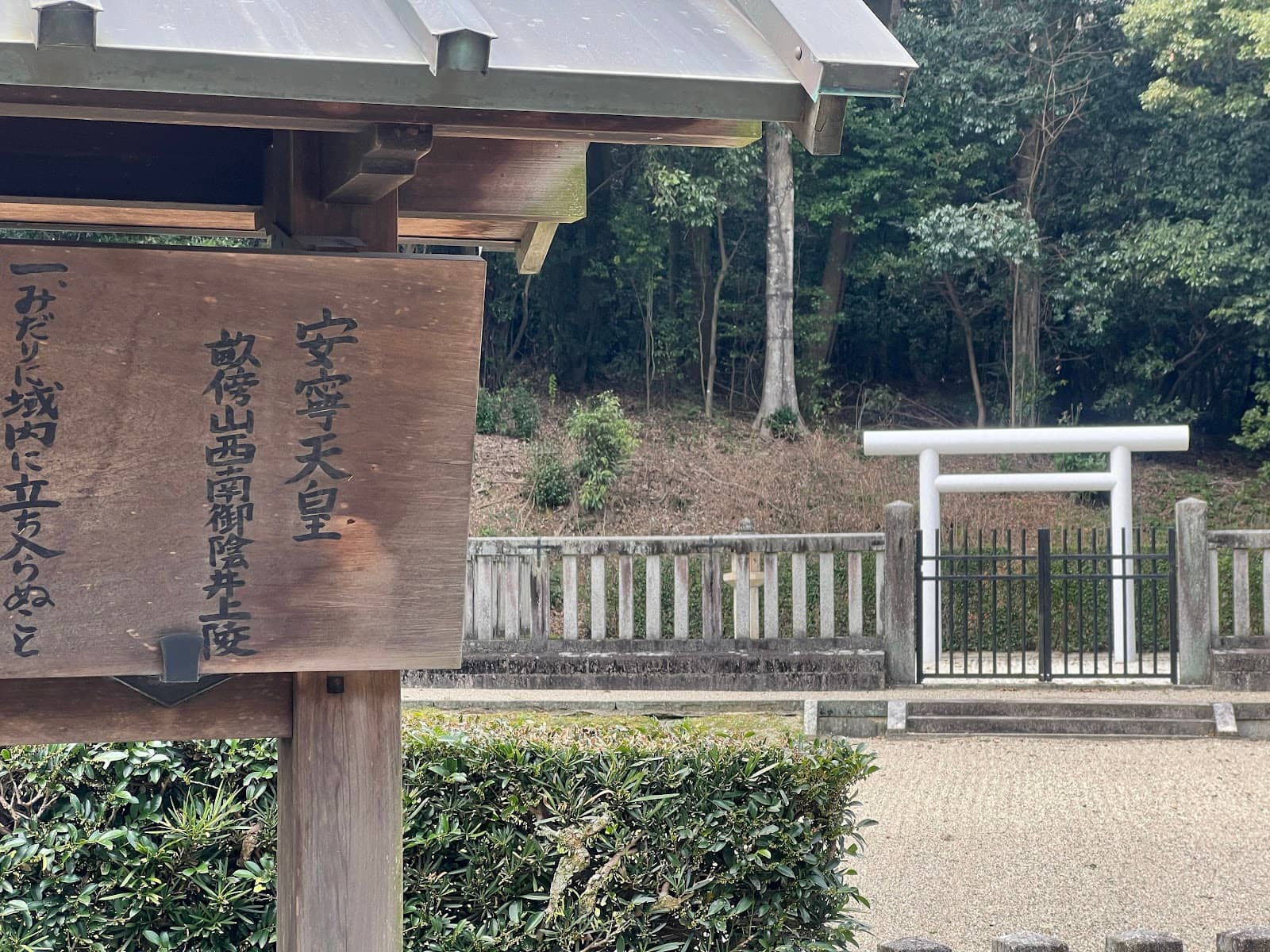
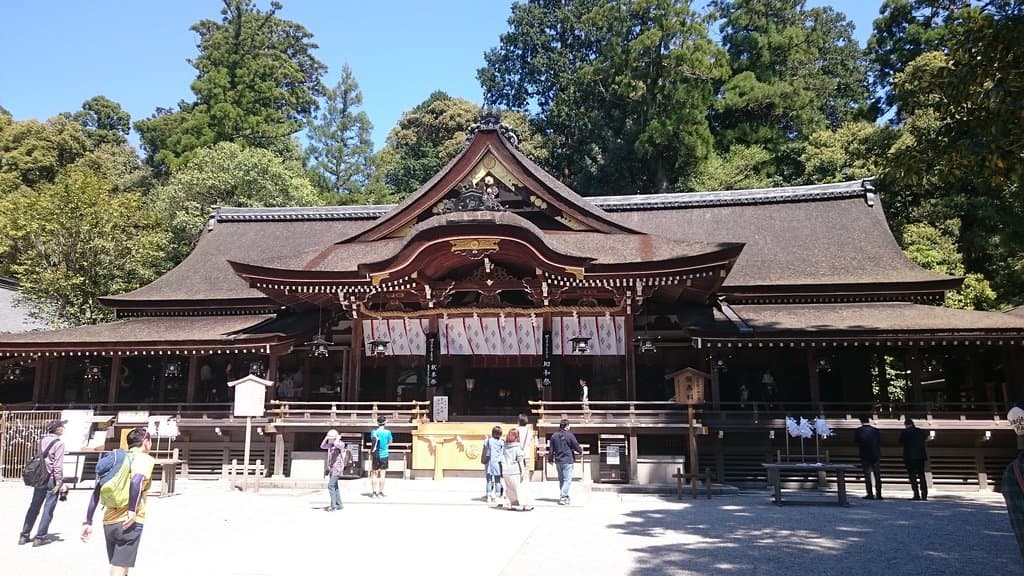
A small, serene shrine located near the tomb. Offers a peaceful spot for reflection amidst the natural surroundings.
Unebi Mountain Foot
Western foot of Mt. Unebi
The area where the tombs of the first to fourth generations are lined up. A pleasant walk offering scenic views and historical context.
Plans like a pro.
Thinks like you
Planning Your Visit
Timing is Key for Mosquito Avoidance
Understanding the Historical Context
Best Times
Insider Tips
from TikTok, Instagram & Reddit
🦟 Mosquito Repellent is Essential
The lush, elevated area is prone to mosquitoes, especially during the rainy season. Bring strong repellent for a comfortable visit.
👟 Comfortable Walking Shoes
The site involves walking around the tomb mound and the mountain foot. Wear comfortable shoes for exploring the grounds.
🤔 Appreciate the History
The tomb's designation has a complex history. Researching its background can enhance your appreciation of the site.
📸 Observe the Torii Gate
Notice the unusual placement of the torii gate relative to the tomb mound; it's a curious detail for photographers.
Tips
from all over the internet
🦟 Mosquito Repellent is Essential
The lush, elevated area is prone to mosquitoes, especially during the rainy season. Bring strong repellent for a comfortable visit.
👟 Comfortable Walking Shoes
The site involves walking around the tomb mound and the mountain foot. Wear comfortable shoes for exploring the grounds.
🤔 Appreciate the History
The tomb's designation has a complex history. Researching its background can enhance your appreciation of the site.
📸 Observe the Torii Gate
Notice the unusual placement of the torii gate relative to the tomb mound; it's a curious detail for photographers.
What Travellers Say
Reviews Summary
Visitors find Emperor Annei Mausoleum to be a well-maintained historical site with a serene shrine. The main draw is the tomb mound and the historical context, though its exact authenticity is debated. The natural setting is pleasant, but be prepared for mosquitoes, especially during certain seasons.
"During the Genroku tomb survey in 1697, this site was designated as the tomb of the third Emperor Annei, and the shrine on the mountain was moved to the southeast to become Annei Tenno Shrine (a small shrine was apparently also located at the original shrine). According to local residents in the past, the mountain was called "Hanakakeyama" and the current shrine site was called "Aneyama". Today, the old Hanakakeyama is called "Aneyama" and the old Aneiyama is called "Managoyama". Less than 40 years after the Genroku tomb survey, the current shrine site was changed to the tomb site. Since it was originally a site recommended by local residents, it is unclear whether it is official or unofficial, but it was until the Bunkyu tomb restoration (repaired in 1864) that it was changed to its current location. It seems that was the case.
The key factor in determining the tomb's construction is the well "Hotonoi" located within the village, and the tomb is named Unebiyama no Hitsuji Saru no Mihodo no Inoe no Misasagi. The shape of the tomb is Yamagata.
Oh man, I'm in trouble! I went to Annei Tenno Shrine on a sunny day during the rainy season in June, but I didn't mean that I visited the shrine, but that I was surrounded by mosquitoes🦟🦟🦟😖 It's located in a slightly elevated, lush area, so it might be best to go when there are no mosquitoes...
I made a proper offering and visited the shrine🙏Ah, it's so itchy😅💦"
行雲流水魚の交わり
"The tombs of the first to fourth generations are lined up in a circle at the western foot of Mt. Unebi. It doesn't take long to walk around, so we recommend visiting in spring or autumn."
Yoshitsugu Takagi
"The Inoue Tomb of Emperor Annei, located southwest of Mount Unebi, Yoshida-cho, Kashihara City, Nara Prefecture.
Yamagata. Annei (2), Emperor Isokitsuhiko Tamatekan.
At the western foot of Mount Unebi. A road cuts right through the mountain, where you come across the shrine. Behind it is the Takatori River, and the number of houses is dwindling. Going further in, you can see a bit of the mountainside."
アセダイスケ
What People Like
What People Dislike
Frequently Asked Questions
🚇 🗺️ Getting There
The Emperor Annei Mausoleum is located southwest of Mount Unebi in Kashihara City, Nara Prefecture. It's accessible by car, with parking available nearby. Public transport options might require a bus from Kashihara-Jingumae Station, followed by a walk.
The site is situated in a lush, elevated area. While a road cuts through the mountain, it's advisable to use GPS or a map to navigate to the specific tomb and shrine locations.
The tombs of the first to fourth generations are lined up at the western foot of Mt. Unebi. It's recommended to walk around this area to fully appreciate the historical layout.
🎫 🎫 Tickets & Entry
There are no specific entrance fees mentioned for Emperor Annei Mausoleum itself. It's generally considered an open historical site, though the associated shrine might have its own visitor guidelines.
As an outdoor historical site and shrine, Emperor Annei Mausoleum is likely accessible during daylight hours. It's best to visit during the day for safety and visibility.
Information on admission fees for Annei Tenno Shrine is not readily available. Typically, small local shrines are free to enter, but donations are often appreciated.
🎫 🧭 Onsite Experience
The mausoleum is located in an elevated, lush area. Expect some uneven terrain and potentially steep steps on the prefectural road leading to the site. Comfortable footwear is a must.
Restrooms are mentioned as being visible from the tomb mound, suggesting some basic facilities are available. However, it's wise to confirm availability beforehand if this is a critical need.
This site is designated as the tomb of Emperor Annei, the third emperor of Japan. Its historical designation has evolved over time, with its location and name changing.
Photography is generally permitted at historical sites and shrines. Be respectful of the sacred nature of the shrine and the historical significance of the tomb mound.
📸 📸 Photography
Capture the unique Yamagata-style tomb mound, the serene Annei Tenno Shrine, and the surrounding natural landscape. The unusual torii gate placement also offers an interesting photographic detail.
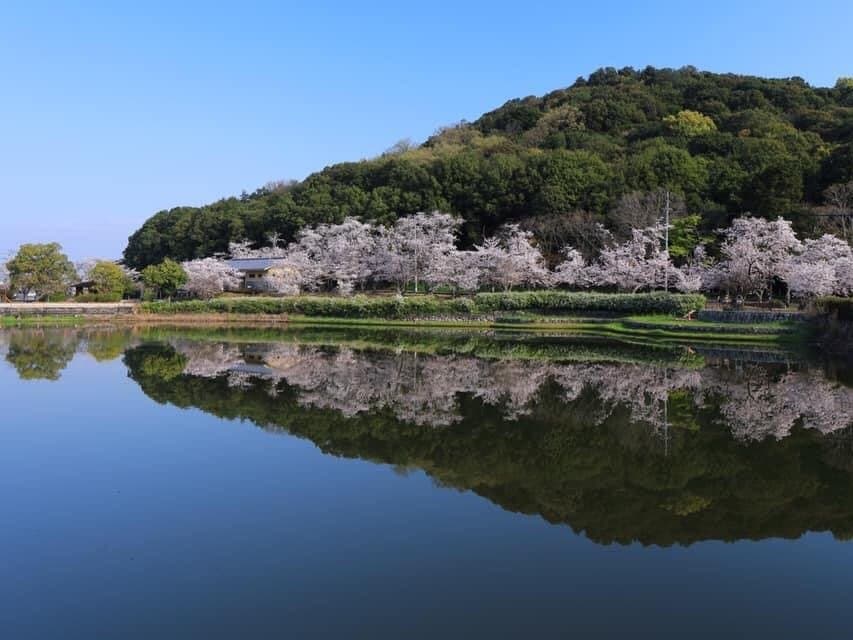
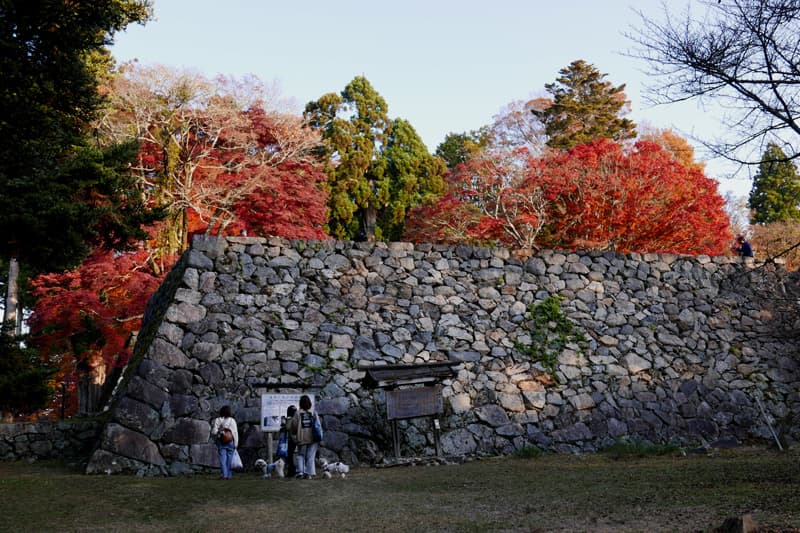
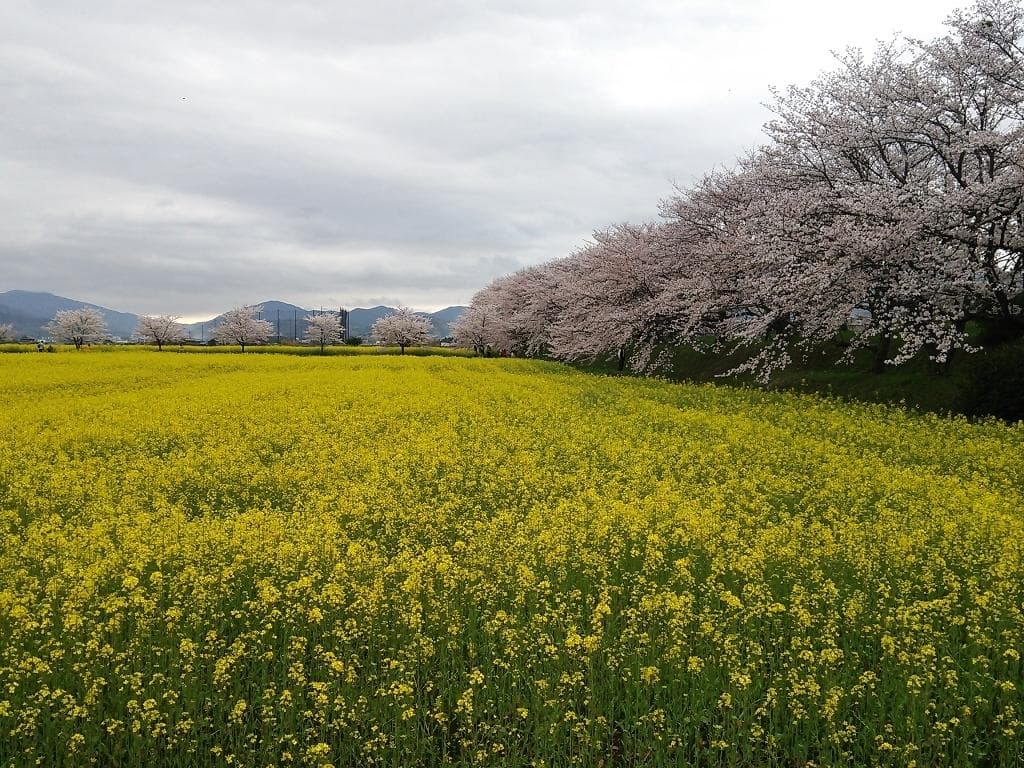
The elevated, lush setting offers potential for landscape photography, especially during spring and autumn when the weather is pleasant and the scenery is vibrant.
Social
from TikTok, Instagram & Reddit