
Kokawa-dera
Historic 8th-century temple, part of the Saikoku 33 pilgrimage, famed for its national scenic rock garden and impressive architecture.
Highlights
Must-see attractions

Social
From TikTok & Reddit
Best Time
Experience serene tranquility
Kokawa-dera
Best Time
Experience serene tranquility
Highlights
Must-see attractions
Historic 8th-century temple, part of the Saikoku 33 pilgrimage, famed for its national scenic rock garden and impressive architecture.
"A beautiful and quiet temple. I didn't expect it to be so big!"

🎯 Ring the Giant Bell
For a truly authentic experience, don't miss ringing the giant bell. [^Reviews]
🌸 Cherry Blossom Viewing
Visit in late March for stunning cherry blossoms, especially the 'Yabuzakura' variety.

Quick Facts
Hours
Rating
4.3 · 1,662 reviews
Type
Place of Worship
Highlights
Discover the most iconic attractions and experiences
Famous Rock Garden
In front of the Main Hall
A meticulously designed stone garden, designated as a national scenic spot, offering a tranquil and contemplative space.
 +1
+1Grand Gate (Important Cultural Property)
Temple Entrance
A wooden three-story gate built in 1706, impressive in its scale and a significant cultural asset of Wakayama Prefecture.

Main Hall (Important Cultural Property)
Central Temple Area
The largest of the Saikoku 33 Kannon pilgrimage temples, rebuilt in 1832, exuding historical grandeur.
+1Plans like a pro.
Thinks like you
Planning Your Visit
Timing Your Visit for Tranquility
Embrace the Journey
Best Times
Insider Tips
from TikTok, Instagram & Reddit
🎯 Ring the Giant Bell
For a truly authentic experience, don't miss ringing the giant bell. [^Reviews]
🌸 Cherry Blossom Viewing
Visit in late March for stunning cherry blossoms, especially the 'Yabuzakura' variety.
🚶♀️ Explore the Grounds
The temple grounds are vast, with numerous halls and a stone-paved path leading to the main hall.
☕ Local Market Events
Check for small-scale markets held at the temple, offering local produce, coffee, and crafts.
Tips
from all over the internet
🎯 Ring the Giant Bell
For a truly authentic experience, don't miss ringing the giant bell. [^Reviews]
🌸 Cherry Blossom Viewing
Visit in late March for stunning cherry blossoms, especially the 'Yabuzakura' variety.
🚶♀️ Explore the Grounds
The temple grounds are vast, with numerous halls and a stone-paved path leading to the main hall.
☕ Local Market Events
Check for small-scale markets held at the temple, offering local produce, coffee, and crafts.
🚽 Toilet Facilities
While beautiful, visitors note that more toilet facilities would be appreciated. [^Reviews]
What Travellers Say
Reviews Summary
Visitors praise Kokawa-dera for its unexpected size and beauty, particularly its famous rock garden and tranquil atmosphere. The historical architecture, including the Grand Gate and Main Hall, is a significant draw. Some guests noted a desire for more restroom facilities.
"The main building is bigger and more beautiful than I’ve expected. It will be appreciated if there are more toilets there."
旅ときどきコンサルタントそして猫
"A beautiful and quiet temple. I didn't expect it to be so big! There are two places to eat, and a gift shop selling local fruits and other foods."
Jocy Cooke
"No. 3 temple on the Saikoku 33 pilgrimage. Famous rock garden."
Richard H
What People Like
What People Dislike
Frequently Asked Questions
🚇 🗺️ Getting There
Kokawa-dera Temple is located in Kinokawa City, Wakayama Prefecture. You can reach it by train to JR Kokawa Station, followed by a 10-minute walk. If driving, take the Kyoto-Hanshin Expressway to the Kinokawa Higashi IC.
Yes, driving is an option. The nearest exit from the expressway is Kinokawa Higashi IC. Parking information is not explicitly detailed but is generally available at such sites.
From major cities like Osaka, you can take a train to Wakayama and then transfer to the JR Kokawa Line. The journey might take a couple of hours, so plan accordingly.
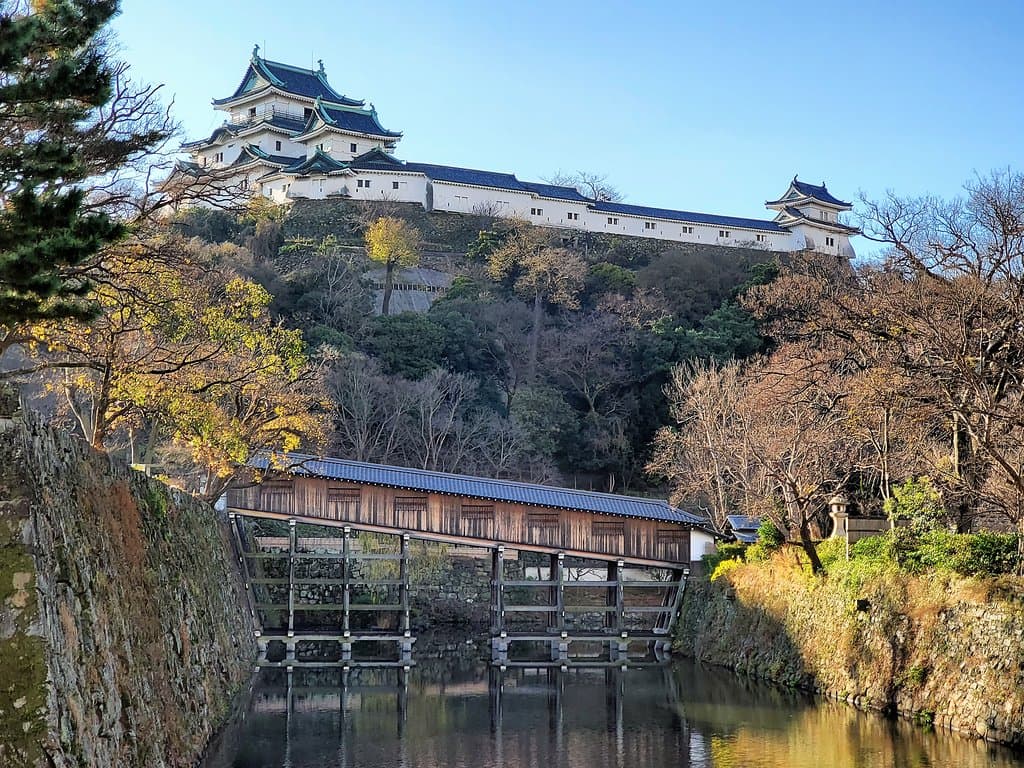
Yes, other notable spots in Wakayama Prefecture include Kimii-dera Temple, Wakayama Castle, and Marutaka Inari Shrine, making it possible to plan a day trip.
The distance is approximately 450 km, which can be covered by car in about 4-5 hours, depending on traffic.
🎫 🎫 Tickets & Entry
Information regarding entrance fees is not explicitly stated in the provided content. However, many temples in Japan are free to enter the grounds, with fees for specific buildings or treasures.
Specific opening hours are not detailed, but the temple is generally open during daylight hours for visitors to explore the grounds. Special events might have specific timings.
Yes, Kokawa-dera Temple can be visited year-round. Different seasons offer unique beauty, from cherry blossoms in spring to a peaceful atmosphere in winter.
While specific tour bookings are not mentioned, the temple is part of the Saikoku 33 Kannon pilgrimage, suggesting it's a well-established destination for visitors.
Yes, small-scale markets like the 'Kokawa Nagomaru Marche' are sometimes held, offering local goods and food.
📸 📸 Photography
The famous rock garden, the Grand Gate, and the Main Hall are prime photography locations. The stone-paved path leading to the main hall, lined with trees, also offers beautiful shots, especially during cherry blossom season.
Photography rules can vary within temple complexes. It's advisable to look for signage or ask temple staff before taking photos inside the main halls or treasure houses.
Early mornings or late afternoons can offer softer light and fewer crowds, enhancing the photographic experience. Golden hour can be particularly beautiful.
Absolutely! Spring brings cherry blossoms, making the temple grounds incredibly picturesque. Autumn foliage also offers stunning visual opportunities.
A versatile lens, such as a 24-70mm, would be useful for capturing both wide-angle shots of the grounds and details of the architecture. A tripod might be helpful for low-light conditions, but check temple regulations.
🍽️ 🍽️ Food & Dining
Yes, there are reported to be two places to eat within the temple grounds, and a gift shop selling local fruits and other food items. [^Reviews]
The gift shop often sells local fruits and other food items. During market events, you might find local delicacies and homemade goods.
While specific restaurants are not detailed, the area around Kinokawa Station might offer local eateries. It's recommended to check local listings or ask at the temple for nearby dining options.
Picnicking is generally acceptable in designated areas of temple grounds, but it's always good practice to be respectful and clean up after yourself. [^Reviews]
Specific dietary options are not mentioned. If you have dietary restrictions, it's best to inquire at the dining facilities or bring your own food.

Social
from TikTok, Instagram & Reddit