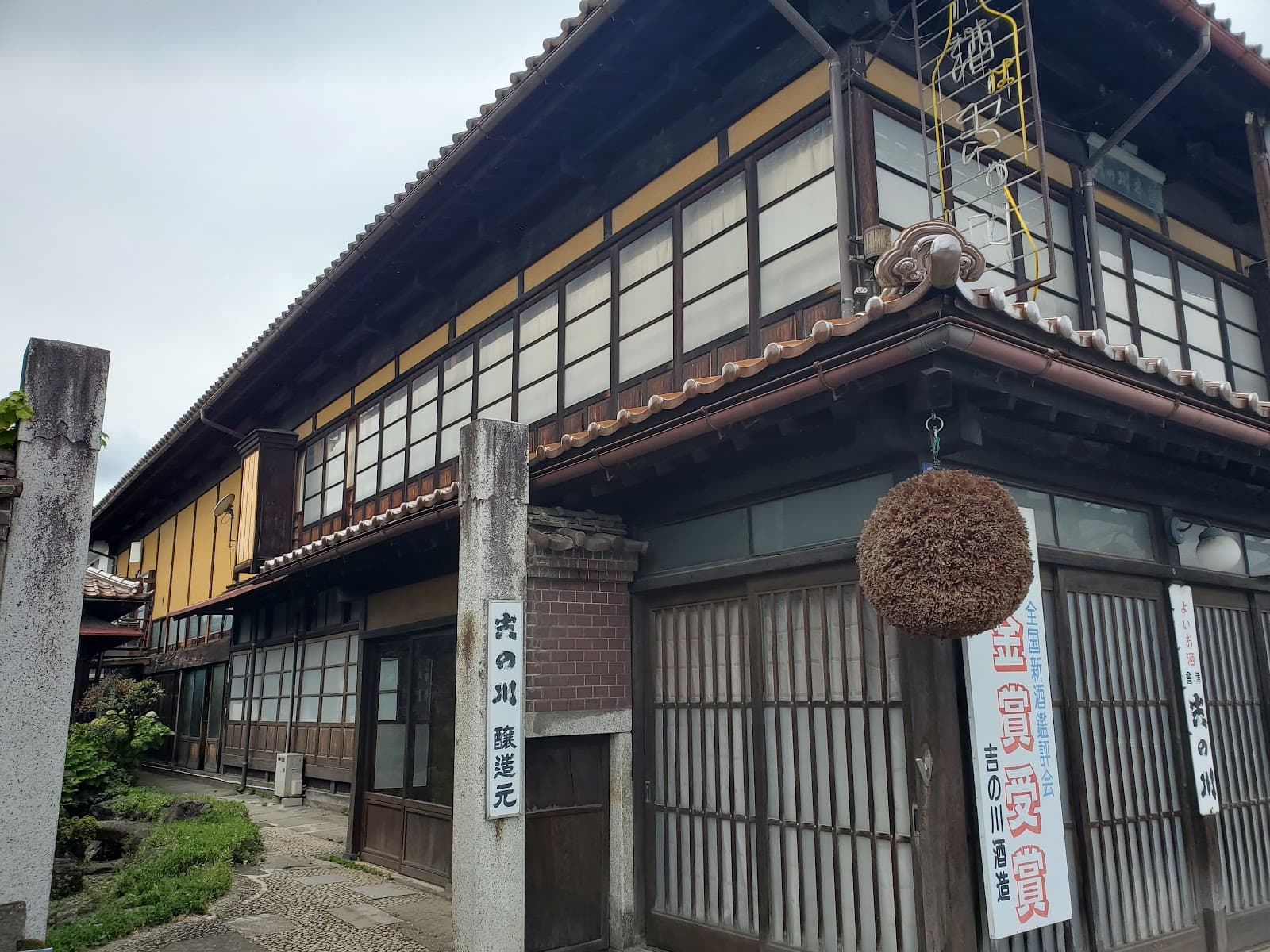
Kitakata Warehouse District
A historic town renowned for its unique soy sauce ramen and beautifully preserved Edo-period warehouse district.
Highlights
Must-see attractions

Social
From TikTok & Reddit
Best Time
Fewer crowds, more authentic feel
Kitakata Warehouse District
Best Time
Fewer crowds, more authentic feel
Highlights
Must-see attractions
A historic town renowned for its unique soy sauce ramen and beautifully preserved Edo-period warehouse district.
🍜 Ramen Shop Hopping
Try multiple ramen shops to compare flavors; many are within walking distance.
🚶♂️ Explore on Foot
The warehouse district is best explored by walking to appreciate the architecture. :athletic_shoe:
Quick Facts
Address
Highlights
Discover the most iconic attractions and experiences
Kitakata Ramen
Savor the rich, soy-sauce-based broth and thick, chewy noodles that define this regional specialty.
Historic Kura Warehouses
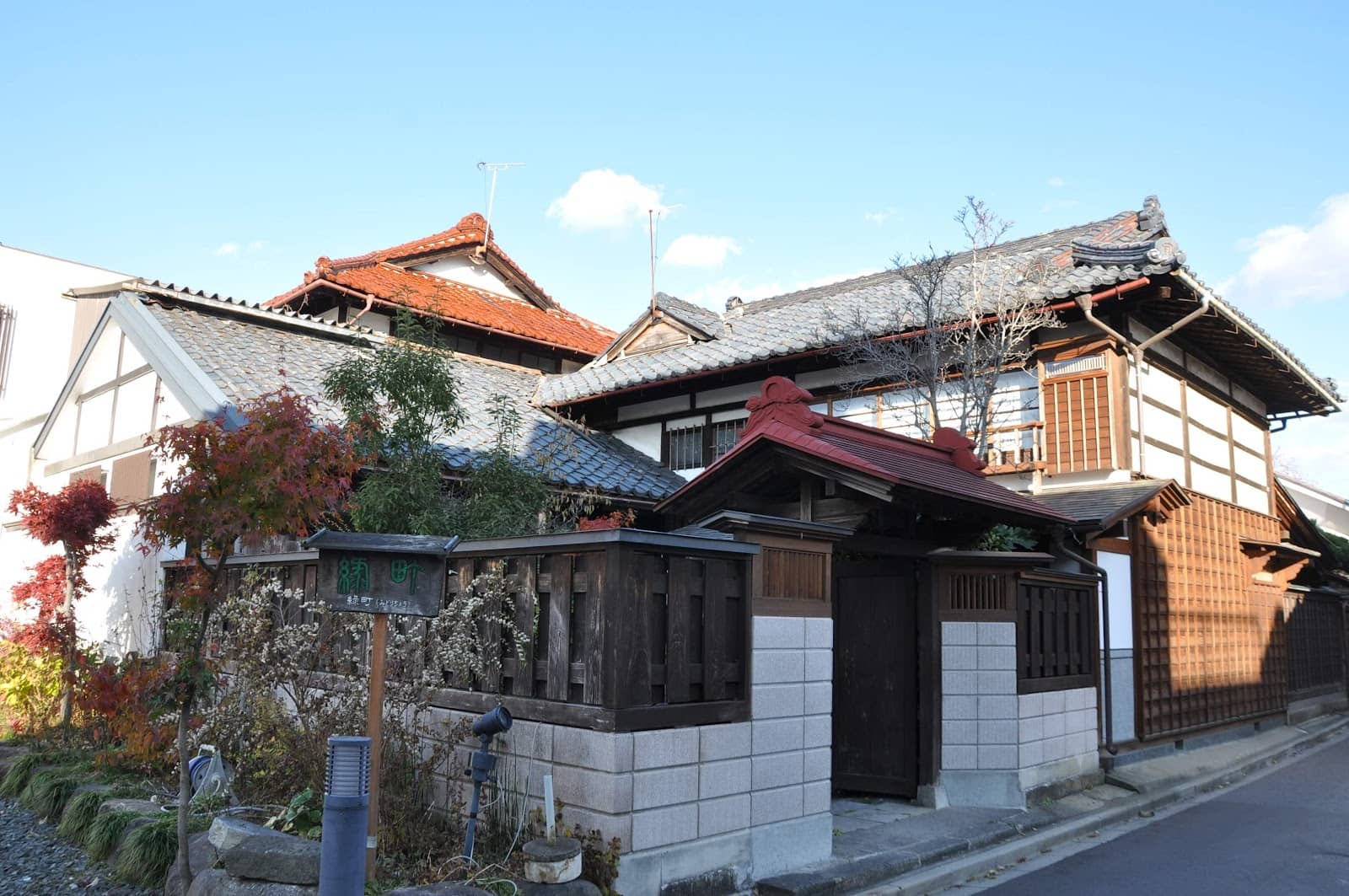
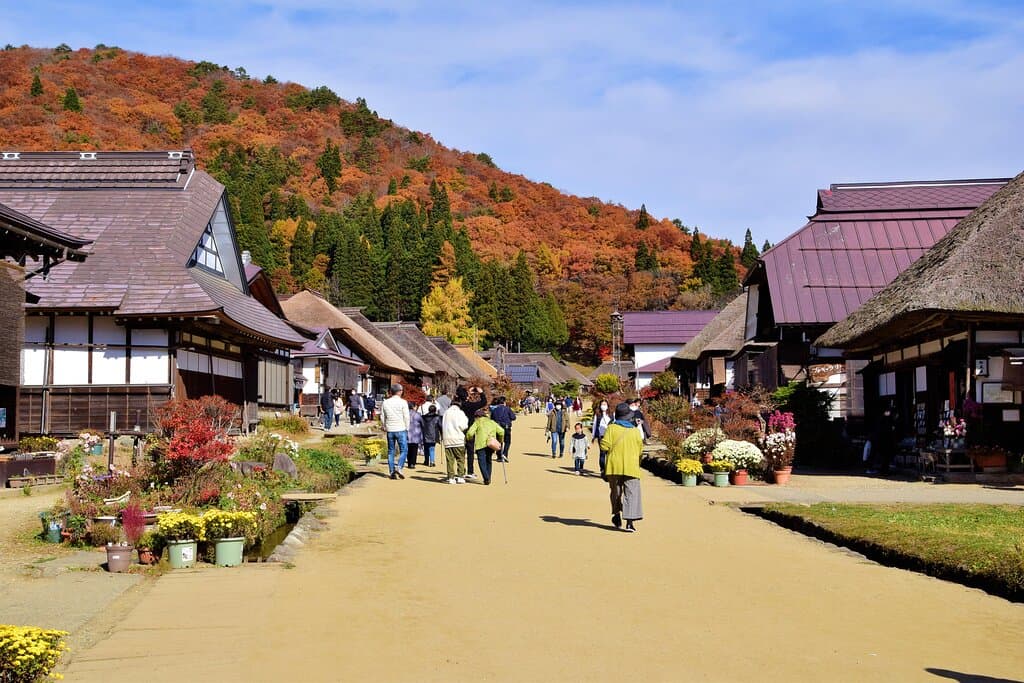
Wander through streets lined with traditional Edo-period storehouses, offering a picturesque glimpse into old Japan.
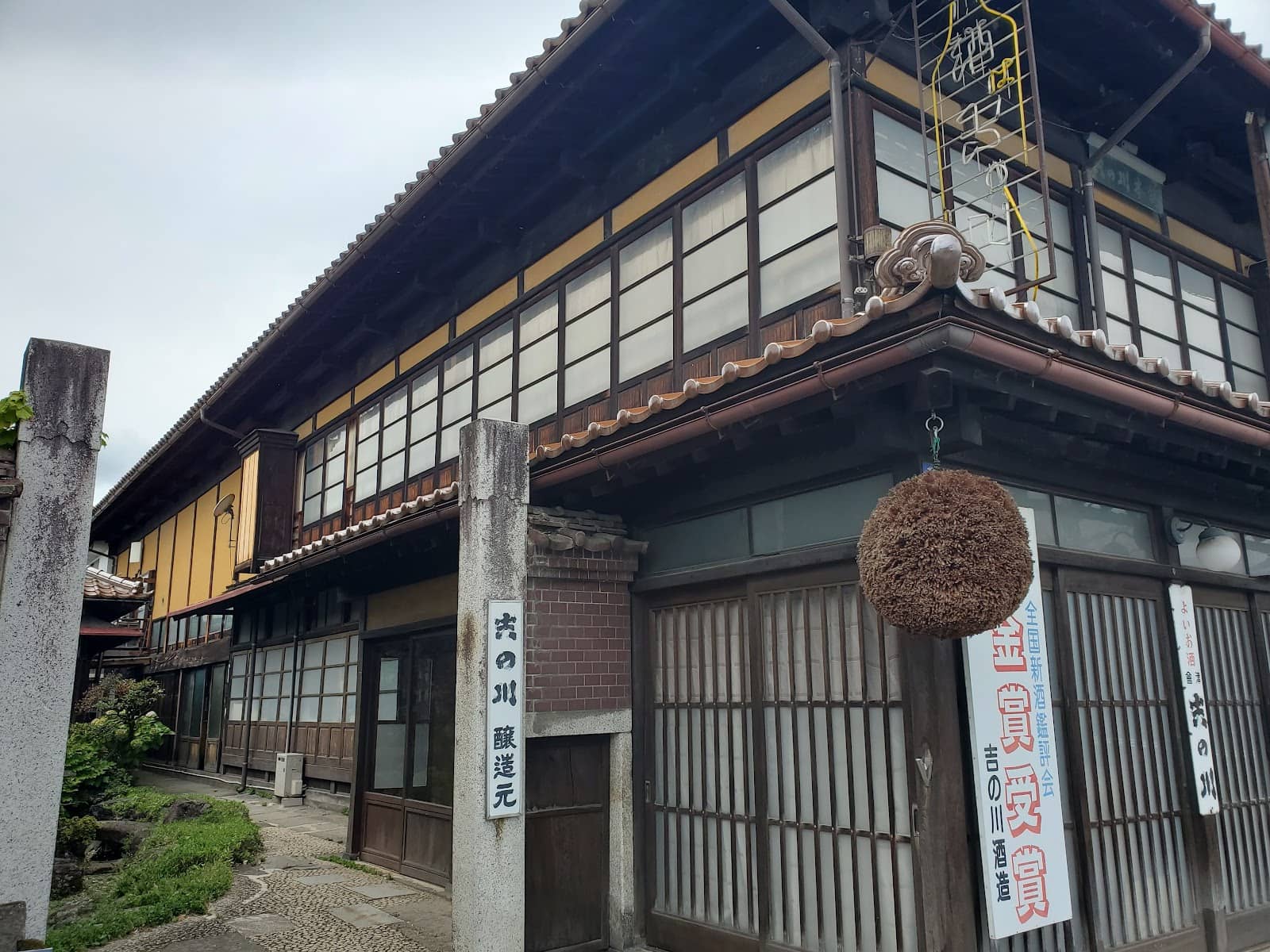
Local Ramen Shops
Experience authentic flavors at beloved local eateries, each with its own unique take on the classic Kitakata ramen.
Plans like a pro.
Thinks like you
Planning Your Visit
Embrace the Ramen Pilgrimage
Explore Beyond the Broth
Best Times
Insider Tips
from TikTok, Instagram & Reddit
🍜 Ramen Shop Hopping
Try multiple ramen shops to compare flavors; many are within walking distance.
🚶♂️ Explore on Foot
The warehouse district is best explored by walking to appreciate the architecture. :athletic_shoe:
A day in Kitakata: Bannai Shokudo, Raimu, Umeya
This last trip I made the effort to go to Kitakata, kind of as a ramen pilgrimage haha. Spent two days there and had a great time. The trip to get there is a pain in the ass, and I missed some shops I wanted to eat at because I lost a train and was stuck in Aizu Wakamatsu for 2…
⏰ Check Shop Hours
Some popular ramen shops have limited hours or are closed on certain days. :clock1:
📸 Capture the Charm
The traditional warehouses offer fantastic photo opportunities. :camerawithflash:
Tips
from all over the internet
🍜 Ramen Shop Hopping
Try multiple ramen shops to compare flavors; many are within walking distance.
🚶♂️ Explore on Foot
The warehouse district is best explored by walking to appreciate the architecture. :athletic_shoe:
⏰ Check Shop Hours
Some popular ramen shops have limited hours or are closed on certain days. :clock1:
📸 Capture the Charm
The traditional warehouses offer fantastic photo opportunities. :camerawithflash:
What Travellers Say
Reviews Summary
Visitors rave about Kitakata's exceptional ramen, often describing it as a 'ramen pilgrimage' worth the journey. The historic warehouse district also garners praise for its charming traditional architecture. While the travel can be a bit involved, the culinary and visual rewards are significant.
What People Like
What People Dislike
Frequently Asked Questions
🚇 🗺️ Getting There
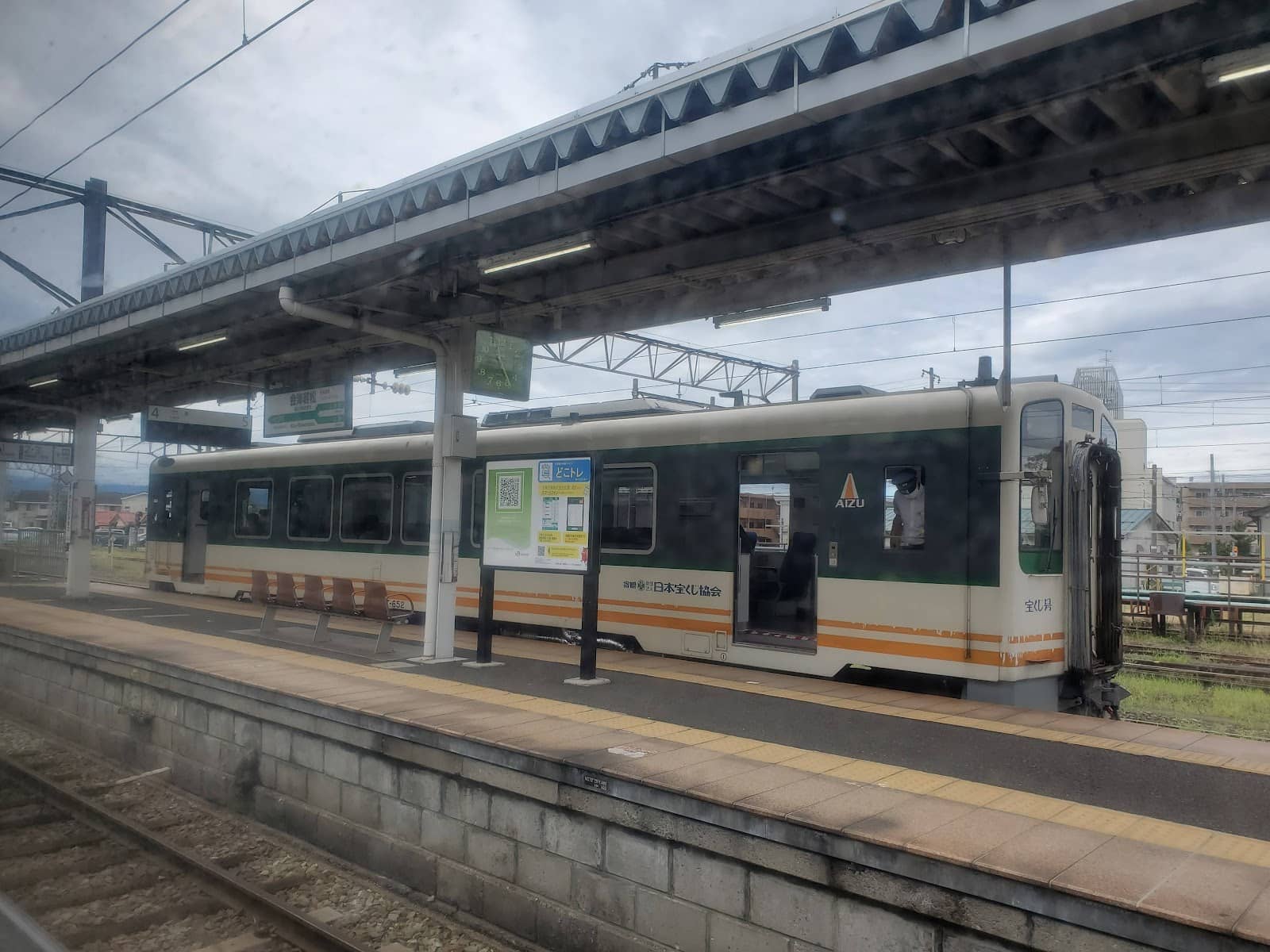
Kitakata is accessible by train, primarily via the JR Ban'etsu West Line. From major cities like Tokyo, you'll likely need to transfer at Koriyama Station. Be prepared for a longer journey, as some travelers have noted it can be a 'pain in the ass' and may involve delays.
Yes, Kitakata is relatively close to Aizu Wakamatsu. However, train schedules can be infrequent, and missing a connection might lead to significant waiting times, as one traveler experienced being stuck in Aizu Wakamatsu for two hours.
The Kitakata Warehouse District is compact and best explored on foot. This allows you to fully appreciate the traditional architecture and easily hop between ramen shops.
🎫 🎫 Tickets & Entry
No, the Kitakata Warehouse District itself is a public area and does not require an entrance ticket. You are free to wander and admire the historic buildings.
There are no admission fees for the ramen shops. You will pay for the ramen you order, with prices typically being very reasonable for the quality and portion size.
Ramen shops in Kitakata often have specific operating hours, and some may close in the afternoon or be closed on certain days of the week. It's highly recommended to check the hours for any specific shop you plan to visit in advance to avoid disappointment.
🍽️ 🍜 Food & Dining
Kitakata is most famous for its distinctive ramen, characterized by a rich, clear soy sauce-based broth and thick, flat, wavy noodles. It's considered one of Japan's top ramen destinations. +1
While 'must-try' is subjective, highly recommended shops include Bannai Shokudo and Raimu. Many visitors make a 'ramen pilgrimage' to experience these iconic establishments.
The unique combination of a light yet flavorful soy sauce broth, often made with pork and dried sardines, and the chewy, hand-cut noodles gives Kitakata ramen its signature taste and texture.
While ramen is the star, you can find other local eateries and shops offering different Japanese dishes. However, the primary culinary draw remains the ramen.
📸 📸 Photography
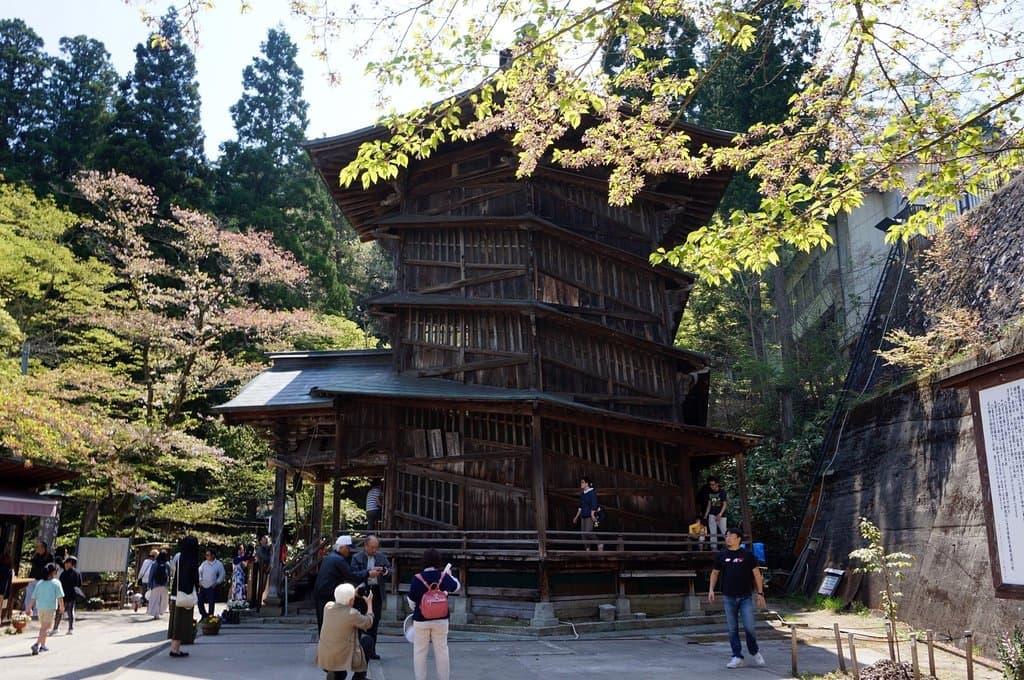
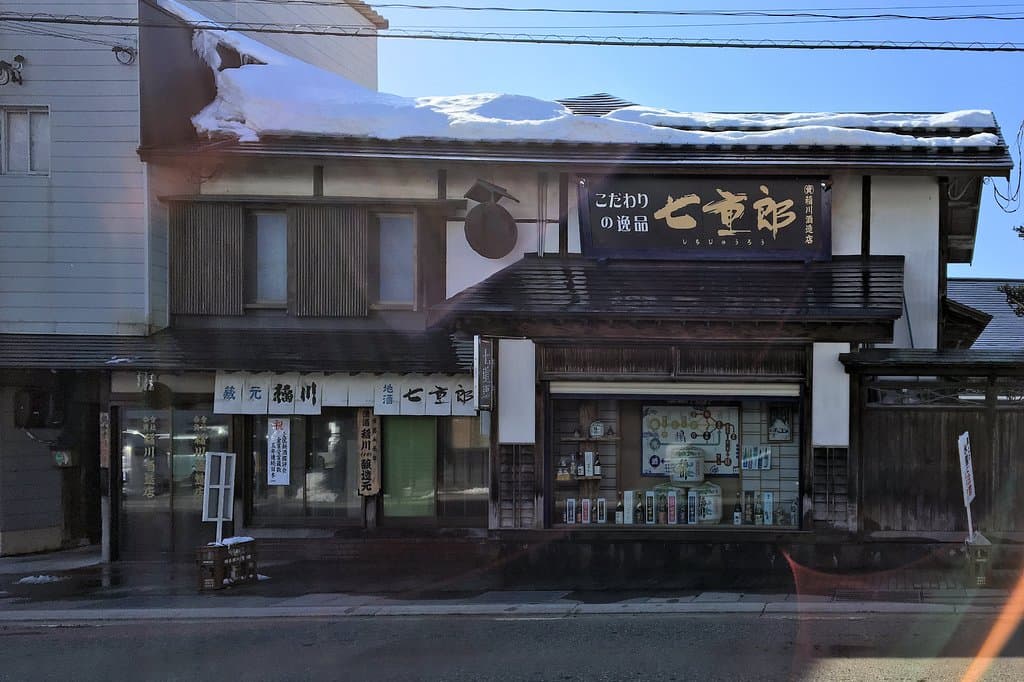
The historic Kura warehouses themselves are incredibly photogenic, offering a glimpse into traditional Japanese architecture. Wander the streets to find charming nooks and atmospheric shots.
Generally, it's acceptable to take photos of your food and the shop's interior, but be mindful of other diners and staff. Avoid intrusive photography.


Social
from TikTok, Instagram & Reddit