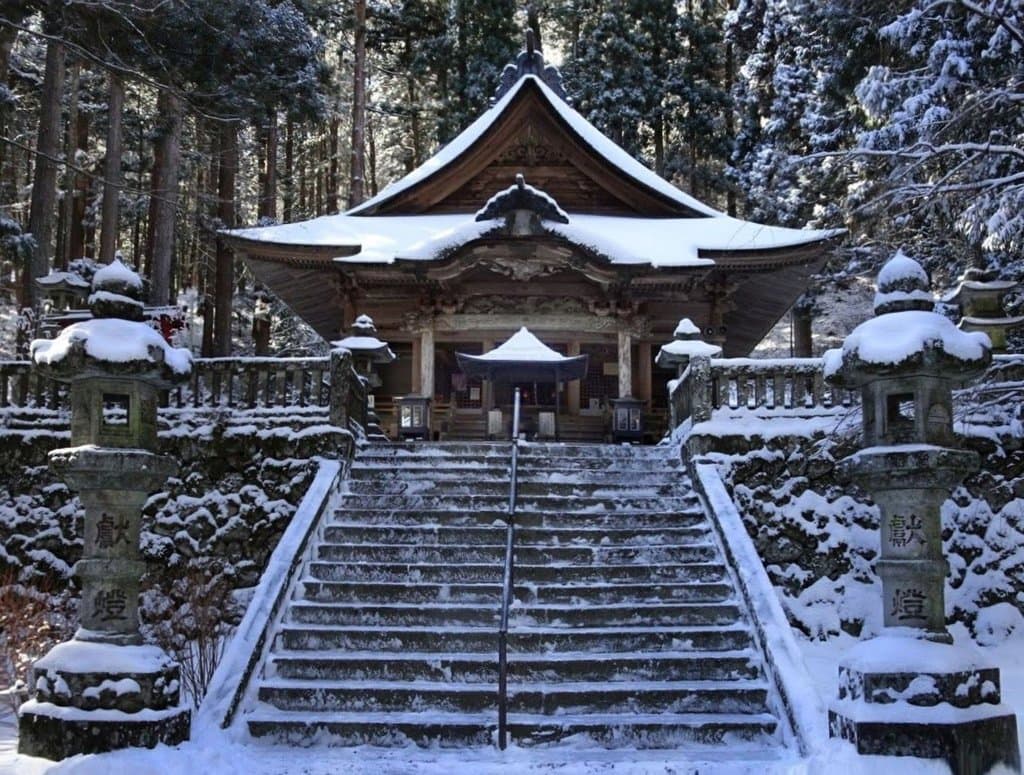
Kozenji Temple
A serene Tendai Buddhist temple in Nagano, famed for its ancient moss gardens, towering cedars, and the legend of Hayataro.
Highlights
Must-see attractions

Social
From TikTok & Reddit
Best Time
Cherry blossom peak bloom
Kozenji Temple
Best Time
Cherry blossom peak bloom
Highlights
Must-see attractions
A serene Tendai Buddhist temple in Nagano, famed for its ancient moss gardens, towering cedars, and the legend of Hayataro.
"Step into a tranquil world of ancient moss gardens and towering cedars at this free, scenic temple."
🎯 Free Admission!
Enjoy the temple's beauty without an entry fee. A great budget-friendly option. :moneywithwings:
🚗 Ample Parking Available
Spacious parking lots are available near the main entrance and a bit further up the road. 🚗
Quick Facts
Hours
Rating
4.4 · 1,562 reviews
Type
Place of Worship
Website
kozenji.or.jpHighlights
Discover the most iconic attractions and experiences
Moss Gardens
Temple Grounds
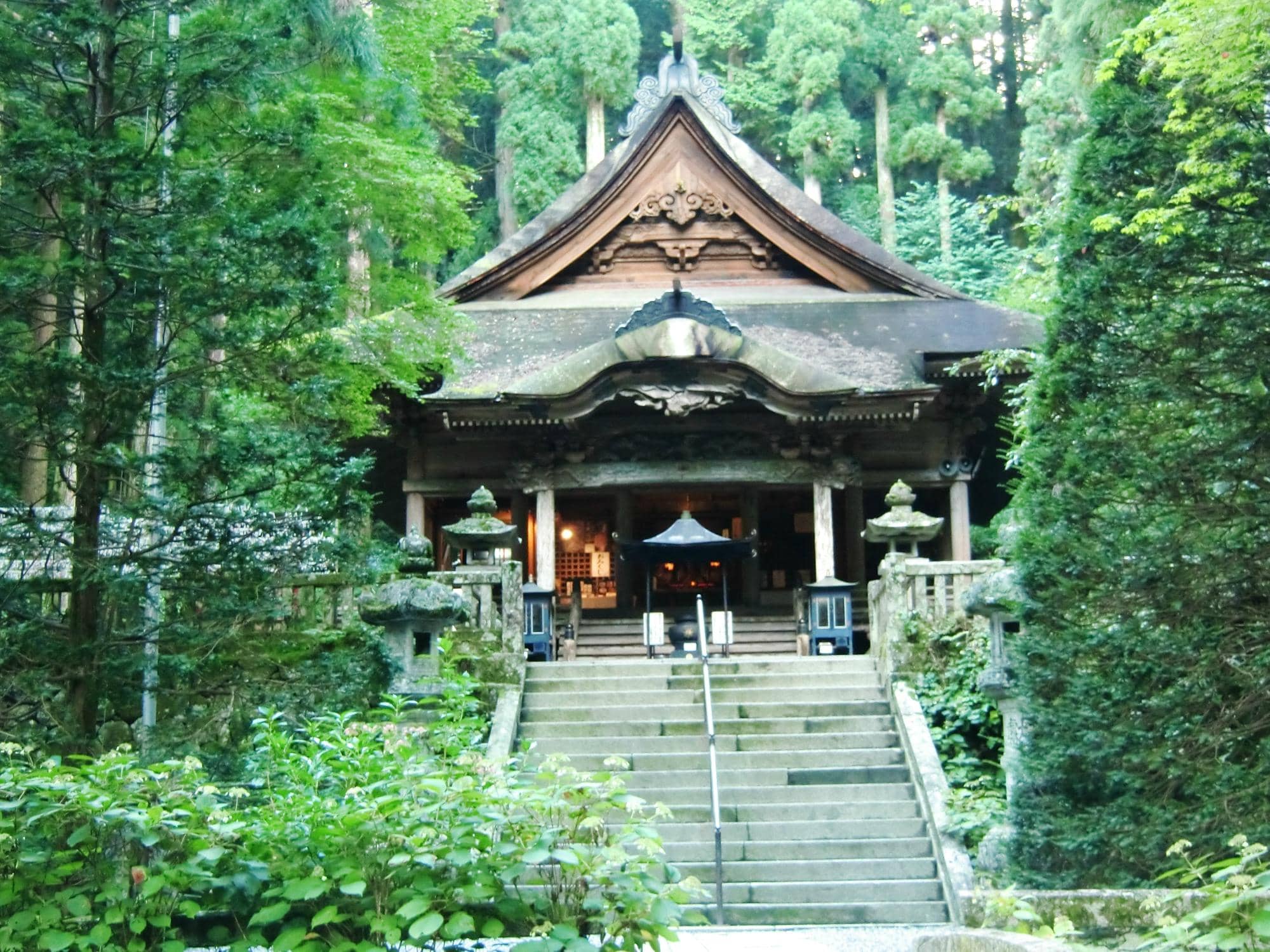
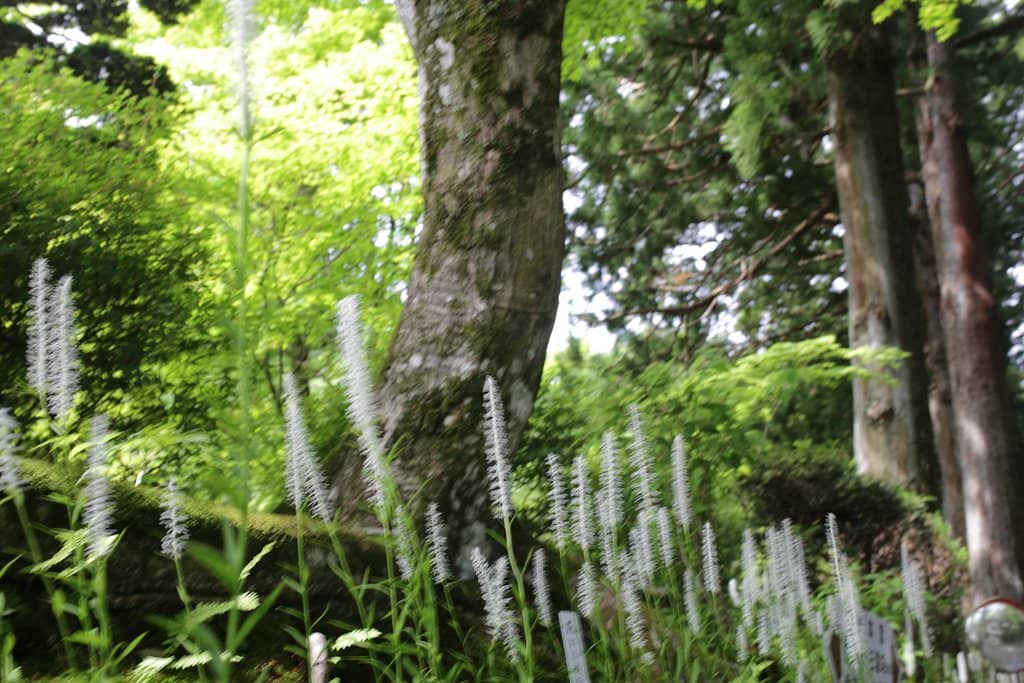
Wander through enchanting carpet moss paths, surrounded by ancient cedar trees and vibrant foliage. A true feast for the senses.
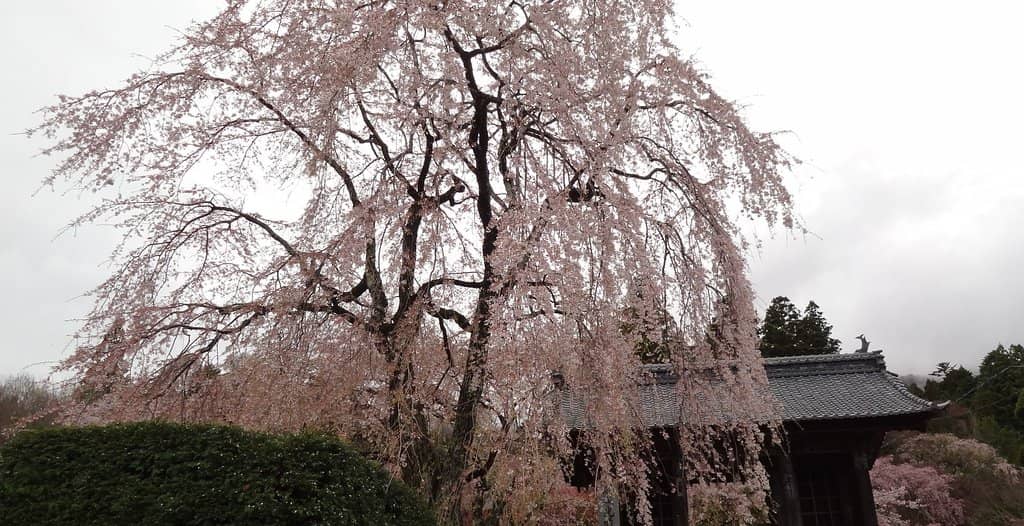
Weeping Cherry Trees
Temple Grounds
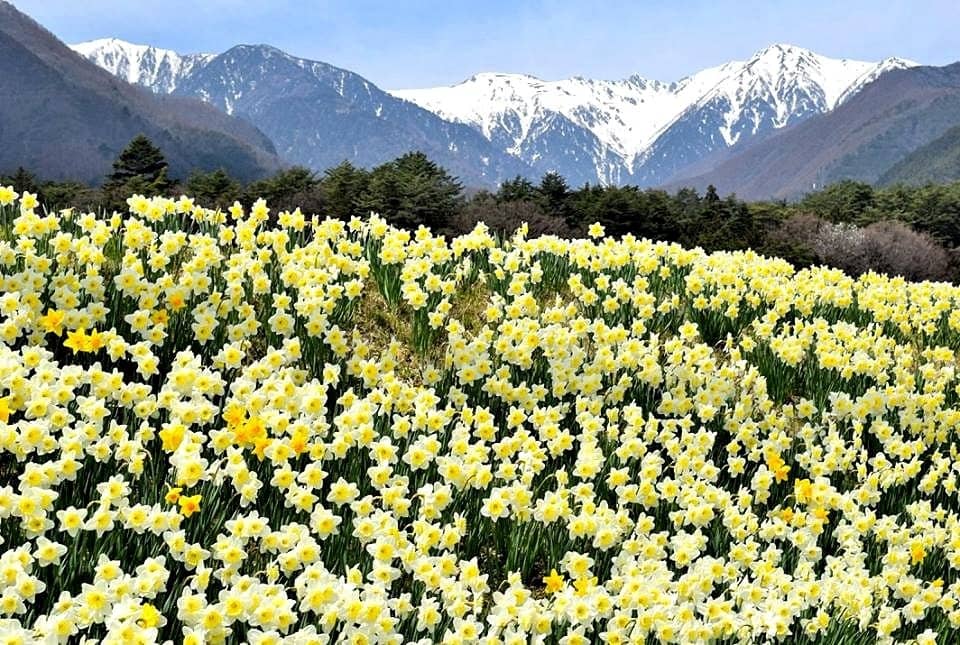
Witness the breathtaking beauty of blooming cherry blossoms, especially in mid to late April. A popular spot for hanami.
Hayataro's Grave
Temple Grounds
Discover the legend of Hayataro, the brave temple dog, and visit his resting place. A unique historical and cultural element.

Three-story Pagoda
Temple Grounds
Admire the striking 17-meter-high pagoda, a significant architectural feature of the temple grounds.
Plans like a pro.
Thinks like you
Planning Your Visit
Embrace the Serenity
Timing is Key for Nature Lovers
Best Times
Insider Tips
from TikTok, Instagram & Reddit
🎯 Free Admission!
Enjoy the temple's beauty without an entry fee. A great budget-friendly option. :moneywithwings:
🚗 Ample Parking Available
Spacious parking lots are available near the main entrance and a bit further up the road. 🚗
🌸 Sakura Season Crowds
Visit early or on weekdays during cherry blossom season to avoid the biggest crowds. :people_hugging:
👟 Comfortable Walking Shoes
You'll be doing a lot of walking on mossy paths and grounds, so wear comfy shoes! :athletic_shoe:
Tips
from all over the internet
🎯 Free Admission!
Enjoy the temple's beauty without an entry fee. A great budget-friendly option. :moneywithwings:
🚗 Ample Parking Available
Spacious parking lots are available near the main entrance and a bit further up the road. 🚗
🌸 Sakura Season Crowds
Visit early or on weekdays during cherry blossom season to avoid the biggest crowds. :people_hugging:
👟 Comfortable Walking Shoes
You'll be doing a lot of walking on mossy paths and grounds, so wear comfy shoes! :athletic_shoe:
What Travellers Say
Reviews Summary
Visitors consistently praise Kozenji Temple for its breathtaking natural beauty, particularly its enchanting moss gardens and ancient cedar trees. The free admission and ample parking are significant draws, making it an accessible and enjoyable experience for many. While the cherry blossom season is a highlight, it also brings larger crowds.
"Beautiful landscaping with carpet moss, ancient cedar trees, maple and Gingko trees sprawling throughout its compound."
Yuan Tze
"Kōzen-ji Temple (Hoshakuzan Kōzenji – 光前寺) is a historic Tendai Buddhist temple. It was founded in 860 CE by the monk Honjō Shōnin, a disciple of the famous Ennin.
The temple features are:
Hondō (Main Hall): Rebuilt in 1851, it serves as the spiritual heart of the temple.
Sanmon (Main Gate): Reconstructed in 1848, it marks the entrance to the sacred area.
Three-story Pagoda: A striking 17-meter-high structure rebuilt in 1808.
Kōzen-ji is known for its beautiful moss-covered stone paths, ancient Japanese cedars, and serene atmosphere. Its gardens are officially recognized as a Place of Scenic Beauty in Japan. It is especially popular in mid to late April, when the weeping cherry trees are in full bloom. However when we visited on April 9, they were not yet blooming.
The temple is associated with the legend of Hayatarō, a brave temple dog who is said to have sacrificed his life to save a village from a monstrous creature. His grave is located on the temple grounds and draws visitors and pilgrims.
Entrance is free.
There is spacious parking outside main entrance, and another one a little bit up the road."
Anna Krzak
"June 2023
You will feel like you travelled back in time as you walk through the really tall cedar trees
Amazing experience"
Cherry Yip
What People Like
What People Dislike
Frequently Asked Questions
🚇 🗺️ Getting There
From Tokyo, take the JR Chuo Line to Nagoya, then transfer to the JR Iida Line to Komagane Station. From Komagane Station, Kozenji Temple is a short taxi ride or a pleasant walk. +1
Yes, local buses operate from Komagane Station to the vicinity of Kozenji Temple. Taxis are also readily available.
Absolutely! Kozenji Temple offers spacious parking lots near the main entrance and a little further up the road, making it convenient for visitors arriving by car.
The temple grounds are best explored on foot. Wear comfortable shoes as you'll be walking on mossy paths and uneven terrain. :athletic_shoe:
While the main paths are generally well-maintained, some areas with moss and uneven terrain might be challenging for wheelchairs. It's advisable to check with the temple directly for specific accessibility information. ♿
🎫 🎫 Tickets & Entry
No, admission to Kozenji Temple is completely free! This makes it a wonderful and accessible destination for all travelers. :moneywithwings:
Kozenji Temple is generally open to visitors throughout the day, allowing you to enjoy its serene atmosphere at your own pace. It's best to visit during daylight hours to fully appreciate the gardens. :clock1:
Yes, the temple is open on holidays. However, be aware that popular times like cherry blossom season can be busier.
Since admission is free, no advance booking is required. You can visit Kozenji Temple spontaneously. 🎟️
While not always advertised widely online, local festivals or seasonal events might occur. It's worth checking local listings if you're visiting during a specific time. 📅
📸 📸 Photography
The moss-covered paths, ancient cedar trees, and the blooming cherry blossoms (in season) offer stunning photographic opportunities. The three-story pagoda also makes for a picturesque shot. +2
Photography rules can vary inside temple buildings. It's best to look for signage or ask temple staff if you're unsure. Generally, exterior shots are welcomed. :camerawithflash:
Early morning or late afternoon often provides softer light, ideal for capturing the serene beauty of the temple grounds and gardens.
Drone usage is typically restricted at religious sites to maintain peace and respect. It's advisable to avoid flying drones here. :noentrysign:
Yes, you can take photos of the Hayataro grave as it's part of the temple grounds.
🎫 🌿 Nature & Gardens
The gardens are renowned for their beautiful carpet moss, ancient Japanese cedars, and serene atmosphere, officially recognized as a Place of Scenic Beauty.
The weeping cherry trees typically bloom in mid to late April, offering a spectacular display.
Besides the cedars and cherry blossoms, the temple grounds feature maple and Ginkgo trees, adding to the seasonal beauty.
Yes, the temple can get quite crowded during the cherry blossom (hanami) season due to its popularity.
Hayataro is a legendary brave temple dog who is said to have sacrificed his life to save a village from a monstrous creature. His grave is on the temple grounds.


Social
from TikTok, Instagram & Reddit