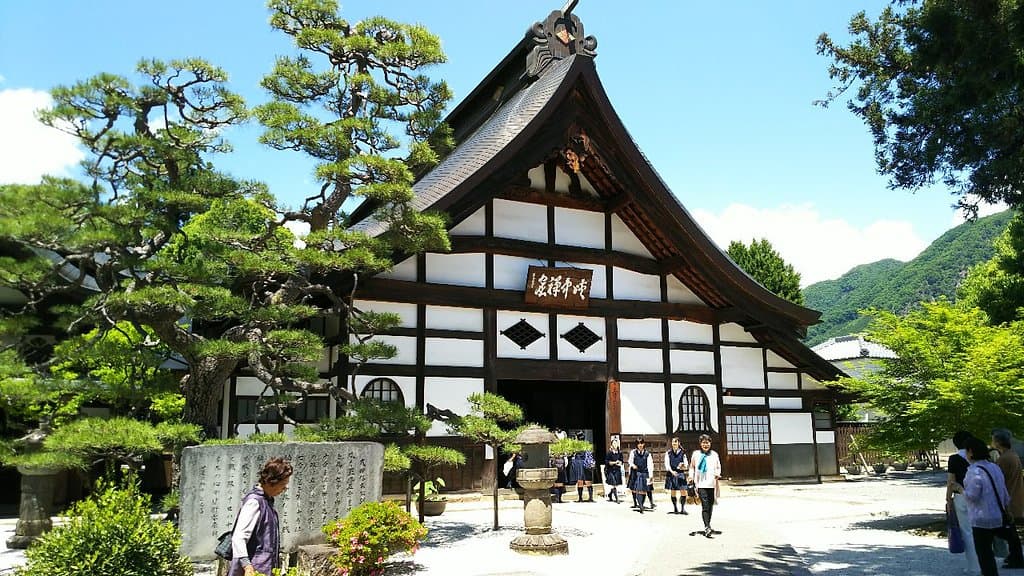
Erin-ji Temple
A serene Buddhist temple renowned for its picturesque gardens, Takeda Shingen's gravesite, and stunning seasonal beauty.
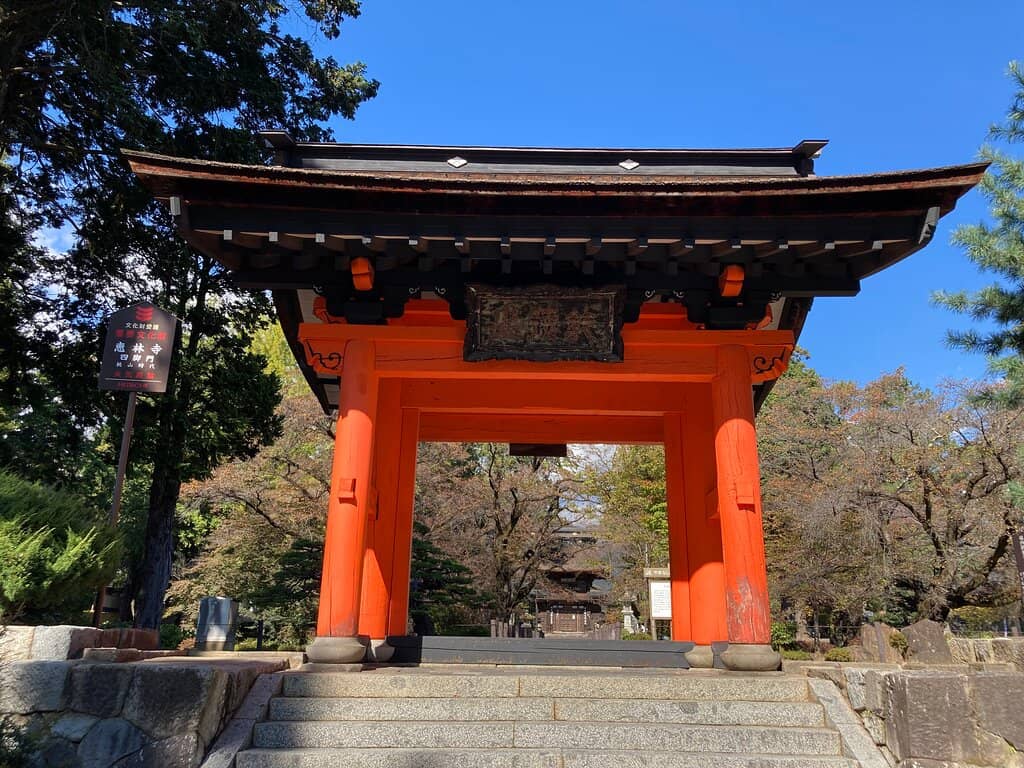
Highlights
Must-see attractions

Social
From TikTok & Reddit
Best Time
Sakura in full bloom
Erin-ji Temple
Best Time
Sakura in full bloom
Highlights
Must-see attractions
A serene Buddhist temple renowned for its picturesque gardens, Takeda Shingen's gravesite, and stunning seasonal beauty.
"Surprisingly beautiful temple with excellent grounds, well worth the small entrance fee."
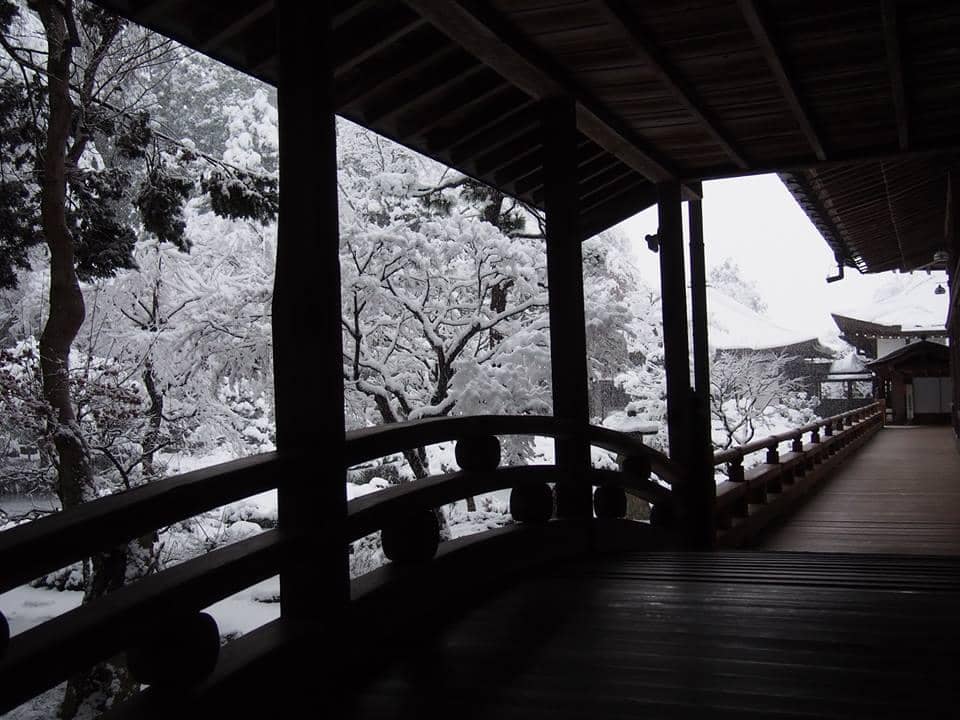
🎯 Use Parking Lot Address
Avoid scary backroads! Use the specific parking lot address for Erin-ji Temple. 🚗
🌸 Spring Cherry Blossoms
Visit in spring for stunning sakura views. May to June is ideal for cherry blossoms. :cherry_blossom:
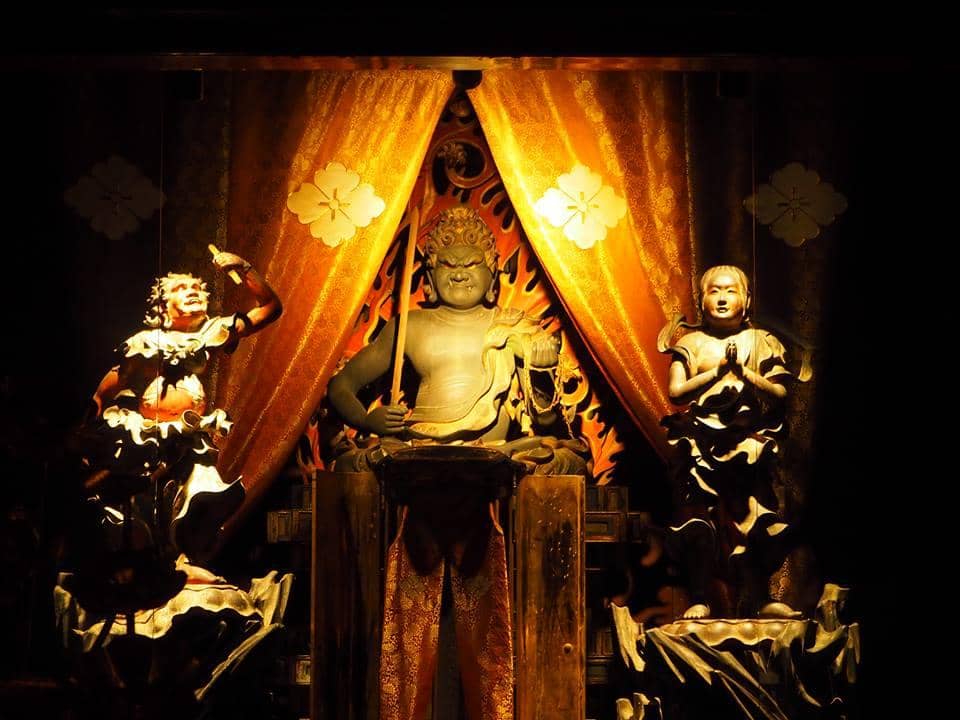
Quick Facts
Hours
Rating
4.2 · 2,377 reviews
Type
Place of Worship
Highlights
Discover the most iconic attractions and experiences
Sakura in Bloom
Temple Grounds
Witness the breathtaking beauty of numerous cherry blossom trees in full bloom, creating a picturesque spring scene.
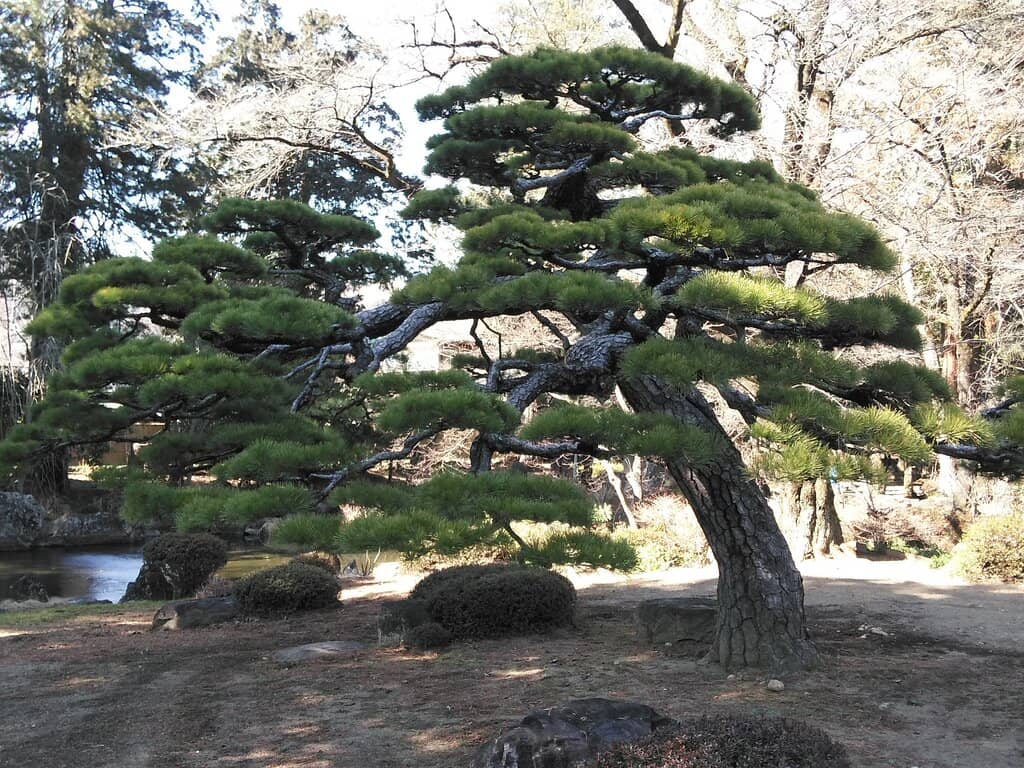
Takeda Shingen's Resting Place
Gravesite
Visit the serene gravesite of the renowned Great Samurai warrior Takeda Shingen, adding a historical dimension to your visit.
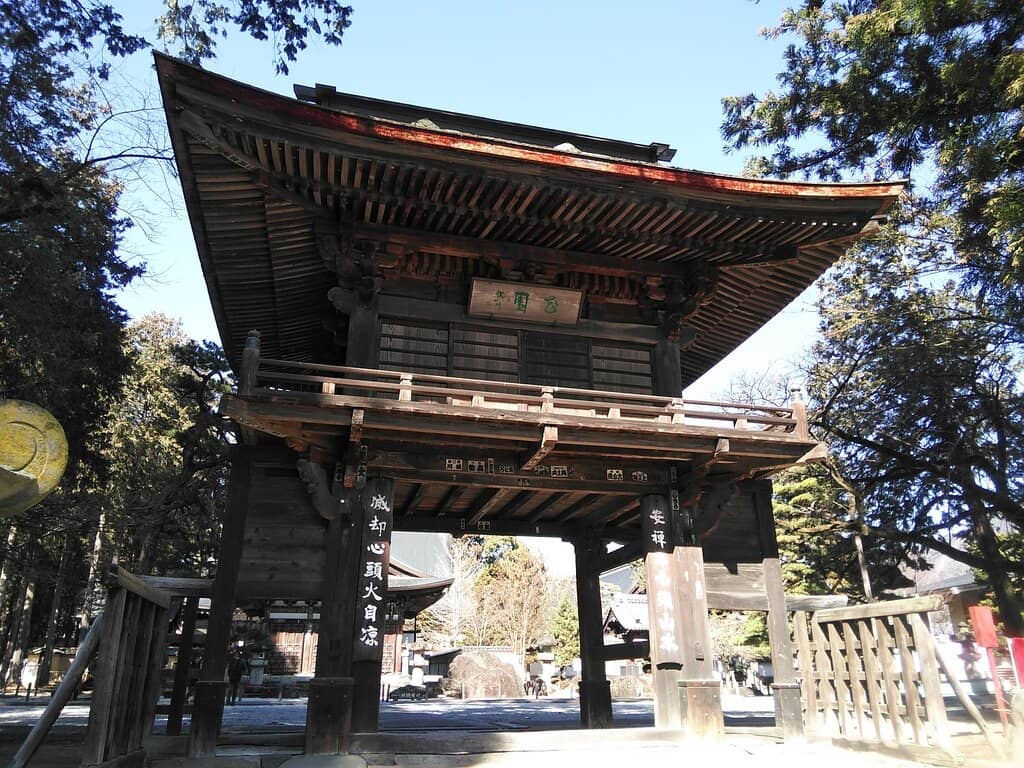
Autumn Maple Spectacle
Back Garden Pond
Imagine the vibrant hues of maple trees surrounding the back garden pond, a prime spot for stunning fall foliage.
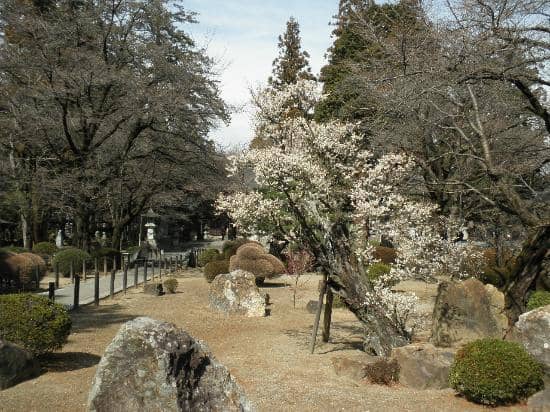
Samurai Artifacts Museum
On-site Museum
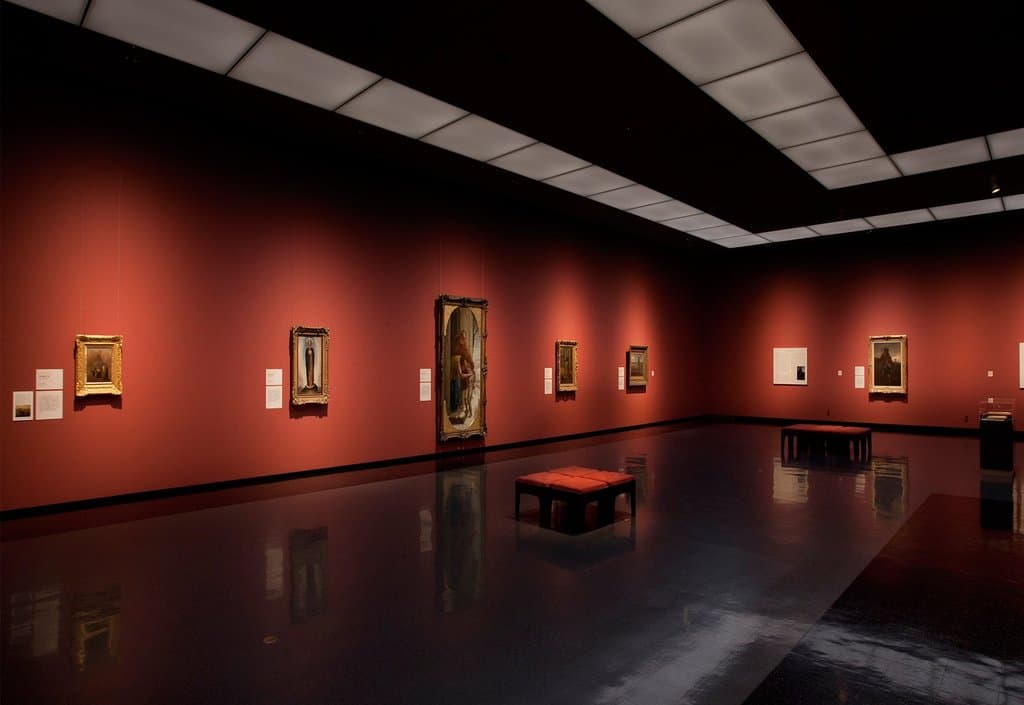
Explore a neat museum showcasing samurai artifacts for a small fee, offering a glimpse into Japan's warrior past.
Plans like a pro.
Thinks like you
Planning Your Visit
Navigating to Erin-ji Temple
Best Time for Tranquility
Best Times
Insider Tips
from TikTok, Instagram & Reddit
🎯 Use Parking Lot Address
Avoid scary backroads! Use the specific parking lot address for Erin-ji Temple. 🚗
🌸 Spring Cherry Blossoms
Visit in spring for stunning sakura views. May to June is ideal for cherry blossoms. :cherry_blossom:
🍁 Fall Foliage Beauty
Consider autumn for vibrant maple colors, especially around the back garden pond. :maple_leaf:
💰 Affordable Museum Entry
The on-site museum has samurai artifacts and is very affordable at 500 yen. :moneybag:
Tips
from all over the internet
🎯 Use Parking Lot Address
Avoid scary backroads! Use the specific parking lot address for Erin-ji Temple. 🚗
🌸 Spring Cherry Blossoms
Visit in spring for stunning sakura views. May to June is ideal for cherry blossoms. :cherry_blossom:
🍁 Fall Foliage Beauty
Consider autumn for vibrant maple colors, especially around the back garden pond. :maple_leaf:
💰 Affordable Museum Entry
The on-site museum has samurai artifacts and is very affordable at 500 yen. :moneybag:
🚶♀️ Escape Tourist Crowds
A great spot if you have a Japan Rail Pass and seek places without many foreign tourists. :train2:
What Travellers Say
Reviews Summary
Visitors consistently praise Erin-ji Temple for its serene beauty and tranquil atmosphere, especially during cherry blossom season. The historical significance, particularly its connection to Takeda Shingen, adds a unique dimension. While navigation can be a challenge, the affordable entry and the charming on-site museum make it a highly recommended stop for those seeking a peaceful and culturally rich experience away from the typical tourist trails.
"Very quiet yet very beautify. We stopped here when leaving Yaminashi. It’s a must see.
Only recommendation is out the address for the parking lot out front or Google Maps will take you on very scary back roads that were too small for our car."
Isabel Gillam
"It’s so nice place for feeling Japanese spring. Now Sakura is full blooming.
This temple is well known as place where Great Samurai warrior “Takada Shingen” has been sleeping.
If you have a Japan Rail Pass and look for good place without Foreign tourists, you should come here.
Yamanashi prefecture is famous as a sweet fruit and wine area.
I went “Ichigo-gari” before coming to here. You can enjoy to eat fresh sweet strawberries in spring. May to June, best season for cherry, July to September best for grapes."
Nyas
"Surprisingly beautiful temple with excellent grounds. 300¥ gets you in the main complex for a walking loop in the old structure and surrounding gardens, which is well worth it. The abundance of maple trees makes me think that this would be a prime spot to see fall colors over the back garden pond, so given the opportunity, I would recommend a visit."
Michael Stump
What People Like
What People Dislike
Frequently Asked Questions
🚇 🗺️ Getting There
While the temple is beautiful, navigation can be tricky. Google Maps may direct you down narrow, scary backroads. It's highly recommended to find the address for the designated parking lot to avoid this. If using public transport, research local bus routes from nearby stations, though driving is often more convenient for accessing the parking lot directly.
Yes, there is a parking lot available. However, it's crucial to use the correct address for the parking lot, as GPS navigation can be unreliable and lead you down unsuitable roads. 🚗
Erin-ji Temple is a good destination for those with a Japan Rail Pass looking for a less crowded experience. You'll likely need to combine train travel with a local bus or taxi to reach the temple from the nearest JR station. :train2:
The nearest major train stations are typically in Kofu City. From Kofu, you would likely need to arrange local transportation, such as a bus or taxi, to reach Erin-ji Temple.
Travelers strongly advise finding the official address for the parking lot to avoid difficult driving routes. It's best to search for 'Erin-ji Temple parking' or a specific address provided by the temple or local tourism information.
🎫 🎫 Tickets & Entry
Entry to the main complex of Erin-ji Temple is typically around 300 JPY, which grants access to the walking loop through the old structure and surrounding gardens. 💴
Yes, there is a separate, small fee for the on-site museum, which houses samurai artifacts. This is usually around 500 JPY per person. :moneybag:
Opening hours can vary seasonally. It's advisable to check the official temple website or local tourism information for the most up-to-date hours before your visit. Generally, temples are open during daylight hours.
Tickets are typically purchased on-site at the temple. Advance booking is usually not required for general admission to Erin-ji Temple.
While the grounds are beautiful, some areas may have uneven terrain or stairs. It's recommended to inquire directly with the temple regarding specific accessibility for visitors with disabilities.
🎫 🏞️ Onsite Experience
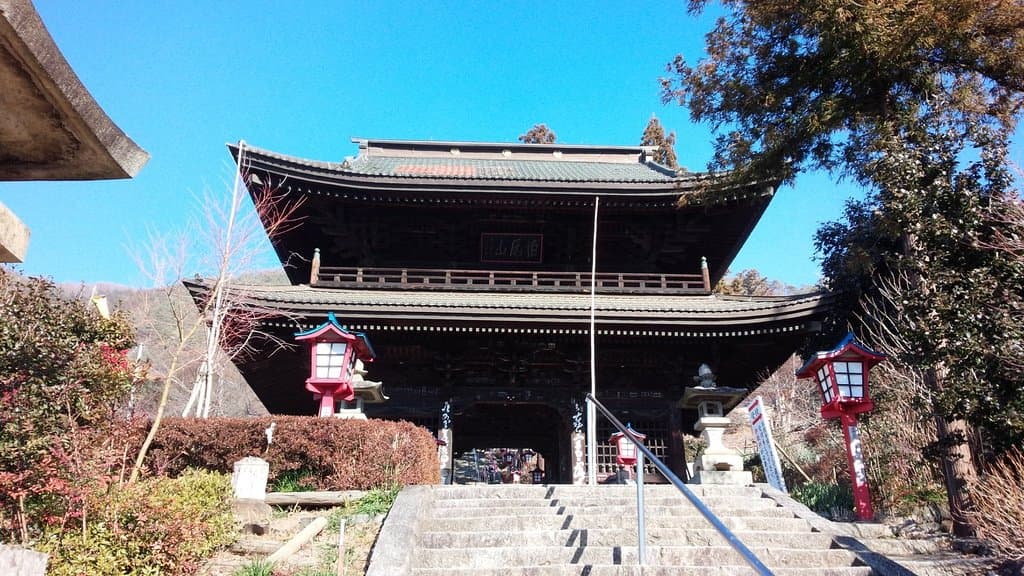
Erin-ji Temple boasts picturesque grounds with a pond and gardens, a serene gravesite of Takeda Shingen, and an on-site museum with samurai artifacts. It's known for its beautiful cherry blossoms in spring and maple trees in autumn.
Absolutely! The temple grounds, especially during cherry blossom season or autumn, offer stunning photographic opportunities. The pond and gardens provide beautiful backdrops. :camerawithflash:
A visit to Erin-ji Temple can take anywhere from 1 to 2 hours, depending on your interest in exploring the grounds, visiting the museum, and taking photos.
Erin-ji Temple is often described as very quiet and beautiful, especially when compared to more popular tourist sites. It's a good place to escape crowds and find tranquility.
Erin-ji Temple is famously known as the resting place of the Great Samurai warrior Takeda Shingen, adding a significant historical and cultural layer to the site.
🍽️ 🍓 Food & Dining
The area around Erin-ji Temple is known for its fruit orchards and wineries. You might find local eateries or cafes in nearby towns, but dining options directly at the temple are limited to perhaps vending machines or very basic refreshments.
Yamanashi Prefecture is famous for its sweet fruits and wine. During spring, 'Ichigo-gari' (strawberry picking) is popular. From July to September, grapes are in season. :strawberry:
While not explicitly stated, many Japanese temple grounds allow for quiet contemplation. It's best to check with the temple staff or look for designated areas if you plan to picnic. Please be respectful of the serene environment.
Information about cafes or tea houses directly on the temple grounds is limited. It's more likely you'll find these amenities in the surrounding towns or villages.
To experience local cuisine, consider visiting nearby towns in Yamanashi Prefecture known for their fruit farms and wineries. This offers a more authentic culinary experience. :wine_glass:
📸 📸 Photography
The temple grounds, especially the back garden pond surrounded by maple trees, and the areas with cherry blossoms in spring, are prime spots for photography. The temple architecture itself also makes for beautiful shots. :camerawithflash:
Early morning or late afternoon often provide the best light for photography, minimizing harsh shadows and creating a softer, more atmospheric feel. This also aligns with quieter times at the temple.
Generally, photography is allowed in most outdoor areas. However, it's always respectful to check for any signage regarding photography inside temple buildings or specific sacred areas.
A standard DSLR or mirrorless camera with a versatile lens (e.g., 24-70mm) would be suitable. A wide-angle lens can be useful for capturing the expansive gardens, and a telephoto lens can isolate details.
Drone usage is typically restricted at religious sites and historical locations to maintain peace and prevent disturbance. It's highly unlikely that drone flying is permitted. Always check local regulations.

Social
from TikTok, Instagram & Reddit